










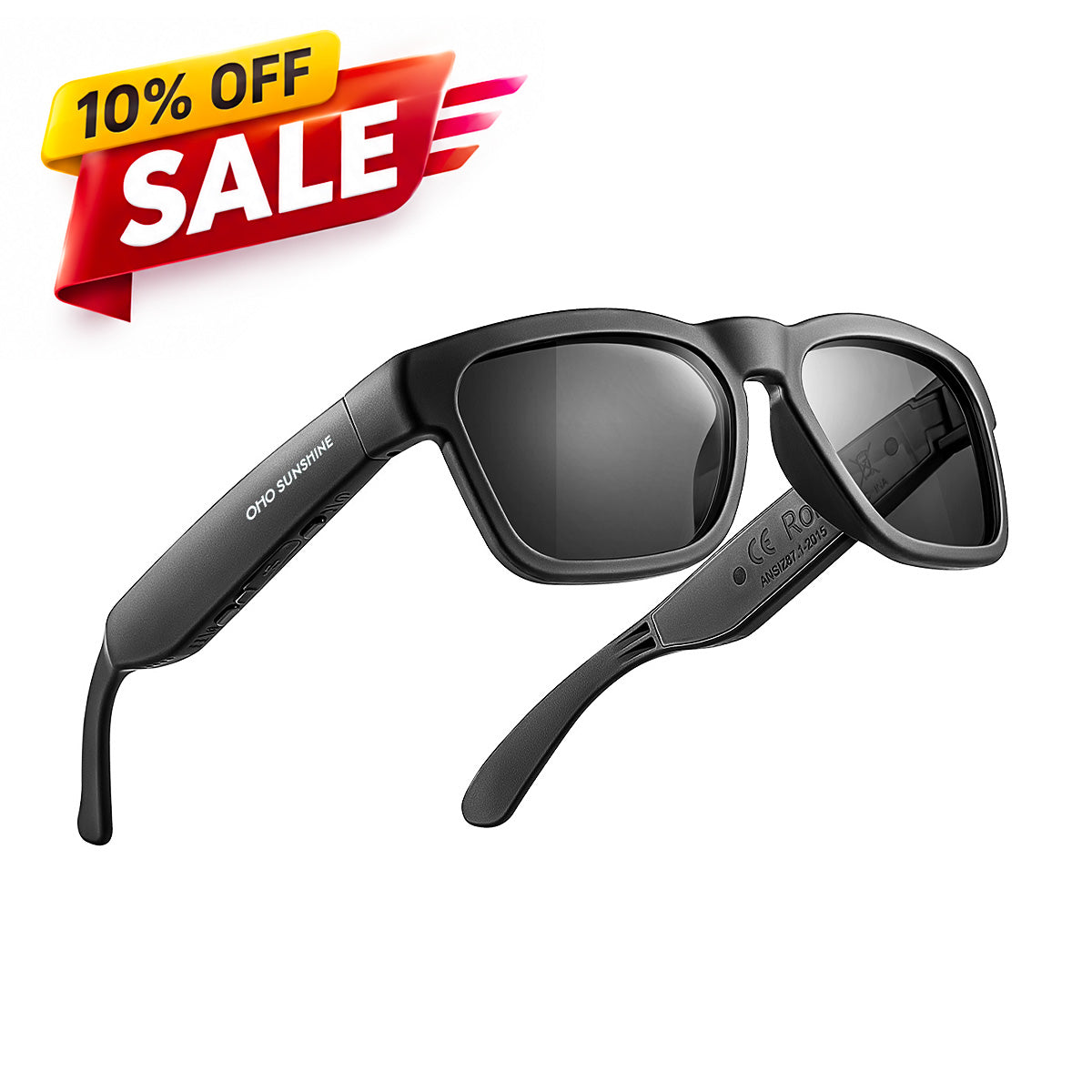


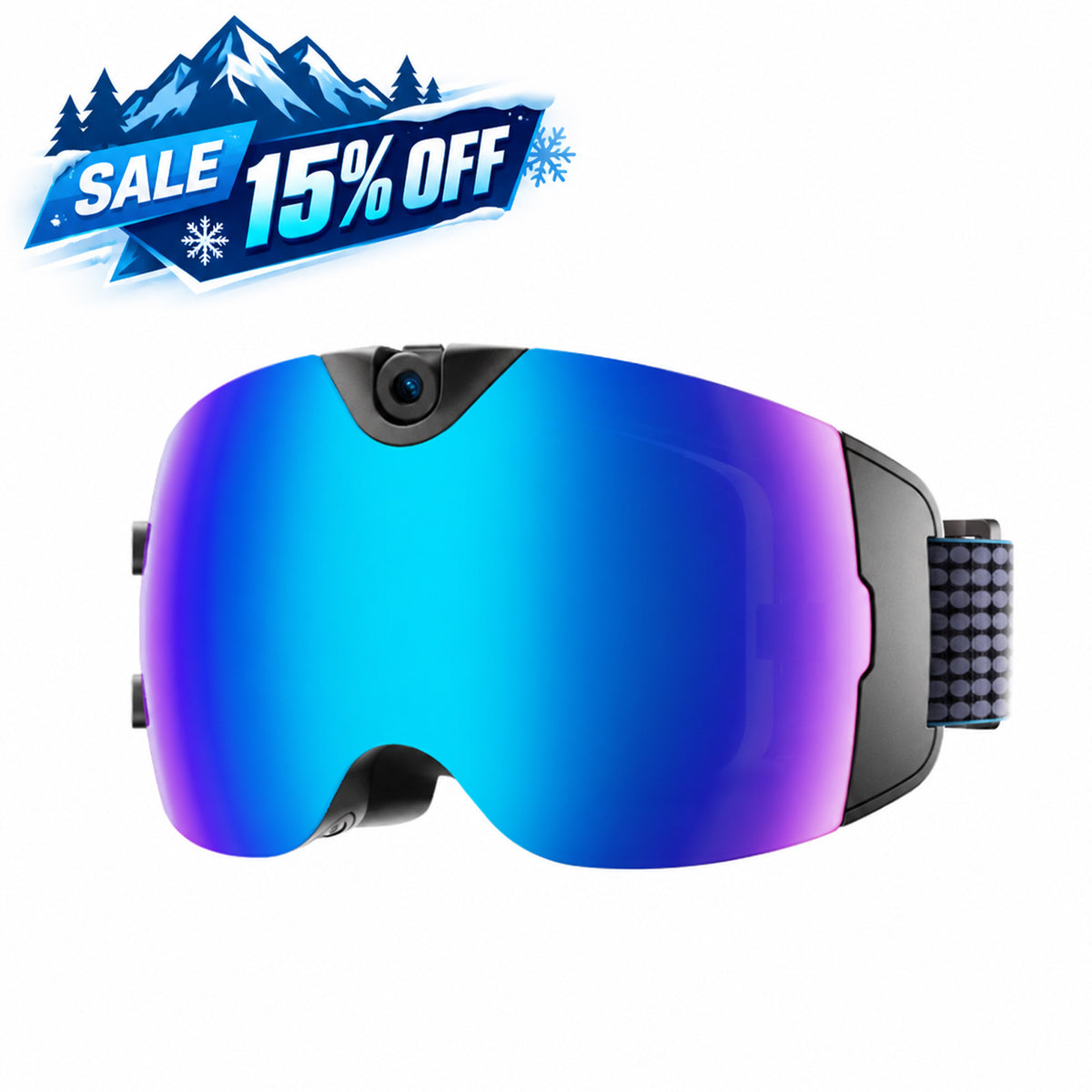

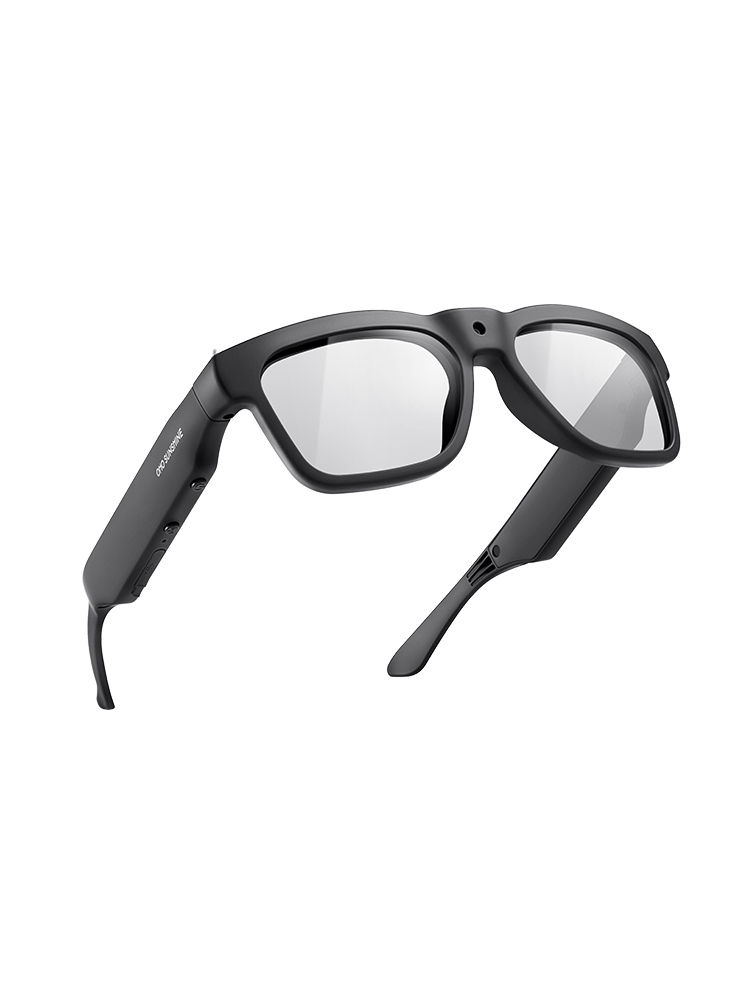

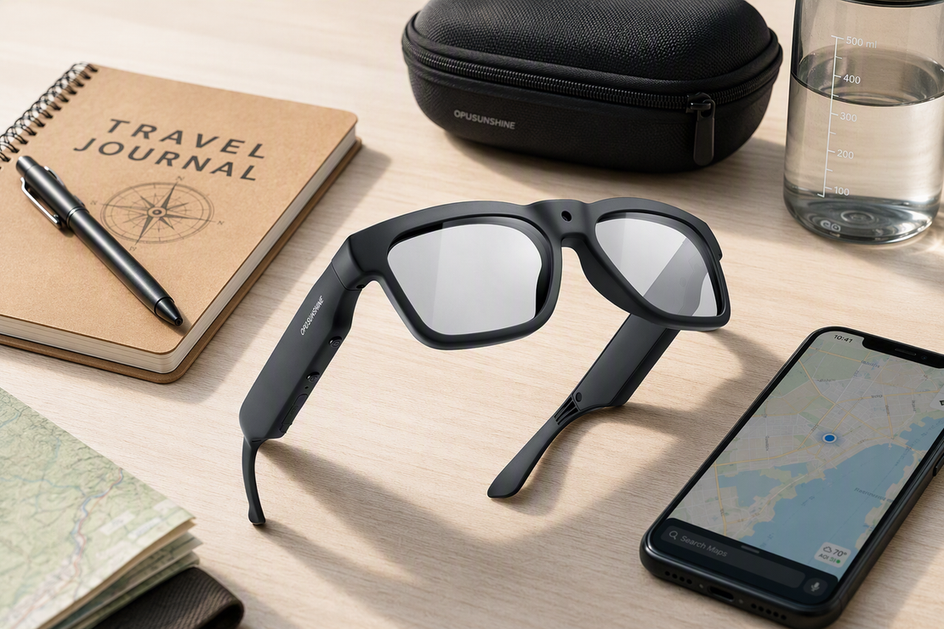
Yes, many people can wear camera glasses for six hours, but only when the frame stays balanced and free of pressure throughout the session. A quick mirror check is not enough. This is a fit-and-conditions question, not just a weight question: the number of grams on a spec sheet says little about where that weight sits on your face.
Your routine matters too. Walking, turning your head, heat, and sweat can turn a comfortable seated try-on into a painful afternoon outdoors. If discomfort, redness, slipping, or uncomfortable heat develops, the frame has failed the intended session rather than proving you should tolerate it.
Check Balance, Temple Pressure, Nose Contact, and Sliding Before You Buy
Use a short physical check to identify what fails first, then accept, adjust, or reject the frame. A suitable fit should keep the bridge, temples, and behind-ear contact secure without concentrated pressure, while the frame stays balanced and in place.

General eyeglass-fit guidance says that proper temple length helps keep glasses secure without discomfort, but that guidance is background for screening a camera-glasses fit, not direct proof of six-hour comfort. Listed measurements are only screening guides. Your physical observations matter more: note pressure at the nose, temples, or ears, and whether the frame shifts when you move. Another general eyeglass-fit guide says a balanced frame should remain comfortable and still, but this does not establish that a camera-glasses frame will feel comfortable for a long session, even when its listed weight looks low.
If the frame repeatedly slips or leaves redness or concentrated pressure, do not keep tightening it. Treat the fit as unresolved until you adjust it or try a different frame shape.
Heat, Sweat, and Movement Decide Whether Six Hours Holds Up
A frame that passes a cool, seated check can still fail when you add walking, heat, or sweat. Test the conditions that match your plans, not just the easiest ones.

Mostly Seated: Look for Slow-Building Pressure
Wear the frame for an extended stretch while you work, read, or travel. Pressure at the temples, ears, or nose often builds slowly, so a five-minute check will not reveal it. Check whether the camera stays aimed correctly when you look down at a screen or notes. A comfortable indoor test does not guarantee the same frame will work outdoors.
Walking and Head Movement: Watch for Sliding
Walk around, turn your head, and lean forward as you would during your outing. Reject a frame that keeps sliding down your nose or shifts enough to change the camera's view. Do not fix sliding by cranking the temples tighter; that simply trades one problem for behind-ear pain later.
Hot or Humid Conditions: Treat Sweat as a Separate Test
Test in real warmth if you can. Watch for trapped sweat, skin irritation, or heat that feels uncomfortable rather than merely warm. Sweat that cannot evaporate against your skin can cause irritation on its own. If heavy sweating comes with heat-illness warning signs such as dizziness, weakness, nausea, headache, or unusual thirst, stop the trial, move to shade or air conditioning, and drink water before deciding whether the frame works for you. If symptoms worsen or do not improve, seek medical help. Do not assume that a water-resistant rating or a particular frame material will make six hours in the heat comfortable; those specs describe durability, not skin comfort.
Run a Realistic Camera Glasses Comfort Test Before Committing
Before buying, run one structured trial instead of judging comfort from a quick try-on. This approach gives you a better sense of how the glasses will handle a long session.
- Put on the glasses without forcing or over-tightening them, then let them settle naturally for a minute.
- Check the bridge, temples, and behind-ear contact points for pinching or sharp pressure.
- Walk normally for several minutes, then lean forward as if picking something up.
- Turn and gently shake your head a few times to test balance and sliding.
- If your use case involves heat or activity, repeat the walk-and-lean check in those conditions.
- Wear the glasses for the longest stretch you can manage before purchase, ideally an hour or more.
- Note the first problem, such as pressure, sliding, or heat. Decide whether the frame passes for your use, passes only in narrower conditions such as cooler indoor use, or should be rejected before you buy.
Remove or readjust the glasses instead of pushing through persistent pain, numbness, skin irritation, or uncomfortable heat. Treat these signs as a fit failure, not as a challenge to tolerate.
Choose a Camera-Glasses Option by Your Long-Session Scenario
Listed specifications can narrow your choice, but they cannot confirm comfort on your face. Use the table to match features to your scenario, then confirm the fit with the test above before buying.
| Product | Listed facts | Best-fit scenario | Comfort boundary |
|---|---|---|---|
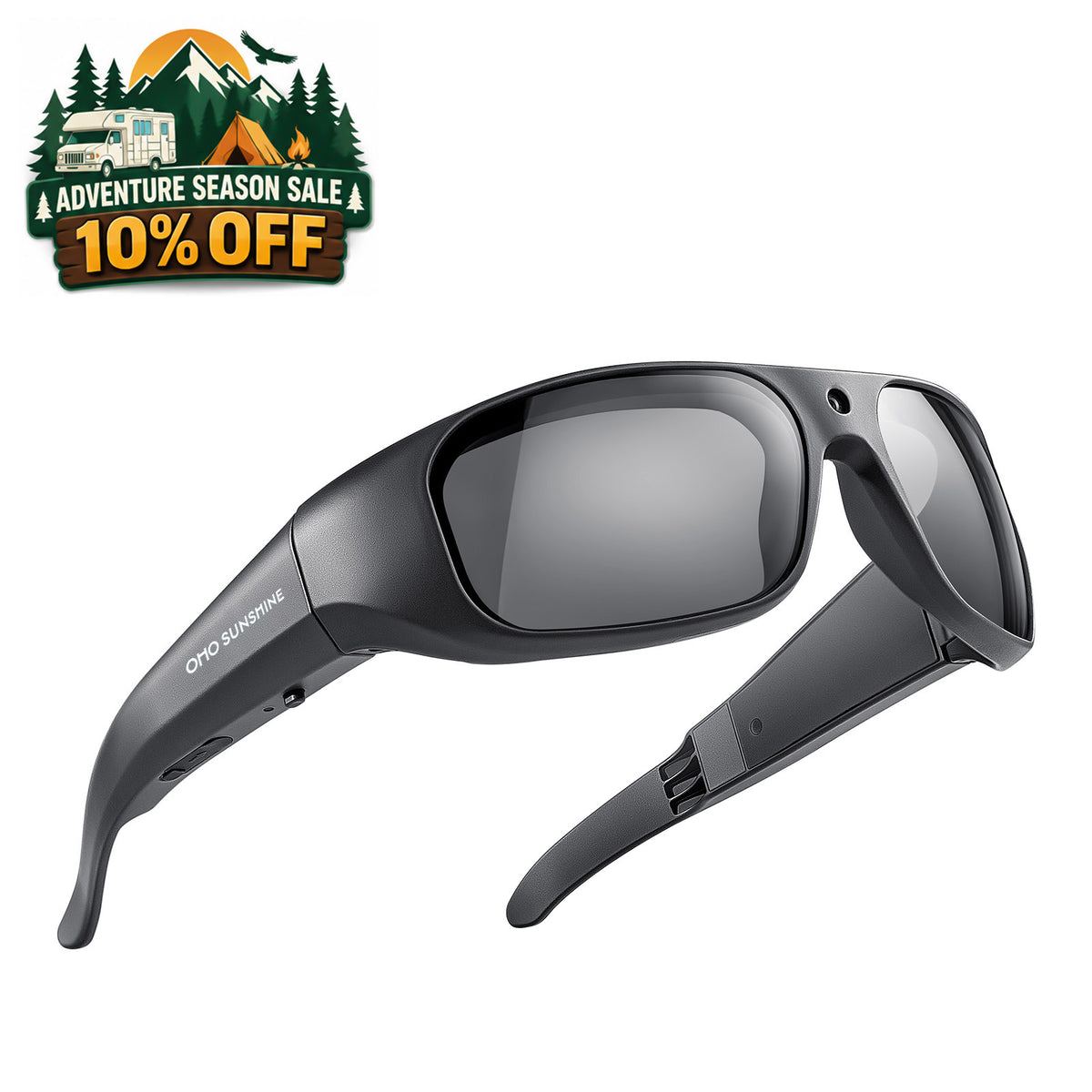
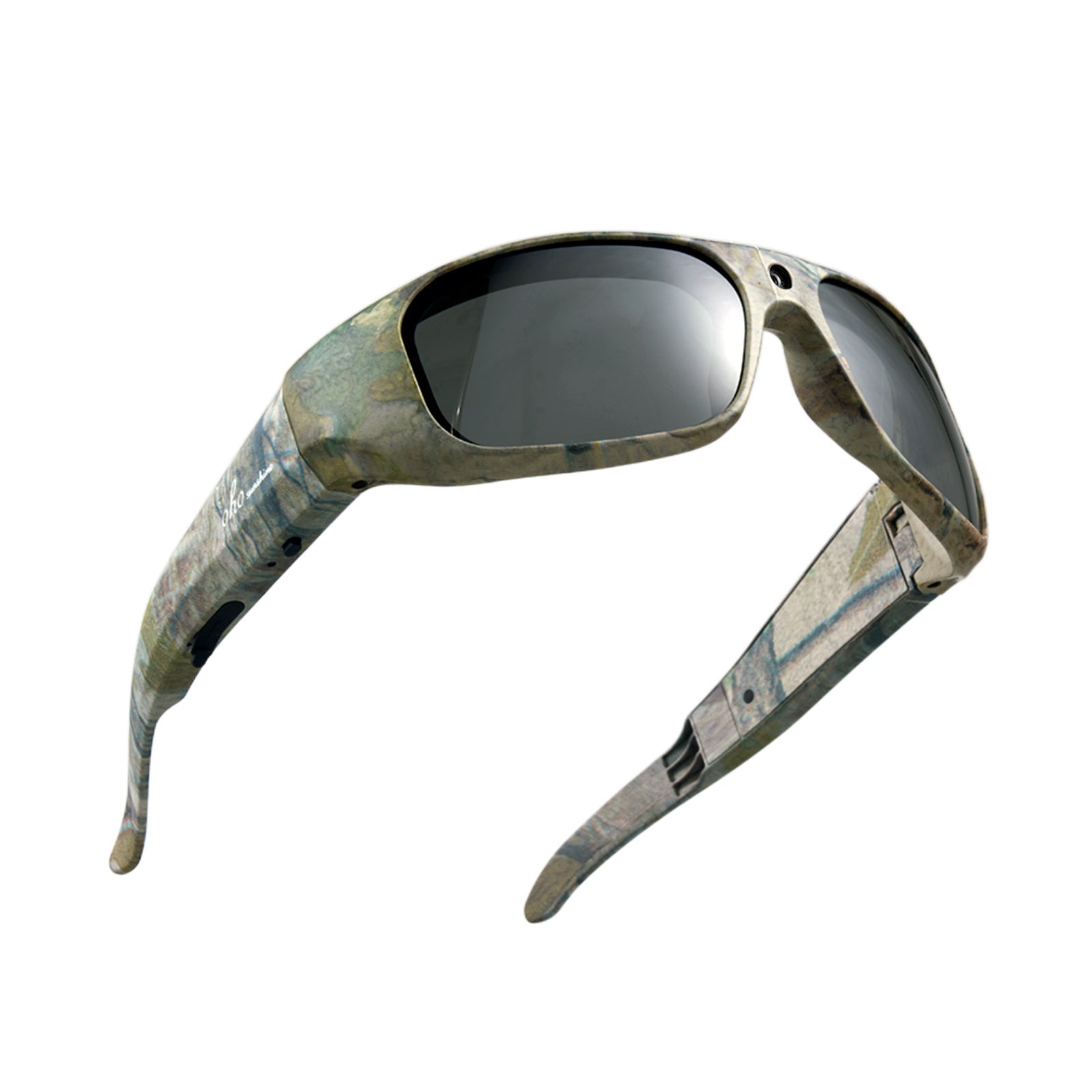
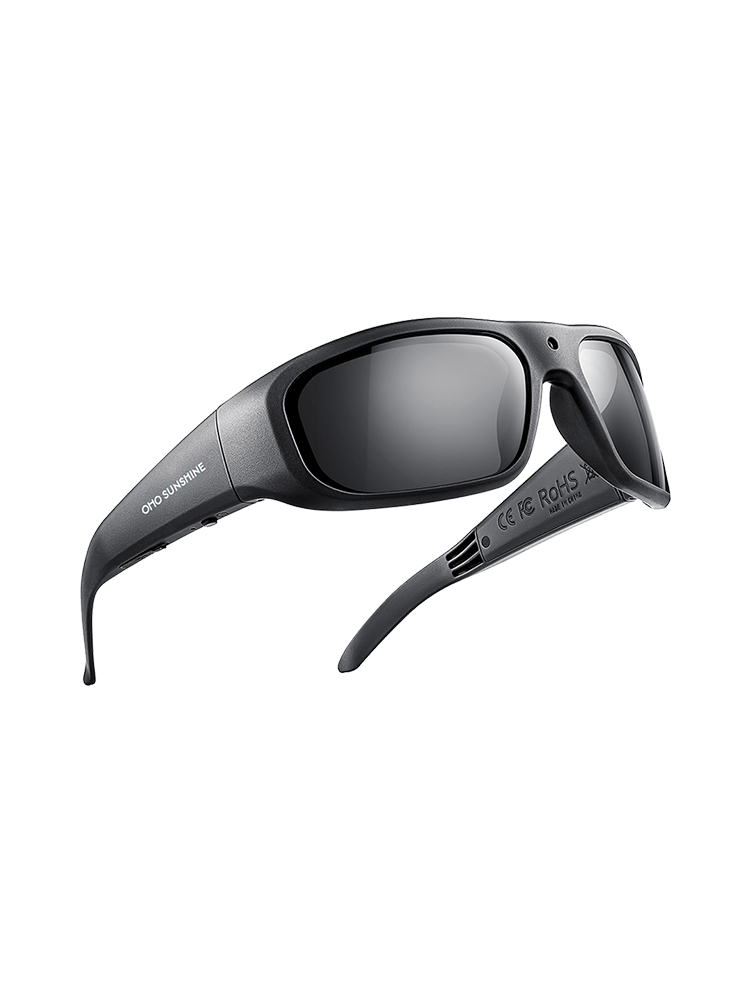
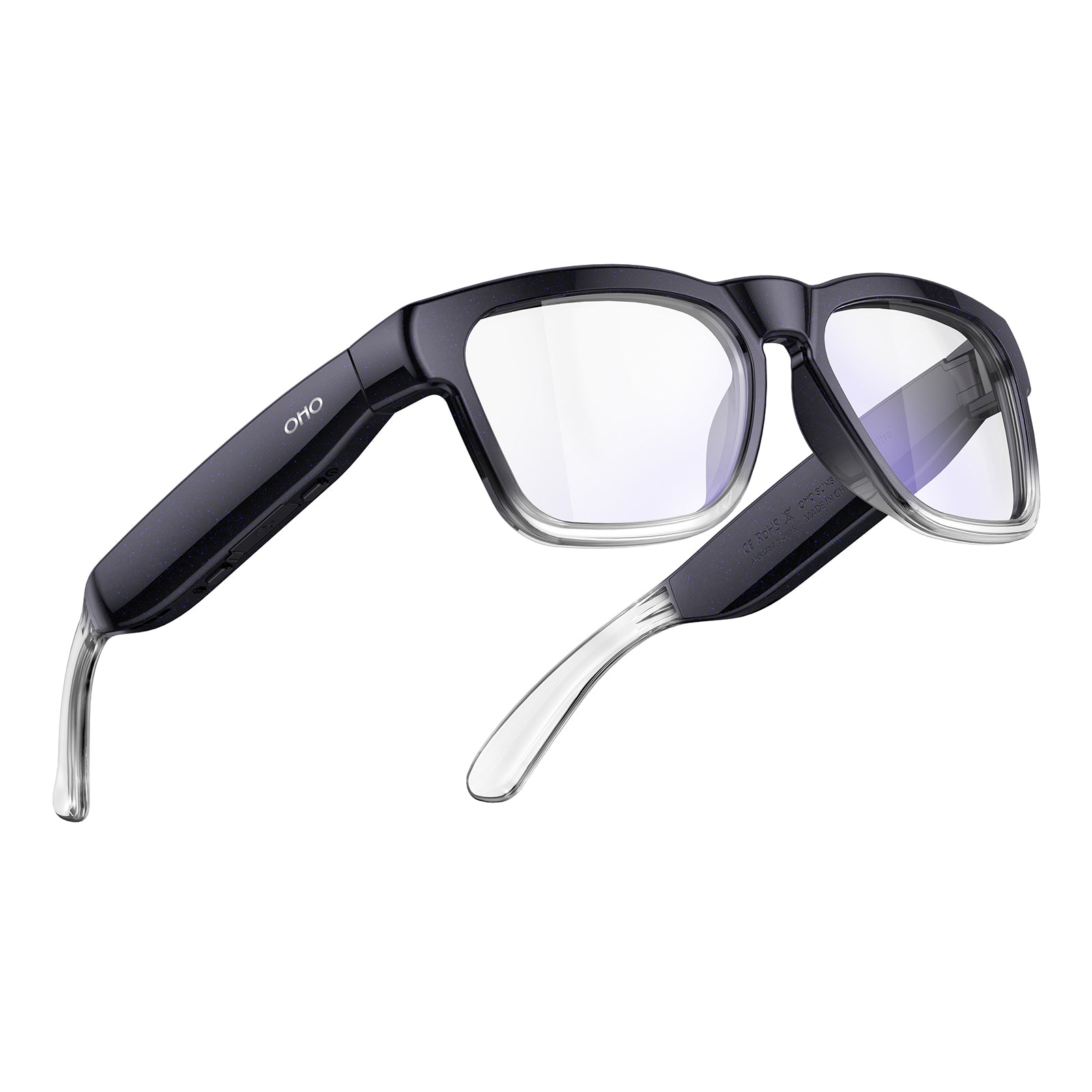
| Lighter camera glasses (Edge Pro) | 1.46 ounces, photochromic lenses, 4K video, real-time translation | Travel, changing light, or hands-free translation needs where a lighter listed frame matters | At 1.46 ounces, this is the lightest listed option of the three, but that does not guarantee a pressure-free fit. Run the physical test first. |
| Stabilized camera glasses (Primex EIS) | 2.12 ounces, TR90 frame, photochromic lenses, electronic image stabilization, IPX4 water resistance, 60-minute battery life | Active recording where smoother footage matters more than the lightest frame | Plan sessions around the 60-minute battery life separately from wear time, and confirm that the 2.12-ounce frame feels balanced on your face. |
| Polarized outdoor camera glasses (Vidsoul) | 1.66 ounces, polarized lenses, TR90 frame, 90-minute battery life | Bright outdoor use, driving, or glare-heavy conditions where polarized lenses are the feature priority | Polarized lenses do not guarantee all-day comfort. The 90-minute battery also means you will need recharging or spare power for a full six-hour outing. |
Battery life describes recording time, not how long the frame stays comfortable on your face. Check our recording time guide if runtime is your main concern. Once you know which feature set fits your scenario, run the fit test above, compare options in our Camera Glasses collection, and confirm the return window before your six-hour outing.
FAQs
Can smart glasses with camera really be worn for six hours straight?
For some wearers, yes, if the frame stays balanced, does not pinch at the temples, ears, or nose, and does not slide during normal movement. Run the static-and-movement test before committing to a full six-hour session.
Why do camera glasses hurt behind my ears after a few hours?
Behind-ear pain can point to pressure from the temples or behind-ear contact, but the cause depends on the frame and your head shape. Adjust the frame or try a different one if the pressure does not ease.
Why do my camera glasses keep sliding down my nose?
Sliding often means the bridge is too wide, too narrow, or not shaped for your nose. Tightening the temples to compensate can create new pressure behind your ears, so treat sliding as its own fit problem.
Are any camera glasses truly comfortable for all-day wear?
No frame is universally comfortable for every face and every day. Long-wear comfort depends on your bridge fit, temple length, and how well the frame handles your normal movement and conditions, so use the physical test before buying.
Sources
- All About Vision (2019). Eyeglass Temples: How Do You Know if They're the Right Length?
- Warby Parker (2022). How Should Your Glasses Fit?
- Occupational Safety and Health Administration (2024). Heat-Related Illnesses and First Aid


コメントを書く
このサイトはhCaptchaによって保護されており、hCaptchaプライバシーポリシーおよび利用規約が適用されます。