













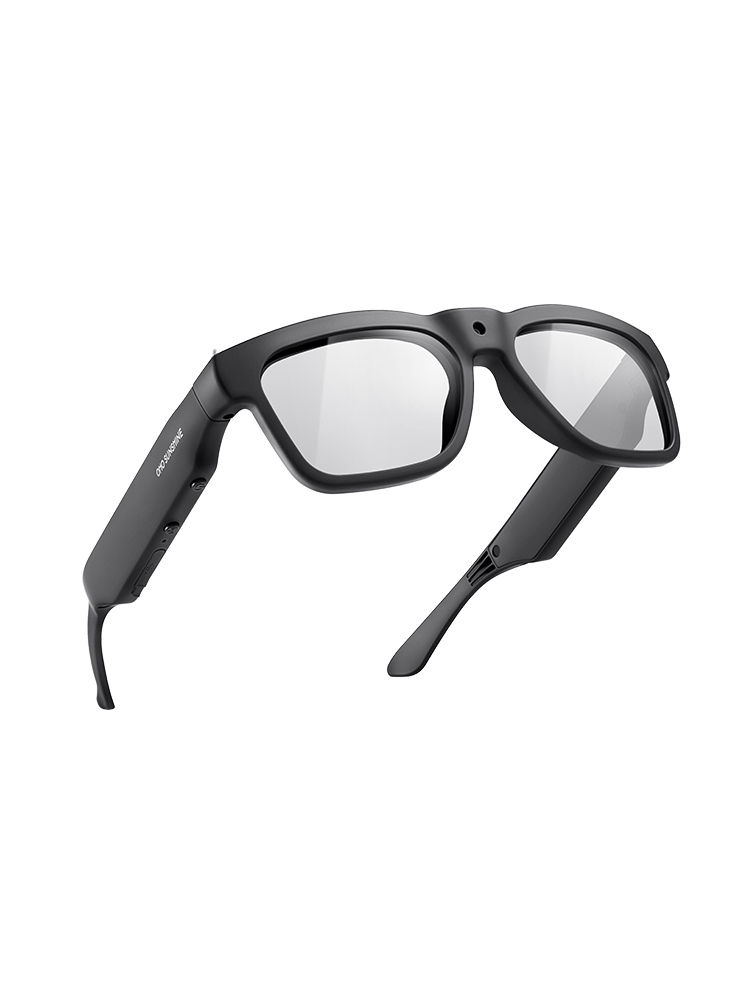


Smart glasses for men now blend everyday eyewear with cameras, AI assistants, and hands-free audio, but not every feature suits every routine. Office days call for comfortable fit and workplace-appropriate recording, travel demands adaptive lenses and reliable battery life, and casual wear favors a frame that simply looks and feels normal. This guide walks through choosing smart glasses by scenario, checking frame proportions, matching lenses to your light conditions, and comparing camera, audio, and AI features so you can pick a pair that fits your work, travel, and daily wear without overpaying for capabilities you won't use.
Choose smart glasses for men by job
For smart glasses for men, start with the situation where you'll wear them most. Let that use case set your priorities before you compare specs. Trying to weigh every feature equally usually means paying for capabilities you rarely use.

The matrix below covers four common routines. Match your main use case to its top priority, then complete the verification step before you shop.
| Scenario | First priority | Verify before purchase |
|---|---|---|
| Office and meetings | Comfortable fit, suitable lenses, and a practical camera routine | Whether your workplace allows a camera-equipped frame |
| Travel and commuting | Lens transitions, movement stabilization, and a charging plan | Battery runtime for your typical recording session |
| Daily errands and weekends | A frame that looks and feels like an ordinary pair of glasses | Whether any single smart feature is worth the cost |
| Communication-heavy days | Verified audio, translation, phone, and app support | Exact supported languages and connection requirements |
Here's why the priorities change by scenario.
Office and meetings
For office wear, prioritize comfortable proportions, lenses that suit your screen and lighting, and a camera that will actually help during your workday. A frame that pinches after an hour at your desk misses the point, no matter what it can record. Treat audio and translation as bonus features only if your phone, apps, and workplace support them.
Travel and commuting
Travel and commuting favor flexible lenses for changing light, hands-free capture, and stabilization when you're moving. Sightseeing, walking, and transit can take you through several light levels quickly, so an adaptive lens matters more than it does at a desk. Choose capture features only if you'll use them often enough to justify the cost, and plan how you'll recharge on longer outings.
Daily errands and weekends
For errands and weekend wear, the frame should look and feel like an ordinary pair of glasses first. No single smart feature should drive the decision. If you want one pair for the office, commute, and casual wear, choose based on your most frequent or highest-stakes use. Then accept trade-offs in the other situations instead of paying for features you rarely use.
Check frame proportions before features
Fit comes before function. Compare the measurements of a pair you already wear comfortably with the frame you're considering. Then check its contact points and stability while you move, before you evaluate camera or AI specs.

Use a familiar frame as your reference
Start with a pair you already wear comfortably and note three measurements:
- Lens width: Helps narrow down the overall frame scale that will suit your face.
- Bridge width: Shows how the frame will sit on your nose and whether it may pinch.
- Temple length: Indicates whether the arms will reach your ears comfortably or sit too short or too long.
Comparing all three gives you a better match than relying on one measurement.
Check contact points and movement
Once you have a candidate frame, check it in person:
- Make sure the bridge sits securely on your nose without creating a hard pressure point.
- Check the pressure near your ears. The temples should feel snug, not tight.
- Make sure your eyes line up with the center of the lenses, not the top or bottom edge.
- Walk around and look down to see whether the frame shifts or slides.
Smart components add weight and electronics near the temples, so balance and temple clearance matter more than they do with ordinary glasses. Choose another frame if it creates pressure, slips, or moves out of alignment during normal movement. For a deeper walkthrough of contact points and temple pressure, our smart glasses fit guide covers small-face fit and wearing the frame under a hat or helmet.
Match lenses to work, travel, and changing light
Choose lenses based on where you spend your day, not on which option sounds most advanced. Start with your light conditions, then check prescription and replacement-lens compatibility separately from tint or coating.
Choose for the light you actually move through
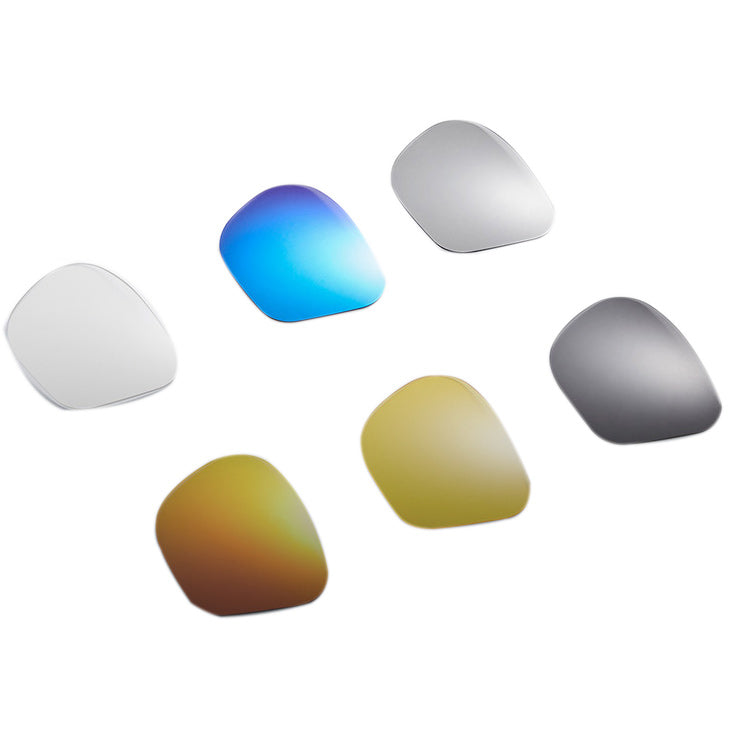
If you spend most of your time indoors at a desk or in meetings, a clear lens keeps things simple and avoids unnecessary tint. If you move between indoor offices and outdoor travel or commuting, consider a photochromic lens because it adjusts to those changes. Check the exact lens behavior on the product page. Photochromic lenses do not all perform the same way.
Separate lens treatment from prescription fit
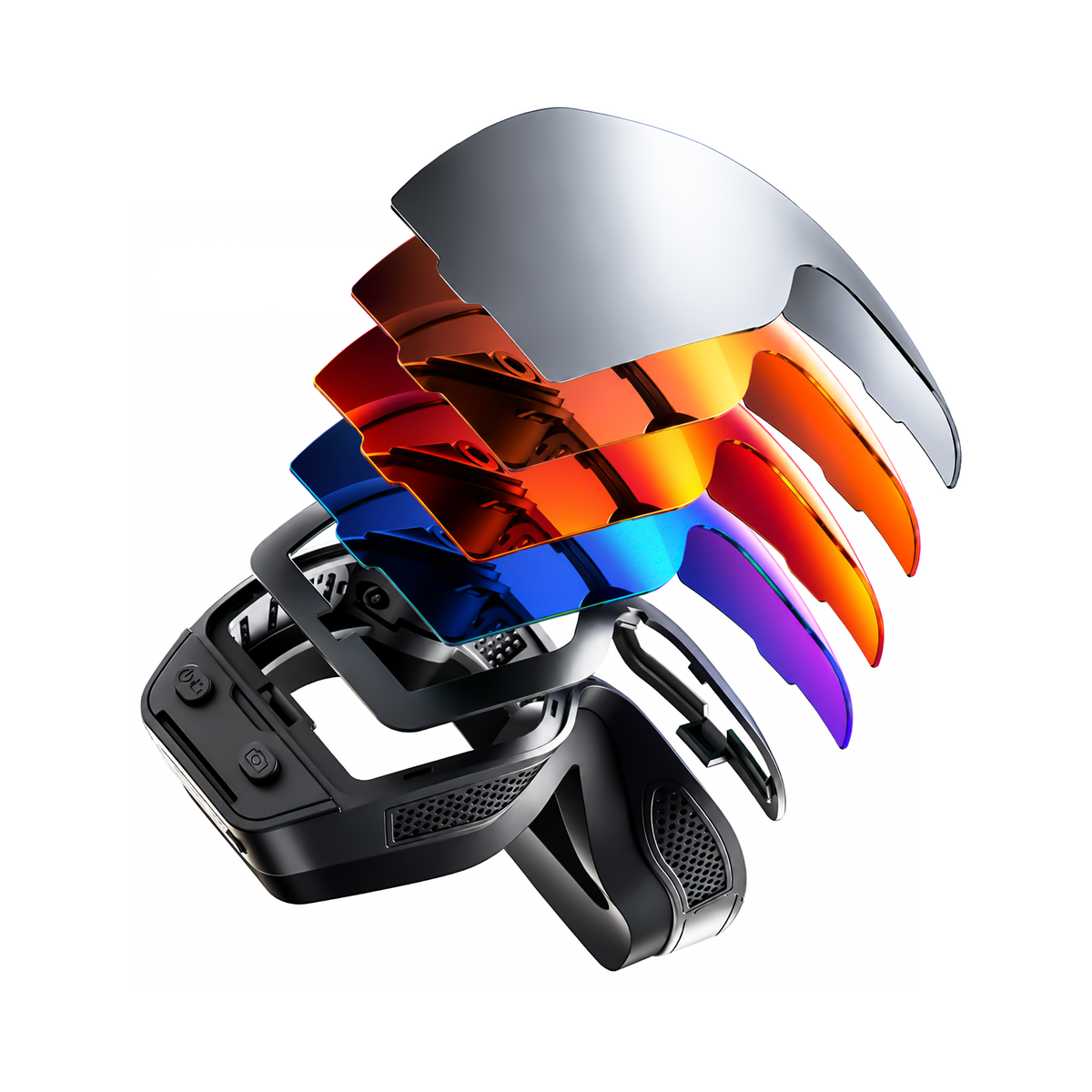
Blue-light blocking is a lens feature you may prefer, not a medical or eye-health guarantee. Before ordering, check the product listing for three details: whether the frame accepts a prescription insert, whether replacement lenses are available, and what lens shape it uses. Do not assume a smart-glasses frame supports prescription or replacement lenses. Confirm the exact model's lens configuration, because support varies by product and cannot be inferred from marketing copy alone.
Choose camera, audio, and AI by the job
Camera, audio, and AI features are worth the price only when they solve a task you actually have. After setting your scenario and lens needs, use the table to compare a capture-first setup with a communication-first one.
| Option | Verified distinction | Choose if |
|---|---|---|
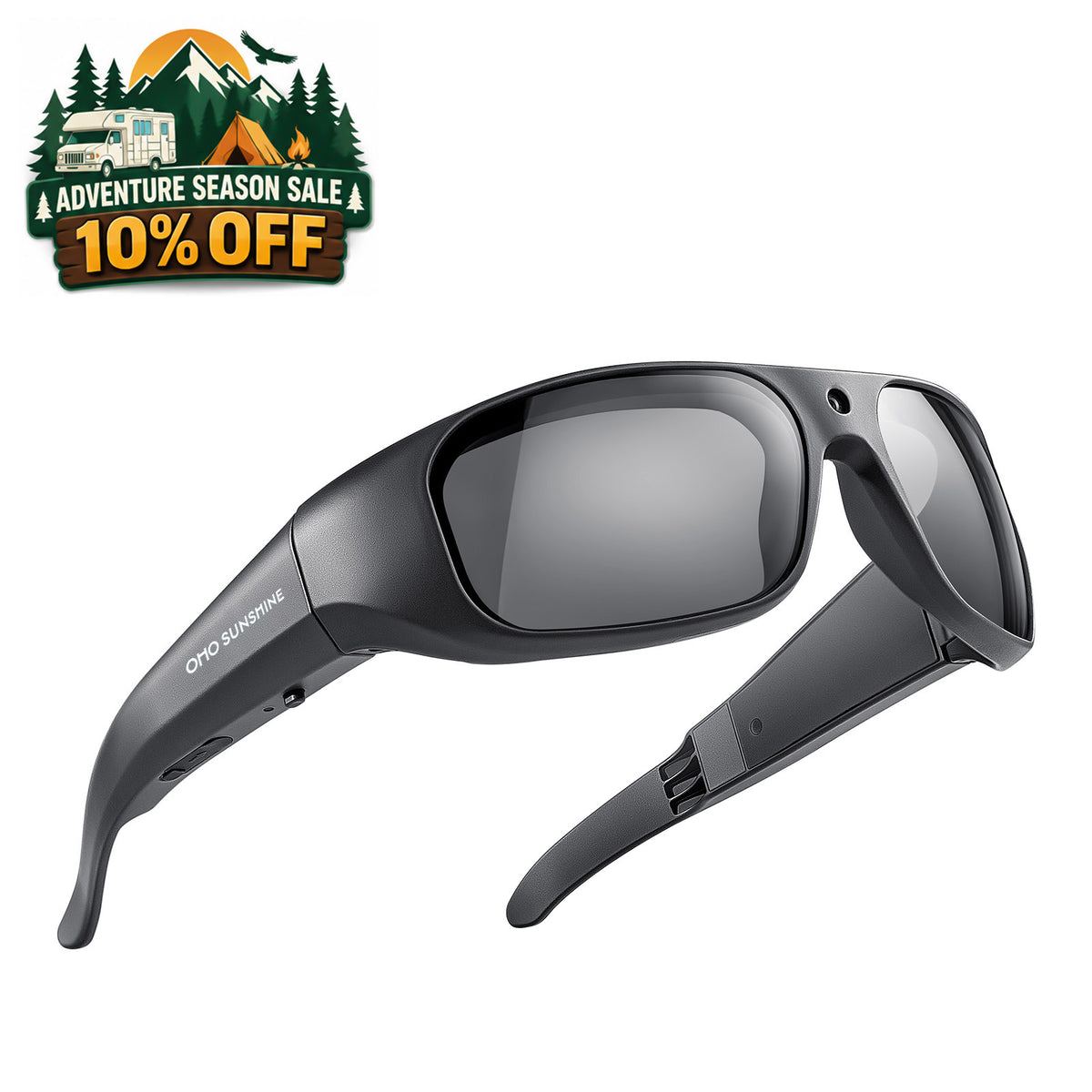
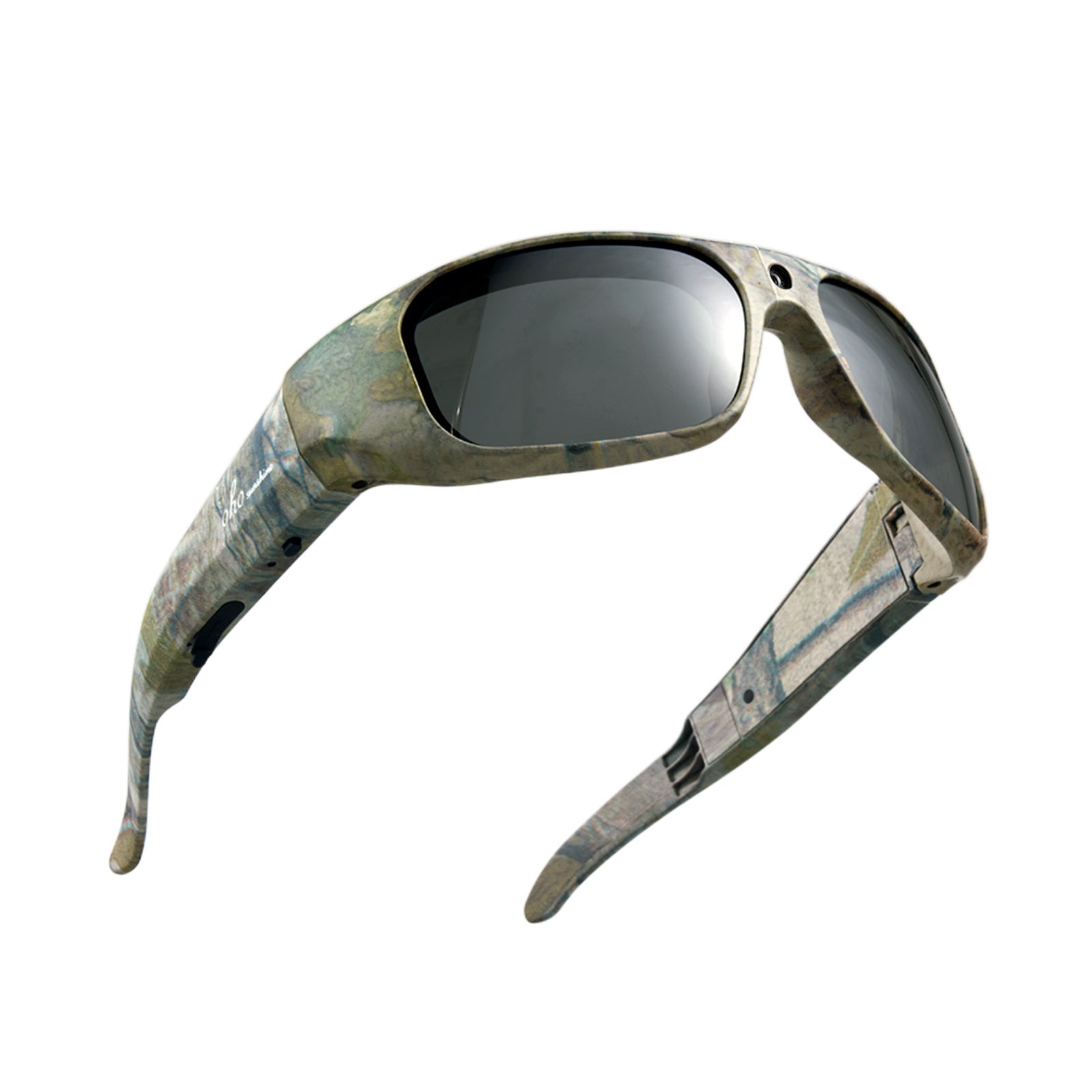
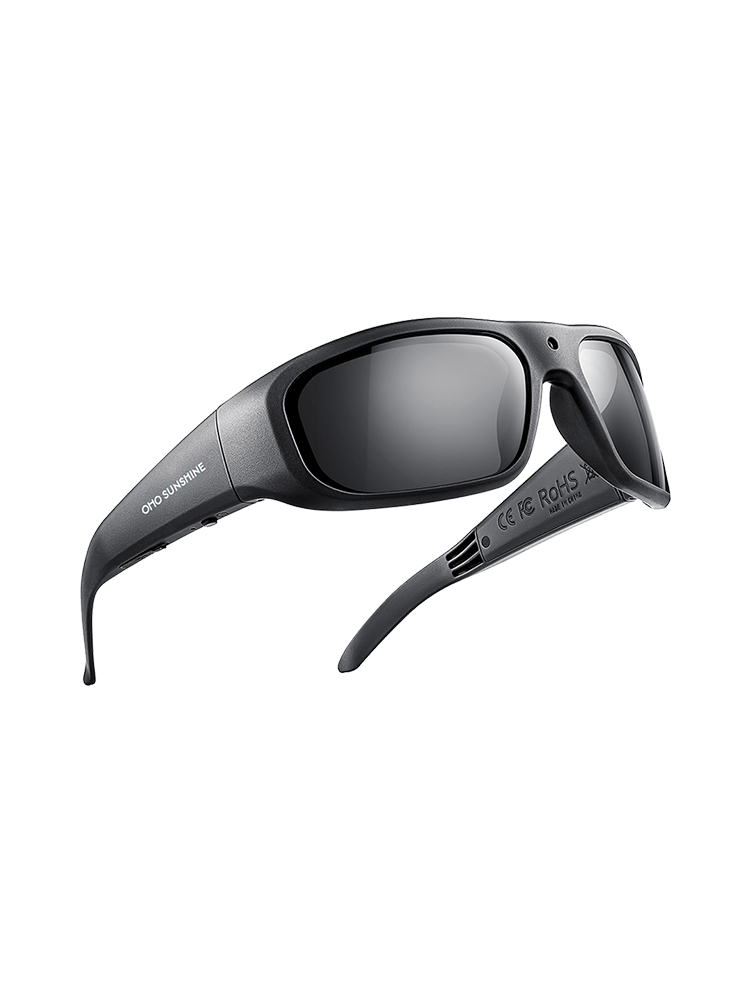
| Primex EIS | 2K video with electronic image stabilization, built-in mic, photochromic lenses, listed 60 g and 60-minute battery | You need steadier hands-free footage while walking, cycling, or sightseeing |
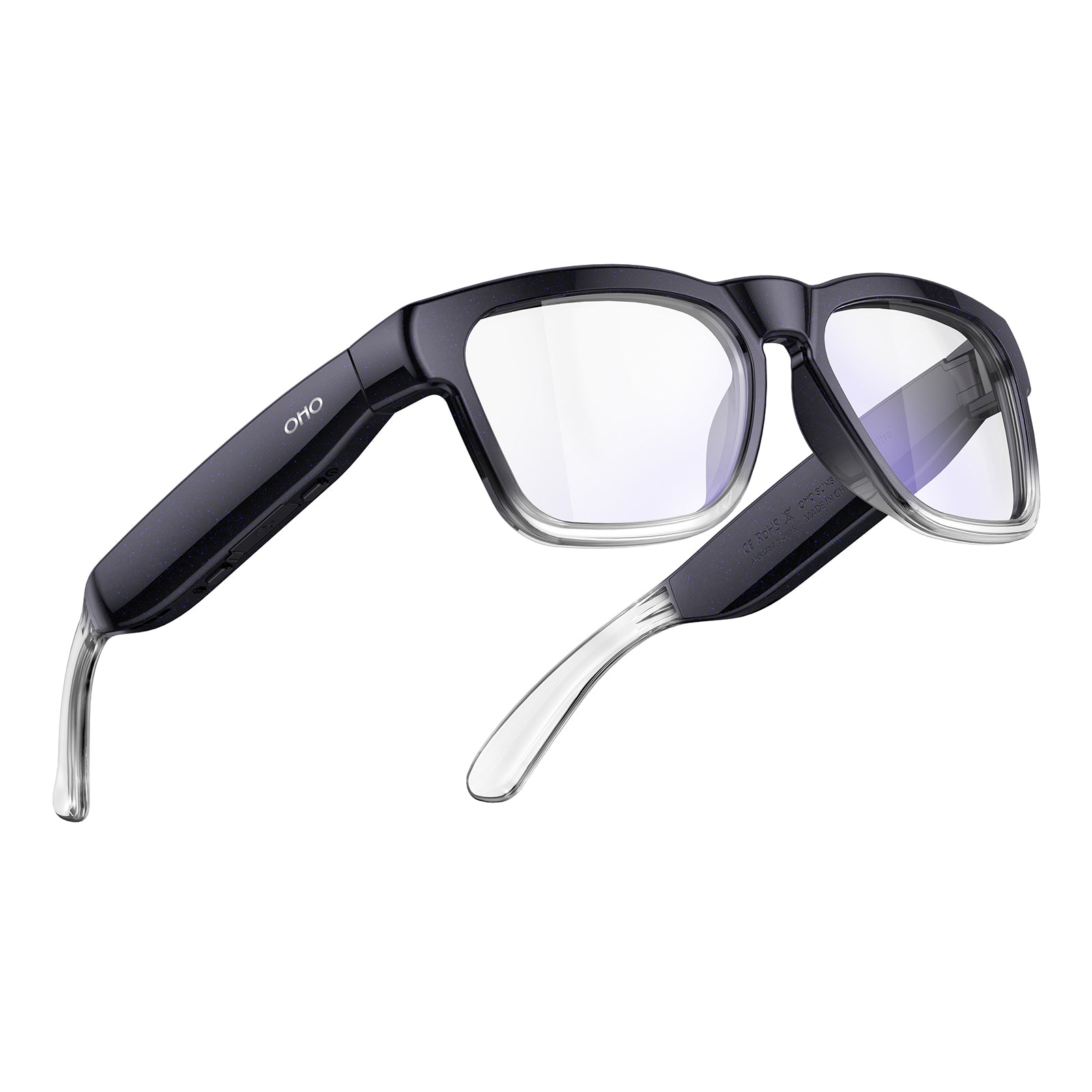
| Edge Pro | 4K/30fps video, 24MP photos, two-way real-time translation, Bluetooth open-ear audio, listed 41.5 g and 1.5–20-hour battery range | You need higher-resolution capture plus verified translation or hands-free audio |
Treat AI, translation, 4K, and stabilization labels as starting points. Before you rely on them for a purchase, verify the exact model's supported modes, connected-device requirements, and intended use.
Camera-first capture
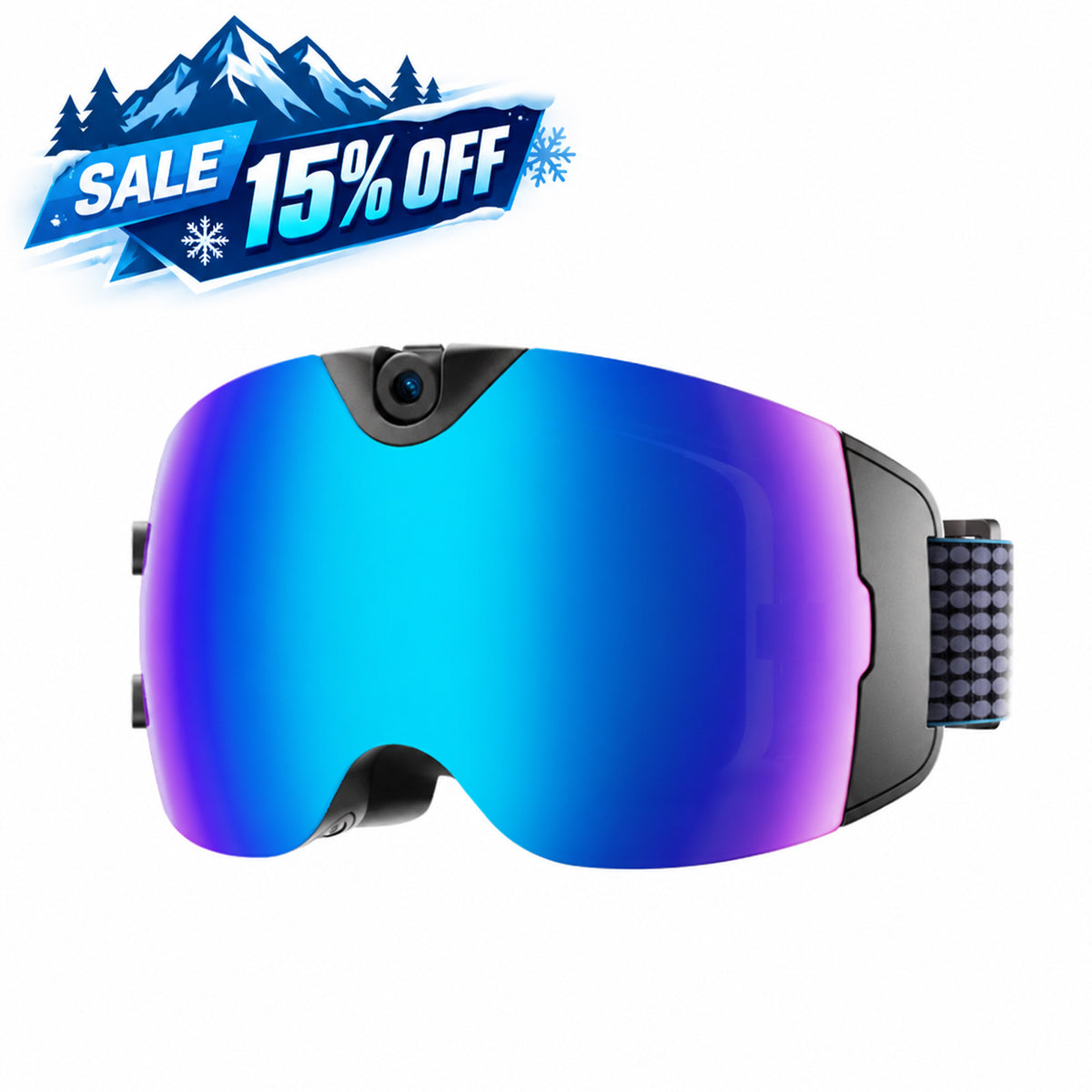
When smoother moving footage matters more than translation or open-ear audio, our Primex EIS camera glasses combine stated 2K video capture with electronic image stabilization and a built-in microphone. This is a capture-focused specification set, not a promise of perfectly smooth footage in every situation. Stabilization reduces the practical effect of movement, but it does not eliminate it.
AI, translation, and open-ear audio
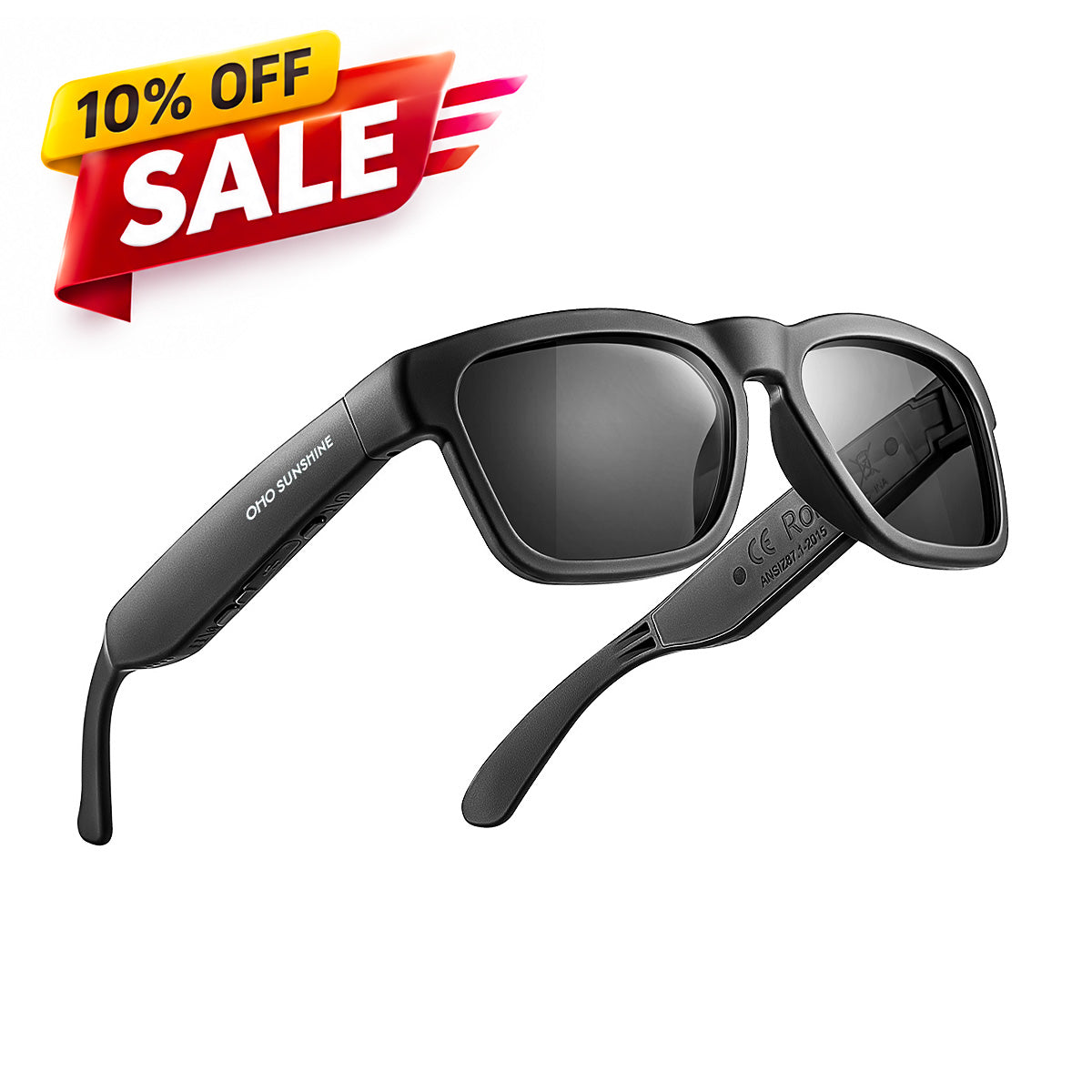
When cross-language conversation, hands-free listening, or higher stated resolution is the real need, our Edge Pro AI glasses combine 4K/30fps video, 24MP photos, real-time two-way translation, and Bluetooth open-ear audio in one frame. Before buying men's smart glasses for translation or calls, confirm your phone's compatibility, the required app, and how the language modes work in practice. An AI label does not guarantee that every feature will work as expected out of the box.
Stay comfortable across a full day
Judge weight and battery life together. A light frame with a short runtime and a heavier frame with a longer one create different daily trade-offs. Neither specification set below promises all-day use.
Match weight to wearing time
Use the listed weight as a starting point, then compare it with how long you'll wear the glasses in one stretch. Primex is listed at 60 grams. Check how that weight balances on your face before planning a full workday; the number alone cannot predict comfort. A lighter frame is not automatically more comfortable if its weight is poorly balanced, so recheck the fit points above.
Match battery to the actual session
Short recording sessions may work with a shorter battery if you have charging access nearby. Primex's listed 60-minute battery life suits brief capture but requires a charging plan for anything longer. Edge Pro lists a broader 1.5–20-hour working-time range, but the product information does not specify the range by mode. Confirm the expected runtime for the recording, audio, or translation mode you'll use. Do not plan a full day of travel or translation from an unqualified battery range.
Run a final work-and-travel check
Before you order or wear camera or AI glasses in public, run through these five checks for your model and situation.
- Confirm the exact model's lens configuration, including whether it supports a prescription insert or replacement lenses.
- Confirm that your phone and any required app work with the glasses' Bluetooth, camera, and translation functions.
- Confirm the expected battery runtime for the mode you'll use most, not just the maximum listed figure.
- Confirm that your workplace, meeting, or venue permits recording, and make sure people nearby know the glasses can record. Recording expectations and privacy requirements can vary by state, workplace, and venue, so do not assume one nationwide rule applies everywhere.
- Confirm the return window and warranty terms on the product page before you place your order.
Once these checks match your scenario, compare the exact Primex and Edge Pro details side by side. Add the pair that best fits your main use to your cart.
FAQs
How should smart glasses fit a man's face?
Fit depends on bridge contact, temple pressure, ear position, and eye alignment, not frame size alone. Use the lens width, bridge width, and temple length of a familiar pair as a starting point. Then make sure the frame stays stable while you walk or look down. The measurements are a starting point, not a guarantee, so check the physical fit before relying on listed dimensions.
Are smart glasses comfortable for all-day wear?
All-day comfort depends on balanced weight distribution and contact points. The listed weight and battery specs can change that trade-off. A heavier frame or short battery life may mean taking breaks or stopping to recharge instead of wearing the glasses continuously. Check both the weight and your planned session length before assuming a pair will last all day.
Can men wear camera glasses at work?
Before buying, check your workplace's camera policy and confirm how the exact model signals recording. If the policy or recording signal is unclear, ask your workplace before bringing the glasses into meetings.
Can smart glasses use prescription or blue-light-blocking lenses?
Clear, blue-light, photochromic, and prescription options are not interchangeable, and support varies by model. Blue-light treatment is a lens feature you may prefer, not a proven health benefit. Confirm the exact model's prescription compatibility, replacement-lens support, and lens shape on the product page before ordering.
How long do smart glasses batteries last?
Battery life varies by model and by mode, such as continuous recording versus standby audio. One model lists 60 minutes for camera use, while another lists a 1.5–20-hour working-time range that depends on the mode. Confirm the runtime for your planned use instead of assuming the maximum listed figure applies to your session.


コメントを書く
このサイトはhCaptchaによって保護されており、hCaptchaプライバシーポリシーおよび利用規約が適用されます。