















Smart glasses with a camera can capture useful dog agility footage, but only if a quick movement test proves it first. The real question is not resolution or battery life. It is whether the dog, the obstacle, and your eye line stay in frame when you sprint, cut sideways, or snap your head toward your dog. This guide walks through that test, breaks down field of view and one-button recording, and matches verified specifications from three camera glasses models to specific training scenarios so you can choose with evidence instead of guesswork.
Assessing Stability for Rapid Agility Movements
Camera glasses are a fit for agility recording only when a short test run proves that the dog, the relevant obstacle, and your cueing direction stay visible through real movement. Smooth footage and useful framing are two separate outcomes, and one can pass while the other fails.

Stabilization lowers shake, but it does not decide what stays inside the frame. That distinction matters because a wearer's eye line can drift away from the dog during a fast head turn even when the picture itself looks steady. Before trusting camera glasses for a real session, run one complete drill: walk or jog forward, snap your head toward the dog, cut laterally toward the next obstacle, then play the clip back at normal speed. Watch for two separate things: how much the picture shakes, and whether the dog, the obstacle, and your handling direction stay visible after each turn.
If the dog repeatedly leaves the frame, or the horizon swings distractingly during turns, treat that as a not-fit result for this workflow, no matter how sharp the resolution looks on paper. A documented stabilization feature, discussed further below, can improve your starting odds in this test, but it does not replace running it yourself.
Key Technical Criteria for Handlers
For smart glasses with a camera, two checks decide whether wearable footage is usable for handling review: does the frame keep the dog and obstacle visible through your eye-line movement, and can you start and confirm recording without breaking focus on the run? The American Kennel Club advises matching your camera choice and framing to the specific event you're filming, so agility's fast turns and tight courses should be part of the test context.

Field of View and Frame Retention
Field of view is the width of the scene the lens captures, while frame retention is whether the dog and obstacle stay usable in that scene as you move. A wider field of view gives more room for error, but only a playback review confirms whether the action actually stays in it.
Skyshot lists a 140° wide-angle camera in its structured specifications, which is a documented advantage over glasses with a narrower stated angle. That figure describes the lens, not the outcome of a specific agility run, so it should not be treated as proof that a sprinting dog will stay centered in frame. The supplied records for Brave and Primex EIS do not include a comparable field-of-view figure, so neither model can be compared against Skyshot on this point. For any candidate, the useful check is the same: review the start, the turn, the redirect, and the finish of one drill, and confirm the dog and obstacle are visible after each head movement.
One-Button Recording for Fast-Paced Training
A reachable physical control matters most in solo drills, where reaching for a phone means missing the start of a run or losing focus mid-cue. Brave and Primex EIS list button control, which fits a workflow where you can test quick starts and stops without reaching for a phone. Skyshot's supplied specifications list button and app control without detailing the exact press sequence, so treat that operation as an open check to confirm before a live session.
All three candidates list a built-in microphone, which is useful for reviewing verbal cues and timing later, but the supplied facts do not establish audio quality or how well cues will be captured over ambient noise at a training field. Test the microphone in your actual training environment rather than assuming its presence guarantees clear audio. Listed battery duration is also a workflow fact worth checking against your session plan: a short figure limits how many runs you can record before recharging, separate from whether any single run stays in frame.
Product Analysis and Selection
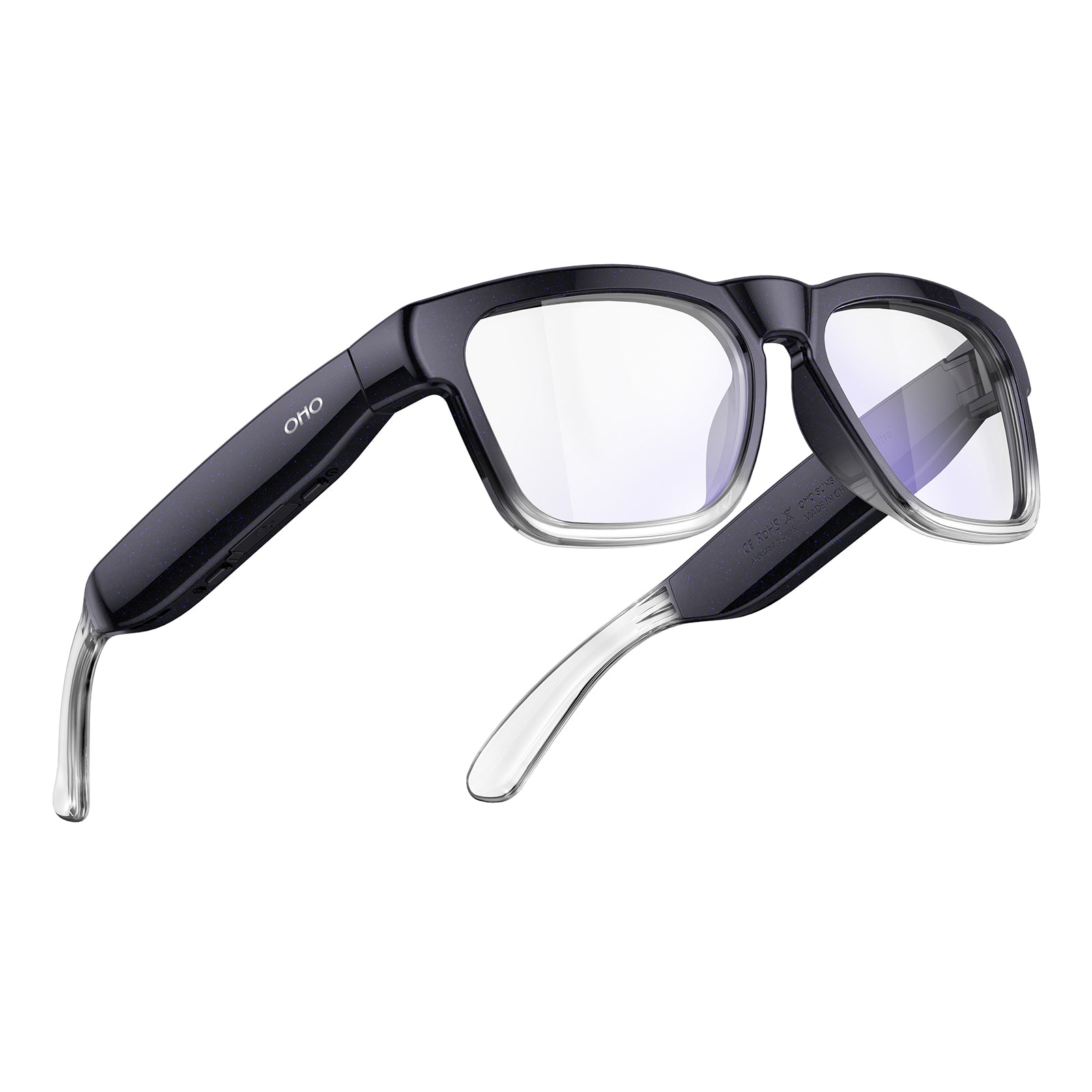
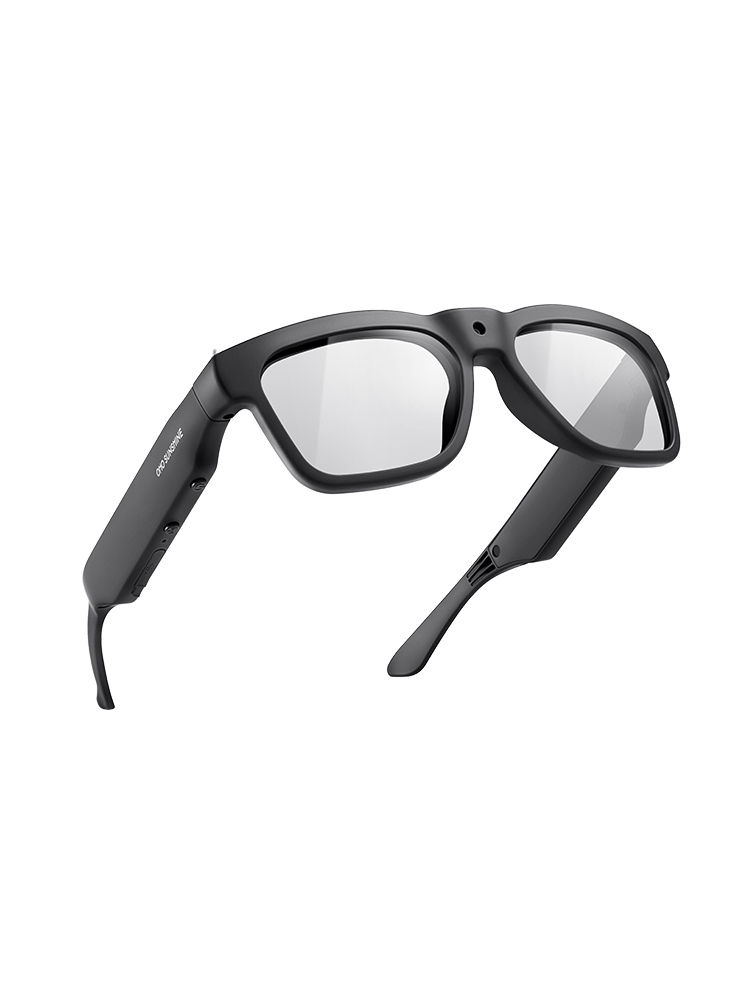
Among the smart glasses with a camera we carry, Primex EIS, Skyshot, and Brave each fit a different agility or pet-training priority once you have run the movement and control checks above. We recommend narrowing your choice by what you value most: documented motion stabilization, listed field of view and battery capacity, or a simple physical button for short drills.
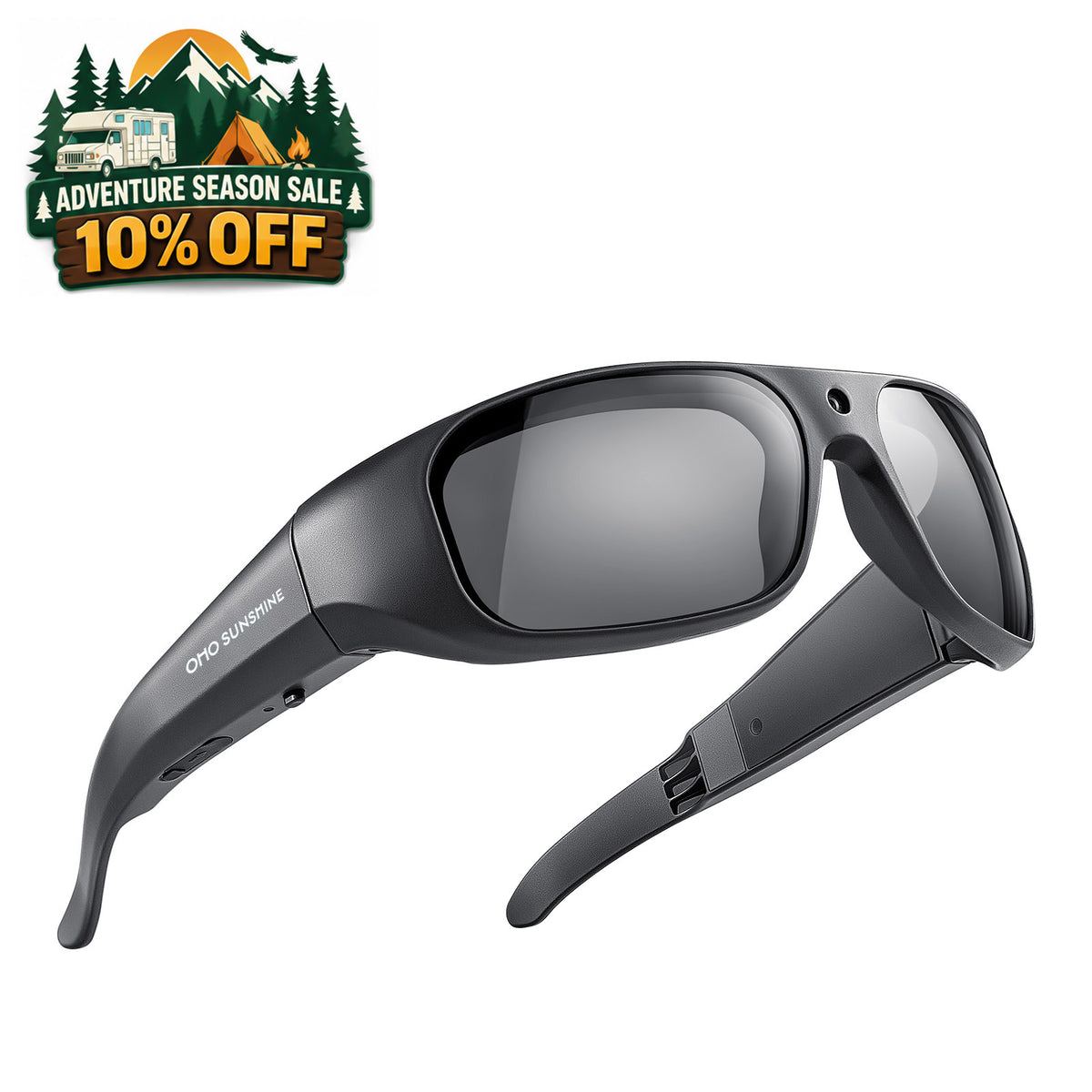
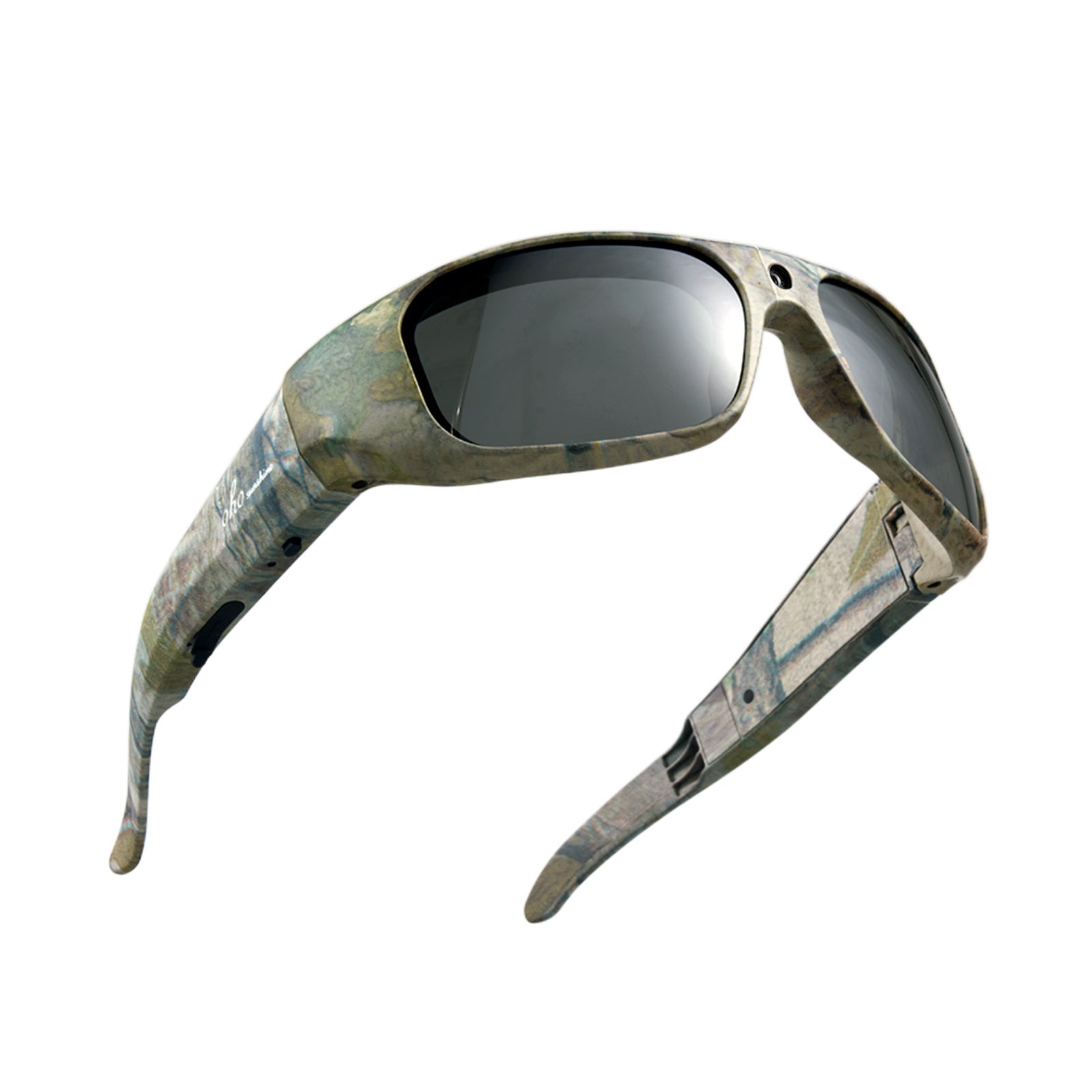
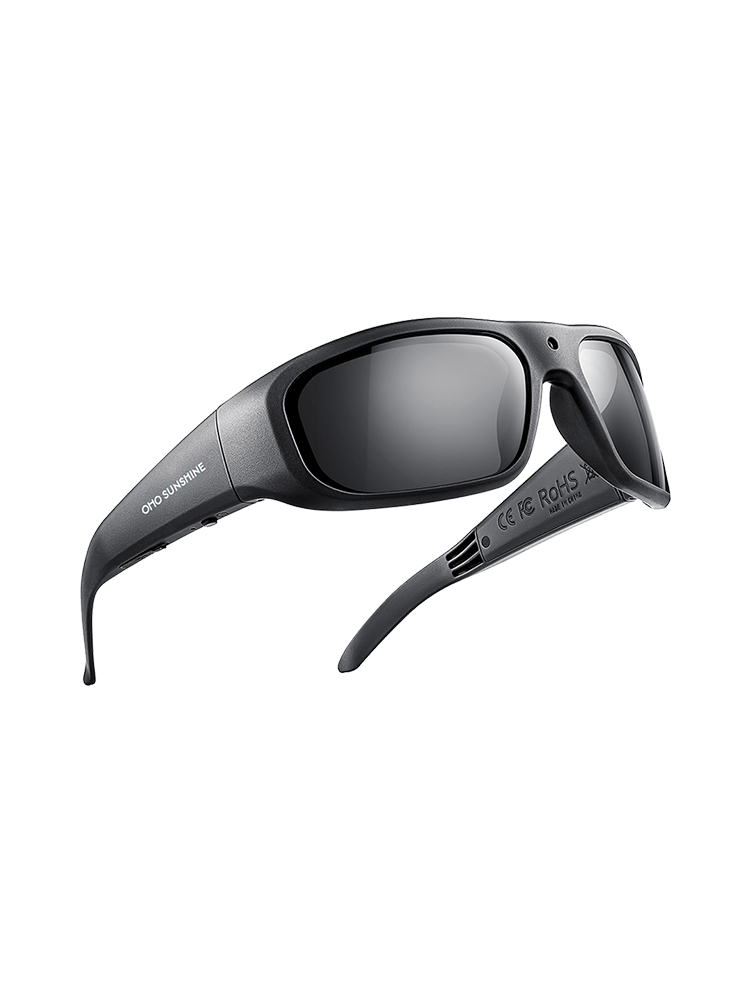
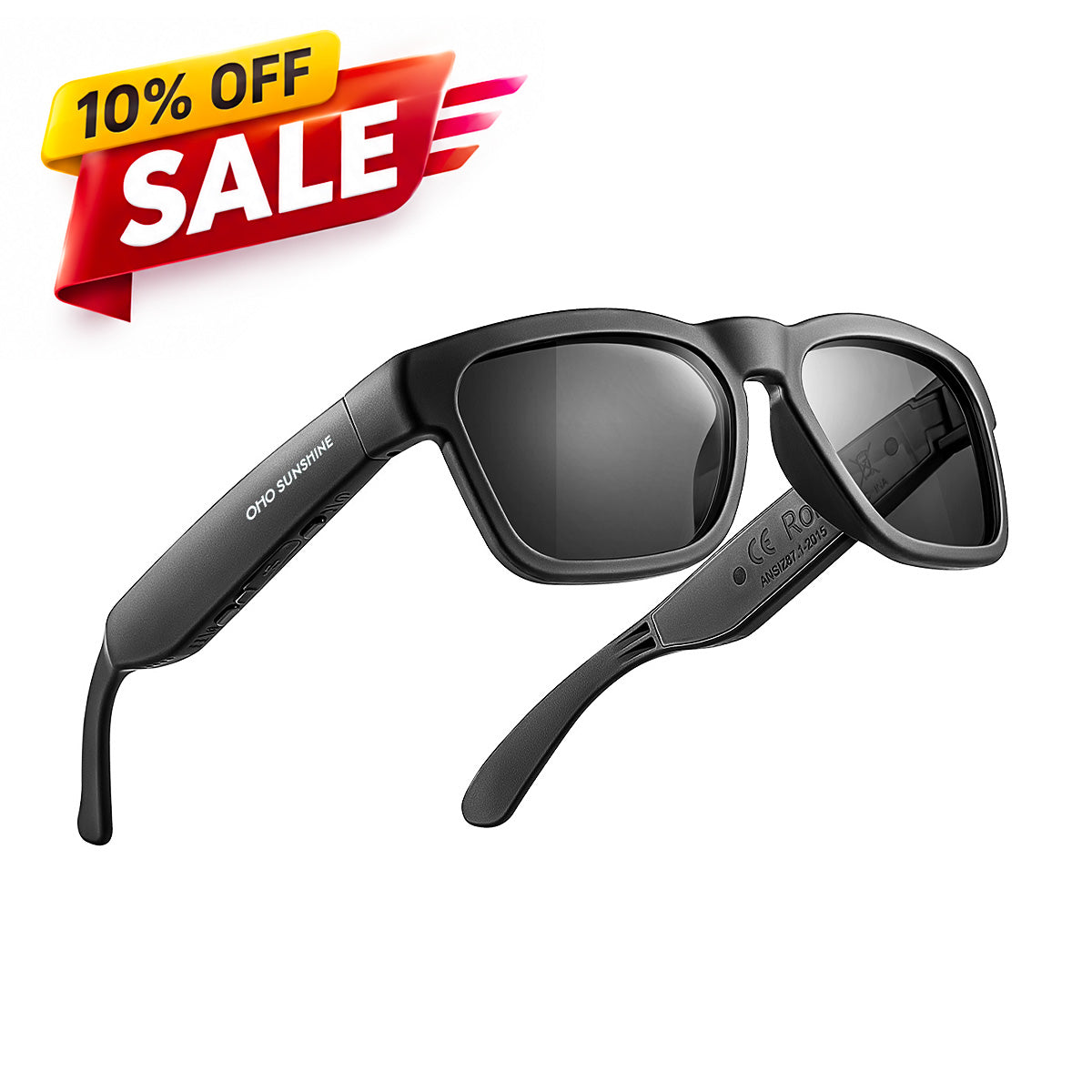
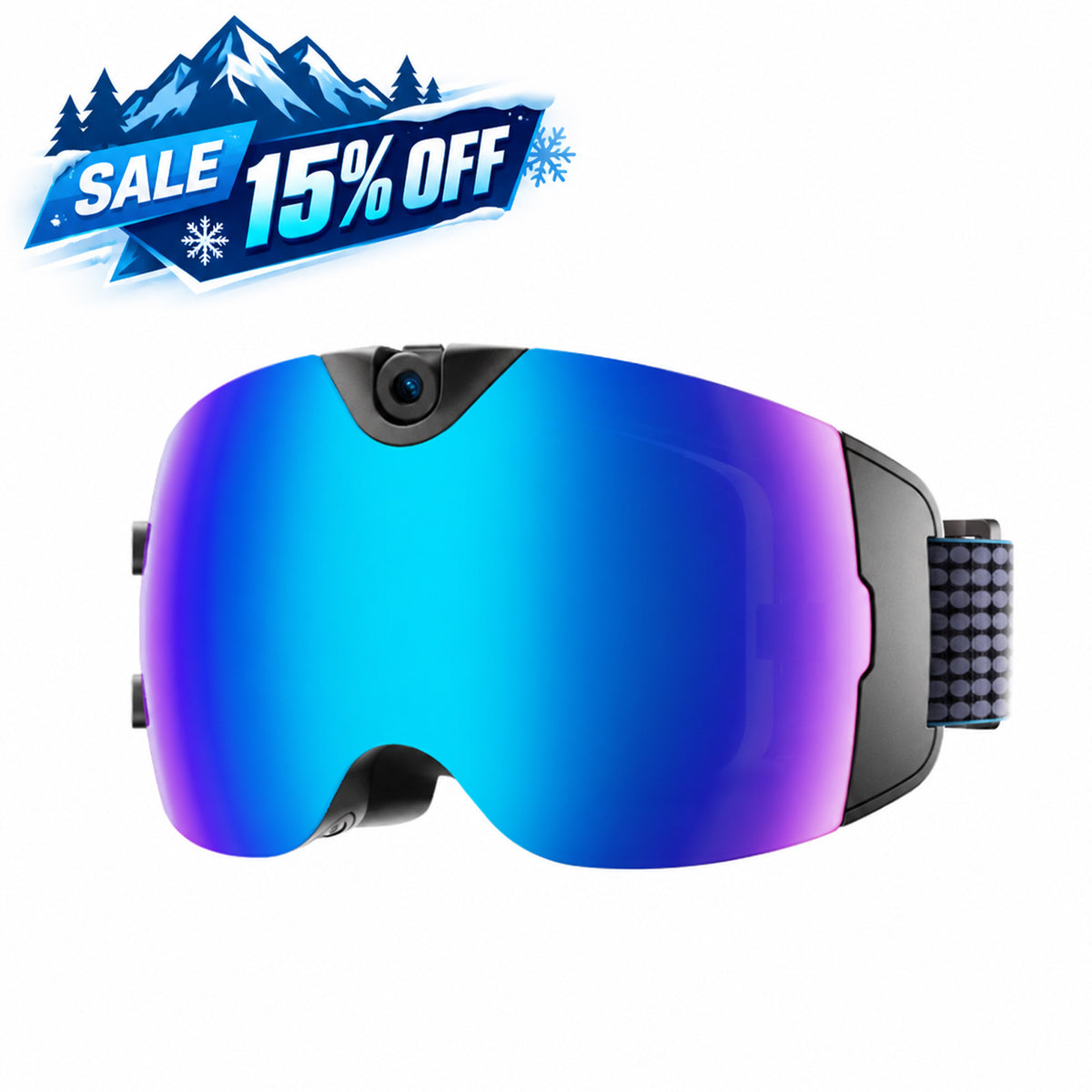
The Primex EIS camera glasses are the only one of these three with an explicitly documented electronic image stabilization feature, which makes them the clearest starting point if reducing shake during sprints and head turns is your top priority. That documented feature does not prove the dog will stay framed on every run, so the same movement test from earlier in this guide still applies before you rely on it for a real session. The Skyshot 4K camera goggles pair 4K/30 video with a listed 140° field of view and a 90-minute battery figure from their structured specifications, which suits handlers who want more visual detail and more listed recording capacity for back-to-back runs, while still needing their own frame-retention check. The Brave 4K camera glasses offer 4K/30 video with a physical button for quick starts, though their listed 30-minute battery life is the tightest of the three, making them a better match for short, focused drills than for a long multi-run session.
| Candidate | Verified facts that change the decision | Best-fit scenario and open check |
|---|---|---|
| Primex EIS camera glasses | Documented EIS; 2K Ultra HD; 60-minute listed battery; button control | Best for motion-focused testing; confirm the dog still stays framed during real head turns |
| Skyshot 4K camera goggles | 4K/30 video; 140° field of view; 90-minute listed battery; button and app control | Best for detail and longer sessions; confirm the exact button sequence and frame retention on your course |
| Brave 4K camera glasses | 4K/30 video; 30-minute listed battery; button control | Best for short solo drills; plan around the shorter recording window and verify start and stop control |
AKC's filming guidance also recommends practicing with your setup before an important session so you know exactly what the camera will and will not capture, which is the same habit this comparison assumes for every candidate above. If your training venue has a separate workplace or hazard-specific eye-protection rule, check the OSHA eye and face protection requirements for the exact marking and hazard coverage rather than treating a UV or impact claim on any camera glasses as proof of compliance.
Once you know which priority matters most for your sessions, review the matching product page and run your own sample drill before your next training day.
FAQs
Are smart glasses with a camera useful for recording dog agility training?
Yes, when your goal is hands-free review of your own eye line and your dog's movement, and a sample run confirms the action stays usable in frame. They are a weaker fit when you need a fixed, wide view of the entire course from outside the run.
Does image stabilization guarantee that my dog will stay in frame?
No. Stabilization reduces shake, while frame retention depends on whether your eye line stays pointed at the dog and obstacle during turns. Review actual head-turn footage before assuming a stabilized model will keep the dog framed.
How should I test one-button recording before a training run?
Start recording, confirm the status indicator, complete one full turn and redirect, stop recording, and play back the file to confirm it captured what you intended. Exact button behavior varies by model, so confirm your specific pair before relying on it.
When should I use a phone or fixed camera instead of camera glasses?
Choose another setup when you need stable, full-course coverage from a fixed outside angle, or when your sample runs keep losing the dog or obstacle from frame. First-person glasses work best for reviewing your own handling, not for documenting the entire course.


コメントを書く
このサイトはhCaptchaによって保護されており、hCaptchaプライバシーポリシーおよび利用規約が適用されます。