



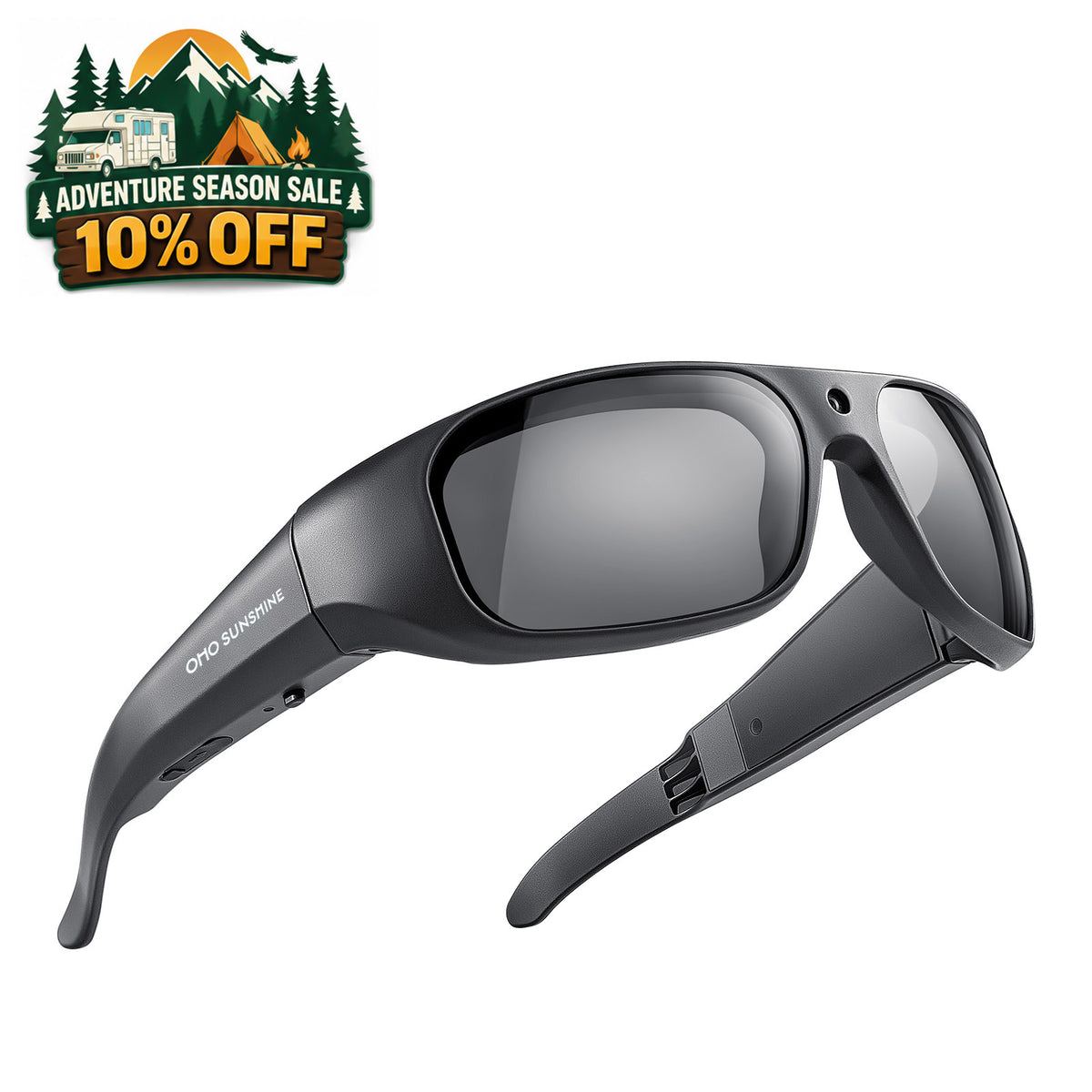


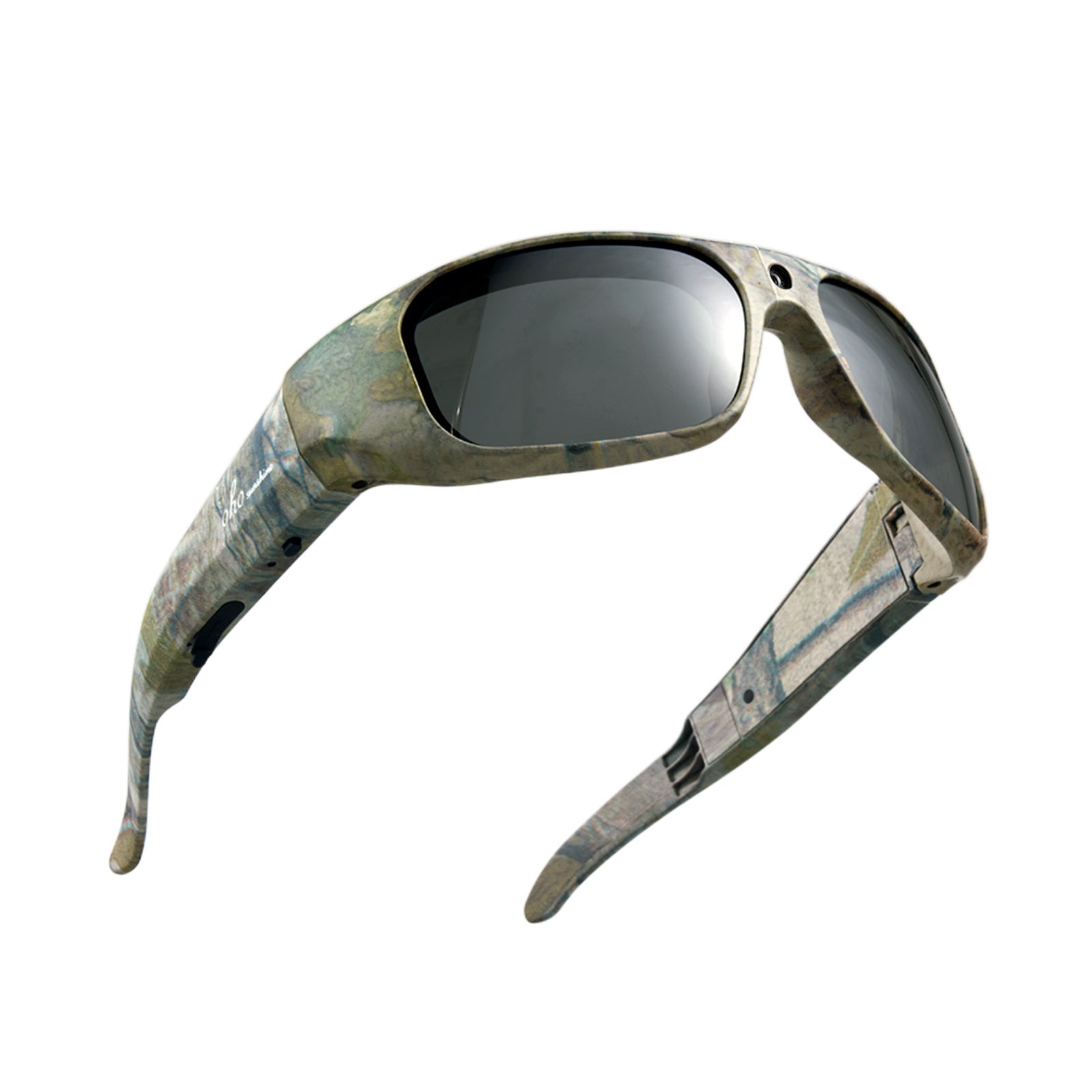


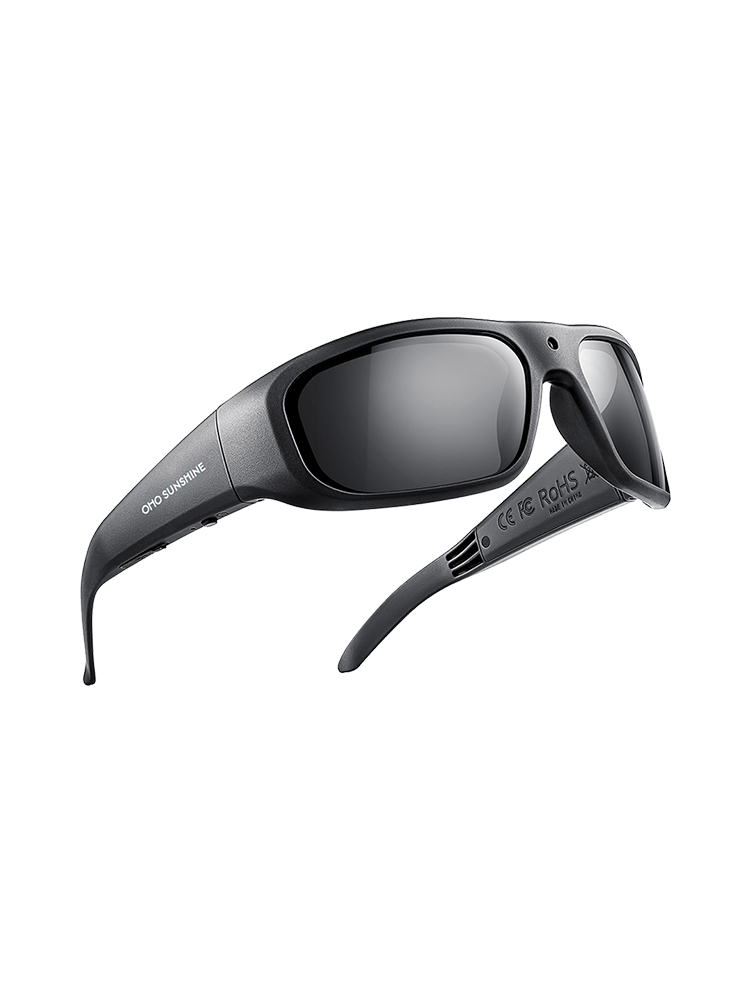



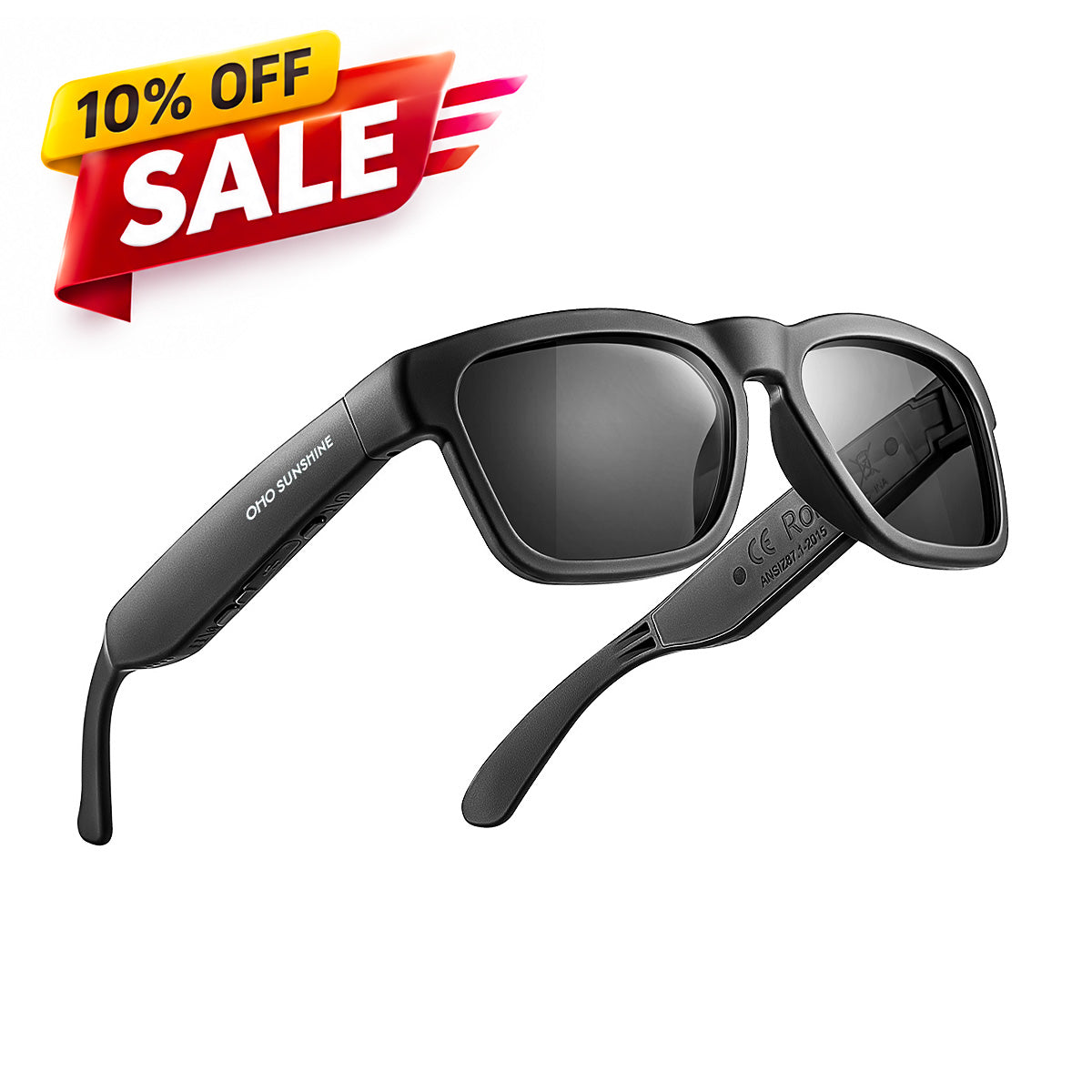


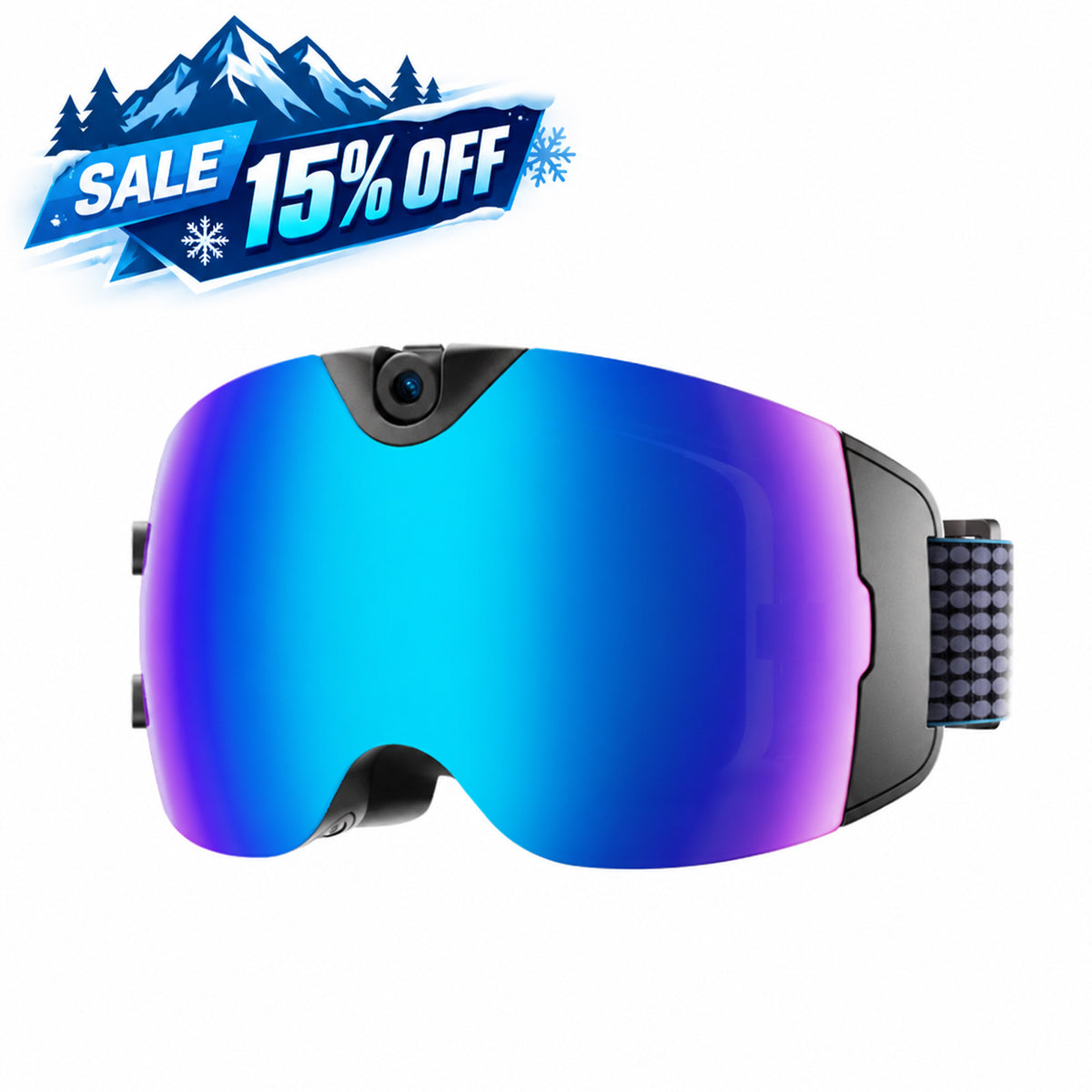

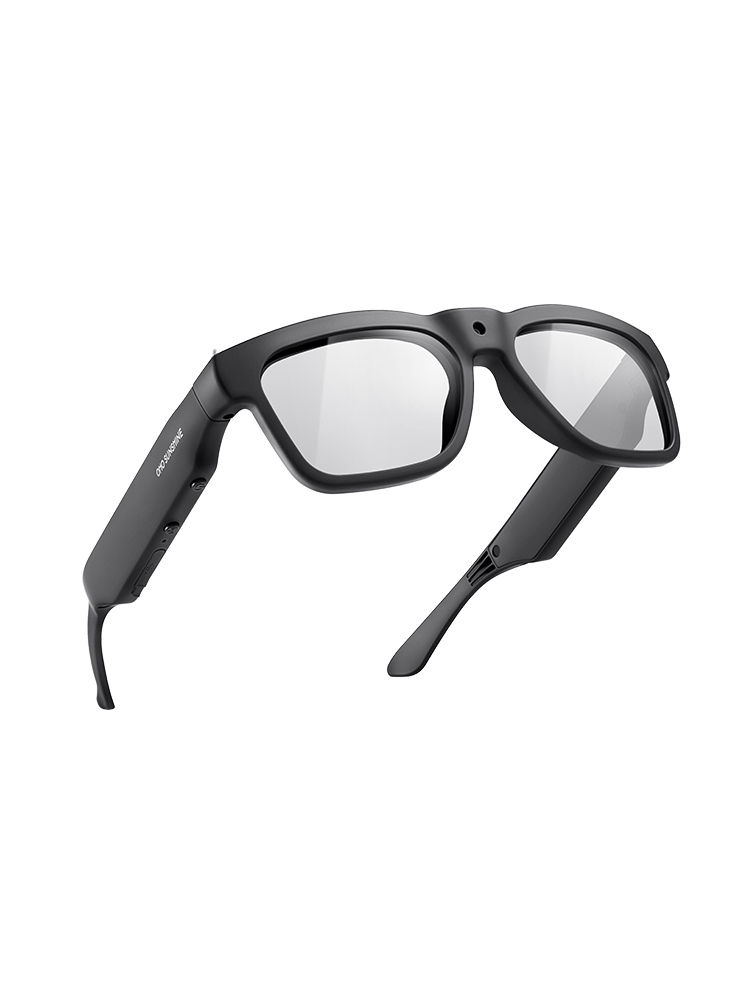


Polarized video camera sunglasses can work for kayaking and paddleboarding, but only under the right conditions. The polarized lens cuts reflected glare off bright water, which helps you see swells, rocks, and other paddlers more clearly. That benefit has nothing to do with whether the glasses can handle spray or a splash. Before you paddle, check three separate things: how much glare relief you actually need, the exact water-exposure rating printed in the product manual, and whether the recording features match your trip. Treat each check on its own, since a good lens never guarantees a sealed device.
Understanding Polarization for Water Sports
Polarized lenses are the right tool for glare, not for water sealing. Use them to judge whether you can see the water clearly, then check the model's exposure rating as a separate step.

How much a polarized lens actually helps changes with the light. The two conditions below call for different priorities before either one tells you if a specific pair of camera glasses is ready for the water.
Bright Sun on Open Water
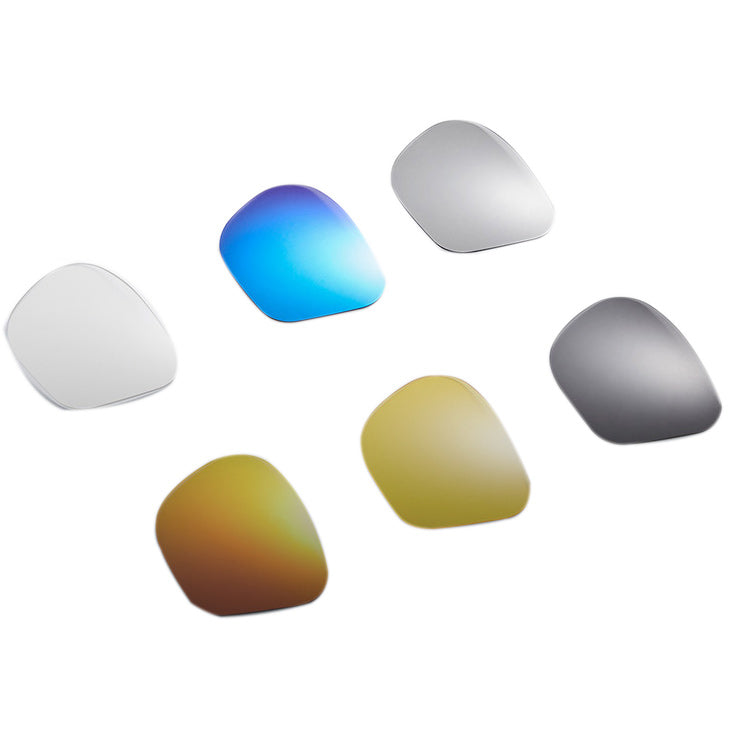
Bright, reflected light off open water is exactly where polarized lenses earn their keep. Eye care guidance notes that polarized tint helps reduce glare from horizontal surfaces during activities like boating and fishing, which covers the flat, sun-bright water you get on a calm kayaking or paddleboarding day. That glare reduction makes it easier to spot chop, other boats, and the shoreline while you paddle.
This is a comfort and visibility benefit only. It says nothing about how the glasses handle a wet hand, a paddle splash, or a dunk near the charging port. Confirm the lens feels comfortable and non-distorted before you judge anything else, and keep the water-exposure question for the next section.
Overcast and Changing Conditions
Overcast or shifting light does not deliver the same payoff. Reflected glare drops when the sun is behind clouds, so polarization has less to correct, and the practical question shifts to plain visibility instead of glare control.
In this scene, check tint darkness, fogging resistance, and contrast instead. A lens that is too dark can make an already dim, cloudy day harder to read, and condensation on a warm face in cool air can fog the inside of the lens regardless of polarization. Judge the glasses on how clearly you can see changing water and weather, not on a glare score that may not apply that day.
| Water Condition | Glare Benefit From Polarization | What to Check Instead |
|---|---|---|
| Bright, sunny open water | High: cuts reflected glare off the surface | Comfortable fit, non-distorted view, documented water rating |
| Overcast or changing weather | Low to none: less glare to correct | Tint darkness, anti-fog performance, overall contrast |
Water Resistance and Port Protection
Whether your camera glasses can handle paddling water comes down to one label: the documented exposure rating in the manual. Match that rating, not the product name or outdoor category, to what you actually expect from the trip.
That means splitting the water your glasses might meet into distinct levels, then following one short routine to protect the ports afterward.
Match the Rating to the Water Exposure
Light spray, repeated splashes, a possible capsize, and full immersion are four different situations, and a single rating rarely covers all of them. Enclosure testing standards separate these levels for a reason: spray and splash tests are different from immersion tests, so a rating that passes a spray test does not automatically cover being dunked.
Our Brave camera glasses carry an IPX4 rating, which the product documentation ties to light splash and rain, and the same documentation states plainly that they are not designed for swimming or submersion. That makes Brave a reasonable candidate for calm-water paddling where you expect occasional spray, but not for surf launches or a scenario where a capsize is likely. A model with no published water rating, including any glasses you are considering that lack a stated IP code, should be treated as unconfirmed for wet use rather than assumed safe because it looks rugged or is marketed for outdoor sports.
Water-Ready Camera Glasses Checklist
Once you know the documented rating fits your trip, a short routine limits avoidable water damage. Use a dry-first approach: keep moisture away from ports and let the glasses dry completely before opening a port or charging.
- Confirm the exact model's written water-exposure statement before you launch, not just its category or marketing copy.
- Close and check any charging or recording port covers so they sit fully seated.
- Keep the glasses away from open ports and cables until you are back on dry land.
- After the trip, check for moisture near the ports and let the glasses dry completely before charging or storing them.
Safety Considerations for Kayaking and Paddleboarding
Camera glasses need to stay on your face and stay usable, but they are never a substitute for real safety gear. Run a short check before launch, and remember that resolution alone does not make video camera sunglasses paddle-ready.
Start with fit and controls, then decide between casual clips and planned 4K recording.
Retention, Visibility, and Controls on the Water
A quick pre-launch check catches most problems before they happen on the water.
- Confirm the frame sits securely and use only a retention accessory the manufacturer documents as compatible.
- Check that the lens tint and any anti-fog coating suit the light you expect, since anti-fog features do not solve every fogging scenario.
- Press the record button and confirm you get a clear indicator, then practice framing a shot hands-free before you launch.
- Treat the strap as loss prevention only. The Coast Guard recommends wearing an approved wearable personal flotation device while paddling, and no eyewear retention system replaces it.
Choose Casual Clips or Planned 4K Recording
Your recording goal should follow the water-exposure decision, not lead it. For short, limited-splash clips on calm water, Brave's documented 4K/30 fps video, polarized UV400 lenses, and IPX4 rating support a bounded recommendation, though its roughly 30-minute battery life limits how long you can shoot in one session.
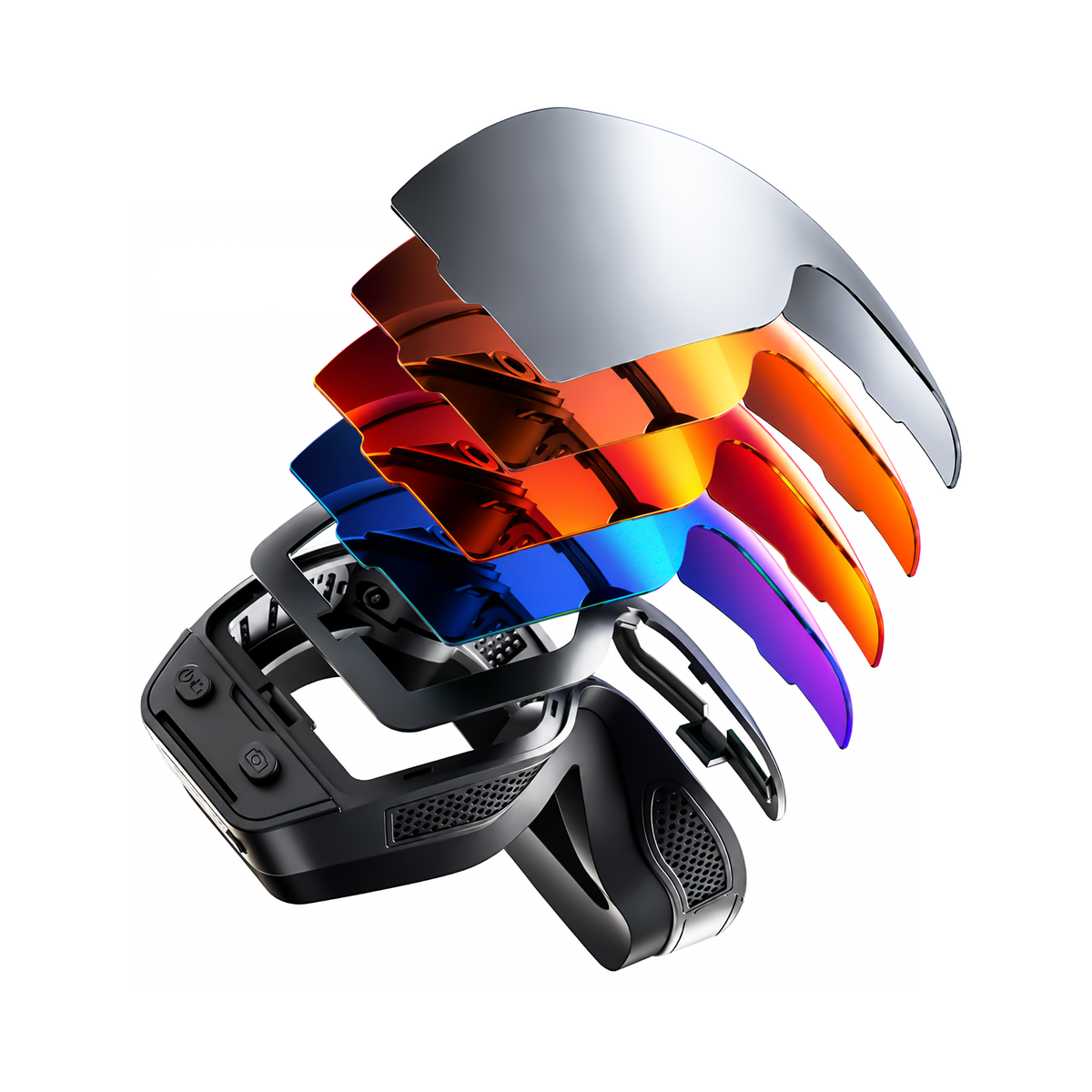
If you are planning longer, recording-first sessions, our Skyshot 4K camera goggles offer the same 4K/30 fps video plus polarized and anti-fog lenses, USB-C charging, built-in storage, and roughly 90 minutes of battery life. Those specs suit extended paddling clips, but Skyshot's documentation does not include a water-resistance rating, so treat its fit for splash-heavy kayaking or paddleboarding as unconfirmed until you verify an exact exposure limit for aquatic use. Choose based on your water exposure first, then let runtime and storage settle the resolution question.
FAQs
Can You Use Camera Sunglasses for Paddle Boarding and Kayaking?
Yes, but only when the exact model's documented water-exposure rating matches your expected spray or splash, the frame fits securely and stays retained without limiting use, the lens suits your light conditions, and the recording features fit your trip length. A splash-only or unverified rating is not a green light for a capsize or submersion.
How Do I Keep My Camera Glasses Safe From Water Damage?
Close port covers before you launch, keep the device away from open cables on the water, and check for moisture near the ports afterward. Let the glasses dry fully before you open a port or plug in a charging cable.
Are 4K Camera Glasses Worth It for Aquatic Video?
4K adds detail that helps with cropping and sharper playback, but it is a recording choice, not a water-protection feature. Weigh it against battery runtime and storage, and confirm the water-exposure documentation separately before you rely on 4K for a longer paddling session.
Does Polarization Make Camera Glasses Waterproof?
No. Polarization only reduces reflected glare from the water's surface. Whether the glasses resist splash or immersion depends entirely on the exact enclosure rating and manual language for that specific model.


コメントを書く
このサイトはhCaptchaによって保護されており、hCaptchaプライバシーポリシーおよび利用規約が適用されます。