















Camera snow goggles can handle a snowmobile ride, but only when their eye protection, helmet fit, environmental limits, controls, and recording features are actually documented for that use. Being suitable for resort skiing does not prove a goggle can handle snowmobile speed, vibration, or cold. If any of those conditions is unverified, the safer path is to treat protective eyewear and the camera as two separate decisions rather than one bundled purchase.
The Short Answer: Only with a Documented Fit
Camera goggles are not automatically ready for a snowmobile just because they are marketed for skiing or winter sports. A ski-run listing tells you about lens comfort and video quality, not about how the goggle behaves at higher speed, with a full-face helmet, or in freezing wind for hours.

Our decision rule for this article is simple: unresolved eye protection or an unverified helmet fit means the camera goggles should not be trusted as your primary riding eyewear. When those two checks pass, and the environmental and control questions below are also answered, camera goggles become a reasonable option. When they do not pass, separating your protective eyewear from a standalone camera, or skipping the ride in unsupported conditions, remains the better choice.
What a Snowmobile Ride Asks of Camera Snow Goggles
A snowmobile ride puts more demands on eyewear than a groomed ski run does. Speed, open-air exposure, engine vibration, and shifting light all need to be checked against what the goggle actually documents, not assumed from its ski marketing.

Wind, Cold, Vibration, and Changing Light
Riding on open or exposed trails usually means sustained wind and colder air on your face than a resort run, since you are not stopping every few minutes to ride a lift. That changes what cold-weather performance requires in practice, because a goggle rated for skiing may not have been tested for hours of continuous wind exposure at speed. A snowmobile engine and trail surface also create constant low-level vibration that a ski chairlift never produces, so moisture and vibration resistance should be treated as unverified unless specifically documented. Visibility matters just as much in varied conditions. State snowmobile guidance recommends a quality DOT-rated helmet and facemask, wind- and water-repelling layers, and slower speeds in reduced visibility. For example, Minnesota's recommendation to follow reduced-visibility snowmobile guidance and stay under 40 mph at night is a local safety guideline rather than proof of goggle durability.
What Skiing Does Not Prove
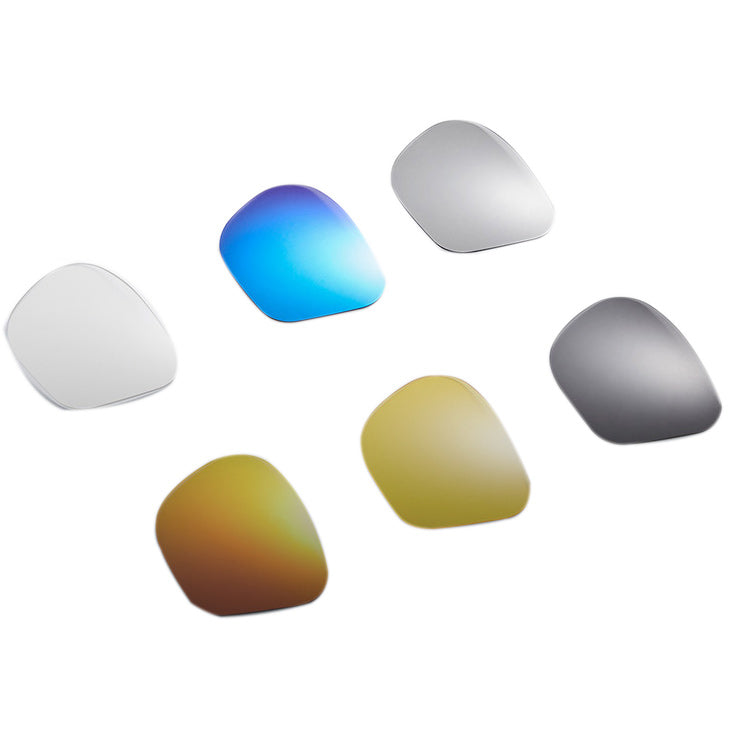
A winter-sport listing, an anti-fog coating, polarization, or a UV400 claim are lens-quality features rather than snowmobile durability evidence. None of them show whether a goggle seals properly under a snowmobile helmet, survives sustained vibration, or stays functional in single-digit temperatures for a full afternoon. Treat every unverified gap as a reason to confirm the missing detail yourself, separate the camera from your protective eyewear, or avoid relying on the setup for that specific ride.
Run the Fit and Operation Check Before Riding
Before you ride, test the exact combination of goggles, helmet, and face covering you plan to wear, not the goggles alone. This single worn-setup check settles most fit and protection questions before you start the engine.
Eye Protection and the Complete Helmet Setup
Lens features like anti-fog, polarization, UV400, and impact resistance describe the lens, not whether the whole setup counts as adequate eye protection for your ride. Judge that by trying on the goggles with your actual helmet and face covering together. A useful fit principle from a snowboard helmet fit guide applies here even though it was written for snowboarding: the helmet should sit securely over the goggles without pushing them down, and you should be able to see clearly straight ahead and to both sides. If the helmet presses the goggles into your face, leaves a gap, shifts when you move your head, or blocks your side vision, that combination has failed the check regardless of what the lens is rated for.
Controls, Battery, and Recording Angle
Confirm how the camera starts, stops, and indicates recording while you have your riding gloves on, since a control that works bare-handed may not work with heavy winter gloves. When planning around a conservative 90-minute listed battery runtime, schedule recording sessions and charging stops around that figure rather than expecting longer cold-weather performance. Check whether a goggle's centered 140-degree field of view captures your desired trail angle, and verify that you can monitor recording status without taking your attention off the trail.
If you want a deeper look at how integrated camera goggles compare with running goggles and a separate action camera, our guide on camera goggles versus an action camera walks through the framing, mounting, and battery trade-offs in more detail. Always verify applicable local equipment and visibility rules before heading out, as regional regulations can vary significantly.
Choose the Setup That Matches Your Ride
Once you have run the fit and operation check, your decision comes down to three clear paths. Use the table below to match your results to the setup that fits your conditions.
| Setup path | Choose it when | Reader result |
|---|---|---|
| Integrated camera goggles | Eye protection, exact helmet fit, environmental limits, controls, and battery plan all pass the check | You can use the goggles as your primary eyewear and capture device for that ride |
| Separate protective eyewear plus a camera | You want recording, but integrated protection or helmet fit is still unresolved | Protection and capture no longer depend on the same unverified device |
| Avoid the unsupported setup | Vision, fit, required protection, local rules, or documented limits fail the check | Skip that specific condition until the missing evidence is confirmed |
Browsing our smart snow goggles collection can help you compare lens and camera options once you know which path applies to your riding style. Remember that any collection is a starting point for feature comparison, not automatic proof that a model meets snowmobile riding standards.
Where the Skyshot Fits and Where the Evidence Stops
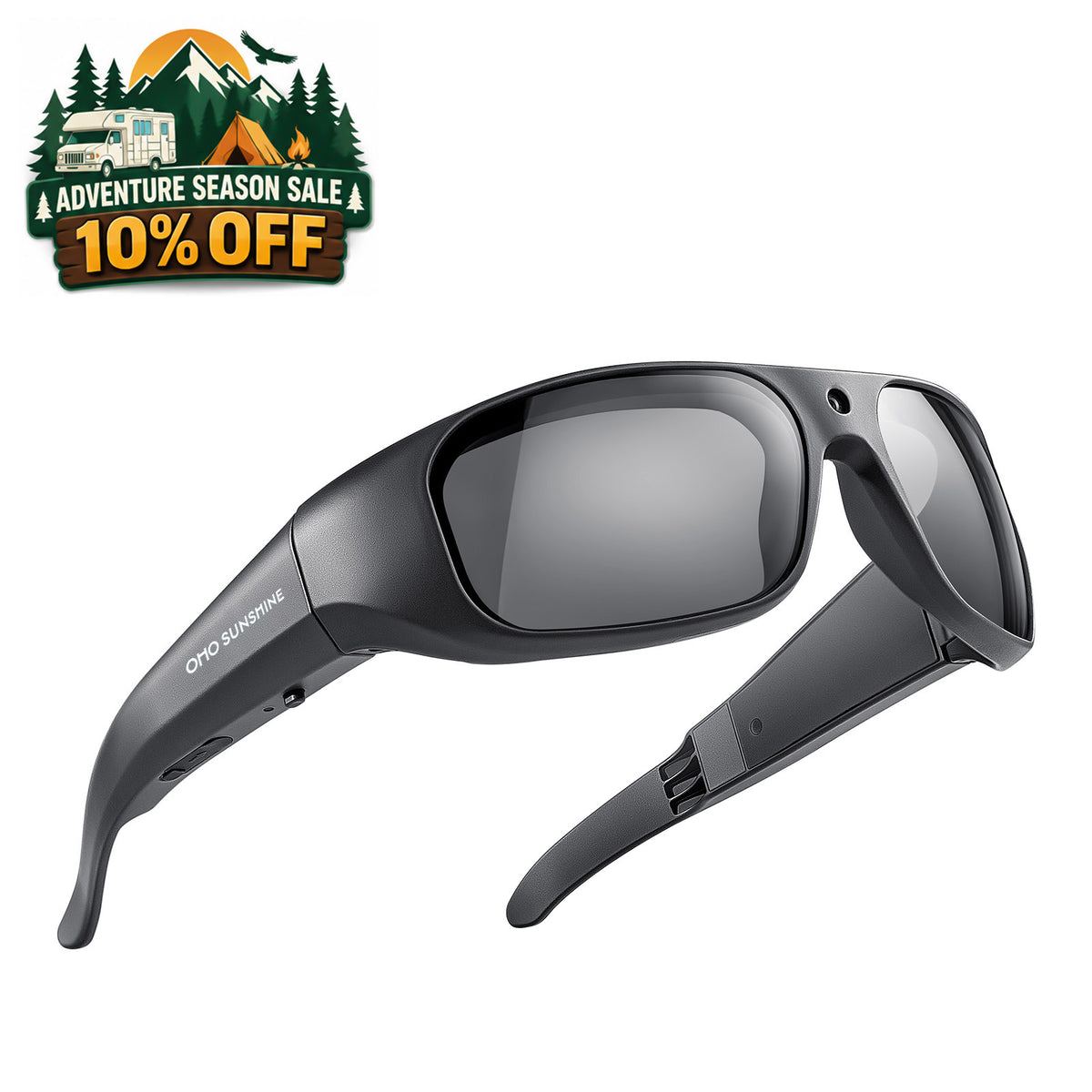
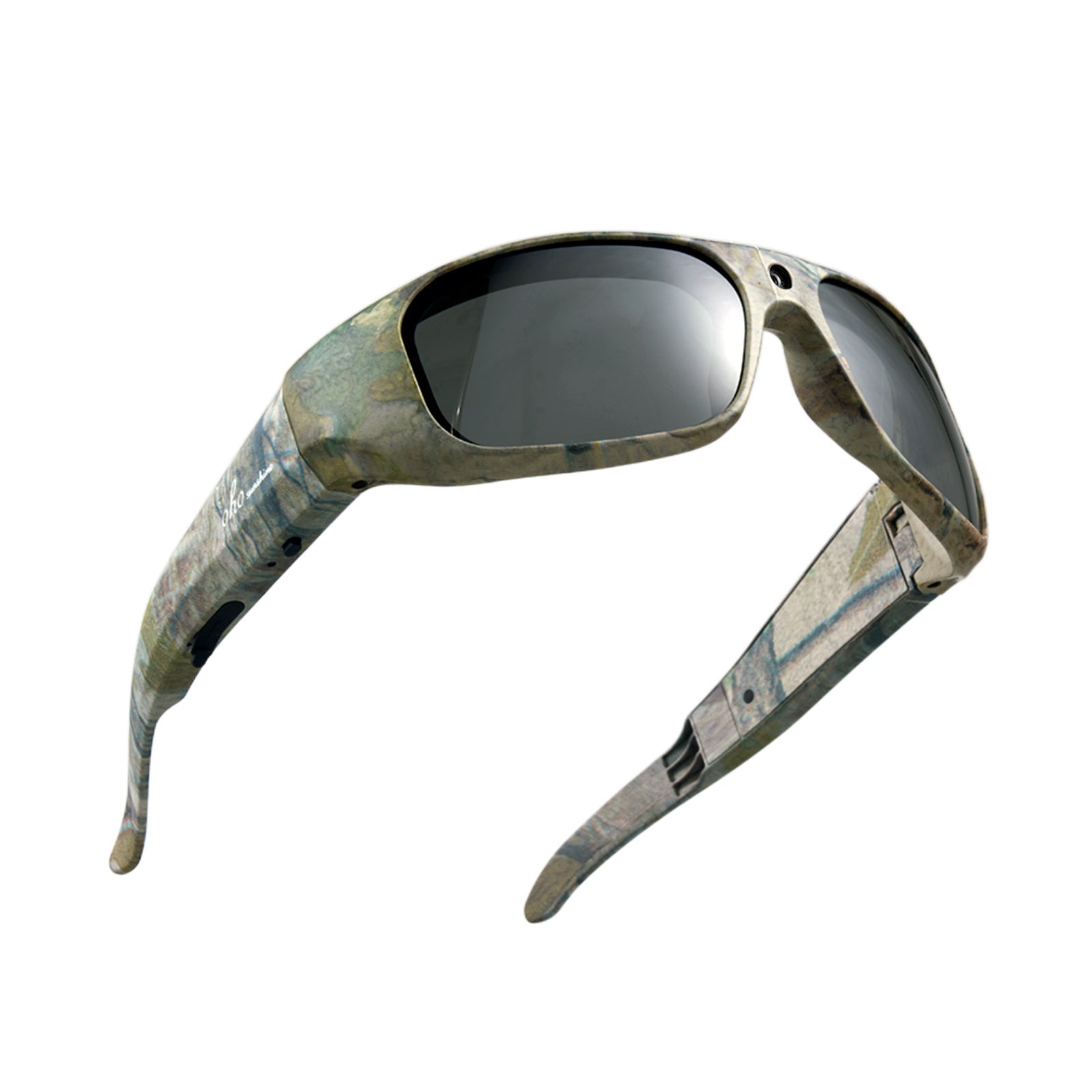
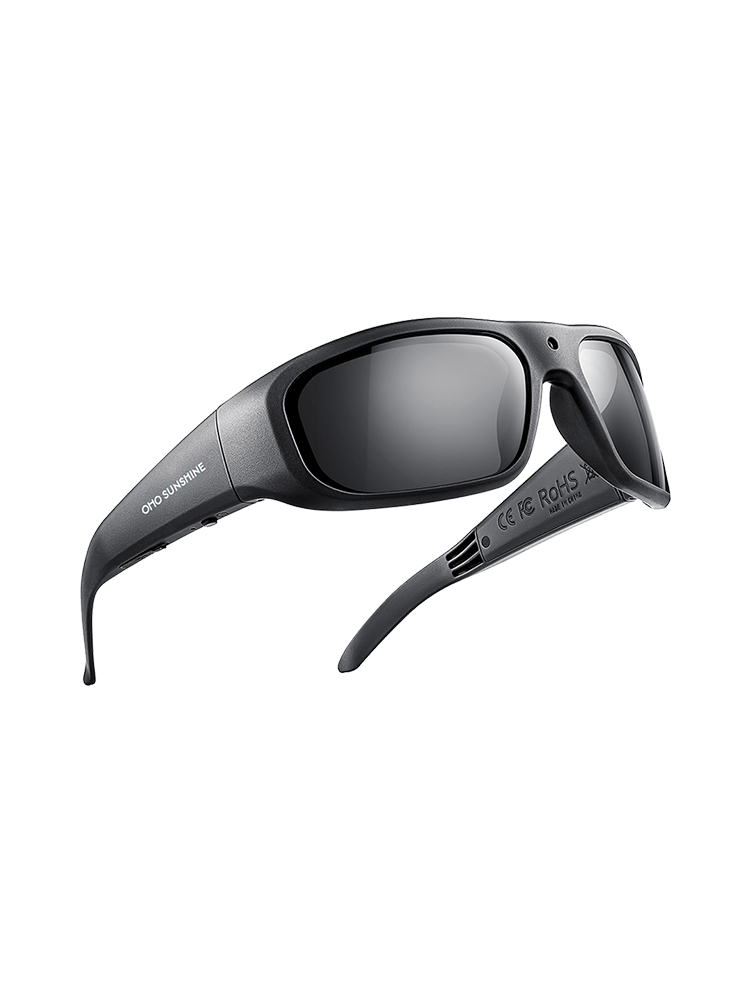
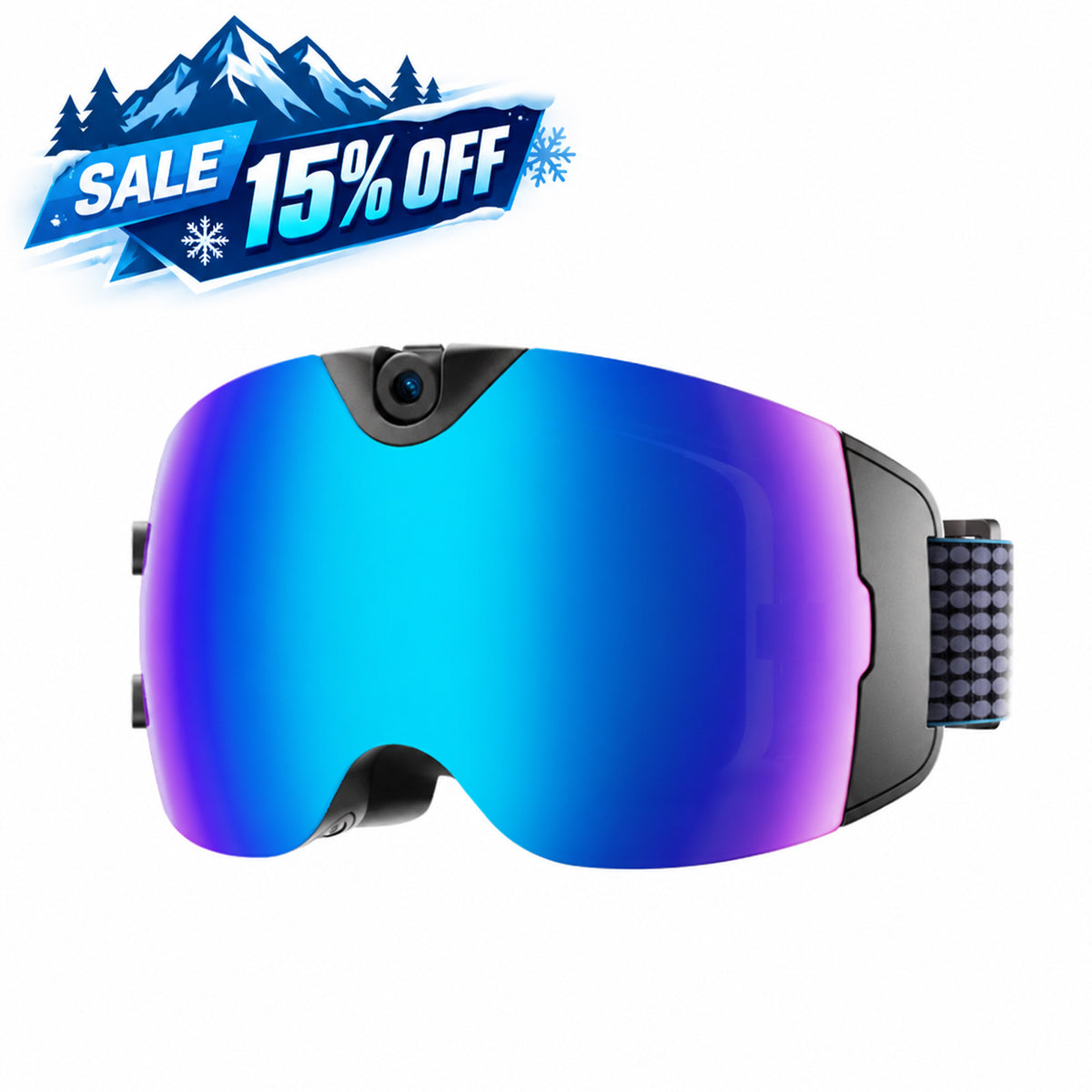
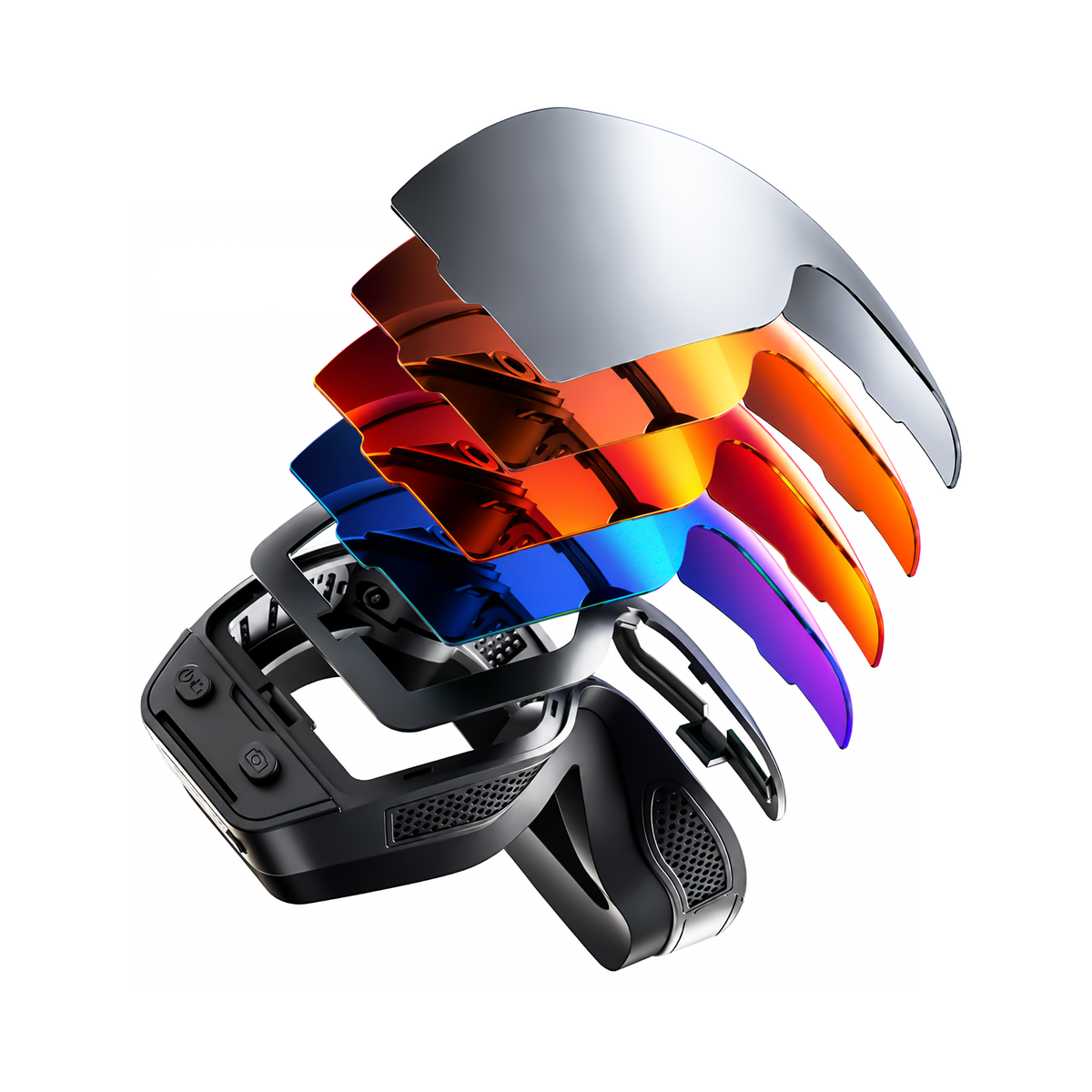
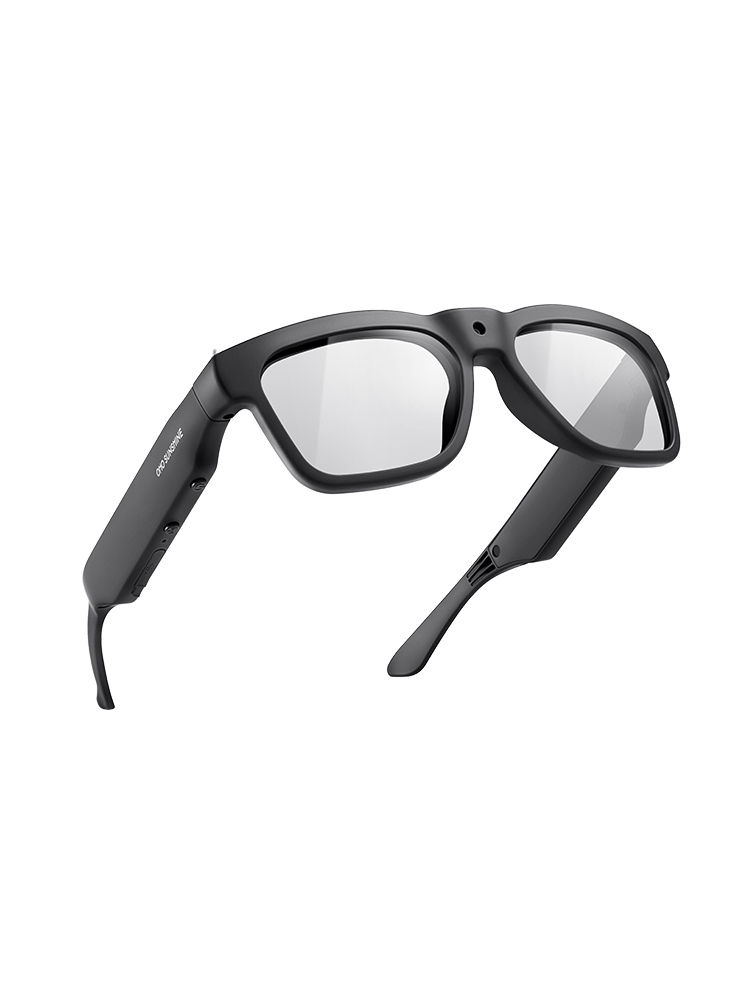
Our OHO SUNSHINE 4K Camera Smart Ski Goggles is worth considering if your priority is documented capture quality and lens comfort on recreational winter outings. It records 4K video at 30 fps, uses a 140-degree wide-angle lens, and pairs an anti-fog, UV400, polarized lens with button and app controls, USB-C charging, and a listed 90-minute battery life. These verified specifications provide solid hands-free recording features for general snow activities.
However, those listed specifications do not establish certified snowmobile eye protection, vibration resistance, extreme cold limits, glove operation, or compatibility with your specific snowmobile helmet. You must still run the complete physical fit check with your helmet and face covering before relying on our Skyshot as your primary riding eyewear. If the setup passes all checks, its capture capabilities offer a clear benefit, but if any check fails, pairing separate protective eyewear with a standalone camera is the safer path.
Conclusion
Camera snow goggles can handle a snowmobile ride only when eye protection, exact helmet fit, environmental limits, controls, and battery planning are all documented and pass an in-person check. When all conditions pass, they provide a convenient all-in-one recording setup. If any condition fails or remains unverified, separate your protective eyewear from your camera to protect your safety and vision on the trail.
FAQs
Can I Use Camera Goggles for Nighttime Snowmobile Riding?
Nighttime and low-light riding require verified optical clarity and adherence to regional safety laws rather than camera features. You must maintain clear visibility of the trail and follow local nighttime speed limits, such as Minnesota's recommendation to stay under 40 mph. Always verify that your goggle lens allows safe visibility in dark conditions before riding.
Are Polarized Goggles Always the Best Choice for Snowmobiling?
Polarized lenses help cut harsh glare from bright snow, but they are not ideal for every lighting condition or terrain type. In low light, flat light, or heavily shaded trails, polarization can reduce contrast and make it harder to spot ice patches or surface dips. Select lens tints based on the specific lighting conditions of your ride rather than defaulting to polarization.
What if My Camera Goggles Do Not Fit My Snowmobile Helmet?
If the goggles shift, pinch your face, create wind gaps, or restrict your side vision when paired with your helmet and face covering, stop using them for that ride. A poor fit compromises eye protection and trail awareness at snowmobile speeds. Switch to protective eyewear designed specifically for your helmet and mount a separate camera instead.
Does Ski Use Prove That Camera Goggles Can Handle Snowmobile Vibration?
Skiing performance does not prove a goggle can withstand continuous snowmobile engine vibration and high-speed trail bumps. Unless the manufacturer explicitly documents vibration resistance and reinforced housing, treat that capability as unverified. Check the mounting stability and hardware before relying on integrated camera goggles during rough rides.


Commenta
Questo sito è protetto da hCaptcha e applica le Norme sulla privacy e i Termini di servizio di hCaptcha.