














Bright snow, high elevation, and cloudy skies do not tell you whether your ski or snowboard goggles actually block UV rays. The only way to know is to check the exact model's documentation for an explicit UV400 or UVA/UVB claim, since lens tint, mirror coatings, and camera features cannot confirm that protection. A short four-step check can settle this before your next trip.
If the documentation for your specific goggles is missing or inconsistent, choose a pair with clearer evidence instead of trusting the label alone. Camera and smart features do not change this requirement, even on advanced or premium models.
How to Verify UV400 Coverage in Ski Goggles
Verifying UV400 coverage starts with matching your exact goggle model to its own documentation, not general marketing claims. Here is why snow conditions matter, what the UV400 label actually covers, and the four checks that confirm real protection.
Why Snow, Altitude, and Clouds Keep UV Relevant
Reflected light off snow, higher elevation, and cloud cover can all increase eye exposure to UV rays, even when the day feels mild. According to the American Academy of Ophthalmology, winter slope UV factors all raise the risk of eye damage on ski slopes, and clouds do not block UV radiation the way many people assume. Cold, dry, windy conditions common on mountains add to eye irritation and can worsen symptoms tied to UV exposure.
Snow blindness, medically called photokeratitis, is the injury most closely tied to this exposure. The AAO describes snow blindness photokeratitis risks alongside protective snow goggles as a recognized preventive step, noting the condition shows up more often in high mountains where thinner air filters out less UV light. This risk context is exactly why checking your goggles' actual UV claim is worth a few extra minutes, rather than assuming any dark lens is protective.
What a UV400 Claim Does—and Does Not—Show
A UV400 claim signals that a lens is designed to block ultraviolet light up to the 400-nanometer wavelength, covering both UVA and UVB rays in that range. The AAO's UV400 selection guidance tells shoppers to look for eyewear labeled 100% UV, UV400, or explicitly blocking both UVA and UVB, since that phrasing is the accepted shorthand for UV-blocking eyewear. That guidance describes what to look for on a label; it does not confirm that every product carrying the wording has been independently tested.
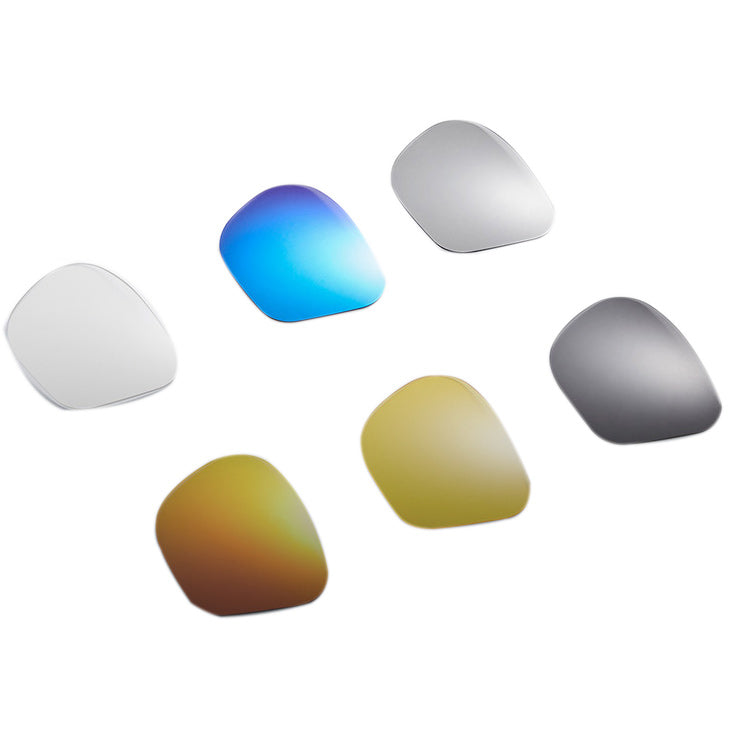
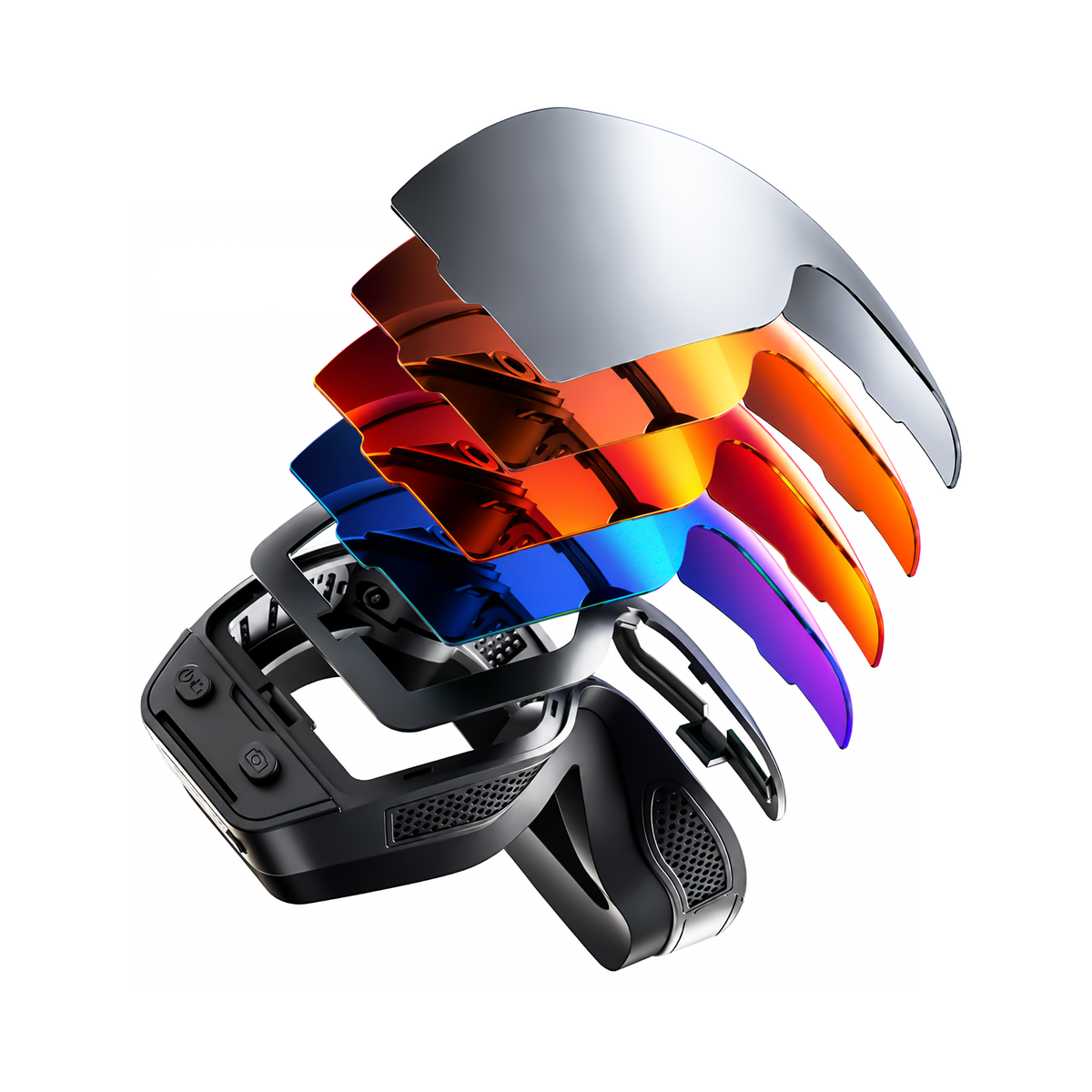
Dark tint, mirrored coatings, polarization, anti-fog treatment, and camera or smart features solve different problems. Tint cuts glare, mirror coatings reduce visible brightness, polarization filters reflected light, and anti-fog keeps the lens clear in changing temperatures. None of these confirm that UV rays are actually blocked. A pair of goggles can look dark and still lack a documented UV400 claim, so appearance and unrelated features are not a substitute for checking the label and supporting documentation directly.
The Exact-Model Verification Path
Confirming UV400 coverage takes four concrete steps tied to your exact goggle model, not the category page it was found on.
- Identify the exact model and lens variant. Write down the brand, model name, and lens color or coating, since UV claims can differ between lens options on the same frame.
- Compare the product page, manual, and any technical sheet. Look for the same UV400 or UVA/UVB wording repeated across manufacturer sources rather than trusting a single mention on a marketing page.
- Look for named test or certification evidence. If the manufacturer references a specific standard, lab, or transmission test, note it. If no test or certification is named, treat the claim as a manufacturer statement rather than independent verification.
- Classify the result before you rely on the goggles. Decide whether the evidence is clear, label-only, inconsistent, or missing, since that classification determines whether the goggles are ready for a high-altitude snow day.
If none of your sources confirm the claim, do not rely on the label or lens appearance for a high-altitude snow day. Choosing eyewear with clearer documentation is the safer call.
How to Decide When UV Evidence Is Clear or Missing
Once you know what your documentation shows, the next step is turning that evidence into a decision. Four evidence states point to four different actions, and camera or smart features do not change which action applies.
Clear, Incomplete, or Conflicting Evidence
Match your evidence to one of four states below, then take the paired action.
- Clear evidence: The exact model and lens are identified, the UV400 or UVA/UVB wording is explicit, and the documentation across sources agrees. Proceed on that documentation basis, understanding it reflects the manufacturer's stated claim rather than a medical guarantee.
- Label-only or generic evidence: A badge or category page states UV400, but no model-specific documentation backs it up. Treat this as unverified and look for a fuller manufacturer statement before your trip.
- Conflicting evidence: The product page and manual disagree on the UV claim. Pause and ask the manufacturer for clarification rather than assuming the stronger-sounding statement is correct.
- Unavailable evidence: No accessible documentation supports a UV claim for the exact model. Select a better-documented pair instead of trusting tint or feature labels for a reflective snow day.
Camera and Smart Goggles Still Need the Same UV Check
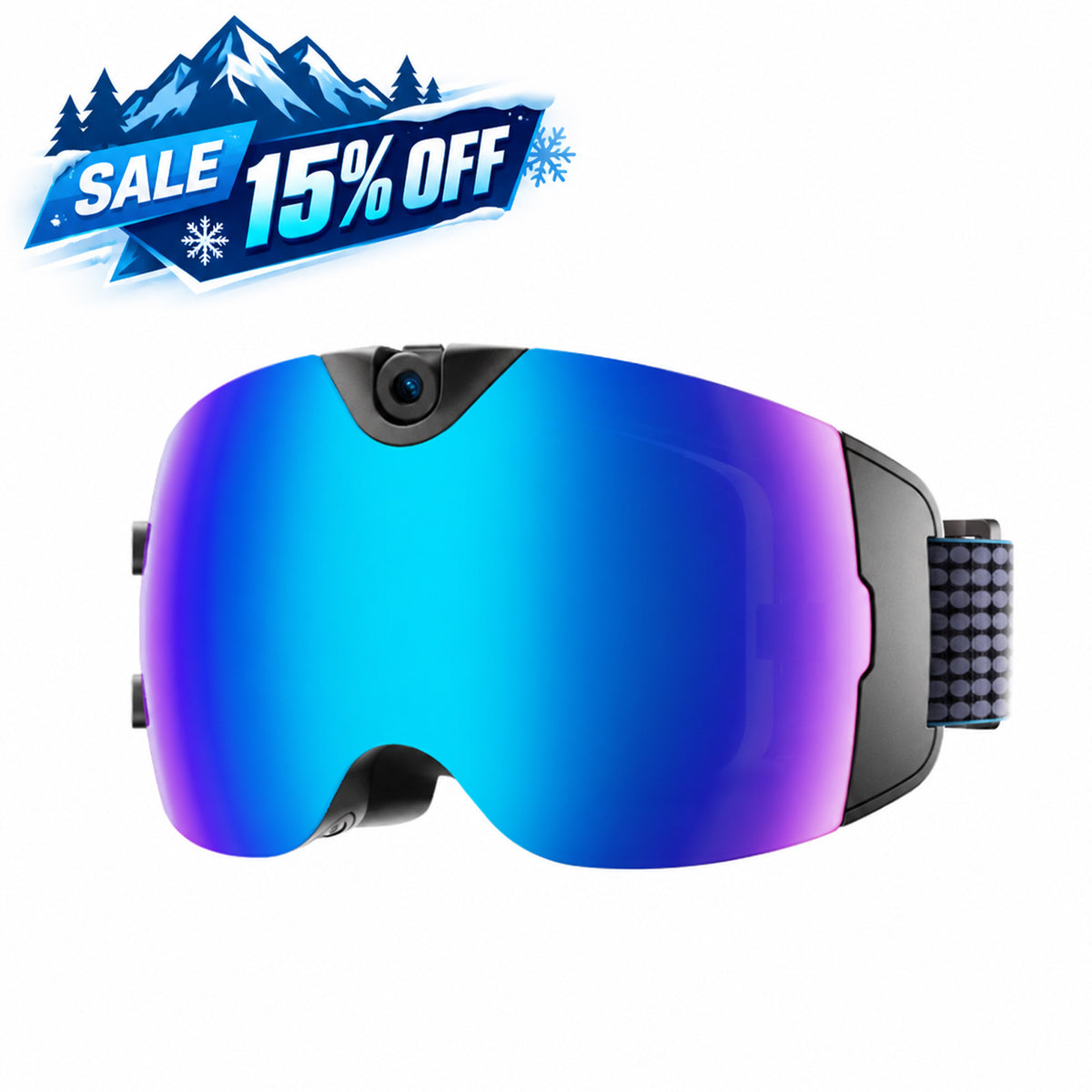
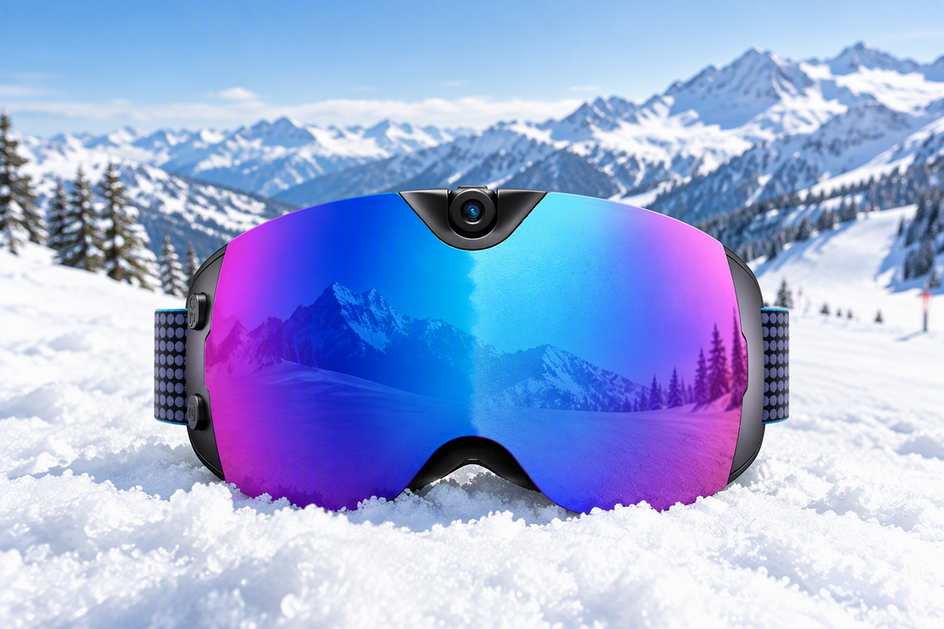
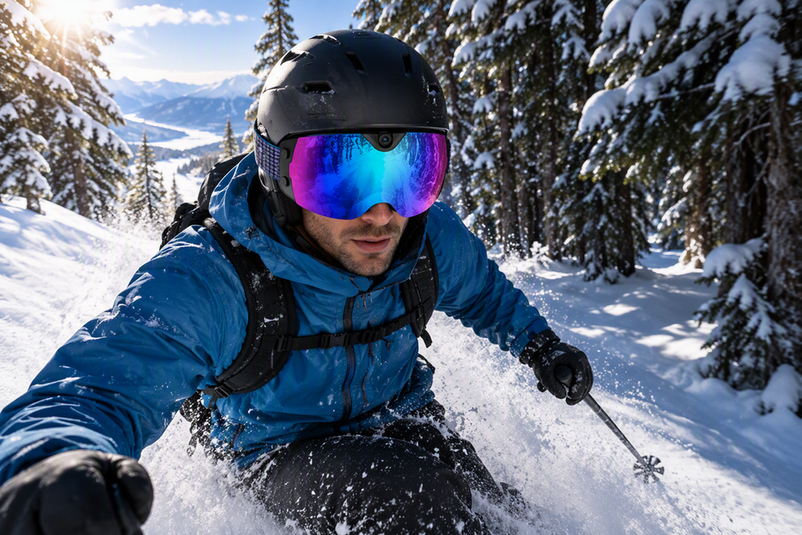
Camera and smart features do not verify UV protection, whether you are comparing snow goggles with a camera or a smart ski goggles model built for recording every run. Our current listing for the Skyshot camera ski goggles states UV400 protection alongside a polarized, anti-fog lens, but that listing is a manufacturer statement rather than independent testing, so it still deserves the same four-step check as any other pair.
Before relying on any camera or smart goggles for a run, we recommend testing fit, helmet compatibility, visibility, and the recording controls while stationary; our camera-goggle setup checks walk through that separate process. If you are comparing options in our camera ski-goggle collection, keep the UV documentation check and the feature comparison as two separate decisions.

Checking UV400 evidence for your exact goggles takes a few minutes and settles the biggest unknown before a snow trip. When the documentation is clear, you can rely on it as the manufacturer's stated protection; when it is missing or inconsistent, choosing a better-documented pair protects your eyes more reliably than trusting tint or camera features alone.
FAQs
Does cloudy weather eliminate UV exposure on the slopes?
No. Clouds do not block UV radiation, and the American Academy of Ophthalmology notes that UV levels can stay high even on overcast days. Apply the same documented UV400 standard on cloudy or changing-weather days that you would on a bright, sunny run.
How should I check camera ski goggles before a run?
Camera and smart functions do not change the UV documentation requirement, so confirm the UV400 claim first. Then test the goggles while stationary: check fit and helmet compatibility, look for fogging, confirm clear visibility through the lens, and run through the recording controls before relying on them on the mountain.
Is a UV400 label the same as independent certification?
Not automatically. A UV400 statement on a product page or box is a manufacturer claim unless the documentation names a specific test method or certifying body. Treat an unverified label as incomplete evidence and look for supporting documentation, such as a manual or technical sheet, before relying on it for a snow trip.


Dejar un comentario
Este sitio está protegido por hCaptcha y se aplican la Política de privacidad de hCaptcha y los Términos del servicio.