



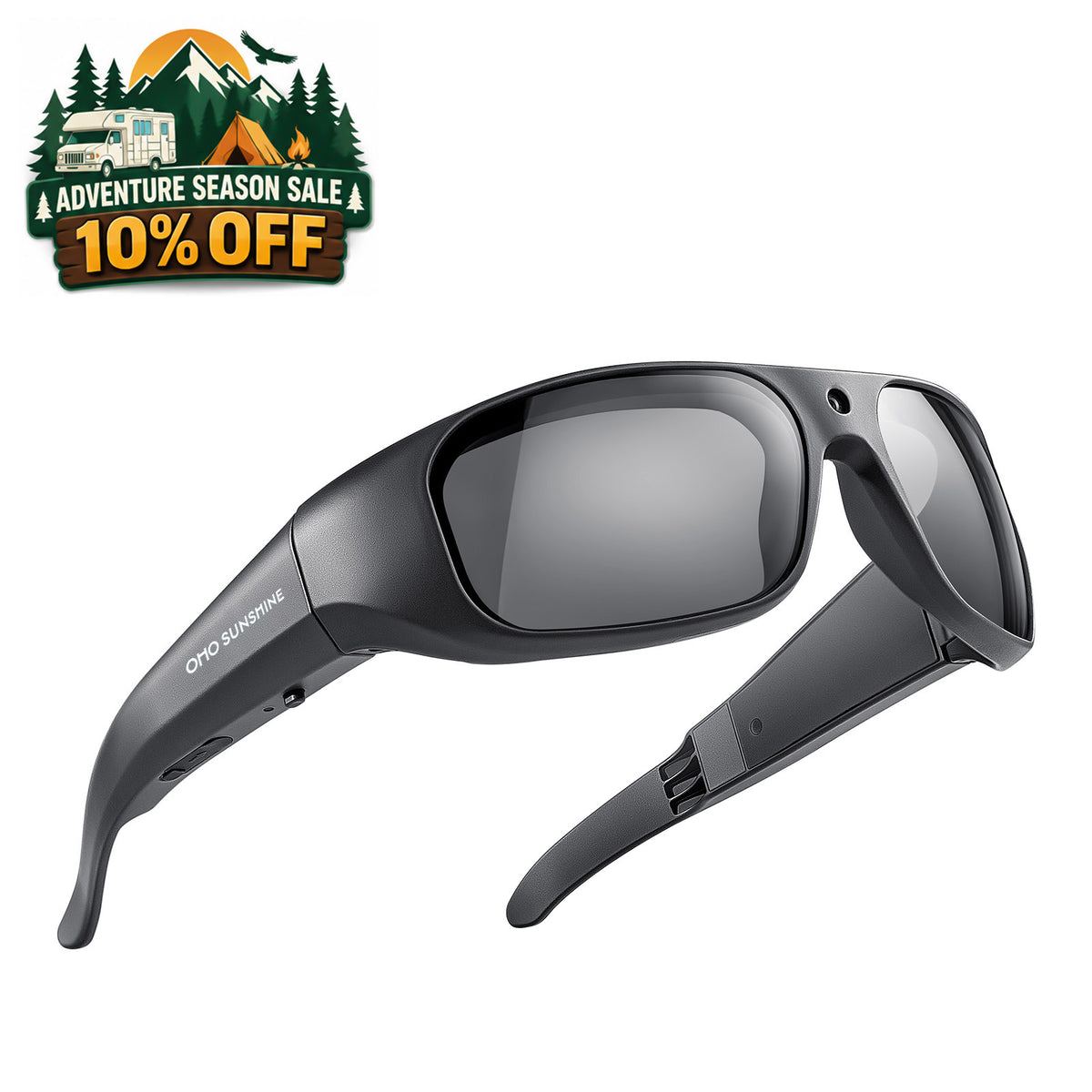


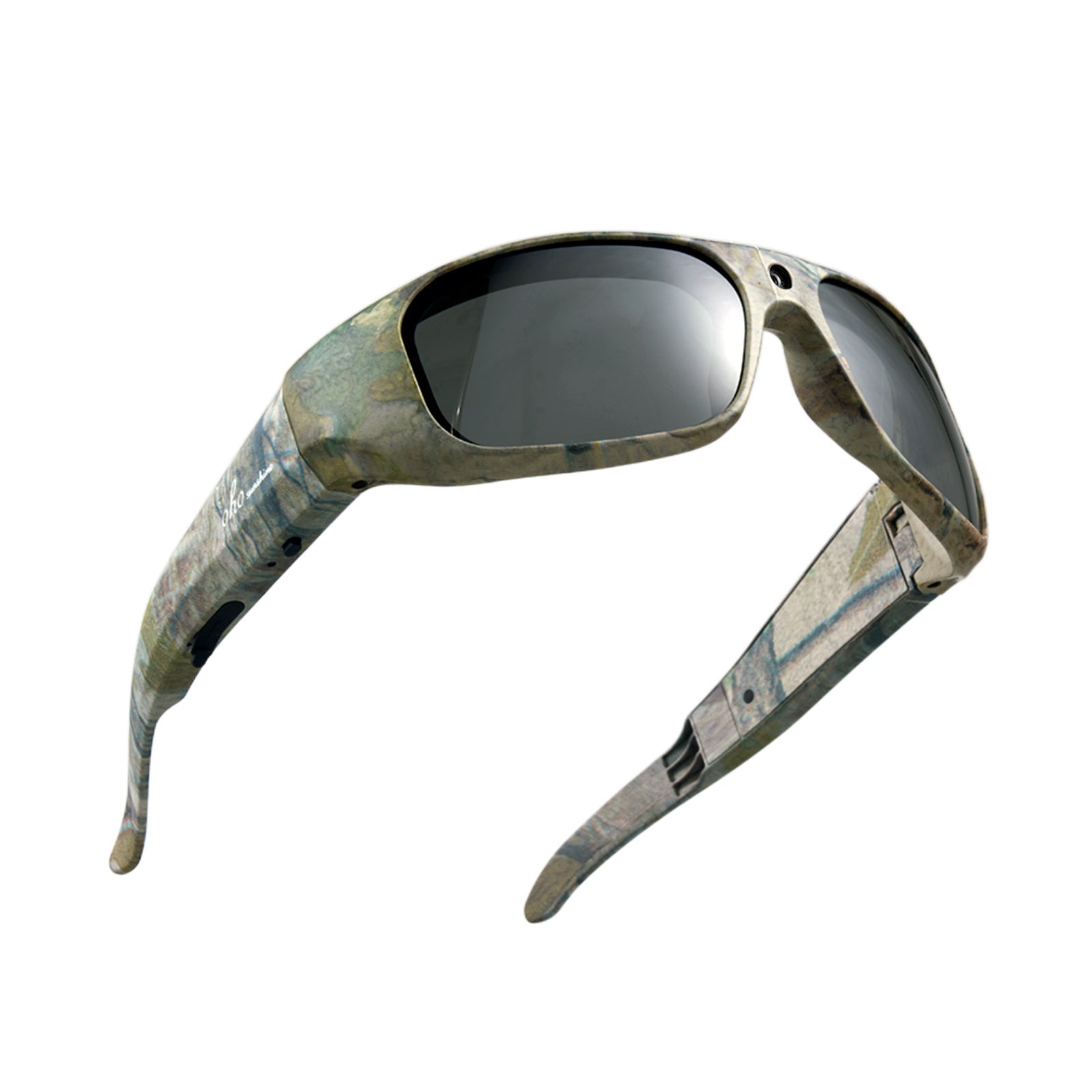


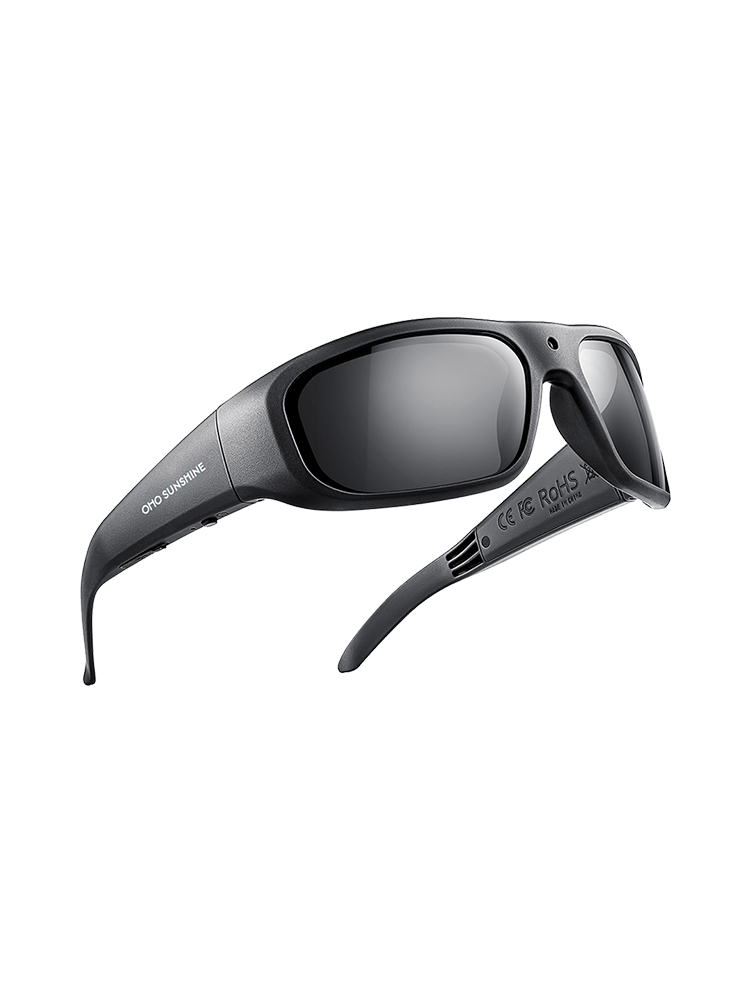


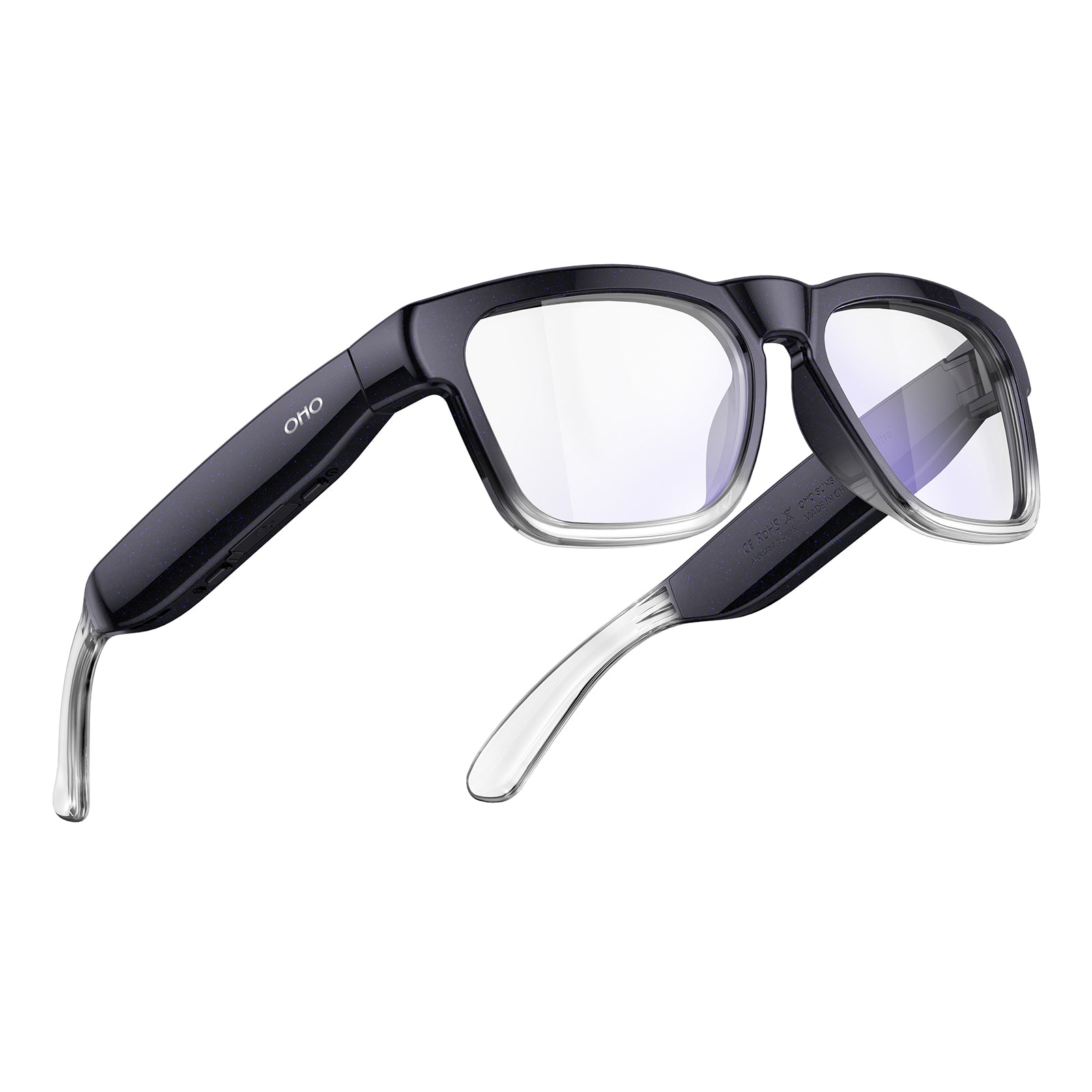



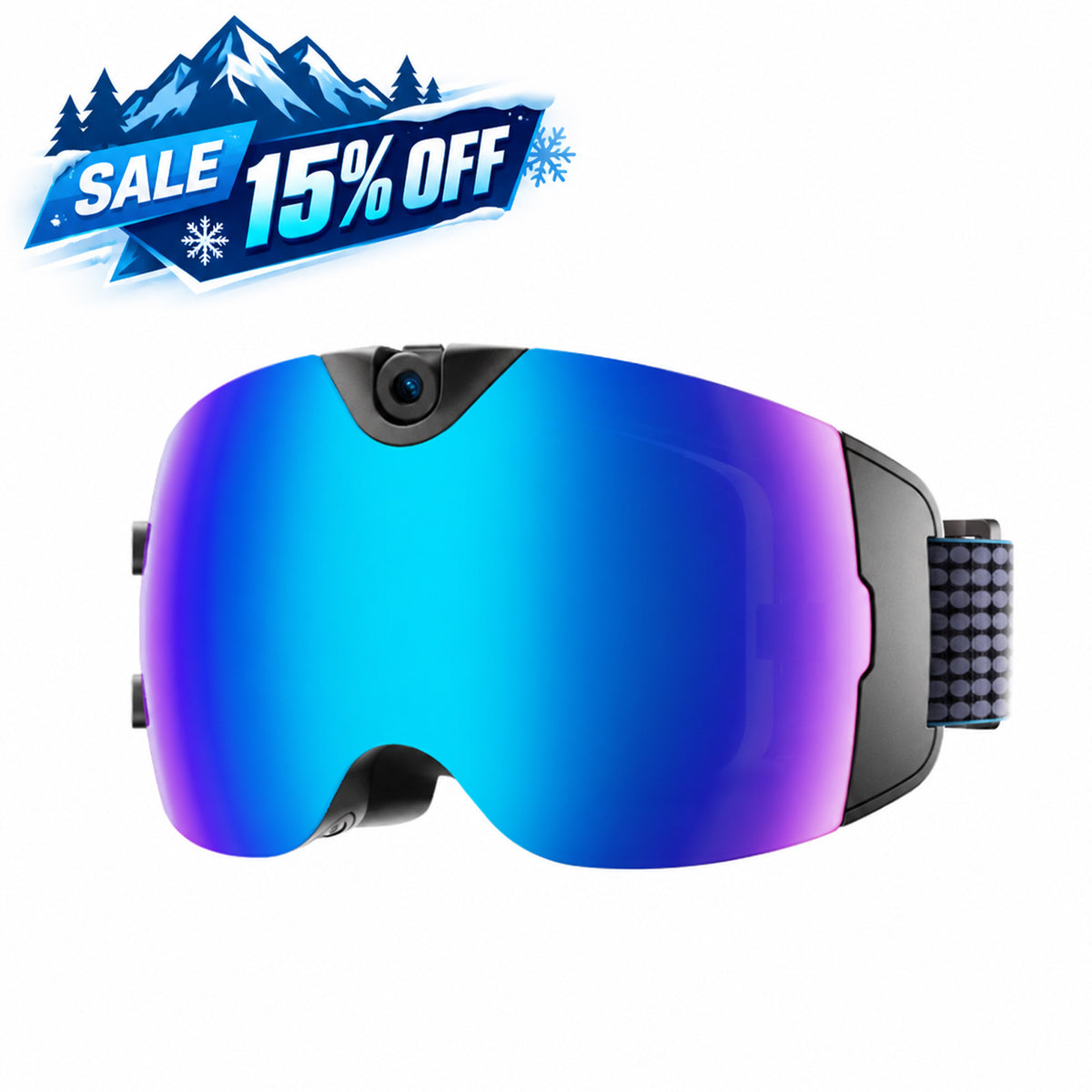


POV camera glasses are wearable cameras that record from the wearer's eye level while leaving both hands free. Action cameras are small cameras that can be positioned on a mount or other support, with capabilities that vary by model. Choose POV camera glasses when your project needs a hands-free, eye-level shot with minimal setup. Choose an action camera when the project depends on mounting choices, repeatable framing, rougher conditions, or a longer editing workflow. The right pick depends on what your specific project actually needs, not on which format has more features on paper.
POV Camera Glasses vs Action Cameras: The Short Choice Rule
Use the table below to identify which project requirement should control your choice.

| Decision point | POV camera glasses | Action camera |
|---|---|---|
| Viewpoint | Fixed eye-level, matches what the wearer sees | Positioned wherever you mount it |
| Hands-free use | Yes, hands stay free for the task | Only after it is mounted or held |
| Mounting | Limited to wearing the glasses | Wide range of mounts and angles |
| Framing | Follows the wearer's gaze | Can be composed and locked in place |
| Stabilization | Depends on the exact model's image stabilization | Depends on the exact model's stabilization mode |
| Battery planning | Tied to the exact model's onboard battery | Depends on the exact model's battery design and charging plan |
| Weather exposure | Depends on the exact model's water resistance rating | Depends on the exact model's protection rating |
| Audio | Varies by model; confirm the microphone | Varies by model; confirm the model's microphone options |
| Editing workflow | Confirm file transfer and editing support for the exact model | Confirm app, framing, and editing support for the exact model |
DIY, Craft, Sewing, and Inspection: When Hands-Free POV Wins
Hands-free, eye-level capture fits tasks where the viewer should see the work from your natural viewpoint. An action camera fits better when the record needs repeatable mounted framing or more controlled documentation.
DIY, Craft, and Sewing: When Eye-Level Capture Wins
Camera glasses fit best when both hands are busy and viewers benefit from seeing exactly what you see, like stitching a seam or assembling a part. If your tutorial needs a repeatable work-surface angle, an overhead shot, or deliberate composition from one fixed position, an action camera on a small tripod or clamp mount gives you that consistency instead.
Inspection and Work Documentation: When the Environment Changes the Choice
For inspection, choose camera glasses only when the environment, session length, and recording conditions fit the device and the eye-level view helps document the work. Choose an action camera when those conditions do not fit, or when the record needs a repeatable mounted angle or more controlled documentation. Before you record a job site, workplace, or another person, confirm that recording is permitted and that visibility, access, retention, and approval are handled. This is worth checking against a secure work documentation process before you rely on hands-free capture for anything beyond a personal project. Make a short, approved test recording of the actual work surface before committing to the full task.
Travel and Vlogging: Discreet POV Versus Production Control
Camera glasses fit spontaneous travel clips when the intended shot is a discreet, eye-level view. An action camera fits better when the scene needs a planned composition, a mount, alternate angles, or a more controlled production.
Travel: Discreet Capture Versus Mounting Control
Glasses cut out the need to hold or mount a camera for quick first-person clips, which matters when you want a natural reaction shot on a hike or in a busy market. When a scene calls for a deliberate angle, a stable mount, or a stronger plan for wind and weather, an action camera becomes the better starting point.
Vlogging: Quick POV Clips Versus Composed Delivery
Choose glasses when the authenticity of an immediate eye-level shot matters more than previewing your framing. Choose an action camera when your finished vlog depends on composed framing, added audio input, alternate angles, or a more deliberate edit. Stabilization is worth checking either way, since resolution alone will not tell you how smooth walking footage looks; our camera-glasses stabilization guide walks through a simple test before you commit to a trip.
When an Action Camera Is the Better Production Tool
An action camera earns its extra setup when motion, weather, or editing needs go beyond what a worn viewpoint can deliver.
Motion, Weather, and Longer Sessions
Rough movement, real water or dust exposure, or a session long enough to need a battery-swapping plan all favor an action camera. Verify the exact model's protection rating, stabilization mode, and runtime instead of assuming every action camera performs the same way.
Repeatable Framing and Editing
Mounting flexibility and repeatable framing matter for instructional videos, client documentation, and any project that needs a consistent edit across multiple clips. That extra control is worth the added setup only when the deliverable actually needs it; otherwise it adds time you did not plan for.
Where OHO SUNSHINE Primex EIS Camera Glasses Fit
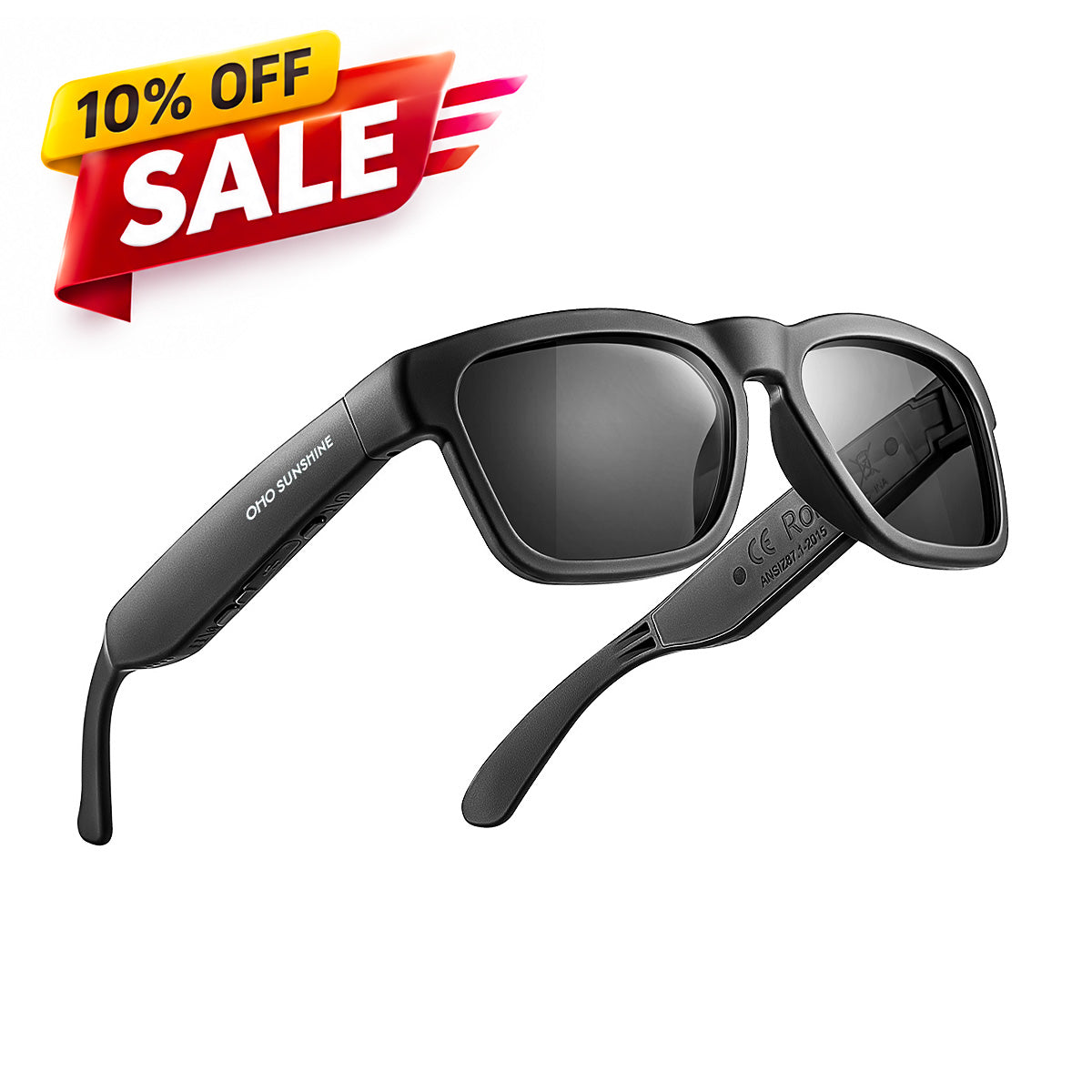
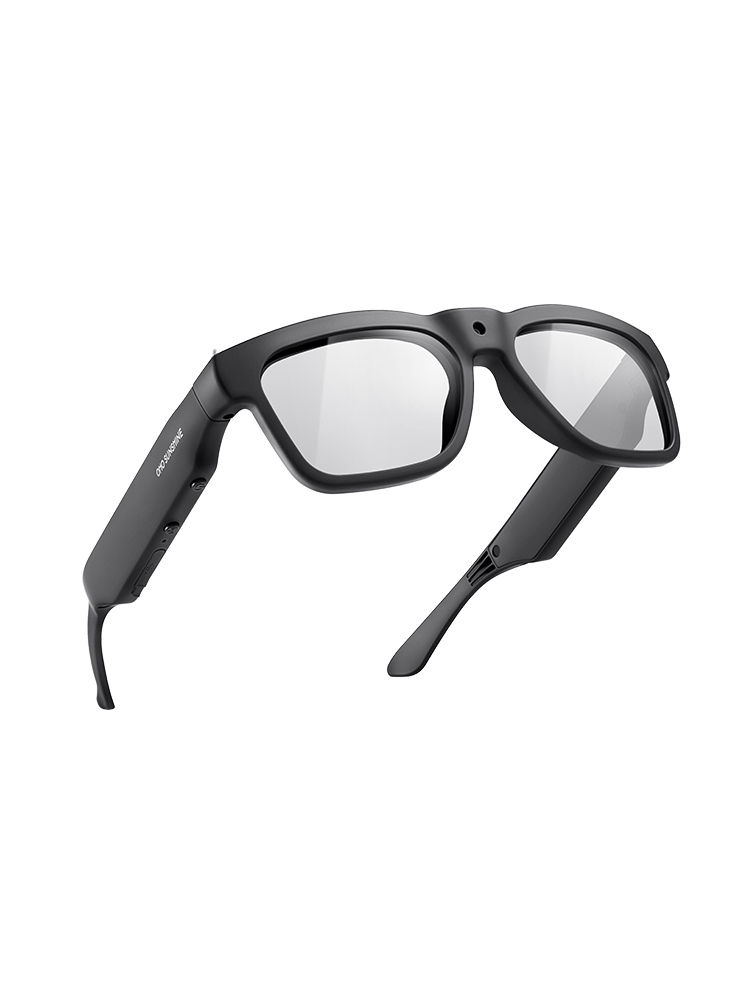
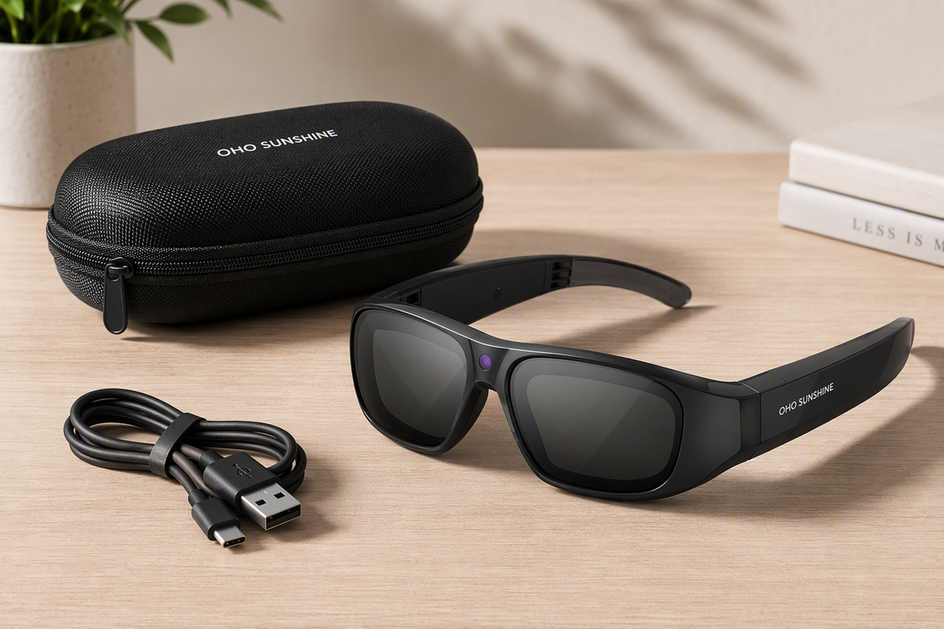
The Primex EIS model fits short projects that need hands-free, eye-level capture and can use the worn viewpoint as the deliverable. It is a candidate for this use case, not a universal replacement for an action camera, so its runtime and water-resistance rating still need to match the project.
The Supported Hands-Free Fit
Once hands-free, eye-level capture is the priority, the OHO SUNSHINE Primex EIS Camera Glasses become a reasonable candidate. They list electronic image stabilization, 2K Ultra HD video, a built-in microphone, built-in storage options, and record-while-charging support. These are listed capabilities to plan around, not proof that the footage will beat every action camera on the market.
What to Verify Before Purchase
- Plan sessions around the listed 60-minute battery life so you are not caught mid-task without power.
- Keep the project inside the listed IPX4 water-resistance boundary; that rating does not establish submersion or severe-weather protection.
- Test framing, sound, file transfer, and storage with your actual workflow before the real shoot.
If your project matches these conditions, test the Primex EIS for fit and eye-level framing before choosing it for a short hands-free session.
Use This Project Checklist Before You Buy or Film
Run through these four steps in order, then test before you commit to the full shoot.
- Define the shot you actually want: a natural eye-level view, or a positioned, composed angle.
- Check whether both hands need to stay free for the task, or whether you can hold or mount a camera.
- Match your session length and environment to the exact model's battery life and protection rating.
- Decide how much framing and editing control the finished piece needs, then record a short test clip to confirm framing, audio, transfer, and file handling before the real project.
FAQs
Are POV Camera Glasses Easier to Use Than an Action Camera?
For short first-person clips, glasses are usually simpler because they need no mounting and keep both hands free. An action camera is easier when the project calls for a deliberate mount or framing setup from the start.
How Should I Plan Battery Life for POV Camera Glasses?
Plan around the exact model's listed runtime and your access to charging. Recording while charging can extend a session, but it is not the same as unlimited recording time.
Do Action Cameras Have Better Video Quality Than POV Camera Glasses?
Neither format wins outright. Compare the exact action-camera or camera-glasses model's stabilization, framing control, exposure handling, audio, and editing workflow against what your finished footage actually needs.
When Should I Choose Camera Glasses Over an Action Camera?
Choose camera glasses when hands-free, eye-level capture and minimal setup are the priority and your session and environment fit the model's limits. Choose an action camera when mounts, repeatable framing, rougher conditions, or a more controlled edit matter more to the finished project.



Dejar un comentario
Este sitio está protegido por hCaptcha y se aplican la Política de privacidad de hCaptcha y los Términos del servicio.