





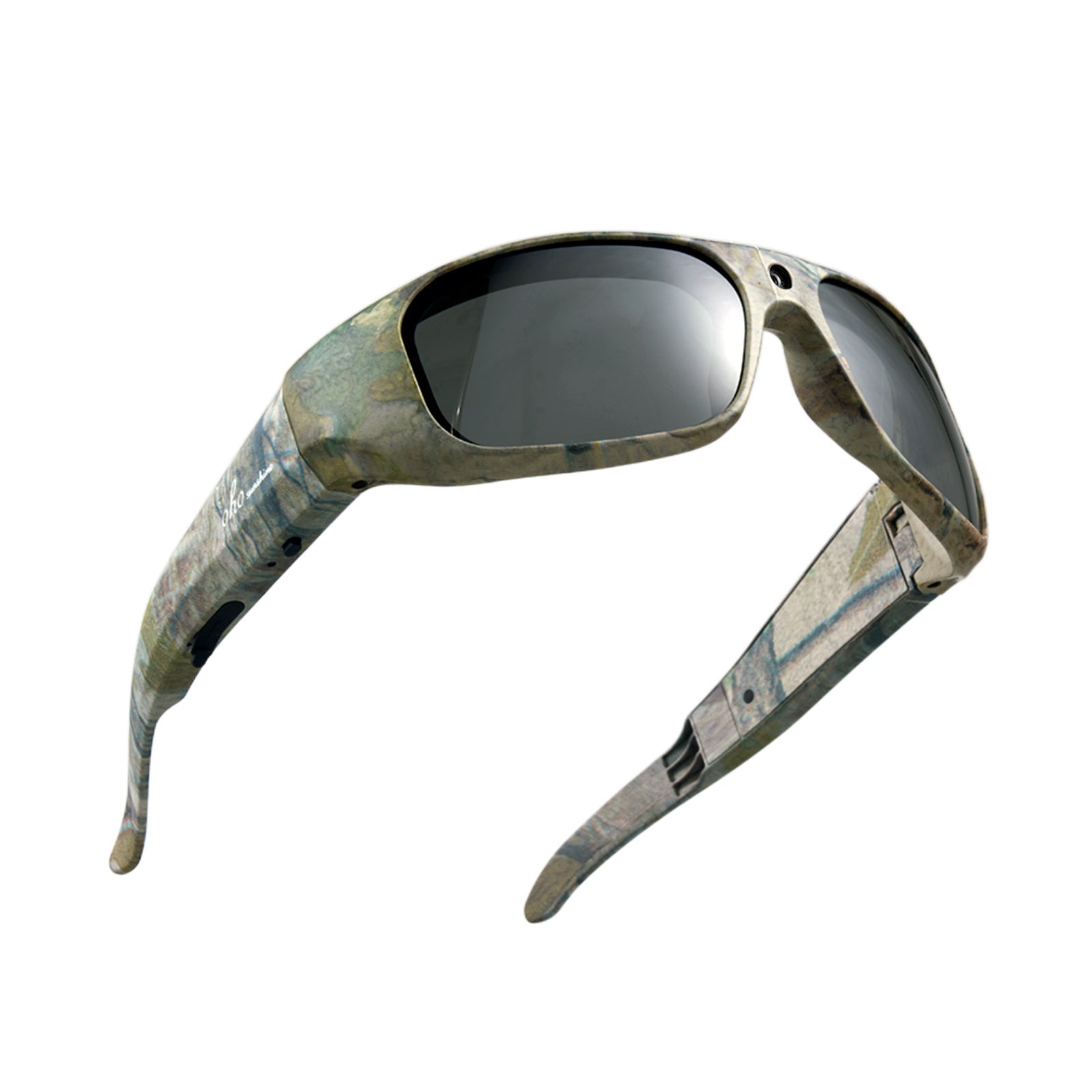


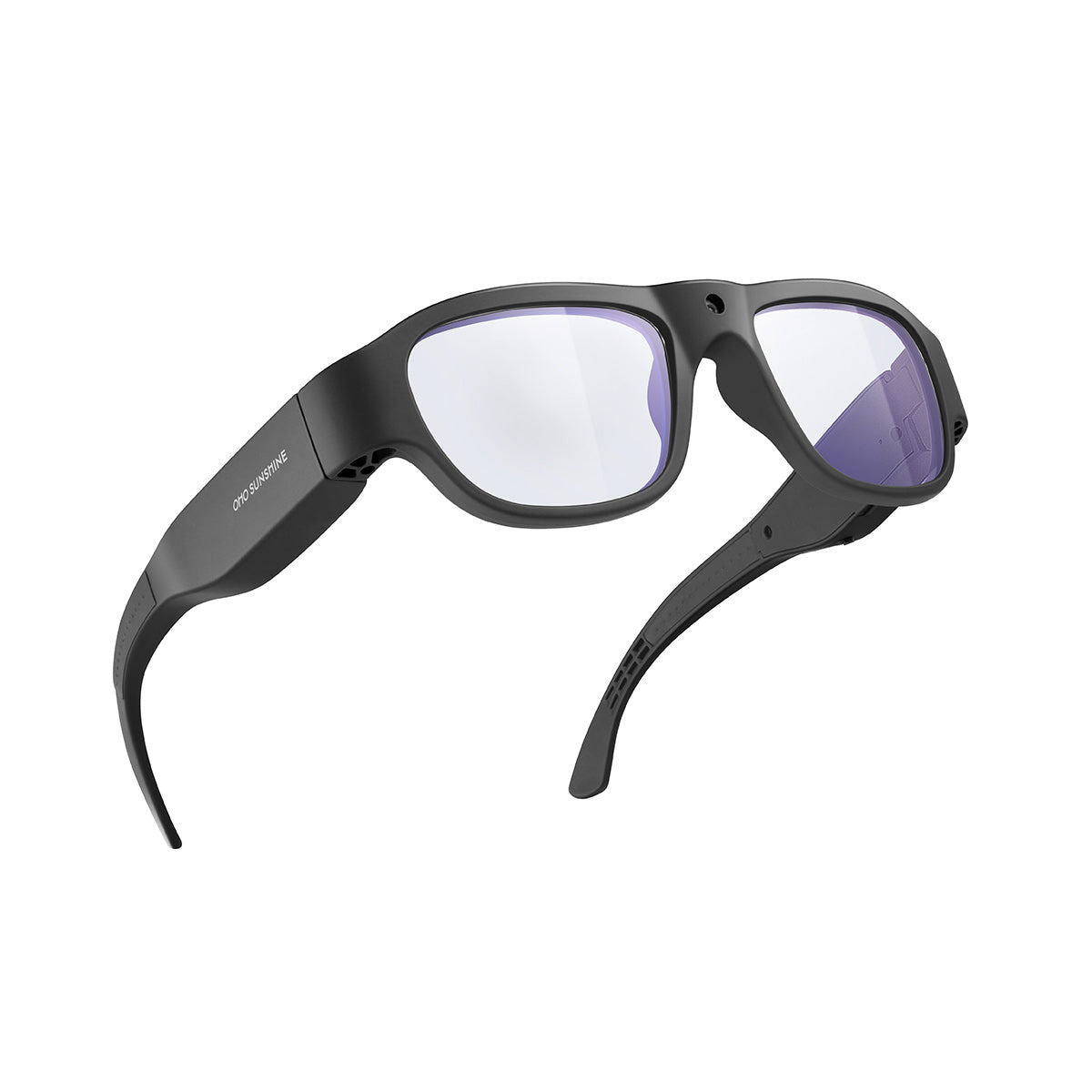
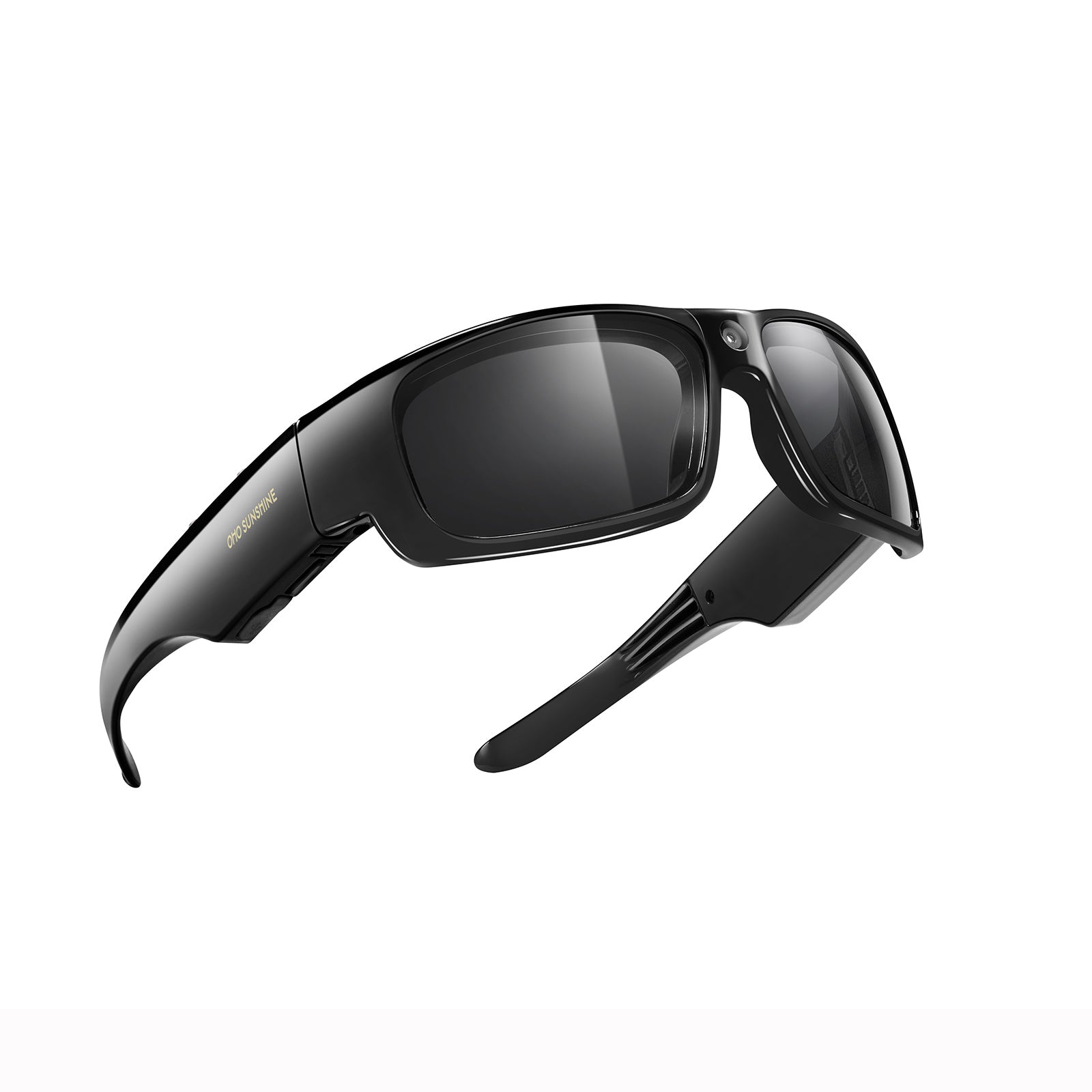


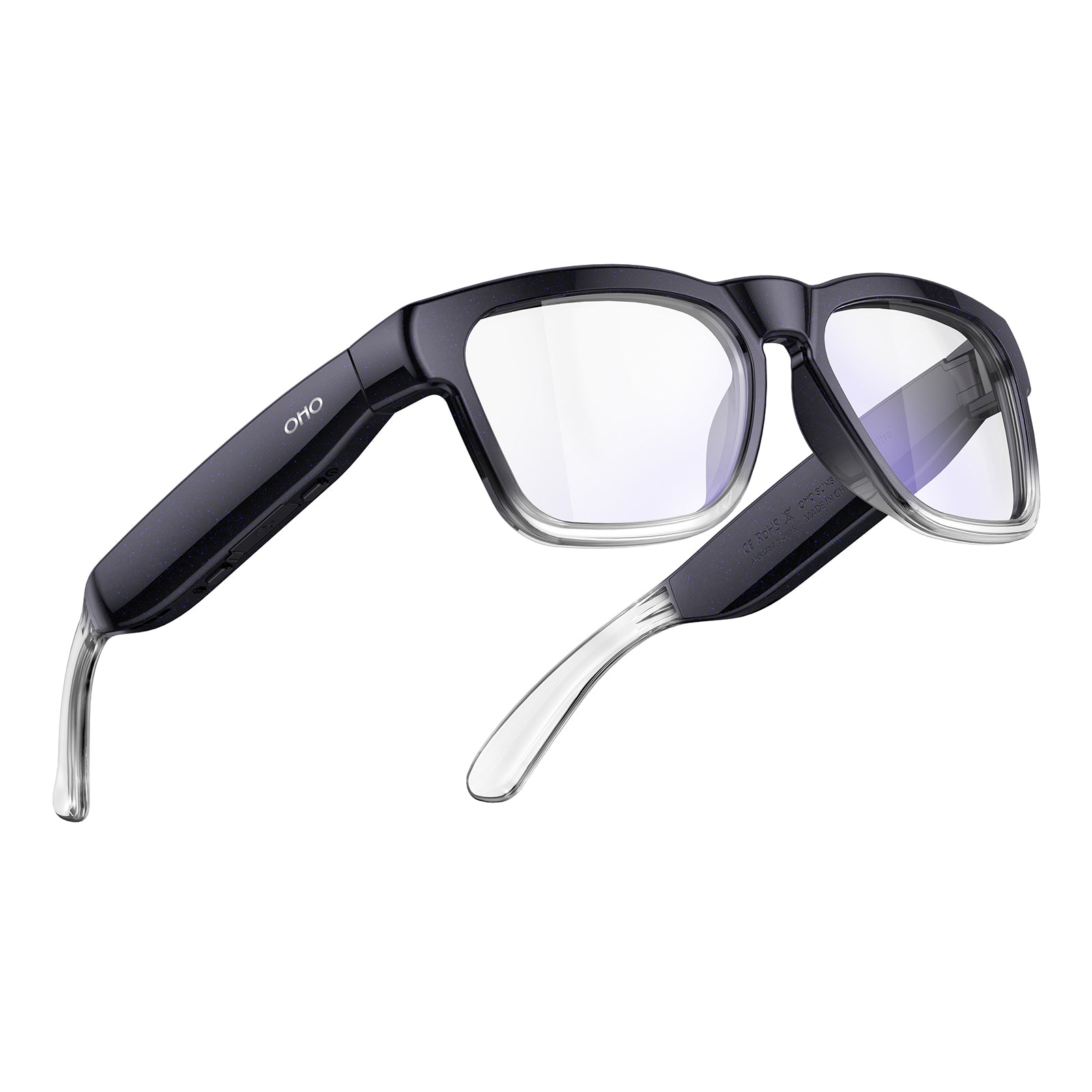


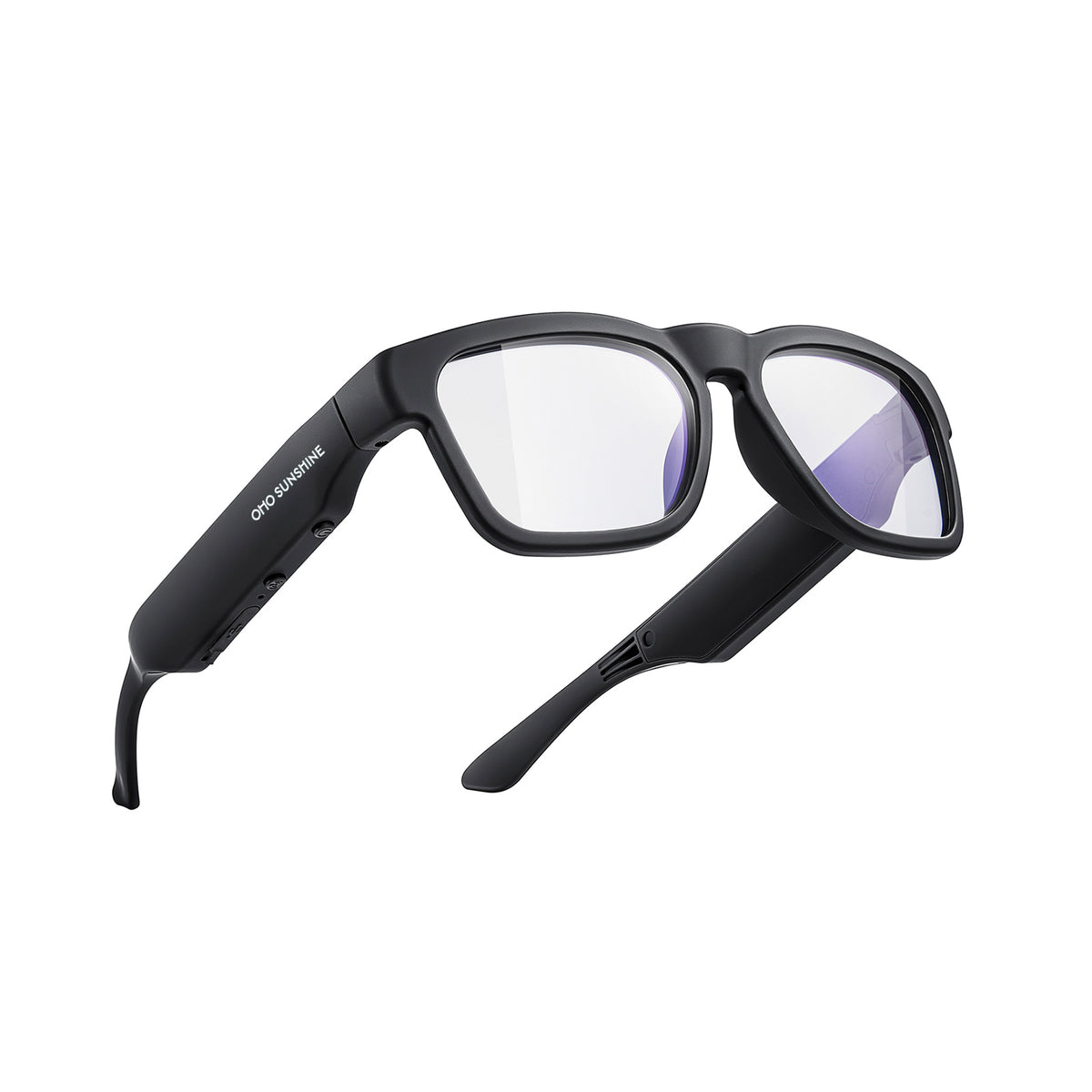





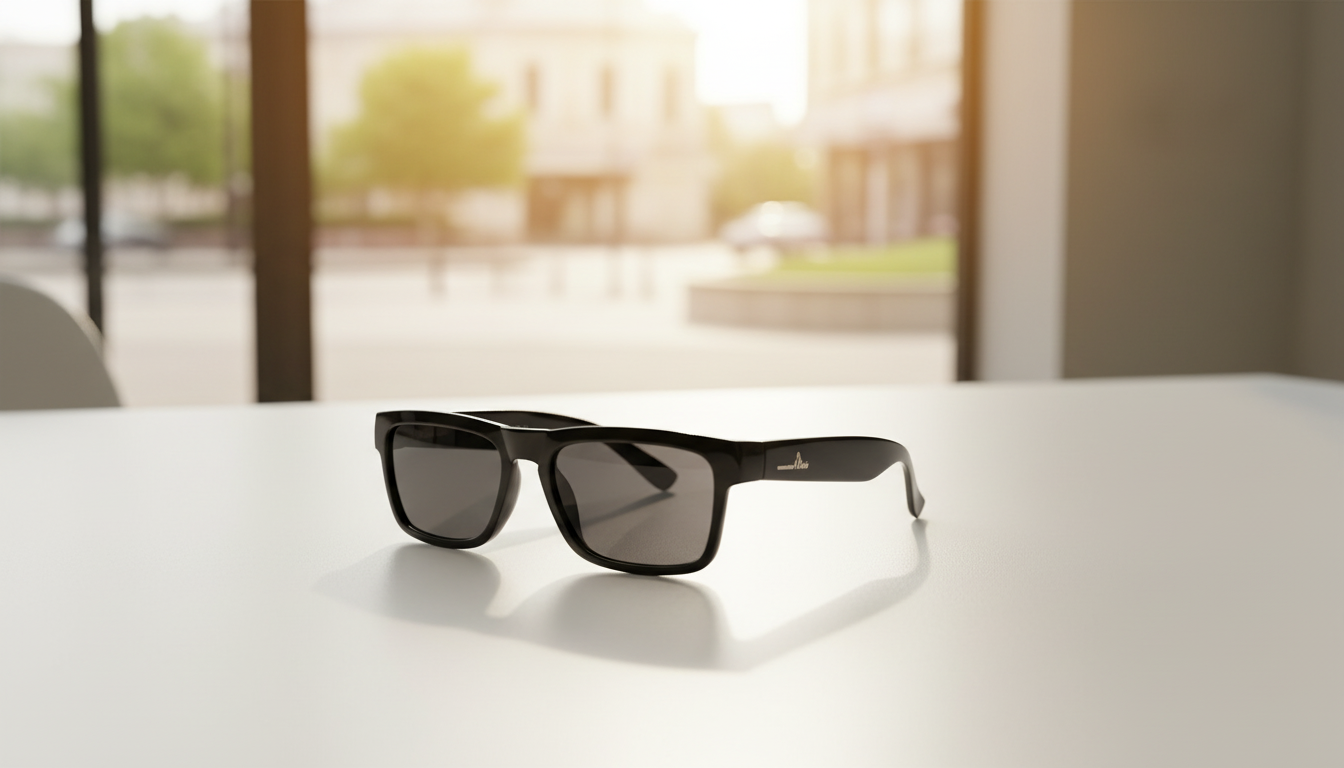
Los lentes fotocromáticos son un buen punto de partida para los días que transcurren entre oficinas, aceras y espacios exteriores abiertos. No sustituyen universalmente a los lentes transparentes para interiores, los lentes polarizados para exteriores ni una configuración con lentes independientes. Elige según tu recorrido habitual, cuánto control del deslumbramiento necesitas y si las gafas deben funcionar detrás de un parabrisas o junto con funciones de cámara y audio.
Elige la configuración de lentes adecuada para el día que realmente tienes
Elige una configuración adaptativa cuando tu día implique cambios frecuentes de luz y puedas aceptar un comportamiento específico de la configuración en interiores y exteriores. Elige lentes transparentes para un uso principalmente en interiores, lentes polarizados para exteriores con mucho deslumbramiento y lentes independientes cuando un solo par no pueda satisfacer todas tus prioridades. Las recomendaciones de la Academia Estadounidense de Oftalmología sobre lentes fotocromáticos respaldan considerarlos una opción práctica para entornos cambiantes, no un sustituto universal de unas gafas de sol específicas.
| Escena típica | Lo que un lente adaptativo puede abordar razonablemente | Configuración que conviene considerar |
|---|---|---|
| Oficina, hogar o tienda | Pueden funcionar para días variados, pero la apariencia en interiores depende del diseño del lente y de la iluminación | Transparentes si predominan la visión en interiores y las pantallas; adaptativos si se acepta cierto tinte |
| Aceras, sombra parcial y salidas breves al aire libre | Ofrecen una configuración adaptable para pasar de espacios interiores a exteriores | Adaptativos para transiciones frecuentes; transparentes si la exposición al aire libre es ocasional |
| Espacios exteriores abiertos | Pueden ofrecer un tinte variable, pero el resultado varía según el diseño y las condiciones | Adaptativos por comodidad; lentes específicos para exteriores cuando importa más un resultado predecible |
| Actividades al aire libre con mucho deslumbramiento | El oscurecimiento automático no ofrece el mismo control del deslumbramiento que un lente polarizado específico | Polarizadas cuando el deslumbramiento reflejado es el problema principal |
| Uso en vehículos o detrás del parabrisas | No se puede dar por sentado el comportamiento en exteriores detrás de un cristal | Verifica el lente exacto detrás del parabrisas previsto o considera lentes polarizadas o independientes |
El límite de adaptación es sencillo: si el control constante del deslumbramiento en exteriores o un rendimiento predecible del vehículo importan más que adaptarse entre escenas, compara lentes polarizadas o lentes independientes antes de elegir una configuración adaptativa.

Establece expectativas para el uso en interiores y los cambios de luz
Estas lentes no tienen una apariencia ni un resultado de transición universales en interiores. La activación y el tinte visible dependen de la exposición a los rayos UV, la intensidad de la luz, las condiciones y el diseño de la lente; la guía oficial sobre la activación y la apariencia en interiores muestra por qué el diseño exacto es importante.
Una oficina, un hogar o una tienda no son necesariamente iguales que una habitación interior oscura o una zona exterior con sombra abierta. Los cristales de los edificios, la sombra, el clima y la temperatura pueden cambiar la luz que llega a la lente. Al salir al exterior, espera que la apariencia cambie en lugar de obtener un tinte instantáneo y universal. Lo mismo ocurre al volver a entrar: la lente puede acercarse a su estado para interiores, pero el tiempo y el aspecto final dependen del diseño.
Si ver con claridad en interiores es imprescindible, confirma la configuración exacta de las lentes antes de considerar una configuración adaptable como unas gafas para todo el día. La etiqueta de un producto por sí sola no indica si la lente será completamente transparente, ligeramente tintada o estará diseñada para ofrecer un resultado diferente en interiores. Para quienes comparan gafas fotocromáticas, una guía sobre los factores de adaptación ofrece información útil, pero no debe considerarse una promesa de una velocidad de transición universal.
Comprueba el parabrisas antes de confiar en las lentes fotocromáticas en un automóvil
¿Funcionan las gafas fotocromáticas en un automóvil? Considera que la respuesta depende de la configuración. Un parabrisas puede bloquear gran parte de los rayos UV que activan una lente fotocromática estándar, por lo que es posible que la lente no se oscurezca de forma apreciable detrás del cristal.
Antes de confiar en ellas al conducir o montar, prueba o verifica la combinación exacta de montura y lentes detrás del parabrisas previsto. Evalúa la visibilidad y el control del deslumbramiento desde el asiento del conductor, en lugar de inferir el comportamiento dentro del vehículo a partir del uso en exteriores. Si el rendimiento predecible en el vehículo es prioritario y el resultado es insuficiente, utiliza unas gafas polarizadas específicas u otras lentes independientes.

El manual del producto puede ayudarte a encontrar instrucciones específicas del modelo sobre funcionamiento y cuidado, pero no puede confirmar el rendimiento de lentes que no se indique. Usa el manual de las gafas inteligentes como guía de navegación, no como prueba de que una configuración concreta se activará en tu vehículo.
Elige lentes polarizadas, fotocromáticas, transparentes o separadas según tus prioridades
Las gafas inteligentes fotocromáticas y polarizadas no se pueden comparar con una solución universal. Elige una configuración adaptativa cuando el principal desafío sea pasar repetidamente de interiores a exteriores y aceptes un comportamiento variable; lentes polarizadas cuando la prioridad sea controlar el deslumbramiento en exteriores; y lentes transparentes cuando predominen las oficinas, las pantallas y una apariencia discreta en interiores.
Elige lentes separadas cuando tu día combine requisitos incompatibles: buena visibilidad en interiores, un funcionamiento fiable en el vehículo y un control específico del deslumbramiento en exteriores. Así, cada entorno tiene su propia opción de lente, en lugar de pedirle a una sola lente adaptativa que se encargue de todas las condiciones. Si el deslumbramiento es el principal problema, no des por sentado que el oscurecimiento adaptativo ofrecerá el mismo resultado en exteriores que una lente polarizada específica. Una comparación entre lentes polarizadas y fotocromáticas puede ayudarte a valorar esa diferencia después de identificar tu ruta principal.
La regla práctica para decidir es establecer tus prioridades antes de comprar: primero la ruta, después la visibilidad en interiores, luego el deslumbramiento y las necesidades relacionadas con el vehículo, y por último los requisitos de cámara o audio. Si ninguna configuración satisface tus condiciones de mayor prioridad, elige una opción con lentes separadas o intercambiables en lugar de intentar que un solo par lo haga todo.
Separa el comportamiento de las lentes de las funciones de cámara y audio
En unas gafas con cámara y lentes adaptativas, evalúa por separado el comportamiento de las lentes y los componentes electrónicos. La etiqueta de una lente no determina la exposición de la cámara, la calidad de imagen ni la uniformidad de la grabación a medida que cambia el tinte. Confirma las indicaciones específicas del modelo o revisa material de muestra adecuado, cuando esté disponible, antes de confiar en las gafas para grabar en condiciones de iluminación cambiantes.
Una configuración con cámara adaptativa es especialmente relevante para quienes desean grabar con las manos libres mientras pasan de escenas interiores a exteriores. La lista de gafas con cámara y lentes adaptativas Primex identifica lentes fotocromáticas, una cámara 2K Ultra HD, estabilización electrónica de imagen, un micrófono integrado, resistencia al agua IPX4 y una autonomía indicada de 60 minutos. Estas características convierten a Primex en la opción proporcionada que mejor encaja con quien prioriza las funciones de cámara y quiere lentes adaptativas, pero no establecen cómo los cambios de tonalidad afectan a la exposición o a la consistencia de la grabación. Verifica la lista actual y cualquier orientación específica del modelo antes de hacer el pedido.
Las necesidades de cámara y Bluetooth pueden apuntar a una configuración diferente. La lista de gafas inteligentes con cámara Edge indica una cámara, Bluetooth y grabación en 1080p, pero los datos proporcionados no confirman lentes fotocromáticas, detalles de la batería ni una configuración actual completa. Considera Edge como una opción de cámara y Bluetooth que debes revisar, no como una recomendación confirmada de lentes adaptativas.
Para quienes priorizan el audio o la traducción por encima de la grabación, las gafas inteligentes Elingo aparecen con lentes fotocromáticas, Bluetooth 5.2, audio de oído abierto, traducción en tiempo real y una autonomía indicada de 10 horas. Elingo se ajusta mejor a una necesidad de audio y traducción que a una centrada en la cámara. El escenario de conducción indicado no demuestra el rendimiento de las lentes detrás de un parabrisas.
Verifica la configuración exacta de las lentes, las opciones de reemplazo y el cuidado
Antes de añadir gafas inteligentes al carrito, anota el modelo, el tipo de lente deseado, los entornos principales, el uso en vehículos, la prioridad frente al deslumbramiento, las necesidades de cámara o audio y la expectativa más importante para interiores. Compara esa lista con la configuración exacta y actual del producto, en lugar de basarte en un nombre de categoría como gafas inteligentes con cámara, gafas inteligentes con Bluetooth o gafas inteligentes para hombres.
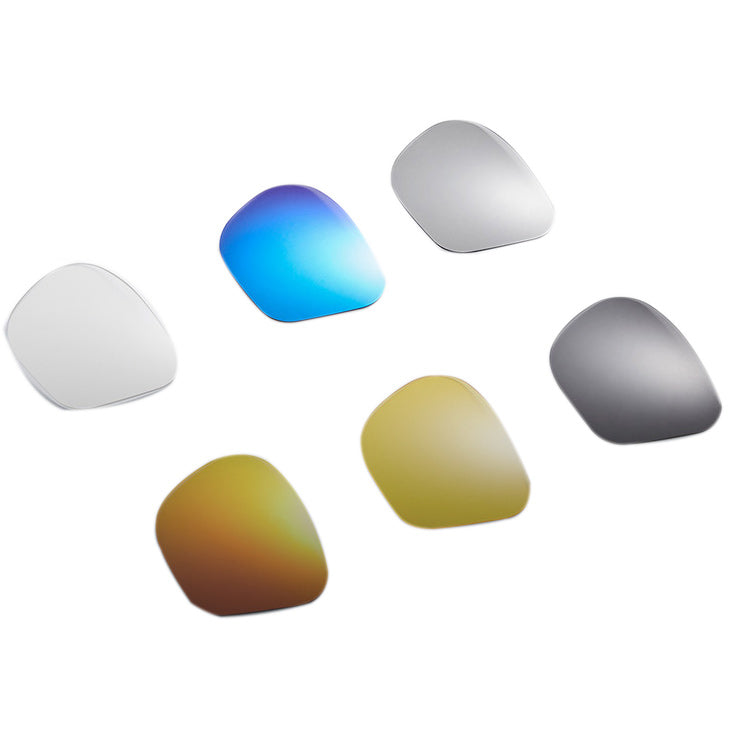
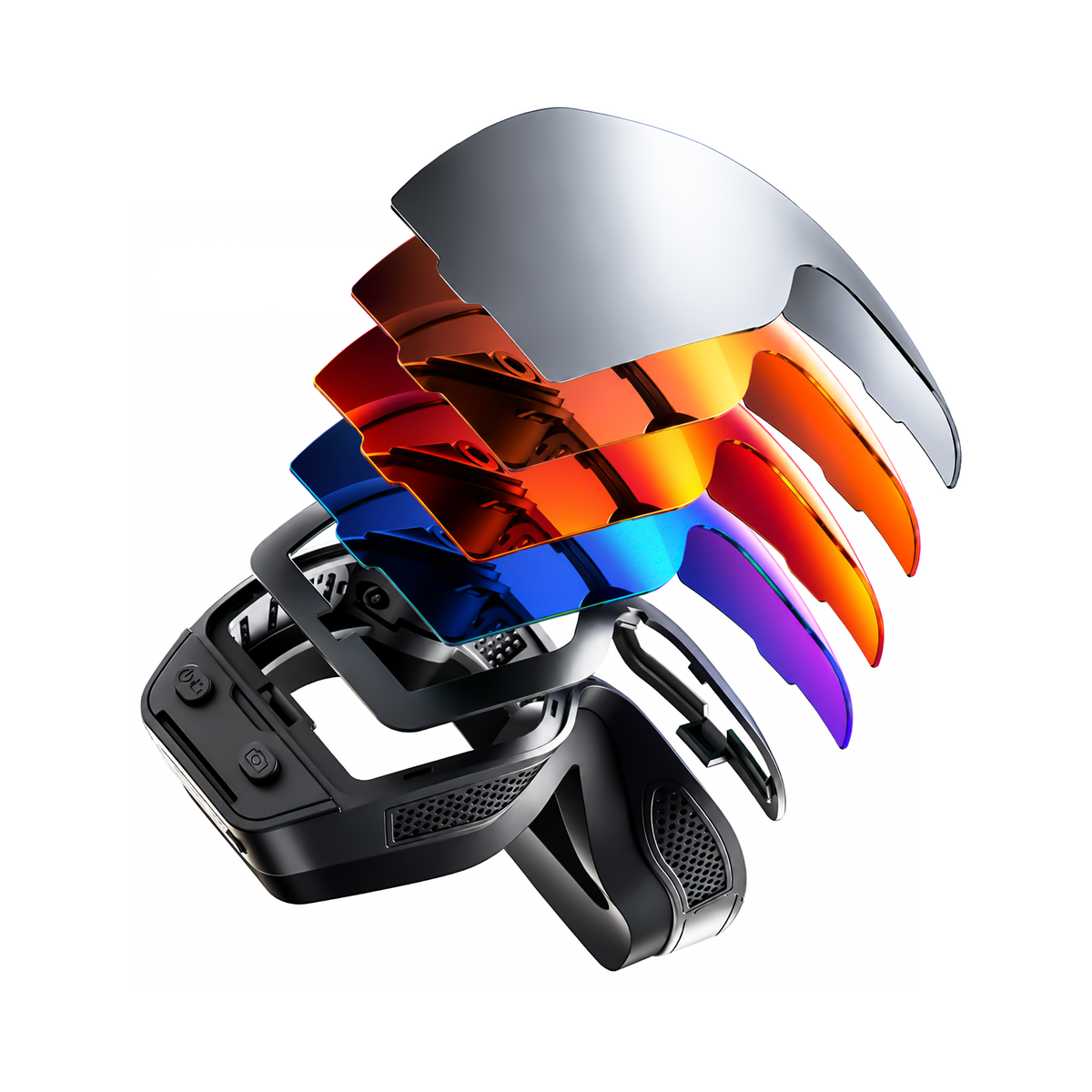
La lista de lentes de repuesto por modelo incluye opciones transparentes, fotocromáticas, polarizadas, con bloqueo de luz azul, fotocromáticas con bloqueo de luz azul y amarillas. Presenta opciones por modelo y tipo de lente, pero eso no garantiza la compatibilidad con todas las monturas. Confirma el modelo exacto, el tipo de lente, la disponibilidad actual y las instrucciones de reemplazo antes de hacer el pedido. Explorar más piezas de repuesto para gafas inteligentes puede ayudarte a encontrar opciones relacionadas, pero no demuestra la compatibilidad.
Para el cuidado habitual de las gafas, enjuaga la suciedad, usa agua y un método de limpieza suave sin loción cuando sea necesario, y seca las lentes con cuidado usando un paño limpio de microfibra o sin pelusa. Las indicaciones de Hoya para limpiar las lentes recomiendan evitar los productos de papel y los productos químicos domésticos. Sigue el manual específico para los recubrimientos, los componentes electrónicos, la exposición al agua y los límites propios de la montura.
El siguiente paso más adecuado es comparar la configuración exacta del anuncio con tu ruta habitual y la limitación de mayor prioridad. Si esa limitación está relacionada con el comportamiento en el vehículo, el control del resplandor, la claridad en interiores, la uniformidad de la cámara o la compatibilidad de reemplazo, resuélvela antes de elegir la opción adaptable.
Preguntas frecuentes
¿Funcionan las gafas fotocromáticas en interiores?
Pueden ser adecuadas en interiores, pero el resultado visible depende del diseño de las lentes y de las condiciones de iluminación. Si es esencial ver con claridad en interiores, en oficinas, tiendas o pantallas, confirma la configuración actual antes de hacer el pedido en lugar de asumir que todas las lentes se ven igual en interiores.
¿Funcionan las gafas fotocromáticas en el coche?
No se puede determinar de forma fiable basándose solo en la categoría. El parabrisas puede limitar la activación de muchos diseños fotocromáticos estándar, así que verifica la lente exacta detrás del parabrisas previsto. Si la visibilidad o el control del resplandor no son adecuados, elige una opción específica en su lugar.
¿Qué tan oscuras se vuelven las gafas de sol fotocromáticas?
No existe un nivel de oscurecimiento universal. Las lentes fotocromáticas varían según la marca, el diseño, la exposición a los rayos UV y las condiciones, por lo que su nivel de oscurecimiento puede variar. Consulta los detalles exactos de las lentes en lugar de confiar en una promesa general.
¿Cuándo son mejores las lentes polarizadas que las lentes fotocromáticas?
Las lentes polarizadas son la mejor opción cuando la prioridad principal es controlar de forma constante el resplandor en exteriores. Las lentes adaptables son el mejor punto de partida cuando el principal desafío es pasar repetidamente de interiores a exteriores y se acepta un tinte variable. Si ambas prioridades son esenciales, compara una configuración con lentes independientes.


Deja un comentario
Este sitio está protegido por hCaptcha y se aplican la Política de privacidad de hCaptcha y los Términos del servicio.