











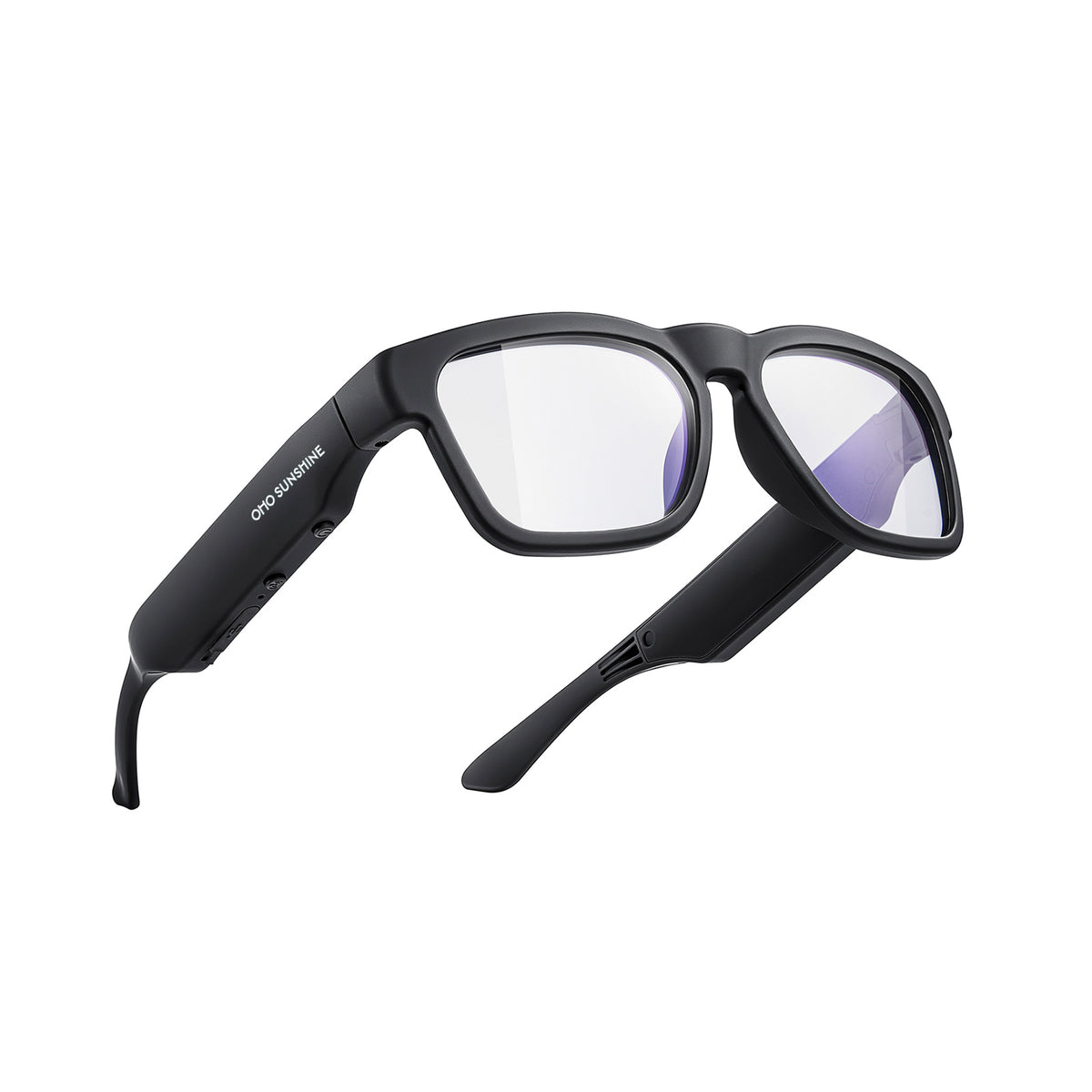



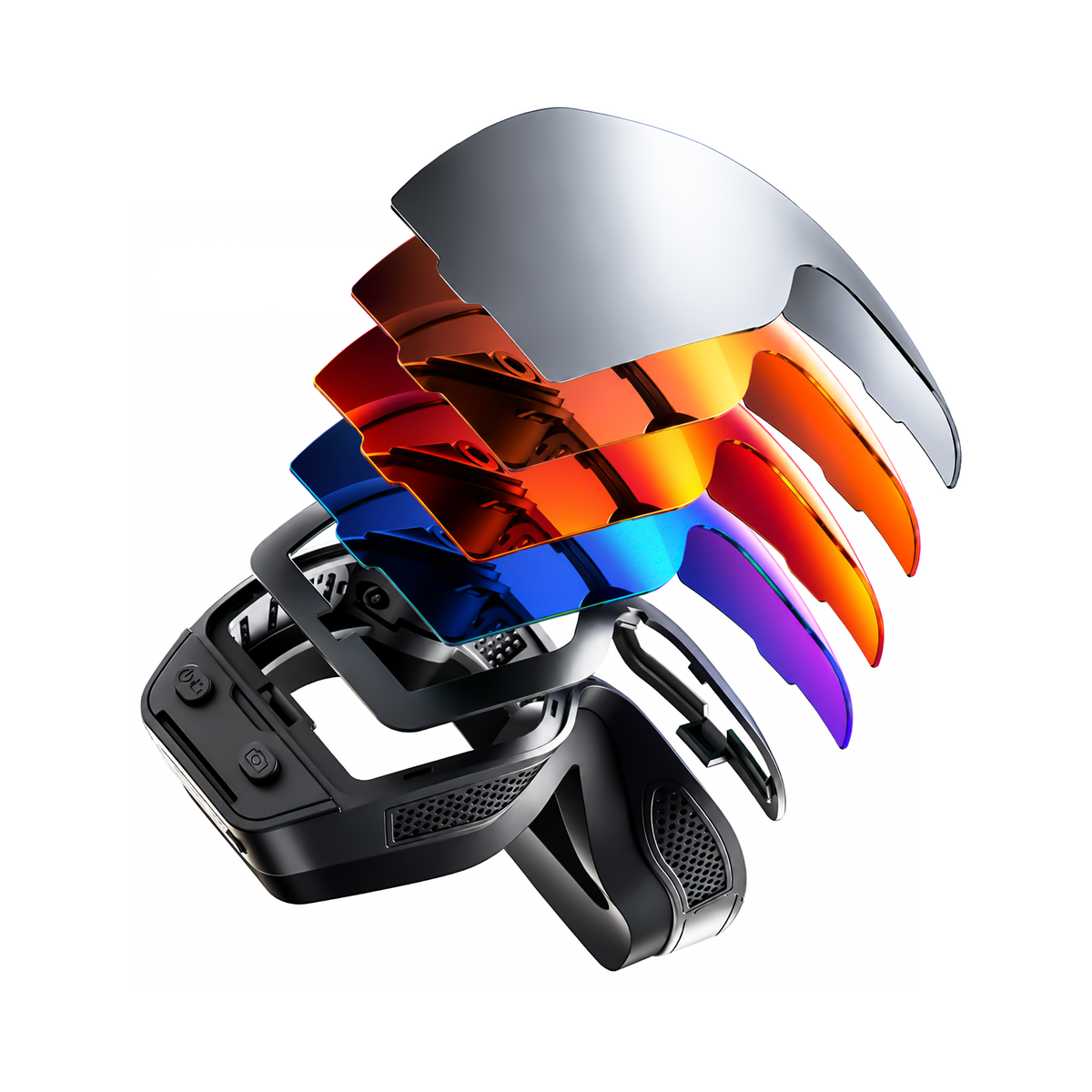




Las gafas de traducción pueden ayudar en conversaciones reales, especialmente en intercambios breves cara a cara en los que las personas pueden turnarse y repetir una frase cuando sea necesario. Es mejor considerarlas una ayuda para la conversación, no un intérprete simultáneo garantizado. La experiencia depende de la combinación de idiomas, el flujo de trabajo entre las gafas y el teléfono, la conexión, el formato de salida y lo que hagas cuando no se entienda un nombre, un número o una oración.

Entonces, ¿funcionan las gafas de traducción en conversaciones reales? A menudo, pueden facilitar preguntas básicas durante un viaje y conversaciones informales multilingües. Son menos adecuadas cuando las personas hablan a la vez, hay ruido en la sala, no se ha verificado la combinación de idiomas o un error podría afectar a una decisión legal, médica, financiera o contractual.

Cómo gestionan las gafas de traducción un intercambio en directo
En términos generales, estos dispositivos capturan el habla, procesan una traducción y devuelven audio, texto visible o una salida asistida por teléfono. En la práctica, el intercambio se realiza por turnos: una persona habla, el sistema procesa la frase, la otra persona escucha o comprueba el resultado y cualquiera de los interlocutores repite o reformula lo que no esté claro. La guía de traducción en directo de Google ilustra la necesidad de seleccionar los idiomas y activar un modo de traducción, aunque las gafas pueden utilizar controles y aplicaciones diferentes.
Evalúa todo el flujo de trabajo, no solo el dato llamativo del número de idiomas. Antes de comprar, averigua quién habla primero, dónde aparece la traducción, si se necesita un teléfono vinculado y qué ocurre cuando el primer resultado es incorrecto. Un breve ciclo de repetición y confirmación forma parte del uso normal y no necesariamente indica que el dispositivo haya fallado.
Captura de voz y turnos de palabra
Los turnos claros facilitan la gestión de un intercambio en directo. Pide a cada persona que termine una idea breve antes de que responda la otra, haz una pausa entre turnos y utiliza palabras más sencillas cuando el resultado sea confuso. Esto no establece un umbral universal de velocidad o ruido; simplemente reduce la complejidad que deben gestionar a la vez los pasos de captura de voz y traducción.
Cuando no se entienda una frase, utiliza un ciclo de recuperación constante: haz una pausa, acorta la oración, repítela y confirma el significado. En el caso de nombres, direcciones, precios, fechas y números, pide a la otra persona que repita o anote la información. Cualquiera que espere un diálogo ininterrumpido de ida y vuelta podría decepcionarse si el flujo de trabajo real aún incluye estas comprobaciones.
Audio, texto y contacto visual
El método de salida afecta tanto a la comodidad como a la verificación. Consulta la documentación actual del modelo para saber si admite audio, texto visible, una pantalla en un teléfono vinculado o una combinación de estas opciones. No des por hecho que todos los modelos ofrecen los mismos controles.
- Salida de audio: Permite usar más las manos libres en un intercambio breve, pero puede ser más difícil revisar de inmediato una palabra que no hayas oído.
- Texto visible: Es más fácil volver a leer una frase, un nombre o un número, pero leer puede interrumpir el contacto visual y resultar menos práctico mientras caminas.
- Pantalla asistida por teléfono: Te ofrece un espacio más grande para comprobar o mostrar una traducción, aunque añade otro dispositivo, batería y paso en la aplicación.
El contacto visual es un posible beneficio solo cuando el formato de salida te permite mantener la atención en la otra persona. Si tienes que coger repetidamente el teléfono o leer textos largos, las gafas pueden seguir siendo útiles, pero no eliminan todas las fuentes de fricción. Para profundizar en las variables que influyen en la precisión de la traducción en la práctica, compara la combinación exacta de idiomas, el entorno y el proceso de recuperación en lugar de basarte en una sola afirmación de precisión.
Qué puede interrumpir la traducción con gafas
La traducción en directo puede resultar más difícil de seguir cuando el habla es rápida, se superponen varias voces, hay ruido, se usan modismos o aparecen nombres poco familiares. Estos son factores de riesgo prácticos, no umbrales de fallo medidos para todos los dispositivos. La primera comprobación de compra es la combinación exacta de idiomas de origen y destino: un recuento amplio de idiomas no demuestra que todas las combinaciones, dialectos o modos de conversación en directo sean compatibles. La guía de Google sobre traducción de voz es un ejemplo útil de cómo comprobar la combinación seleccionada en lugar de suponer que ofrece la misma capacidad basándose en un recuento total.
| Condición de la conversación | Probable efecto en el intercambio | Respuesta práctica |
|---|---|---|
| Acento o dialecto regional | Es posible que una frase se capte o se reproduzca con menos claridad de la esperada. | Pide a la persona que haga una pausa, reformule o repita; verifica la compatibilidad regional en la documentación actual. |
| Habla rápida | Puede haber menos tiempo para separar las palabras y completar un turno. | Usa frases más cortas y haz que hable una persona a la vez. |
| Voces superpuestas | Es posible que el sistema no identifique claramente qué voz o frase debe procesar. | Usa turnos de palabra o desplázate a un lugar más tranquilo. |
| Ruido de fondo | Puede ser más difícil captar el habla en una estación, calle, restaurante o sala concurrida. | Mira a la persona que habla, reduce el ruido cercano cuando sea posible y ten una copia escrita. |
| Modismos, nombres y topónimos | Un resultado literal o poco familiar puede cambiar el significado previsto. | Deletrea o muestra los nombres, repite los números y confirma el significado antes de actuar. |
| Correcciones o reformulación | La conversación puede estancarse si se acepta el primer resultado demasiado rápido. | Pide que repitan, simplifica la frase y confirma la traducción revisada. |
Considera la disponibilidad de idiomas y la calidad del idioma como cuestiones independientes. Primero confirma que se ofrece el par exacto. Después prueba frases representativas de la situación real, como el nombre de un hotel, un término del cliente, una dirección o una solicitud habitual. No hay pruebas que respalden una valoración universal de la precisión para acentos, velocidad, solapamiento de voces o ruido, por lo que una prueba en directo y un procedimiento de recuperación son más útiles que una puntuación numérica de idoneidad.
Comportamiento en línea, con señal débil y sin conexión
El comportamiento de la conexión no es universal. La traducción puede involucrar las gafas, un teléfono emparejado, una aplicación, Wi-Fi, datos móviles y posiblemente procesamiento remoto, por lo que un fallo en cualquier punto de esa cadena puede cambiar la respuesta. El uso en línea puede proporcionar el flujo de trabajo previsto cuando la conexión documentada está disponible; una señal débil puede causar retrasos o interrupciones; el uso sin conexión solo está disponible cuando el modelo específico, la aplicación, el par de idiomas y la alternativa de respaldo están documentados y probados.
Algunos sistemas de traducción pueden funcionar sin conexión a Internet después de descargar los idiomas necesarios, pero eso no demuestra que todos los dispositivos ponibles o pares de idiomas admitan conversaciones sin conexión. La guía de Google sobre idiomas sin conexión muestra por qué los paquetes de idiomas descargados no deben considerarse una prueba de que la entrada de voz, el procesamiento, la salida de audio y la interfaz de las gafas sigan estando disponibles.
Antes de un viaje, realiza una prueba sin conexión con el par exacto que piensas usar:
- Configura las gafas, el teléfono y la aplicación según lo indicado en las instrucciones del producto.
- Prueba un intercambio oral breve con la conexión Wi-Fi y los datos móviles desactivados, no solo una frase escrita.
- Comprueba qué sigue disponible: captura de voz, traducción, audio, texto visible, pantalla del teléfono o ninguna de estas opciones.
- Repite la prueba en un entorno ligeramente ruidoso y confirma nombres, números y una solicitud práctica de viaje.
- Lleva un respaldo, como frases escritas, una aplicación de traducción probada u otro método de comunicación.
Si la traducción se detiene cuando se pierde la conexión, el respaldo forma parte de la decisión de compra. No consideres el funcionamiento sin conexión una característica común a toda la categoría; verifica el flujo de trabajo completo del modelo antes de salir de casa.
Dónde encajan mejor: viajes o reuniones
Las gafas de traducción suelen adaptarse mejor como apoyo manos libres en intercambios breves y de menor riesgo que en comunicaciones en las que cada detalle debe ser exacto. Viajar suele permitir una pausa, repetir algo o recurrir a un respaldo escrito. Un entorno empresarial añade aspectos de privacidad, consentimiento, terminología, acústica de la sala, políticas laborales y las consecuencias de un malentendido.
| Situación | Dónde pueden ayudar las gafas | Cuándo es más seguro utilizar otro método |
|---|---|---|
| Aeropuerto, hotel, taxi o restaurante | Preguntas rápidas, indicaciones, registro, pedidos y solicitudes básicas cuando sea aceptable repetir. | Usa un respaldo escrito o humano para una instrucción urgente, una necesidad relacionada con medicamentos o un cargo discutido. |
| Conversación informal con un cliente | Una ayuda manos libres para saludos, preguntas sencillas y conversaciones informales de bajo riesgo con turnos claros. | Usa una confirmación escrita o un método cualificado cuando sean importantes los detalles, los compromisos o la información confidencial. |
| Reunión multilingüe estructurada | Puede servir para intercambios sencillos si se han probado la combinación de idiomas, la conexión, la sala y el resultado. | Informa brevemente a los participantes y utiliza un respaldo escrito o humano cuando la terminología o la precisión sean importantes. |
| Negociación, conversación jurídica, médica o contractual formal | La comodidad puede quedar en segundo plano frente a un proceso de comunicación verificado. | No dependas de unas gafas de consumo como único canal; utiliza un intérprete cualificado u otro método verificado. |
| Espacio público ruidoso | El acceso manos libres puede ser práctico si quien las lleva puede acercarse o hacer una pausa. | Cambia de lugar, usa texto u otro método cuando el habla no pueda captarse de forma constante. |
Para los viajeros, los casos de uso de las gafas traductoras son más adecuados cuando la interacción es breve y el coste de repetirla es bajo. Para los profesionales, pregunta quién puede ver u oír el resultado, si la empresa permite el dispositivo y cómo confirmarán los participantes la terminología. Una reunión de negocios no es necesariamente una mala opción, pero una negociación, una conversación regulada o un intercambio delicado con un cliente merece una alternativa de respaldo más verificada.
Quién debería comprar gafas traductoras
Compra cuando los idiomas, la conexión, el resultado y el proceso de recuperación documentados coincidan con tus conversaciones reales, valores la asistencia manos libres y puedas mantener disponible otro método de comunicación. Elige otra solución cuando la precisión garantizada, un uso fiable sin conexión o la interpretación formal sean imprescindibles.
Usa esta secuencia de compra de cinco pasos antes de comparar modelos:
- Define la conversación. Anota los lugares, la longitud habitual de las frases, el nivel de ruido, los participantes y las consecuencias de un error.
- Verifica la combinación exacta de idiomas. Comprueba el idioma de origen, el idioma de destino, el dialecto o la región cuando corresponda y el modo de conversación específico.
- Confirma la vía de conexión. Identifica si las gafas necesitan un teléfono, una aplicación, Wi-Fi, datos móviles o una función sin conexión documentada, y después pruébala.
- Comprueba el resultado y la recuperación. Decide si el audio, el texto o la asistencia telefónica son más fáciles de verificar, y practica repetir nombres, números y correcciones.
- Planifica la alternativa y las protecciones de compra. Conserva asistencia escrita o humana para los intercambios importantes y, después, revisa la compatibilidad actual, las condiciones de devolución y la información de garantía antes de hacer el pedido.
Comprobaciones para viajeros
- Confirma el par exacto y la salida prevista antes de partir.
- Prueba el flujo de trabajo con la conectividad desactivada y carga todos los dispositivos implicados.
- Ten disponibles por escrito los nombres de destinos, las direcciones y las solicitudes esenciales.
- En caso de emergencia o disputa importante, cambia a un método que no dependa de un flujo de trabajo no verificado con un dispositivo portátil.
Comprobaciones para usuarios empresariales
- Confirma el consentimiento, la privacidad, la política laboral, la acústica de la sala y la información proporcionada a los participantes.
- Prueba el flujo de trabajo de la reunión con las personas y la terminología que probablemente intervengan.
- Decide quién confirmará los números, nombres y compromisos.
- No dependas únicamente de dispositivos portátiles de consumo para negociaciones, contratos, conversaciones reguladas, contenido médico ni información confidencial de clientes.
Solo después de esas comprobaciones deberías consultar las gafas de traducción con IA. Nuestros ejemplos de productos documentados muestran por qué importa el flujo de entrada y salida: las gafas inteligentes Edge Pro indican traducción bidireccional, mientras que las gafas inteligentes Elingo indican funciones de traducción en tiempo real y de chats. Estos son datos específicos de cada modelo y no demuestran un rendimiento igual en todos los idiomas o condiciones. Compara la documentación actual y las condiciones de la tienda antes de añadir cualquiera de los dos modelos a tu carrito.
Preguntas frecuentes
Estas preguntas se centran en las comprobaciones del par de idiomas, las limitaciones en situaciones de alto riesgo, la recuperación cuando una frase es incorrecta y la prueba previa al viaje que puede revelar problemas de conexión o de uso sin conexión.
¿Funcionan con todos los pares de idiomas?
No. Comprueba los idiomas de origen y de destino, y luego prueba una frase que incluya un nombre, un número o un término local. Un recuento amplio de idiomas solo es un motivo para investigar más.
¿Pueden sustituir a un intérprete humano?
No. Para comunicaciones legales, médicas, de emergencia, contractuales o con consecuencias similares, utiliza un intérprete cualificado u otro método verificado.
¿Qué debo hacer cuando una frase es incorrecta?
Haz una pausa, acorta la frase, repítela y confirma el significado. Muestra los nombres o números por escrito, o cambia a una alternativa si el segundo intento sigue sin ser claro.
¿Qué debo probar antes de un viaje?
Prueba el emparejamiento exacto, la conexión entre las gafas y el teléfono, la salida, la rutina de carga y un intercambio hablado con el Wi-Fi y los datos móviles desactivados. Repite la prueba con el ruido previsto y, después, lleva frases escritas u otro método probado.


Deja un comentario
Este sitio está protegido por hCaptcha y se aplican la Política de privacidad de hCaptcha y los Términos del servicio.