















Camera ski goggles can work for dusk or floodlit resort skiing, but only under a two-part test. First, the lens has to let in enough light for you to read the terrain with your own eyes. Second, a short recorded clip has to come back watchable, not dark, blurry, or grainy. A camera built into your snow goggles does not guarantee either result on its own.
Can You Use Camera Ski Goggles for Night Skiing?
Treat human visibility and usable footage as two separate pass or fail checks, not one. A light or clear lens is the safer starting point for floodlit night riding, and Bogus Basin recommends light or clear goggle lenses for the best visibility while checking current conditions before you head out. That guidance is a starting direction, not a guarantee that any specific lens or camera will perform well after dark.
If your current lens keeps the trail readable and a test clip still shows usable detail, you can keep using the setup. If either check fails, switch to a verified lighter lens and try again, or stop counting on the camera and focus on clear vision instead. That decision comes before anything else in this guide.
How Lens VLT Affects Night-Skiing Visibility
VLT stands for visible light transmission: the share of visible light that passes through your lens. A higher VLT lets more light reach your eyes, and a lower VLT darkens the view. There is no single VLT percentage proven to work for every night session, so treat VLT as a direction to move in, not a hard cutoff.
| Lens description | What it changes | Night-use decision |
|---|---|---|
| Clear or light lens | Passes the most available light | Best starting point for floodlit or dusk runs |
| Higher documented transmission | Brighter view than a standard tinted lens | Worth trying if your current lens feels too dark |
| Darker or tinted daytime lens | Blocks more light, useful in bright sun | Often too dark once floodlights replace daylight |
| VLT not listed | Unknown light transmission | Confirm the spec before relying on it at night |
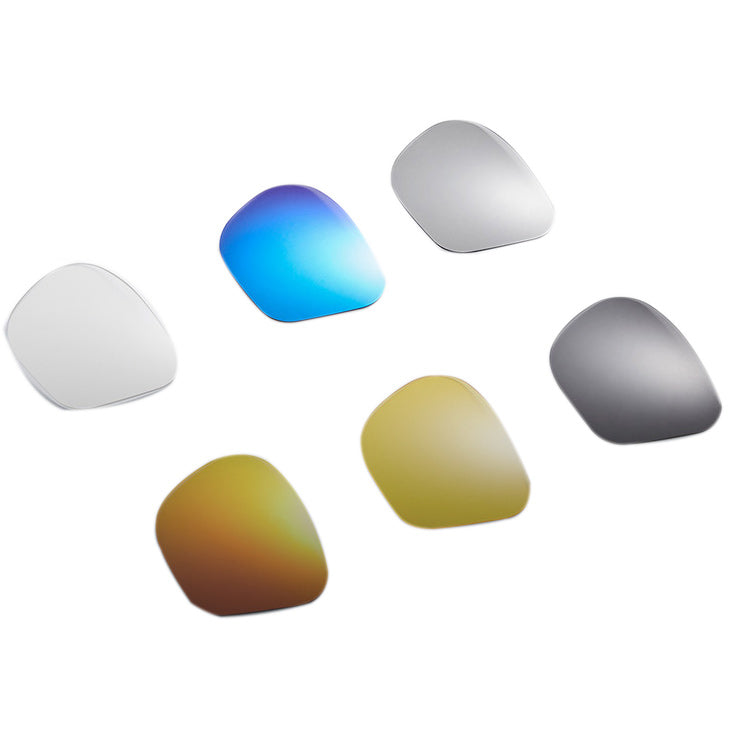
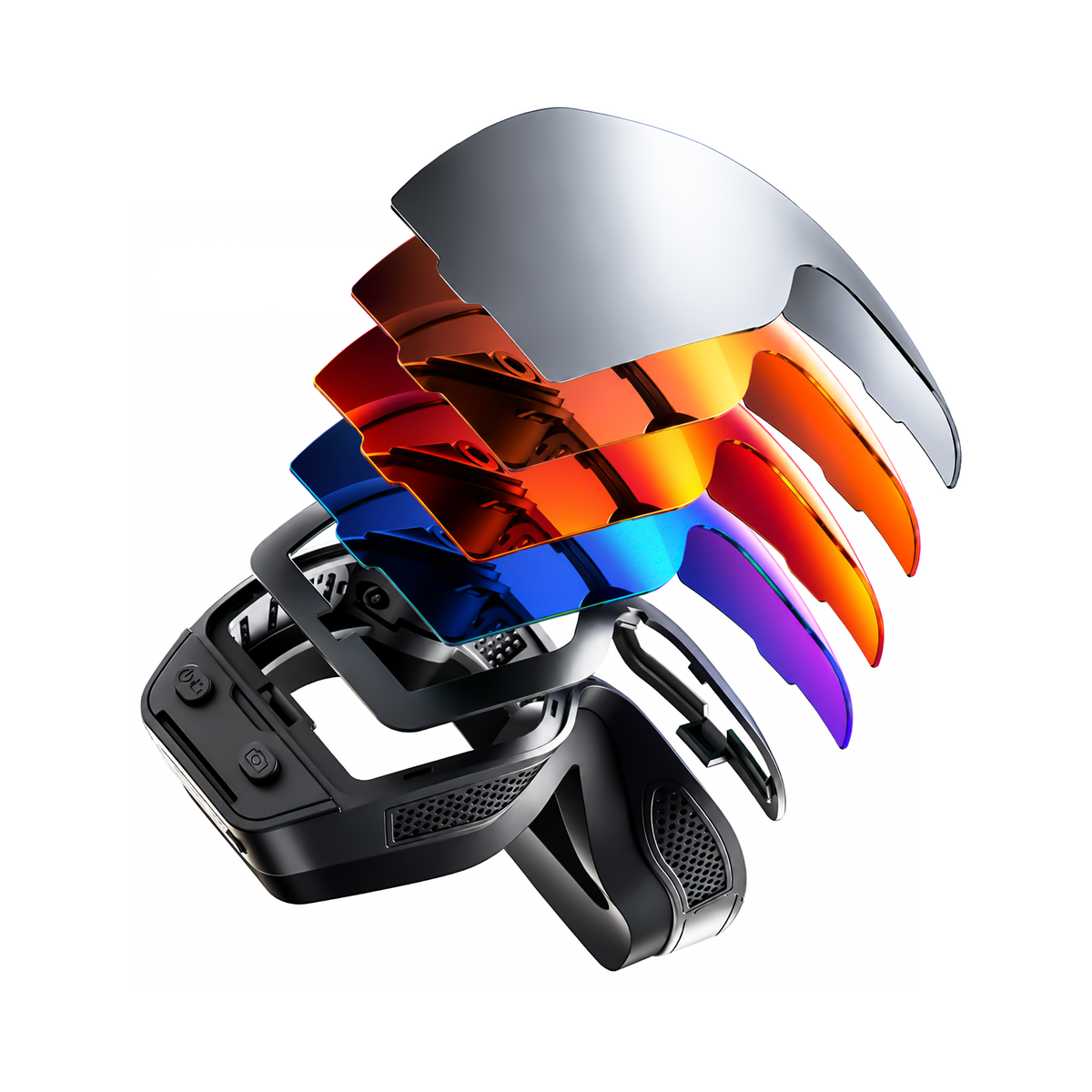
If you are shopping for a clear lens for night skiing with a camera, check the exact model fit before buying. Our compatible replacement lenses are listed by model and lens type, including a clear option, but you still need to confirm that the listed lens fits your exact goggle model and matches the light transmission you actually need.

How Floodlights Change the Visibility Test
Floodlit runs rarely light a slope evenly, so test more than the spot under one lamp. Bright zones near the lights can hide how dark the gaps between them really are, and a lens that looks fine standing at the base may still struggle once you are moving through shadowed terrain.
Before you commit to a run, look across the whole section you plan to ski: the bright lamp areas, the darker gaps, and any reflections or glare bouncing off snow or the lens itself. Fogging tends to show up more clearly against bright artificial light too. If glare, reflections, fog, or a dark gap between lights hides terrain detail anywhere along that run, do not treat the setup as ready. Fix the visibility problem first, whether that means wiping the lens, adjusting fit, or switching to a lighter lens, before you pick up speed.
Why Camera Footage May Look Different at Night
Your eyes and a camera sensor do not process low light the same way, so a trail you can see clearly can still record poorly. Camera exposure depends on how much light actually reaches the sensor, and that outcome comes from shutter speed, aperture, and ISO working together, not from resolution or sensor size alone. As one photography reference explains, camera exposure depends on available light, and a slower shutter speed used to gather more light can also increase motion blur while you are skiing.
Raising ISO is the other lever cameras use in low light. A camera manufacturer's own guidance notes that higher ISO can brighten a low-light exposure, but that same increase in sensitivity can add visible digital noise, and how much noise appears depends on the sensor and processing involved. A 4K label or a named sensor does not tell you how a specific goggle camera will behave in these conditions. If a moving clip does not preserve terrain detail on playback, treat the camera as unsuitable for that session even if your own eyes had no trouble seeing the run.
Night-Skiing Camera Readiness Checklist
Run this five-step sequence on the exact goggles, lens, and camera you plan to use, not a similar model, before you rely on them after dark.
- Check the product documentation for your exact lens and any camera exposure or low-light notes; also confirm your glove-friendly camera controls routine so you can start and stop recording without fumbling.
- Stand still on the actual run and confirm you can read terrain detail through the lens in the real lighting, including darker gaps between lamps.
- Record a short stationary clip in that same spot to establish a baseline before you add motion.
- Ski a short section at normal speed and record a moving clip under comparable lighting.
- Review playback immediately for terrain detail, dark exposure, motion blur, noise, glare, reflections, and fog, then pick one outcome: keep the setup, change to a verified compatible lighter lens and retest, or stop relying on the camera for that session.
Does the OHO SUNSHINE Skyshot Fit Night Recording?
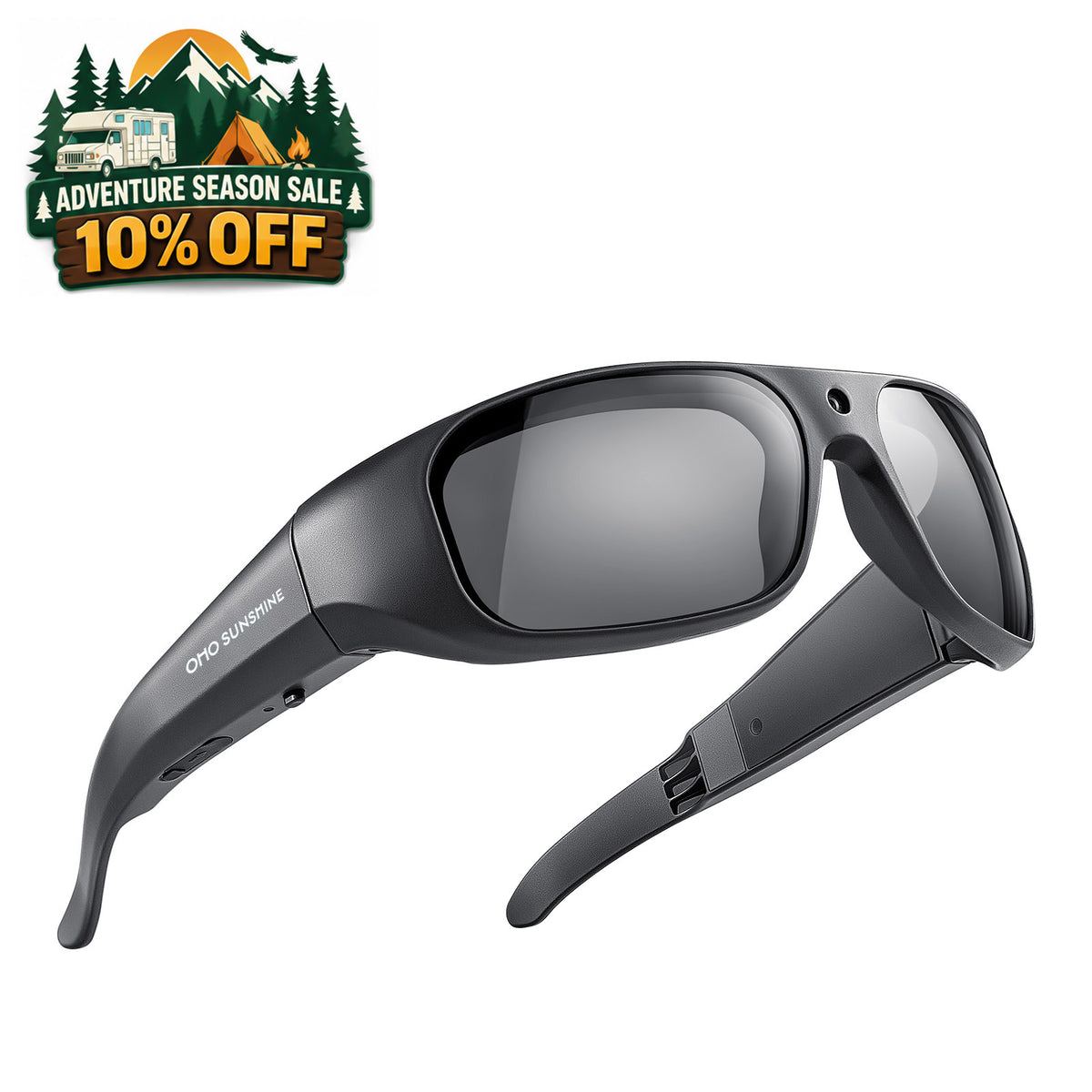
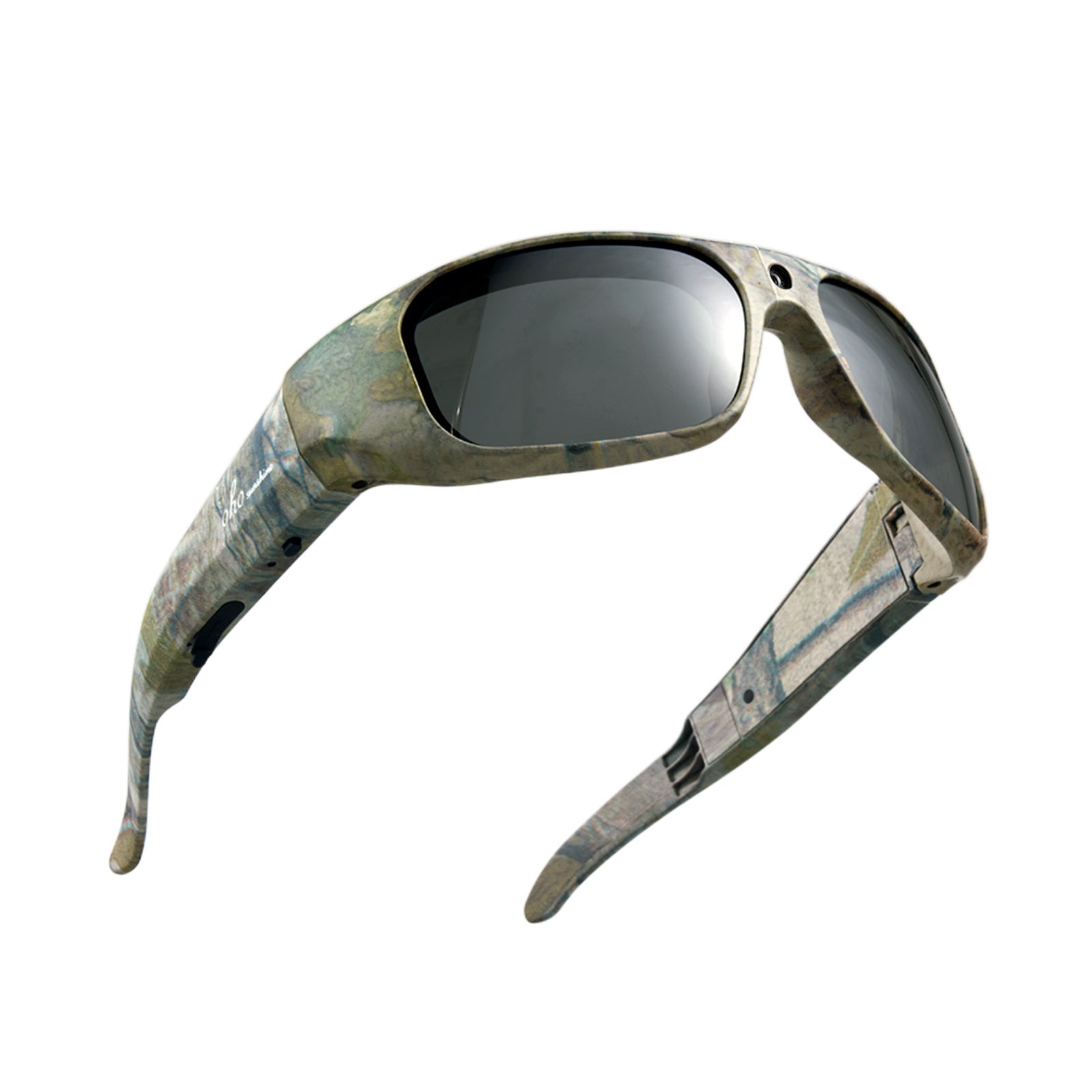
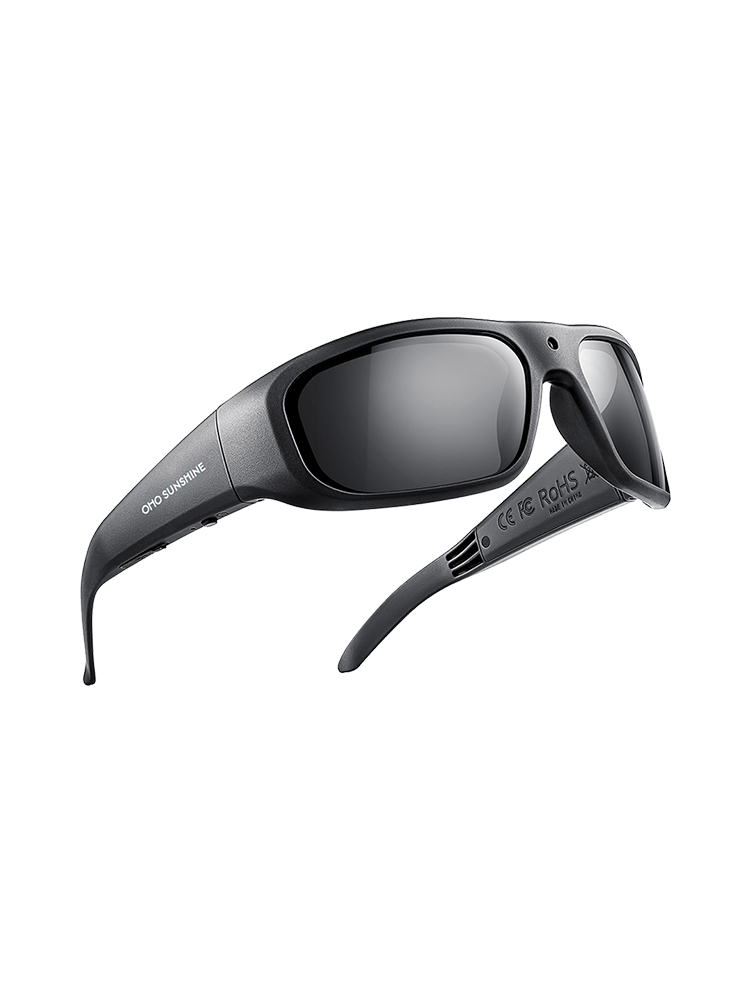
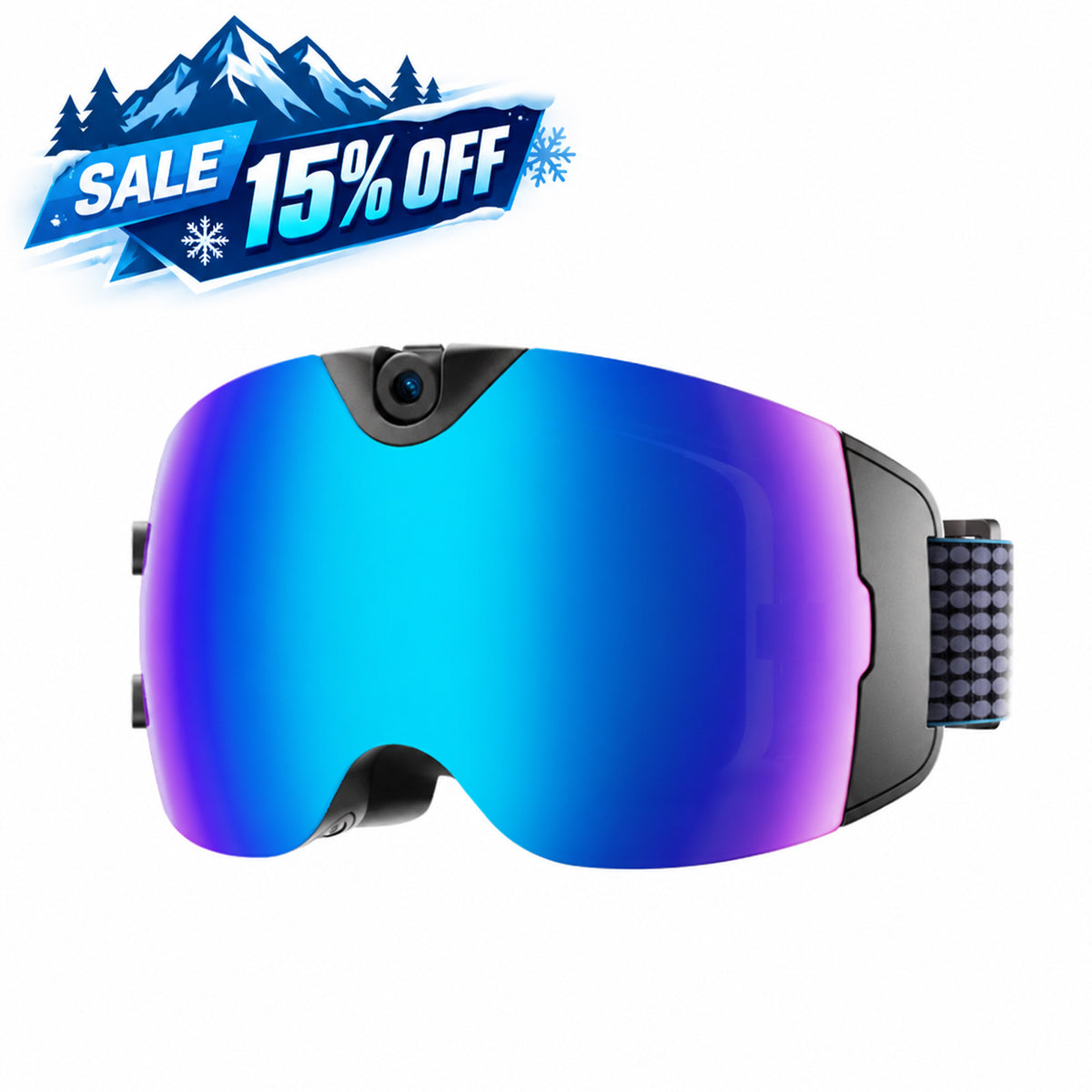
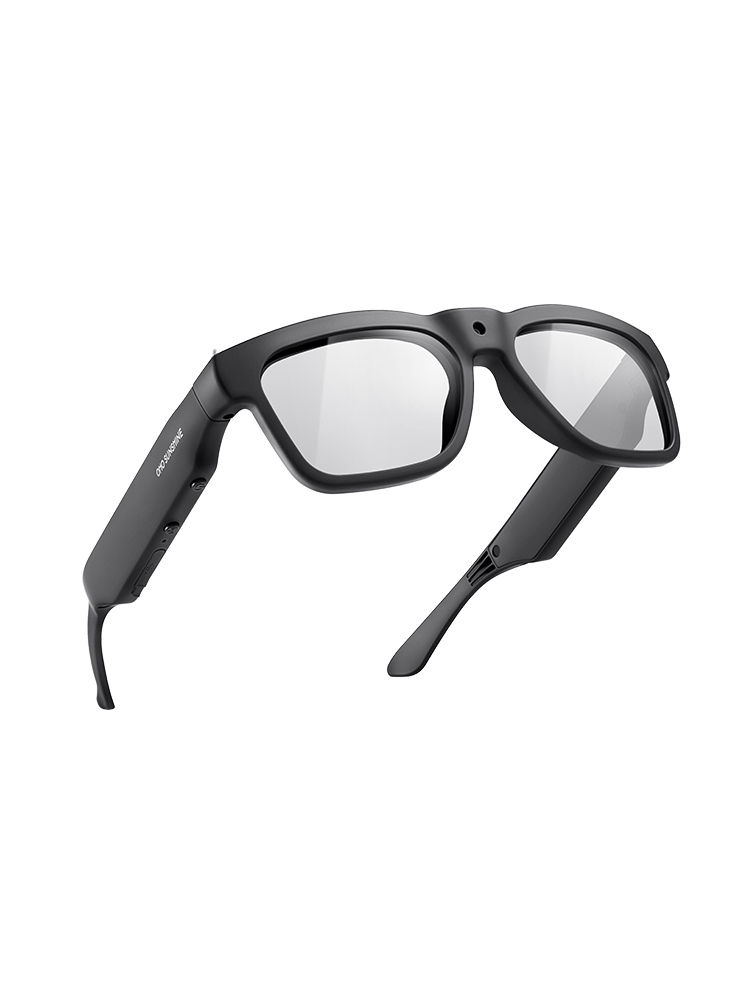
The OHO SUNSHINE Skyshot fits a night-recording plan only after you have completed the checks above, not because of any single feature on the spec sheet. Our OHO SUNSHINE Skyshot goggles are listed with 4K video at 30 fps, a 140-degree wide-angle view, a polarized lens described as anti-fog, and roughly 90 minutes of battery life. These listed features support considering the goggles for general recording, but they do not establish the lens's light transmission or how the camera behaves in low light, so they are not evidence of night readiness by themselves.
If you ski mostly at dusk or under resort floodlights and want to keep recording, confirm the exact lens on your unit and its transmission information, then run the five-step test before you decide. If you mainly want reliable vision after dark and treat recording as a bonus, the polarized anti-fog lens still needs the same real-light check as any other goggle lens described above. Skiers who need a documented low-light camera rating should not assume one exists here; ours does not currently include that specification, so weigh the fit against your own test results rather than the feature list alone.

FAQ
Can I use standard camera goggles for night skiing?
Only conditionally. Keep using them if the lens lets you see the trail clearly and a short moving test clip still shows usable detail; if either check fails, change the lens or stop relying on the camera for that session.
What lens VLT is best for night skiing?
Higher transmission generally helps, and a clear or light lens is the safer starting direction for floodlit or dusk runs. No single VLT percentage is proven to guarantee safe visibility, so confirm the actual transmission and test it in real conditions.
How do artificial lights affect camera footage?
Floodlights create uneven light across a run, with bright zones near the lamps and darker gaps between them. A camera can expose those areas differently than your eyes do, so review an actual moving clip rather than judging from how the slope looks near one light.
Can camera snow goggles record at night just because they record in 4K?
No. A 4K resolution or a named sensor describes detail and file quality, not how a camera behaves in low light. Check the product documentation for any low-light notes and confirm results with your own representative test clip.
Sources
- Bogus Basin (2025). We Own The Night.
- Adobe (2025). What is an exposure in photography?.
- Nikon USA (2025). Understanding ISO Sensitivity.


Dejar un comentario
Este sitio está protegido por hCaptcha y se aplican la Política de privacidad de hCaptcha y los Términos del servicio.