











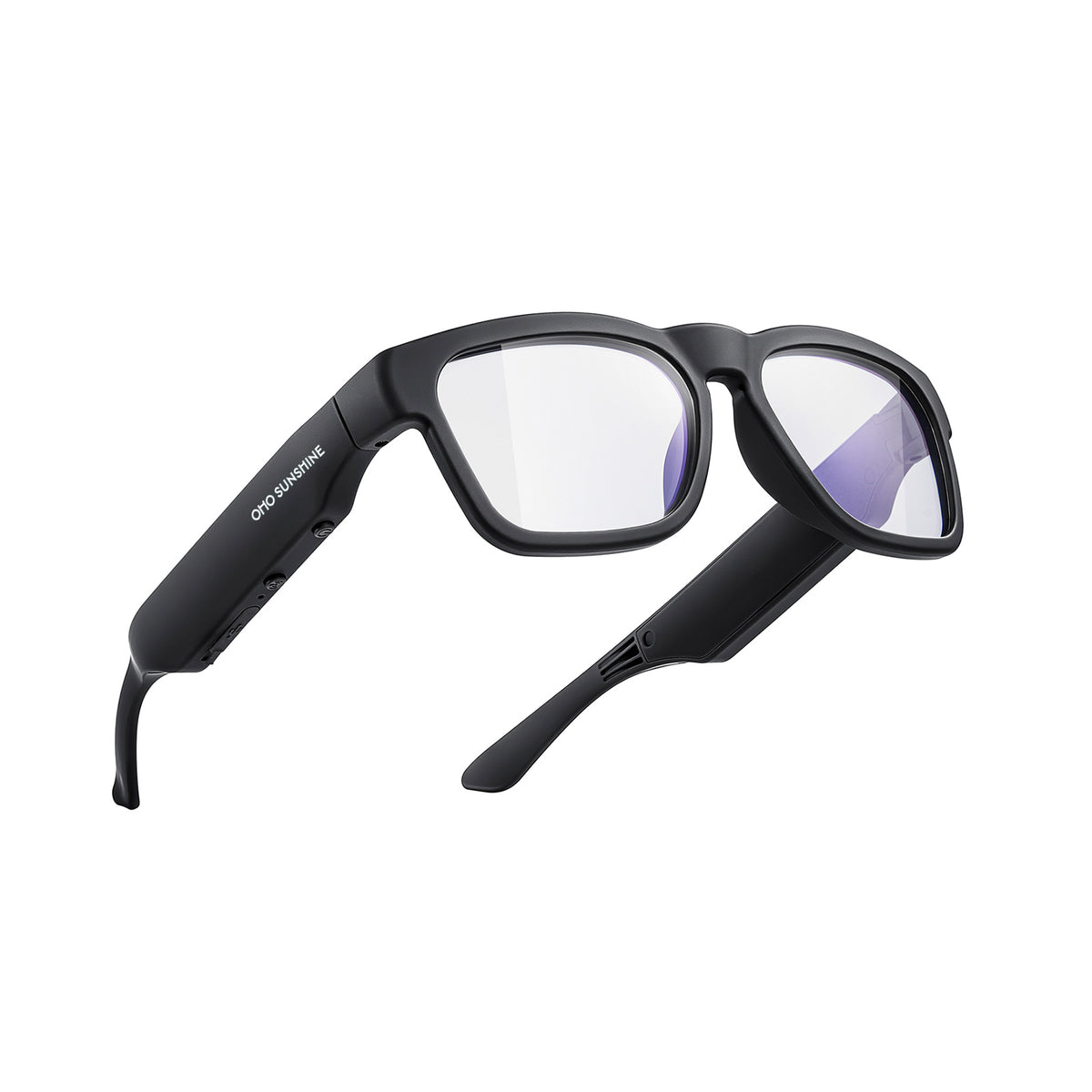



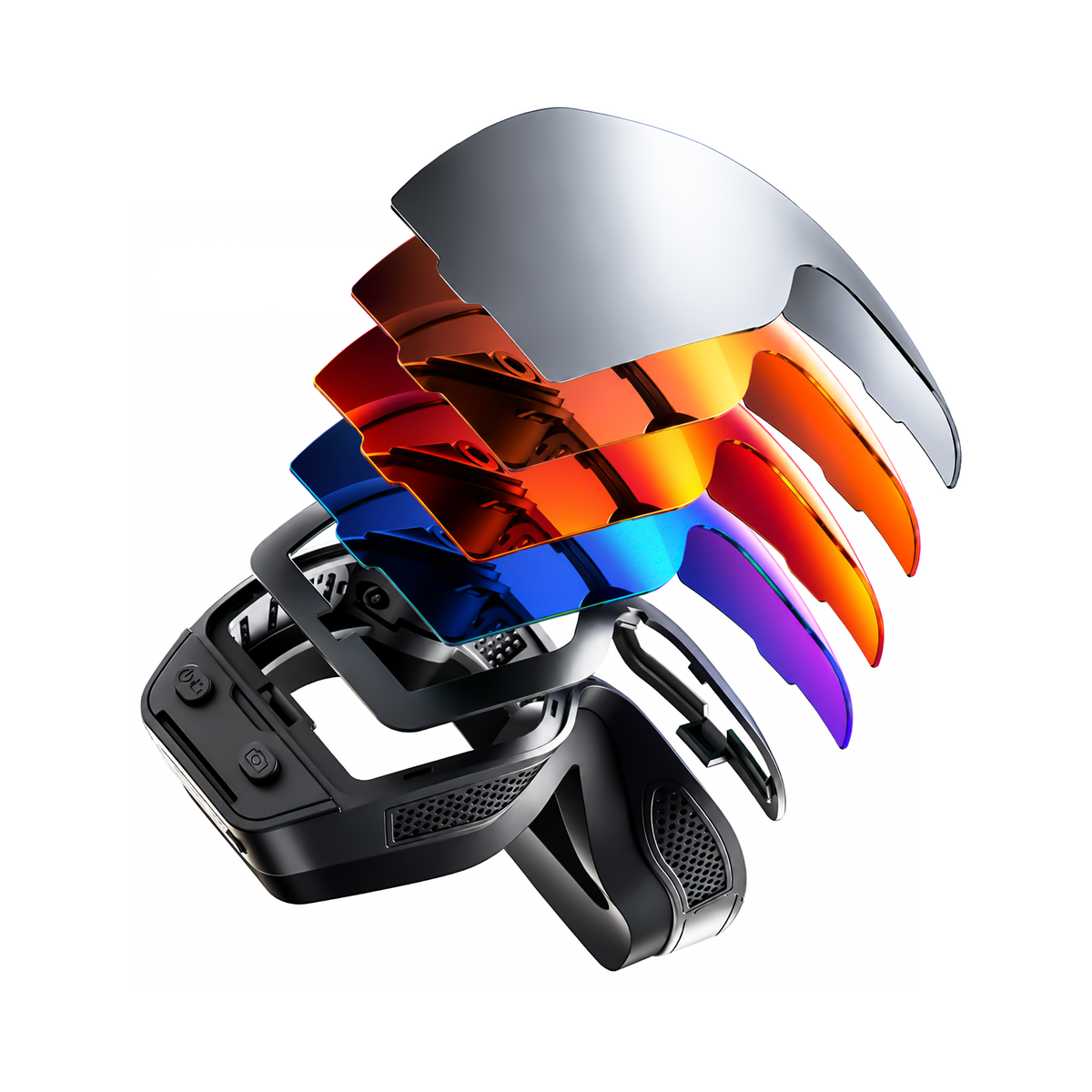



Ski goggles can fog up when you go indoors because the lens is still cold from the slopes, and the warmer air inside carries moisture that can condense on that cold surface. That moment is different from fog that builds during a run, when heat and sweat near your face may be the bigger factor. If the inner lens ends up wet, the first move is simple: leave it alone and don't rub it.
Why Ski Goggles Can Fog When You Go Indoors
Indoor fog is tied to a change in surroundings, not to how hard you were skiing. When the fog showed up tells you which trigger you're most likely dealing with.
Why the Cold-to-Warm Transition Can Fog a Lens
After a few hours outside, your goggle lens takes on the cold of the mountain air. When you walk into a lodge, a rental shop, or your car with the heater running, that cold lens suddenly sits in warmer air that holds more moisture. Where the moist air touches the cold surface, it can cool enough to give up some of its water as tiny droplets. Those droplets are the haze you see. This is the same reason eyeglasses mist over when someone comes in from the cold, because warm room air condenses on cold lenses as it hits them.
The same process applies to ski goggles, snow goggles, and snowboard goggles, since each one has a lens that stays cold for a while after you come inside. It doesn't happen every single time. How warm and humid the room is, and how cold the lens still is, both change the result. You can also see a similar effect outdoors when you rest goggles on your forehead or helmet, where the cold lens meets warm, moist air coming off your head.

How Fog During a Run Is Different
Fog on the slopes happens in a different setting. You're still outside, the lens hasn't moved into a warmer room, and your body is working hard. During that effort, heat and perspiration can get trapped in the space between your face and the lens, and that warm, damp pocket may help fog form on the inside. The timing points to the cause: it builds while you're moving, often after a tough stretch or a long hike to a run.
Indoor fog shows up at a different moment. It appears right after you walk through the door, even if you were standing still in the lift line a minute earlier. Keeping the two apart helps you read what happened. If your goggles stayed clear all day and fogged only in the lodge, the temperature change is the clear suspect. If they fogged mid-run, look at the exertion and the air trapped near your face instead of blaming the building.
What to Do When Indoor Fog Appears
If you head inside and the inner lens goes wet or cloudy, don't rub it. A wet inner lens can scratch more easily, and wiping it with a glove, sleeve, or napkin in the lodge can leave marks you'll see on your next run. Instead, take the goggles off and hold them by the frame or strap so your fingers stay off both sides of the lens.
From there, follow the care directions from the company that made your goggles. Lens materials and coatings vary between models, so the maker's instructions are the right guide for how to dry the lens and whether it can be cleaned at all. If your goggles came with a care sheet or a storage bag, those directions win over general tips. When you're done for the day, our walkthrough on how to clean and dry snow goggles covers an end-of-day routine you can match against your maker's advice.

The short version of the whole story is that indoor fog is mostly about a cold lens meeting warm, moist air, not a sign that something is wrong with your goggles. Fog during a run is a separate issue with its own likely causes, so it helps to note when the fog appeared. Either way, a wet inner lens is best left unrubbed until you can care for it the way its maker recommends.
FAQs
Does every trip indoors fog your goggles?
No, a trip inside doesn't always fog the lens. The result depends on how cold the lens still is and how warm and humid the indoor air feels, so one lodge might fog your goggles while a drier building leaves them clear. Seeing fog one day and not the next usually reflects those conditions rather than a change in the goggles.
Can goggles fog when they aren't on your face?
Yes, they can. The lens doesn't need your face nearby to fog, because a cold lens can collect moisture from warm room air on its own. That's why goggles hanging from your hand or sitting on a lodge table can still mist over soon after you come in from the cold.
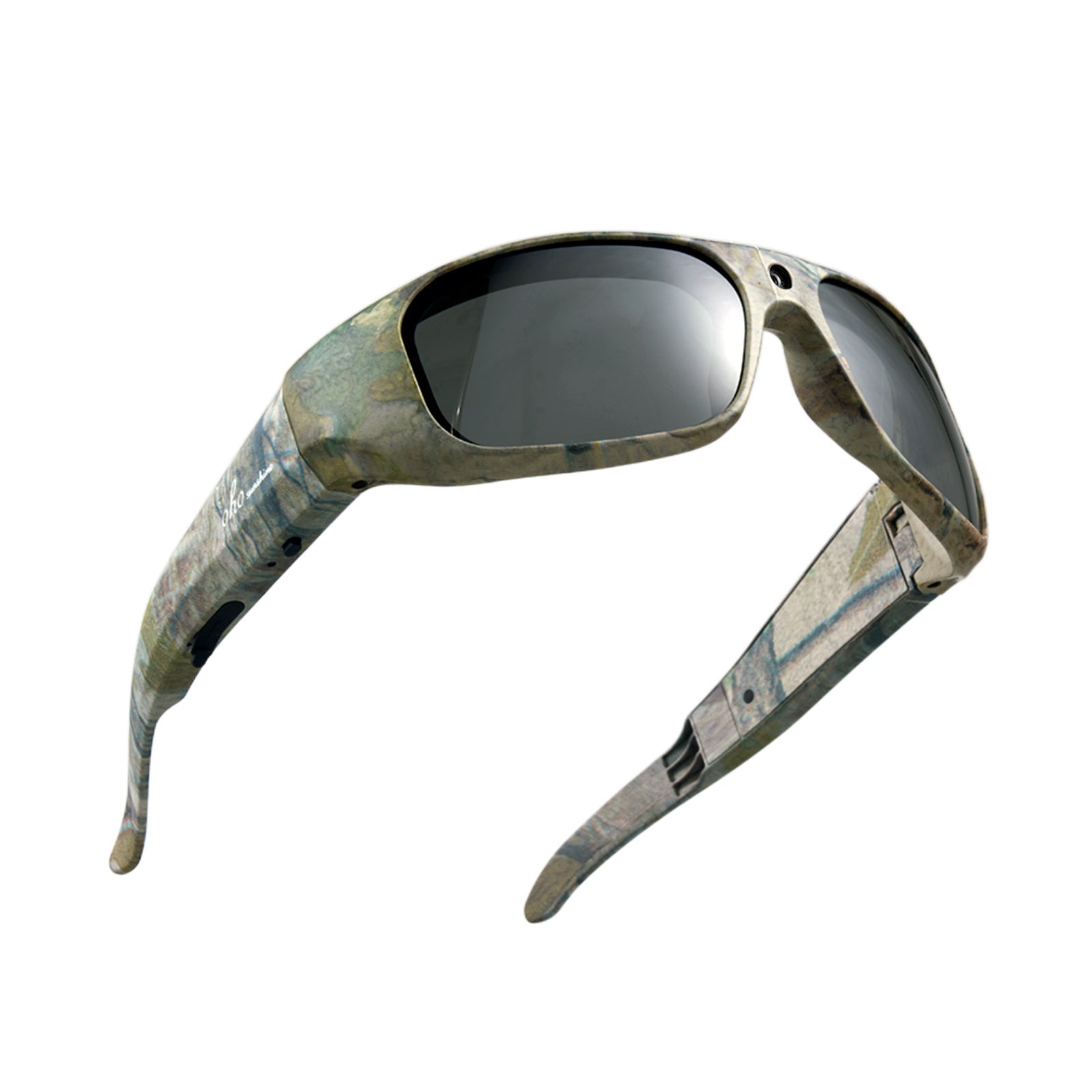
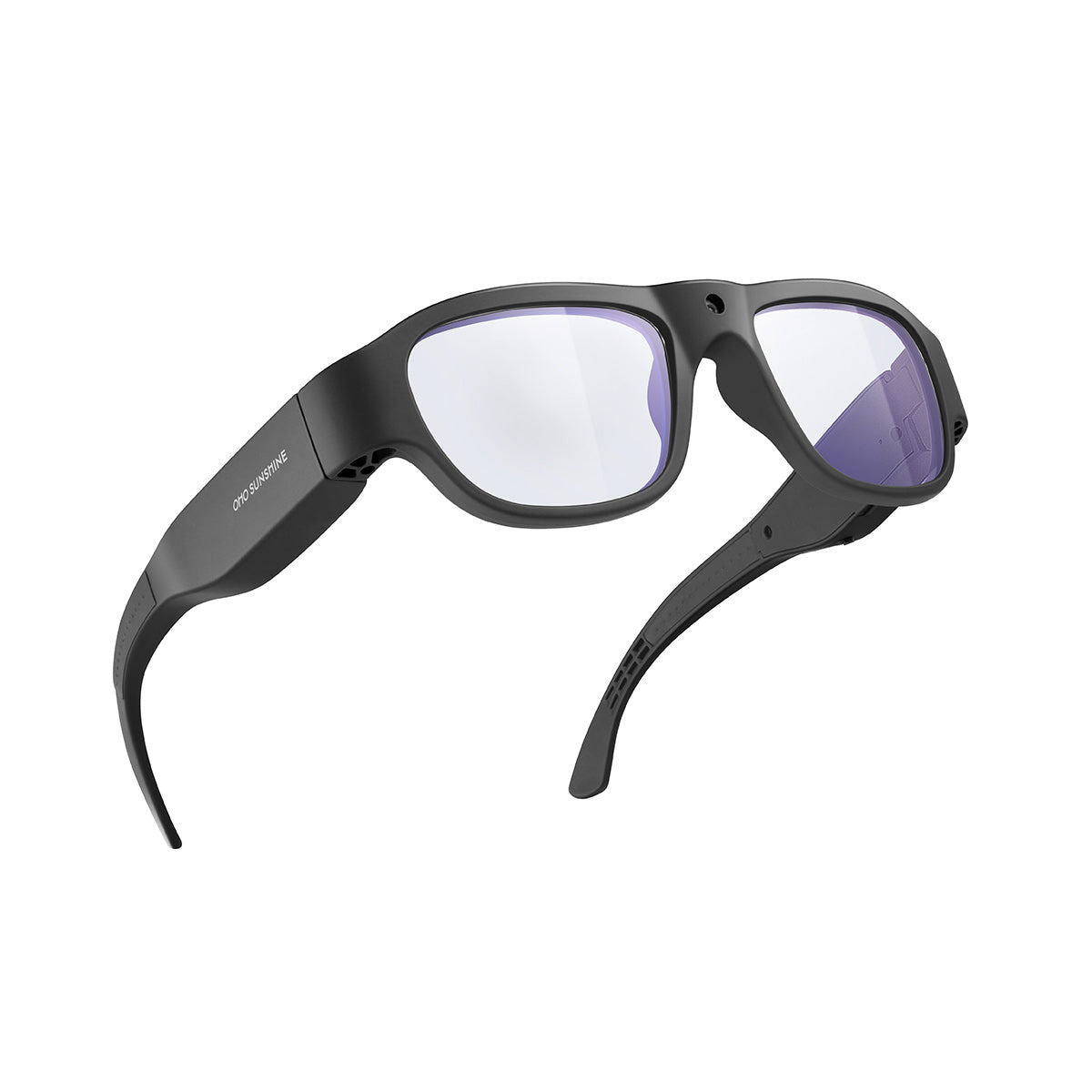
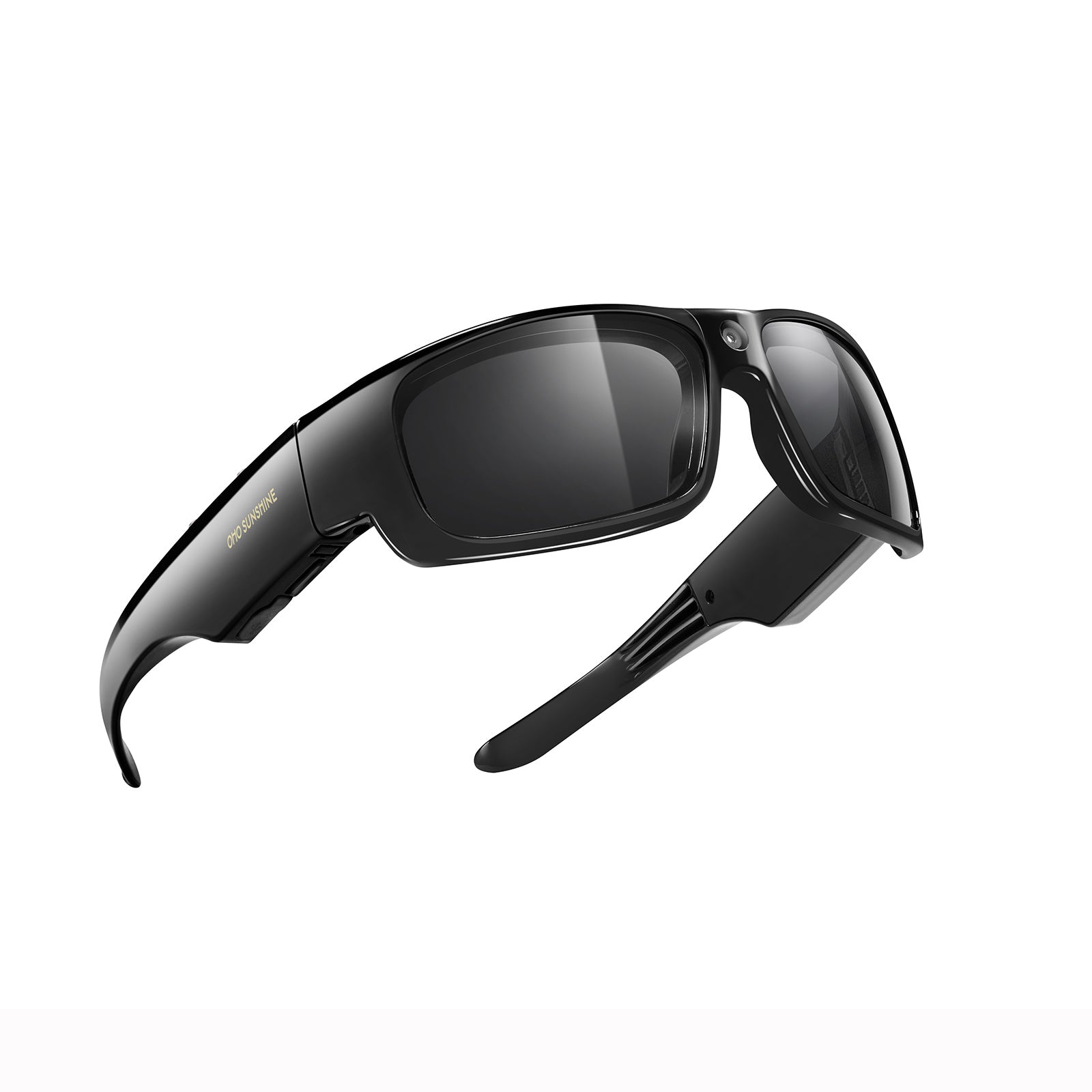
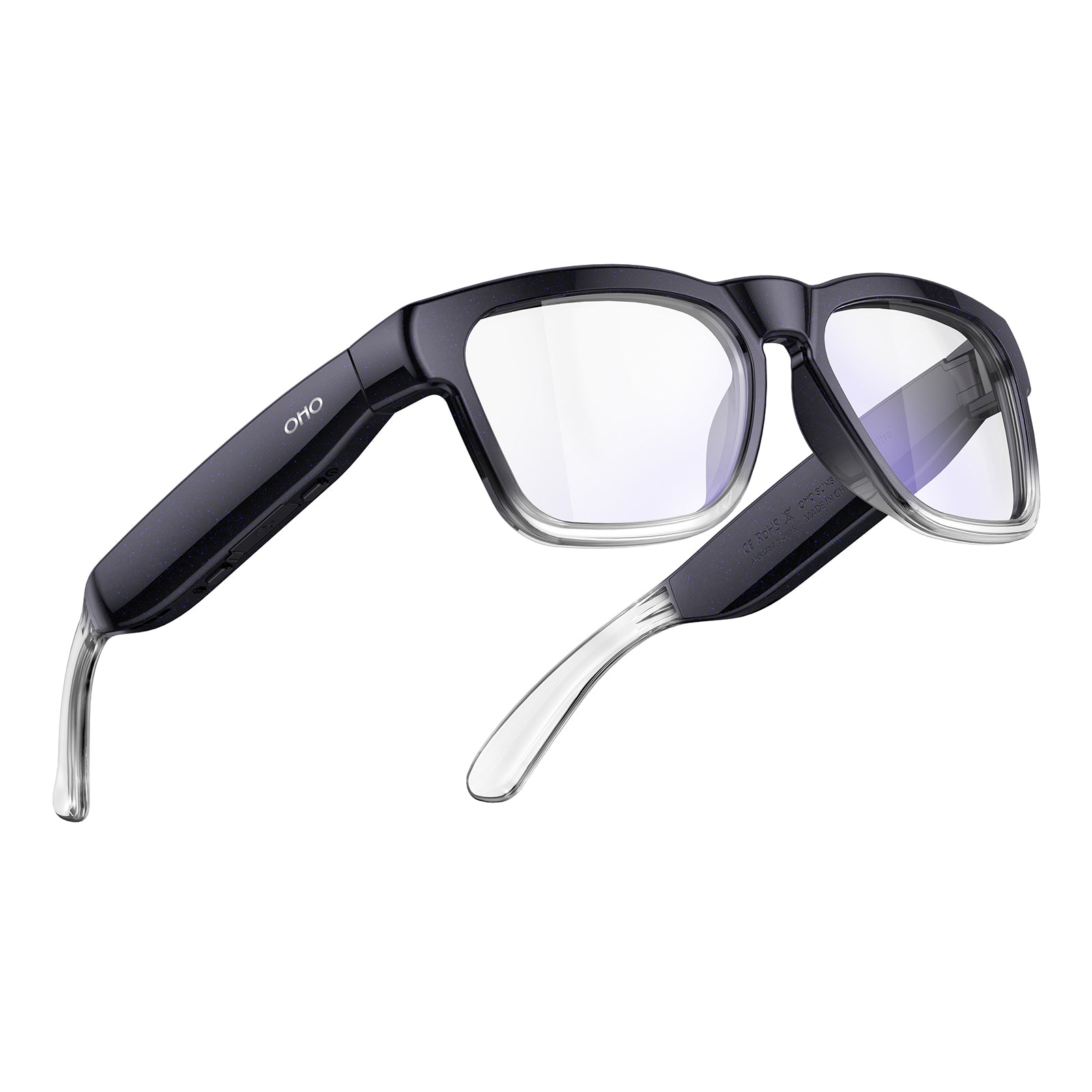
Do snowboard goggles and goggles with camera fog the same way indoors?
Any goggle with a cold lens can fog when it meets warmer, moist indoor air, whether you ride a board or wear goggles with camera features. Smart goggles do add electronics to think about in the cold. Our guide to smart goggle cold-weather care covers battery, fog, and storage habits for that type of gear.


Leave a comment
This site is protected by hCaptcha and the hCaptcha Privacy Policy and Terms of Service apply.