





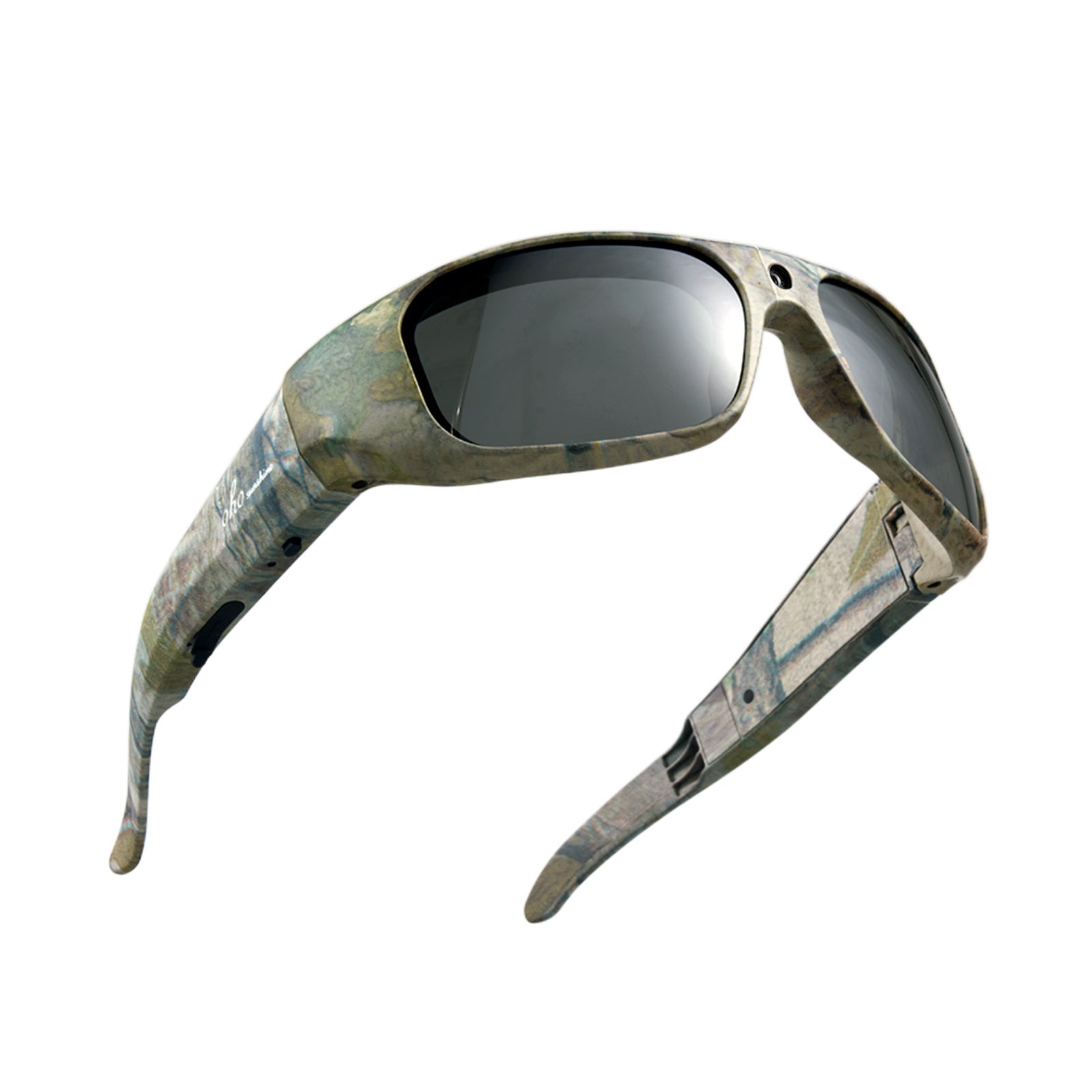


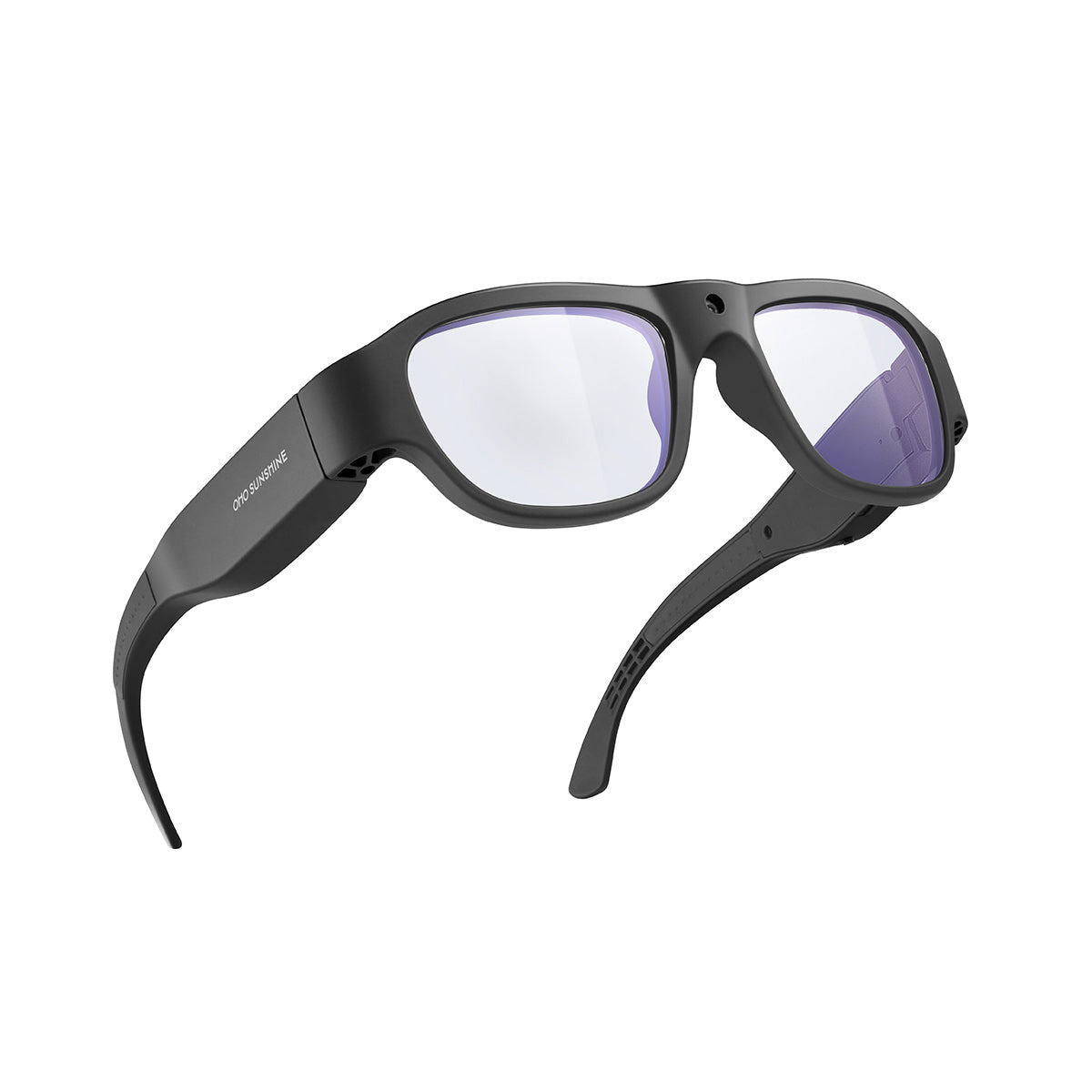
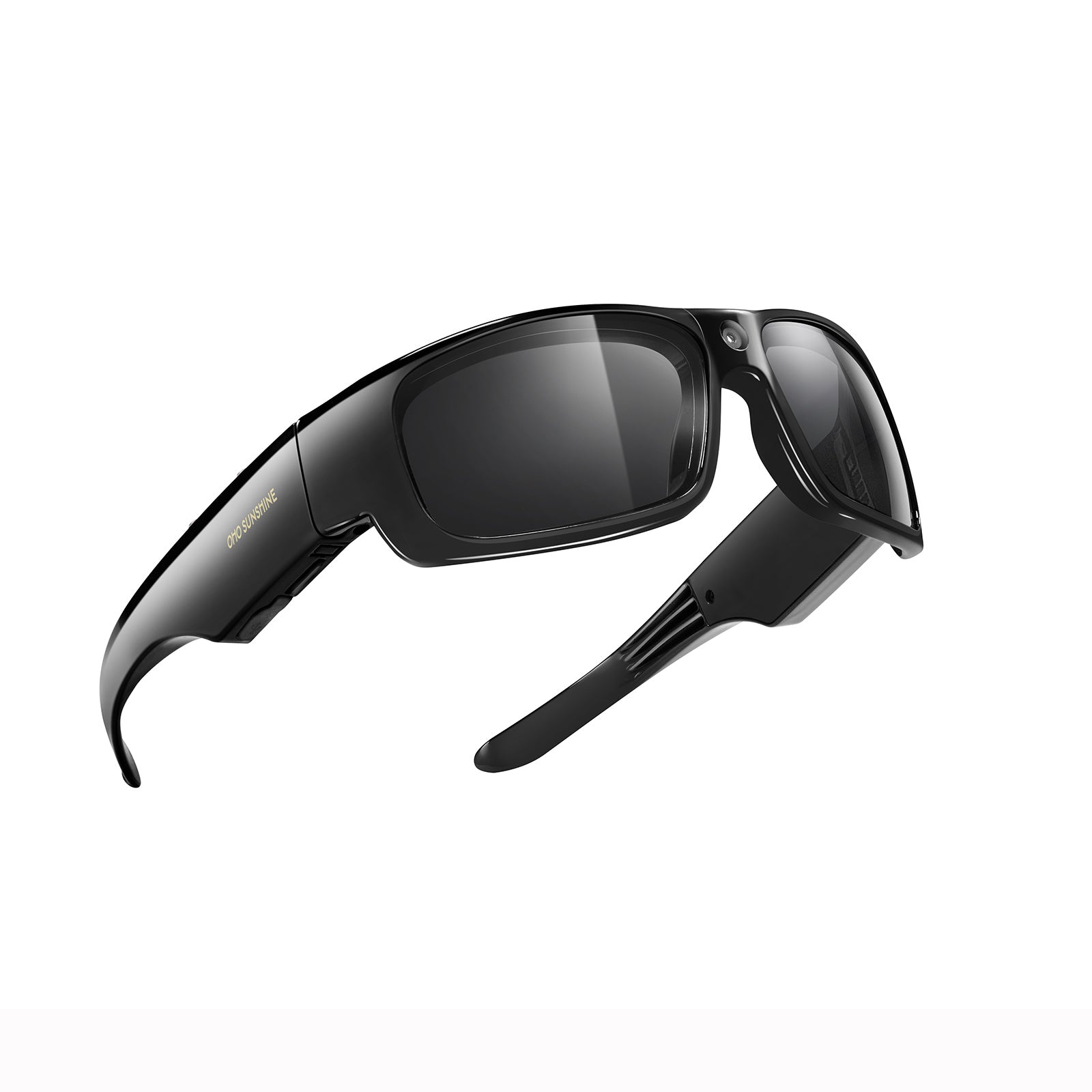


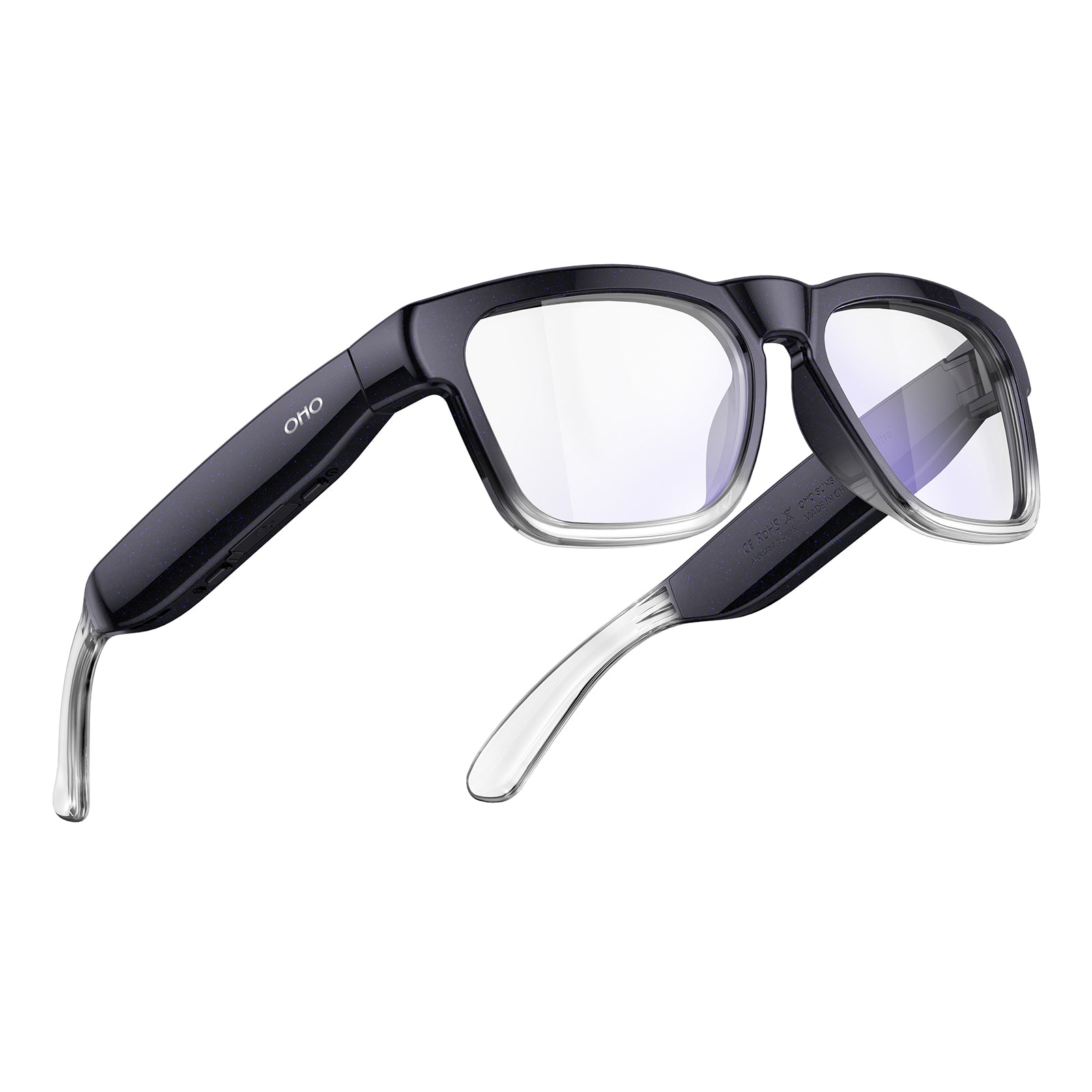


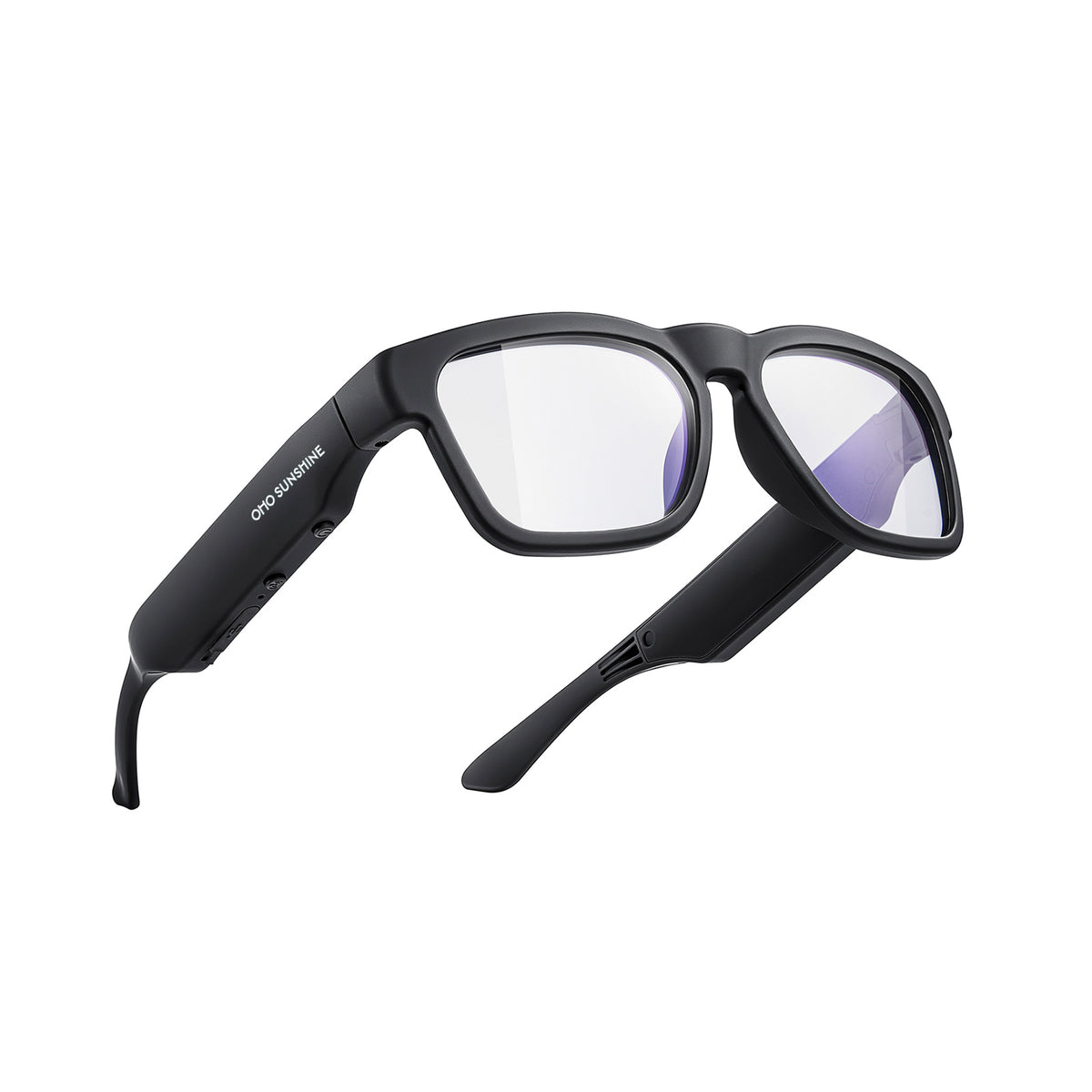



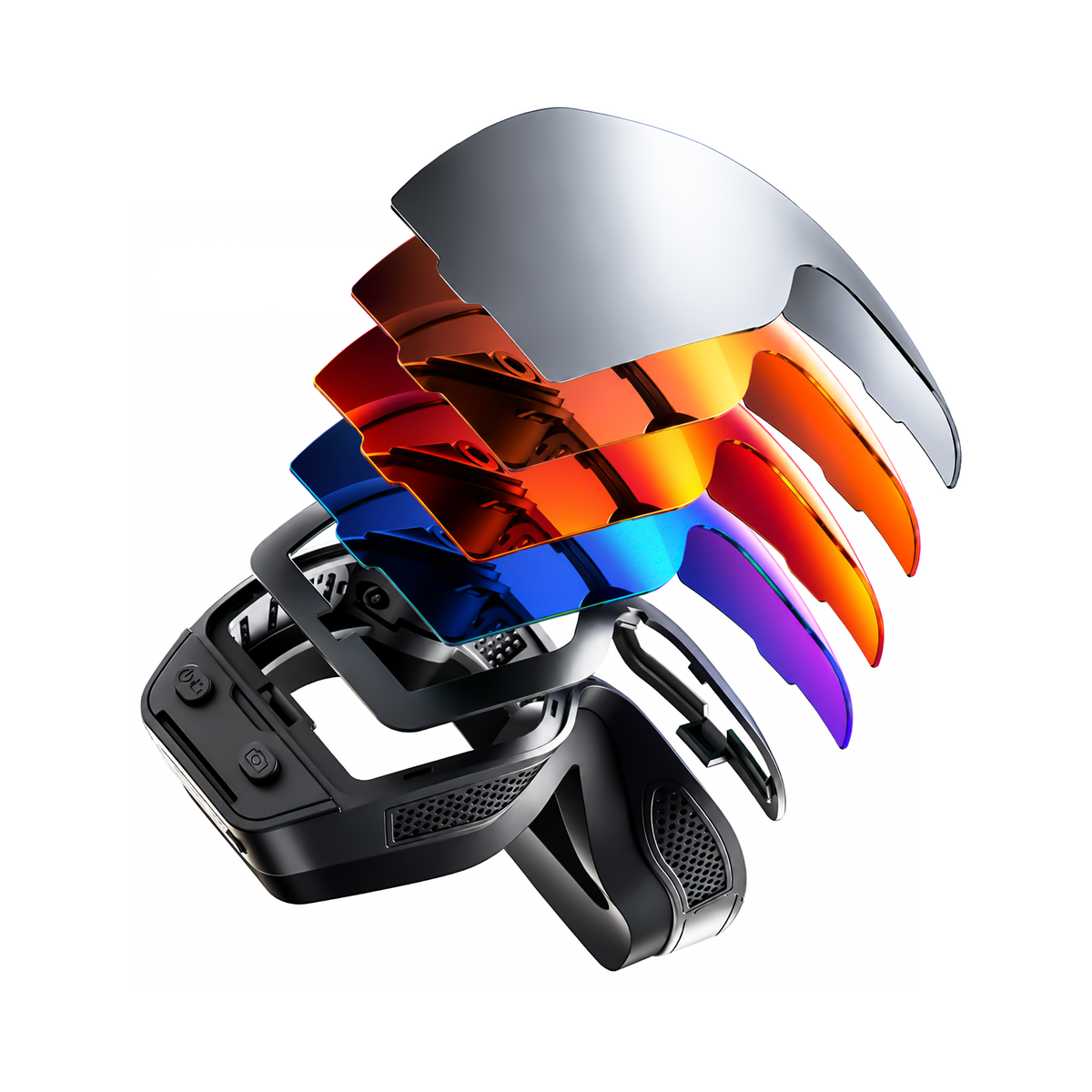



If the lens on your ski goggles is cracked after a crash, stop using them. Also sit them out if you see any other damage until the maker's guidance tells you what to do. A crash doesn't automatically mean every pair needs replacing, and goggles that look fine aren't cleared just because they look fine, so the final call belongs to the instructions for your exact model.
When a lens is cracked, stop using the goggles
A cracked lens is the clearest reason to take goggles out of use after a fall. The standard for ski and snowboard goggles is ASTM F659-10(2018). According to an ANSI summary of it, lens cracks fail visibility testing under that standard.
That criterion comes from a lab test, not a slope-side inspection. The result still matters in the real world. A crack means the lens no longer meets the visibility requirement the goggles were tested against. Don't keep riding on a cracked lens, even for "one more run" before lunch.
The crack settles whether you should keep using the goggles. It doesn't settle what to replace. When a brand's manual specifies that components can be swapped, you might find compatible replacement parts rather than purchasing an entirely new setup. Other designs require a full replacement. The same caution applies to damage you can see on the frame, strap, or foam, or on a built-in camera housing. The standard summary only covers lenses, so a broken part elsewhere is a reason to stop and check the maker's direction, not a reason to guess.
If the goggles look intact, appearance is not clearance
When nothing looks broken, the goggles aren't automatically cleared for more runs. A quick look can catch obvious damage, but it can't give you permission to keep riding.
Use the exact model's post-impact instructions
Your next step is the maker's guidance for your exact goggle model, not a general rule. Find the model name on the strap, the box, or your order record. Then open that model's manual and look for anything it says about impacts, falls, damage, or replacement. If the instructions give a direction, follow it before you head back to the lift.
Here's an example. Say your teen takes a hard fall on a groomed run and the goggles pop off, but they look fine. The useful move is to pull up the model's instructions before the next chairlift ride. Deciding from a glance in the lodge isn't enough. Goggles with camera parts deserve the same step, because the camera and its housing are extra components the model's own guidance may cover separately.

Do not invent an inspection test
Homemade checks don't replace the maker's answer. Twisting the frame, pressing on the lens, or tugging the strap can feel thorough. But no general source gives a pass-or-fail limit for frames, straps, foam, or camera parts after an impact. A pair that "passes" your own test still hasn't been cleared.
If the instructions don't mention impacts, or don't cover what happened to you, treat the decision as unanswered. Put the goggles aside and take the question to the maker. Some lens problems only show up later, on a bright day. If you notice double reflections or ghost glare, our troubleshooting guide explains how to check the lens safely and when persistent haze calls for a warranty review.
Use the maker's replacement path—or ask before reuse
The maker's instructions for your model decide what gets replaced. If they tell you to replace the lens, replace the lens. If they tell you to replace the whole goggle, replace the whole goggle. Keep in mind that a new lens only fixes the lens. It doesn't fix a damaged frame, strap, or camera housing unless the maker says the swap covers it.
When the guidance is silent or unclear about impacts, contact the maker before anyone wears the goggles again. Give them the exact model, a short description of the crash, and what you can see now, such as a scuff near the vent or a loose strap clip. Until the maker answers, don't treat the goggles as cleared, and don't pick between a lens-only fix and a full replacement on your own.
If you own our camera goggles, start with our camera-goggle manuals for your model. If the manual doesn't answer your post-crash question, send the model name and a description of the impact to our support team, and we'll help you work out the next step.
If the answer is a new pair, fit it as carefully as you fit the first one. Our camera goggle helmet fit checklist walks through the strap, frame, housing, vents, and gap with your helmet. Before your next day out, the plan is simple: bench any cracked or visibly damaged pair, read your model's post-impact guidance, and ask the maker whenever that guidance leaves the question open.
FAQs
Can I replace just the lens after a crash?
It depends on your goggle maker and model. There's no general rule for when a lens-only swap is enough after an impact. Check whether your model's instructions offer a replacement lens and say it's right for impact damage. If they don't, ask the maker before ordering parts.
Do goggles with a camera need different post-crash handling?
A camera model has extra parts, such as the camera, its housing, and charging ports. The general standard summary on cracked lenses doesn't address those parts. Use the manual for your exact camera goggle model, and contact the maker if it doesn't explain what to do after an impact.
Does the goggle standard apply to snowboard goggles too?
Yes, ASTM F659-10(2018) is written for both ski goggles and snowboard goggles, and the ANSI summary describes it that way. Its cracked-lens criterion applies to snow goggles under that standard. It's a test requirement, though, not a step-by-step guide for checking your pair after a fall.
Is a scratched lens treated the same as a cracked lens?
The cited visibility criterion is about cracks, so it doesn't set a rule for scratches. Whether a scratched lens is still usable after an impact is a question for your model's instructions or the maker. If a scratch makes it hard to see clearly on the slope, stop using the goggles until you have an answer.


Leave a comment
This site is protected by hCaptcha and the hCaptcha Privacy Policy and Terms of Service apply.