





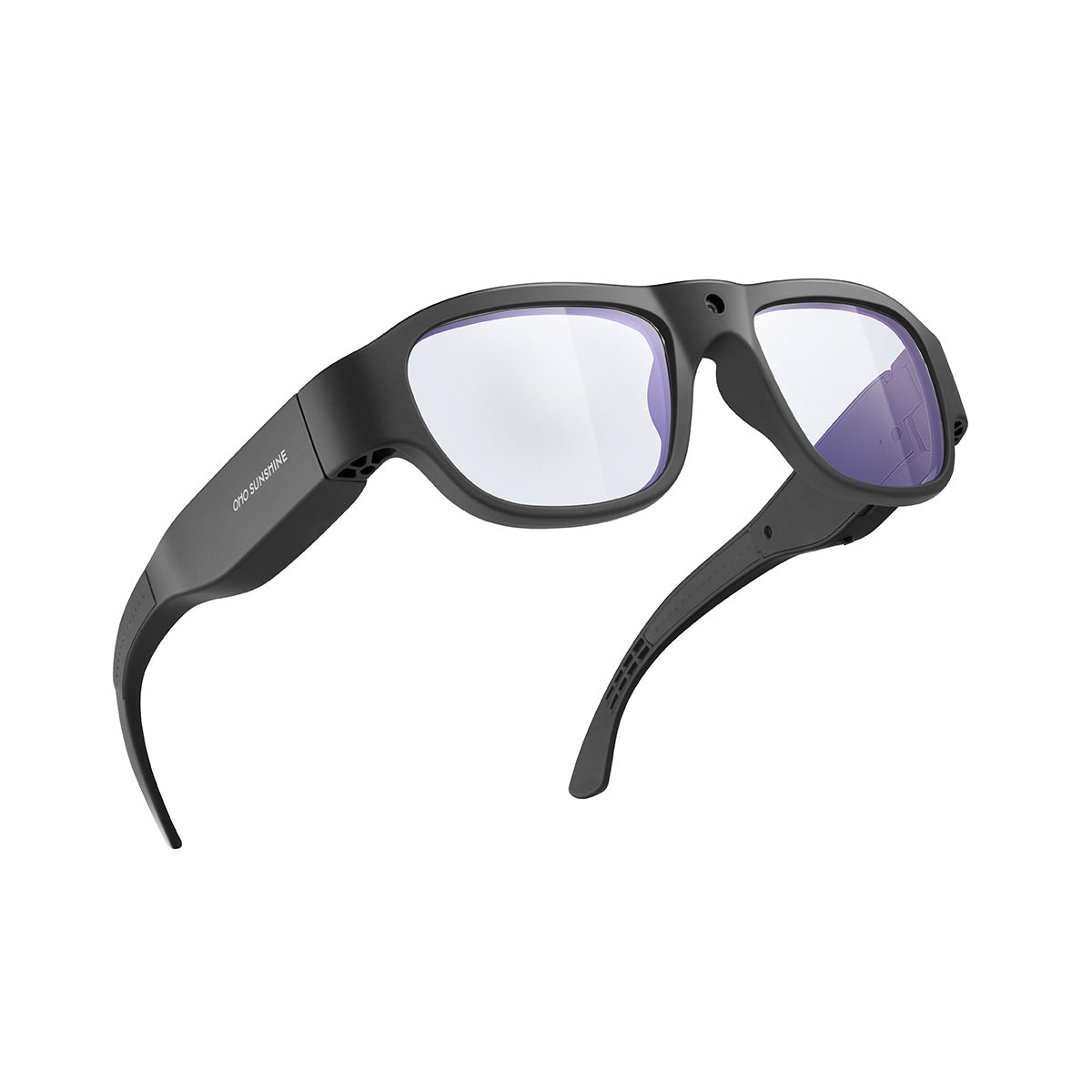

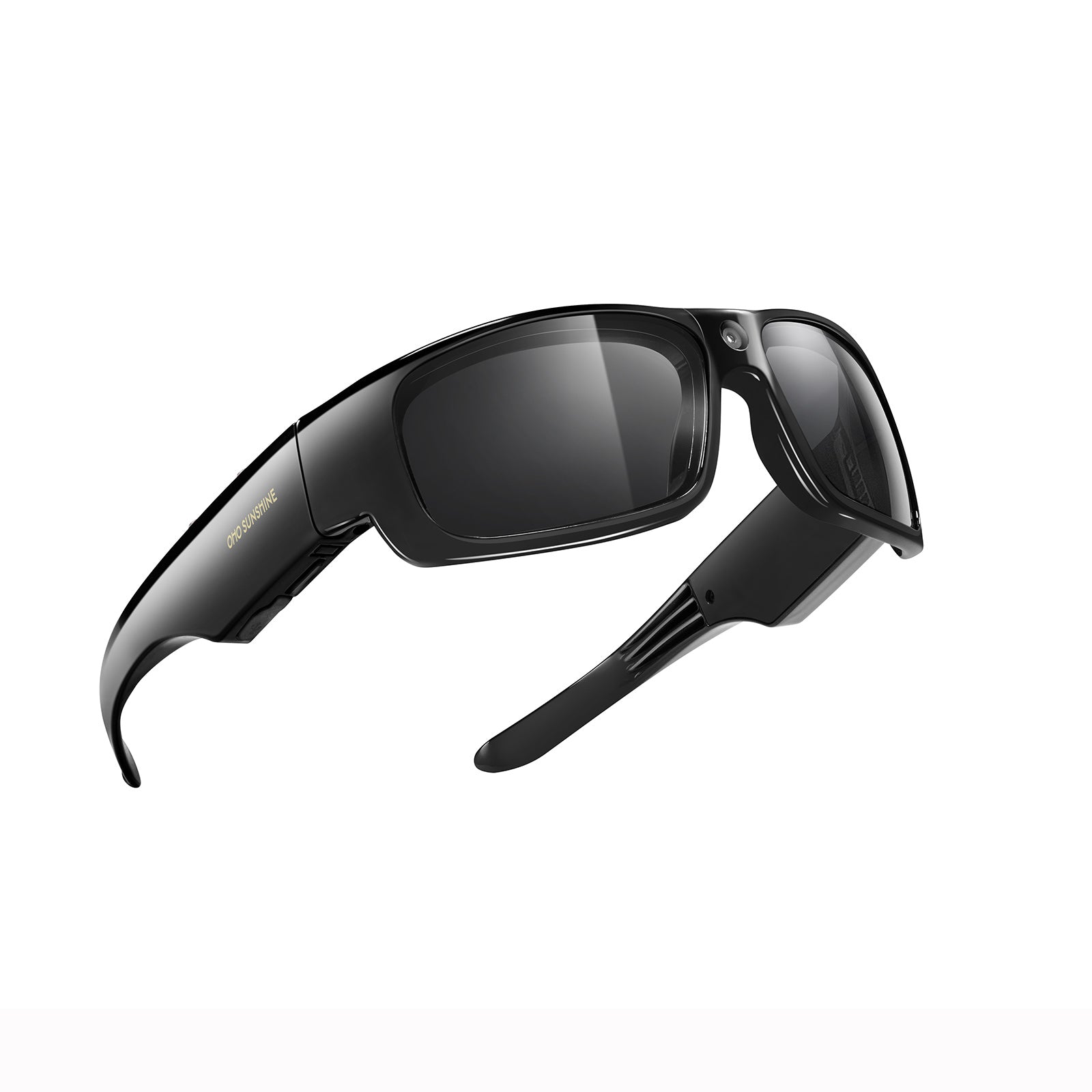


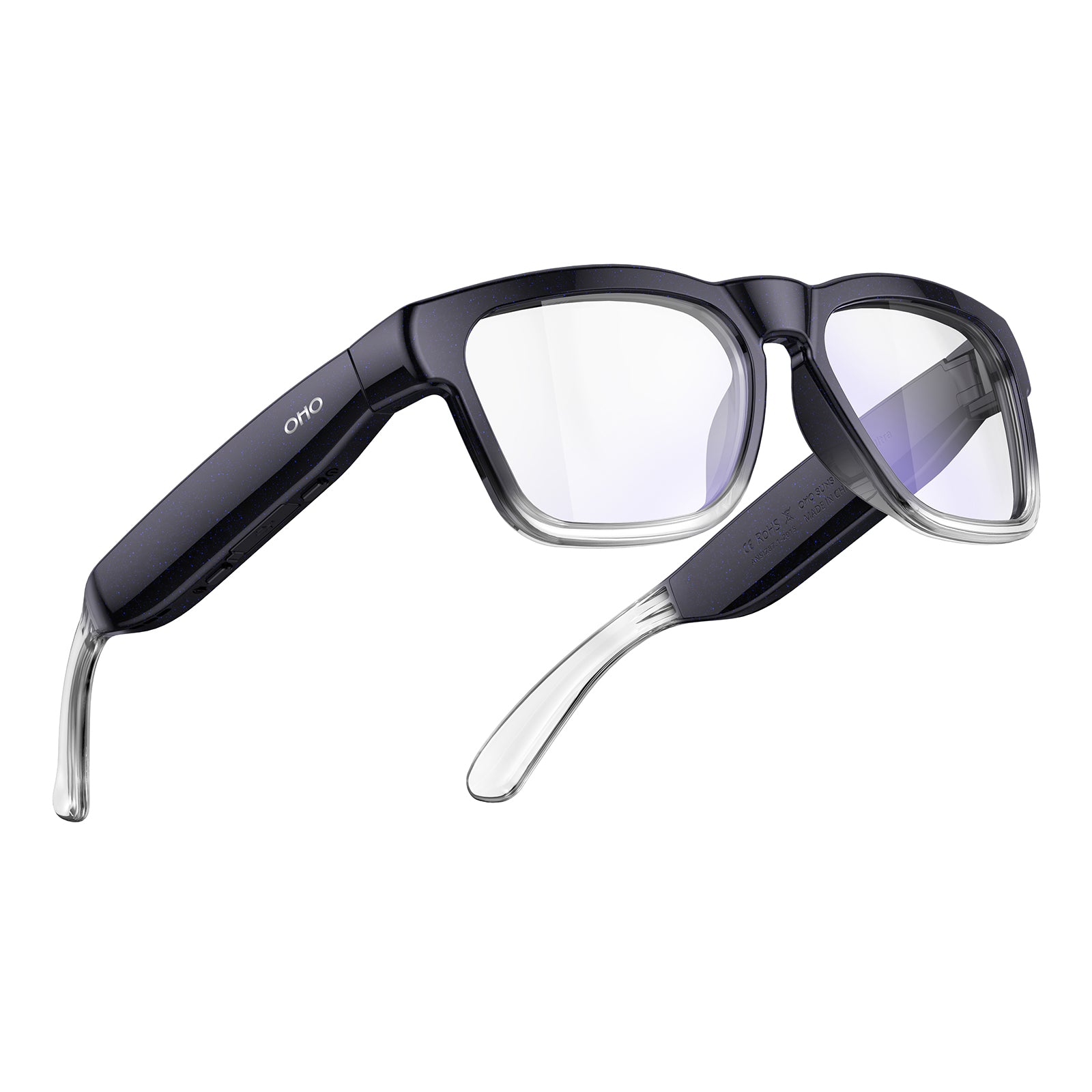
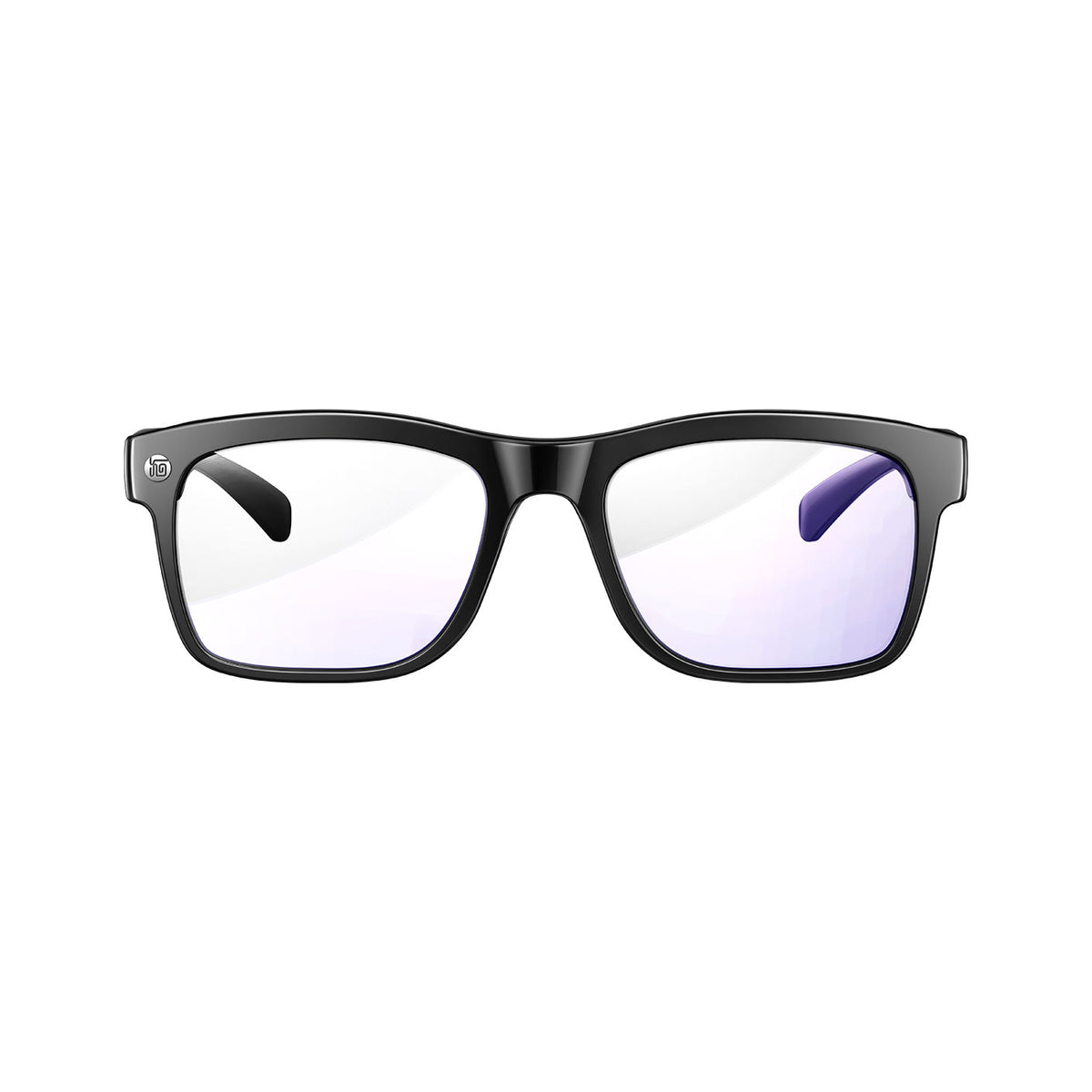







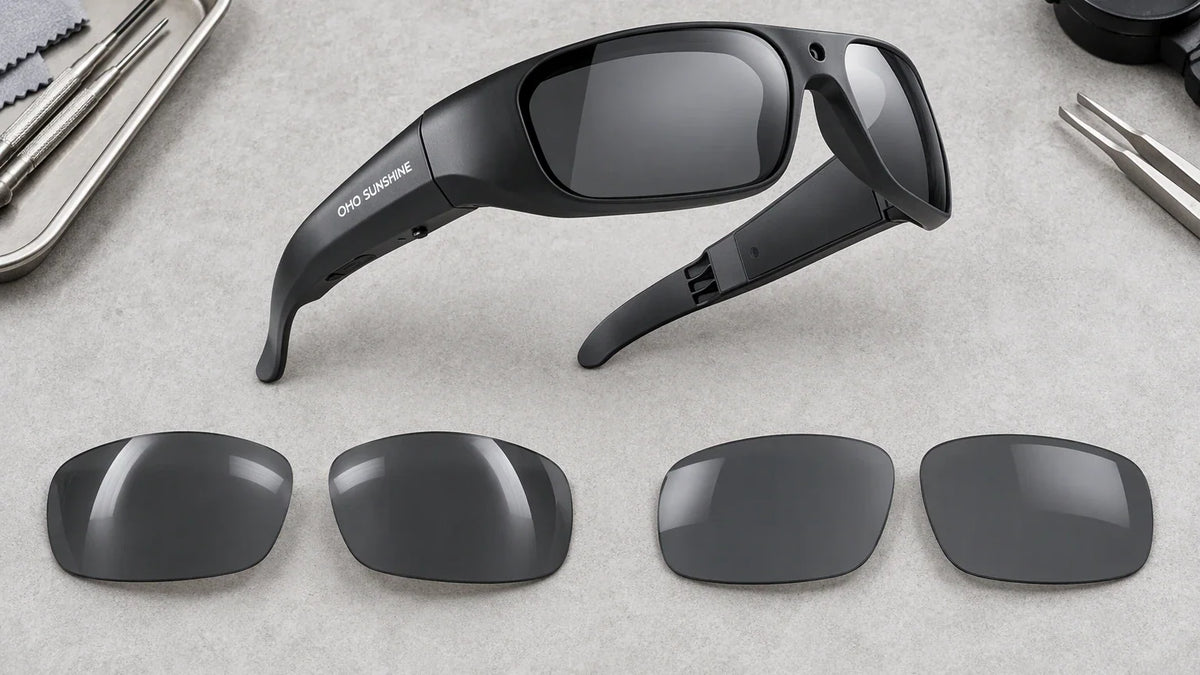
Prescription sport sunglasses can cost more than everyday glasses when the sport frame is high-wrap, because the lenses may need frame-specific surfacing and edging that a flatter frame does not. Lens choices like tint, material, and coatings can also raise the price of any prescription sunglasses, sport or not. There is no fixed sport premium. Whether you pay more depends on the frame you pick and the lens options in each quote, so the fair test is to compare two pairs with matching prescriptions and lens options.
Key Takeaways
- Some high-wrap prescription frames need frame-specific surfacing and edging. This may affect a quote, but it does not prove a set surcharge.
- Tint, lens material, and treatments affect prescription sunglass prices in general. Match them before you decide what the sport frame adds.
- Not every pair of prescription sports glasses is high-wrap, so a "sport" label alone does not explain a higher price.
What Can Make Prescription Sport Sunglasses Cost More?
Two kinds of factors can raise the price of a sport pair. Some come from the frame itself, because high-wrap designs may need extra lens work. Others come from lens choices that affect any pair of prescription sunglasses. Looking at each one separately shows where the extra cost in a quote really comes from.
High-Wrap Frames Can Require Specialized Prescription Lenses
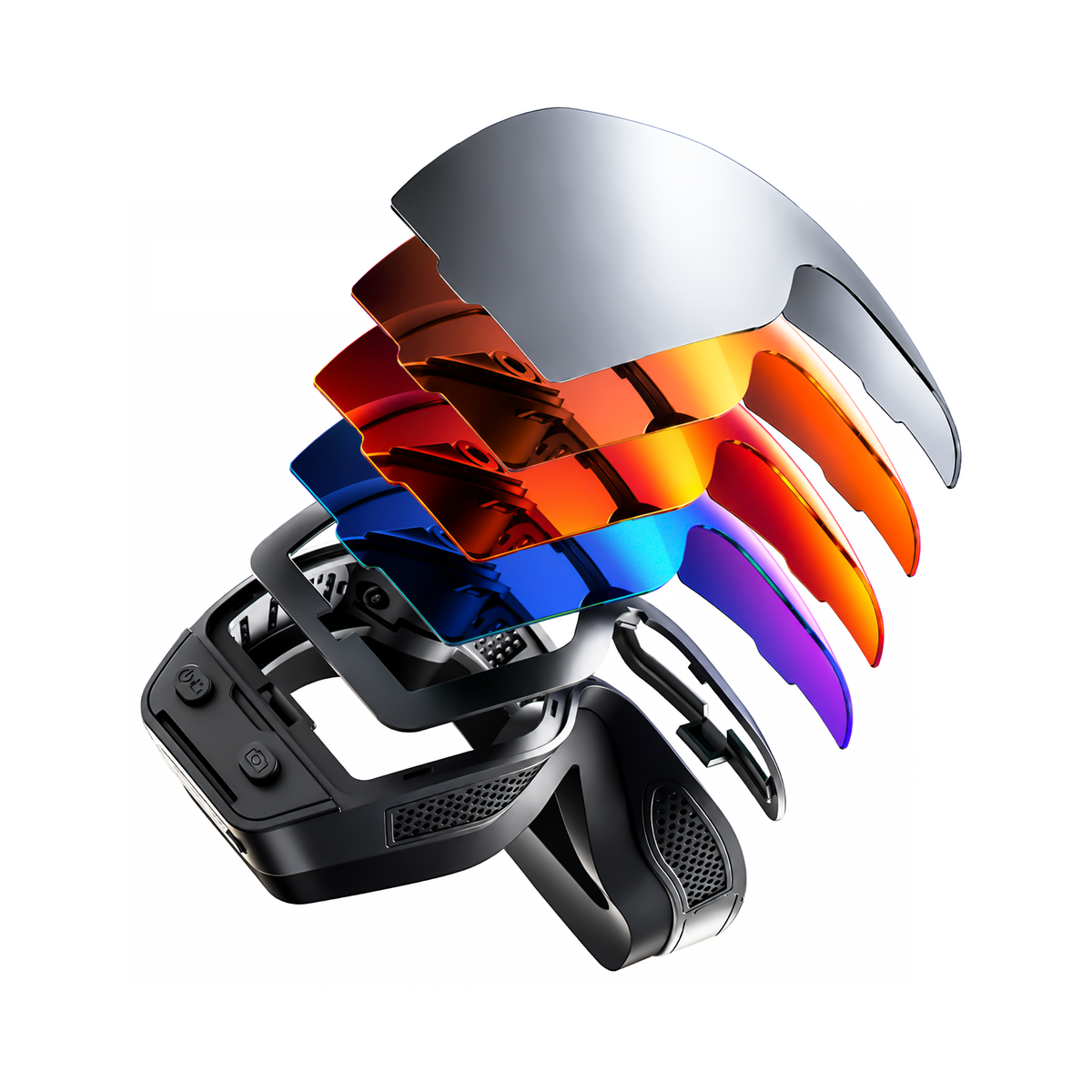
A high-wrap frame curves closely around your face. When a prescription lens sits at that angle, its power and its edges have to be adjusted. An optical trade article describes freeform surfacing and digital edging for high-wrap prescription frames. Freeform surfacing reshapes the whole lens surface. The central power is adjusted so the power you actually see through matches your prescription, and a compensating prism offsets the prism created by the wrap angle. The outer part of the lens is then rebuilt for your prescription and for the frame's tilt and faceform angle, which describe how the frame sits on your face.
Edging is the second step. According to the same source, frames with an 8- or 9-base curve (a measure of how strongly the front curves) need steeper bevel angles. If the bevel is wrong, the lenses look bad and can come loose when the temples flex. Digital edging can cut the edge these curved frames need. The seller Lens.com states that wrap-compensated lenses cost more than standard prescription lenses because of their specialized design and digital manufacturing. That page gives no prices, though, and it does not compare equivalent pairs of prescription sunglasses.

Lens Options That Also Affect Prescription Sunglasses
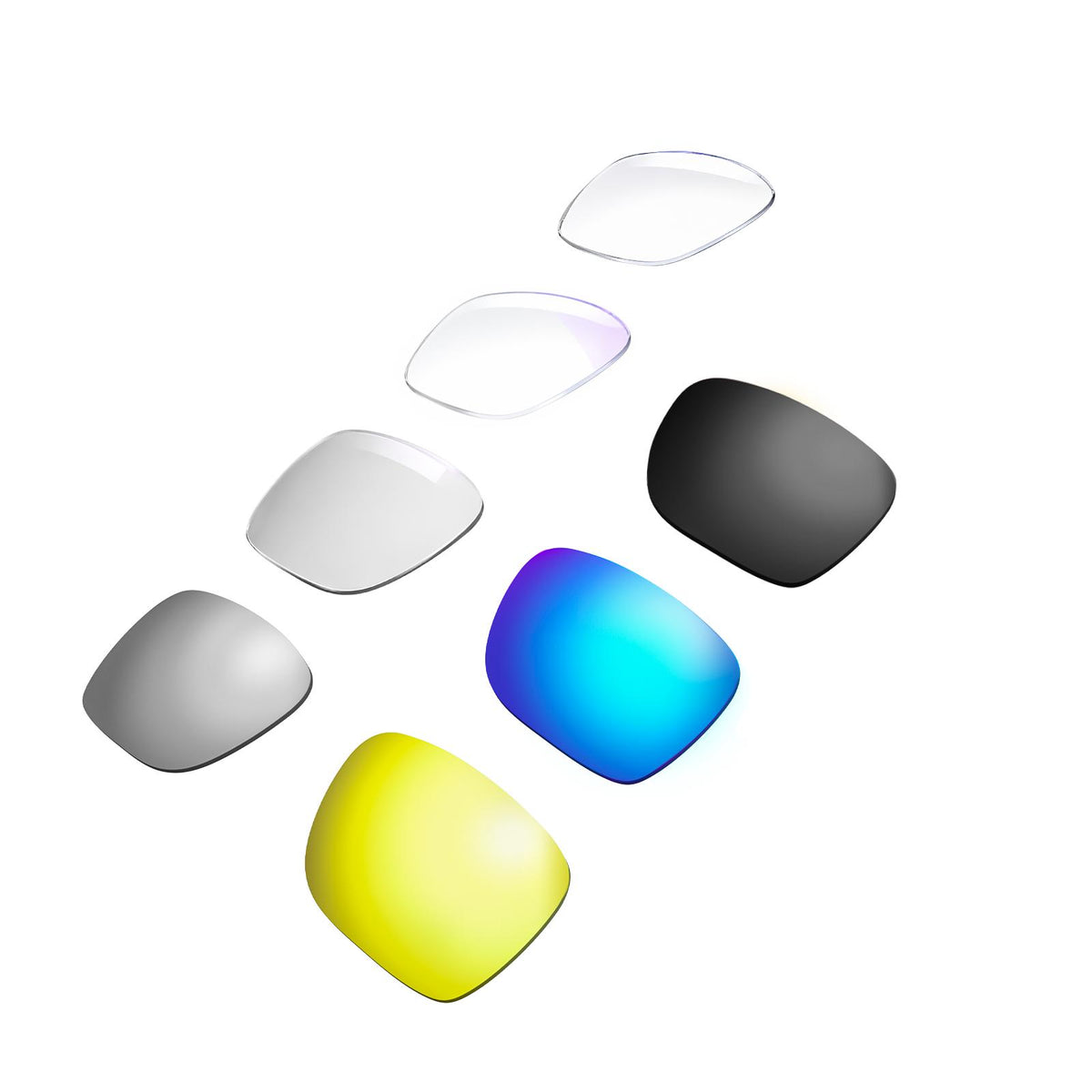
Many price factors apply to all prescription sunglasses, not just sport pairs. General consumer guidance lists tint color, lens material (for example polarized or aspheric lenses), and treatments such as scratch-resistant or anti-glare coatings as things that can raise the price. A sport pair loaded with polarization and coatings will likely cost more than a basic everyday tint, but that gap comes from the lens choices, not from the sport frame.
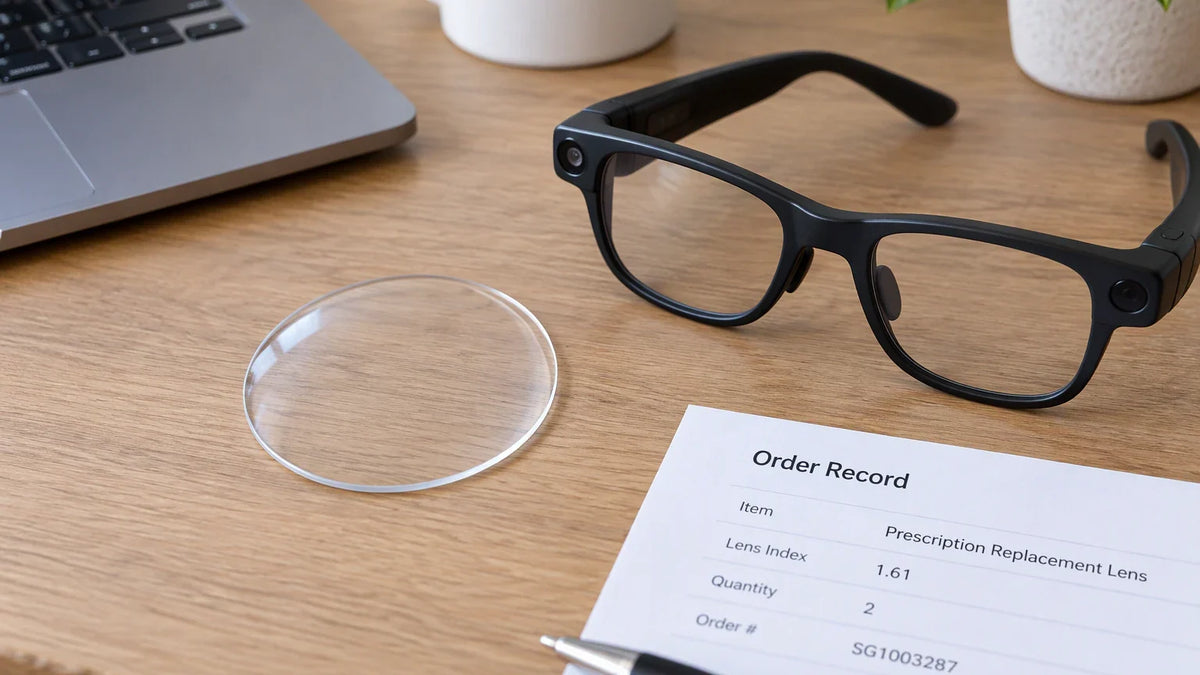
These choices also involve tradeoffs in how the lenses work. Our guide to polarized vs photochromic tradeoffs covers how each lens handles glare and changing light, which can help you decide whether an upgrade is worth paying for. If you want to order replacement lenses with customized tint and vision correction, our replacement prescription lenses offer options like photochromic and polarized builds. Compare their specific lens type with the options listed on any other quote.

How to Compare the Price Fairly
Match the Prescription and Lens Options
Use everyday prescription sunglasses as your baseline, not clear everyday glasses. Clear glasses leave out tint and sun-lens options, so any price gap would mix several differences together. Keep the prescription type the same in both quotes, then line up the tint, lens material, polarization, and coatings as closely as you can. Suppose a high-wrap sport quote includes polarized, anti-glare lenses and the everyday quote has a basic tint. You cannot tell how much of the difference comes from the wrap processing until the lenses match.
Your sport also affects which options make sense. Sports eyewear guidance notes that the best type, style, or size can differ by sport and by athlete, even within the same sport. Runners comparing tints can start with our breakdown of running lens choices before choosing what goes into both quotes.
Ask Whether the Frame-Specific Work Changes the Quote
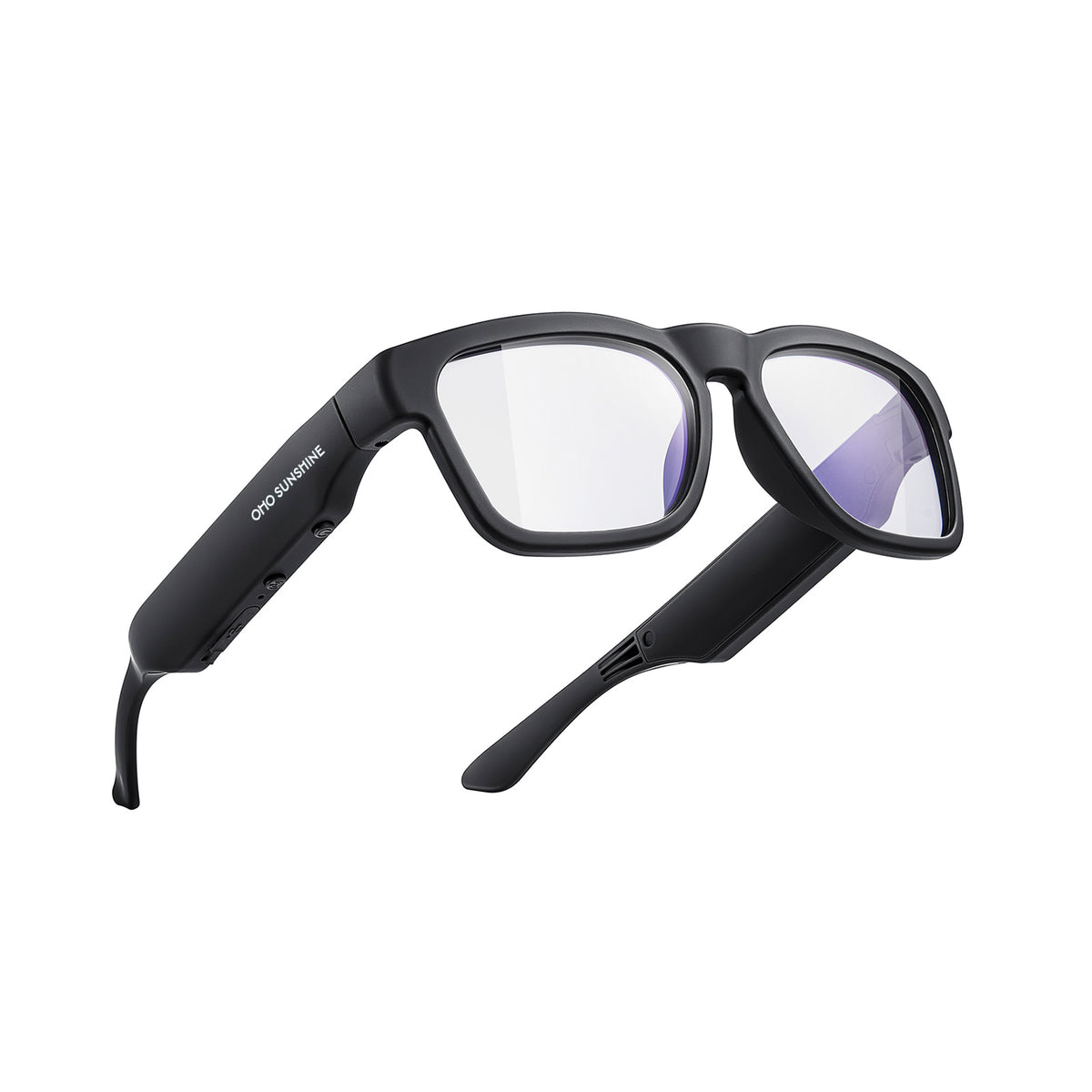
Once the lenses match, check the frame. If the sport frame is high-wrap, ask the optician or retailer whether it needs wrap-specific surfacing or edging and whether that changes the total. Some sellers may build this into the lens price rather than show it as a separate line, so ask for the total with and without the wrap frame if you can. If the sport frame is flatter, wrap processing probably does not apply. In that case, look at frame price and lens options to explain any gap. Smart sport frames add another variable. When you compare options in our outdoor sports smart glasses range, treat the frame's built-in features as their own price factor, separate from the lenses.
Conclusion
Prescription sports glasses cost more mainly when a high-wrap frame requires custom lens surfacing and edging, or when the quote includes optional treatments like polarization and anti-glare coatings. Before deciding a sport pair is overpriced, compare it against everyday prescription sunglasses with matching lens specs, and ask whether wrap-specific frame labor adds to the total.
FAQs
Does a high-wrap frame automatically mean a higher prescription price?
No. A high-wrap frame may need specialized lens work, but that does not set a fixed surcharge. How a seller prices that work depends on the seller. Ask for the quoted total on the wrap frame next to a flatter frame with the same lenses to see if there is a difference.
Should I compare sport sunglasses with everyday glasses or everyday prescription sunglasses?
Compare them with everyday prescription sunglasses. Both pairs then include sun lenses, so the remaining gap is more likely to come from the frame or from sport-specific lens work. Clear everyday glasses leave out tint and sun-lens options, which makes the gap look bigger than the sport part really is.
What should I ask when a prescription sport-sunglass quote is higher?
Ask which prescription, lens, or frame choices differ between the two quotes and what each one adds. Then ask whether the frame needs wrap-compensated lenses or special edging. If no specific added work is named, the higher price may come from lens or frame choices rather than from the sport design.
Can any sport sunglass frame take prescription lenses?
Not always. Frames need to be optical grade, with grooves that can hold prescription lenses. A very high-wrap frame may not work with a strong or complex prescription. An optician can check the frame against your prescription before you order.


Leave a comment
This site is protected by hCaptcha and the hCaptcha Privacy Policy and Terms of Service apply.