





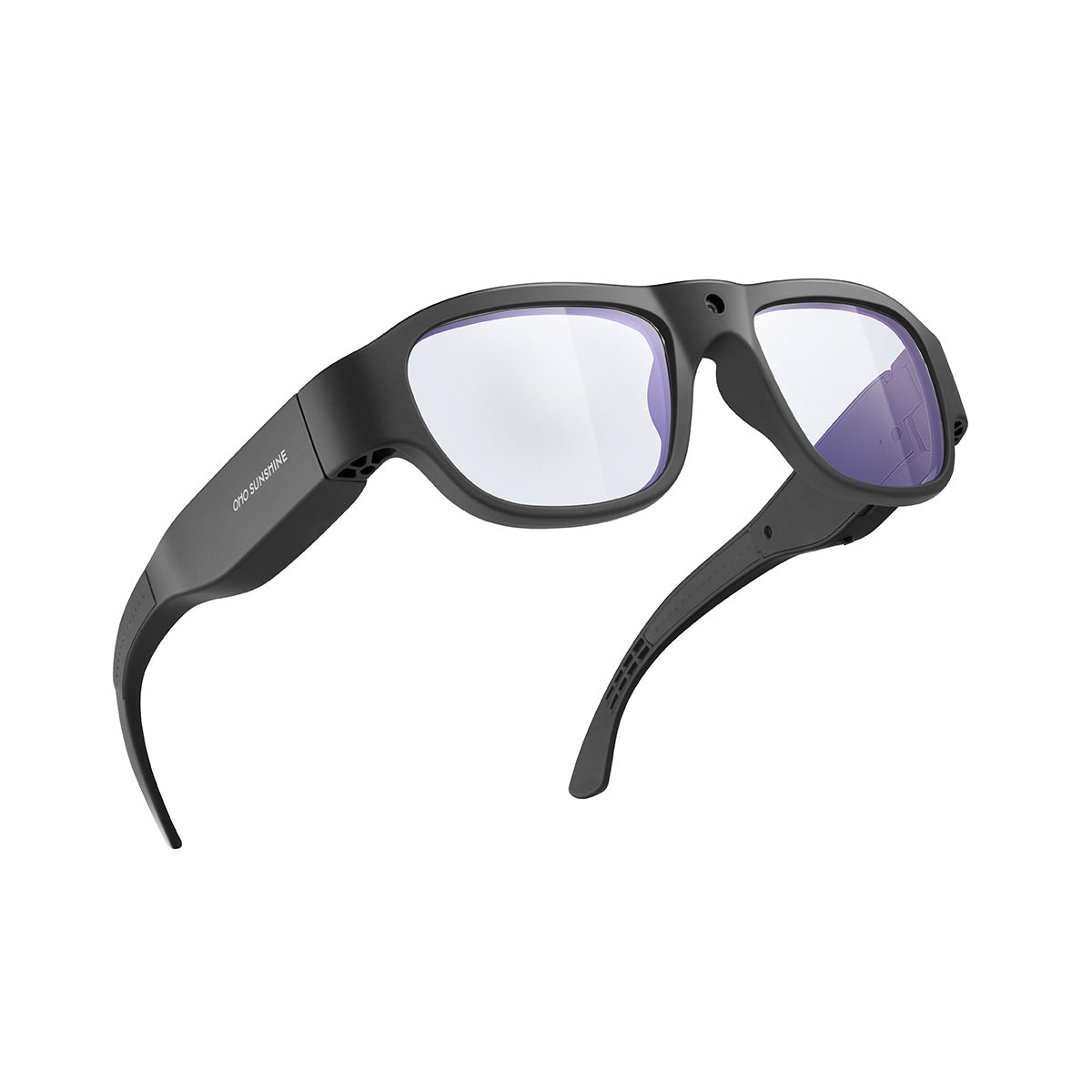

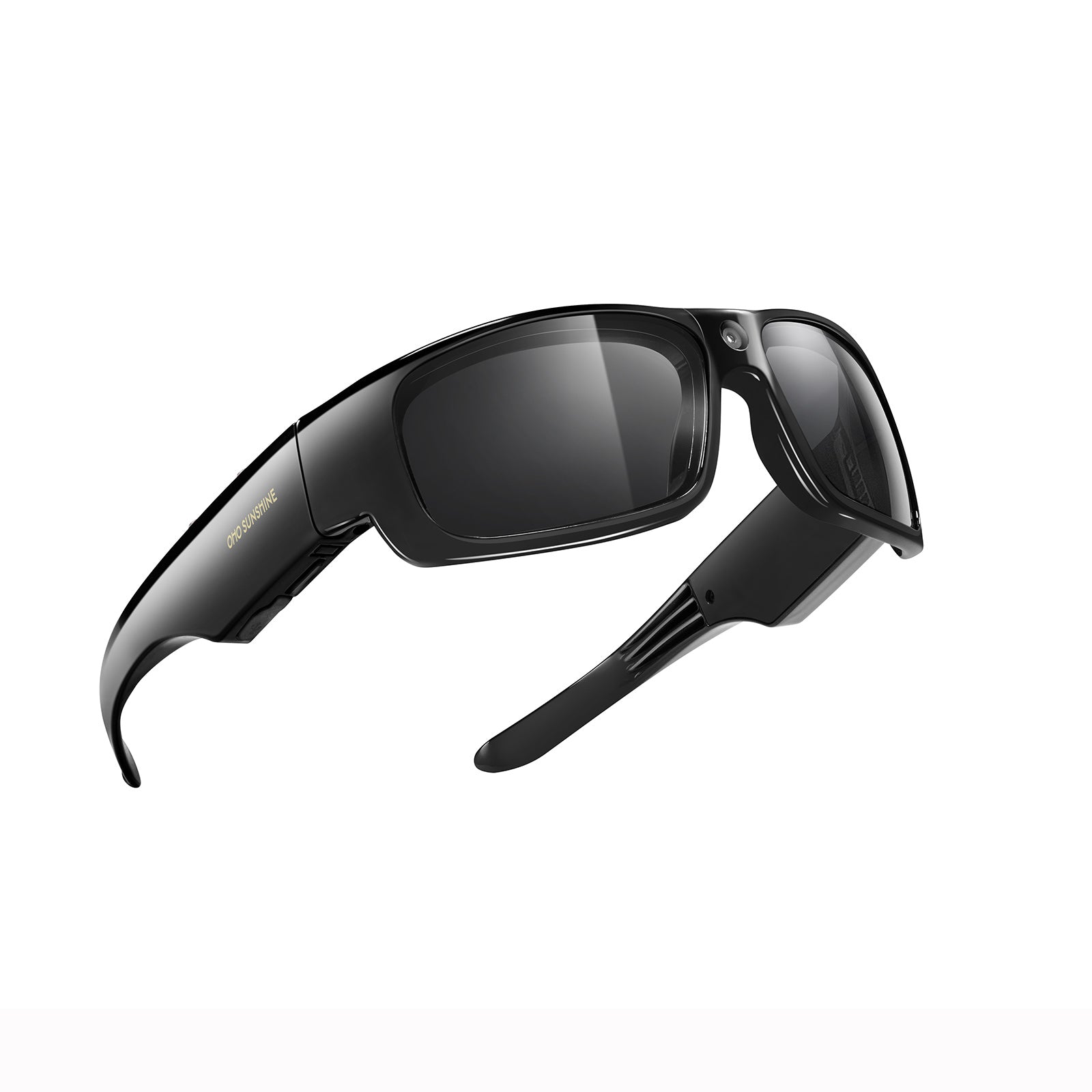


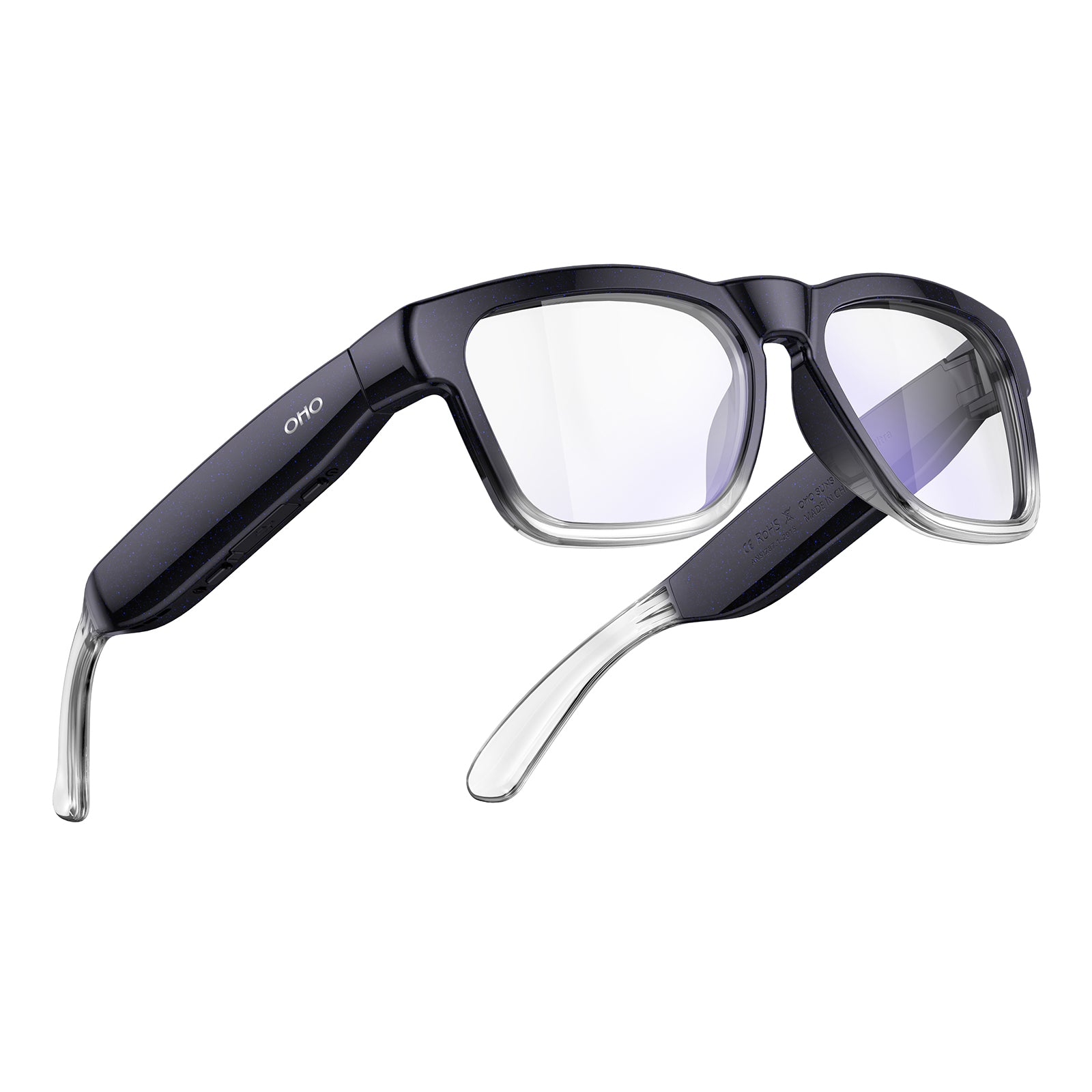
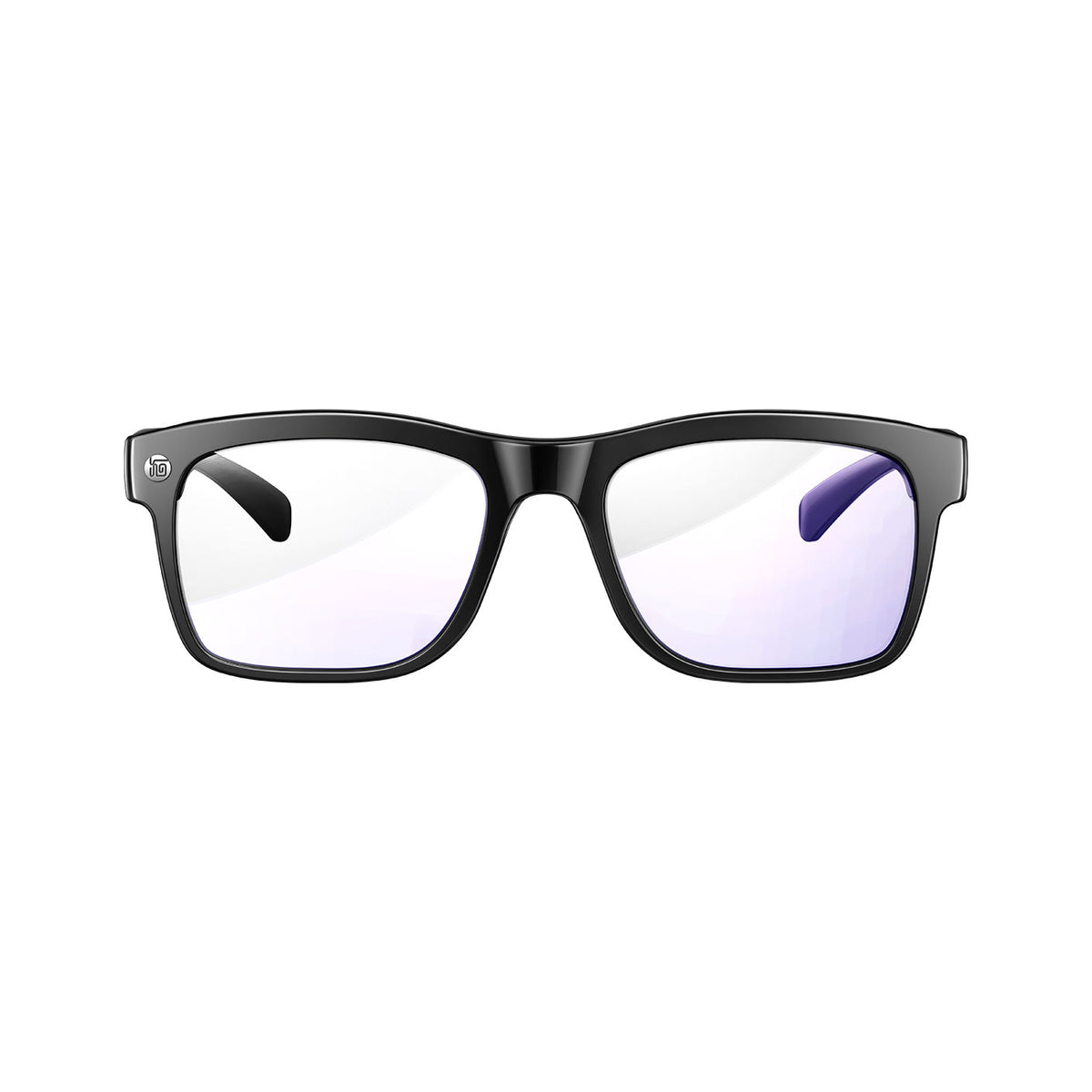


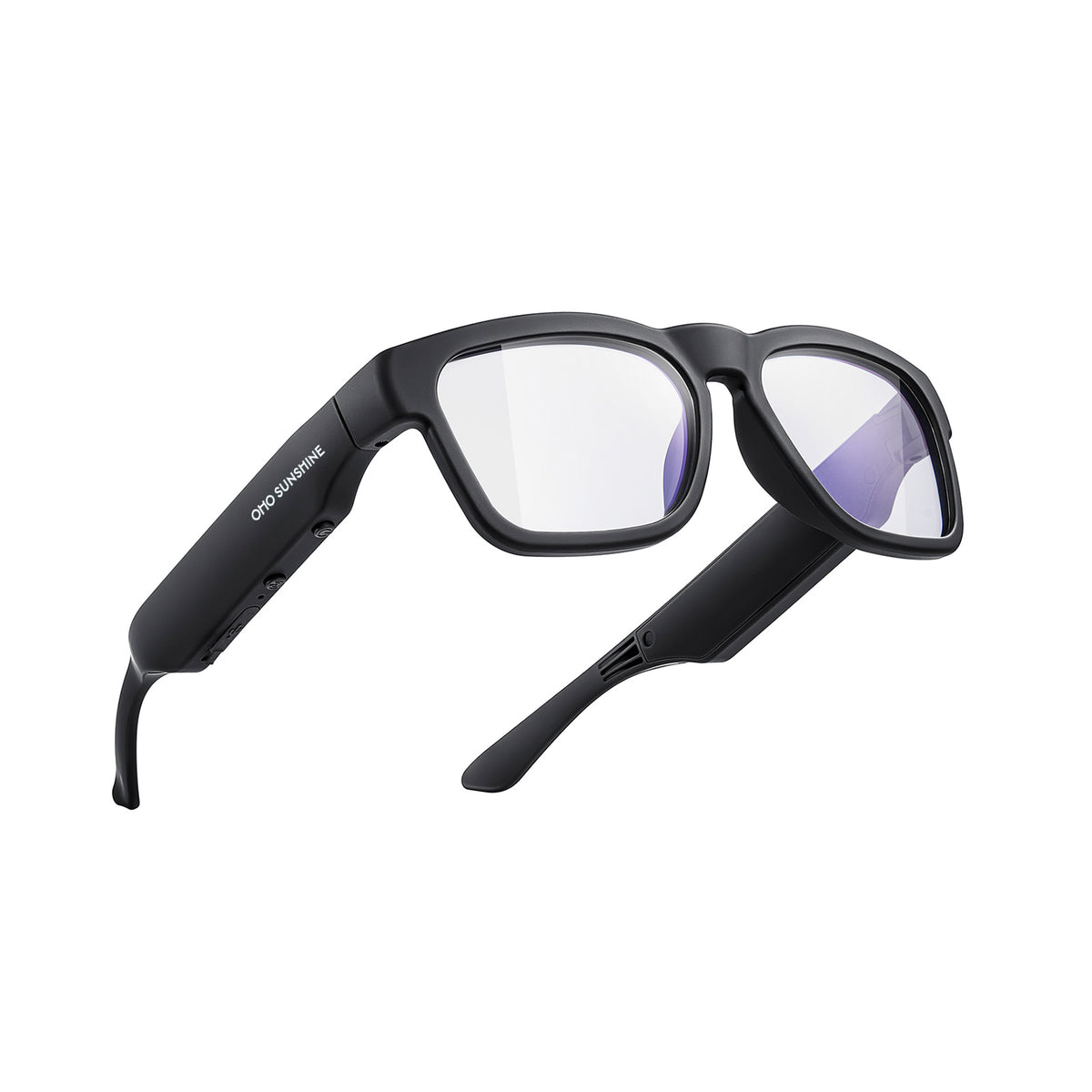





Choose photochromic prescription lenses if you move between indoor and outdoor light all day, and choose polarized lenses if glare off water, roads, or other shiny surfaces bothers you most. The two do different jobs, so neither one is an upgrade of the other. Once you know which light problem you notice most, confirm that your exact smart-glasses frame offers that lens type before you order.
Photochromic vs. Polarized: Choose by Your Main Light Concern
Start with a quick self-check on the light problem that recurs throughout your week. If your primary challenge is squinting each time you step outside, tint that changes on its own is what you need, whereas harsh shine reflecting off a lake, wet asphalt, or snow calls for a lens designed specifically to cut glare.

Choose photochromic for changing light
The photochromic and polarized lens functions work differently. Photochromic lenses darken by themselves in sunlight, and they may keep a subtle tint indoors. Special chemicals in the lens react to UV light, so one pair can act as both everyday glasses and sunglasses. That fits a day where you go from the office to the parking lot to a café patio, because you don't have to swap pairs at every door. Speed of the change depends on the lens and the conditions, so don't plan around a fixed timing. Our guide to photochromic adaptation in smart glasses covers what affects how fast the tint shifts.
Choose polarized for reflected glare
Polarized lenses aim at sun glare instead of changing their tint. A film with tiny vertical lines lets vertical light through and blocks the horizontal light that causes glare. That's why people wear them for bright-day driving, fishing, and time on the water. The National Eye Institute also notes that polarized lenses are good for cutting glare from snow or water. If your main complaint is reflections rather than how bright the sky is, polarized is the better match for your prescription sunglasses or prescription sports glasses. Pick by your main concern, since one function does not cover the other equally well.
Confirm your smart-glasses frame and lens option
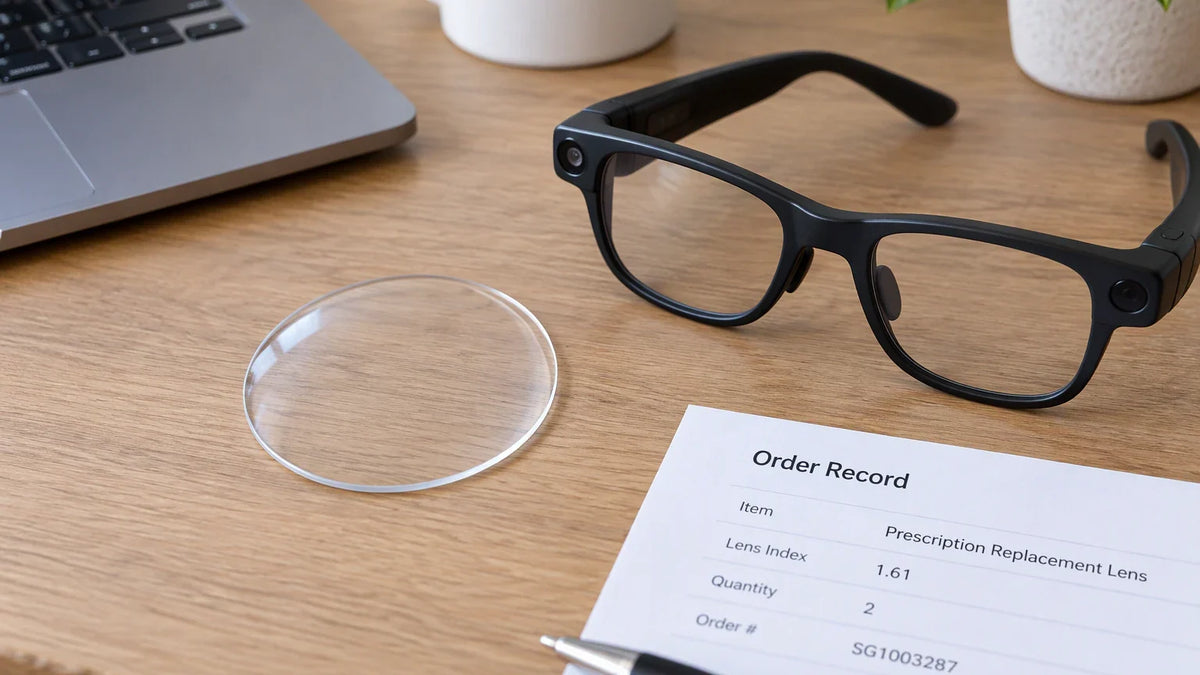
After you pick a lens function, make sure your specific frame model supports that option before ordering. If you already own compatible OHO SUNSHINE smart glasses, our prescription replacement lenses are custom-made to replace your original lenses with either Photochromic or Polarized Black options.

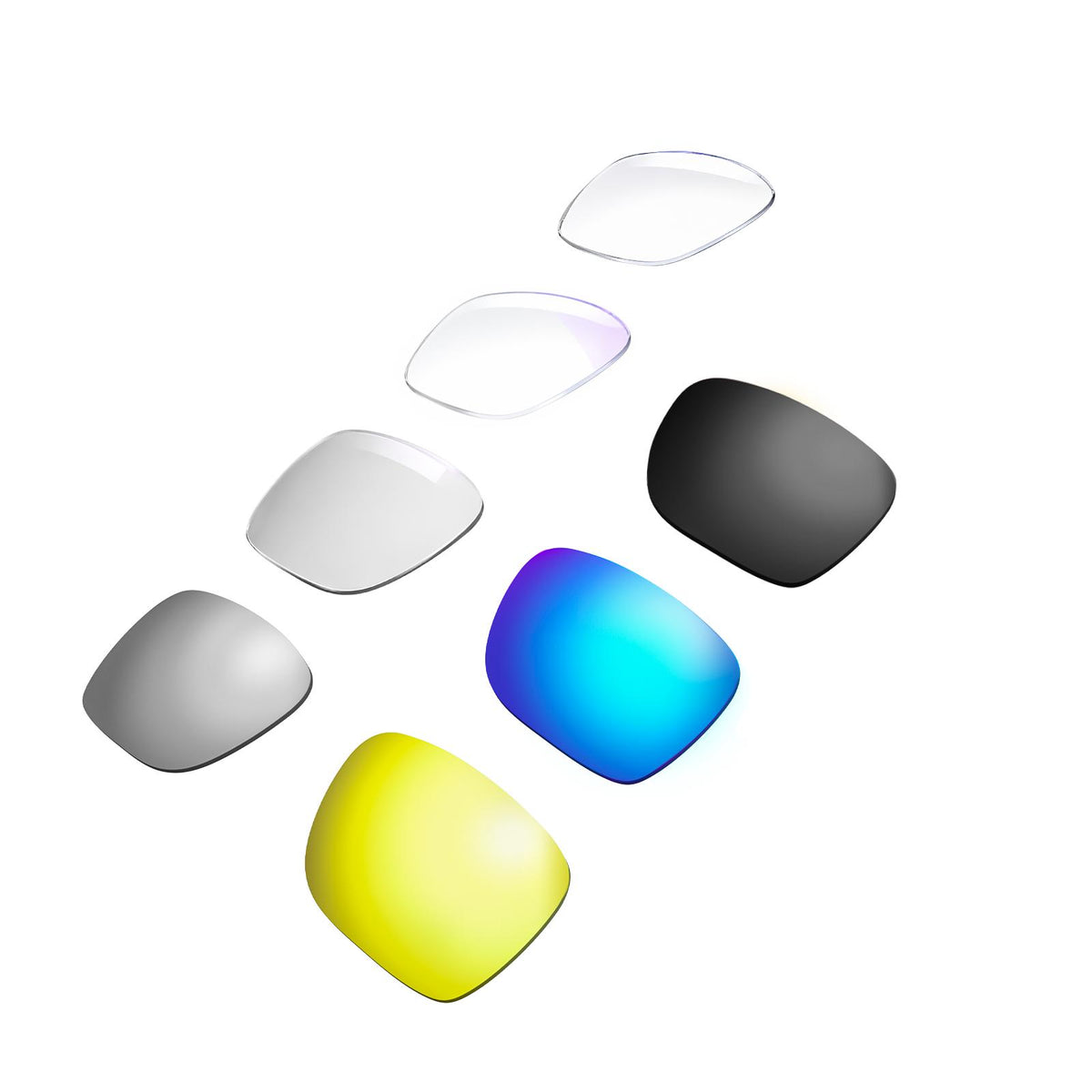
For example, a Pulse frame owner running errands across indoor and outdoor spaces benefits most from Photochromic, while a Pulse owner spending sunny days on the water gets greater utility from Polarized Black. We also provide Blue Light Blocking for screen-heavy desk work. In addition, four lens index levels are offered in single vision or progressive configurations: Standard 1.56 for mild prescriptions (SPH -4.00 to +4.00), Thin 1.60 for mild to moderate prescriptions (SPH -6.00 to +6.00), Thin 1.67 for moderate to strong prescriptions (SPH -10.00 to +10.00), and Extra Thin 1.74 for stronger prescriptions (up to ±12.00).
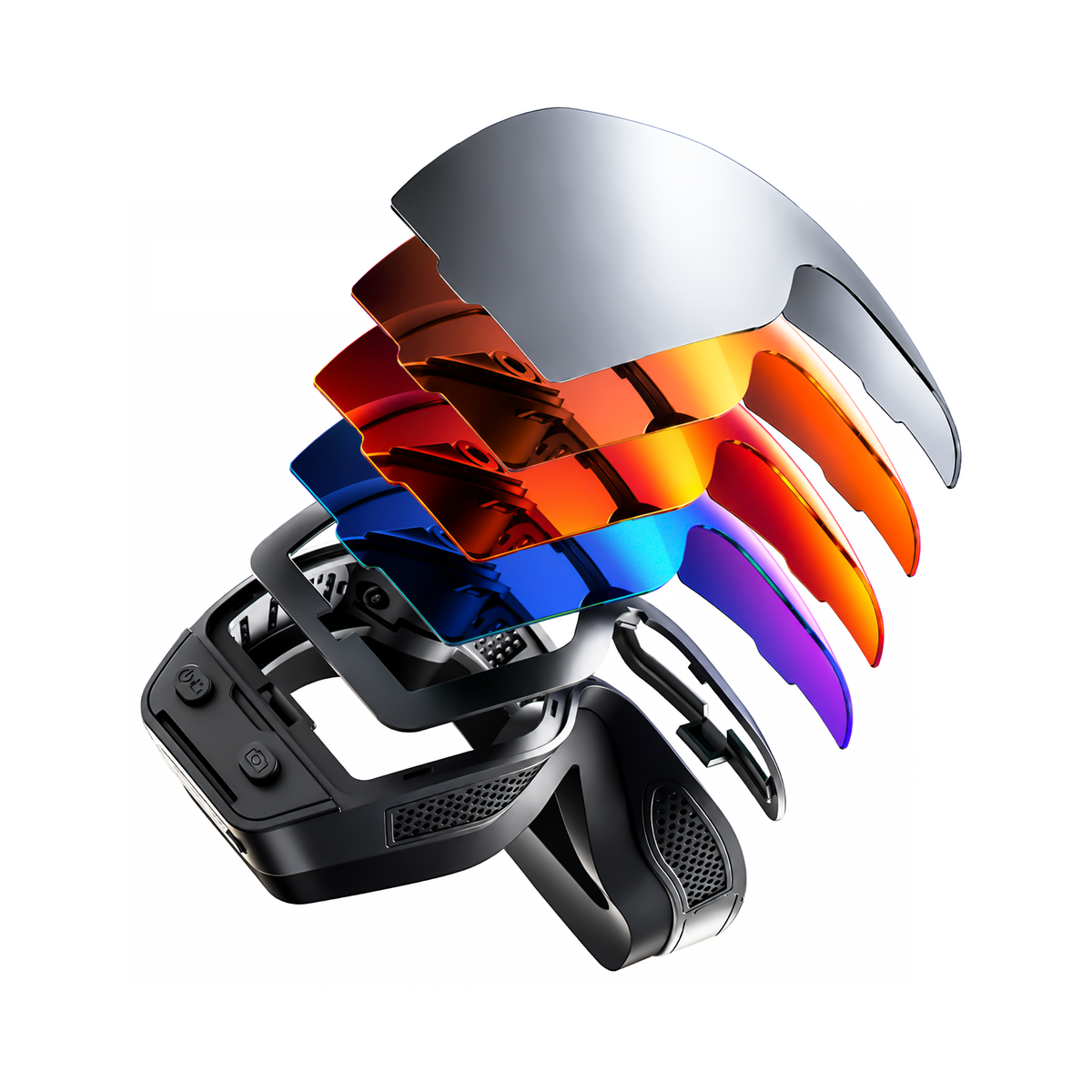
If you don't need a prescription, our replacement lenses for OHO SUNSHINE glasses are sold by model group and lens type. Options include Clear, Clear Photochromic, Polarized Black, Polarized Blue Mirror, Polarized Gradient Red, Polarized golden, Blue Light Blocking, Photochromic & Blue Light Blocking, and Yellow. Each order has one pair, and the lenses have passed ANSI/ISEA Z87.1 impact resistance testing. They also come with a 30-day mail return window in the US.
Run these checks before you order:
- Match the exact model name. Our listed compatible models are Alite, Alite Elite, Elingo, Touch, GlobeEar, Sunblazer, Livi, Edge, Edge Pro, Ease, Pulse, Focus, Vidsoul, Brave, Primex, and EIS. A similar family name does not count as a match.
- Confirm the lens type for that model. Make sure the lens you want can be selected for your exact frame. Don't assume every lens is offered on every model.
- Check lens condition and camera fit. Our lens-replacement fit checks explain how to tell lens damage from a frame fault.
- Starting fresh? If you don't own a frame yet, you can compare prescription smart glasses, including camera models, before you choose a lens.
The lenses ship free and come without frames. Because they are custom-made, read our prescription lens return and warranty policy before you place the order. The warranty covers manufacturing defects. It does not cover normal wear and tear, scratches from improper cleaning or storage, accidental damage, incorrect prescription information submitted by the customer, or prescription changes after the lenses are made. Double-check your prescription details before you submit them.
FAQs
Can photochromic and polarized functions be combined in one lens?
Yes, though it's not common. Combined photochromic and polarized lenses exist, and some become more polarized as they darken. Our prescription lens options list Photochromic and Polarized Black as separate choices, so plan to pick the one function that matters most to you.
Will photochromic lenses be completely clear indoors?
Not always. General lens guidance says photochromic lenses can keep a subtle tint indoors. If you need fully clear lenses for indoor tasks, keep that in mind, or think about a clear or Blue Light Blocking option for screen-heavy days.
What should I do if my exact frame model is not listed?
Don't order based on a model name that looks similar. Contact our customer support with your exact frame model and the lens type you want, and we'll confirm whether they work together before you buy.
Are polarized lenses good for driving?
Many people wear polarized sunglasses for driving on bright days because they cut glare from the road, the windshield, and other cars. If most of your driving happens in strong daylight, that glare control is the main reason to pick polarized.
Conclusion: Match the lens to your main light concern
Your decision ultimately hinges on your dominant light environment: photochromic suits variable indoor-to-outdoor routines, while polarized excels against reflective glare. If you already wear a compatible OHO SUNSHINE frame, our prescription replacement lenses are an easy way to act on that choice. Pick Photochromic or Polarized Black, add your prescription in the index that fits it, and keep using the frame you already have instead of buying a new pair. Always confirm that your exact frame model and chosen lens build match in the catalog before ordering to help avoid returns.



Leave a comment
This site is protected by hCaptcha and the hCaptcha Privacy Policy and Terms of Service apply.