















Choosing the best blue light glasses for multi-screen coding comes down to balancing ear-cup comfort, monitor clarity, and prescription needs. Smart eyewear with open-ear audio can help developers who struggle with headset clamping during long sessions, but standard headphones or dedicated computer eyewear remain better when isolation or exact corrective optics matter most. Treat this as a practical comfort-and-workflow choice rather than a medical solution for eye fatigue.
Are Blue Light Smart Glasses Good for Programmers?
They fit well if you want open-ear awareness and want to avoid the continuous clamp that headphones create around your ears. However, a traditional headset or your current prescription eyewear may still be the better option in other coding environments. This is an ergonomic and utility choice rather than a medical treatment, since evidence does not prove that blue-light lenses prevent digital eye strain or that open-ear audio reduces listening fatigue.

If your workspace is noisy and sound isolation matters most, a comfortable over-ear headset is typically the safer starting point. If you require vision correction, treat the exact prescription path and optical clarity across your monitors as the deciding factors before prioritizing smart audio features.
Integrated Audio vs. Over-Ear Headsets for Coding
Choose integrated audio when ear-cup pressure causes discomfort and your room allows open-ear listening. Keep an over-ear headset when you need passive isolation or already own one with comfortable padding.
When Open-Ear Audio Fits the Desk
Open-ear glasses suit shared offices and home workspaces where you need to hear coworkers, doorbells, or notifications without taking off your eyewear. Because the audio components sit in the temples rather than over your ears, the ear canal stays open, though sound can still be masked by louder background noise. Before adopting them for daily work, wear the frame through a full coding block to check temple clamp, volume levels, and voice clarity on calls.
When Over-Ear Audio Remains Better
Over-ear headsets remain the better choice in loud environments, during complex group calls, or whenever your current headphones already fit comfortably. Cushion pressure during extended wear varies widely across head shapes and ear anatomy, according to an over-ear pressure study, meaning headset discomfort is often a matter of fit rather than the format itself. For a detailed breakdown of these daily listening trade-offs, our review comparing Bluetooth glasses versus headphones explores how each style performs across different work setups.
Optical Clarity and Blue-Light Filtering for Multiple Screens
Never select blue light glasses based on a headline filtering percentage alone. Multi-screen programming requires lenses that control reflections, maintain contrast, and provide distortion-free viewing across several displays.
What a Filtering Percentage Can Tell You
A raw percentage on a product page rarely explains which wavelength spectrum is blocked or what standard was used for testing. The American Academy of Ophthalmology notes in its computer eyewear guidance that current evidence does not show blue-light-blocking lenses relieve digital eye strain symptoms. If a brand cannot provide clear documentation for its spectral testing, treat the stated number as general marketing rather than a technical specification.
What Matters More at a Multi-Screen Desk
Clear optics, anti-reflective coatings, and stable focus when shifting between monitors matter much more during long coding sprints. Test your actual workstation distance and lighting rather than relying on standard desk assumptions. Blue-light filtration should remain a secondary feature after optical clarity, and our guide on blue-light glasses evidence explains who may benefit from tinted lenses and who will not notice a difference.
Prescription and Multi-Screen Fit
Proceed with smart glasses only if the frame supports your exact prescription and provides clear vision across your working distance; otherwise, retain dedicated prescription computer glasses and use separate audio. Never assume smart frames fit comfortably over existing corrective eyewear unless explicitly documented.
Measure the actual distance from your eyes to each monitor, especially when switching between code editors, terminal windows, and reference docs. The American Optometric Association notes in its computer vision guidance that lenses prescribed for general use may not suit computer work, and that uncorrected vision or glare can increase visual fatigue. If your eyes require intermediate computer correction, verify that the smart frame accommodates your required lens thickness and power.
All-Day Temple-Arm Comfort
No pair of smart glasses can guarantee all-day comfort from specifications alone. Evaluate the physical fit during a realistic coding session before making the frame your daily workstation driver.
Test the complete frame with your corrective lenses installed, since prescription lenses add weight compared to standard demo lenses. Pay attention to pressure behind your ears, frame slippage when turning between displays, and temple warmth after an hour of active wear. Take advantage of return windows to confirm long-session comfort rather than relying on weight numbers alone.

Camera Glasses Are a Different Buying Job
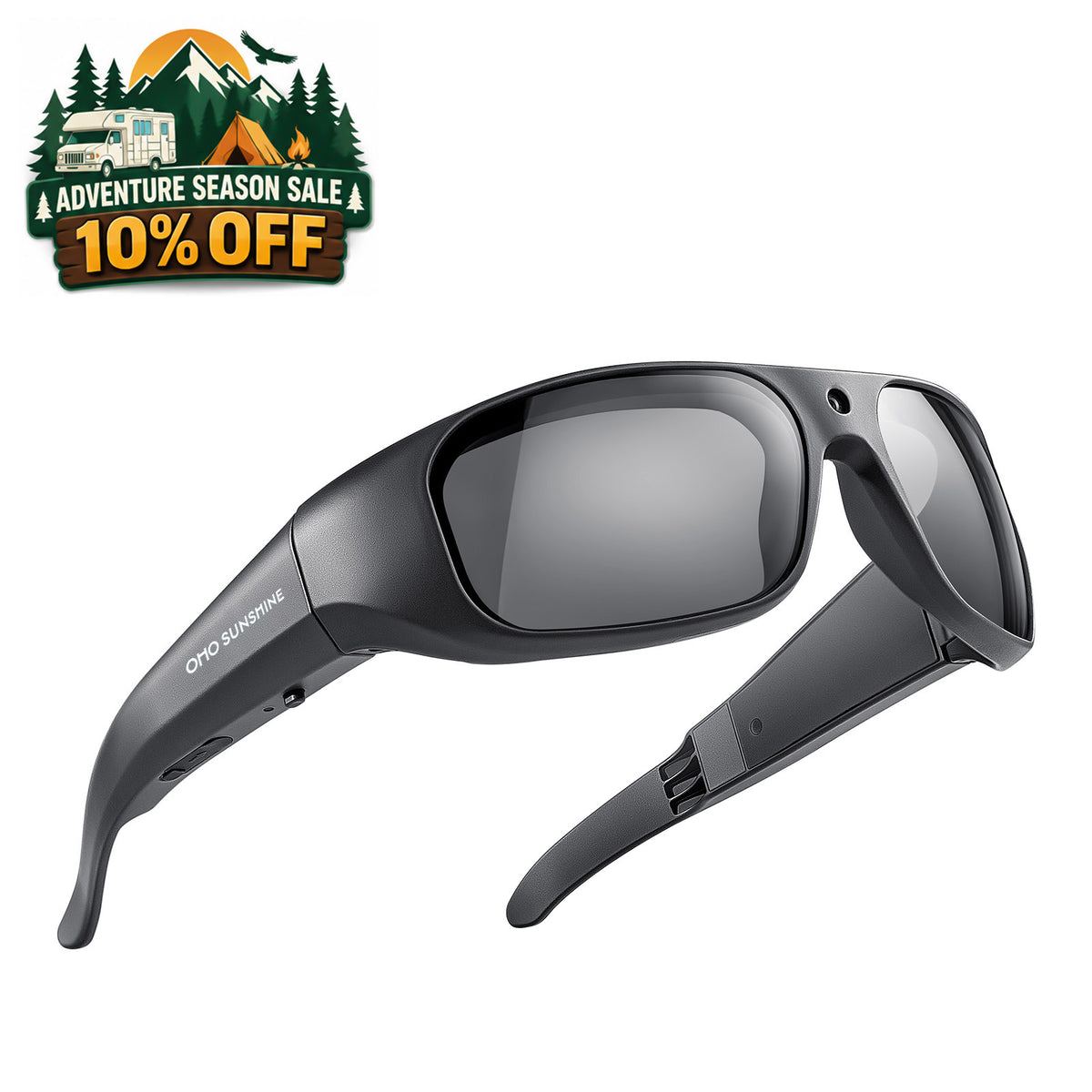
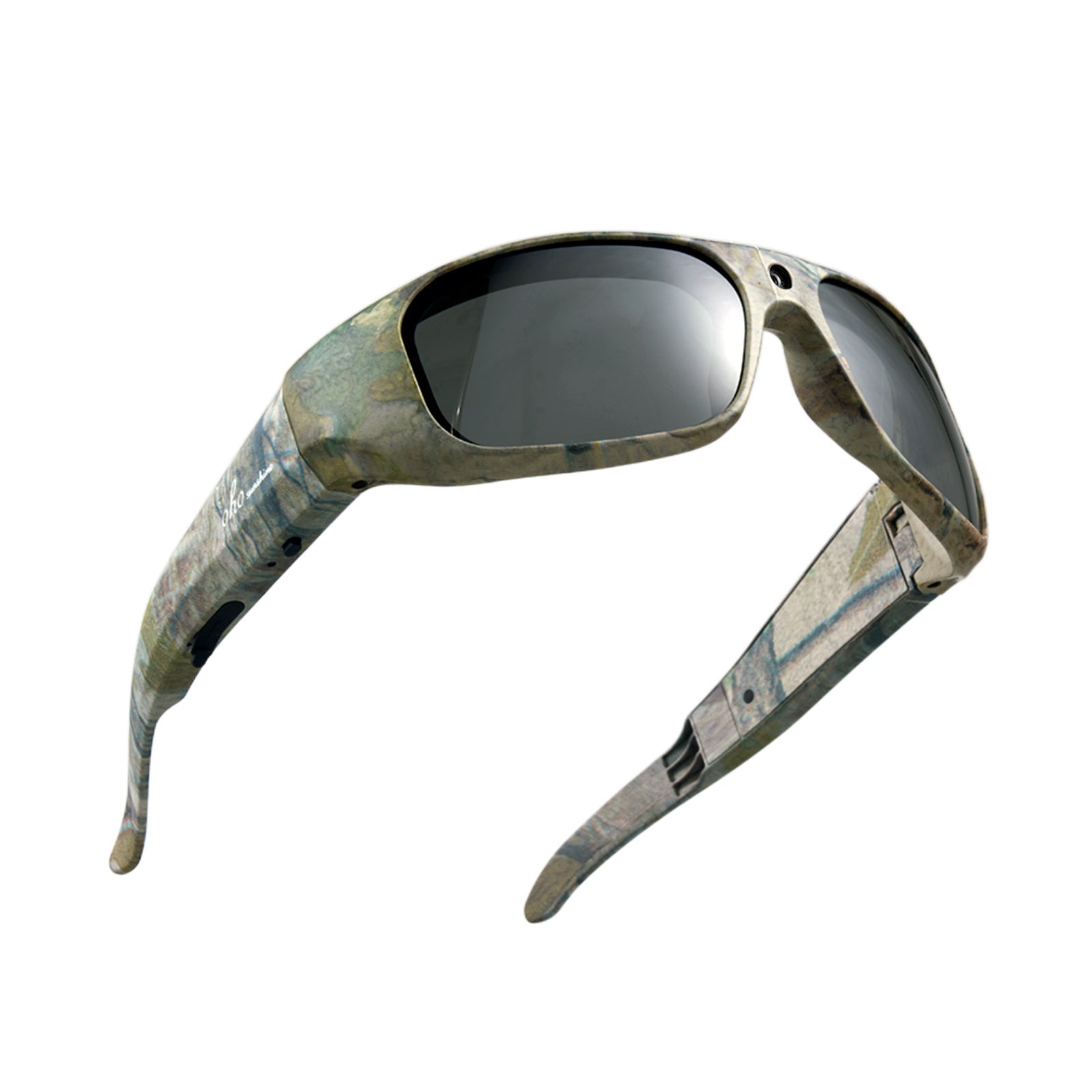
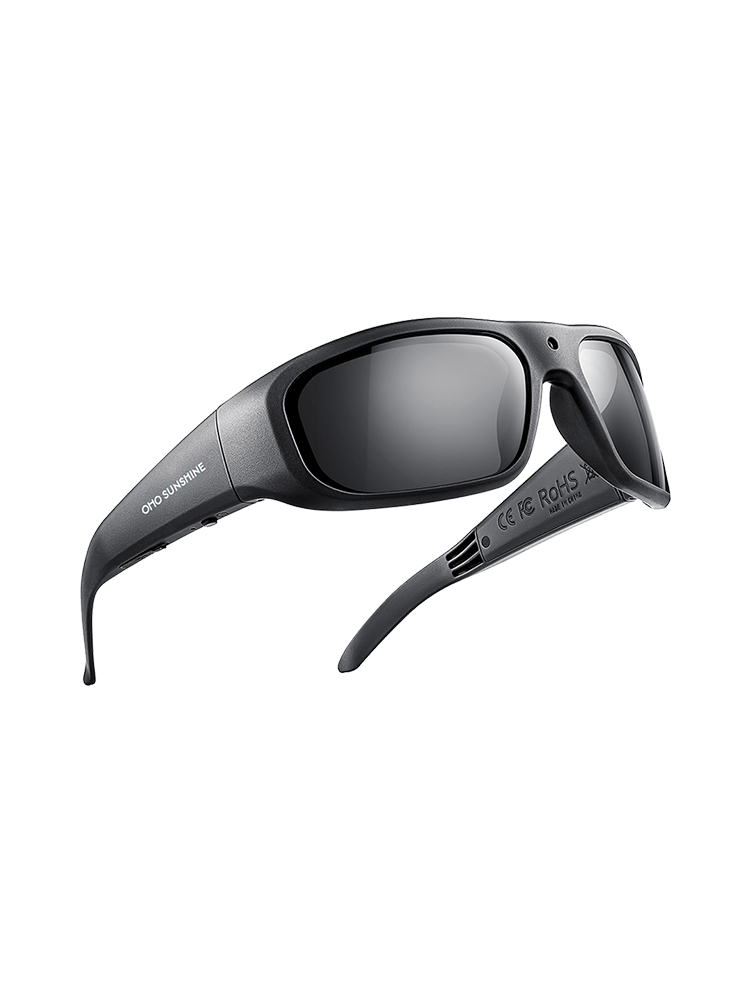
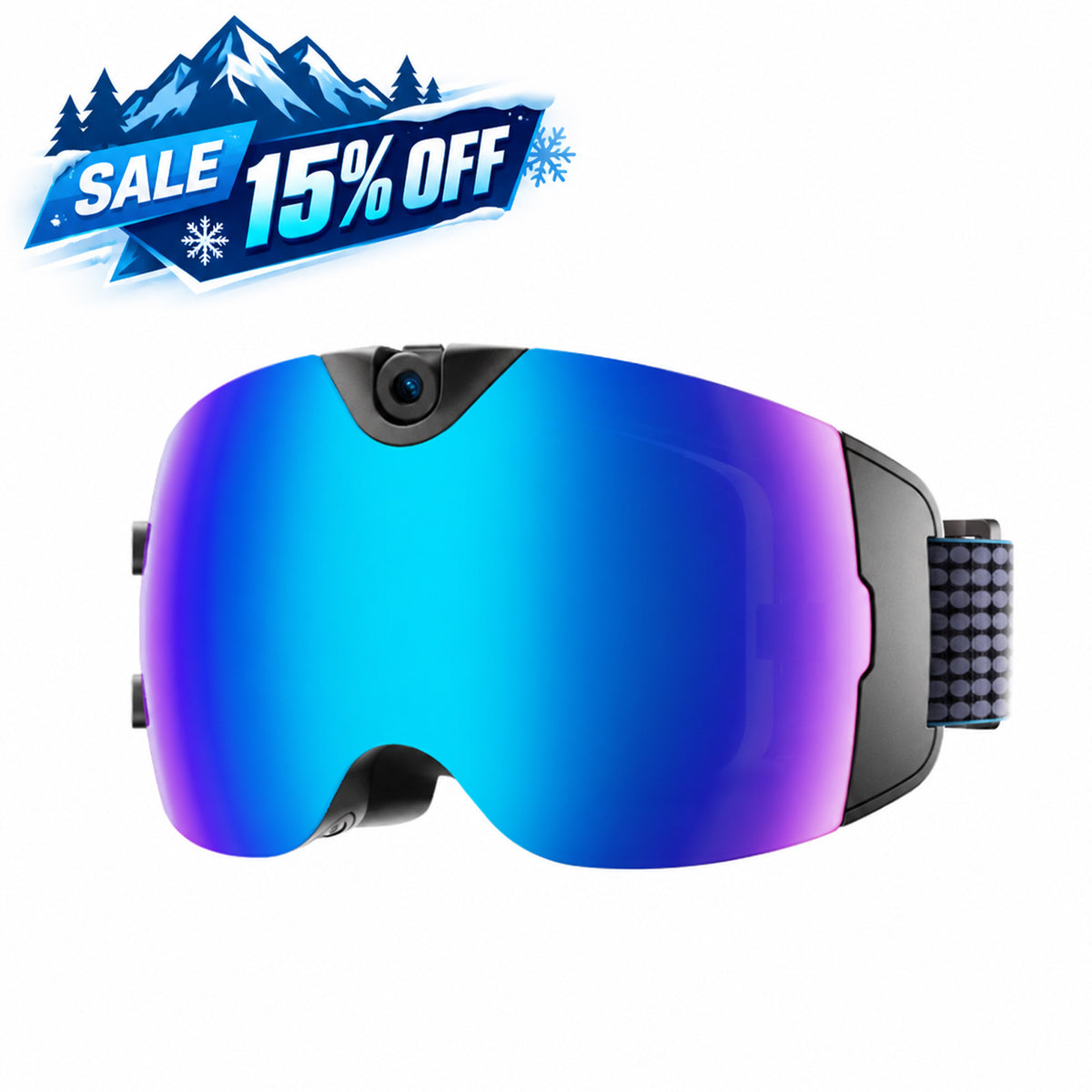
Camera glasses and smart glasses with built-in recording hardware serve content creation, not desk ergonomics. Coding eyewear must be evaluated on optical quality, prescription compatibility, audio usability, and temple comfort, none of which are improved by an integrated camera.
If you genuinely need hands-free video capture for hardware testing or setup documentation, camera features bring distinct battery and weight trade-offs. In office environments, outward-facing lenses can also introduce workplace privacy concerns among colleagues. Keep camera functionality separate from your ergonomic screen-work decision.
Which OHO SUNSHINE Fit Is Supported?
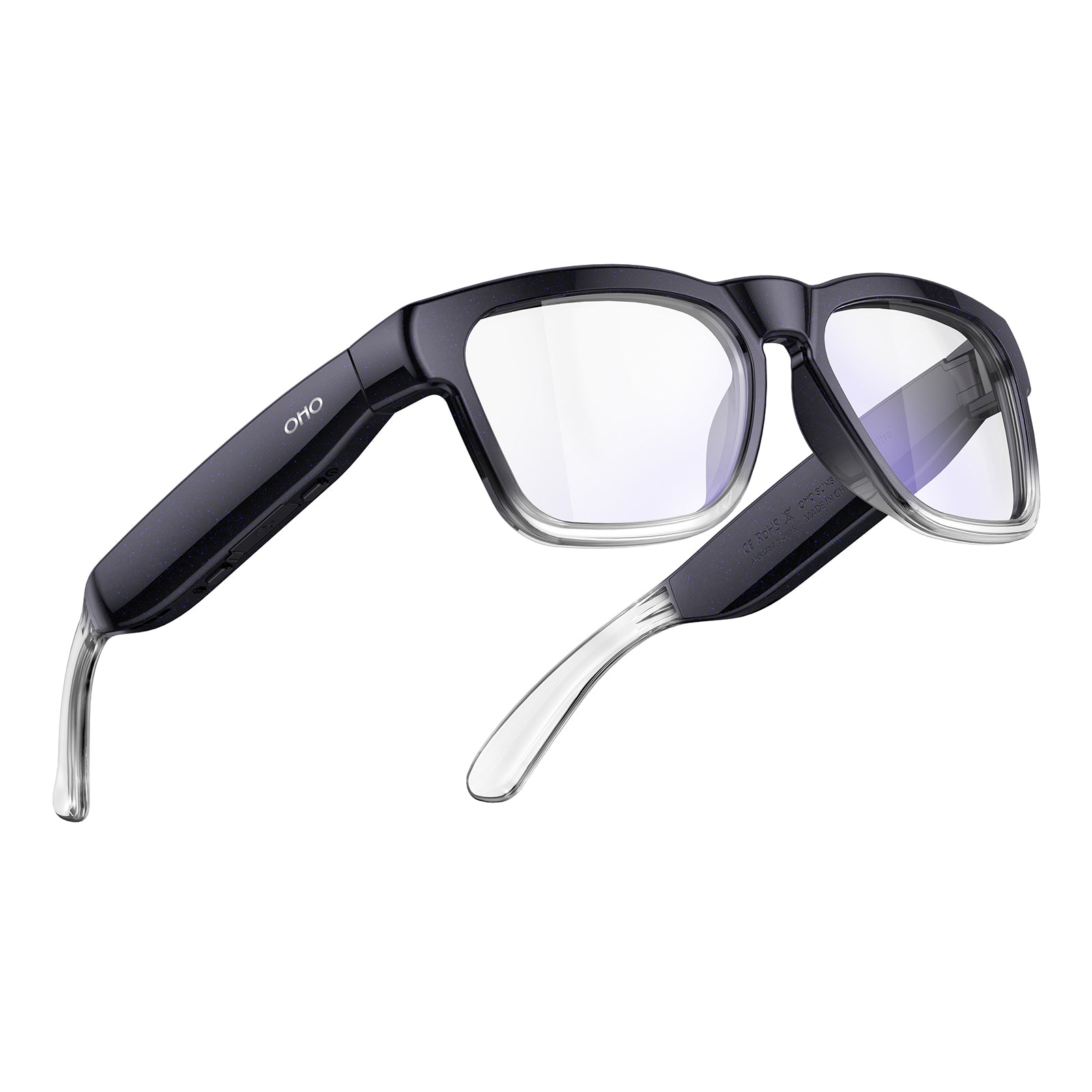
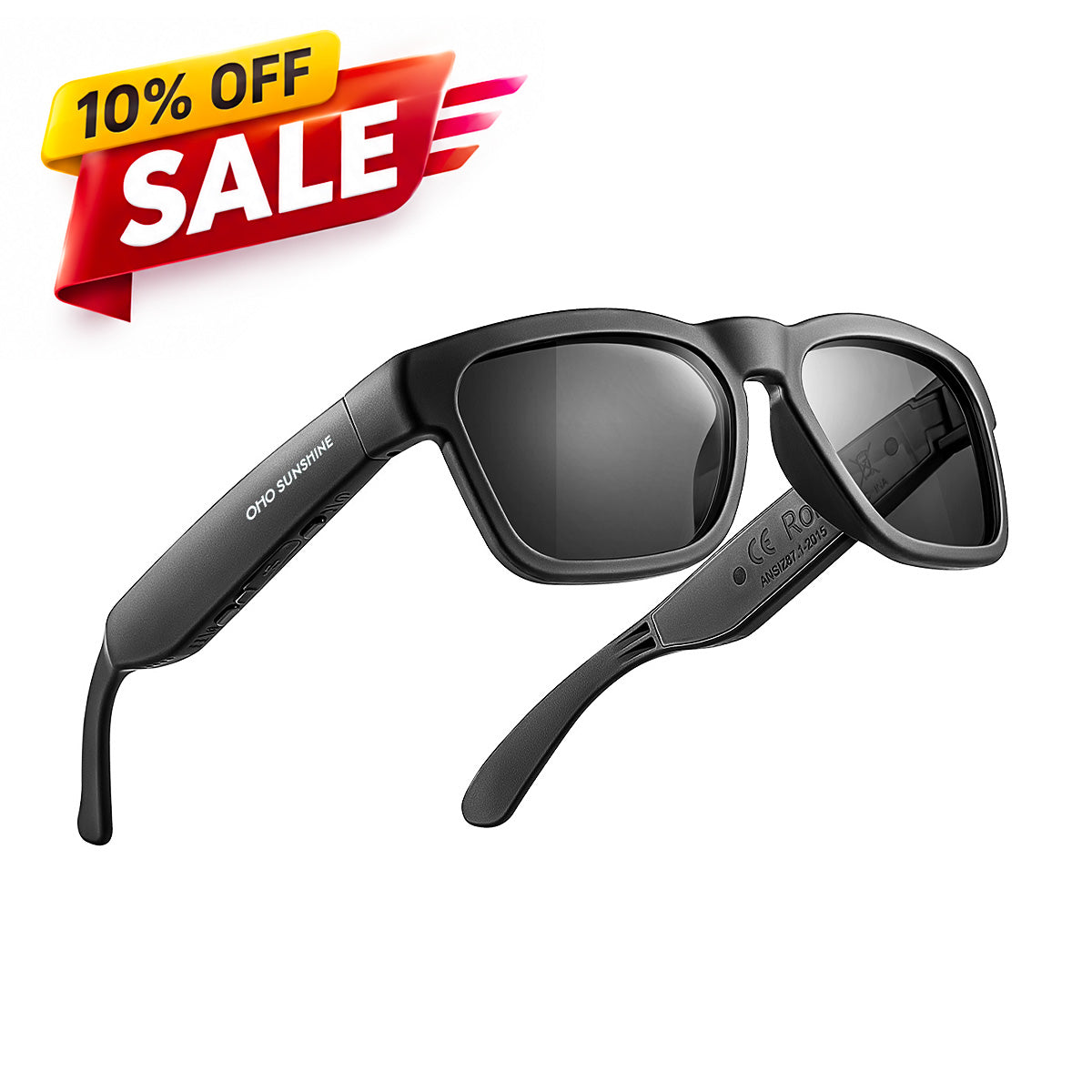
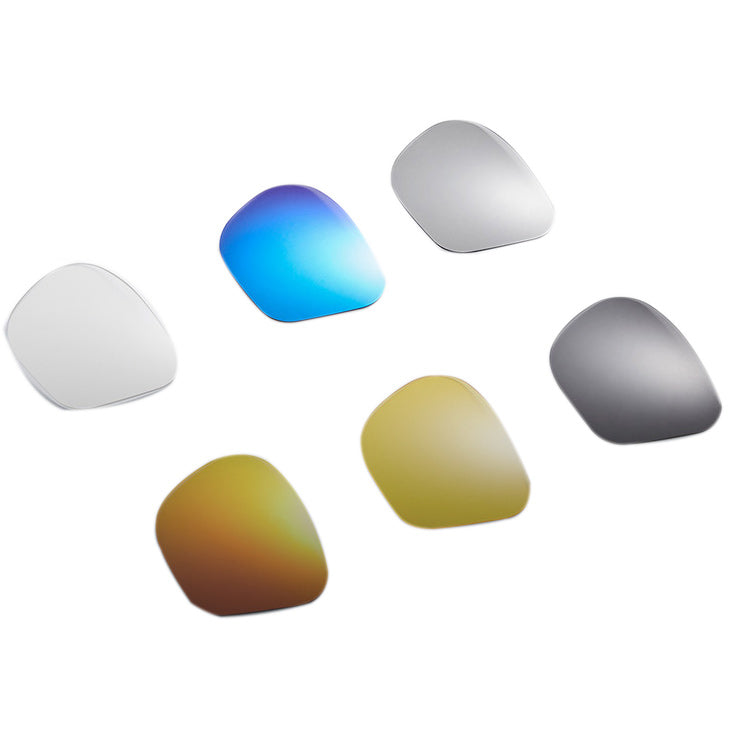
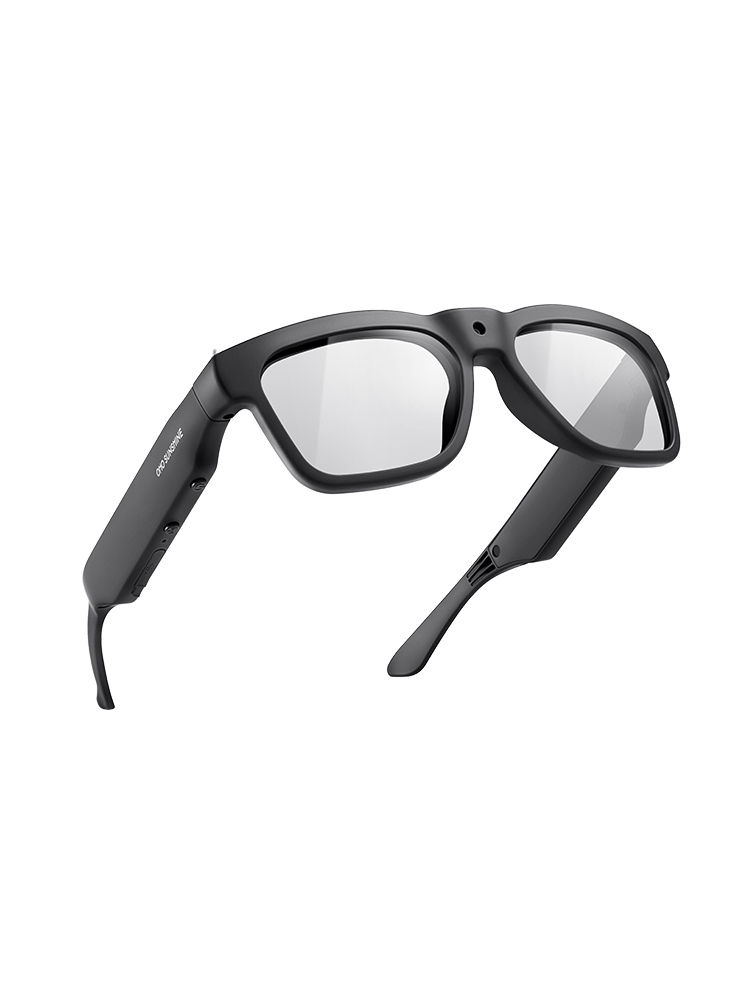
Our GlobeEar smart glasses are worth considering if you want open-ear audio for coding and can verify that the prescription-lens path fits your vision needs. They feature open-ear Bluetooth 5.2 audio, a lightweight 39-gram TR90 frame, up to 10 hours of battery life, and photochromic blue-light-blocking PC lenses.
This open-ear setup fits programmers who want call notifications and ambient awareness without the clamping pressure of traditional over-ear cups. However, we have not tested a specific blue-light filtering percentage or formal all-day comfort rating for multi-screen setups, so you should test the fit in your own work environment. Check the GlobeEar smart glasses page for prescription lens compatibility, or explore our wider work and productivity glasses collection to compare desk-ready options.
Conclusion
Trial integrated-audio smart glasses if ear-cup pressure is your main issue and your workspace allows open-ear listening. Otherwise, keep your over-ear headset for stronger isolation, or choose dedicated prescription computer glasses if multi-monitor optical clarity is uncertain.
Audio convenience should never compromise clear vision or frame comfort during long coding blocks. When you are ready to test an open-ear setup, check our GlobeEar specifications to confirm your prescription fit before ordering.
FAQs
Can GlobeEar be worn over my current prescription glasses?
No. GlobeEar is designed with replaceable lenses rather than an over-glasses frame shape. You must have your prescription fitted directly into the frame rather than wearing it over existing eyewear.
Can smart glasses handle video calls while I code?
GlobeEar includes built-in microphones with noise reduction for Bluetooth calling, which works well for quick standups and voice chats. For critical multi-party meetings, confirm that your computer audio settings recognize the Bluetooth profile smoothly.
Are camera glasses useful for programming work?
Only if your workflow specifically requires hands-free recording, such as filming hardware prototypes or desk setups. Camera components add weight and do not improve monitor visibility, so standard blue-light or audio frames are better for pure coding.
What should a blue-light filtering percentage include before I trust it?
Look for the exact nanometer wavelength band being filtered and the specific laboratory test standard used. A generic percentage without testing data does not provide reliable information about lens performance or screen color accuracy.




Leave a comment
This site is protected by hCaptcha and the hCaptcha Privacy Policy and Terms of Service apply.