















Photochromic lenses and blue light blocking glasses solve two different problems, so there is no single winner: choose photochromic lenses for automatic adaptation to changing outdoor brightness, or choose blue light blocking glasses when you want a stated short-wavelength filtering specification. Neither feature is a substitute for eye care, and both treatments should be confirmed separately on the exact listing if you want them together.

What Photochromic Lenses Change—and What They Do Not
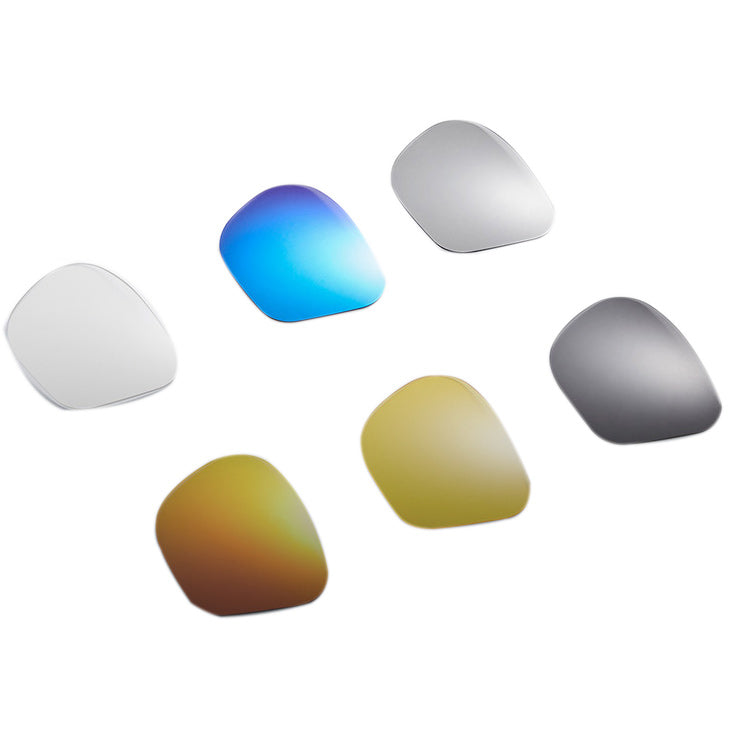
Photochromic lenses change how much visible light reaches your eyes by reacting to UV exposure in daylight, not by filtering one fixed band of the spectrum.

The Light-Triggered Tint Change
The lens material contains molecules that shift into a darker state when they absorb UV energy. As that exposure drops, the molecules relax toward a clear or lighter state. Outdoors in direct sun, the lens gets darker within a period that depends on the lens design. Indoors, the tint generally fades as the triggering UV exposure decreases.
Conditions That Change the Result
- Car windshields can limit the UV that reaches the lens, so photochromic lenses often darken less behind glass than they do outdoors in open air. Temperature and lens design can also affect how quickly the tint changes, so darkness level and transition speed vary rather than following one universal number (Penn State's reversible-sunglasses explanation).
- If driving or spending substantial time behind glass matters, verify how the exact photochromic lens is intended to behave behind a windshield instead of assuming full darkening.
What Blue-Light Filtering Changes—and What It Does Not
Blue light blocking glasses are built to attenuate a selected range of short-wavelength visible light, and that is a separate job from tint adaptation.
Filtering Is About Selected Wavelengths
A blue-light lens reduces the amount of light in a chosen part of the visible spectrum that passes through to your eye. It does this at a fixed level built into the coating or lens material, so it does not automatically darken outdoors the way a photochromic lens does. Because manufacturers can choose different wavelength ranges and filtering strengths, one blue-light label does not guarantee the same result as another.
What the Evidence Does—and Does Not—Show
- Blue-light-blocking lenses are defined by their ability to attenuate short-wavelength light, and blue-light-blocking lenses attenuate short-wavelength light in a randomized trial that compared them with clear lenses during computer use.
- That same trial found no measurable difference in reported eye strain between the blue-light lens and the clear lens in its tested setting.
- A broader review of the available research concluded that systematic-review evidence does not establish a reliable general benefit for eye strain, visual performance, or sleep from blue-light filtering spectacle lenses. Treat the feature as an optional specification you may prefer, not a guaranteed comfort or eye-care solution; our blue-light evidence guide walks through the available evidence.
UV Protection, Tint, and Blue-Light Filtering Are Different Checks
Read UV protection, visible tint, and blue-light filtering as separate listing fields. Each answers a different question about the lens.
UV Protection Is Its Own Specification
Look for an explicit UV-protection statement, such as a UV400 rating, in the exact product listing. A darker photochromic tint or a blue-light-blocking label does not, by itself, confirm UV performance. That protection has to be stated separately.
Tint and Filtering Answer Different Questions
Tint adaptation describes how the lens responds to changing outdoor and indoor light. Blue-light filtering describes which slice of the visible spectrum the lens reduces, regardless of how bright it is outside. Check the listing's tint description and filtering details as distinct specifications.
Match the Lens Feature to Your Day
The right feature depends on how often your day actually moves between screens and daylight, not on which lens sounds more advanced.
Mostly Indoors With Screens
If you spend most of the day at a desk and rarely step into strong daylight, photochromic adaptation has little to react to. In that case, compare blue-light filtering only if you personally want that stated specification, keeping the evidence boundary above in mind rather than expecting a guaranteed comfort benefit.
Frequent Office-to-Outdoor Movement
If you regularly walk, commute, or run errands between indoor spaces and bright daylight, photochromic adaptation directly answers your main inconvenience. Keep the windshield and temperature limitations from the earlier section in mind so you do not expect the same darkness level in every setting.
A Routine That Needs Both
Some routines genuinely include both long screen sessions and frequent bright-light transitions. A combined lens direction can fit that pattern, so compare listings that offer both features and then use the dedicated verification sequence below.
| Daily pattern | Lens direction | Why |
|---|---|---|
| Mostly indoors | Compare blue-light filtering if desired | The main choice is a stated filtering preference, not automatic outdoor tint change. |
| Frequent transitions | Prioritize photochromic lenses | They directly address movement between indoor spaces and bright daylight. |
| Both needs | Look for both features | The routine calls for two lens functions, so verify the listing before ordering. |
Use the matrix as a starting point, not a ranking. If outdoor glare is also part of your routine, our photochromic lens tradeoffs comparison covers how photochromic lenses stack up against polarized options.
Can Photochromic and Blue-Light Filtering Be Combined?
Yes, a single pair of glasses can carry both treatments, but combination is a fact you verify on the exact listing, not something you should assume from a general product category.
Verify the Three Lens Claims
- Confirm the listing states a photochromic or light-adaptive lens, not just a tinted or polarized one.
- Confirm the listing separately states a blue-light filtering or blocking treatment, ideally with the wavelength range or a similar specification.
- Confirm the listing states a UV-protection rating on its own, since neither of the first two facts proves it.
- Compare those lens details with your actual routine, including whether you need the lens to darken behind a windshield, before ordering.
A Supported Combined-Feature Example
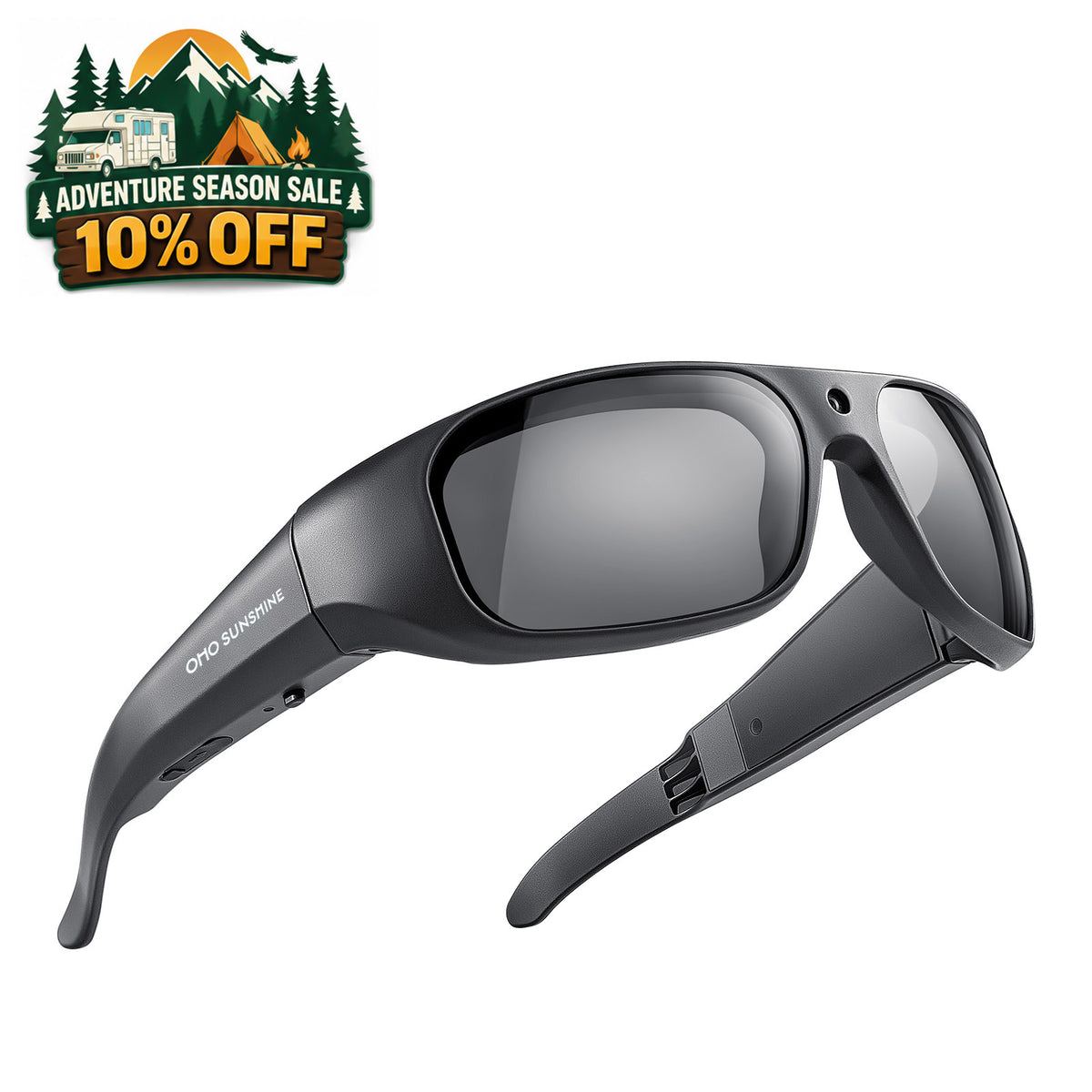
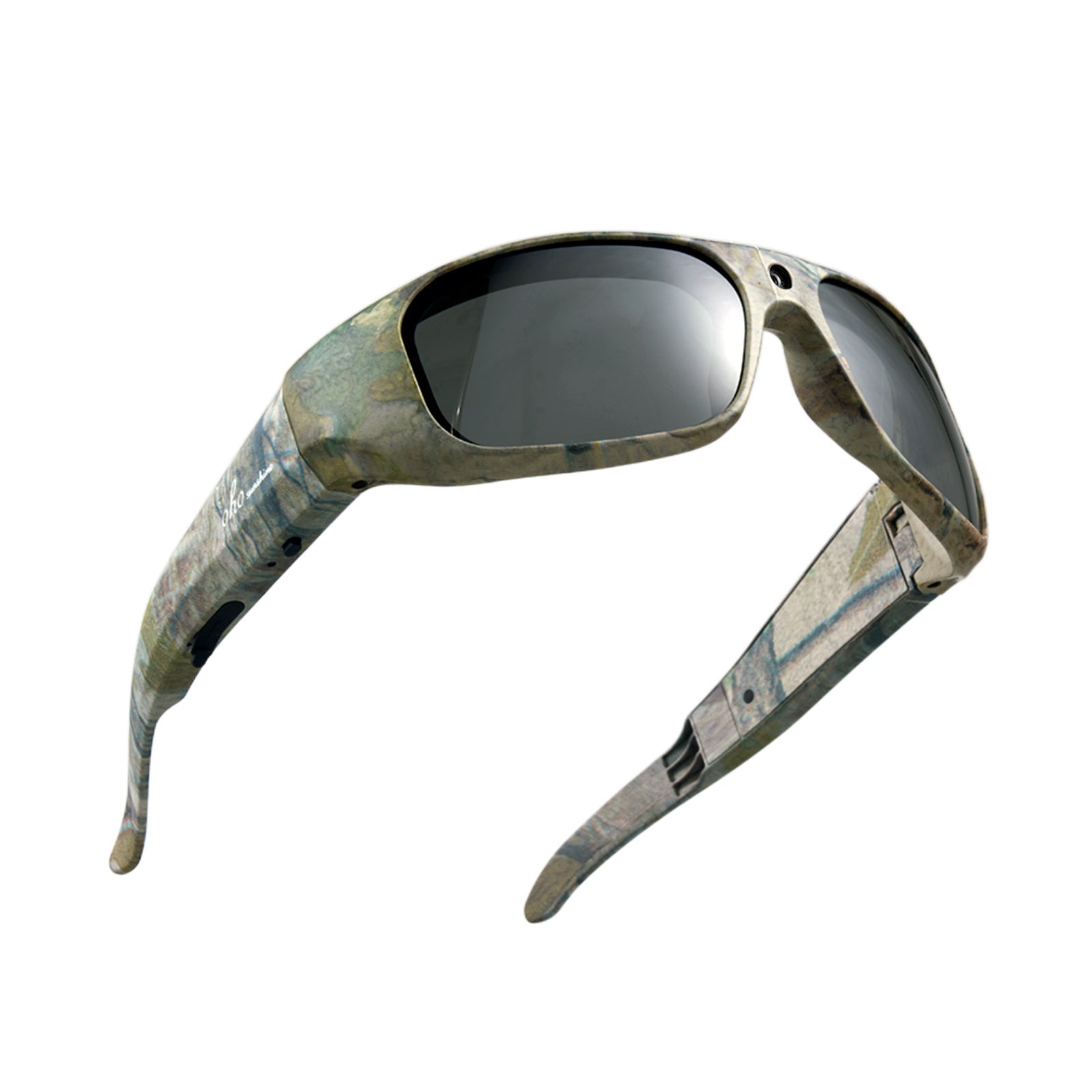
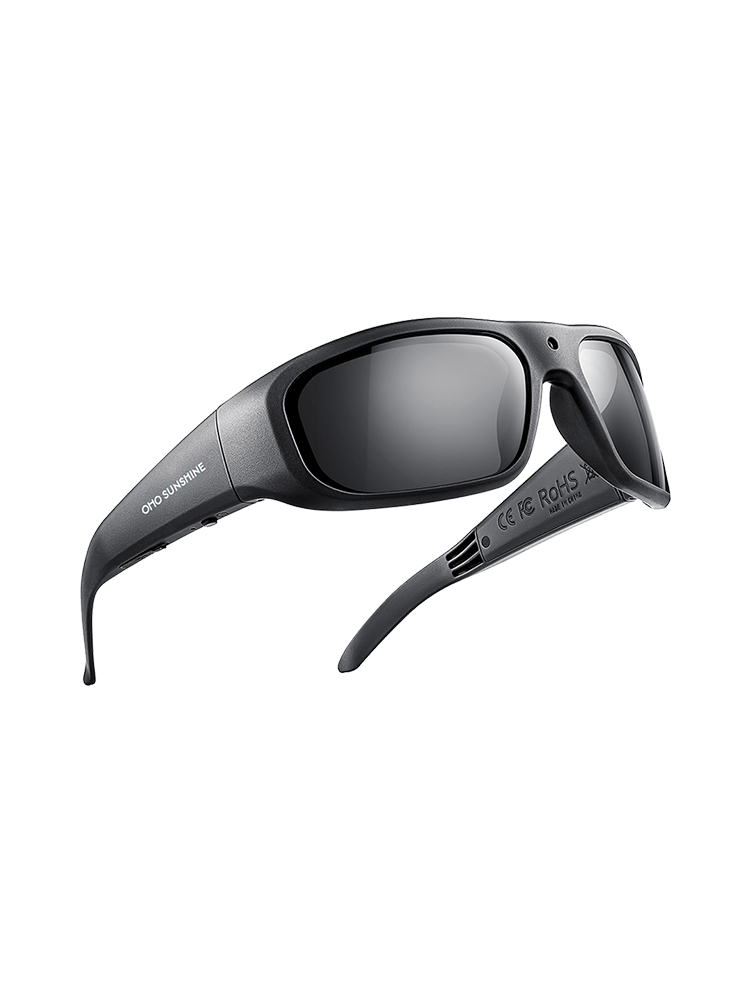
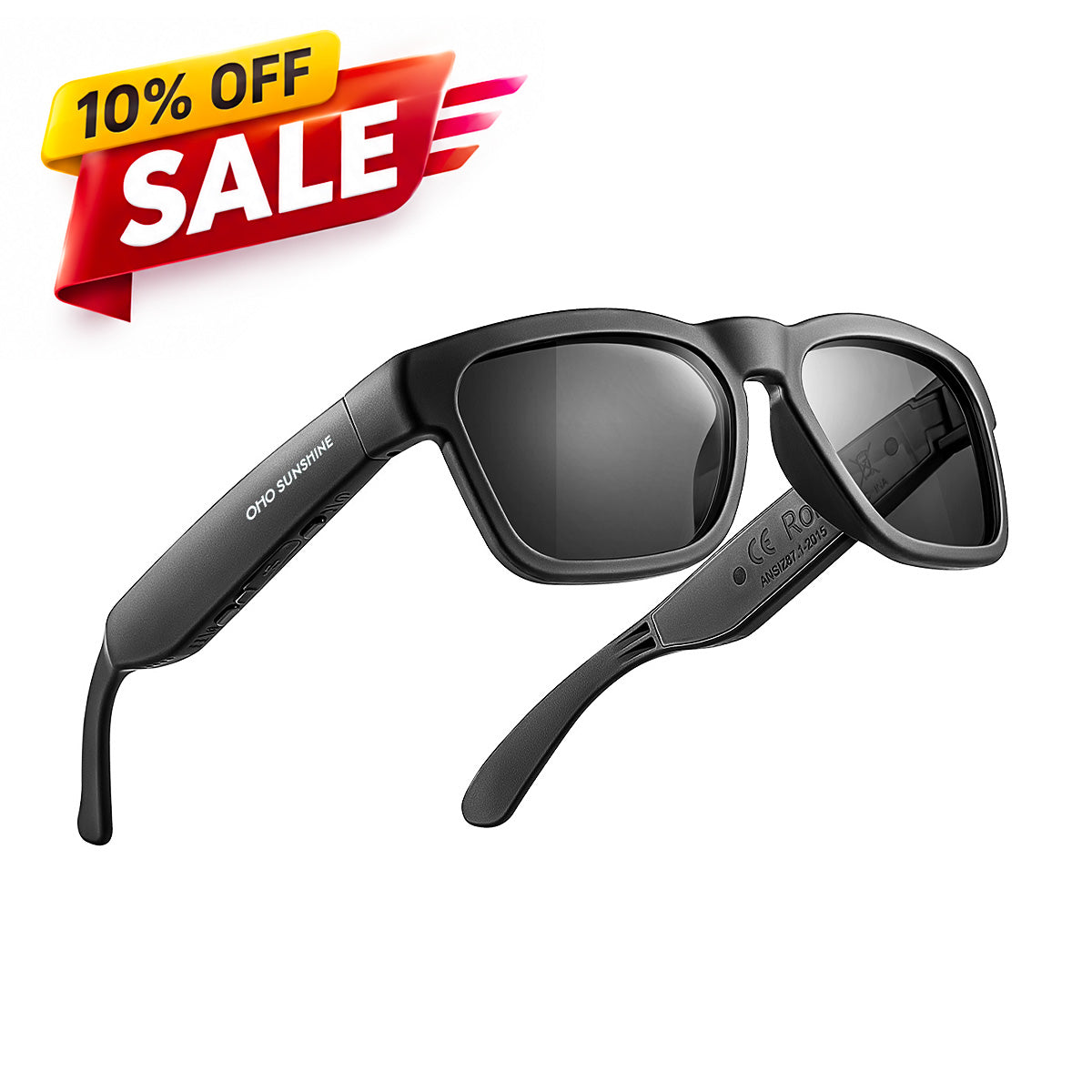
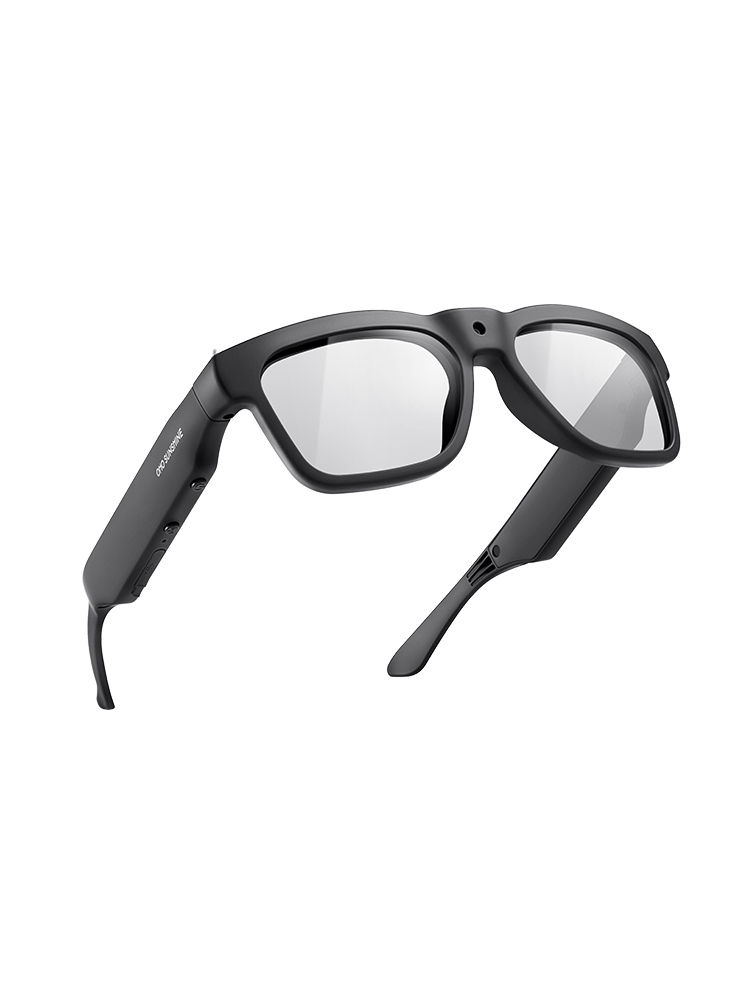
Our OHO SUNSHINE Touch Camera Glasses are one concrete example of this combination in practice. The listing identifies blue-light blocking and a photochromic lens together, with UV400 protection listed as its own separate specification. That combination is specific to this combined photochromic camera glasses listing, so use it as a model for what to look for rather than assuming every photochromic product includes blue-light filtering.
Where Smart Glasses Fit: Capture, Translation, or Lens Needs
Camera and AI smart glasses solve a different problem than either lens treatment: they add hands-free recording, audio, or translation on top of whatever lens is built into the frame.
Lens Features Versus Smart Functions
| Category | Primary Function | Best-Fit Routine | Limitation & Verification |
|---|---|---|---|
| Photochromic lenses | Automatic tint change with UV exposure | Frequent indoor-to-outdoor movement | Behavior changes with UV and conditions rather than acting as a fixed wavelength filter; check the exact lens behavior and choose this feature when adaptation matters. |
| Blue-light filtering | Attenuates selected short-wavelength light | Screen-focused routines with a filtering preference | Filtering remains a product specification and does not automatically change tint; check the stated wavelength range or transmission details when that comparison matters. |
| Smart glasses, camera or AI | Hands-free recording, audio, or translation | Task-specific capture or translation needs | Not a lens-treatment substitute; check model battery, app, and recording limits. |
Our Task-Driven Product Examples
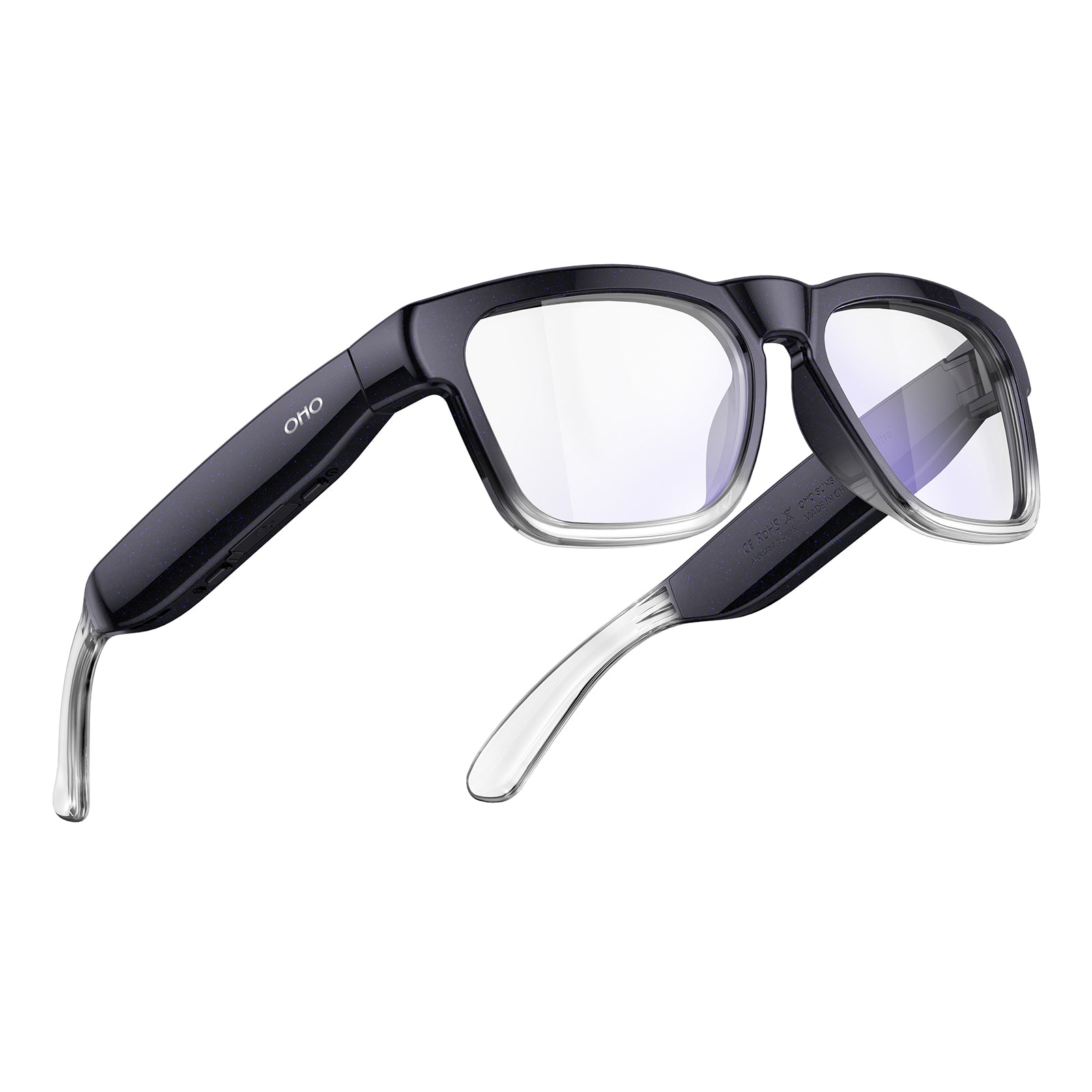
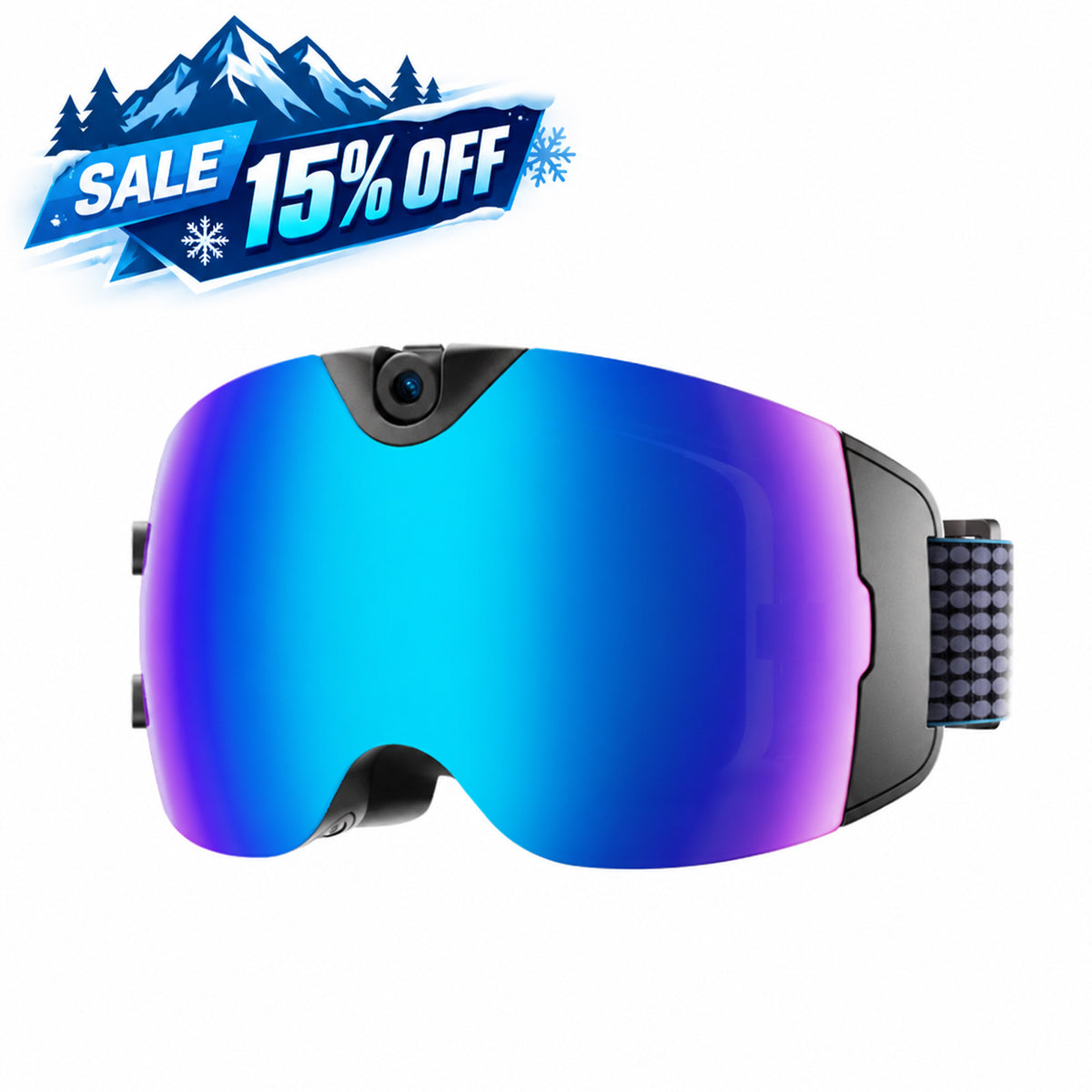
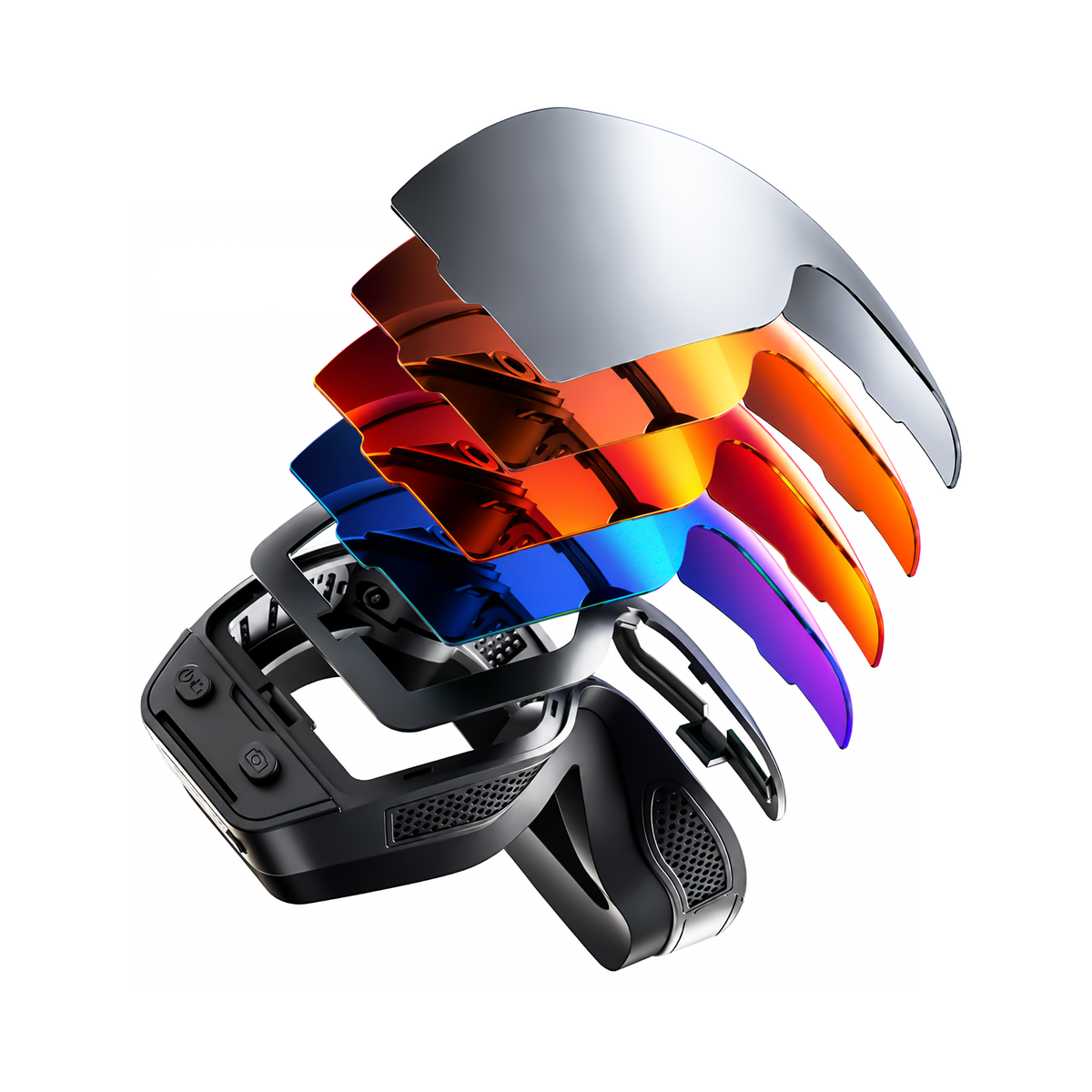
If your separate need is hands-free video or photo capture alongside a combined lens, our OHO SUNSHINE Touch combined-lens camera glasses record 1080p video and 16MP photos with blue light blocking and photochromic lenses built in, backed by a 90-minute battery for shorter outings. If your task is 4K capture plus real-time translation, our OHO SUNSHINE Edge Pro translation glasses record 4K video, translate in real time across 165 languages, and also list a photochromic lens with UV400 and blue-light protection. Neither example proves general translation accuracy or all-day comfort; those depend on your own use pattern. If real-time translation is your main driver, browse our AI translation glasses collection to compare available models.
The Final Buying Check
Use a short decision path before placing an order: identify the problem you are solving, choose the lens direction that matches it, then confirm the exact listing details and any separate smart functions.
- Identify your dominant light problem: frequent bright-to-indoor transitions point to photochromic lenses, while a deliberate filtering preference points to blue-light blocking glasses.
- Choose photochromic lenses for automatic outdoor tint adaptation, blue-light filtering for a stated wavelength-related preference, or both when your routine needs both functions.
- Read the exact listing for the claimed lens treatment and compare its stated behavior with your routine before adding the item to your cart.
- If you also want camera capture, video, or translation, treat that as a separate purchase decision and check the exact model's battery, app, and recording details. If that task fits your routine, our smart glasses collection is worth a look once your lens priorities are settled.
FAQs
Do Photochromic Glasses Block Blue Light?
Not automatically. Photochromic behavior and blue-light filtering are separate treatments, and one does not guarantee the other. A combined product exists, but only the exact listing that names both treatments confirms you are getting them together.
Are Smart Glasses Suitable for All-Day Wear?
There is no universal answer. Suitability depends on the exact model's lens treatment, battery life, app or phone requirements, recording behavior, and physical fit, so check those details for the specific pair you are considering rather than assuming smart glasses behave like standard eyewear all day.
How Do I Choose the Right Lens for My Daily Routine?
If you mostly stay indoors, compare blue-light filtering only if you want that specification. If you move frequently between indoor spaces and bright daylight, photochromic adaptation is the more directly useful feature. If both apply, use the combined-feature verification steps before ordering.
What Are the Disadvantages of Photochromic Lenses?
Activation speed and clearing speed vary by lens design and temperature, so the same pair can behave differently in different weather. Windshields also block much of the UV that triggers darkening, so photochromic lenses commonly darken less while driving than they do outdoors.




Lämna en kommentar
Denna webbplats är skyddad av hCaptcha och hCaptchas integritetspolicy . Användarvillkor gäller.