





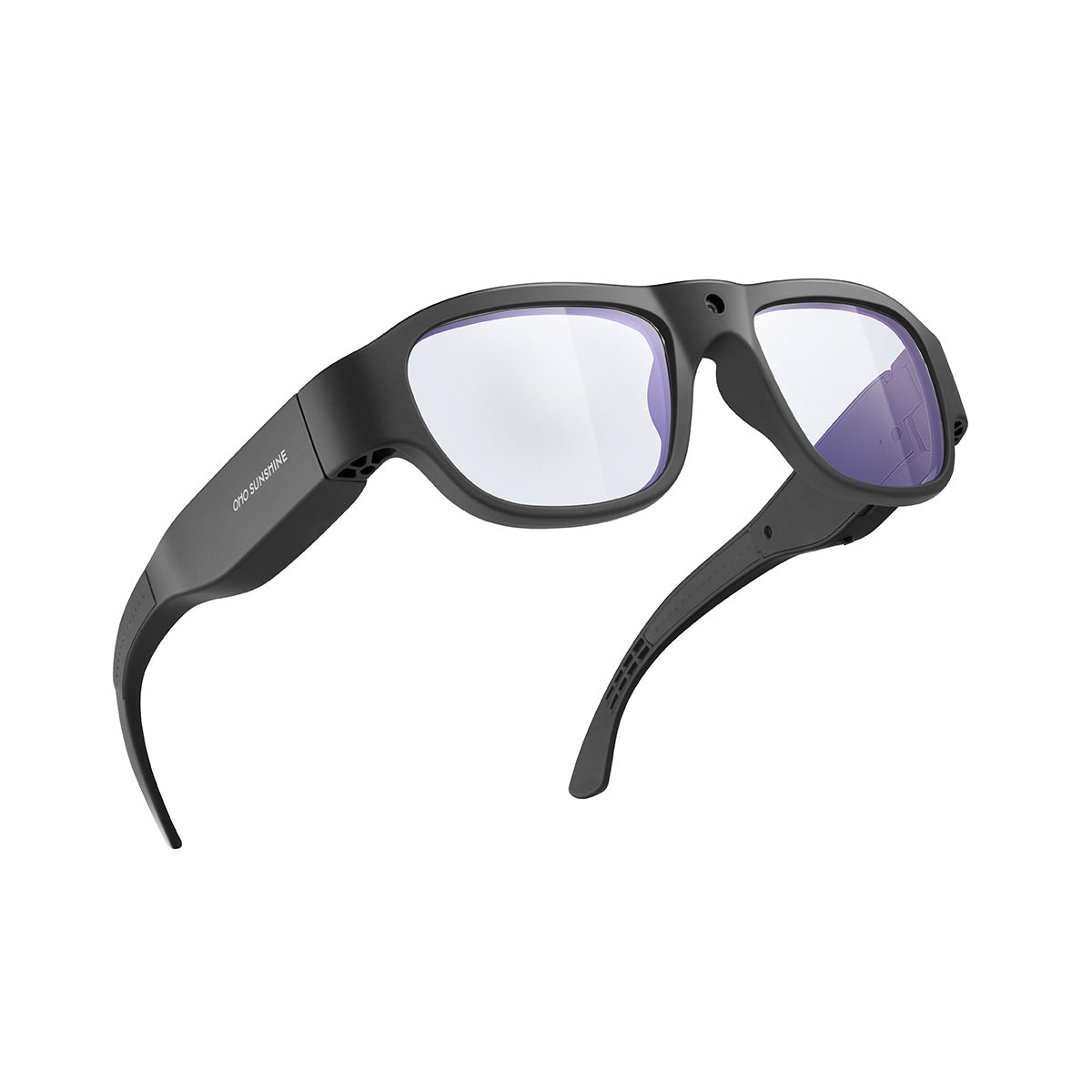

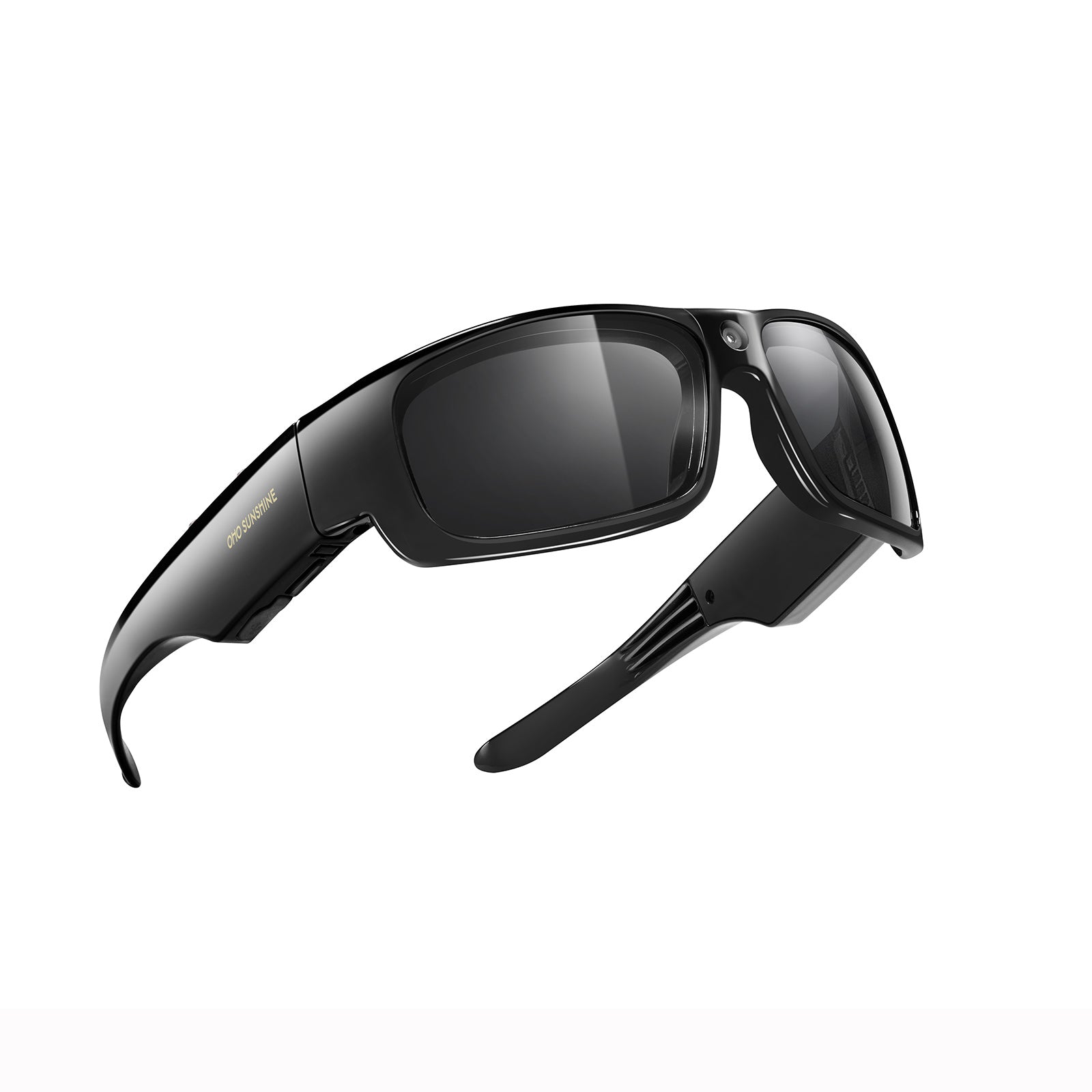


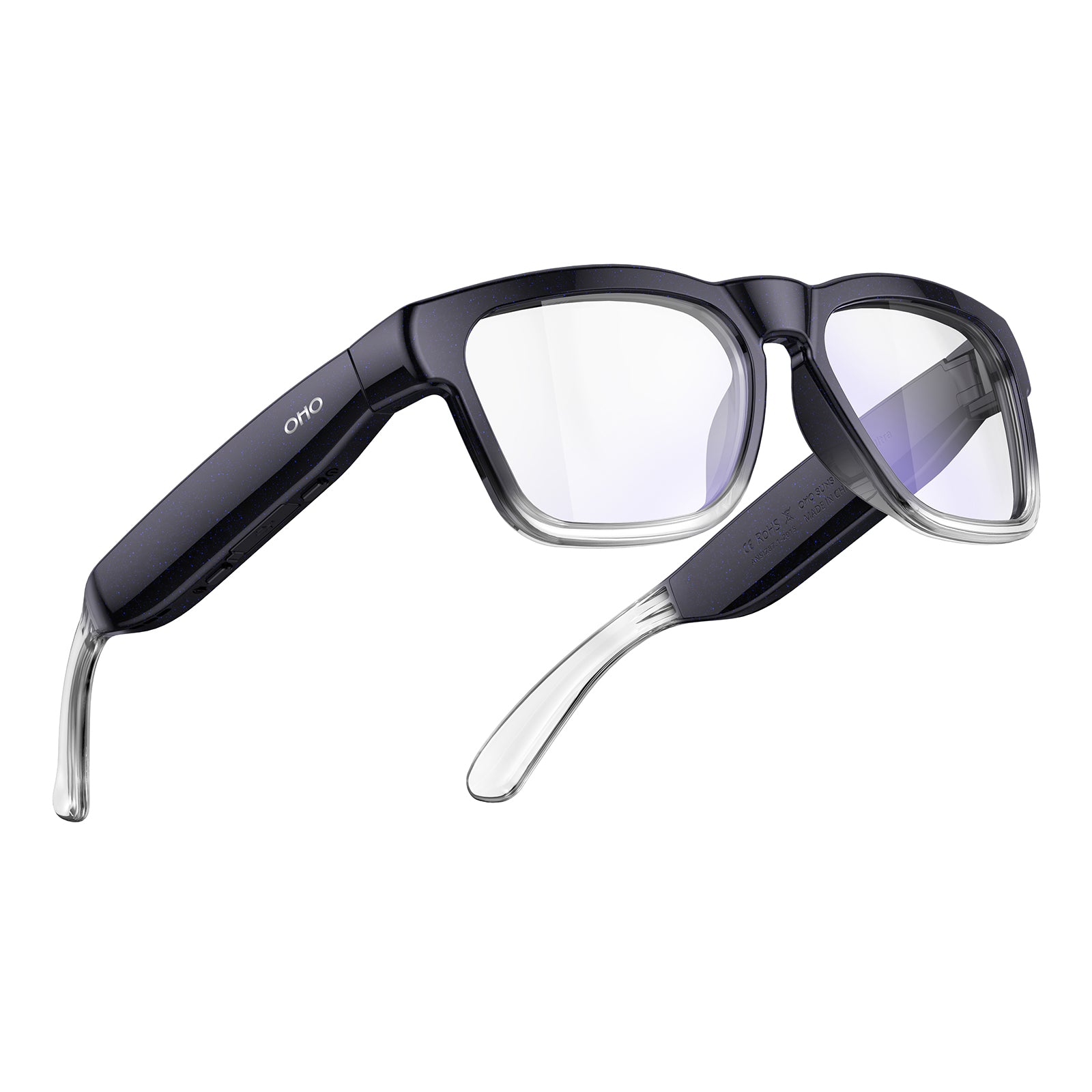
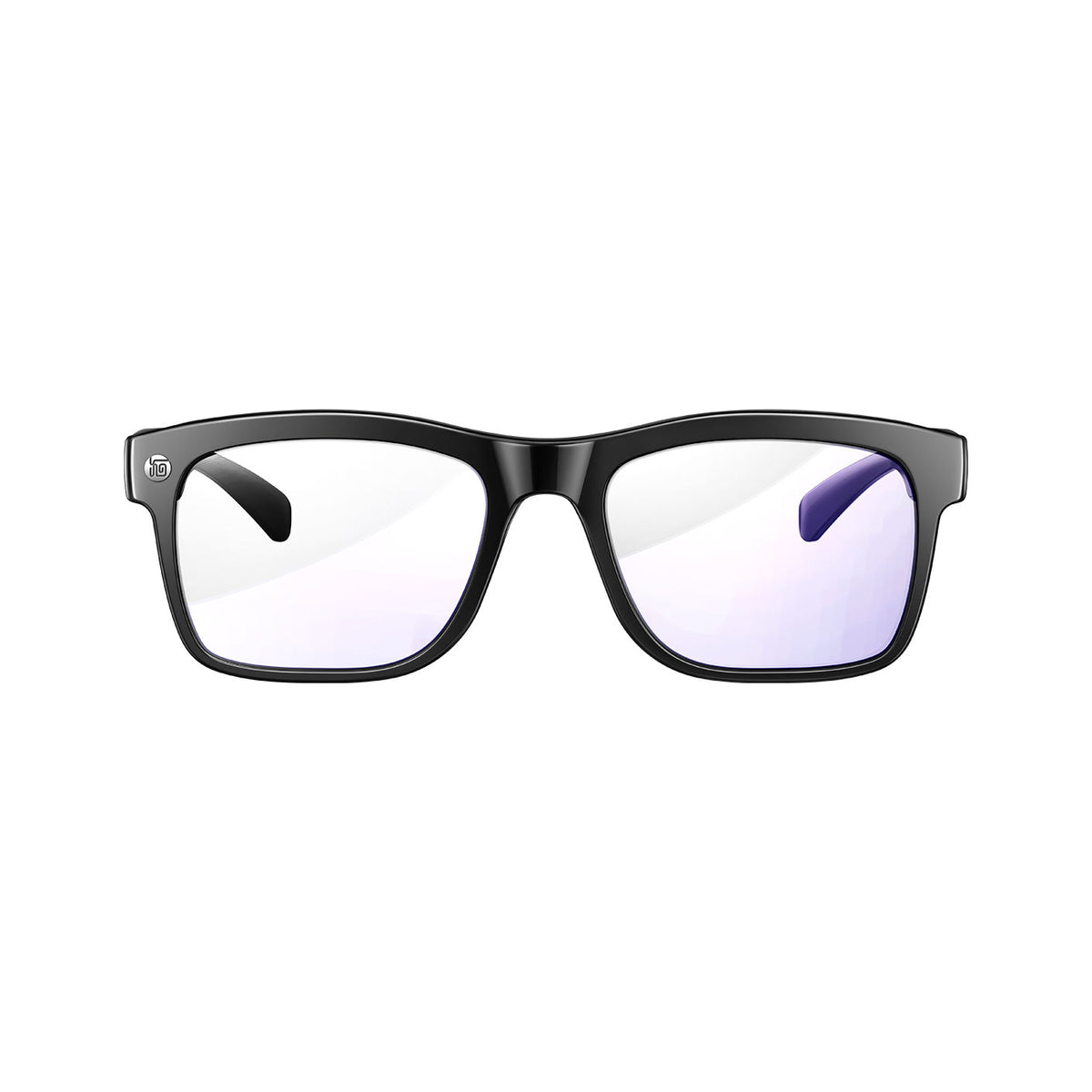








Smart glasses can replace your everyday glasses, but only if two things check out. First, the exact frame and lens setup has to give you the vision correction you rely on. Second, the frame has to stay comfortable and useful through your normal day. If either check is still open, keep your regular pair as your main glasses and use smart glasses as a companion for camera or audio features when you want them. Settle vision and daily wear before you compare smart features.
Check Vision Needs and the Exact Lens Setup
Start with the correction you rely on
Start by naming what your current pair does for you. Single-vision lenses correct one viewing distance, like driving or reading. Multifocal and progressive lenses cover more than one distance in a single pair. A smart frame can only replace your everyday glasses if it matches that same correction. Getting a lens of the right "type" is not enough. The lens also has to be made correctly for your eyes.
General eyewear guidance from the American Academy of Ophthalmology covers prescription and pupil-distance alignment. With custom glasses, lenses are made from your prescription and the distance between your pupils, and your pupils need to line up with the optical center of each lens for the best correction. The same guidance says larger lens shapes give stronger or multifocal prescriptions enough room, and lenses that are too small can cause distortion or a prism effect. Frames should also sit comfortably on your face, the bridge of your nose, and your ears. These are checks for eyewear in general. They do not prove that any particular smart-glasses model fits your prescription, but they tell you what to ask about.
Confirm the exact model's lens route
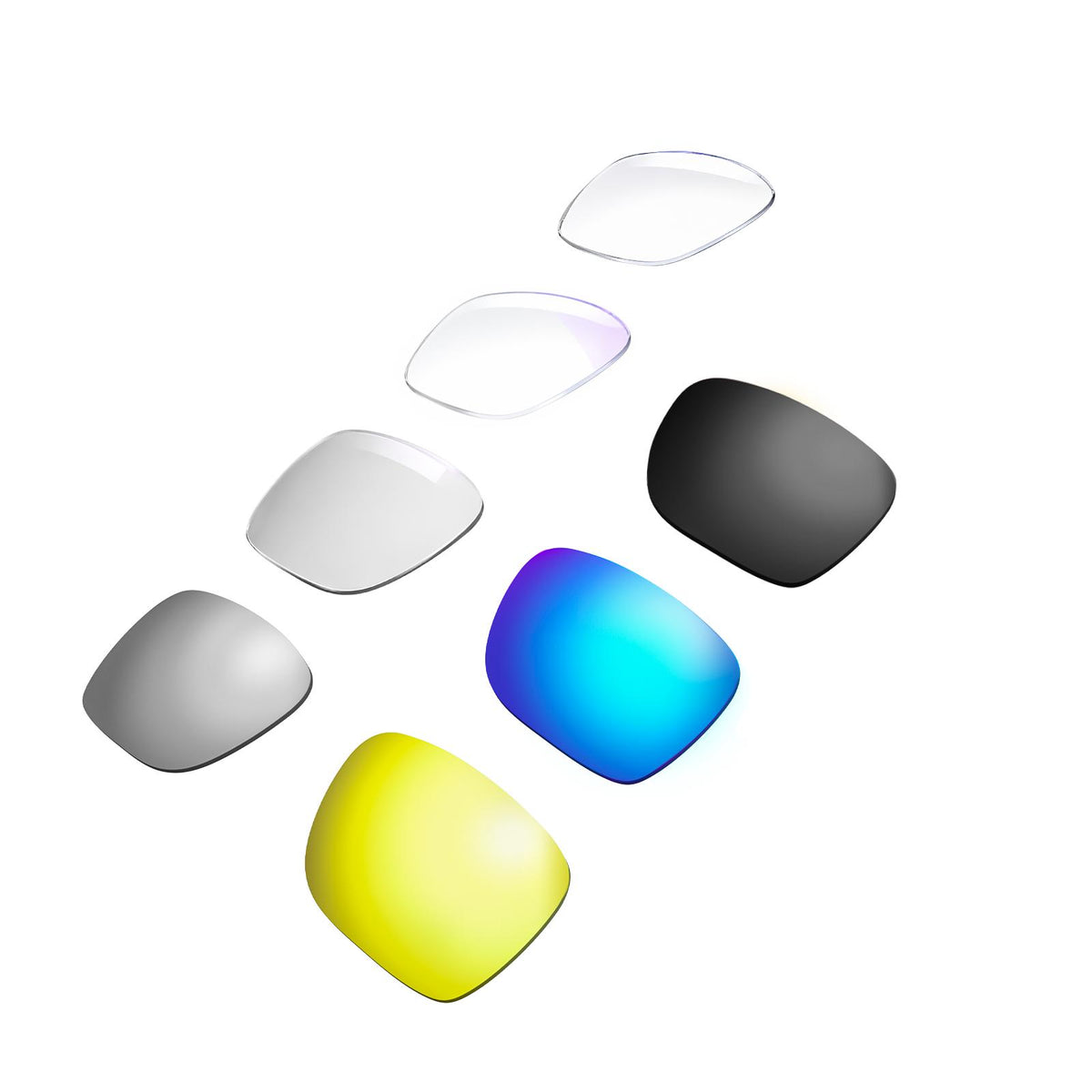
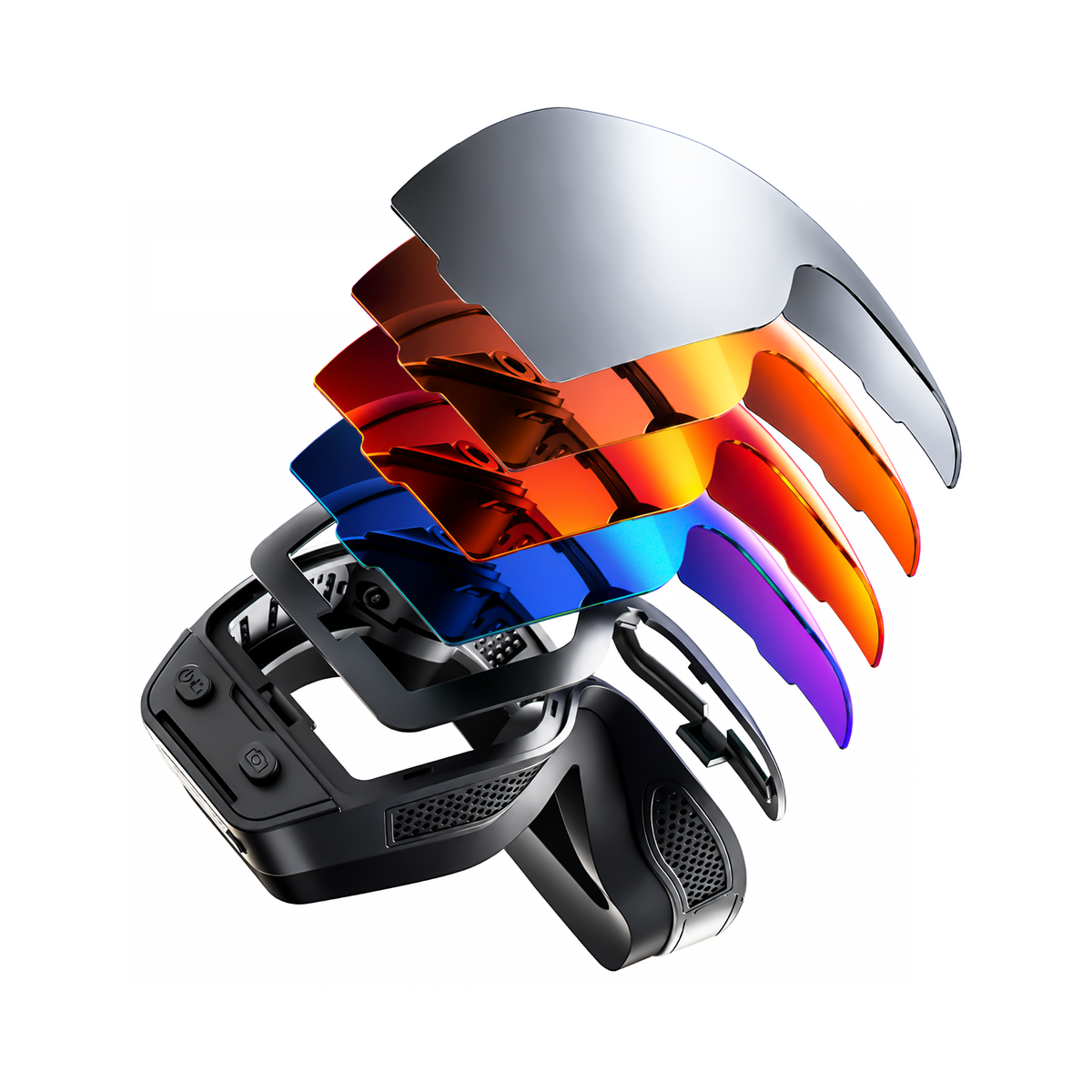
A smart frame can look like ordinary eyewear without taking lenses the way an ordinary frame does. Speakers, cameras, batteries, and thicker temples change how lenses fit and how the frame balances. So prescription support has to be checked model by model. Find out whether the original lenses can be replaced, whether the model supports prescription lenses, and whether the lens shape works with the frame. Our guide to model-by-model lens checks walks through these steps, including having your SPH, CYL, AXIS, and PD values ready before you order.
When you shop prescription smart glasses, read a compatible-model listing as a possible route, not a guarantee. For example, our replacement prescription lens listing names Livi as a compatible model and offers single-vision and progressive options. It does not confirm that your exact prescription and measurements can be made. Confirm your prescription and lens configuration with the lens provider before you count on that frame as your everyday pair.
Then Test the Frame Against Your Everyday Routine
Test comfort across your real routine
Once the lens route looks workable, wear the frame during the parts of your day when you depend on glasses most. That might mean a commute, a stretch of screen work, reading menus, or driving. Pay attention to pressure at your nose bridge and ears and to whether the frame slides. Also check whether the lens design lets you see clearly at each distance you use. If any of those fail during ordinary tasks, the frame is not ready to be your only pair. For a longer wear session, our pressure, heat, and fit checks show what to watch for over several hours. A self-test like this tells you how the frame feels on you. It doesn't predict how it will feel on someone else.

Separate eyewear fit from smart-feature use
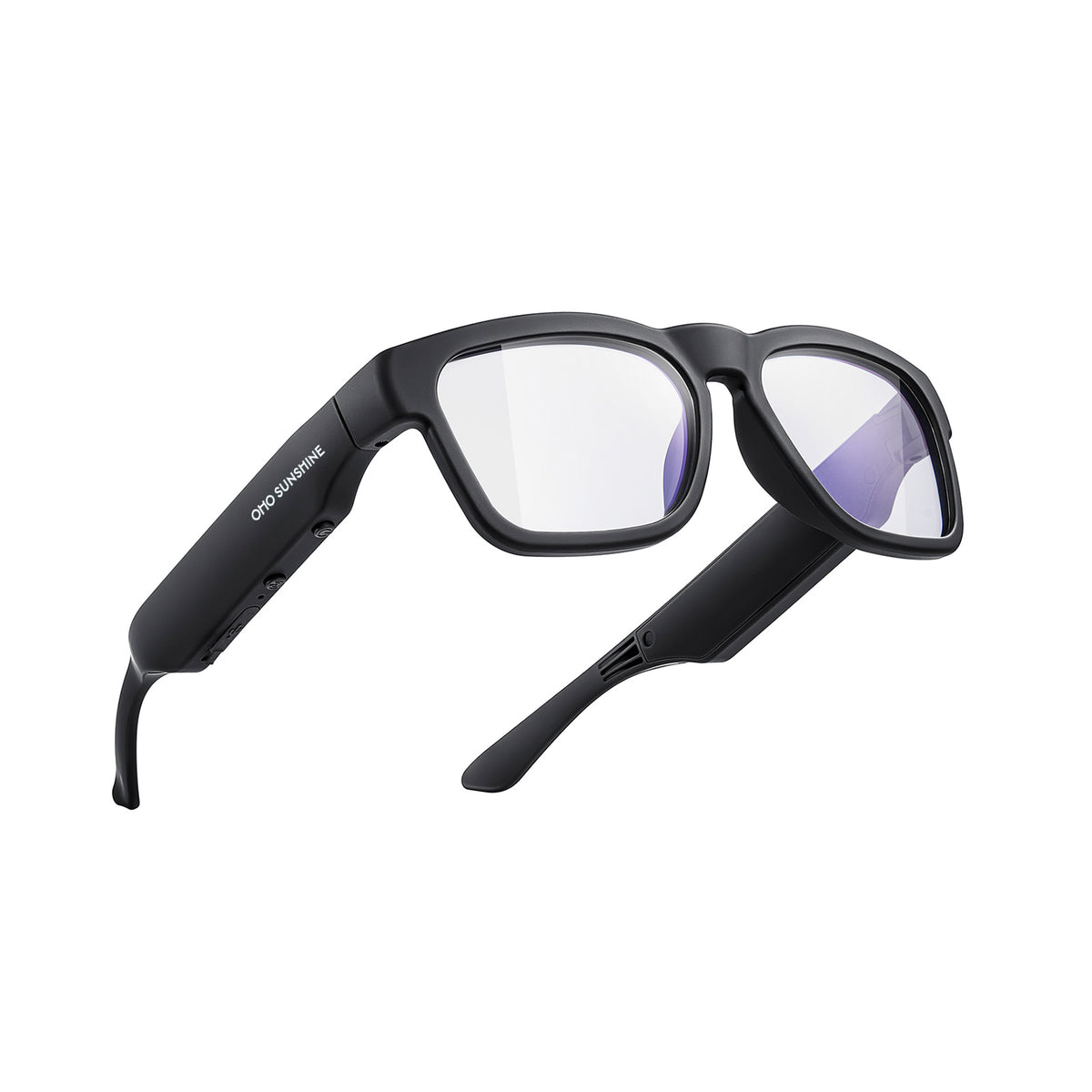
Treat the smart features as their own decision. If you mainly want hands-free video now and then, for a ride, a run, a hike, or a drive, our Livi camera glasses fit that job. They record Full HD 1080p video at 30 fps, take 24MP photos, and have a built-in microphone. They also use blue light blocking lenses in a flexible TR90 frame. The listed weight is 46 grams and the listed battery life is 80 minutes. Those numbers describe the electronics and the build. They don't tell you how many hours the frame will feel comfortable.

For many people, the practical answer is to wear Livi as a camera companion and keep their regular glasses as their main pair. Move it into the everyday role only after your exact prescription is confirmed and the frame has passed your routine test. If you want a broader look at whether camera or audio features suit your routine, weighing those tradeoffs helps clarify whether a dedicated gadget makes more sense.
Conclusion
Before smart glasses become your only pair, confirm that your exact prescription and lens configuration can be made for the model you want. Then wear the frame through a normal day of tasks. Until both checks pass, keep your regular glasses as your main pair and use smart glasses as a companion when you want a camera or audio feature.
FAQs
What's the difference between single-vision and progressive lenses?
Single-vision lenses are set to one focus, such as distance, intermediate, or near. Progressive lenses change smoothly from distance to near correction with no visible dividing lines. The AAO notes they can work better for intermediate vision than bifocals or trifocals. Your eye care professional can help you choose the right design.
Does a "prescription compatible" label mean my exact prescription will work?
No. A model-level label means a lens route is offered for that frame. It does not confirm that your specific prescription, pupil distance, and lens design can be made. Confirm those details with the lens provider before you order.
Does battery life tell me how long I can wear smart glasses?
No. Battery life measures how long the electronics run, such as recording. How long you can comfortably wear the frame depends on fit, pressure, and how well you see through the lenses. Check those separately during a real day.
Do prescription lenses change what the smart features do?
The lenses handle vision correction. Camera, audio, and other features still depend on the model itself. On our compatible models, the prescription lenses replace the original lenses.




Lasă un comentariu
Acest site este protejat de hCaptcha și hCaptcha. Se aplică Politica de confidențialitate și Condițiile de furnizare a serviciului.