



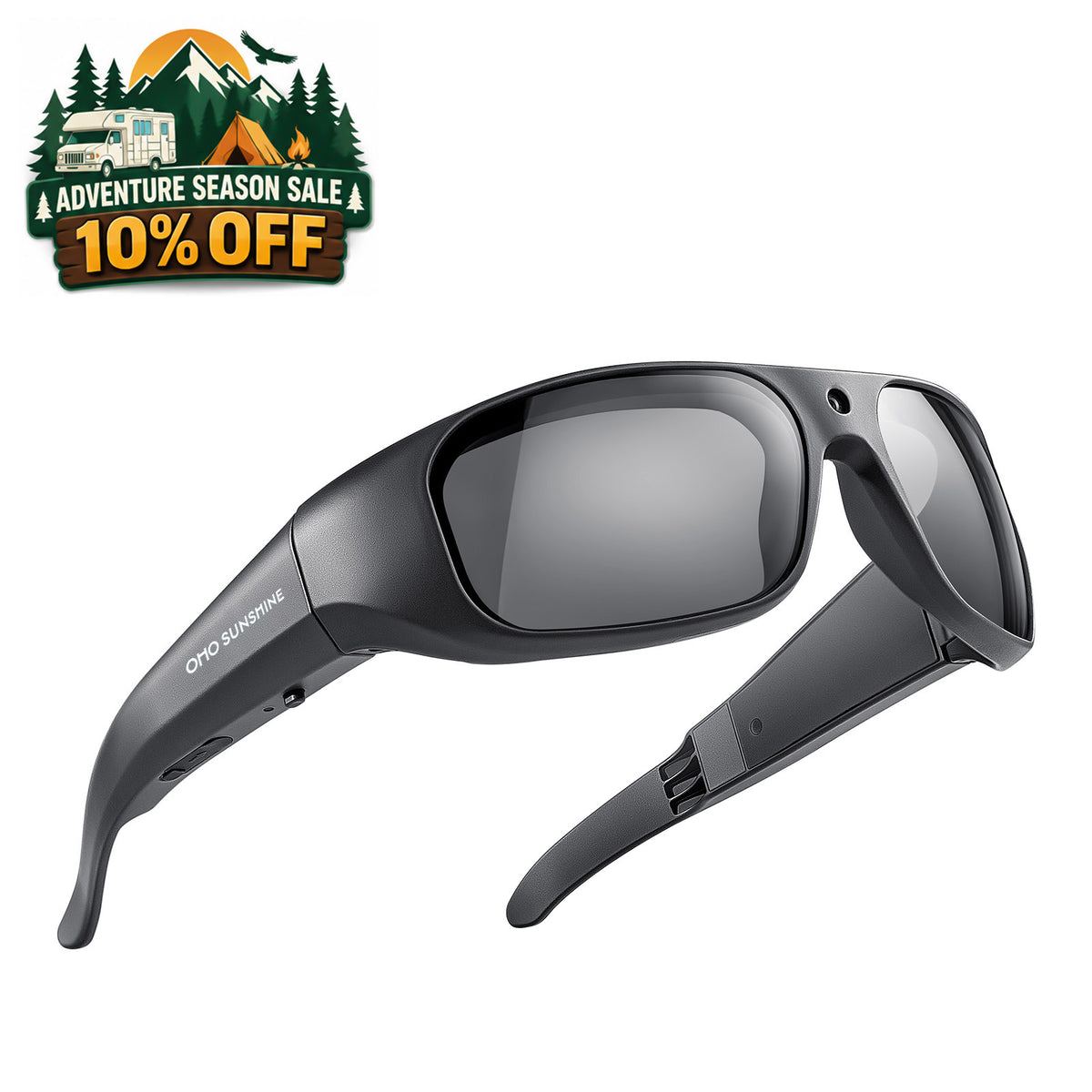


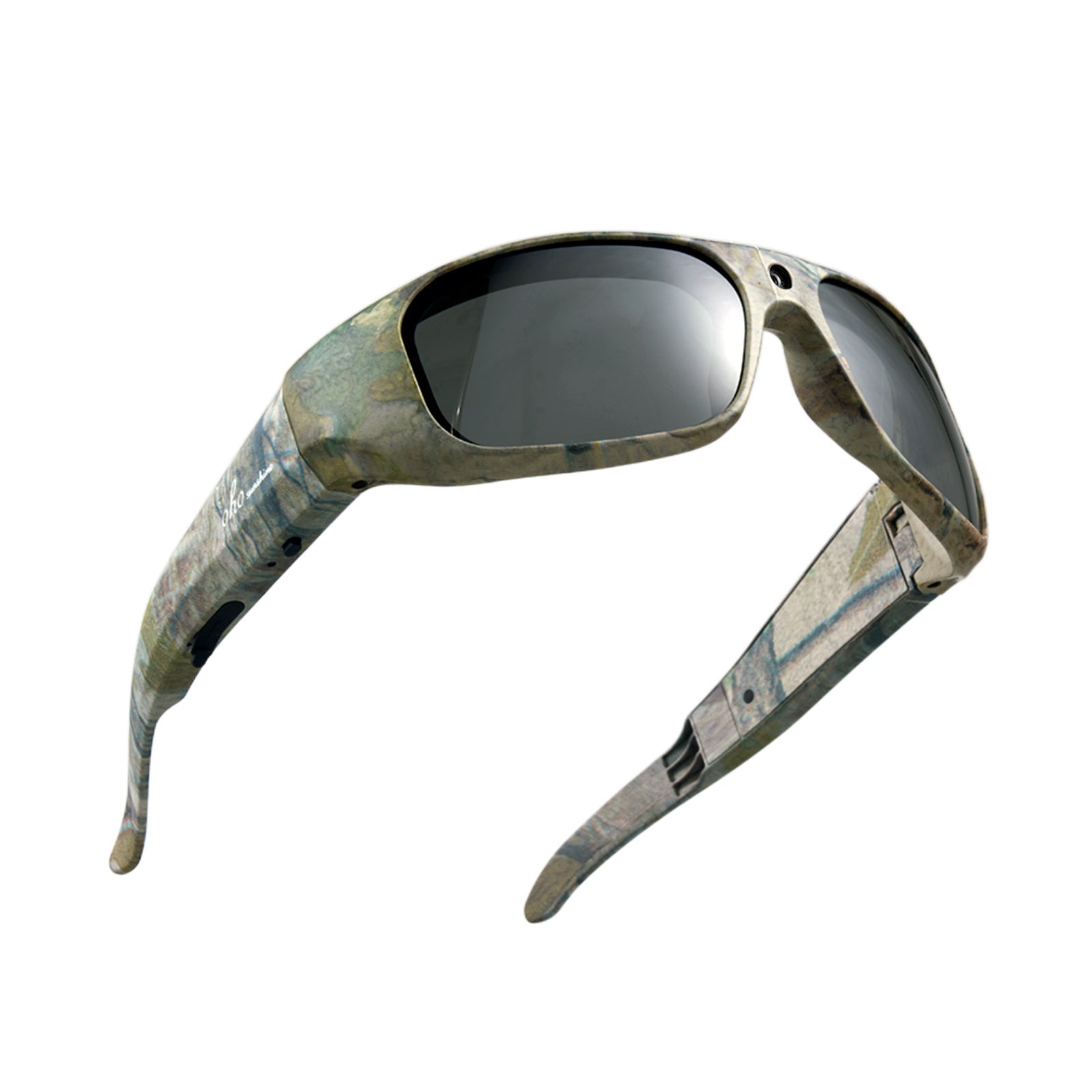


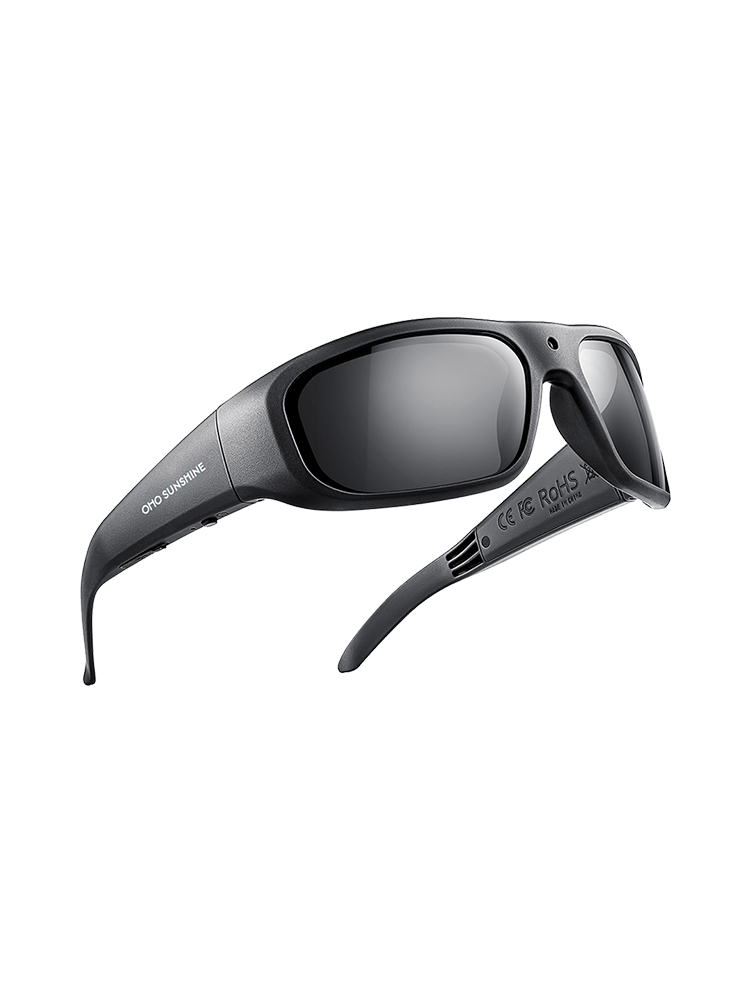


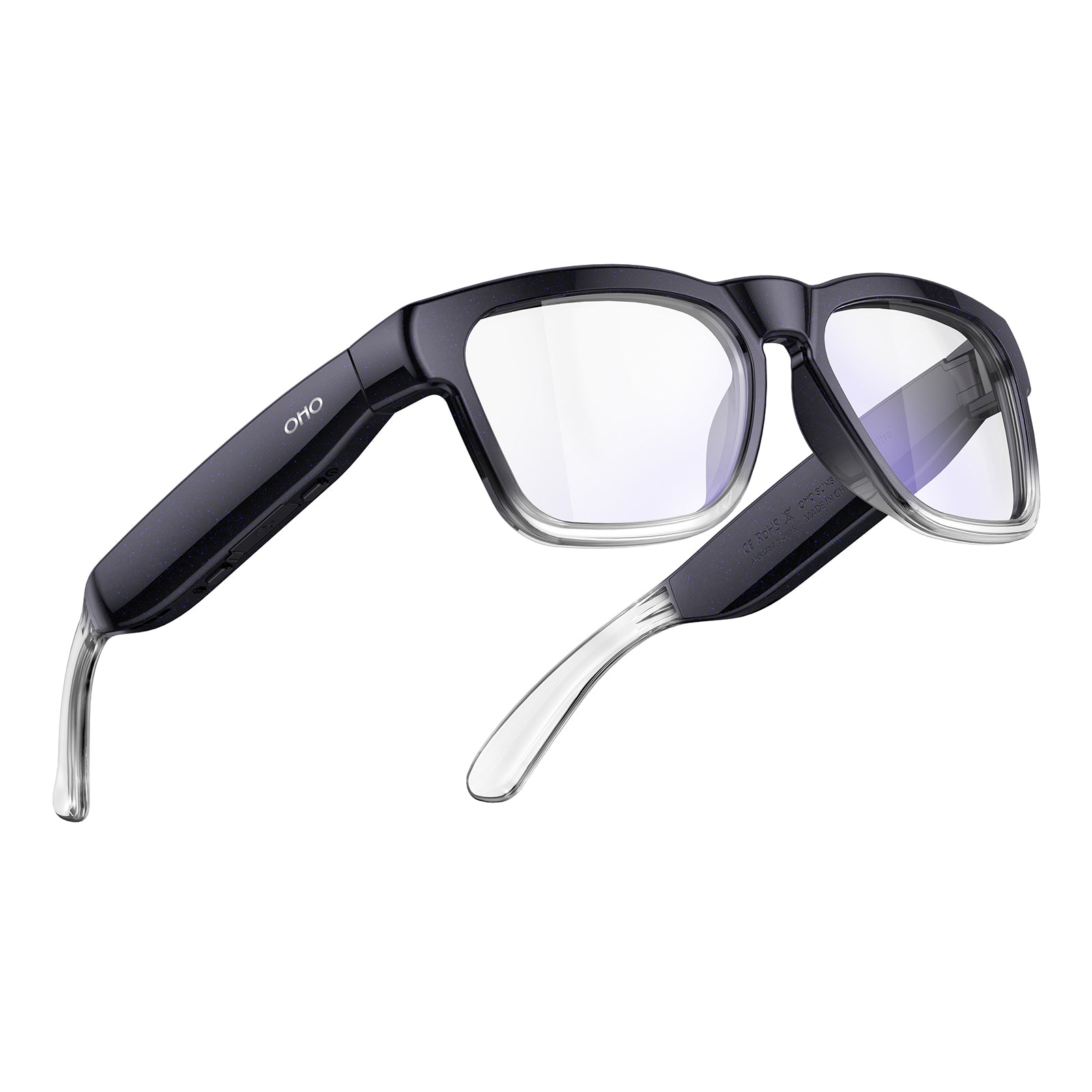





Image stabilization is worth weighing in camera ski goggles when smooth action footage matters to you, but a "stabilization" label alone should not decide the purchase. The claim only helps if it covers the recording mode you plan to use, and you can confirm that from the exact model's documentation or from sample footage shot in that mode. If neither one shows it, treat ski goggle stabilization as unknown and choose based on the features you can confirm.
When should stabilization matter in camera ski goggles?
Stabilization deserves real weight when two things line up: you care about smooth footage while you're moving, and the claim is confirmed for your recording mode. Treat this as a buyer's rule of thumb, not a measured result from ski runs.
Give it more weight when smoother action footage is a priority
Start with the clips you actually want. If you plan to share full POV runs through groomers, glades, or park laps, smoother footage is a fair priority, and stabilization belongs on your shortlist. If you mostly want quick clips at the lift line or a scenic stop, it matters less. A spec sheet can't tell you how much stabilization will help on a given run, so your own priority should set how much weight it gets. Either way, only count the feature once the exact model's documentation names your recording mode or sample footage from that mode looks the way you want.
Keep an unverified claim from deciding the purchase
A general stabilization line in a feature list doesn't tell you which footage it covers. As you compare camera ski-goggle options, treat a label with no mode details as unverified for the clips you plan to shoot. Resolution, frame rate, and field of view are separate specs, too. Ski goggles with a camera can list 4K and a wide angle without saying a word about stabilization. Until the claim is backed up, let the features you can confirm carry the decision.
What can stabilization labels and methods tell you?
A method label gives a rough idea of how a camera tries to steady the picture, not how well a specific pair of goggles does it. In a smartphone-camera explainer, Android Authority describes OIS as moving the camera lenses while EIS does the job through digital processing. OIS stands for optical image stabilization, and EIS stands for electronic image stabilization.
Digital methods can also change what ends up in the frame. For action cameras, TechRadar notes that digital stabilization often crops frames to remove movement, and that footage cropped from 4K looks better than video reduced to 1080p. These points come from phones and action cameras. They don't tell you which method a camera goggle uses, whether it crops, or whether any tradeoff changes from one mode to the next. When a listing says EIS or OIS, use it as a starting point and then look for that model's own mode details or footage.
How to verify stabilization before ordering
Check the documentation first, then the footage. Each one answers a different question.
Match the claim to the exact recording mode
The documentation tells you whether the claim covers your mode at all. Work through it in this order:
- Write down the exact model name and the resolution and frame rate you plan to record in, such as 4K at 30 fps.
- Open the current product page or manual for that model. For our models, the OHO SUNSHINE user manuals are the place to start. Look for a clear statement that stabilization works in that mode.
- Note the result. If the mode is named, it's covered. If the page doesn't mention it, mark it unverified rather than missing, and don't count on it yet.

Our Skyshot recording specifications show why this step matters. The listing gives 4K/30 fps video and a 140° field of view, and those numbers describe detail and framing, not stabilization. The same logic applies to any snow goggles or glasses with a camera. When you compare camera-glass features, check stabilization, frame rate, and resolution as separate lines.
Use representative footage as a separate check
Sample footage shows something documentation can't: how the video actually looks in motion. Look for clips recorded in the mode you plan to use, with movement similar to your own riding. TechRadar's action-camera reviews take a similar approach by recording at different resolutions and frame rates and judging stabilization in each.
Next, find out whether the sample was edited. Adobe explains that its Premiere Warp Stabilizer can zoom or reposition clips, and that footage smoothed too much can look wobbly or lose material at the edges. An edited sample shows what the software can do as much as what the goggles can do. If you edit your own clips later, check the framing and edges along with smoothness.
Conclusion
Stabilization is a feature to weigh case by case, not a must-have for every buyer. If smooth moving footage matters to you, pick the model whose documentation or unedited footage confirms stabilization in your planned mode. If nothing confirms it, treat the claim as unknown.
When stabilization is your top priority and no goggle confirms it, our snow goggle camera decision map can help you compare goggles with a separate action camera.
FAQs
Is EIS or OIS better for snowboard goggles?
No general answer applies to snowboard goggles. The widely cited explanations of EIS and OIS come from phones and action cameras, and they describe how each method works, not how either one performs inside a goggle. Judge the specific model by its documented mode coverage and its footage rather than by the acronym.
What should I ask the seller before I order?
Ask which resolutions and frame rates the stabilization works in, and whether the sample clips on the listing were edited. Clear answers to those two questions tell you whether the claim applies to your footage and whether the samples show the goggles or the editing software.
Is stabilization the most important camera feature in ski goggles?
It's one factor among several. Frame rate, resolution, battery life, storage, file transfer, fit, lenses, warranty, and returns can all shape whether a pair works for you. Give stabilization more weight only when smooth moving footage is a real goal, and let the rest of the decision rest on specs you can confirm.


Deixe um comentário
Este site está protegido pela Política de privacidade da hCaptcha e da hCaptcha e aplicam-se os Termos de serviço das mesmas.