












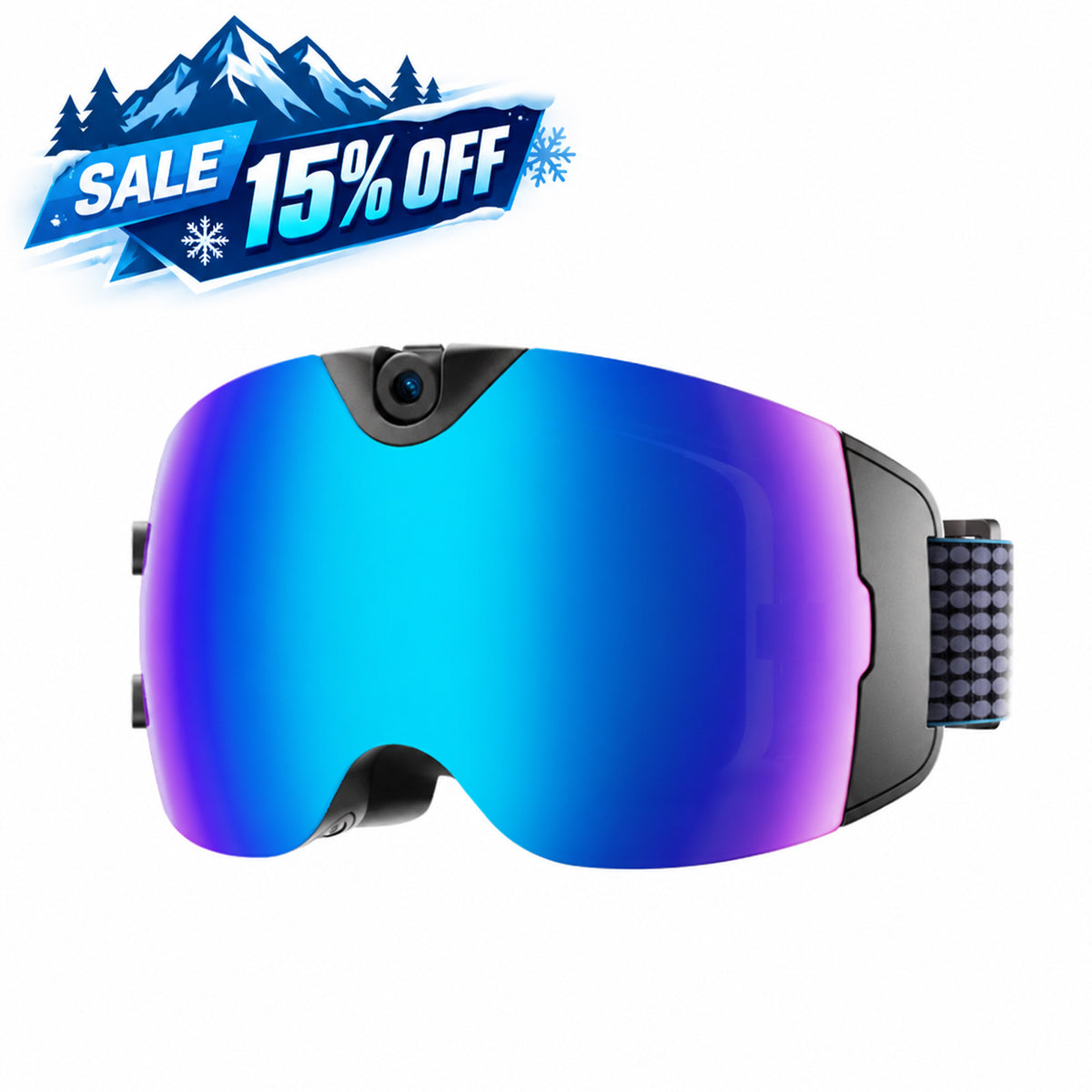


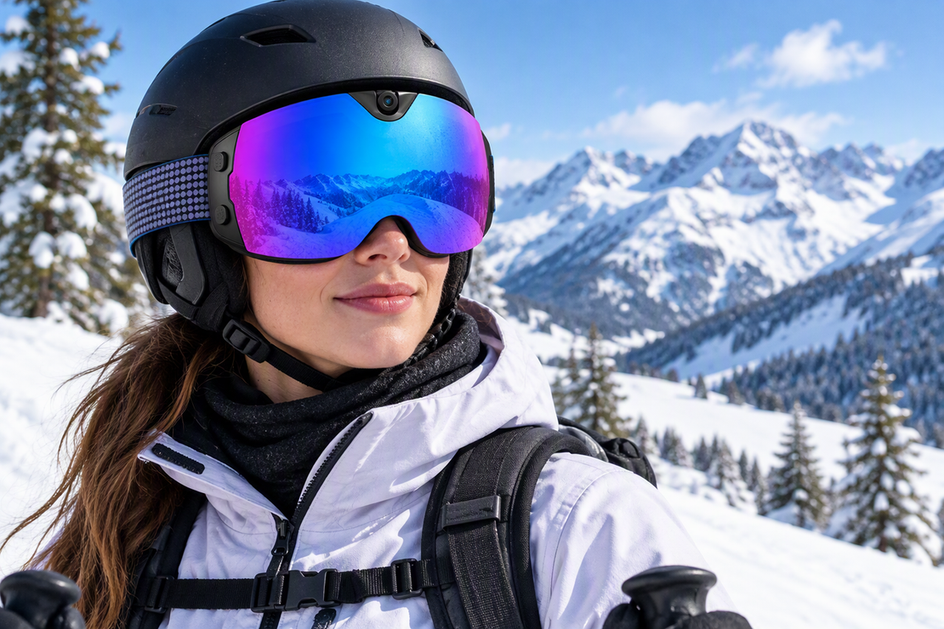
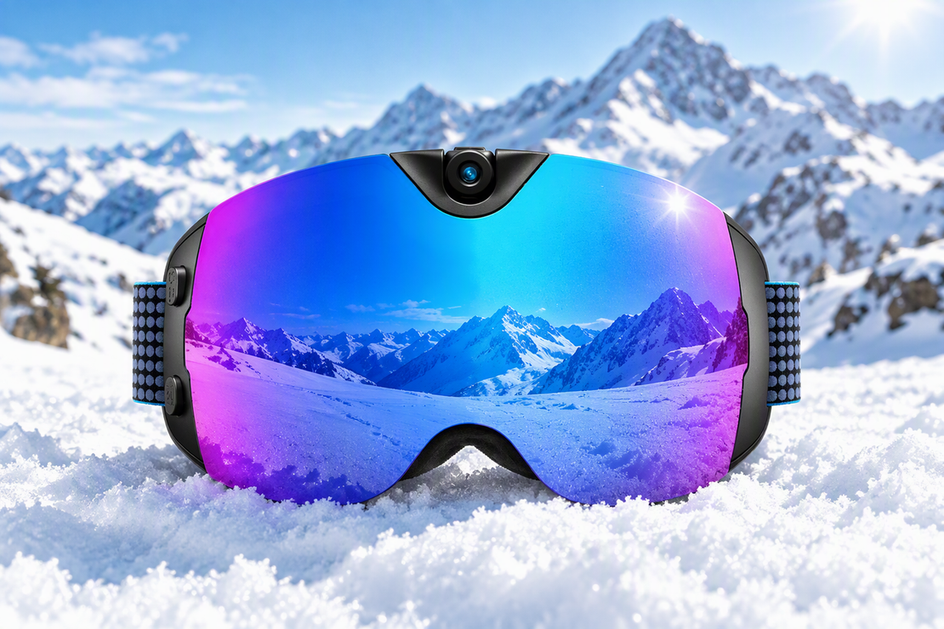
If your ski goggles pinch your nose bridge, loosen the strap first instead of tightening it further. Reposition the goggles over your head or helmet, check where the foam and frame touch your nose, then retension the buckle only enough to keep them from slipping.
This reset usually resolves pressure that comes from an overly tight strap or goggles that sit slightly off-center, though it will not fix a frame geometry that simply does not match your facial shape.
Loosen and Reset the Strap, Foam, and Frame
Start by loosening the goggles completely before you touch anything else. Adjusting the strap and rechecking placement solves most pressure problems faster than adding more tension ever will.
Start with the Strap, Not More Tension
Work through this order every time discomfort shows up:
- Loosen the buckle fully so the strap has slack.
- Pull the goggles over your head or helmet in their normal position, following your model's own buckle adjustment steps to set the band for your head size.
- Retension the buckle just enough to hold the goggles in place without slipping. Stop as soon as they feel secure; extra tightening past that point is what pushes the frame into your nose.
This sequence resets the goggles to a neutral position before you diagnose anything else.

Inspect the Nose Bridge and Foam Contact
Once the strap is reset, look at how the foam and frame sit against your nose. A frame edge or foam seam that presses unevenly on one side of the bridge is worth noting, even though a single pressure point does not confirm a specific defect in the goggles. Shift the goggles up or down by roughly a quarter inch and see whether the contact point changes. If the pressure moves or disappears with a small shift, the original placement was likely off rather than the goggles being the wrong size.
Retest One Variable at a Time
Change only one thing before you judge the result. Test strap tension on its own first, with the goggles sitting on your bare head or over a hat. If the pinching only shows up once you add your helmet, that is a separate test covered in the next section, not a reason to tighten the strap further. Keep checking that your normal field of view stays clear and that the goggles stay attached without slipping at each stage. Rushing through several changes at once makes it hard to tell which adjustment actually helped.
Check Helmet Interaction and Decide When to Change the Fit
Put your goggles and helmet on together while standing still, then judge the fit as one system instead of two separate items. If pinching only appears with both on, the helmet is likely shifting the goggles into a new position.
Test the Helmet-and-Goggle Relationship
Slide the helmet slightly forward, back, or to one side, then recheck how the goggles sit against your nose after each small move. A helmet that sits a little low can push the goggle frame down onto the bridge, even when the strap tension is already correct. If you are checking equipment pairings, our strap and fit checks guide walks through the same helmet-and-goggle placement test in more detail. Keep adjusting the helmet-goggle relationship, one small move at a time, until the pressure point stops changing.
Know When the Fit Is Not Worth Forcing
Stop tightening once the goggles still pinch, slip, or block part of your normal field of view, because a secure strap does not excuse ongoing facial pressure. Manufacturer guidance is consistent on this point: goggles should fit comfortably without slipping or pinching, and a poor fit can reduce how well they protect your eyes. If pinching persists after a correctly loosened strap and a properly paired helmet, that pattern points to a frame or size mismatch rather than a setting you have not found yet. At that stage, check your exact model's fit instructions for sizing options before buying a replacement. If the adjusted goggles still interfere with your normal field of view, stop skiing until the fit is corrected or you switch to a goggle that fits properly.
Once you have confirmed a comfortable, secure fit with your helmet on, you are ready to test it on the hill. Save any further sizing decision for after you have tried this full reset, since most pinching resolves with strap and placement changes alone.

FAQs
Should ski goggles feel tight on your nose?
No. Ski goggles should sit securely enough that they will not slip or shift, but they should not press hard enough to pinch. If tightening the strap is the only thing keeping them on, the underlying issue is placement or fit, not strap tension, and your model's fit instructions can help you confirm the right size.
Why do my ski goggles pinch only when I put on my helmet?
That pattern usually means the helmet is changing where the goggles sit on your face, not that the goggles themselves are defective. Put the helmet and goggles on together, shift the helmet slightly, and recheck the pressure point after each move. If repositioning the pair does not resolve it, the helmet and goggle combination may not be well matched.
Can I use the same fit checks for snowboard goggles?
Yes, the same strap-reset and helmet-pairing checks apply to snowboard goggles, since both rely on a similar strap, foam, and frame interface. Follow your specific model's own adjustment and sizing instructions, though, since construction and foam thickness can differ enough to change how the fit feels.


Deixe um comentário
Este site está protegido pela Política de privacidade da hCaptcha e da hCaptcha e aplicam-se os Termos de serviço das mesmas.