






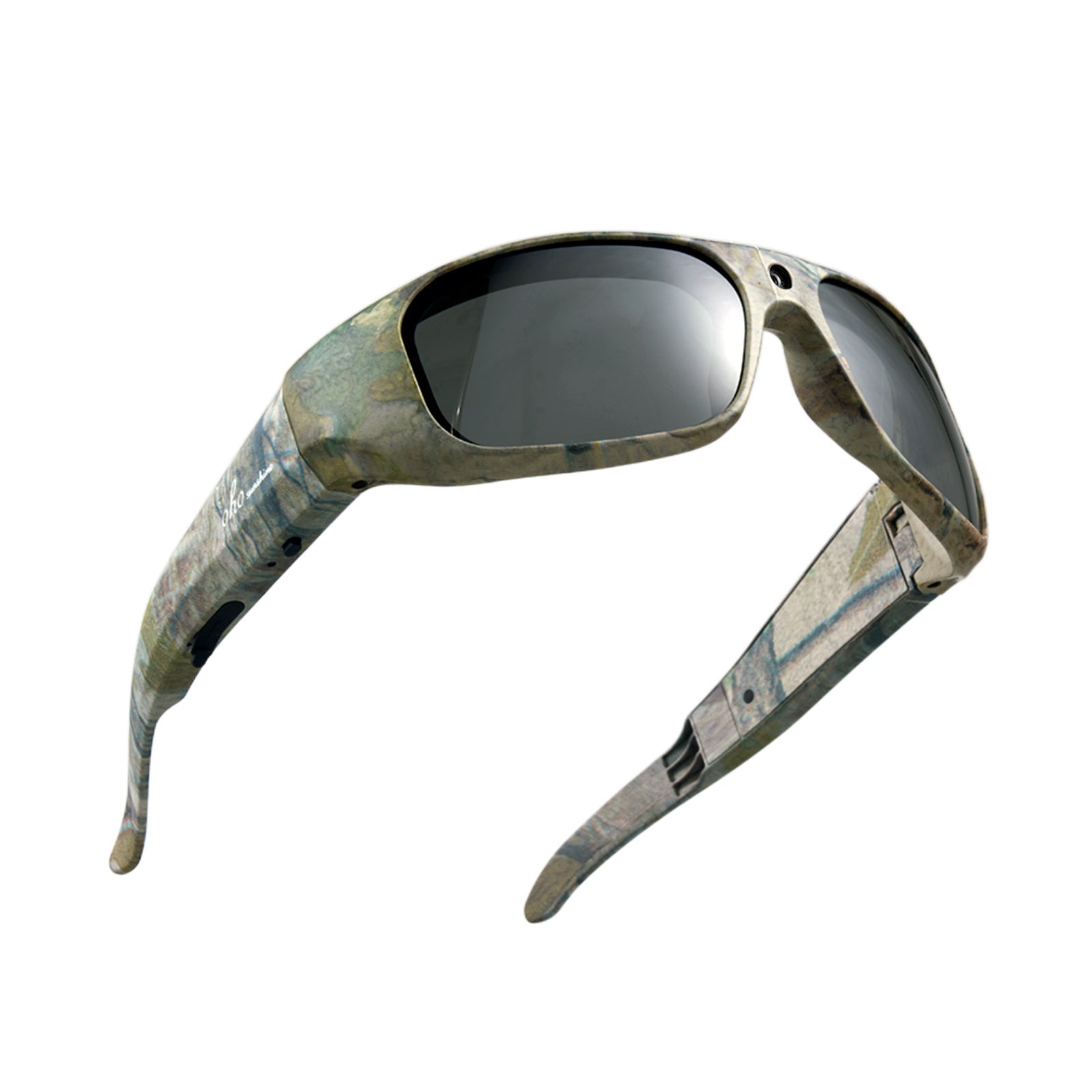


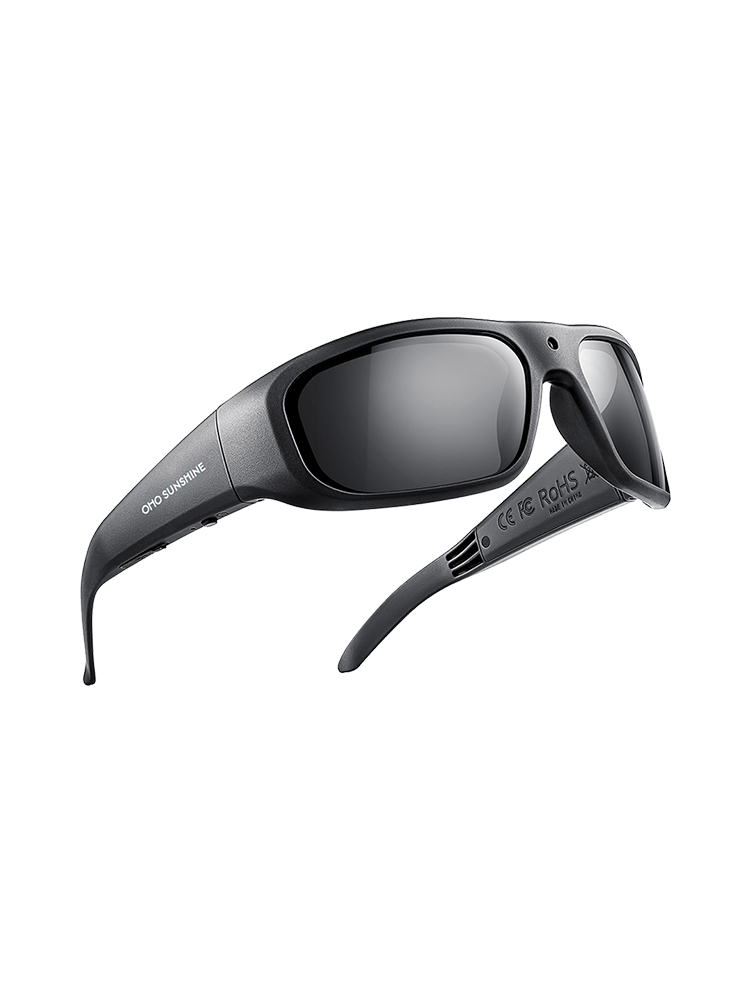


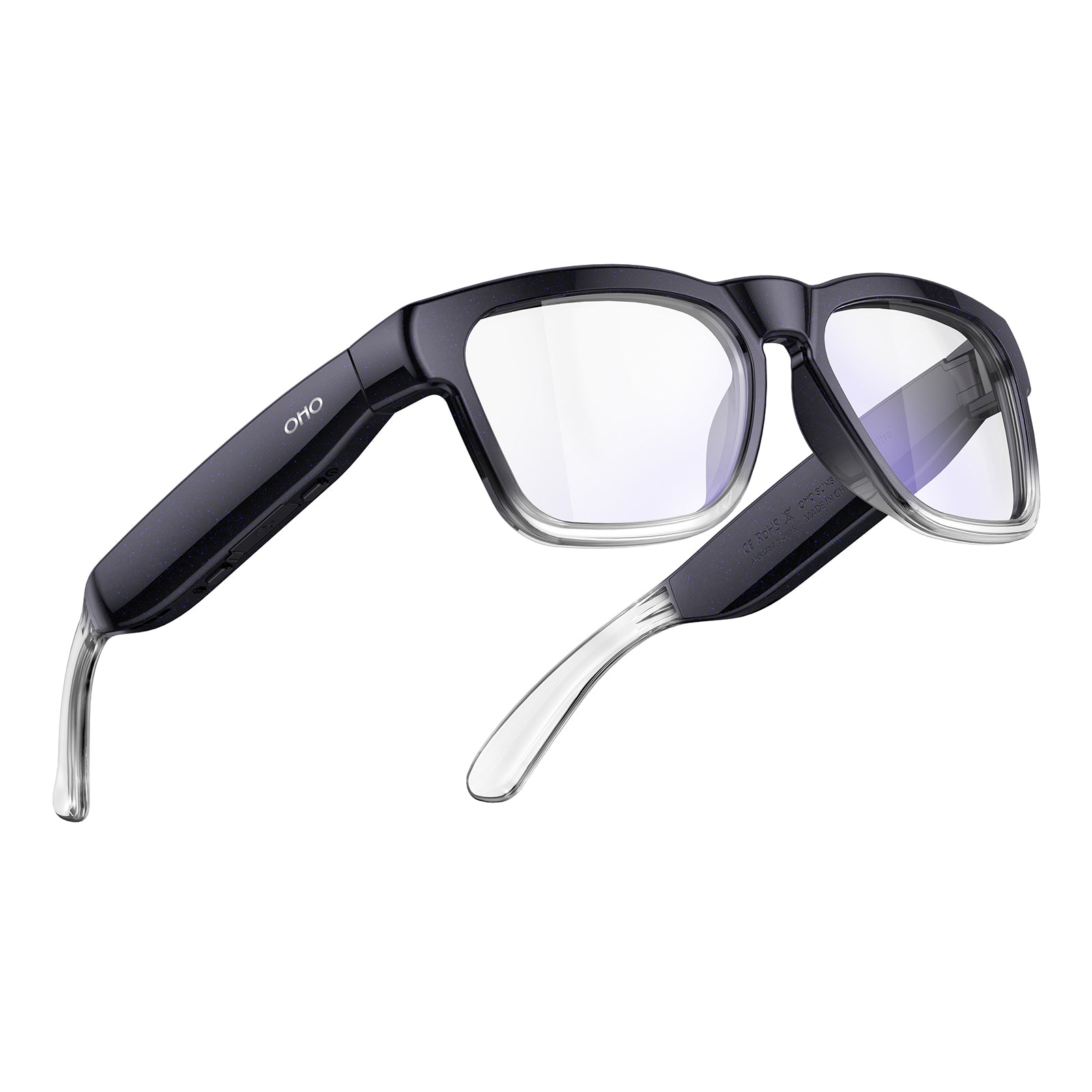



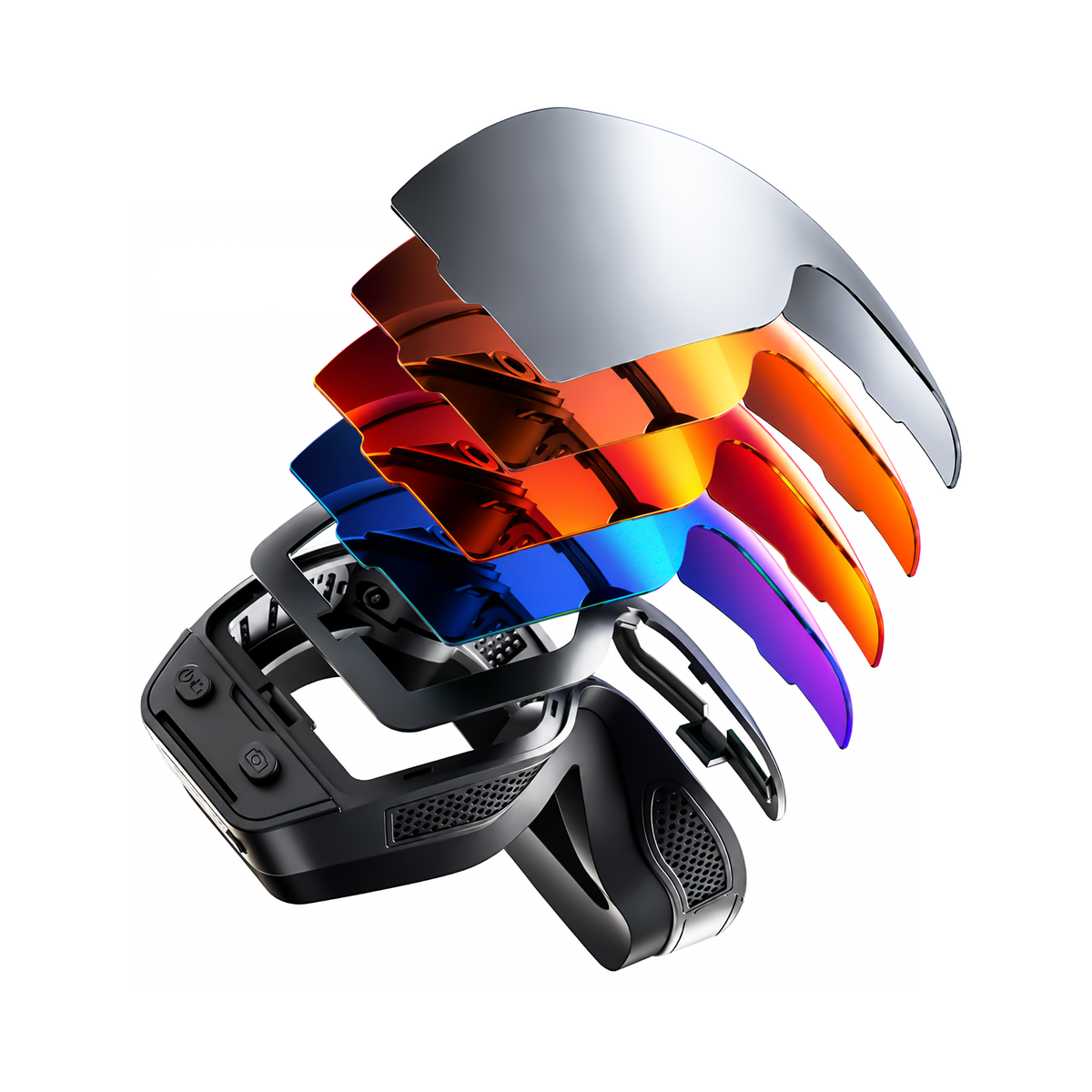



Bilingual support agents can test whether Bluetooth smart glasses work alongside a computer softphone, but no current evidence shows a specific pair of translation glasses can carry live customer-call audio or take over call routing. Those are two separate jobs: the softphone handles which microphone and speaker are active, and it also keeps control of how a call is answered, transferred, or routed. Before any live pilot, a team needs to confirm the glasses show up as a selectable audio device, that translation actually works on real call audio, and that customer-audio handling meets its own privacy rules.
Can AI translation glasses join a computer softphone call?
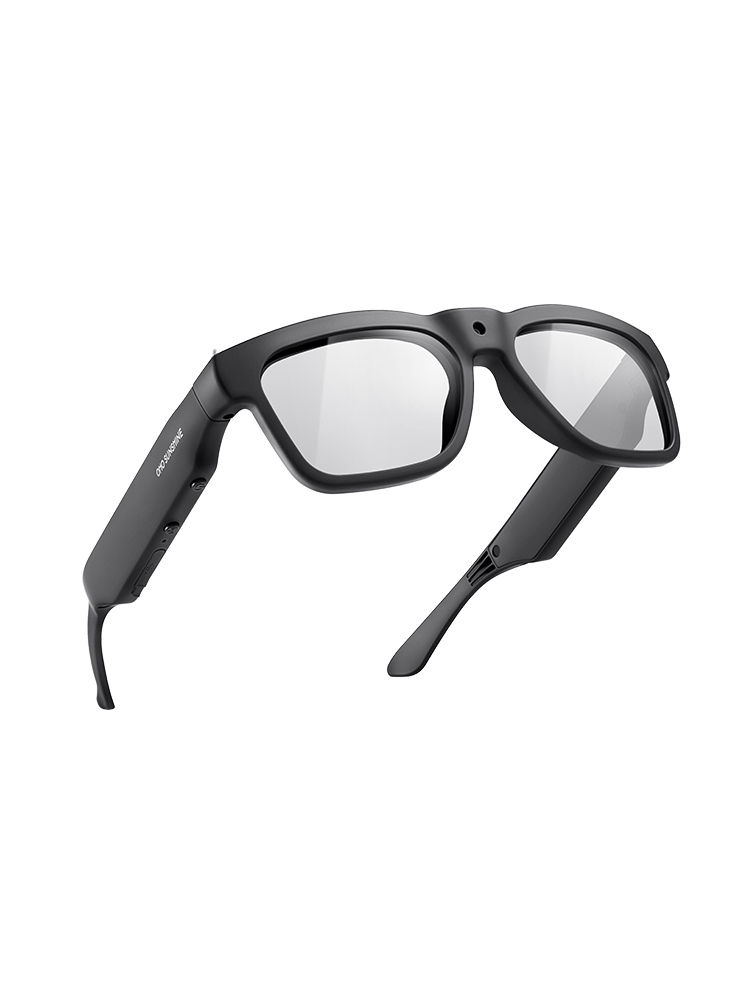
The honest answer depends on two separate checks: whether the softphone recognizes the glasses as a microphone and speaker, and whether the translation feature can process real call audio instead of just face-to-face conversation. Zendesk Contact Center is the one platform with public documentation that lets us walk through this test in concrete terms. Exploring the AI translation glasses category or options like the Elingo smart AI glasses shows the kind of Bluetooth audio hardware agents would be testing.
Translation capability is not routing control
A pair of Bluetooth smart glasses can advertise real-time translation and open-ear audio without any of that proving it can plug into a support call. Those are marketing feature labels, not a demonstrated connection to a softphone's call audio. In Zendesk Contact Center specifically, choosing a microphone and speaker is a setting inside Voice preferences, while answering, transferring, and ending a call happen through separate controls in the Contact Center interface. Zendesk's documentation also notes that it supports Jabra headsets for button-based call control, but that is a Jabra-specific integration. It does not mean any Bluetooth headset or smart glasses model can answer or route a call the same way, so agents should not assume that feature carries over to a different device.
Use Zendesk Contact Center for a bounded audio-path test
This is the concrete, documented sequence for checking whether a device is even visible to the softphone, drawn from Zendesk's Voice preferences documentation. It confirms an audio endpoint exists; it does not confirm live translation works.
- In Support, click the profile icon in the top right corner and select Manage profile, then open the Voice preferences tab.
- Under Softphone, check the microphone device and speaker device menus. Zendesk's browser-softphone microphone and speaker selections let an agent choose the system default or any custom microphone and speaker configured on that computer.
- If the glasses appear in both lists, that only confirms the operating system recognizes them as an audio device, not that call audio will translate correctly.
- Run a controlled, non-customer test call and listen for whether the intended translation direction actually processes the caller's and agent's speech.
- Confirm that answering, holding, and transferring the call still happen through the Contact Center interface rather than through the glasses.
- If the device does not appear in the device lists, or the translation path does not produce usable audio in the test call, hold the pilot until that gap is resolved.
Set language and customer-audio gates before a pilot
Passing the device-selection test is not the same as clearing a team for live calls. A manager still needs to name the exact language pair and direction the workflow requires, since a device that translates one language combination well may not cover the pair an actual customer call needs. The team should also decide whether the interaction needs one-way translation, such as reading a translated transcript, or two-way spoken translation in both directions, and test that specific behavior separately from simply picking a microphone in the softphone. Real-world accuracy also shifts with background noise, accents, and connection quality, which is why translation accuracy factors matter as much as raw language coverage when judging fit for a support floor.
Customer audio raises a separate question from translation quality. Browser-based softphones generally need explicit permission before they can send audio to a chosen output device, and that permission and device availability can change between browsers and machines, which is a good reason to verify the specific workstation rather than assume Bluetooth pairing settles it. Before any live-customer use, a support operations team should also review how the glasses and their companion app capture, transmit, and store voice audio, using the same kind of work documentation privacy checklist already used for other recording-capable wearables on the floor.

None of this adds up to a blanket yes or no. A team should treat a passed device-selection test, a working translation path in a controlled call, a confirmed language pair, and a cleared customer-audio review as four separate gates. Skipping any one of them turns a promising pilot into a live-call risk that the softphone's own controls cannot fix.
FAQs
Does Bluetooth pairing with a softphone prove the translation feature will work on customer calls?
No. Pairing only shows the computer recognizes the glasses as an audio device, similar to any Bluetooth headset. Whether the translation feature actually processes the caller's and agent's speech during a real call is a separate behavior that needs its own controlled test.
Can AI translation glasses answer, transfer, or otherwise route a support call?
Not based on current platform documentation. In Zendesk Contact Center, those actions stay in the Contact Center interface, separate from the microphone and speaker settings in Voice preferences. Its documented device-specific call control applies to supported Jabra headsets, not to translation glasses.
Which languages can a support team rely on for live customer calls?
That depends on the specific device and the exact language pair and direction the workflow needs, which is not something a Bluetooth or translation feature label confirms on its own. Confirm supported languages and translation direction with the device or app documentation, then verify that pair in a controlled test call before using it live.
Is customer audio safe to process through translation glasses on a live call?
That depends on how the specific device and its companion app capture, transmit, and store voice data, which varies by product and is not settled by a translation feature label. Review that device's data handling against the organization's customer-audio requirements before any live-customer use, not just its Bluetooth and translation specs.


Deixe um comentário
Este site está protegido pela Política de privacidade da hCaptcha e da hCaptcha e aplicam-se os Termos de serviço das mesmas.