



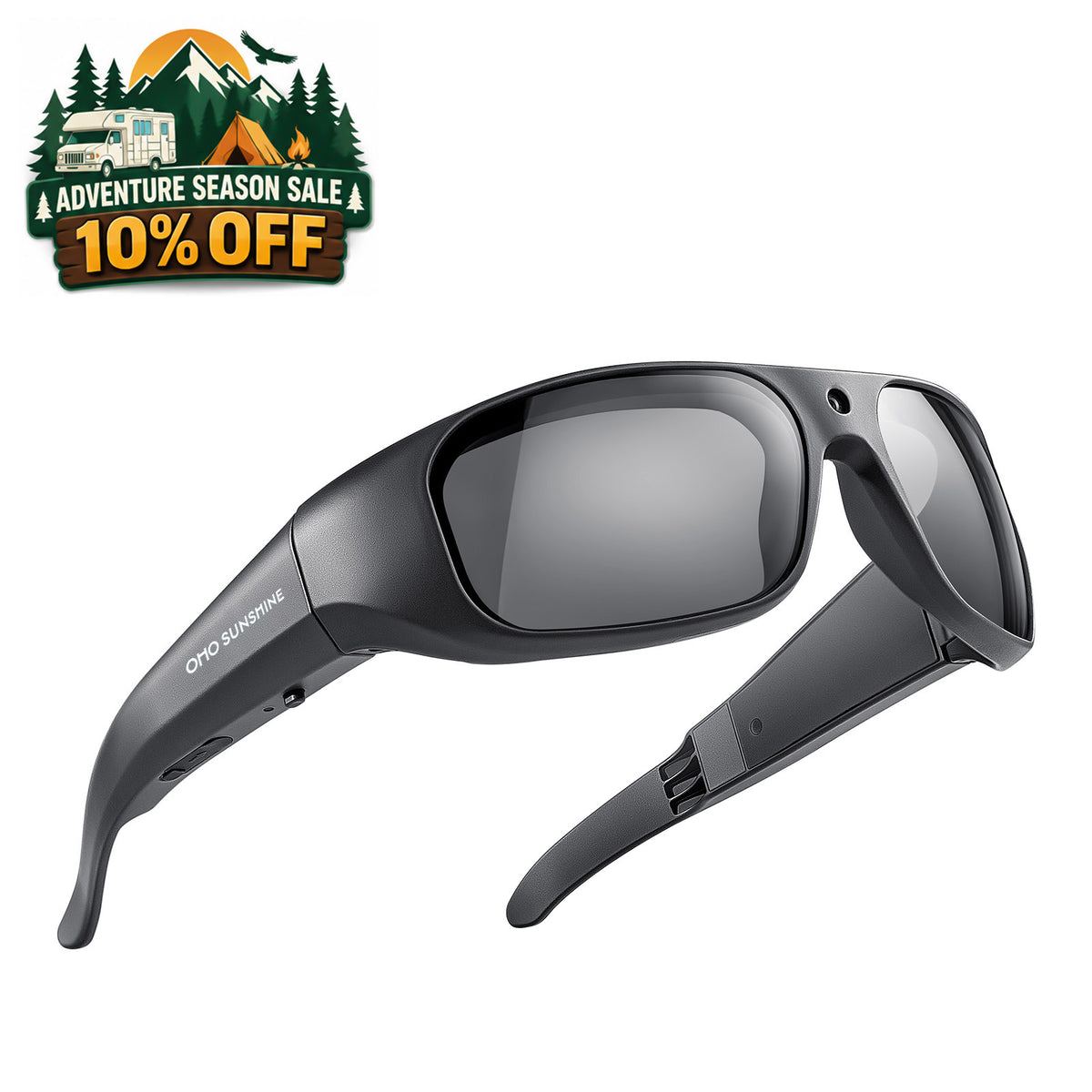


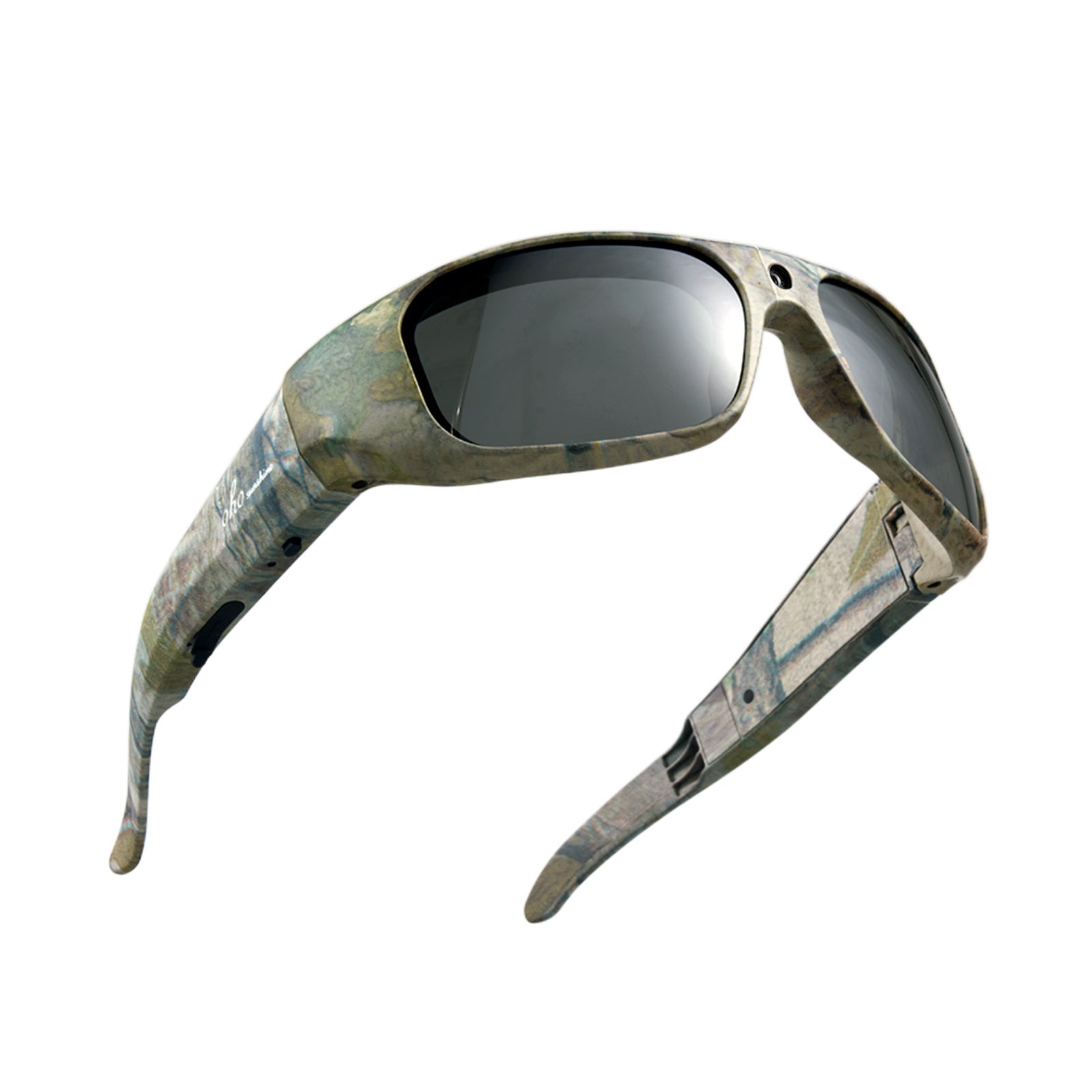


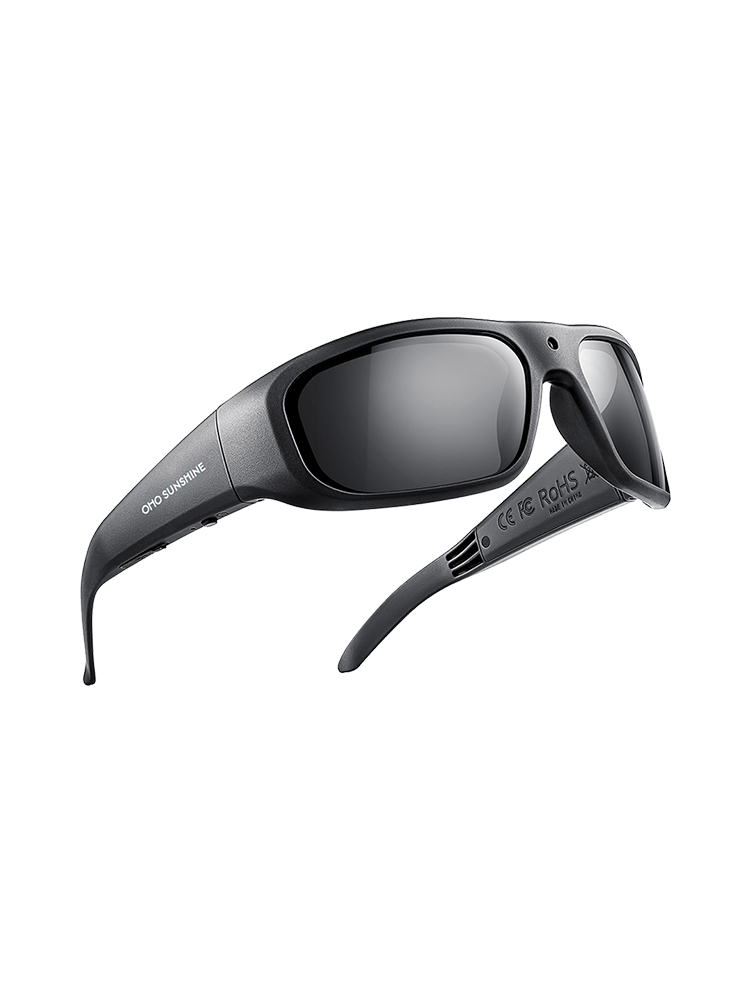


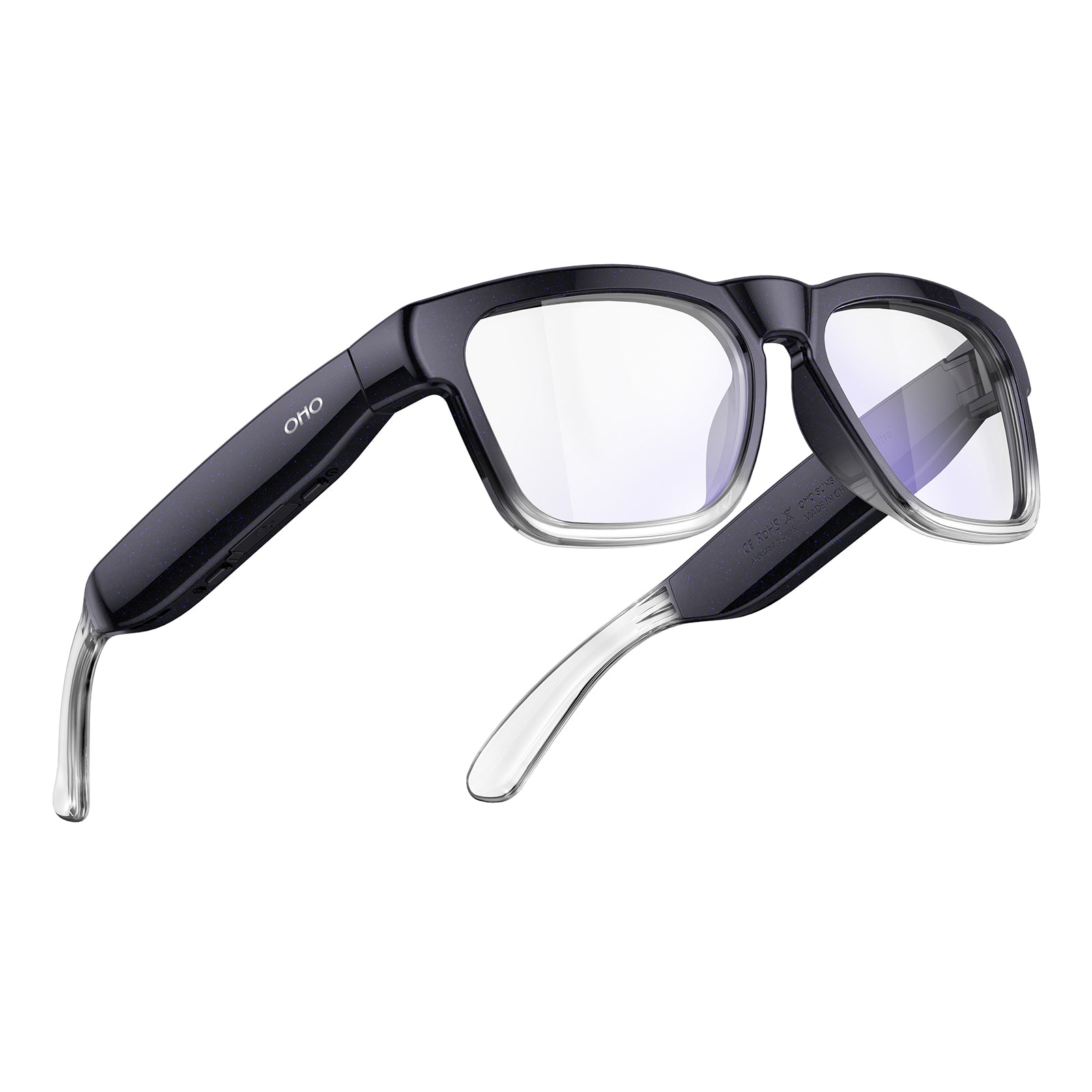



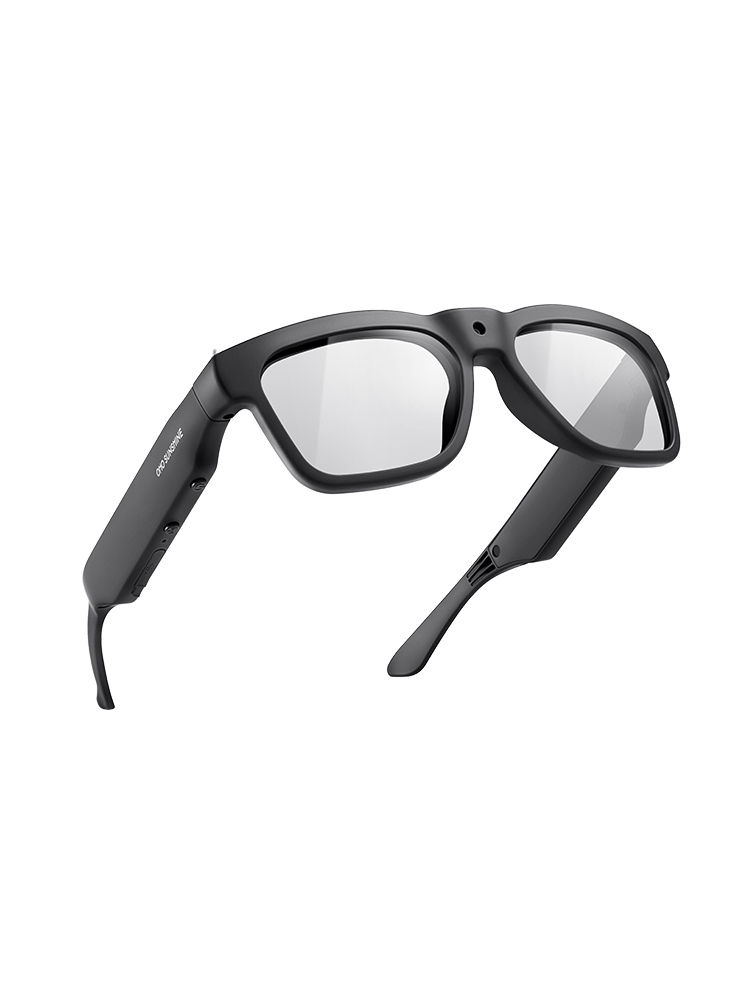


A camouflage finish on camera glasses does not prove the frame will stay glare-free in harsh sun. The pattern tells you how the frame looks, not how its surface reflects light. A smoother or glossier surface can still throw a bright, directional highlight even under a camo print, while a more textured surface tends to scatter light more broadly. Judging a specific pair means looking past the print to the actual surface finish and, separately, to how the lenses handle direct light.
The Science of Camouflage and Glare
Reflection behavior comes from the physical surface, not the color or pattern printed on it. A camouflage coating can sit on a glossy shell or a matte one, and only the underlying texture and the angle of the sun determine whether light bounces back as a sharp flash or a soft glow.
Understanding Surface Finishes
Optics researchers separate two basic reflection types. Specular reflection happens when a smooth surface bounces light in one concentrated direction, producing the kind of flash you'd notice from a mirror or polished metal. Diffuse reflection happens when a rougher or textured surface scatters that same light across many angles, so no single viewing position catches a strong highlight. This distinction comes from how surface texture and viewing geometry interact with light, as detailed in optical reflection research, and it applies to any coated surface, including eyewear frames.
That means a matte-looking camo pattern is not automatically low-reflectance, and a glossy-looking one is not automatically a problem. A dull-finish paint applied over a smooth plastic shell can still specular-reflect at a low sun angle, while a heavily textured surface under the same paint may scatter that light instead. The pattern printed on top does not change which of these two behaviors the surface actually shows. Judging any frame's real glare risk requires looking at the physical texture of that exact surface and the light conditions it will face, not the camouflage artwork alone.
Frame Reflection Is Not Lens Glare
The frame shell and the lenses are separate optical surfaces, and evidence about one does not tell you anything about the other. A frame could have a rough, non-reflective coating while the lenses in front of it still throw glare, or the reverse. Each surface needs its own reflection information.
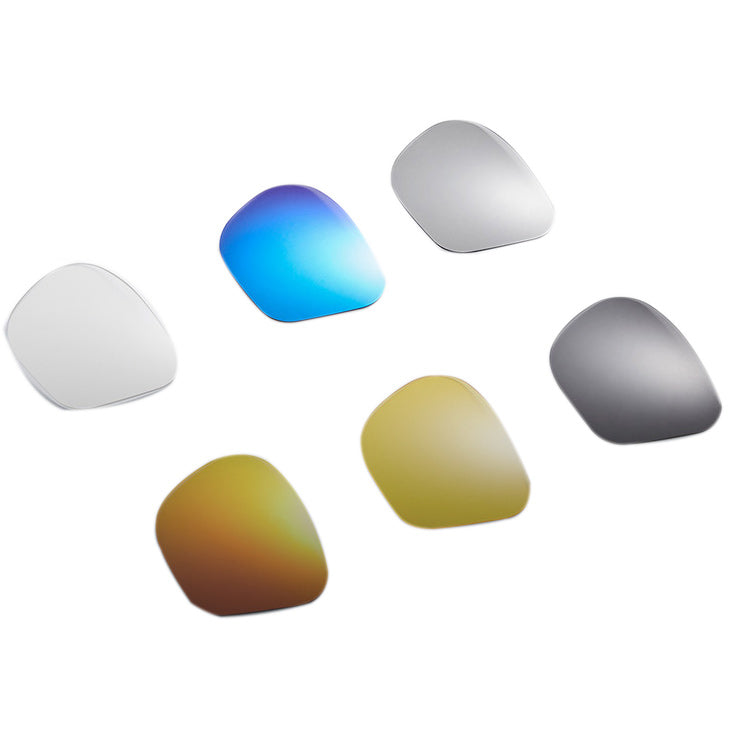
This distinction matters for camouflage-labeled hunting eyewear specifically, because manufacturers often market lens features like polarization or UV protection separately from the frame's outer coating. Some camera glasses built for outdoor use pair a camo frame with polarized lenses meant to cut glare from water or snow, a combination covered in more depth in a piece on polarized fishing camera sunglasses. A polarization label describes how the lens filters certain light waves; it says nothing about how the frame's paint or shell reflects a direct hit of sunlight.
Wildlife-vision research adds a narrow, related caution. A study of 15 adult male white-tailed deer in Central Florida found that visual cues can be more or less noticeable to deer depending on the surrounding light environment, since deer are most sensitive to short- and mid-wavelength light common in shaded woodland settings. That finding describes how this species processes light in its habitat. It does not test eyewear, and it does not show whether any glasses would produce a glint a deer would notice.
Choosing Gear for Wildlife Concealment
Deciding whether a specific pair of camera glasses is safe for concealment-sensitive hunting means asking for finish and reflection evidence, not reading the camo pattern as a guarantee. Two separate requests cover the frame and the lenses.
What to Verify for the Exact Pair
Ask the seller or manufacturer for these two categories of information before trusting a pair in bright, open terrain:
- Frame evidence: the actual surface finish (matte, satin, or gloss) of that exact model and variant, plus any direct-light reflection or gloss testing and the conditions it covers. A textured or matte-labeled coating description carries more weight than a product photo.
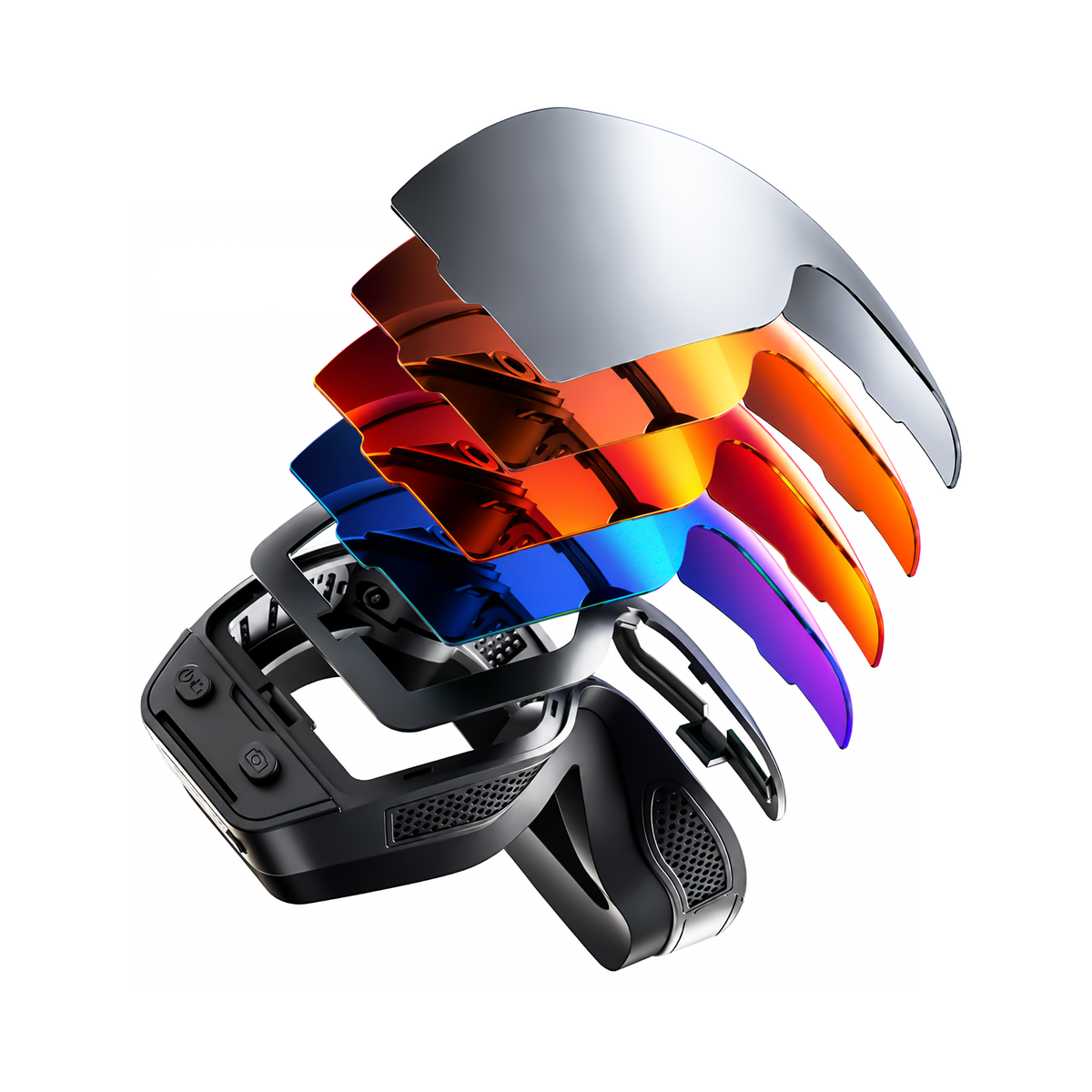
- Lens evidence: reflection or glare information for the lenses specifically, tested under stated lighting conditions. A polarized or UV400 label describes a lens filter property, not a measured reflectance value, so treat it as a starting point rather than proof of low glare.
Testing standards for reflectance, such as the ASTM solar reflectance test, are built for smooth, homogeneous surfaces and flag textured or patterned materials as needing special handling. That is a useful reminder that a camo print is exactly the kind of surface where appearance and measured reflectance can diverge, so a specific gloss or reflectance figure for the frame in question is worth more than the pattern name.
For hunters comparing several outdoor camera-glasses options, a broader rundown of hunting with camera glasses covers additional field checks like fit, weather sealing, and battery life alongside glare. Within our own lineup, our camo camera glasses list a polarized lens option and a stated TR90 frame material on the product page; those specifications are a starting point for the frame and lens questions above, not a substitute for asking about the finish and reflection behavior of the specific variant you plan to buy.
A Practical Decision Rule
If a seller can share direct-light reflection or gloss data for the exact frame and lens combination you're considering, use only the conditions that data covers to judge fit for your hunting setup. If no such evidence exists, treat low glare as unverified. Neither the camouflage pattern nor the absence of data proves the glasses will or won't flash in the sun, so the honest answer is to ask before you rely on them in the field.
Before taking any pair on a hunt, inspect the physical frame finish under direct sunlight and verify lens coatings with the maker to decide whether your setup requires a true matte shell.

FAQs
Does a camouflage pattern by itself prove a camera-glasses frame won't reflect sunlight?
No. The pattern describes the artwork on the surface, not the surface's physical texture. A matte-looking camo finish can still be applied over a smooth shell that produces a directional highlight in bright sun, so the print alone doesn't establish reflectance.
Is lens glare the same issue as frame glare?
No, they're separate surfaces with separate causes. A polarized or UV-coated lens filters certain light differently than the frame's outer coating reflects it, so information about one doesn't tell you how the other will behave in direct sun.
What single piece of evidence matters most before hunting in open, sunny terrain?
Ask for the frame's actual surface finish and any direct-light reflection or gloss result for that exact model, then request the same kind of information for the lenses separately. Without both, glare performance stays unverified rather than confirmed either way.
Can polarized lenses on camera glasses guarantee low glare for hunting?
Polarization filters certain reflected light, which is why it's popular for water and snow glare, but it's a lens property, not a measurement of the frame's reflectivity or a guarantee against every kind of glint in the field.
Does research on deer vision confirm that glasses can alert game?
Not directly. A study on white-tailed deer showed that visual cues can be more noticeable depending on the surrounding light environment, but that research didn't test eyewear or measure whether any specific glint would be detected by deer.


Zostaw komentarz
Ta strona jest chroniona przez hCaptcha i obowiązują na niej Polityka prywatności i Warunki korzystania z usługi serwisu hCaptcha.