









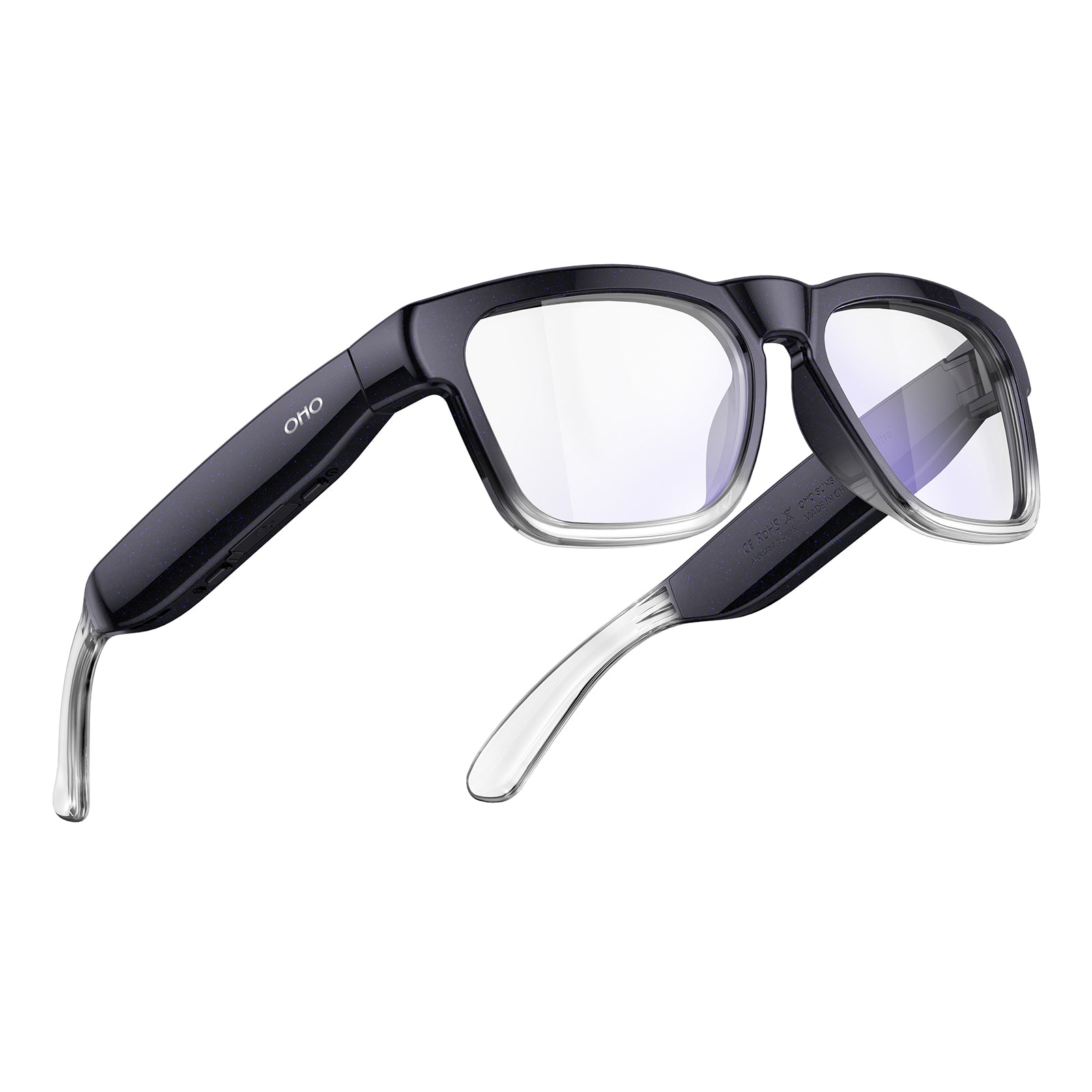





No one can say that every clear blue-light coating keeps color accurate, and no one can say that every one distorts it. The practical rule for design work is simple: keeping the glasses on for layout work is fine, but take off any lens that hasn't been checked for color work before you approve final RGB or CMYK color. Whatever blue light glasses benefits you want from a pair, color accuracy is a separate question, and you settle it one lens at a time.
Does blue-light coating distort color perception?
It might or might not, and the label on the lens can't tell you which. While many pairs are designed as work smart glasses for routine screen tasks, research on these lenses is reassuring overall without telling you how your exact lens affects a warm or cool color call.
A review of blue-light-filtering spectacle lenses reports that studies of commercially available daily-wear lenses found minimal or no significant impact on measured color discrimination. The same review found visual outcomes comparable to standard lenses. That is useful context, but it is an overall finding across the lenses studied. It doesn't clear any one pair for design work. A lab color discrimination test is also a different task from deciding whether a brand teal reads slightly too cool.
So don't assume a lens is color-neutral because it says "clear" or "blue-light filtering." The label names a feature, not a measured result. To settle the question for your pair, you need data on that exact lens: optical measurements, or color-discrimination testing done with the lens on. Until you have that, treat the lens as unverified for color approval. Unverified is not the same as distorting. The same rule applies to other blue light glasses benefits, because each claim needs its own evidence, which is why we cover what blue light research shows in a separate article.
When can you wear filtering glasses during wireframing?
Keep them on while you arrange structure and no color is being approved. That is a practical work habit, not an optical finding. What matters is the task in front of you, not how early you are in the project.
Before each work block, ask yourself one question: am I placing boxes, grids, type hierarchy, and spacing, or am I choosing which colors ship? Grayscale wireframes, content blocks, navigation flows, and spacing passes belong in the first group. Picking an accent color, balancing warm and cool neutrals, or signing off on a palette belongs in the second, even on day one of a project.


Early-stage work isn't automatically safe for color decisions. If the palette gets locked in on a mood board or a first concept, that choice deserves the same lens-free view as a final file. One simple habit helps: flag color choices as they come up and keep working in layout mode. Then make those calls in a separate pass without the glasses. If you already plan long screen sessions around your glasses, much like the routines in our piece on blue light glasses for coding sessions, add that lens-free color pass to the schedule.
Should you remove them for final RGB or CMYK decisions?
Yes. As a cautious default, remove any lens that hasn't been checked for the kind of color decision you're making. This is a workflow rule, not proof that the glasses shift color.
Final RGB screen review
When you approve color on screen, look at the display without the glasses. That covers signing off a web palette, checking UI states, or finishing a photo grade. Otherwise you would be approving color through a layer whose effect on your warm or cool judgment is unknown. Display settings and calibration are aimed at the monitor, so don't assume they correct for anything the lens adds. If a color looks different with and without the glasses, use the lens-free view for the approval. The one case where wearing the lens is defensible is a pair with test data for that exact lens and that kind of judgment.
CMYK and print-related decisions
Print decisions call for the same lens-free default. That includes choosing a spot color, approving a press proof, or comparing a printed swatch with the design file. How a file looks on screen doesn't tell you how it will print, so the lens is only one part of getting print color right. Keep the glasses off whenever you're making a CMYK color decision, on screen or on paper, and let your normal print workflow handle the rest.
Your next move is clear either way. Wear the glasses for layout if you value the blue light glasses benefits you bought them for. Take them off before any color leaves your hands. Treat a lens as safe for color only after you've seen data for that exact lens. That keeps comfort and color accuracy from competing for the same decision.
FAQs
Are yellow or amber blue-light lenses different from clear ones?
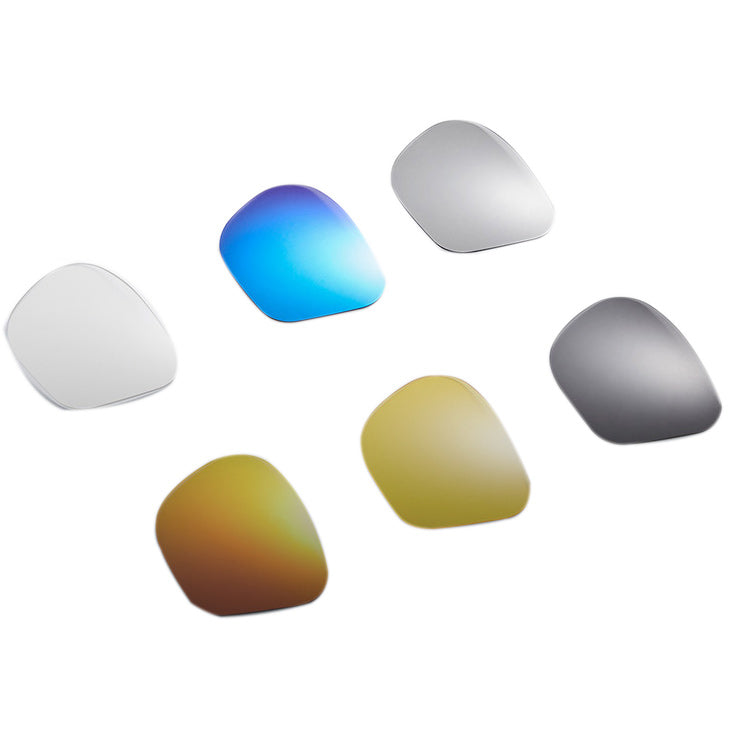
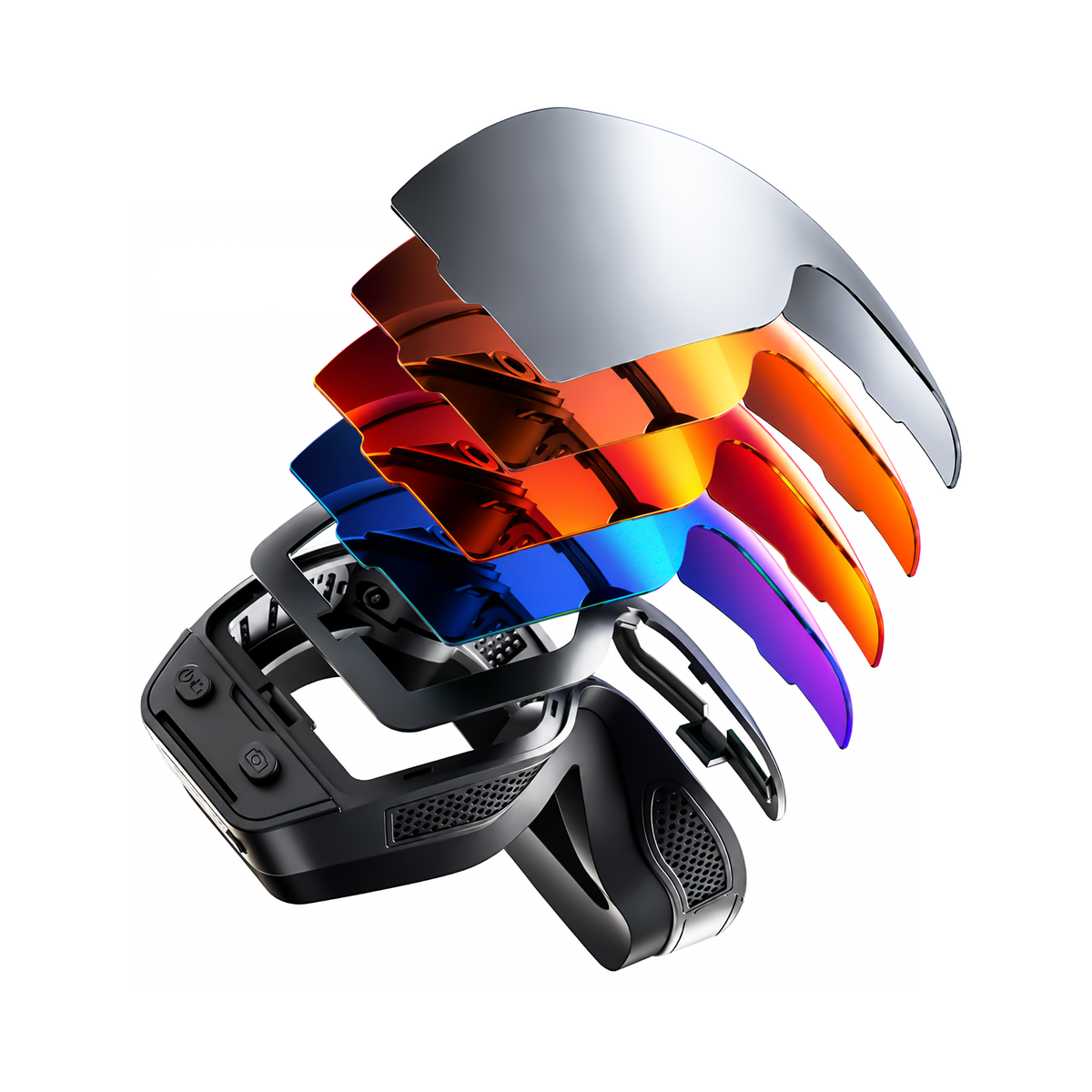
Treat them as a separate case. A lens with a visible tint colors the light that reaches your eyes, so research on clear everyday lenses shouldn't be stretched to cover it. Take tinted glasses off for any color judgment, including early palette choices.
Can monitor calibration make up for a blue-light lens?
There's no evidence that it can. Calibration tunes the display to a target. It doesn't measure or account for a lens sitting between the screen and your eyes. Keep the two jobs separate: calibrate the monitor for the display, and deal with the lens by taking it off when you approve color.
What evidence would make a lens trustworthy for color work?
Look for data on that exact lens, not on the category. Useful proof would be optical measurements showing how the lens passes light across the visible range, or color-discrimination testing done with that lens. A label that says "clear" or "color-true" without that data isn't enough to skip the lens-free check.
Do smart glasses with Bluetooth or a camera change the answer?
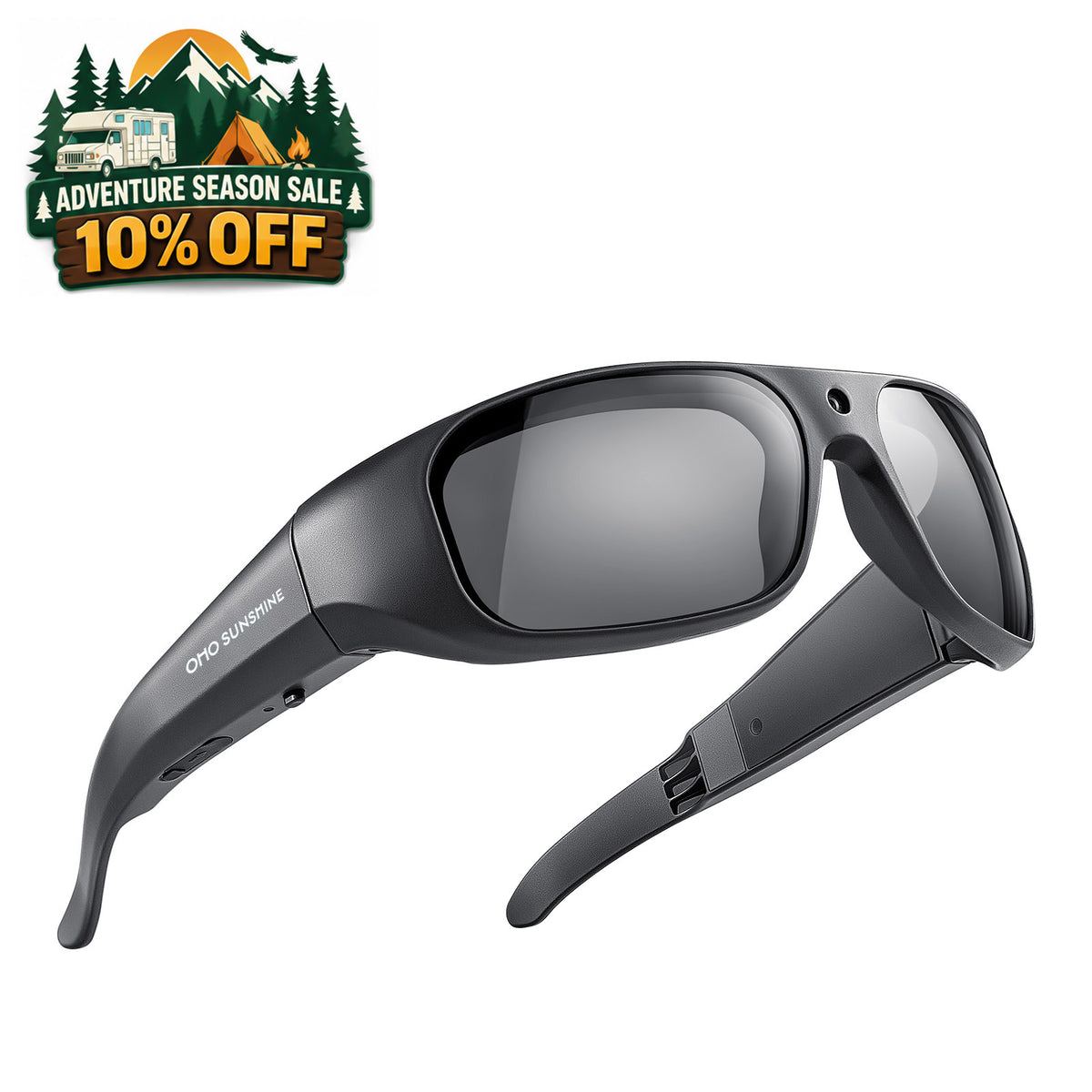
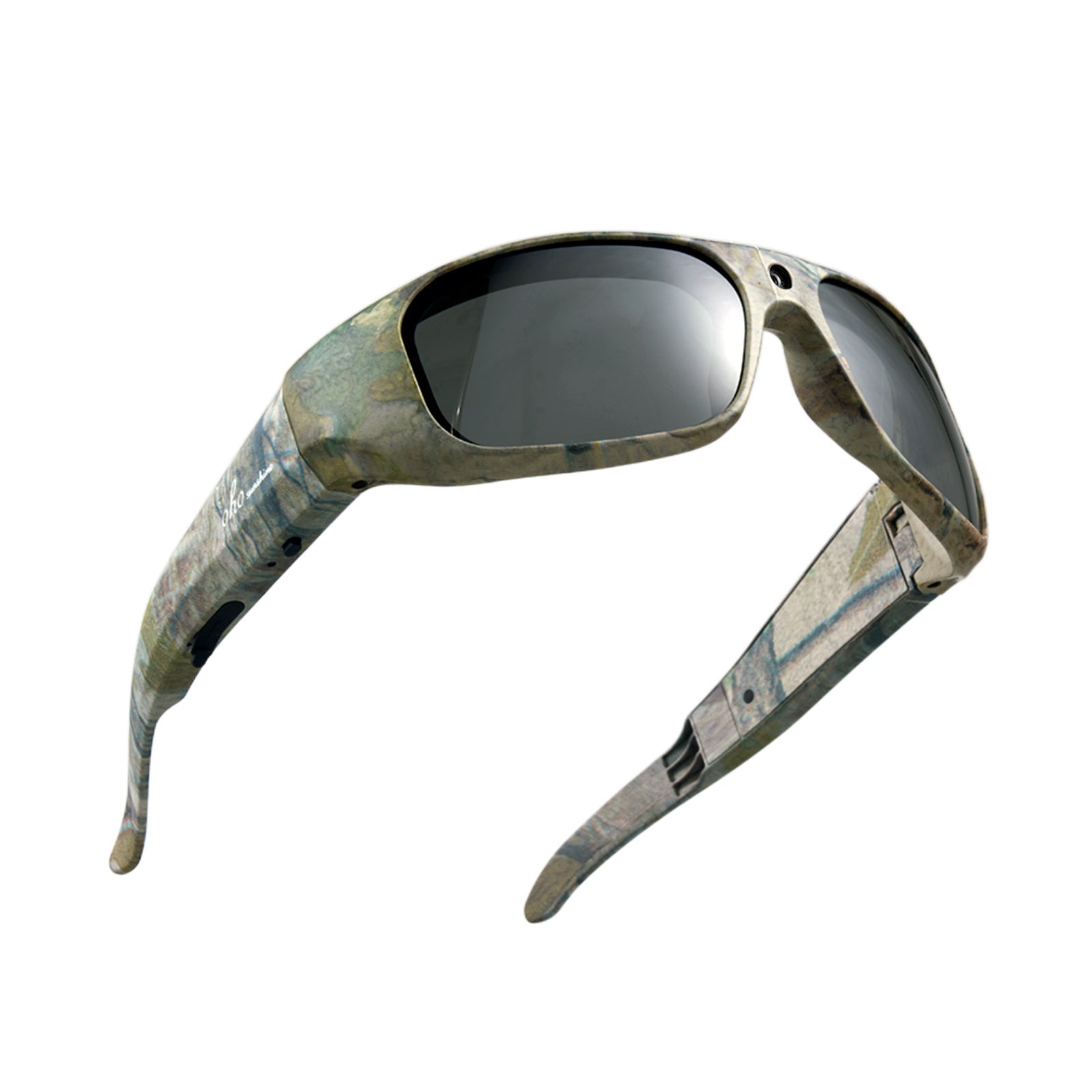
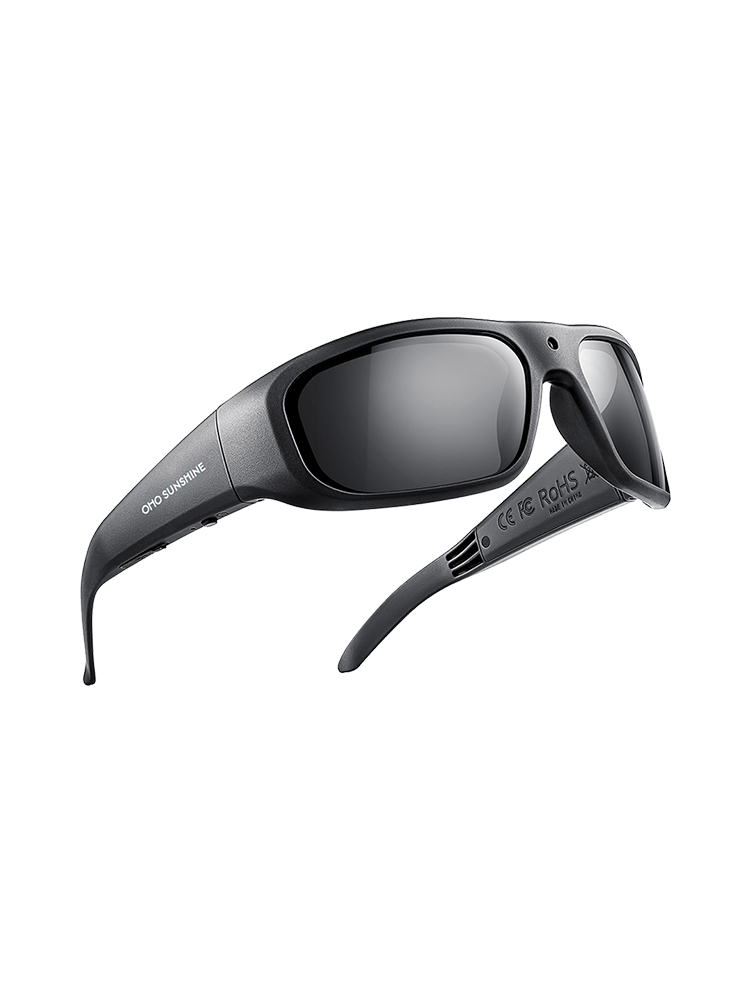
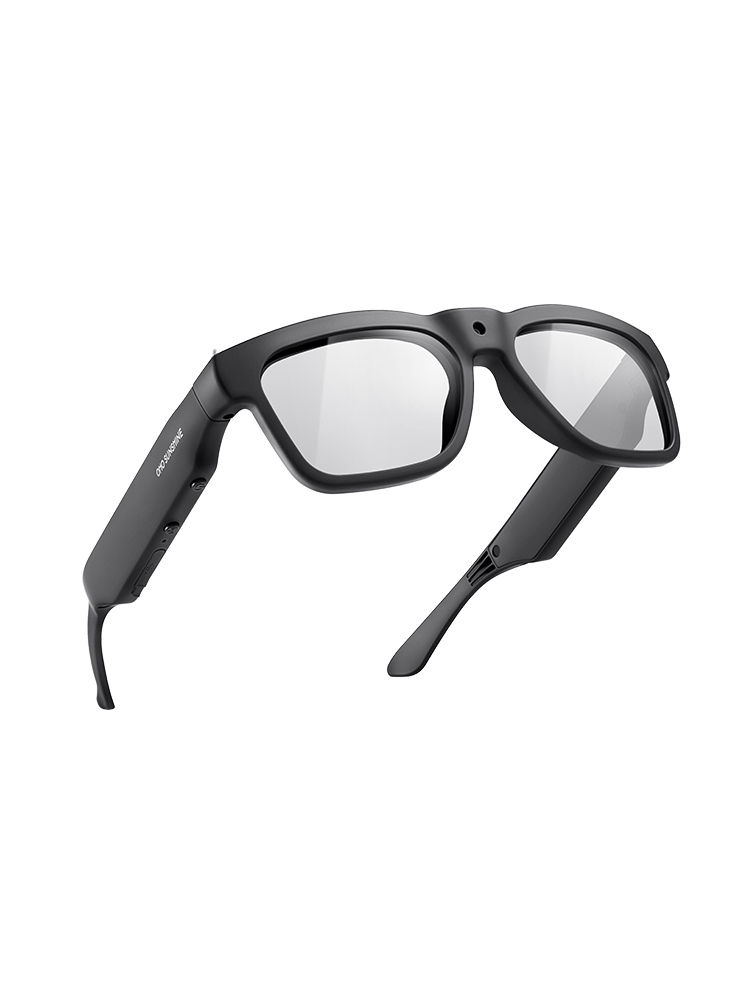
No. Open-ear audio, calls, and a camera live in the frame, but color accuracy depends on the lens. If you wear Bluetooth smart glasses or smart glasses with camera and Bluetooth with blue-light lenses at your desk, the lens decides the color question. The electronics play no part in it.


コメントを書く
このサイトはhCaptchaによって保護されており、hCaptchaプライバシーポリシーおよび利用規約が適用されます。