













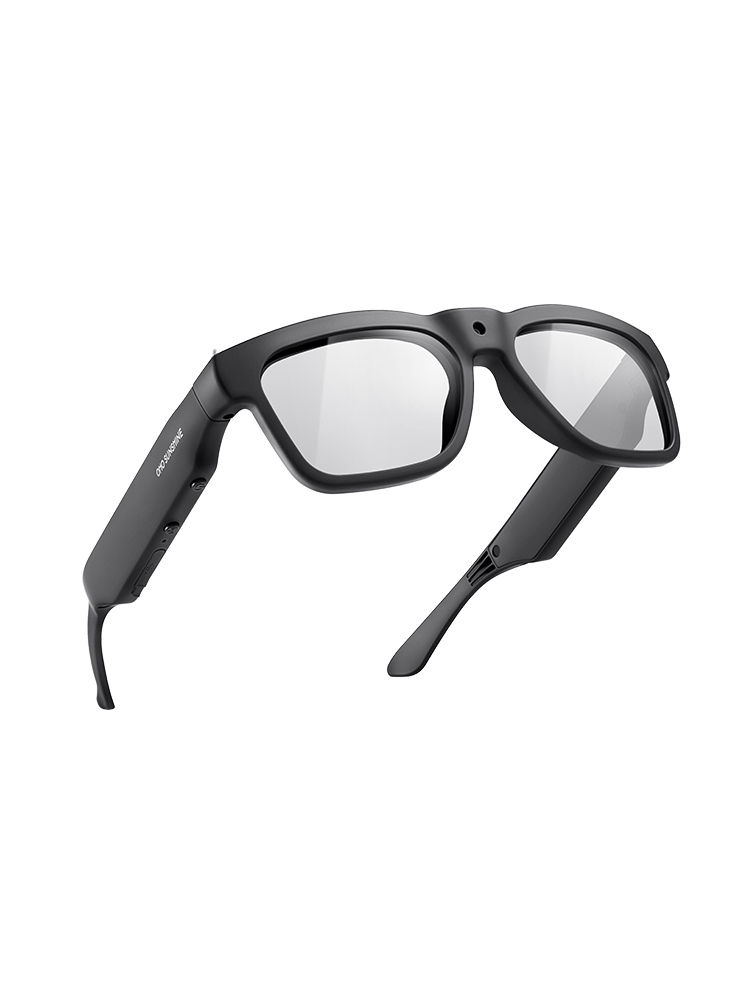


Smart AI glasses with a camera can support a hybrid factory-audit workflow, but only when the exact model proves it can record 4K video and translate supplier dialogue at the same time under your real conditions. A camera spec does not guarantee live translation, and a translation feature does not guarantee 4K capture or simultaneous operation. Before departure, run a pass/fail test with your language pair, phone, and network, then keep a camera-first or translation-first fallback ready.
That test is really the whole question behind whether smart AI glasses with a camera can handle overseas factory audits and negotiation in one device. The sections below turn that question into a workable protocol, from pre-trip verification through the walk-through, the bilingual meeting, and the post-visit file handoff.
Can One Pair of Smart AI Glasses Record 4K Video and Translate Live?
The direct answer is conditional: a single frame is useful for both jobs only after it passes a live, combined test in your setting. Treat 4K recording and live translation as two separate promises until the same session proves both together.
What the Current Facts Support
4K capture and live translation answer two different factory-audit jobs. One preserves visual evidence of machinery, labels, and defects; the other keeps a bilingual conversation moving without a phone passed back and forth. Among the models we cover here, the Edge Pro is the strongest hybrid candidate because its listed features include both 4K video and two-way real-time translation. The Brave establishes a camera-first alternative built around 4K/30 fps capture, and the GlobeEar establishes a translation-first alternative built around AI chat translation. None of these listings by themselves confirm that recording and translating run together for a full session.
What the Audit Test Must Prove
Run this pass condition before you rely on any single frame for a combined visit:
- Record 4K video and run live translation together, in the exact language direction you need.
- Test it against factory-like background noise, not a quiet room.
- Confirm the phone pairing, app behavior, and network or offline mode you will actually use on site.
- Check that controls stay reachable and that battery margin covers your expected session length with both functions active.
- Export a sample file the same way you plan to after a real visit.
If any step fails, assign recording and translation to separate approved tools instead of hoping the gap won't matter mid-audit. A prepared fallback prevents unexpected hardware limits from stalling your inspection.

Set the Procurement Protocol Before the Factory Visit
Before comparing hardware, write down what the visit actually needs to produce: visual QA evidence, translated dialogue, or both. That single decision drives every test that follows, including which device features actually matter for your trip.
Turn each requirement into a pass/fail line on one test sheet. Confirm the language pair and technical vocabulary, the network path the glasses and phone will use, where exported files land, and how much battery margin you need for the whole visit. Check fit and control access for the actual person wearing the glasses, since a control that's easy to reach on a desk can be awkward mid-walk. A connection checklist for phone, app, Bluetooth, and Wi-Fi pairing is useful here, since most on-site failures trace back to one of those links rather than the glasses themselves.
Permission belongs in this same protocol, not as a separate afterthought. Do not record, stream, or activate translation capture until the host, the participants who will be recorded, and your internal data owner have approved the use, and the site's camera, audio, cloud, and streaming rules are confirmed. Close the protocol with one recorded decision: go, with the tested setup, or no-go, with a split workflow instead.
Run the Factory Walk-Through
During the walk-through, the operator's job is to produce footage that answers a specific QA question, not to record a first-person diary of the visit. Start only in approved zones, and confirm the recording indicator you agreed on during preparation before capturing anything.
Use a repeatable sequence at each stop: a wide shot for context, a closer shot of the machine or process step, a close-up of any label or defect, a short spoken note identifying what's on screen, and a time or location marker. When a conversation pulls your attention away from filming, pause deliberately and note the time and subject of the gap rather than letting the camera run unattended. At planned pauses, glance at recording status, listen for audio pickup, and check that clips are continuous. A quick paper or phone log with clip time, machine or batch ID, and the issue observed does more for traceability than assuming the glasses generate reliable metadata on their own.
Manage the Bilingual Technical Discussion
Live translation is a working aid during a technical discussion, not a verified record. Confirm numbers, specifications, quantities, dates, and defect descriptions out loud before you rely on them for a decision.
Keep turns short and let the speaker finish before the translation catches up; ask suppliers to repeat model numbers, dimensions, and quantities so both sides hear the same figure. Mark unresolved terms, unusual accents, or noise-related gaps as they happen so you can review them later instead of assuming the exchange was complete. Our real conversation guidance covers how accents, background noise, and connectivity affect translation glasses in practice, which is useful context before you lean on one for a negotiation. When the glasses can't keep up with the required exchange, switch to your agreed interpreter or phone channel rather than pushing through an incomplete translation.
Close the Visit With an Evidence Handoff
Footage, audio, translated material, and notes are one evidence chain with defined owners, not scattered files on a phone. Preserve the original recording before you edit, redact, translate, or share anything, and label every derivative copy so a reviewer can tell it apart from the source.
The NIST Privacy Framework frames this as a data lifecycle problem: define what's collected, who can access it, where it moves, how long it's kept, and how it's deleted, then compare your current setup against that target before you finalize a purchase or a workflow. A factory-audit process should separate capture from transfer and review: keep the original intact, restrict access, record who receives copies, redact incidental personal information from working files, and apply one documented retention and deletion rule, an approach the ATF privacy impact assessment describes in detail as a capture, transport, and information-management model. Consumer smart glasses don't come with that program's federal-grade controls, but the same separation of duties works at a smaller scale. Our field inspection handoff checks piece walks through labeling and retention steps you can apply directly to a factory visit.
Choose Hybrid, Camera-First, or Translation-First
Pick the workflow that matches your non-negotiable deliverable, then confirm the model against its listed capabilities and limits. Aligning your priority early prevents device failures on the production floor.
| Model | Best fit | Capability basis and boundary |
|---|---|---|
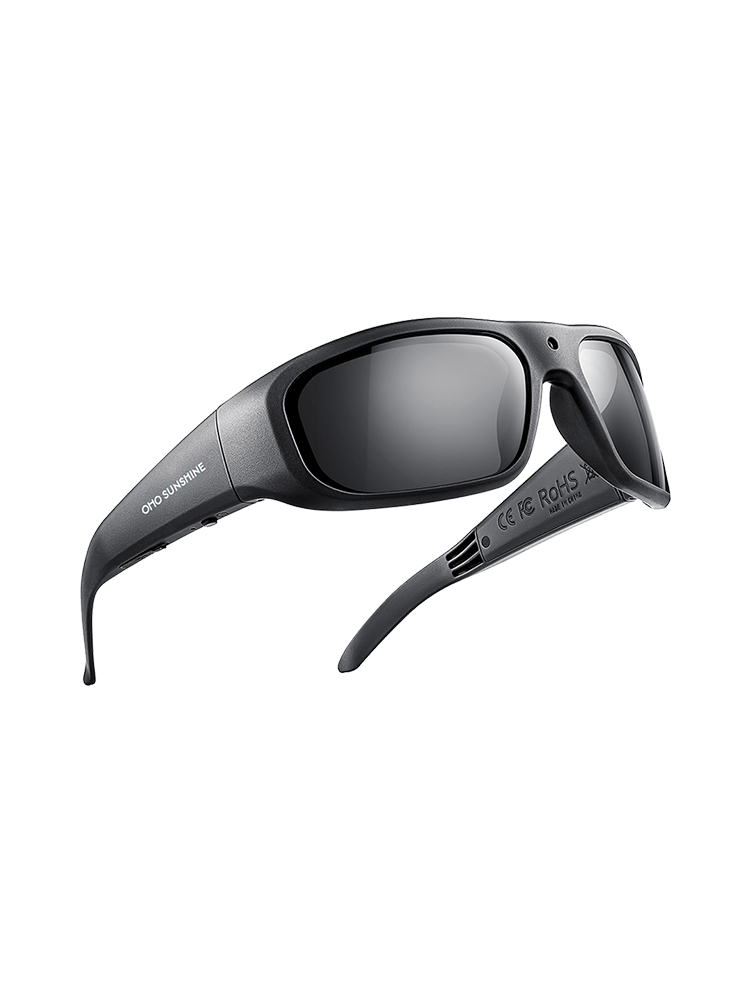
| Edge Pro | Combined audit and dialogue, after passing the simultaneous-use test | Lists 4K video and two-way translation; battery is rated 1.5-20 hours, but combined-workload runtime still needs testing |
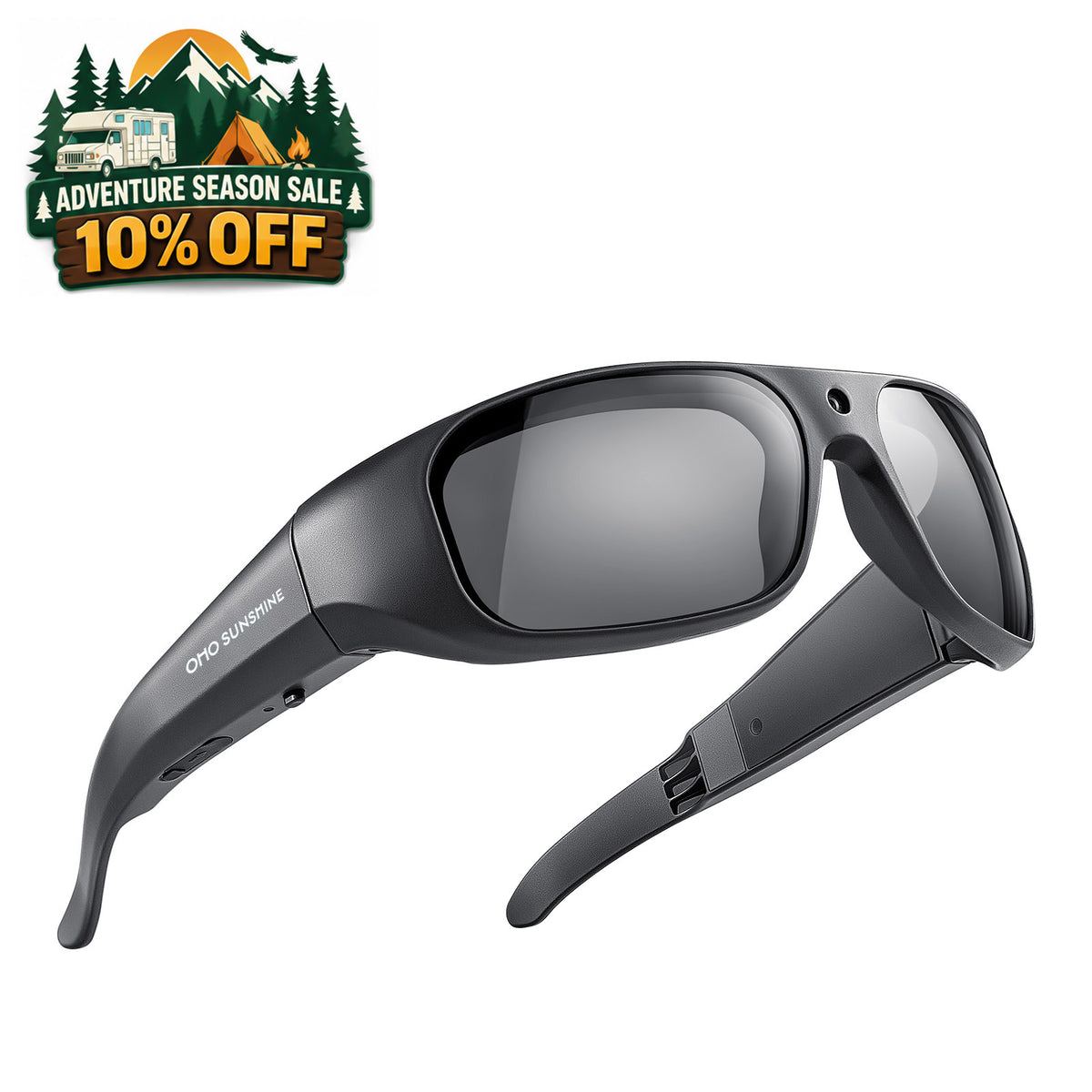
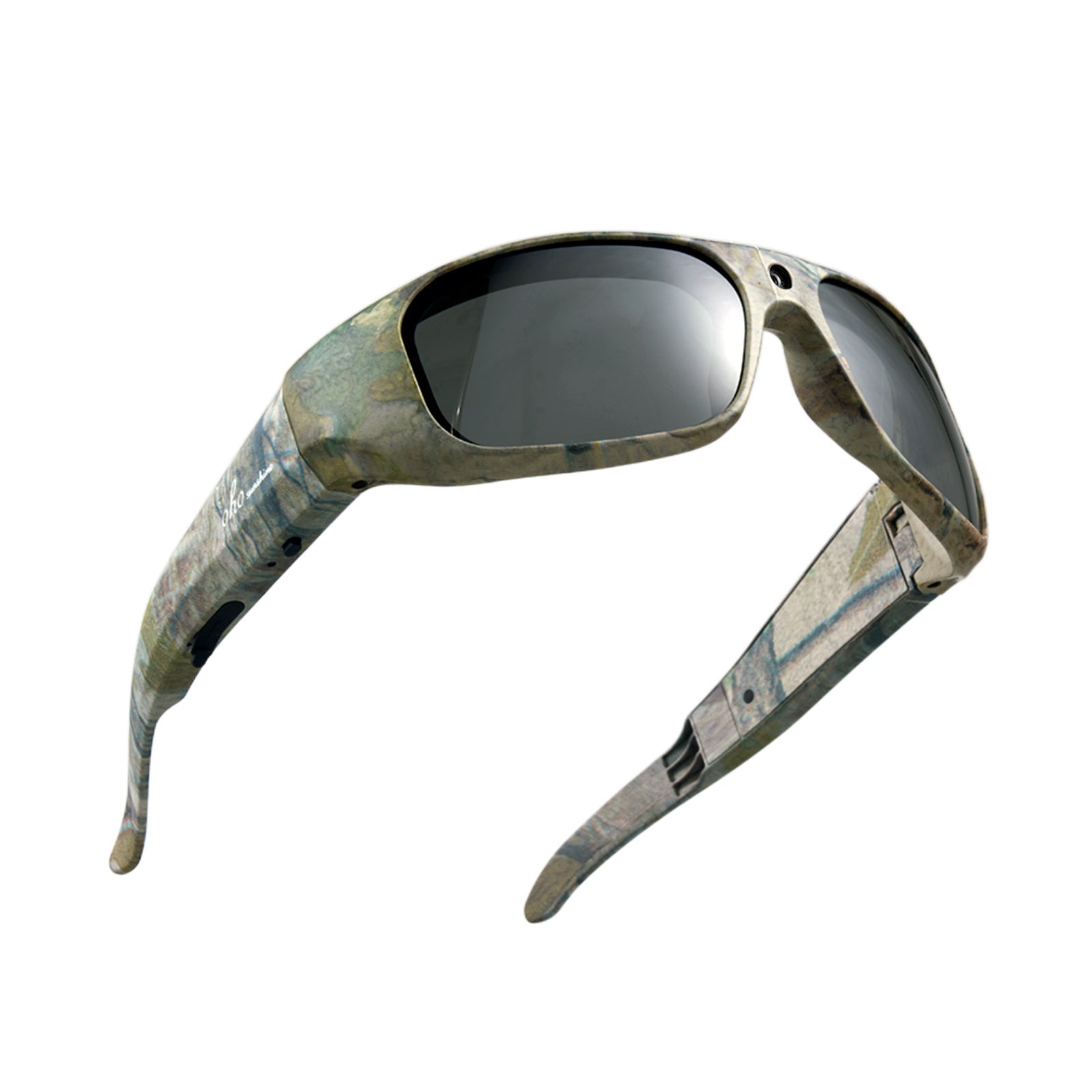
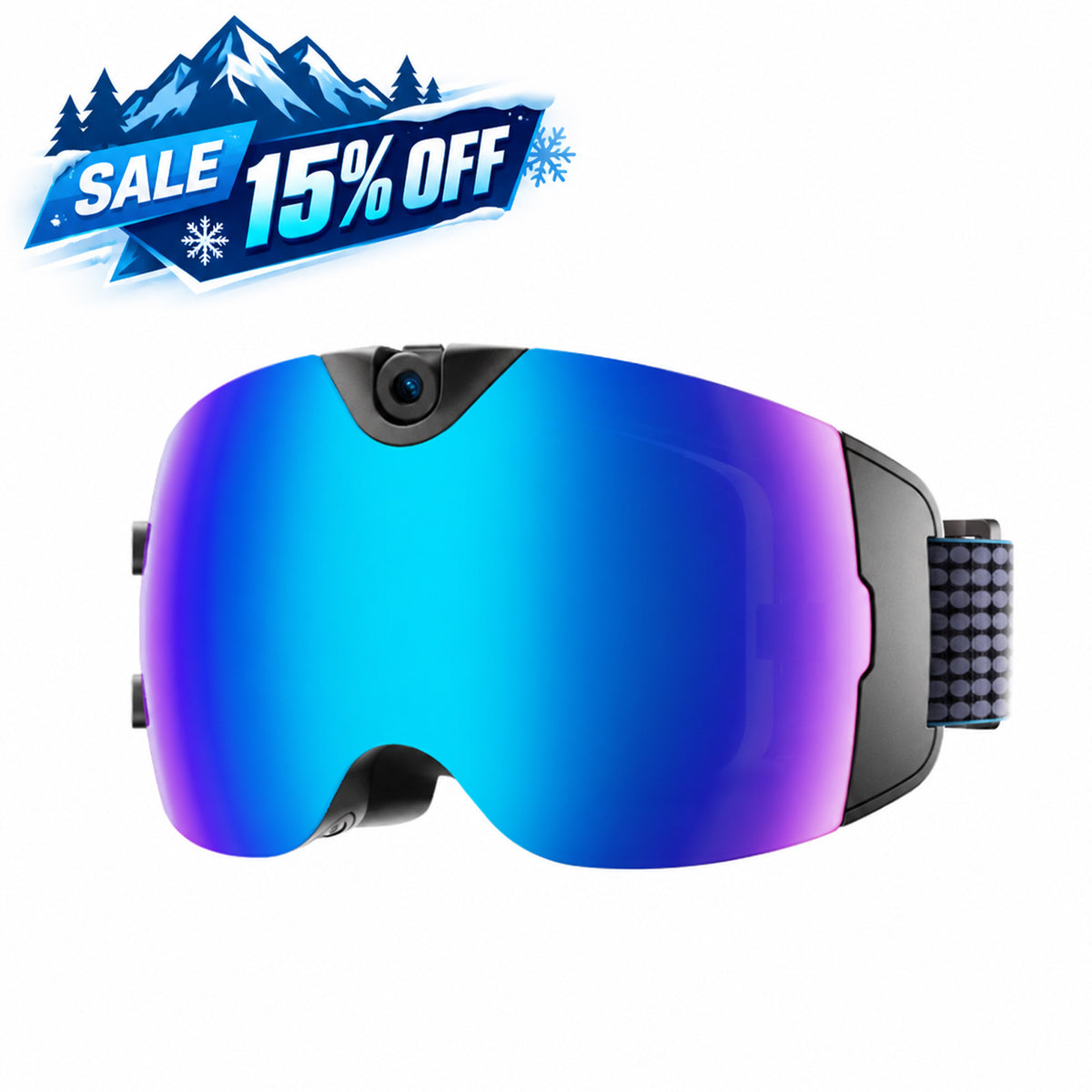
| Brave | Short, planned visual QA segments | Lists 4K/30 fps recording and a microphone, with no listed translation; battery life is listed at 30 minutes |
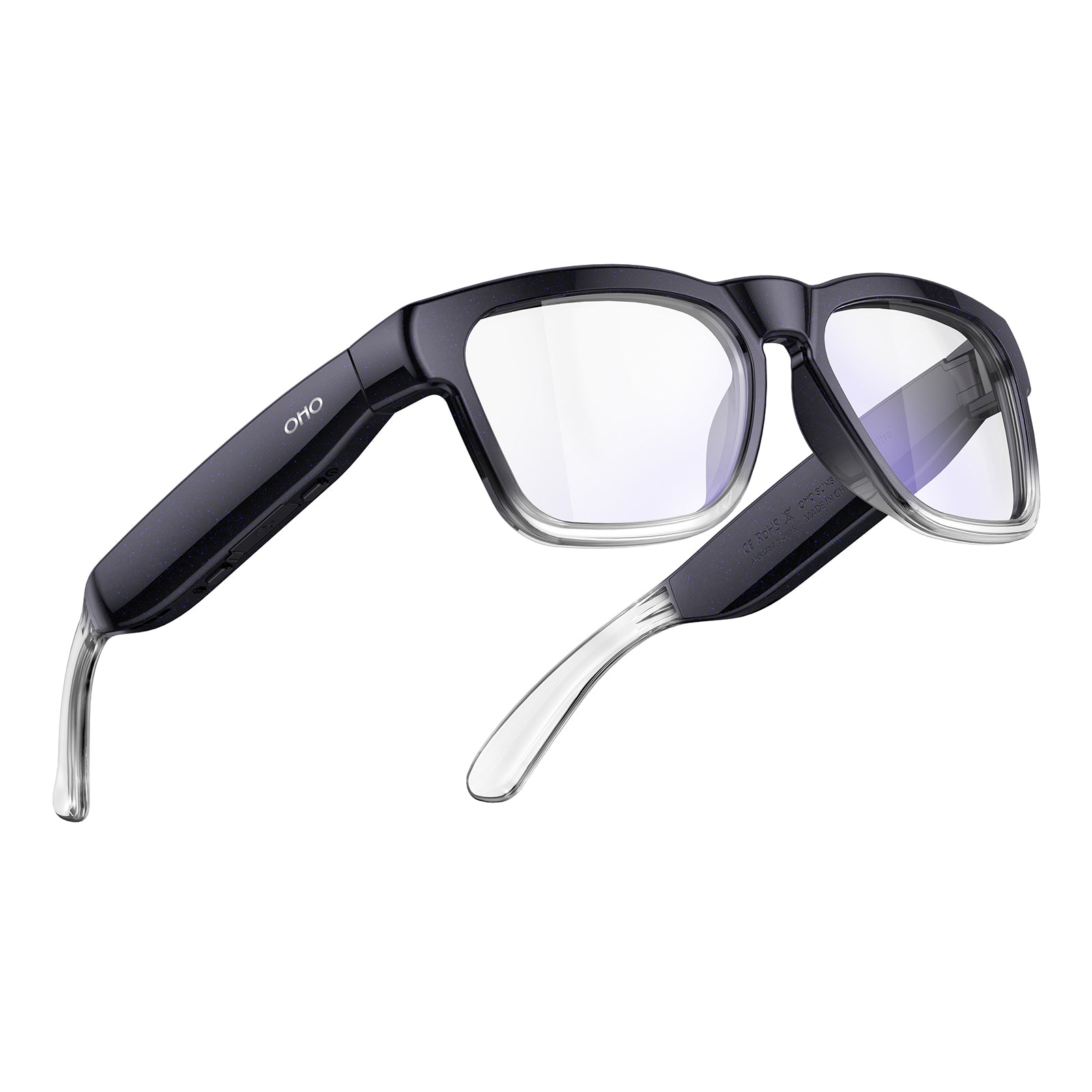
| GlobeEar | Translation-first supplier meetings | Lists AI chat translation and open-ear audio, with no listed camera; battery working time is listed at 10 hours |
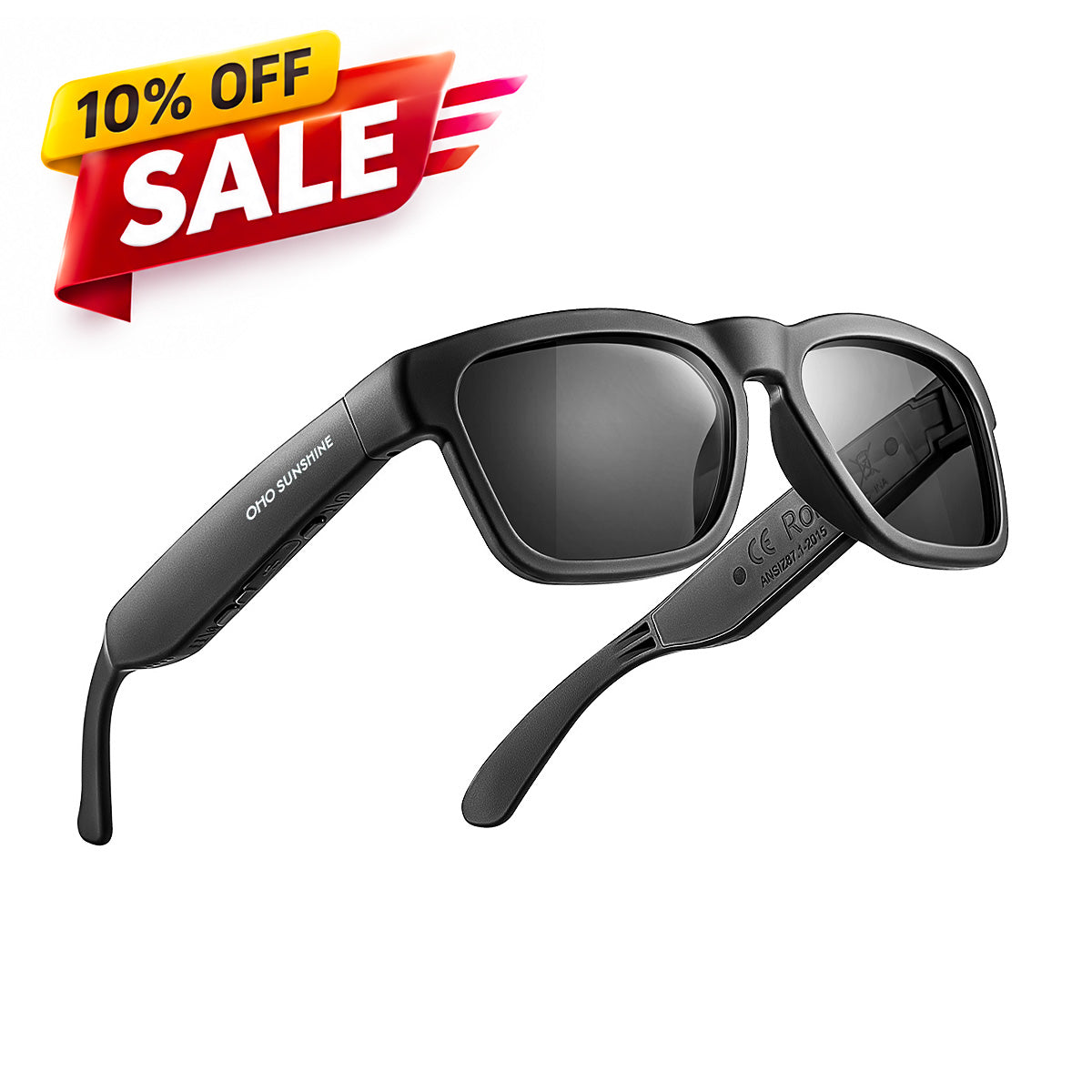
The Edge Pro 4K translation glasses are our strongest single-frame option for a combined visit, but that recommendation only holds once your own simultaneous-use test passes with margin on battery and connectivity. When visual evidence is the deliverable that can't slip, the Brave 4K camera glasses keep the job simple: point, shoot, and hand translation to a separate approved channel. When the supplier conversation is the priority and footage can wait or come from another device, the GlobeEar translation glasses give you a longer listed battery window built around dialogue rather than capture. If you're still comparing options, our AI translation glasses collection groups the audio-only and camera-equipped models side by side.
Conclusion
Use one hybrid frame only after it passes your exact simultaneous recording-and-translation test. If that test fails, choose a camera-first setup when visual QA evidence is critical, or a translation-first setup when dialogue is the priority. Document the test outcome before your trip and commit to the workflow it supports.
FAQs
What should we do if the phone or network drops during live translation?
Pause the exchange or flag it as untranslated the moment you notice the drop, and switch to your agreed interpreter or a separate phone channel to keep the conversation moving. Log the time and subject of the gap so someone can follow up on it later. Don't treat a partially translated exchange as a complete technical record just because the session continued.
Can translated audio or notes replace the original factory recording?
No. Translated audio, transcripts, and notes are working aids that help you understand a conversation in the moment, not a substitute for the original file. Keep the original recording untouched, label any translated or edited version clearly as a derivative copy, and share only through your agreed process.
What should the supplier briefing say before the glasses are used?
Tell the supplier and any participants that the glasses have a camera and microphone, when capture will be active, what the footage and translated audio will be used for, and who will see it. Agree on a stop signal in advance, and confirm the site has approved the recording and any streaming or cloud processing before you start.
Does every operator need a separate fit test?
Yes. Fit, lens choice, and control access vary by wearer, so each person who will use the glasses should run their own short test: comfortable fit and field of view, button or voice control response, microphone pickup in a noisy room, and the ability to check recording status without breaking the flow of an audit or a conversation.


Commenta
Questo sito è protetto da hCaptcha e applica le Norme sulla privacy e i Termini di servizio di hCaptcha.