















Yes—1080P camera glasses can help you spot and log a raptor flight, but they work best as a quick, hands-free sighting record rather than a replacement for binoculars or a telephoto camera. A wide-angle view makes it easier to catch a fast-moving bird before you even lift your hands, but that same width means a distant raptor still occupies a small part of the frame. Whether the clip helps later with identification depends on distance, light, and how much of the bird's flight pattern the recording actually preserves.
What 1080P Camera Glasses Can Capture in a Raptor Sighting
1080P camera glasses capture a wide, first-person view of the sky, which helps you keep a fast-moving raptor in frame before you reach for binoculars. The recording works as a sighting log and context clip, not as a stand-in for telephoto detail or confirmed field marks.
What a Wide View Does for a Moving Raptor
A broad field of view gives you more room to locate an erratic or fast-climbing raptor and keep it inside the frame while you reach for your binoculars. Wildlife optics guidance from the Cornell Lab of Ornithology explains that a wider field of view helps you find and follow a bird in flight, because it leaves more room for error if the bird drifts off-center. Camera glasses can offer that same practical benefit: the wide framing makes it easier to catch the moment a hawk lifts off a fence post or an eagle crosses overhead.

The trade-off is that the same width spreads a distant bird across fewer pixels. A raptor circling a few hundred yards away will still look small in a 1080P clip, and cropping in later cannot manufacture detail the camera never captured. Treat the result as a sighting log, a record that a raptor was there, roughly when, and which direction it flew, rather than a telephoto-quality photograph you can zoom into for feather-level detail.
Why Sky Contrast Can Erase Usable Detail
Bright open sky, backlighting, and uneven cloud brightness can turn a raptor into little more than a dark silhouette on your recording. When the sun sits behind the bird, or the sky is a flat, glary white, the camera has less color and contrast to work with, and the clip may only show a shape moving across the frame.
That matters because species-level identification usually depends on more than an outline. All About Birds' guide to raptor identification notes that many raptors show distinctive field marks in flight, visible in wing patterns, tail bands, and flight silhouette once you can actually see them. A washed-out or backlit clip may not preserve those marks well enough to confirm a species, even though the bird was clearly visible to your eyes in the moment.
The supplied specifications for 1080P camera glasses describe video resolution and photo capture, not how the camera meters exposure against a bright sky. Until a manufacturer publishes that kind of test footage or exposure data, it is safer to treat difficult-light recordings as proof that something flew by, not as confirmed identification evidence. For a closer look at which camera-glasses specs matter most for capturing motion cleanly, our hands-free video framework walks through resolution and stabilization trade-offs in more detail.
When Camera Glasses Fit—and When to Switch to Binoculars
Camera glasses fit best when the job is a quick, hands-free record of a raptor before you can raise binoculars. Once you need field marks, a stable close view, or telephoto-quality photos, binoculars, a spotting scope, or a dedicated camera should take over.
Best-Fit US Birding Situations
The table below sorts four common raptor-watching situations by what a wearable camera can realistically add and where another tool should lead.
| Scenario | What camera glasses can contribute | Decision or limitation |
|---|---|---|
| Brief overhead encounter | A quick first-person clip while you get ready to observe | Good fit for a sighting log; do not expect ID-ready detail |
| Open-sky tracking | Wide framing helps keep a distant raptor inside the shot | Bird may still look small in the clip; treat as context only |
| Bright or backlit sky | Records that something was there and roughly where | Color and field marks may not survive; confirm with binoculars |
| Detail-first identification or photography | Hands-free convenience only | Binoculars, a spotting scope, or telephoto gear should lead |
Across all four situations, the camera glasses' role stays the same: log the moment, then hand the identification job to a purpose-built optic when the scene gets tougher.
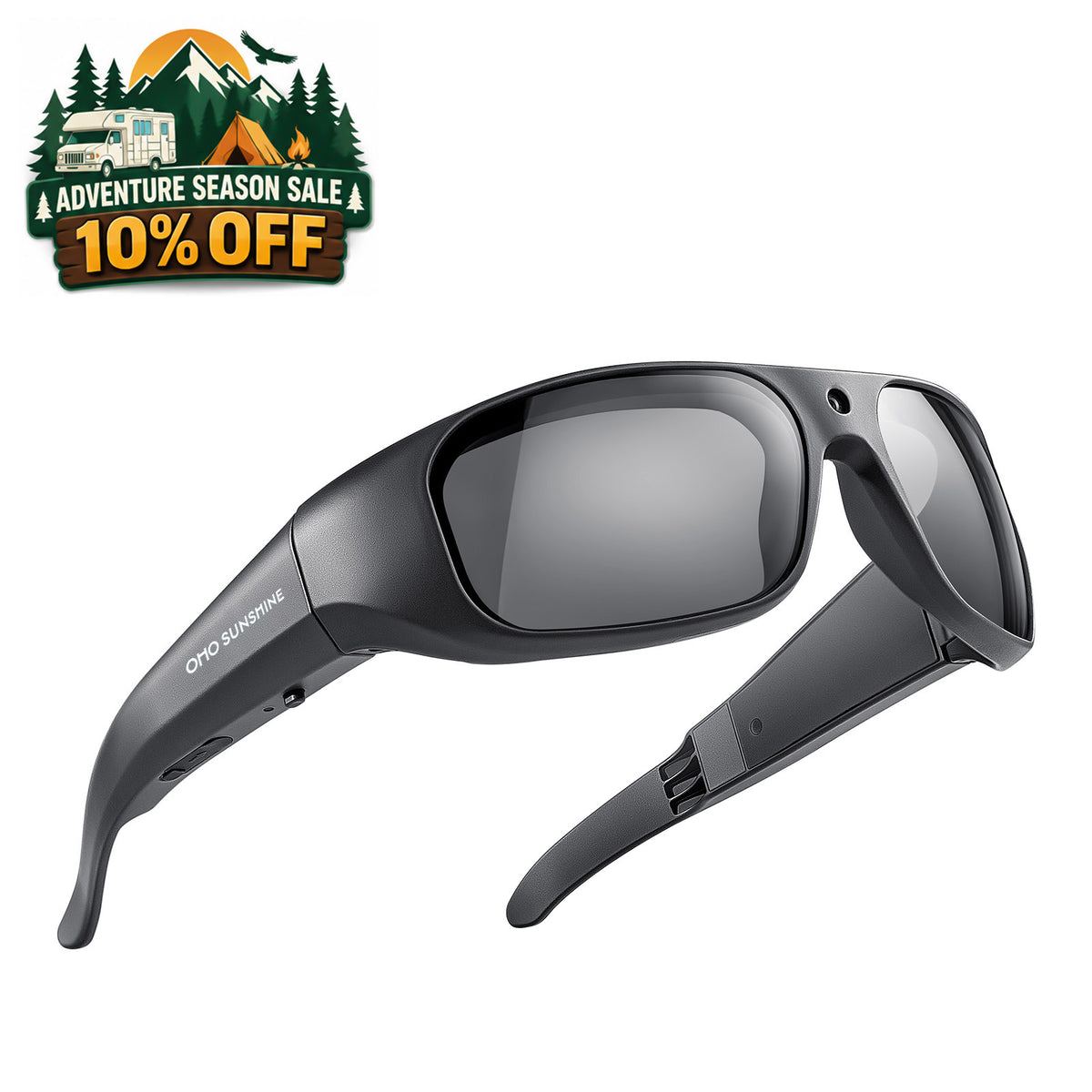
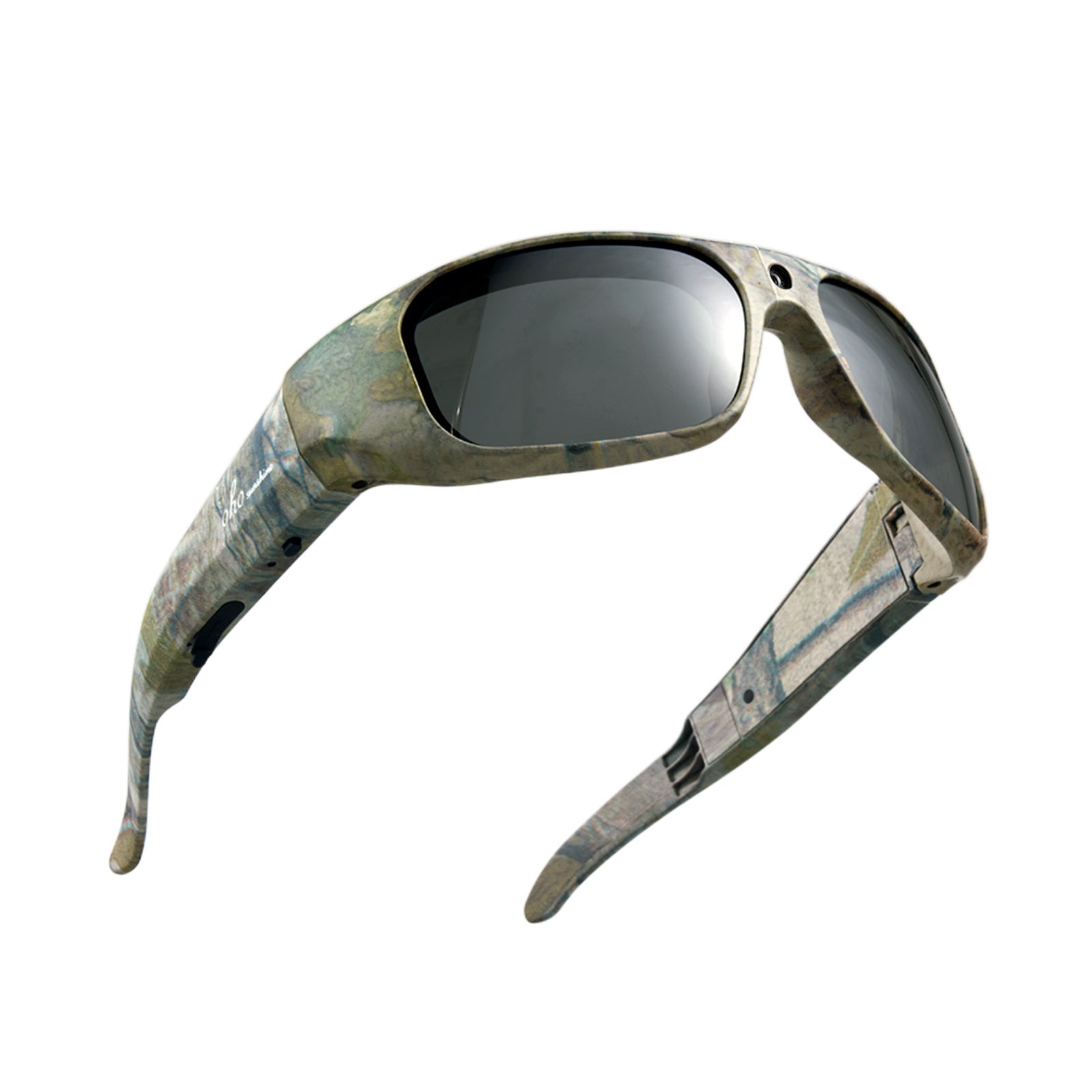
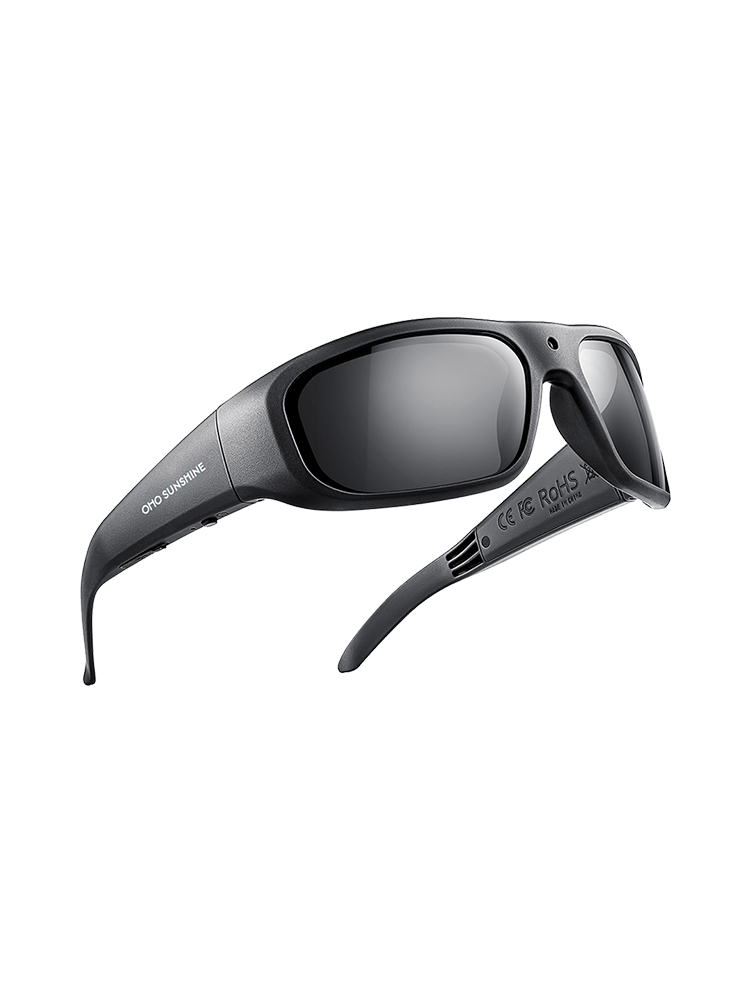
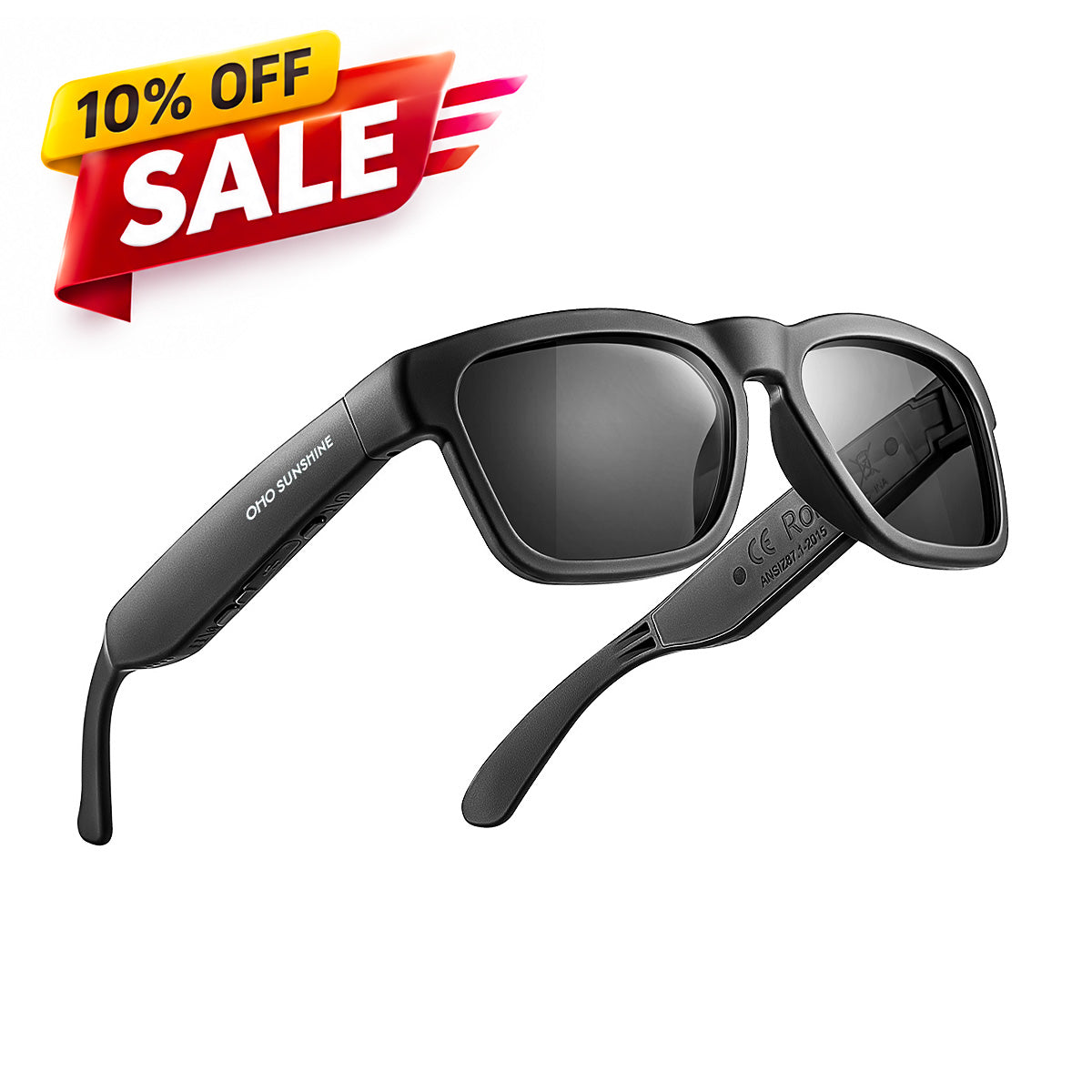
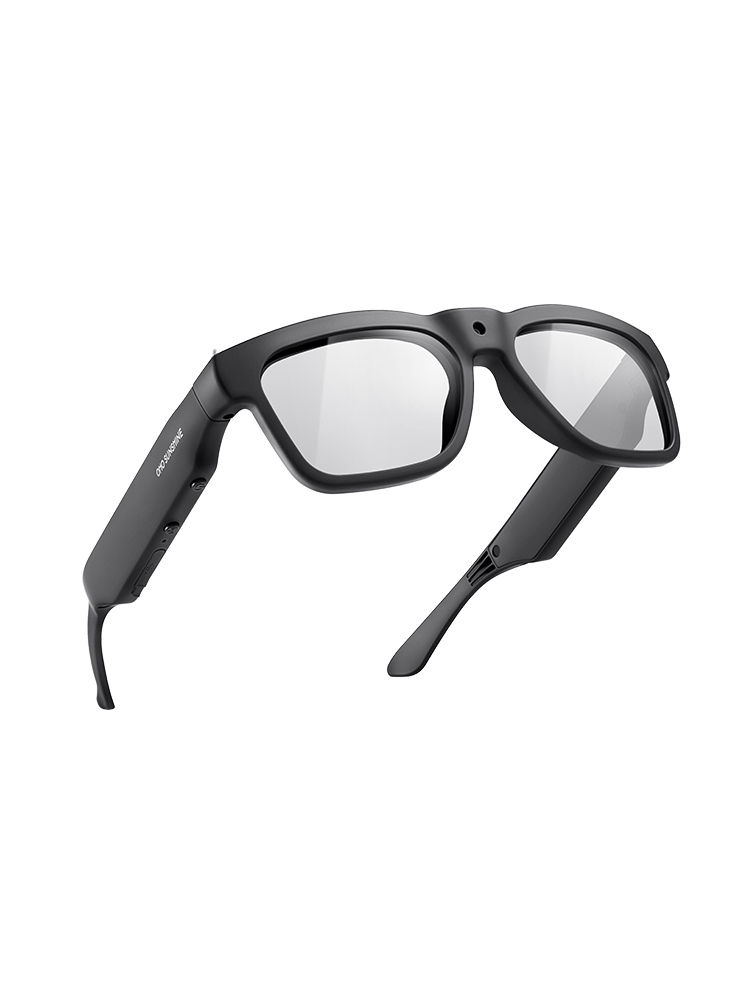
Within that logger role, our Vidsoul 1080P camera glasses list Full HD 1080p video at 30 fps, 24MP photo capture, polarized lenses, and one-button video or photo control, features that support catching a brief encounter without fumbling for a phone or a separate camera. We have not verified the glasses' camera field of view, exposure behavior in bright sky, or image stabilization, so treat them as a sighting logger rather than a way to nail down field marks on a distant or backlit raptor. Anyone who wants a wider look at hands-free camera-glasses options before choosing can browse our camera glasses collection.
When to Switch to Binoculars or a Scope
Start or keep your one-button recording the instant a raptor appears, so you preserve the sighting even if the bird passes quickly. Once the bird settles into a steadier position, or you have captured the moment you wanted, raise binoculars to check plumage, size, and behavior while the encounter is still fresh.
The National Park Service's birding guidance recommends binoculars and spotting scopes for confirming birds farther away, along with noting the date, time, location, behavior, and weather in a field notebook. That combination, a brief camera-glasses clip plus a written note and a longer look through binoculars, gives you more to work with than the recording alone.
For close flight photography, such as catching a hawk's wingbeat or an eagle's talons at the moment of a strike, dedicated telephoto camera equipment should do the work instead of camera glasses. Wearable cameras were not built to match a telephoto lens's reach, and treating a wide-angle clip as equivalent risks over-reading a shape the camera never resolved into real detail.
Choose 1080P smart camera glasses when the job is a quick, hands-free log of a raptor sighting, not a replacement for binoculars or telephoto gear. Confirm field of view, exposure behavior in bright sky, and stabilization details before you buy, and keep binoculars or a scope on hand whenever identification or close flight photography matters more than simply catching the moment.

FAQs
Can I use a camera-glasses clip as proof of a raptor's species?
A clip can document that you saw a raptor and preserve helpful context, like flight direction and time of day, but it should not settle an uncertain identification on its own. Compare what you recorded with a live look through binoculars and a field guide's description of size, shape, and behavior before logging a species.
Does 1080P make a distant raptor look large and clear?
No. 1080P describes the video's resolution, not magnification or how much of the frame the bird fills. A raptor far overhead can still appear as a small shape in a 1080P clip, so check a camera's field of view and optical reach separately from its resolution label before expecting a close-up-style result.
Will polarized camera glasses solve bright-sky or backlit raptor footage?
Polarized lenses are a listed feature on some camera glasses, but they do not by themselves prove the camera exposes bright sky or backlit scenes well. Look for a manufacturer's exposure information or sample footage in similar light before counting on a clear recording of a raptor against a glary sky.
What should I verify before buying camera glasses for birdwatching?
Prioritize the camera's field of view, its exact video and photo behavior, whether the model lists image stabilization, and any exposure or sample footage for bright-sky scenes. Match those checks to your goal: a wider view and simple controls suit a quick sighting log, while identification-level detail still calls for binoculars or a scope.


Commenta
Questo sito è protetto da hCaptcha e applica le Norme sulla privacy e i Termini di servizio di hCaptcha.