

















Camera glasses work for field inspections only when four things line up: a short hands-free visual record is actually needed, someone has authorized the recording, the capture has a clear stop point, and a named person will own the file after handoff. When any of those pieces is missing, a phone, an approved body camera, or written notes is the safer choice. This guide walks through each checkpoint so you can make that call on-site, not after the fact.
Start With the Evidence Need, Not the Camera Glasses
Camera glasses earn their place when the inspection needs a brief, first-person visual clip and both hands need to stay free, for example while climbing, holding a tool, or steadying equipment. If the record instead depends on exact measurements, a written explanation, or an interview, glasses alone will not satisfy the task.

The go decision rests on four conditions: a defined evidence need, clear authority to record, a manageable capture boundary, and a named handoff owner. Confirm all four before the first clip. If the required record needs detailed written context or an interview rather than a short visual clip, pair the capture with notes or use another approved method instead.
Use those four conditions to choose the next action:
- Go: All four conditions are confirmed, so make the short capture and follow the handoff process.
- Adjust: The evidence need is clear, but the method needs notes, a different approved device, or a tighter capture boundary.
- Stop: Authority or the recording boundary is not confirmed, so do not capture until that issue is resolved.
- Escalate: The responsible owner, destination, or decision authority is unclear, so pause and ask a supervisor or client contact.
For a broader walkthrough of setting up capture, review, and privacy checks before a pilot, our field inspection workflow guide covers the setup steps in more detail.
Permission and Privacy Protocols
Use the site’s authorization and privacy instructions to set the recording scope before capture. The checks below add the people, audio, and location details that can change that scope.

Confirm Authority Before You Record
- Name the person or policy that authorizes documentation at this site: employer, client, property owner, or site contact.
- Separate permission to enter or inspect from permission to record people, audio, or restricted information; the two are not the same approval.
- Treat client, employer, property-owner, and contract instructions as inputs that can differ from visit to visit, not a fixed rule.
Announce Capture and Check the Scene
State clearly that video is being recorded and mention that the device may capture audio when that applies. Scan the area for bystanders, planned or unplanned interviews, confidential documents or screens, and any zone where recording is restricted. A visible camera or wearable indicator is not a substitute for saying the words out loud and getting a clear answer.
Set a Stop or Escalation Rule
Stop before entering a restricted area or capturing a person or conversation outside the approved scope. Escalate to a supervisor or site contact when permission signals conflict, the audio boundary is unclear, or nobody on-site can resolve the question. When recording is not necessary or not permitted, switch to written notes or another approved method rather than guessing.
Operational Workflow: Recording and Handoff
Use the sequence below to move one approved inspection clip from capture to a verified owner.
Capture Only the Needed Evidence
- Confirm that the authority, audio scope, and restricted-area status are clear for this clip.
- Announce the recording as required by the visit's protocol.
- Record a short clip that answers one inspection question, such as a defect, a measurement context, or a completed repair.
- Stop as soon as the question is answered or the approved boundary ends.
- Label the clip immediately using a consistent filename pattern.
- Transfer the file to the approved team location.
- Verify that the recipient can open the file and that access is limited to the intended audience.
Use a Filename That Survives Handoff
A clip is only useful if its name still makes sense after it leaves the glasses. Use a pattern such as date, job or site identifier, location or asset, clip subject, and a sequence number, for example 20260214_JOB482_ROOF-NORTH_LEAK_01. Descriptive, date-based filenames and a shared, approved record location keep the file understandable independent of where it eventually gets stored. Keep the same naming pattern across every clip from the same visit so a supervisor or client can sort them without asking questions.
Assign and Verify the Handoff
Name the recipient or records owner before you transfer anything, not after. Move the file into the team's approved location rather than leaving the only copy on the glasses, a personal drive, or an email inbox. Handoff is not complete until that owner confirms receipt, confirms the file opens, and confirms who has access. Before recording even starts, jot down who that owner will be and where the file is going, so the clip never becomes an unowned copy sitting on a personal account.
Data Retention and File Management
Retention is a documented decision tied to the record's purpose and the applicable schedule, not a fixed number of days. The realistic outcomes are retain, archive, restrict, delete, or escalate, and the right one depends on who else needs the file and for how long.
Choose the Retention Action
Retain the file while it remains an active inspection or business record. Archive or restrict it once the record is complete but might still be referenced later. Before deleting, have the responsible owner confirm the applicable schedule. Then confirm that any legal or contractual holds and privacy requirements are settled. Finally, confirm that the handoff is complete. Delete only after all of those checks are resolved. If one is unresolved, retain, restrict, or escalate instead. Organizations should follow their own retention schedule rather than apply a universal number of days when deciding how long an inspection clip stays active.
Handle Copies and Device Reuse
Before disposing of anything, find every copy: the glasses, a laptop, a phone, a shared drive, an email thread, or a backup. Deleting the clip from the glasses does not prove every other copy is gone. For sensitive material or before reusing a device, coordinate risk-based media sanitization with privacy and records officials rather than applying a generic deletion step. Do not reuse or wipe the device or its media until the responsible owner confirms the schedule, any holds, privacy requirements, and a successful handoff. Document who approved the action and what was actually done.
When to Use Alternative Documentation
Choose the tool that matches the record you need. Camera glasses fit a short, permitted, hands-free visual pass; a phone fits flexible review and sharing; an approved body camera depends on an existing program; and written notes fit situations where recording is unresolved or unnecessary.
| Tool | Choose it when | Limiting condition |
|---|---|---|
| Camera glasses | A short, permitted visual pass needs both hands free | Weak fit for long sessions, unresolved permission, or written detail |
| Phone | Immediate framing, review, annotation, or flexible sharing is needed and approved | Requires stopping to hold and operate the device |
| Approved body camera | The employer or site already runs a body-camera program with assigned ownership | Not usable without an existing, authorized program |
| Written notes | Permission is unresolved, recording is restricted, or the record is mainly observational | Slower to capture visual detail than a camera |
Use Camera Glasses for a Short Hands-Free Visual Pass
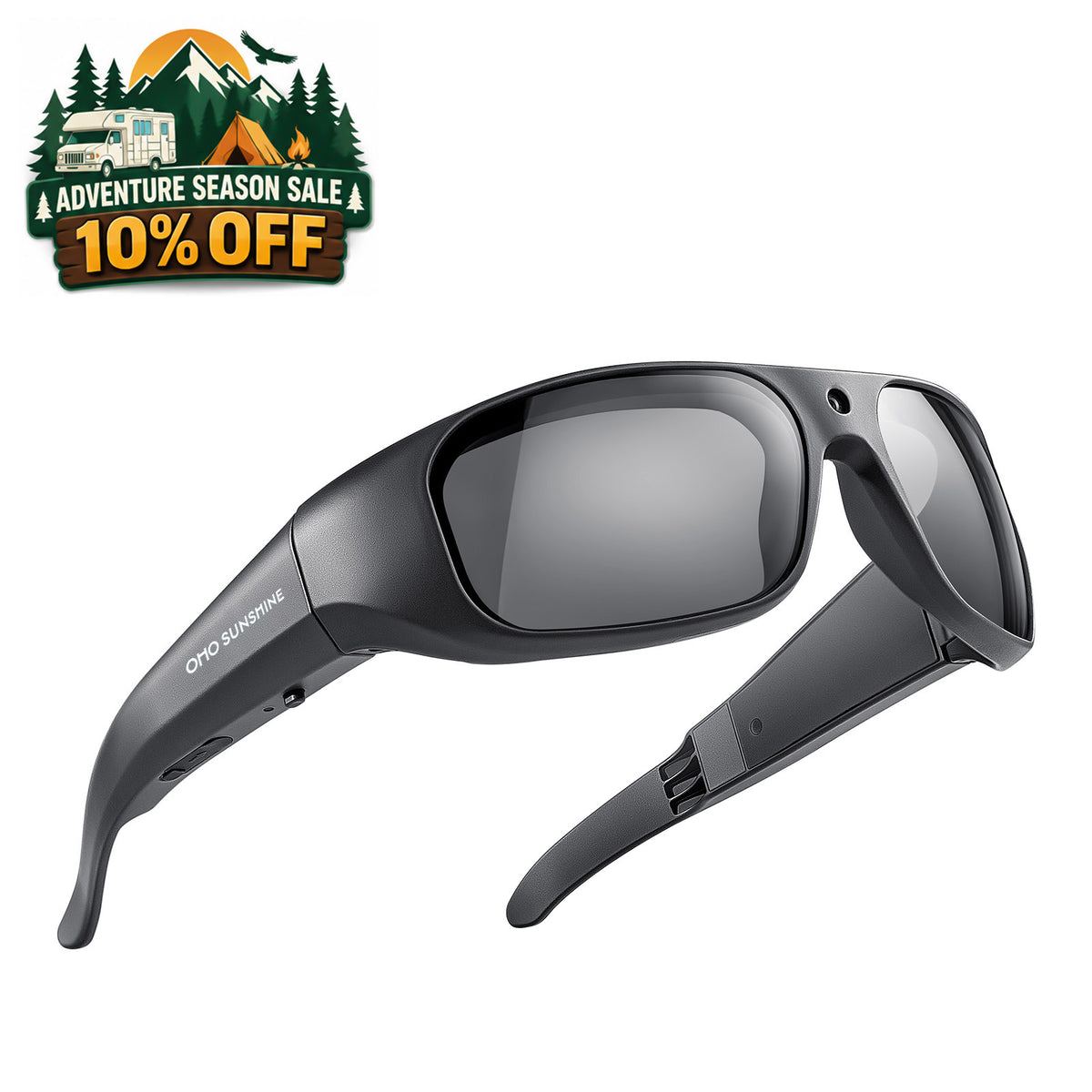
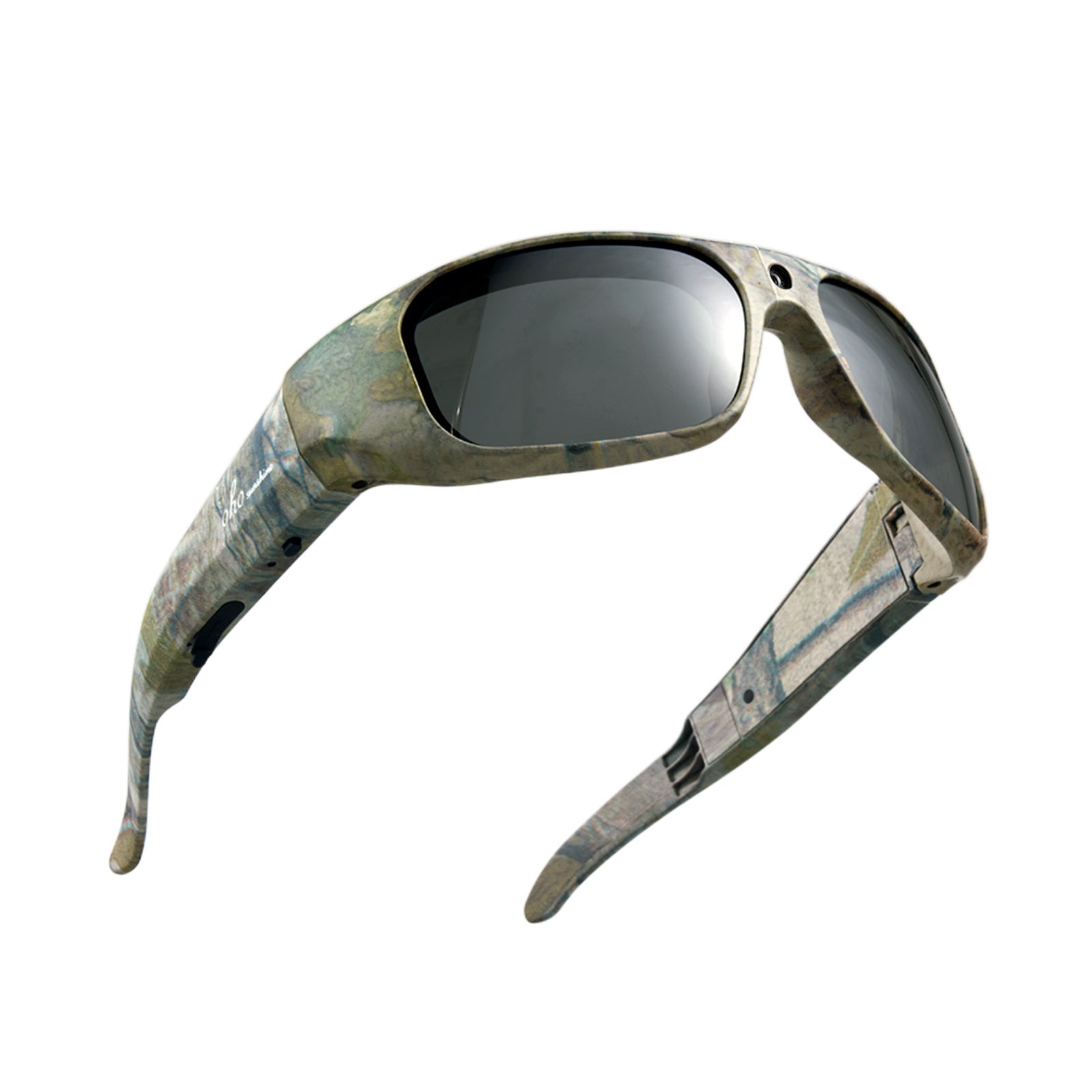
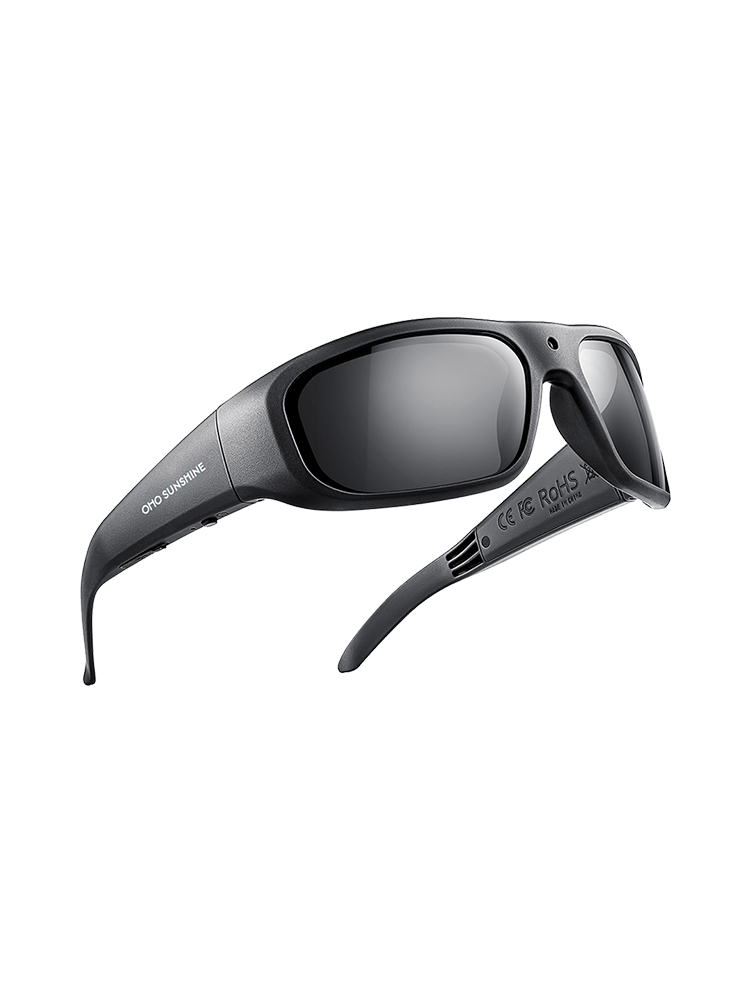
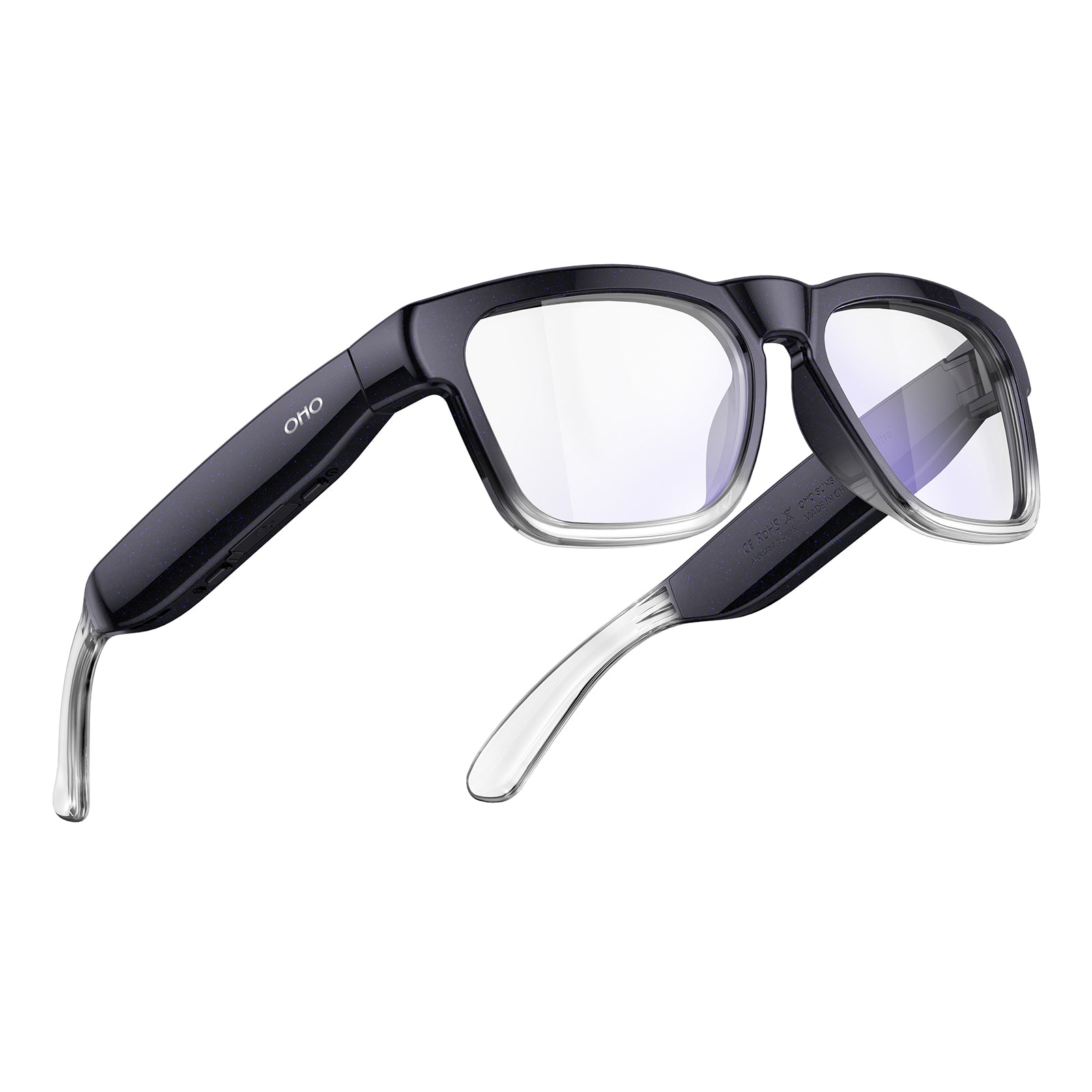
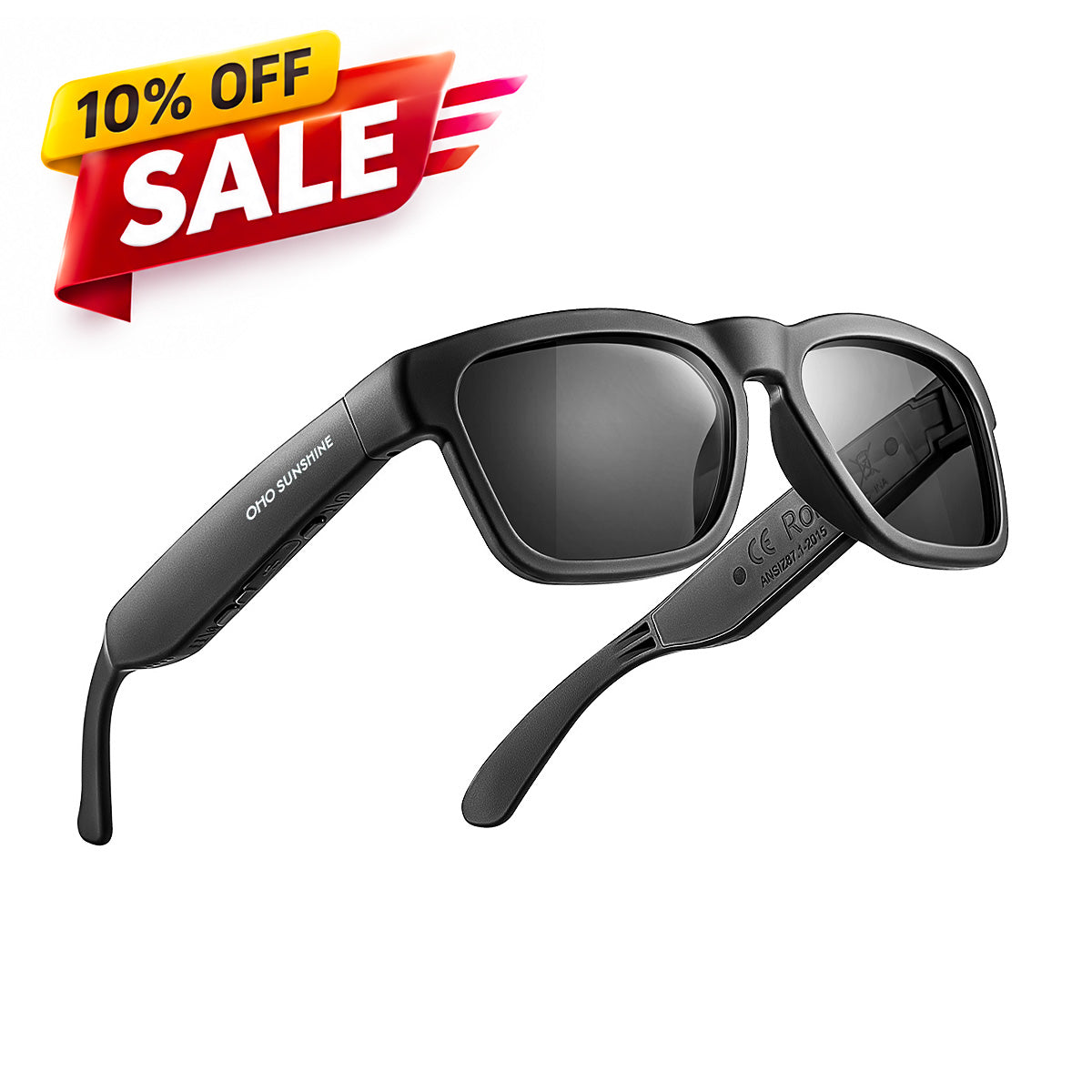
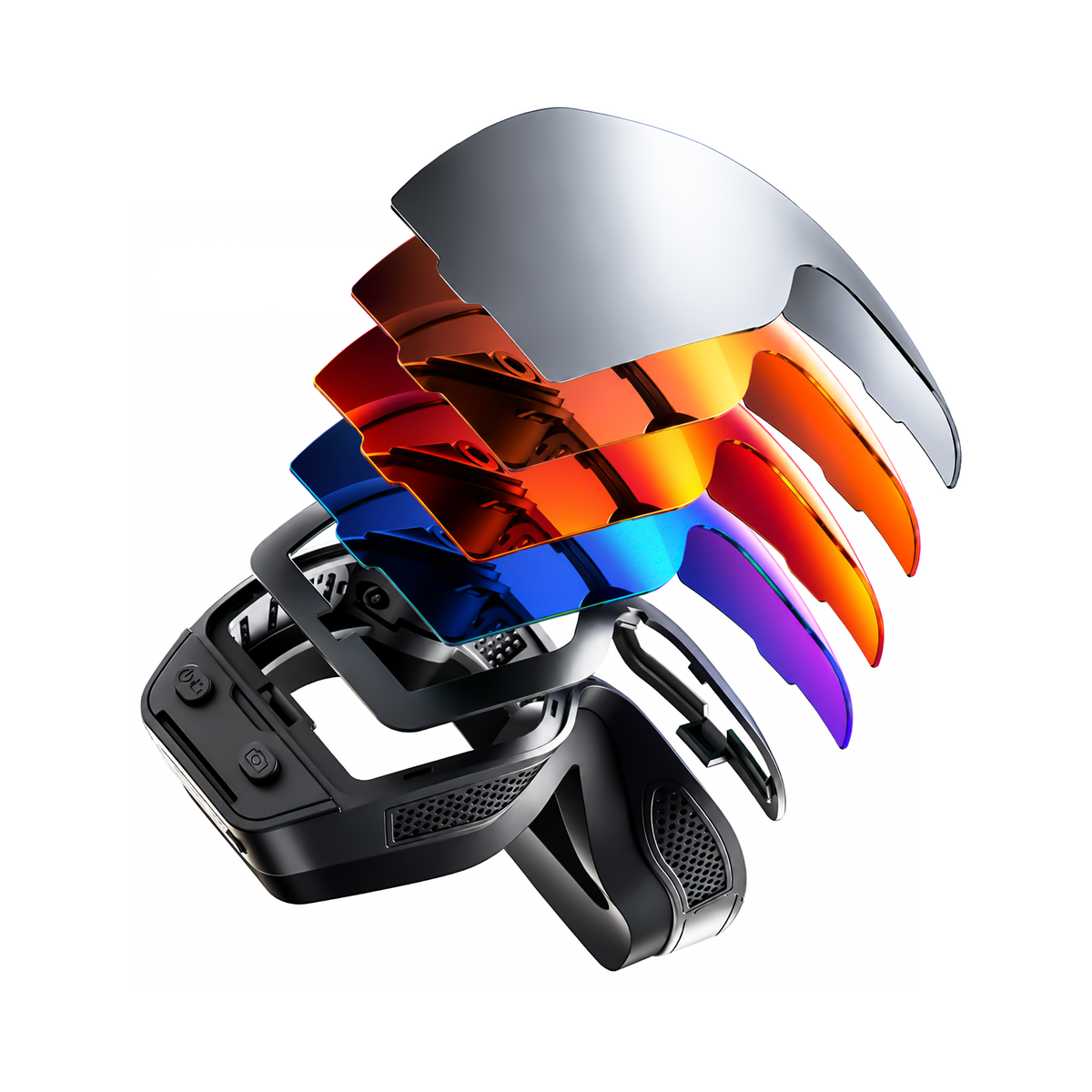
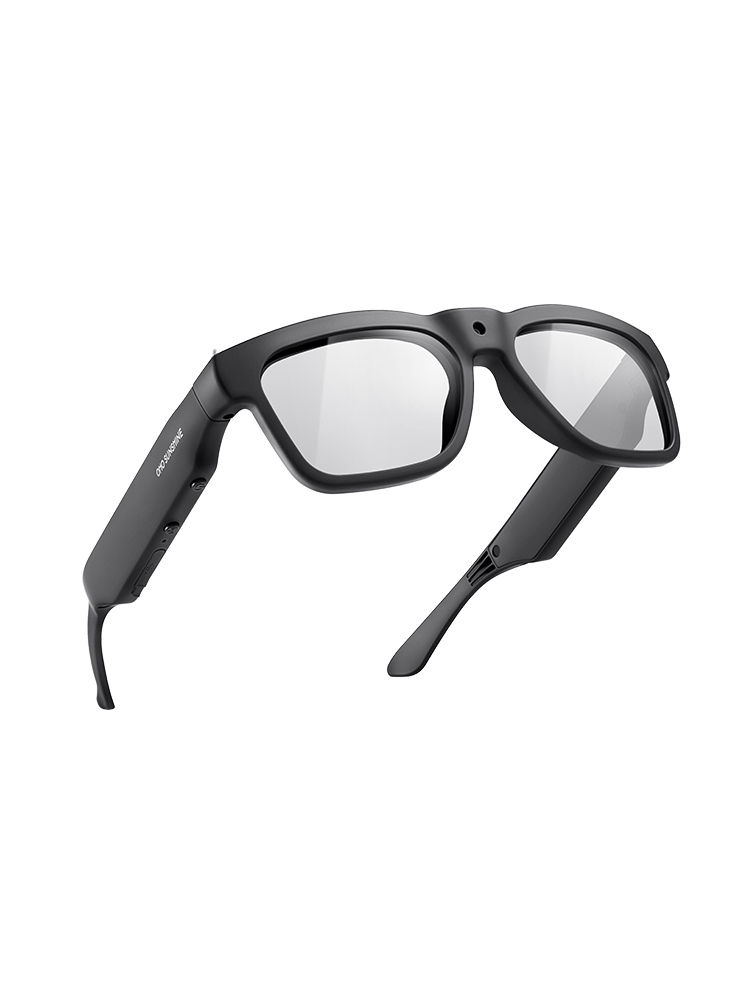
Choose camera glasses when the inspection needs first-person visual context and you need both hands available for climbing, holding equipment, or steadying a ladder. Skip them when permission is unresolved, the conversation is sensitive, the area is restricted, or the record depends mainly on detailed written explanation. Once those neutral criteria are met, our Primex EIS camera glasses list electronic image stabilization, video and photo capture, and a built-in microphone. Electronic image stabilization can help produce steadier footage during a moving visual pass, such as walking a roofline or a mechanical room. The built-in microphone means audio falls under the same permission check described above. The listed 60-minute battery life makes it a tool for short sessions rather than an all-day recorder.
Use a Phone or Approved Body Camera for a Different Control Model
A phone can work better when you need to frame a shot carefully, review footage immediately, annotate it, or share it right away, provided that workflow is already approved at the site. An approved body camera only belongs where the employer or client already runs that program and has assigned file ownership and access rules; it is not a substitute you can introduce on your own. Neither alternative removes the need to confirm permission, audio scope, bystander handling, or retention boundaries described earlier.
Use Written Notes When Recording Is Not the Right Fit
Written notes fit best when the evidence need is mainly a measurement or observation rather than a moving image. Pair notes with permitted photographs when the workflow allows it and the image adds real decision value. If the record truly cannot be created without crossing a site or organizational boundary, escalate rather than improvise a workaround. For a broader range of hands-free options once permission is confirmed, our work recording glasses collection covers several capture styles.
FAQs
Can Camera Glasses Be Used for Field Inspections?
Yes, conditionally. They fit a short, permitted visual capture when the evidence need, recording boundary, and a named handoff owner are all clear. They do not replace authorization, on-site judgment, written context, or your organization's records process.
Do I Need Permission to Record Audio or People During an Inspection?
It depends on applicable law, workplace policy, client instructions, and site conditions, so there is no single universal answer. Confirm the scope with the responsible authority and announce that audio may be captured before you start recording, rather than assuming a blanket rule applies.
When Should I Stop Recording During a Site Visit?
Stop at a restricted area or when authorization is unclear. Stop if bystanders or confidential information enter the frame unexpectedly, or if the conversation moves outside the approved scope. Also stop when the required record changes to detailed text or another format that is not a good fit for video. In any of these cases, switch to notes or escalate instead of continuing to record.
How Should Inspection Recordings Be Handed Off and Retained?
Use a descriptive, date-based filename, transfer the clip to the approved team location, and get the file owner to confirm receipt. Retention then follows your organization's own schedule rather than a fixed number of days, and deleting the clip from the glasses does not confirm that every other copy is gone.
Can a Workplace or Client Ban Camera Glasses?
Yes, an employer, client, property owner, contract, or site policy can restrict or ban their use. This article cannot determine the specific legal outcome for your situation without current jurisdiction and policy details, so verify the applicable rule before deployment and default to notes or another authorized method if approval is missing.


Commenta
Questo sito è protetto da hCaptcha e applica le Norme sulla privacy e i Termini di servizio di hCaptcha.