

















AI translation glasses can help real estate agents communicate with international buyers during property tours and routine consultations, but usefulness depends on verified language behavior, audio quality, connectivity, privacy handling, and comfort. For contracts, disclosures, offers, or other material terms, plan on qualified human translation instead of wearable-only conversation. This guide sets out the criteria that separate a genuinely useful cross-border tool from a stylish gadget, then shows how to test one before it reaches a client.
Choose for the Conversation, Not the Gadget Category
The right choice depends on the conversation, not on whether a device is labeled smart glasses or ai smart glasses. Decide the acceptable communication risk first, then compare features against that specific scene.
One-on-One Tours and Routine Consultations
A one-on-one tour or casual consultation is the narrowest, most defensible scene for wearable translation. Confirm the core capabilities hold up while walking through rooms, pointing out property features, and moving between indoor and outdoor spaces.
| Setting | What to verify | Decision |
|---|---|---|
| Quiet indoor showing | Two-way language support, clear audio | Reasonable trial candidate |
| Outdoor or moving tour | Wind noise, connection stability, battery drop | Trial only after direct testing |
| Casual buyer questions | Property terms translate sensibly | Assistive use, not a guarantee |
| Extended walkthrough | Comfort, control access, charging | Confirm before full-day use |
Treat the device as a conversational aid, not proof that every property term will translate correctly. If a phrase seems off, slow down and confirm meaning directly with the buyer.
Groups, Offers, and High-Stakes Conversations
Multilingual group showings need direct testing before you rely on translation glasses at all. Overlapping speakers, interruptions, and quick turn-taking put more strain on a single-user translation workflow than a quiet one-on-one exchange, so test that specific pattern rather than assuming a real-time translation label covers it.
For contracts, disclosures, offers, and other material terms, use qualified translation or human review and confirm the client actually understands the content. A real estate professional association has cautioned against relying on automated tools for this kind of communication, recommending a documented translation and interpreter arrangement and written confirmation that the English contract governs the transaction. Keep a phone-based or human fallback ready rather than treating any device as transaction-ready by default.
Verify Language Support and Translation Behavior
Before buying, verify the exact language pairs and translation direction the glasses support, not just a headline language count. A language pair only helps if it covers both directions of the conversation you actually need.

Work through this checklist with current product documentation:
- Language pair and direction: confirm both languages translate each way, not just one.
- Translation mode: check whether output is spoken audio, a phone-screen display, or an AI chat exchange.
- Live versus delayed behavior: test how quickly a spoken sentence becomes usable output.
- Terminology handling: try property names, street addresses, and numbers, since these trip up general-purpose translation more than casual chat.
- Network requirement: confirm whether translation needs an internet connection or works offline.
- Fallback path: know what happens when translation stalls mid-conversation.
Keep the underlying real-estate rule attached to this checklist: automated translation should support routine communication, not replace an interpreter for contracts, disclosures, offers, or other material terms. The same guidance on assisting limited-English-proficiency clients recommends a third-party translator for documents and written confirmation that English paperwork controls the deal.
Check Audio for Real Conversations
Audio fit depends on microphone pickup, speaker output, background noise, and whether both sides can speak naturally without repeating themselves. Test this separately from the language checklist above, because clear audio and correct translation are two different failure points.
Run the glasses through a quiet room, a busy street, and an occupied property with HVAC noise before trusting them with a client. One-on-one speech should be tested on its own; success there does not establish that the same pair will keep up with a multilingual group where several people speak over each other. If you plan to use the glasses at a crowded open house or trade-show-style event, a dedicated noise and latency test walks through a practical pre-trip method and a backup plan for when audio breaks down.
Confirm Phone, App, and Connectivity Requirements
A wearable form factor does not prove that translation works without a phone. Most translation glasses depend on a paired phone, a companion app, and often an internet connection, so treat this as a compatibility question before purchase.
Check each of the following for the exact model you are considering:
- Phone operating system: confirm supported iPhone or Android versions.
- Companion app: verify it is available and currently maintained.
- Bluetooth pairing: test how the glasses reconnect after your phone locks or moves out of range.
- Internet access: confirm whether translation needs a live connection or works offline.
- Account and permissions: note any sign-in or permission steps required before first use.
- Fallback method: keep a phone translation app or a human option ready if pairing drops mid-showing.
Test recovery from a lost connection before this workflow reaches a client. A device that reconnects smoothly in your office may behave differently in a property with weak cellular coverage.
Prioritize Professional Wearability and Controls
Professional wearability means the glasses look intentional in a client meeting, stay stable while you walk, and can be controlled without repeatedly checking a phone. Judge this in the same clothing, movement, and meeting length you expect during actual showings, not in a five-minute store trial.
Check prescription compatibility if you need corrective lenses, along with weight, pressure points, and whether the frame slips when you look down to point at a floor plan. Favor physical buttons or voice control that let you adjust settings mid-conversation instead of pulling out a phone. A frame that looks appropriate for a luxury listing presentation and a frame that performs well on a five-mile run are not the same design brief, so weigh appearance and stability together rather than choosing on style alone.
Set Camera, Recording, and Privacy Boundaries
A camera-free appearance does not prove that a device is private. Microphones, translation audio, and companion apps can still capture and transmit conversation data, so privacy needs a direct check rather than an assumption based on looks.
Work through this decision path before enabling any capture feature around clients:
- Identify what is captured: audio, images, video, transcripts, or translation logs.
- Confirm data flow: where it is stored, whether it is transmitted to a cloud service, and how long it is retained.
- Follow brokerage policy: disclose the relevant function to the client and obtain consent where your policy or local rules require it.
- Disable when unclear: turn off camera or recording features if you cannot confirm the data-handling terms.
General guidance on data security supports this approach: businesses should collect only the information needed, protect what they keep, and dispose of it securely. A practical camera privacy checklist walks through disclosure and consent decisions for everyday recording, though your brokerage's own policy should stay in control of the final call. Do not enable camera or recording during a private client conversation when disclosure, consent, or approved data handling is not confirmed.
Test Battery and Field Reliability Before Deployment
Run a short pilot in the exact conditions you expect to work in before deploying translation glasses across a team. A headline battery figure or waterproof rating does not tell you how the device behaves during a real two-hour tour with a phone in your pocket.
- Pick a representative indoor and outdoor showing and use the glasses for the full walkthrough.
- Record battery level at the start and end, plus any drop during active translation.
- Test reconnection after a dropped Bluetooth signal, a locked phone, or a weak coverage area.
- Note comfort, control response, and how quickly you can switch to a phone or human fallback.
- Check charging logistics, splash or rain limits, warranty terms, and the support and return process.
- Set a clear go or no-go decision before moving from a personal trial to routine client use.
Real estate AI guidance supports this kind of controlled approach, recommending that organizations pilot AI applications before scaling them and keep human oversight over client-facing decisions. Treat the pilot result, not the spec sheet, as your final answer on field reliability.
Map a Supported Product to Your Use Case
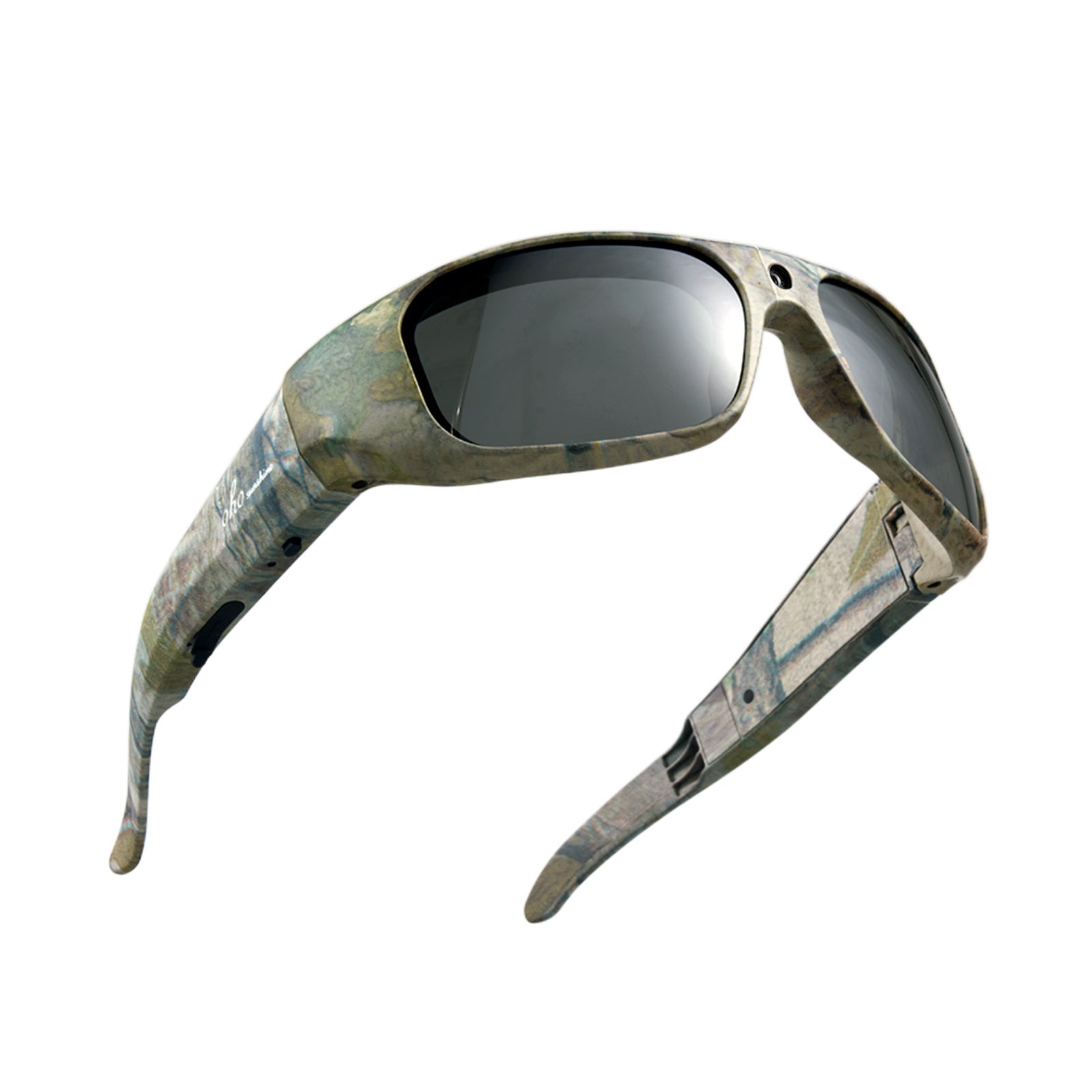
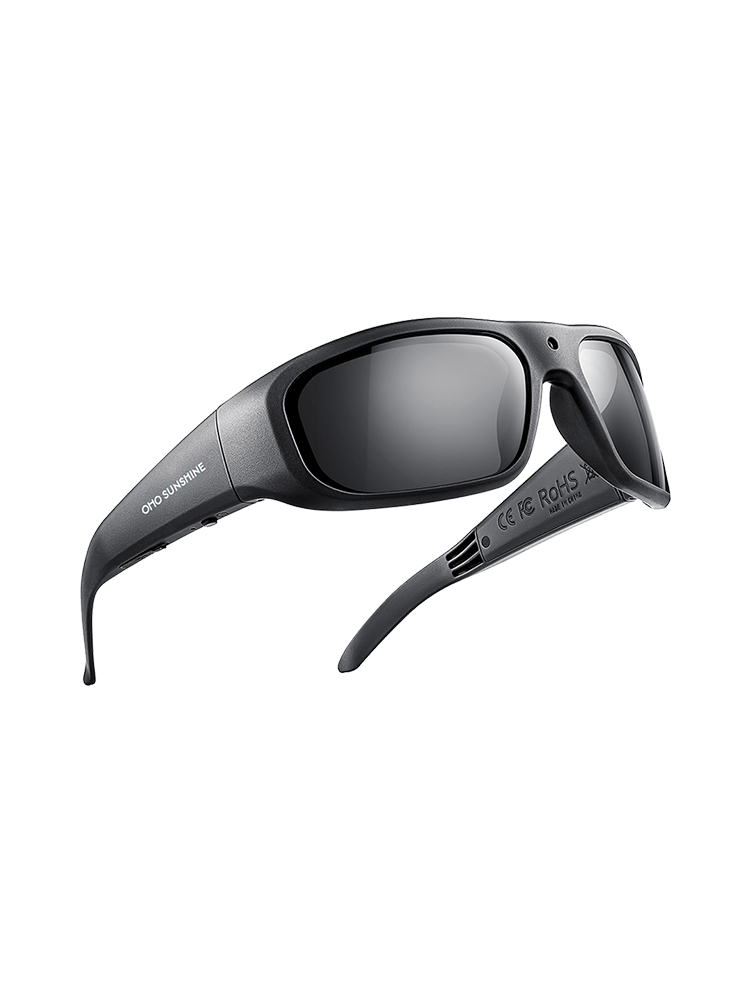
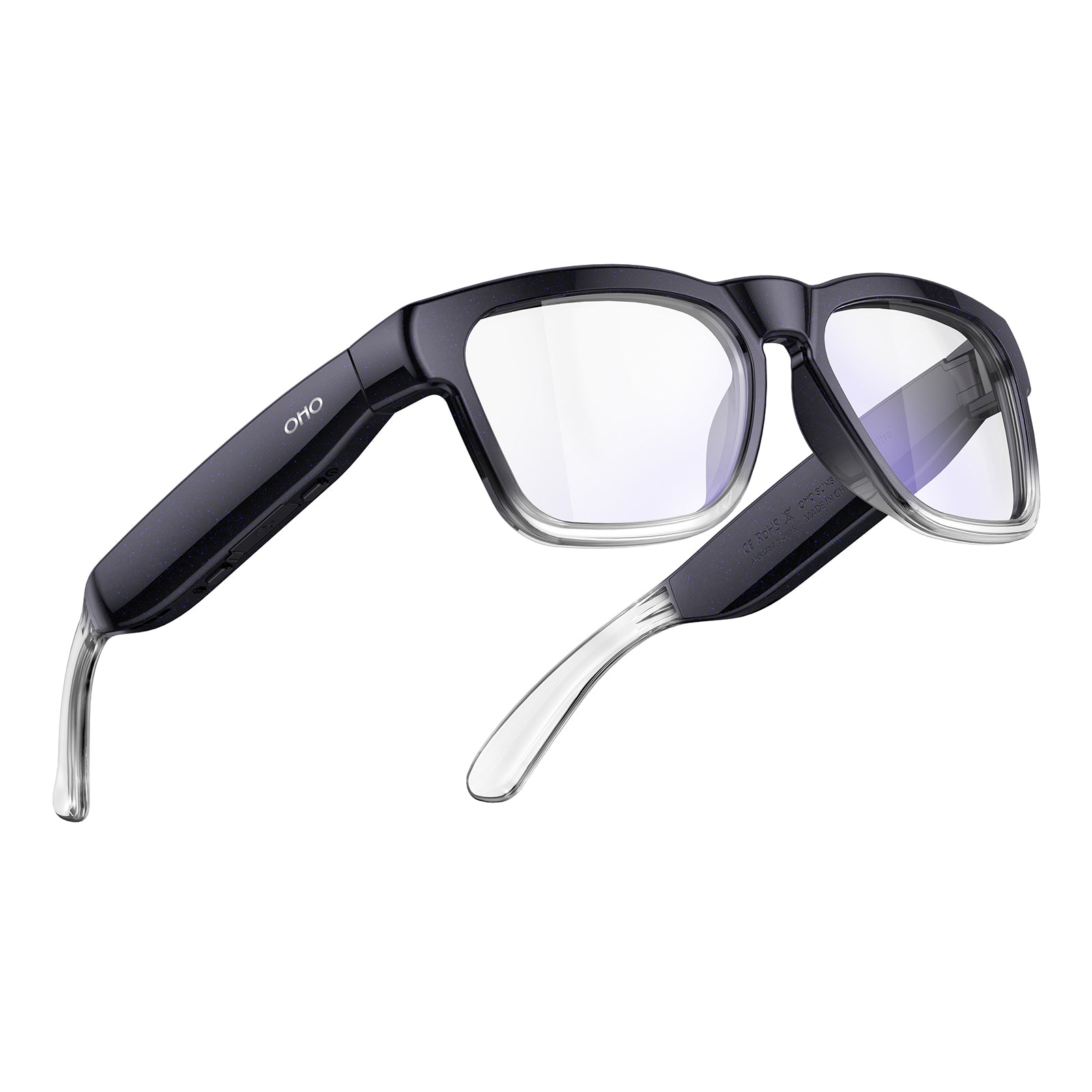
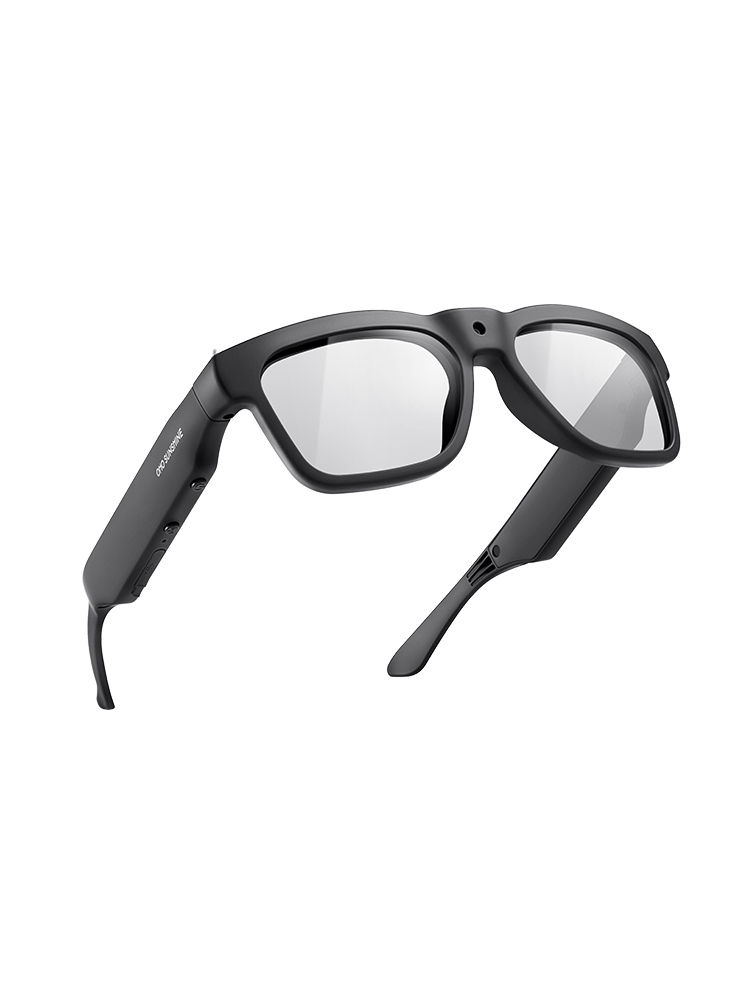
Once your criteria are set, we can point to a documented option worth considering for a one-on-one trial. Our audio-and-translation glasses list AI chat translation, real-time translation, Bluetooth 5.2 audio, an open-ear speaker, voice control, and photochromic lenses, with a listed weight of about 36 grams, IPX4 water resistance, up to 10 hours of working time, and a one-year warranty.
Those specifications give you concrete checks to run against the criteria above: try the open-ear audio and voice control during a walkthrough, confirm the photochromic lenses suit indoor-to-outdoor tours, and see whether the listed working time covers your typical showing length. What the listing does not establish is language coverage, translation accuracy, offline behavior, recording policy, or performance with multiple speakers, so confirm those directly before relying on the glasses for anything beyond a controlled one-on-one trial. Browse the full translation glasses collection to compare options, or review the translation model details for the specific unit described here before scheduling a trial. This model is not a substantiated choice for multilingual groups or negotiations until those unverified points are confirmed with current documentation.
If you decide to evaluate this model for your one-on-one client tours, order a single test unit, run it through the mock showing protocol above, and deploy it only after language pairs, audio clarity, and brokerage privacy clearances pass.

Conclusion
Pick translation glasses for the specific conversation you need to handle, not because a device is marketed as smart or ai glasses for translation. Verify language behavior, audio, connectivity, privacy, wearability, and field reliability for the exact model, then pilot it in your real tour or consultation setting. Deploy only after that trial passes, and keep qualified translation or a human fallback ready for material real-estate terms.
FAQs
Can translation glasses replace a qualified interpreter in a real estate transaction?
No. Translation glasses can support routine conversation during a tour or consultation, but contracts, disclosures, offers, and other material terms call for qualified translation or human review, plus written confirmation that the client understands the English documents govern the deal.
What should a brokerage document during a translation-glasses pilot?
Record the language pair and direction tested, the translation mode used, the noise and lighting conditions, connectivity behavior, any errors observed, the privacy approval obtained, the fallback method used, and a final go or no-go decision before the team moves to routine use.
What should an agent verify before using smart glasses in a private showing?
Confirm what the glasses and app capture, whether data is stored locally or in the cloud, how long it is retained, and whether disclosure or consent is required under your brokerage's policy. A device with no visible camera can still record audio or transmit translation data, so check the data flow rather than judging privacy by appearance.


Commenta
Questo sito è protetto da hCaptcha e applica le Norme sulla privacy e i Termini di servizio di hCaptcha.