





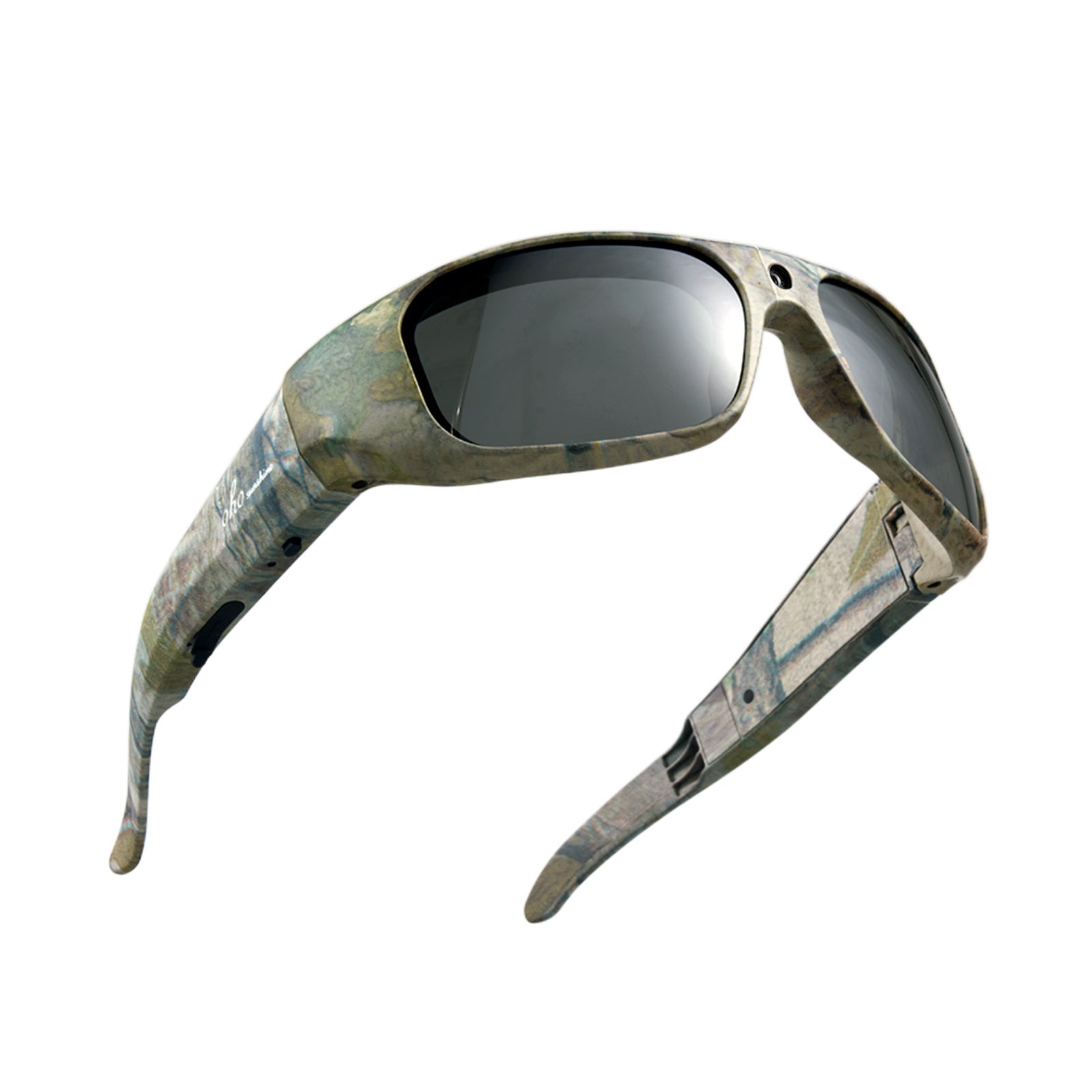


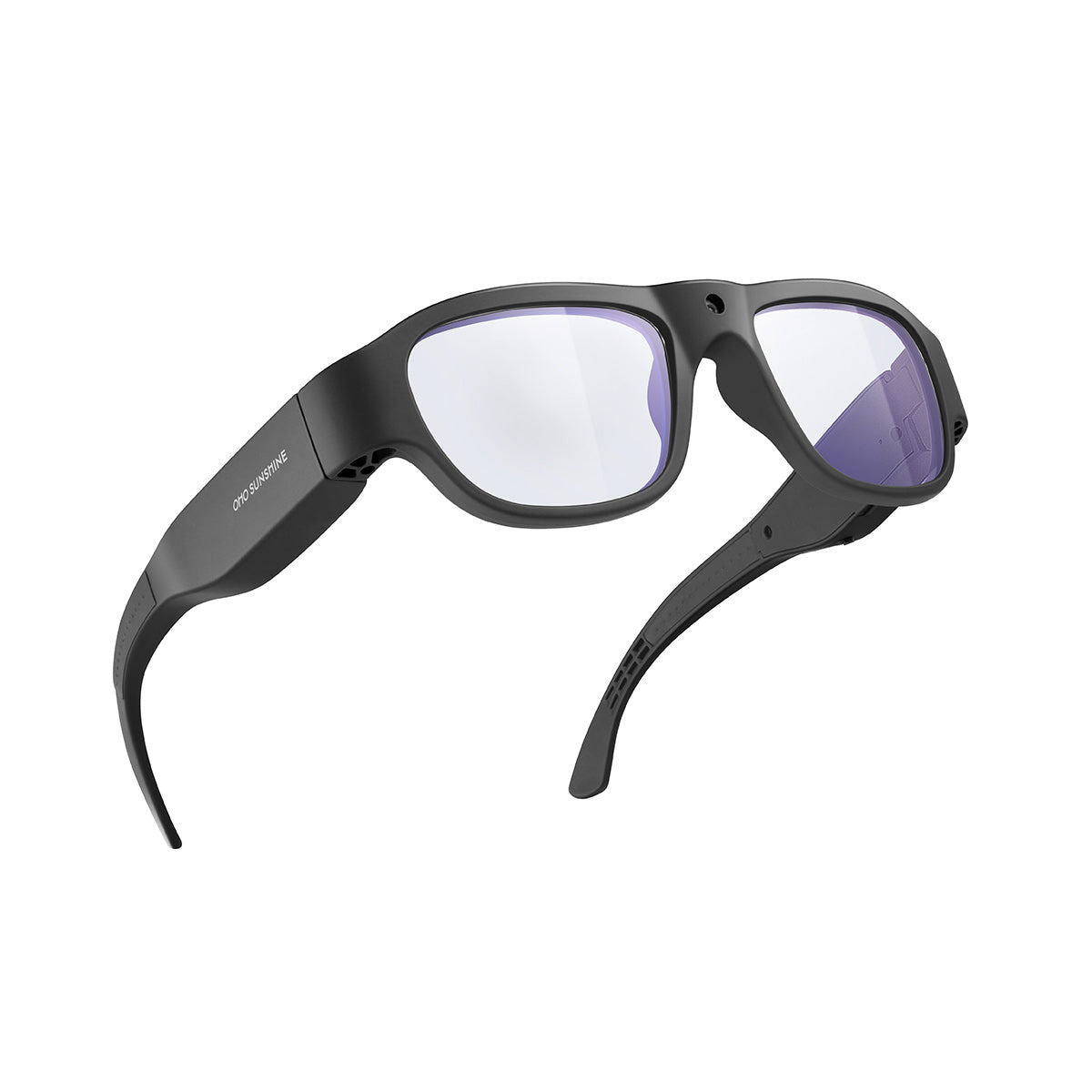
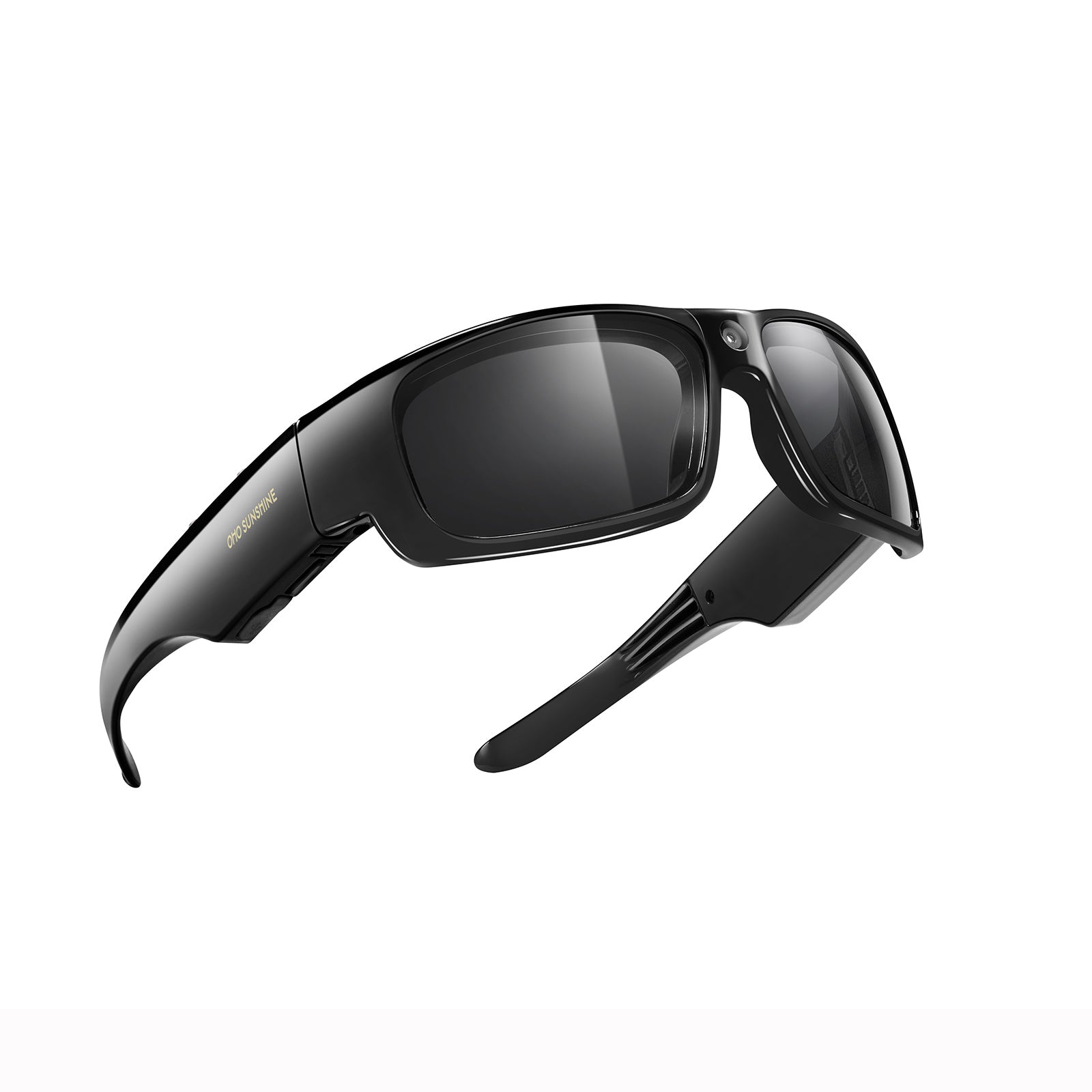


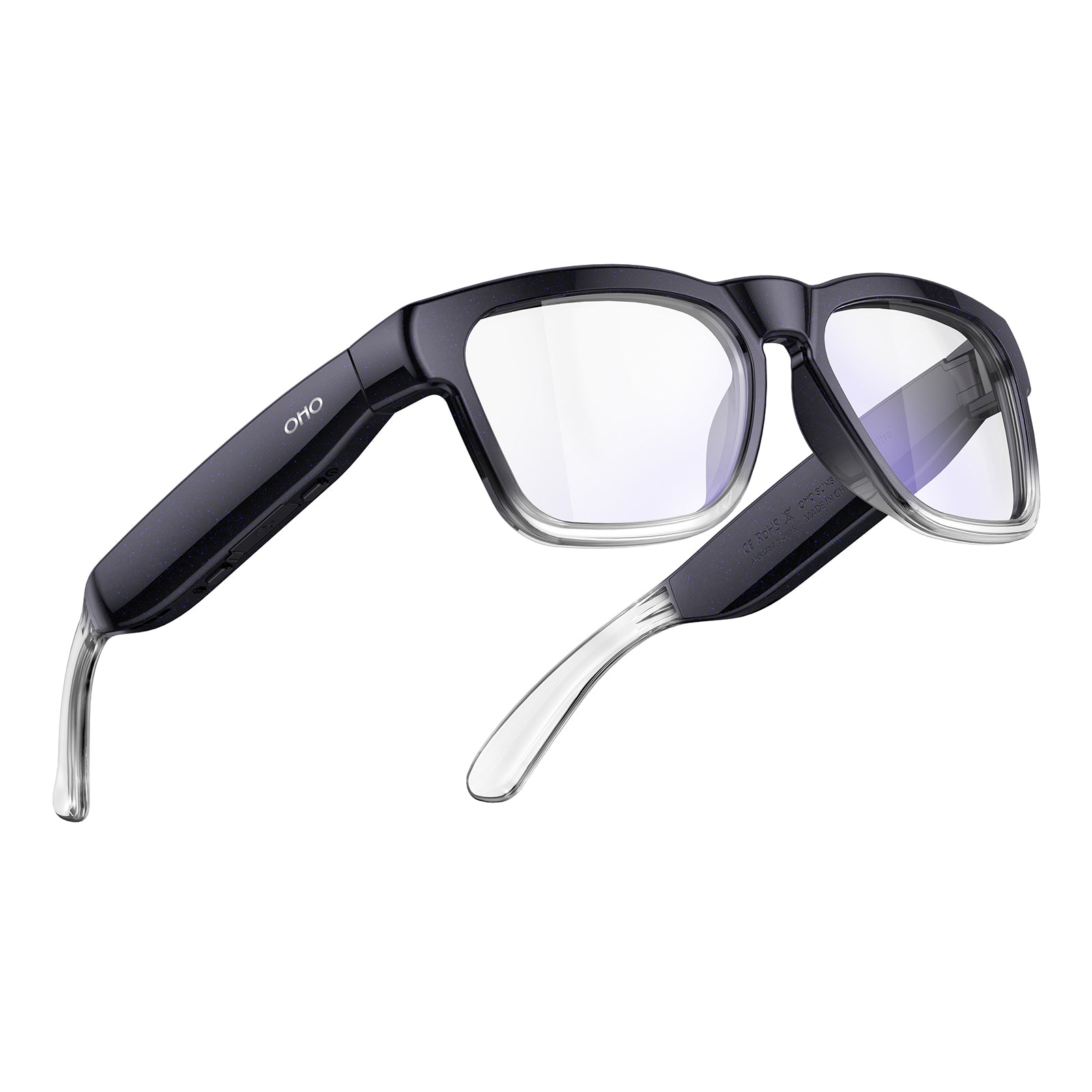


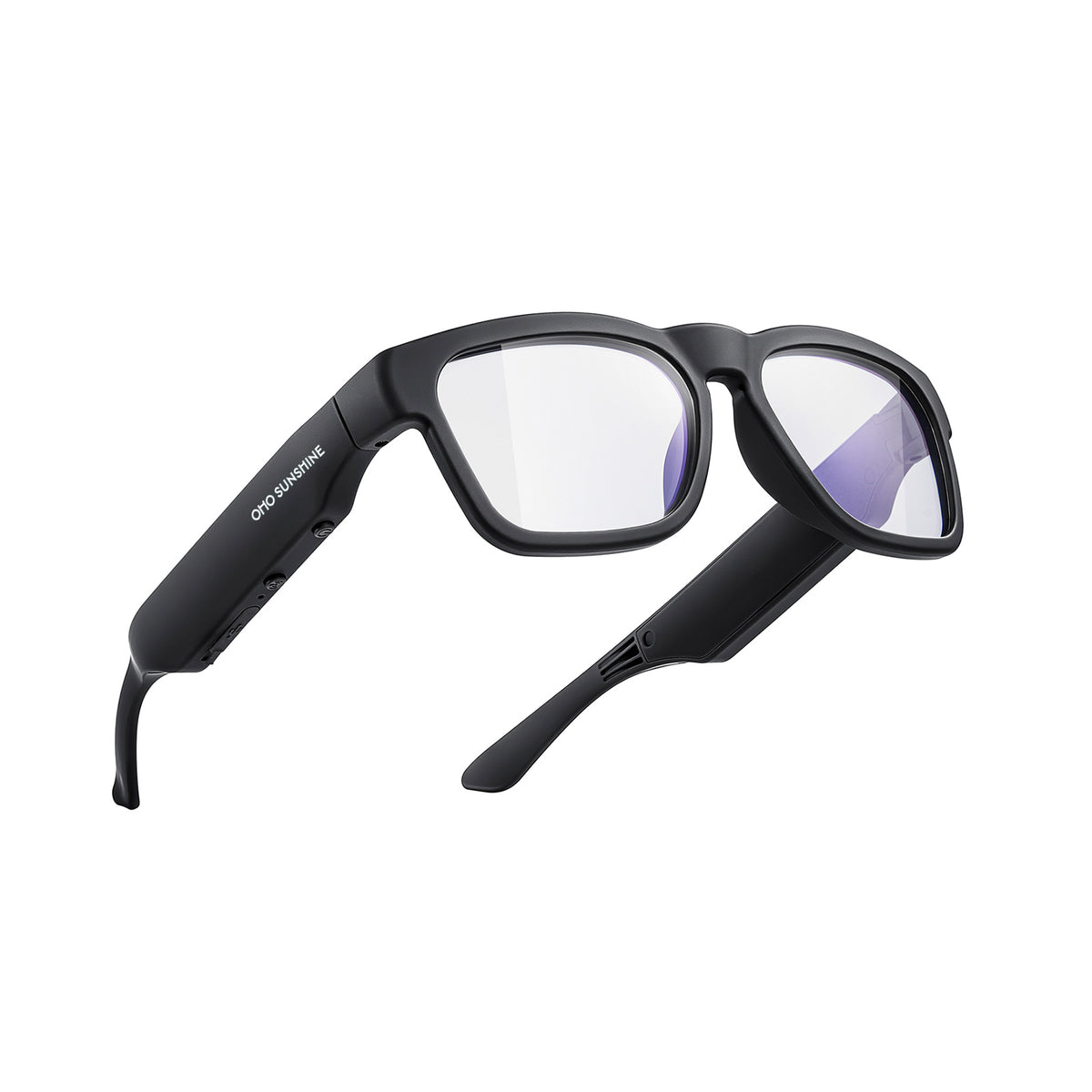


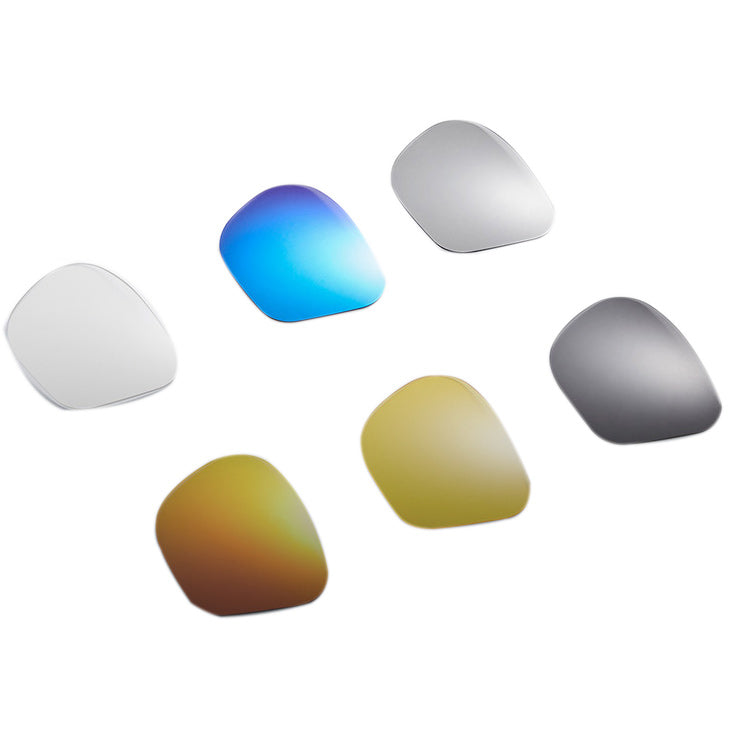
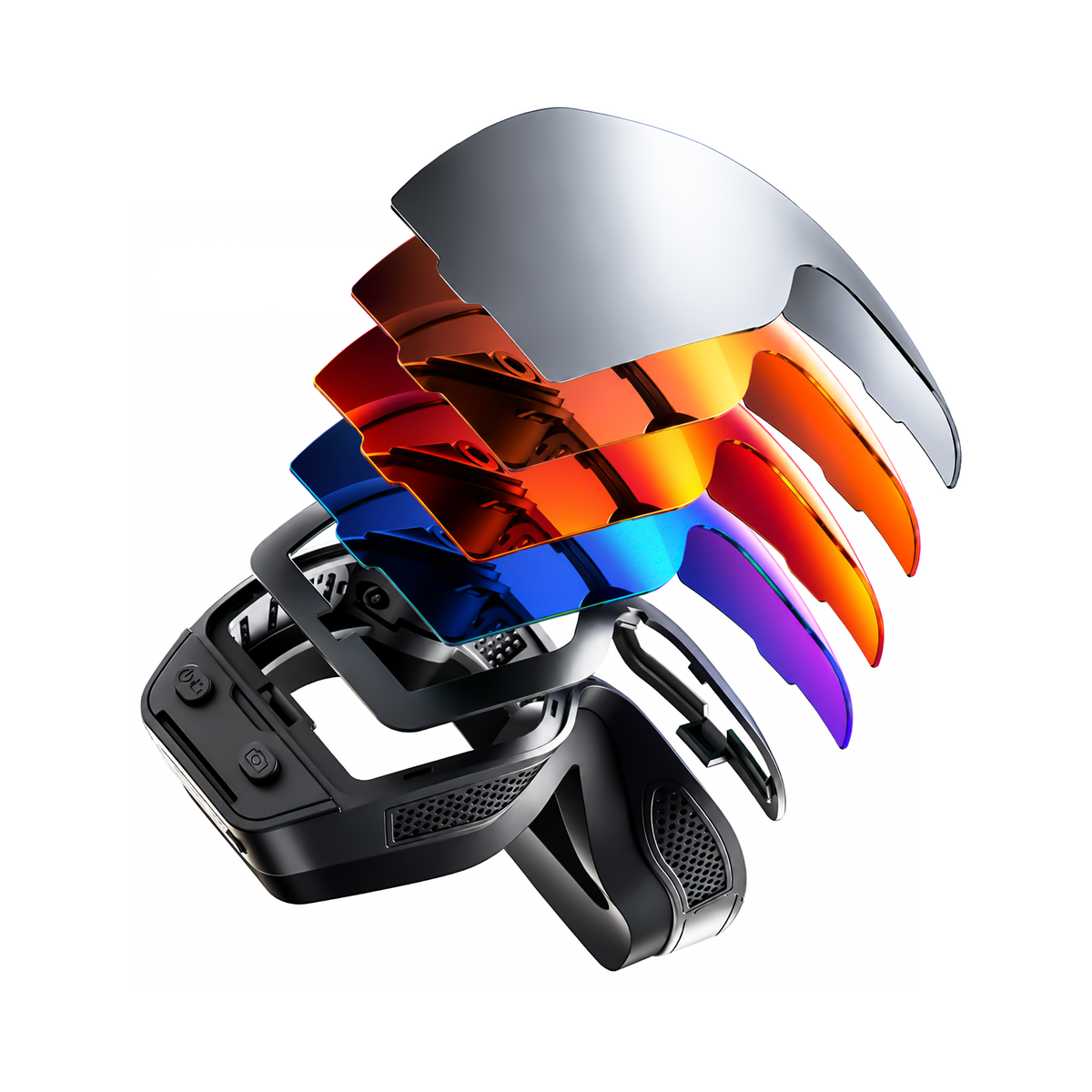



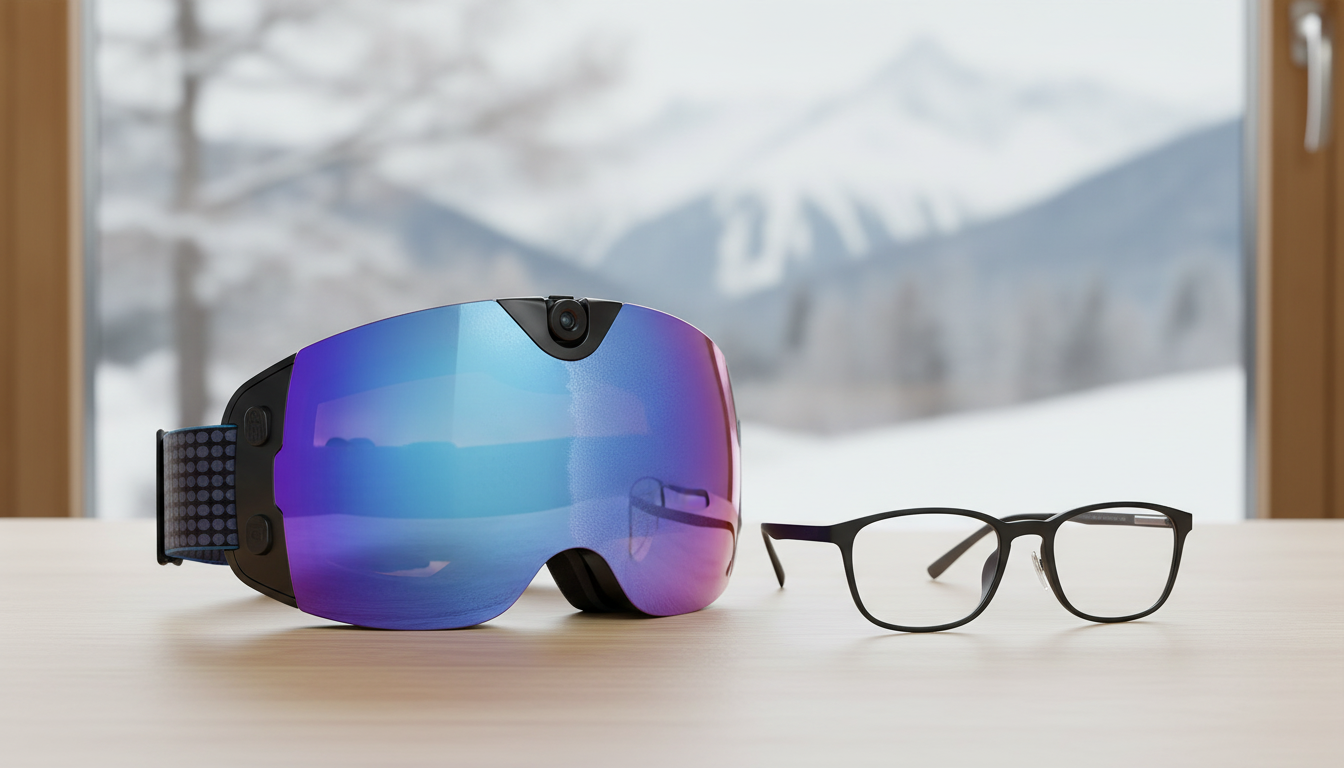
Einige Kamera-Skibrillen passen möglicherweise über Korrektionsbrillen, aber eine Kamerafunktion oder die allgemeine Bezeichnung OTG beweist nicht, dass Ihre Brille geeignet ist. Vergleichen Sie die genaue Brille mit dem genauen Skibrillenmodell und prüfen Sie anschließend Druck, Abdichtung, nutzbares Sichtfeld, Beschlagmanagement, die Kombination mit dem Helm und den Zugang zur Kamera. Fahren Sie nur fort, wenn die dokumentierten Angaben und die beobachtete Passform übereinstimmen. Fehlt eine wichtige Antwort, fragen Sie den Support. Wenn die Brille Kontakt, Druckstellen, Lücken oder eine eingeschränkte Sicht verursacht, wählen Sie ein Modell mit dokumentierter OTG-Kompatibilität oder eine andere Option.
Beginnen Sie mit einer Kamera-Skibrille, Ihrer Brille und dem genauen Modell
Beginnen Sie mit der Brille, die Sie tatsächlich tragen werden, und dem genauen Kamera-Skibrillenmodell. Führen Sie die praktischen Prüfungen erst durch, wenn Sie genügend Informationen haben, um beide Seiten zu vergleichen. Wenden Sie sich andernfalls vor der Bestellung mit den Maßen Ihrer Brille an den Support.
OTG- oder Over-the-Glasses-Skibrillen sind für das Tragen über Korrektionsbrillen konzipiert und bieten oft zusätzliche Tiefe im Innenraum sowie mehr Platz für die Brillenbügel. Die Bezeichnung erfordert dennoch eine Prüfung mit dem genauen Brillenmodell. Die OTG-Kaufberatung empfiehlt, Brille und Skibrille zusammen anzuprobieren, statt davon auszugehen, dass die Kategorie eine Passform garantiert.

- Vermessen Sie die Brille, die Sie tatsächlich verwenden. Notieren Sie mit einem Lineal oder anhand der verfügbaren Brillenmaße die breiteste Stelle, die Glashöhe, die Form des Nasenstegs und die Bügeldicke. Ersetzen Sie diese Angaben nicht durch eine allgemeine Bezeichnung wie klein, mittel oder groß.
- Erfassen Sie die genauen Produktdetails. Suchen Sie in der aktuellen Produktbeschreibung oder Bedienungsanleitung nach Angaben zum Innenraum, zur Kompatibilität mit Brillen oder OTG-Brillen, zum Abstand an der Nase, zur Belüftung und zur Positionierung des Kameragehäuses.
- Vergleichen Sie Gleiches mit Gleichem. Verwenden Sie dieselben Einheiten wie in der Produktdokumentation und prüfen Sie, ob Brillenform, Nasensteg und Bügel ausreichend Platz haben, ohne die Polsterung oder das Gehäuse der Skibrille von Ihrem Gesicht wegzudrücken.
- Behandeln Sie fehlende Angaben als ungeklärt. Wenn die Auflistung für das genaue Modell keine Angaben zu den Innenmaßen, der Brillenkompatibilität oder dem Freiraum für das Kameragehäuse enthält, senden Sie dem Support die Maße Ihrer Brille, statt das Fehlen als Freigabe zu werten.
Derselbe Ablauf gilt beim Vergleich von Schneebrillen für Brillenträger oder Schneebrillen mit Kamera. Die Kameraspezifikationen beantworten eine Frage zur Aufnahme, nicht zur Passform für die Brille.
Augenabstand, Druck, Dichtung und nutzbare Sicht prüfen
Eine physische Passform funktioniert nur, wenn die Brille stabil bleibt, die Skibrille gleichmäßig sitzt und Ihr nutzbares Sichtfeld erhalten bleibt. Kontakt, Druck, Bewegung, Dichtungsspalten oder eine veränderte Sichtposition bedeuten, dass Sie weitere Informationen oder ein anderes Format benötigen.
Abstand und Druck prüfen
Setzen Sie die tatsächliche Brille unter kontrollierten Bedingungen in den Innenraum der Skibrille. Achten Sie auf Kontakt mit der Skibrillenlinse, dem Kameragehäuse, dem Nasensteg oder der Innenpolsterung. Ziehen Sie das Band nur so weit an, dass der vorgesehene Sitz simuliert wird. Wenn das Anziehen Druck an Nase, Stirn, Wangen, Schläfen oder Nasensteg erzeugt, betrachten Sie das Ergebnis als nicht bestanden oder ungeklärt, anstatt dies durch mehr Bandspannung auszugleichen.
Die Brille sollte beim Anpassen der Skibrille in ihrer Position bleiben, und die Skibrille sollte den Rahmen nicht in eine andere Position zwingen. Unabhängige Passformprüfungen für Brillen betonen, dass der Platz an den Schläfen und an der Nase kontrolliert und Druck durch den Rahmen vermieden werden sollte.
Dichtung und Sichtfeld prüfen
Prüfen Sie den Schaumstoff oder die Dichtung rund um Nase und Wangen. Ein Rahmen, der die Dichtung vom Gesicht wegdrückt, kann einen sichtbaren Spalt erzeugen oder einen gleichmäßigen Sitz verhindern. Brille und Skibrille sollten ausgerichtet bleiben und beim Verstellen des Bands nicht verrutschen.
Der Augenabstand funktioniert nur, wenn die Brille den vorgesehenen Abstand und die Ausrichtung zwischen Auge und Linse beibehält. Schauen Sie durch die Kombination und prüfen Sie Ihr nutzbares Sichtfeld nach vorn und zur Seite. Das Kameragehäuse darf die Position der Skibrille nicht verändern, Ihre Sicht nicht behindern und die Korrektionsgläser nicht aus ihrer Ausrichtung bringen. Bei Kontakt, einem Spalt, Bewegung oder eingeschränkter Sicht sollten Sie den Kauf abbrechen und das konkrete Problem klären. Gehen Sie nicht davon aus, dass ein allgemeiner OTG-Begriff oder ein großes Kamerasichtfeld eine physische Fehlpassung ausgleicht.
Bei umfassenderen Überlegungen zur Passform von Skibrillen und Brillen ist das Ergebnis sinnvollerweise qualitativ: stabile Linsen, kein problematischer Druck, eine gleichmäßige Abdichtung und ein nutzbares Sichtfeld. Es gibt keinen universellen Schwellenwert für Rahmenbreite oder Innentiefe, der jede Gesichtsform und jedes Modell freigibt.
Beschlag, Helmkombination und Kamerabedienelemente überprüfen
Der Abstand zur Brille ist nur der erste Passformtest. Die Kombination aus Brille, Skibrille, Helm und Kamera kann dennoch scheitern, weil sich der Luftstrom verändert, Belüftungsöffnungen blockiert werden, der Helm Druck ausübt, das Gehäuse anliegt, Bedienelemente nicht zugänglich sind oder sich das Sichtfeld verändert.
Beschlag und Linsenpflege beurteilen
Die Brille fügt eine weitere Linsenfläche hinzu und kann den Luftraum innerhalb der Skibrille verändern. Lies die Belüftungs-, Antibeschlag- und Linsenpflegehinweise des Modells. Allgemeine Hinweise zur Belüftung von Skibrillen sprechen dafür, Luftstrom und Antibeschlagfunktionen als Maßnahmen zur Regulierung und nicht als Garantie für beschlagfreie Sicht zu betrachten.
Halte die Belüftungsöffnungen frei, halte die Innenflächen trocken, befolge die Pflegehinweise des Produkts und vermeide abrasives Wischen über die Innenseite der Linse, wie in der Pflegeanleitung für Skibrillen beschrieben. Achte außerdem darauf, ob die Brille ungewöhnlich nah an der Skibrillenlinse sitzt oder ob der Helm die Belüftungsöffnungen blockiert. Wenn Beschlag die Sicht beeinträchtigt, halte an und behebe das Problem mit Luftstrom, Passform oder Pflege, bevor du weiterfährst.
Schnittstelle von Helm und Kamera testen
Setze den vorgesehenen Helm zusammen mit Brille und Skibrille auf. Die Anleitung zur Helmkombination empfiehlt zu prüfen, ob der Helm die Skibrille nach unten drückt, eine Lücke erzeugt, Belüftungsöffnungen blockiert oder die Position des Rahmens verändert. Das Band sollte die Skibrille gleichmäßig halten, ohne deine Sicht zu beeinträchtigen.
Behandle die Kameraschnittstelle als separate, modellspezifische Prüfung. Überprüfe den Abstand zum Gehäuse, den Zugriff auf die Bedienelemente, die Aufnahme-Rückmeldung, den Zugang zum Ladeanschluss und das resultierende Sichtfeld, sofern diese Funktionen für dich wichtig sind. Leite keinen dieser Punkte aus der 4K-Auflösung, einer Fotospezifikation, einem Hinweis auf Beschlagfreiheit oder einer Weitwinkelbeschreibung ab.
Eine Konfiguration, die den Test nur mit Brille besteht, sich aber unter dem Helm verschiebt, so stark beschlägt, dass die Sicht beeinträchtigt wird, oder den Zugriff auf die Kamerasteuerung verhindert, erfordert eine andere Bewertung als die physische Passformprüfung. Ein verwandter Vergleich von Kamera-Setups kann Ihnen helfen zu vergleichen, wo die Kamera angebracht wird, belegt jedoch nicht die Kompatibilität mit Korrektionsbrillen bei einem bestimmten Modell.
Fragen Sie den Support und entscheiden Sie dann, ob Sie fortfahren oder das Format wechseln
Fragen Sie den Support zum exakten Modell, nicht danach, ob das Produkt allgemein „groß genug“ ist. Senden Sie die Maße Ihres Rahmens und bitten Sie um Antworten, die Sie mit Ihrem physischen Test vergleichen können.
- Ist dieses exakt mit Kamera ausgestattete Modell für Brillen oder die OTG-Nutzung dokumentiert?
- Kann der Rahmen sitzen, ohne Linse, Kameragehäuse, Steg oder Polsterung zu berühren?
- Löst sich der Rahmen auch um Nase und Wangen vom Gesichtssiegel?
- Welche Hinweise zu Belüftung, Antibeschlag und Linsenpflege gelten für dieses Modell, wenn eine Brille getragen wird?
- Passt der vorgesehene Helm, ohne die Brille nach unten zu drücken, Belüftungsöffnungen zu blockieren, eine Lücke zu erzeugen oder die Sicht zu beeinträchtigen?
- Ist der Freiraum für das Kameragehäuse dokumentiert, und kann die tragende Person Bedienelemente, Aufnahmeanzeige und Ladeanschluss mit angezogenen Handschuhen und aufgesetzter Brille erreichen?
- Behält die Kameraposition das beabsichtigte nutzbare Sichtfeld bei, wenn sich der Rahmen innerhalb der Brille befindet?
Als Beispiel für einen Shop enthält das offizielle Skyshot-Kamera-Skibrillen-Angebot Informationen zu Kamera- und Linsenmerkmalen, darunter 4K, WLAN, eine 140°-Weitwinkelkamera und Angaben zur Antibeschlagfunktion. Diese Details belegen weder die OTG-Tauglichkeit noch den Freiraum für den Rahmen, den Sitz mit Helm oder die Nutzbarkeit der Kamera über Korrektionsbrillen. Verwenden Sie das Angebot nur für die dort genannten Merkmale und kontaktieren Sie den Support zum Rahmensitz mit den genauen Maßen Ihres Rahmens, wenn Sie eine modellspezifische Antwort benötigen.
Verwenden Sie die Tabelle für die endgültige Kaufentscheidung. Fahren Sie nur fort, wenn die dokumentierten Details oder die Antwort des Supports mit den physischen Prüfungen übereinstimmen. Überprüfen Sie vor der Bestellung, wenn eine wichtige modellspezifische Antwort fehlt. Wählen Sie ein anderes Format, wenn die kombinierte Konfiguration nicht funktioniert.
| Kompatibilitätsprüfung | Fortfahren, wenn | Überprüfen oder ein anderes Format wählen, wenn |
|---|---|---|
| Dokumentation zum exakten Modell | Rahmen- und Modelldetails können verglichen werden | Innenraum, OTG-Kompatibilität oder Freiraum für das Gehäuse sind nicht angegeben |
| Abstand und Druck | Die Fassung bleibt stabil, ohne Kontakt oder problematischen Druck | Die Fassung berührt das Glas, das Gehäuse, den Nasensteg oder die Polsterung oder verrutscht |
| Dichtung und nutzbare Sicht | Die Skibrille sitzt gleichmäßig, und die Sicht bleibt nutzbar | Die Fassung erzeugt Lücken, verändert die Ausrichtung oder schränkt die Sicht ein |
| Belüftung und Beschlagpflege | Das Modell dokumentiert Maßnahmen zur Handhabung, und die Kombination gewährleistet eine nutzbare Sicht | Beschlag beeinträchtigt die Sicht oder Details zum Luftstrom sind weiterhin ungeklärt |
| Kombination von Helm und Brillenband | Der Helm hält die Skibrille gleichmäßig, ohne die Belüftungsöffnungen zu blockieren oder sie nach unten zu drücken | Der Helm erzeugt eine Lücke, Druck, eine blockierte Belüftung oder Bewegung |
| Kameraschnittstelle | Gehäuse, Bedienelemente, Rückmeldungen, Aufladen und Sicht funktionieren mit eingesetzter Brille | Eine modellspezifische Antwort zur Kameraschnittstelle fehlt oder die Kombination funktioniert nicht |
Häufig gestellte Fragen
Kann man eine Brille unter einer Skibrille tragen?
Ja, einige Skibrillen sind für Korrektionsbrillen ausgelegt, aber die konkrete Fassung muss ohne Druck, Bewegung, undichte Stellen oder eingeschränkte Sicht in das genaue Modell passen. Testen Sie Brille und Skibrille zusammen und betrachten Sie eine Kamerafunktion oder die allgemeine OTG-Kennzeichnung als Ausgangspunkt, nicht als Bestätigung.
Was sind OTG-Skibrillen?
OTG bedeutet „über der Brille“. Damit wird ein Skibrillendesign bezeichnet, das Platz für Korrektionsbrillen bieten soll, manchmal durch zusätzliche Tiefe oder Kanäle für die Bügel. Es garantiert nicht, dass jede Fassung passt. Vergleichen Sie daher Ihre Fassung vor der Bestellung mit dem genauen Modell.
Wie können Sie das Beschlagen bei einer Brille unter der Skibrille verringern?
Halten Sie die Belüftungsöffnungen frei, halten Sie die Innenflächen trocken und befolgen Sie die Pflegehinweise für die Gläser. Belüftung und eine Antibeschlagbehandlung können helfen, Kondensation zu verringern, garantieren aber bei keiner Kombination aus Brille, Helm, Wetter und Luftstrom eine beschlagfreie Sicht. Unterbrechen Sie die Nutzung und beheben Sie die Ursache, wenn der Beschlag Ihre Sicht beeinträchtigt.
Was sollten Sie vor dem Kauf einer Skibrille mit Kamera über einer Brille fragen?
Geben Sie dem Support das Modell sowie die breiteste Stelle Ihrer Fassung, die Glashöhe, die Form des Nasenstegs und die Bügeldicke an. Fragen Sie, ob das Modell für die Nutzung über einer Brille (OTG) dokumentiert ist und ob die Fassung ohne Kontakt oder undichte Stellen sitzen kann. Fehlt eine Antwort, klären Sie dies vor der Bestellung, statt das Angebot als geeignet einzustufen.


Kommentar hinterlassen
Diese Website ist durch hCaptcha geschützt und es gelten die allgemeinen Geschäftsbedingungen und Datenschutzbestimmungen von hCaptcha.