














A camera badge on a snowboard goggles listing does not tell you whether deep powder will stay out. Before you order online for a powder day, check whether the page actually documents a close face and helmet fit, a foam that handles moisture, a vent design that blocks blowing snow, and lens claims that go beyond basic fog control. This guide walks through that evidence step by step, then applies it to the OHO SUNSHINE 4K Camera Smart Ski Goggles, so you can decide whether to order now or ask for more detail first.
Key Takeaways
- A camera or anti-fog label alone does not confirm powder-ready construction. Look for documented face seal, foam, and vent evidence first.
- Ventilation controls fogging, not snow entry. Only a named mesh or barrier addresses powder specifically.
- Anti-fog, UV protection, polarization, and hydrophobic coatings solve different problems, so verify each claim on its own.
- The Skyshot listing documents strong camera specs, but not foam, vent, or hydrophobic construction, so confirm those separately before ordering for deep powder.
Start with the Powder-Readiness Decision
Order only when the listing proves a snug face-and-helmet fit plus separate evidence for foam moisture handling and vent snow exclusion. If any of those details are missing, pause and ask the seller before you check out.
Check the Face Seal and Foam Contact
A pair of snowboard goggles only screens well for powder if it fits your face and helmet without gaps. According to goggle fit guidance, the fit should be snug but comfortable, and foam should cushion your face without being so thick that it promotes fogging.
- Look for a stated size range or fit geometry rather than relying on a generic adult or unisex label.
- Confirm continuous, comfortable contact around the nose and forehead, with no visible helmet gap in the product photos.
- Treat cushioning and water-repellency as two separate facts. Soft foam alone does not prove it resists moisture.
- If the listing skips these details, ask the seller for them before ordering ahead of a powder day.
Separate Ventilation from Snow Exclusion
Vents mainly manage fogging, not powder entry, so treat them as two different questions. Wider top, side, and bottom vents create better airflow and help control condensation, but that airflow claim says nothing about whether blowing snow can get through the same openings. Before you assume a vented goggle handles deep powder, look for the seller to specifically name a snow-blocking mesh, screen, or other barrier at those vent locations, ideally backed by a product photo or spec sheet. If the page only mentions ventilation or anti-fog performance, treat powder entry through the vents as an open question rather than something the listing has answered. For goggles you plan to use off-piste or on snowmobile routes, this same fit-and-barrier check applies before you add a powder lens protection routine to your ride prep.
Verify Lens and Camera Evidence on the Product Page
Distinguishing lens claims tells you what a listing actually proves versus what a camera label implies. A short spec check then confirms whether the camera itself is usable on a ride.
Read Anti-Fog, Hydrophobic, and Optical Claims
Anti-fog, UV protection, polarization, and hydrophobic treatment each solve a different visibility problem, and a single label rarely covers all four. Anti-fog coatings and double-layer lens construction are built into most mid-range and high-end goggles specifically to reduce condensation on the inner lens, which is a different job from keeping the outer lens clear in falling snow. UV protection blocks ultraviolet exposure, and polarized lenses mainly cut glare from sunlight on snow or water rather than improving contrast in a storm. None of those three claims establishes that the outer lens sheds water, which is what a hydrophobic coating specifically addresses. If a listing wants credit for hydrophobic performance, it needs to say so directly; do not infer it from an anti-fog or ventilation description. The same logic applies to camera clarity: a wide, bright lens spec does not guarantee sharp recorded footage once snow is actively falling on the outer surface, so treat that outcome as unconfirmed until the seller states it.

Verify the Camera Package, Fit, and Checkout Details
Before you commit to a camera-equipped pair, check the recording specs the same way you would check any point-of-view camera. Confirm video resolution and frame rate, field of view, onboard storage, physical or app controls, charging method, battery duration, microphone presence, and file formats, since any one of these can be missing from a thin listing. Then work back to fit and purchase basics: sizing information, close-up images of the vent and foam areas, stated helmet compatibility, the return window, and current warranty and shipping terms. Comparing a few listings side by side in a camera goggle collection can help you see which pages actually disclose these details and which ones lean on a generic camera label instead. Use that comparison as a navigation step, not as proof that any specific pair is powder-ready; the individual product page still has to answer the fit, foam, and vent questions from the section above.
Apply the Checklist to OHO SUNSHINE Skyshot Before Checkout
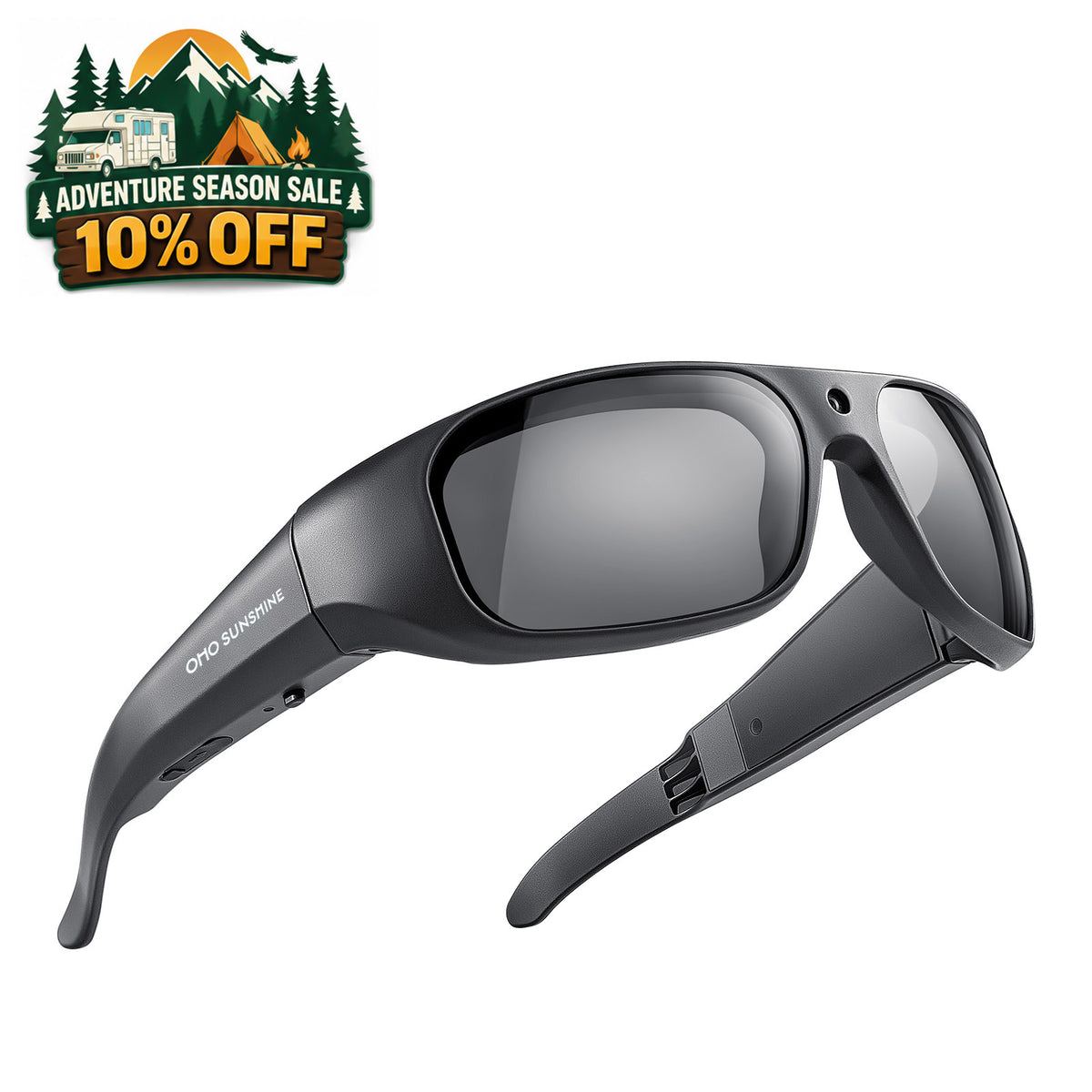
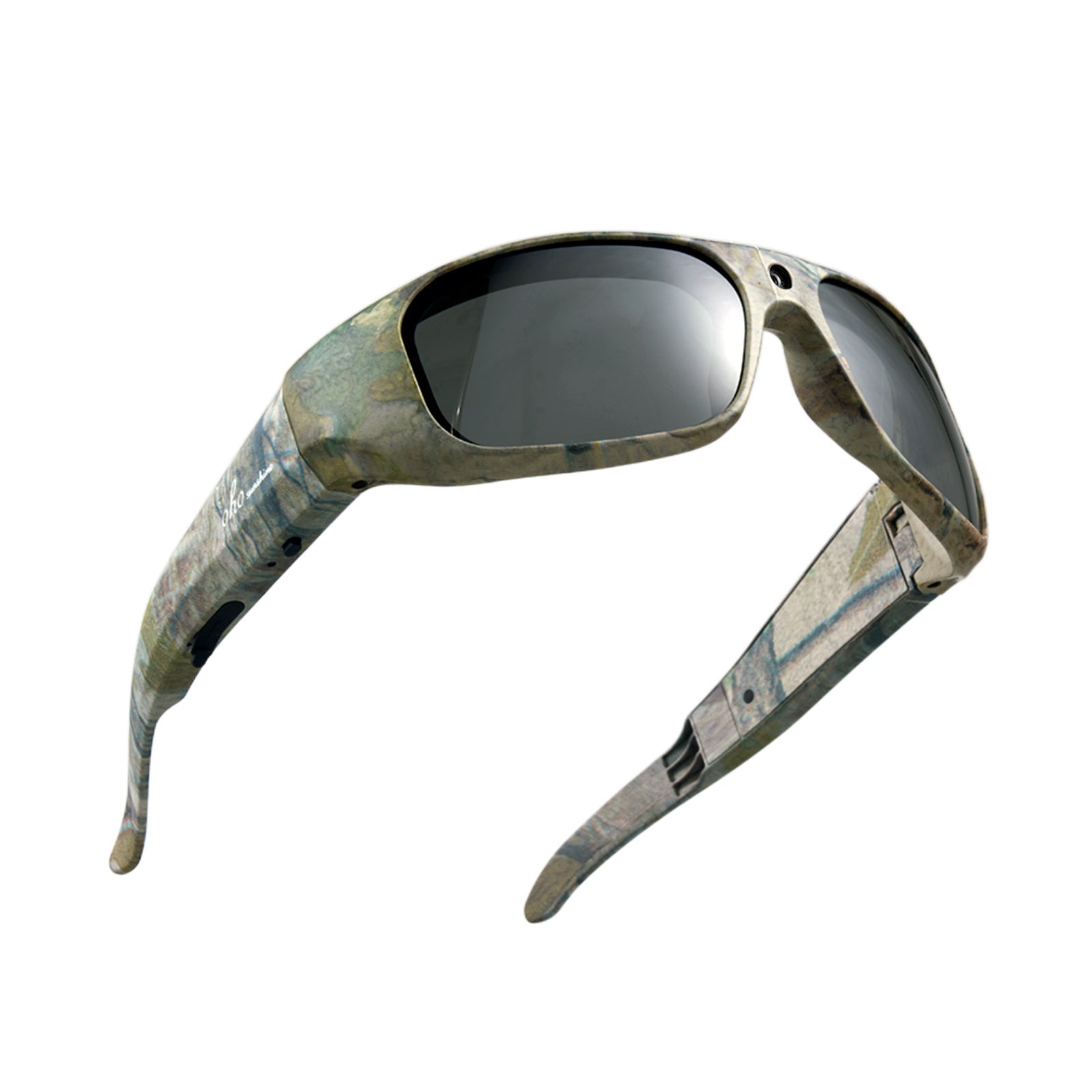
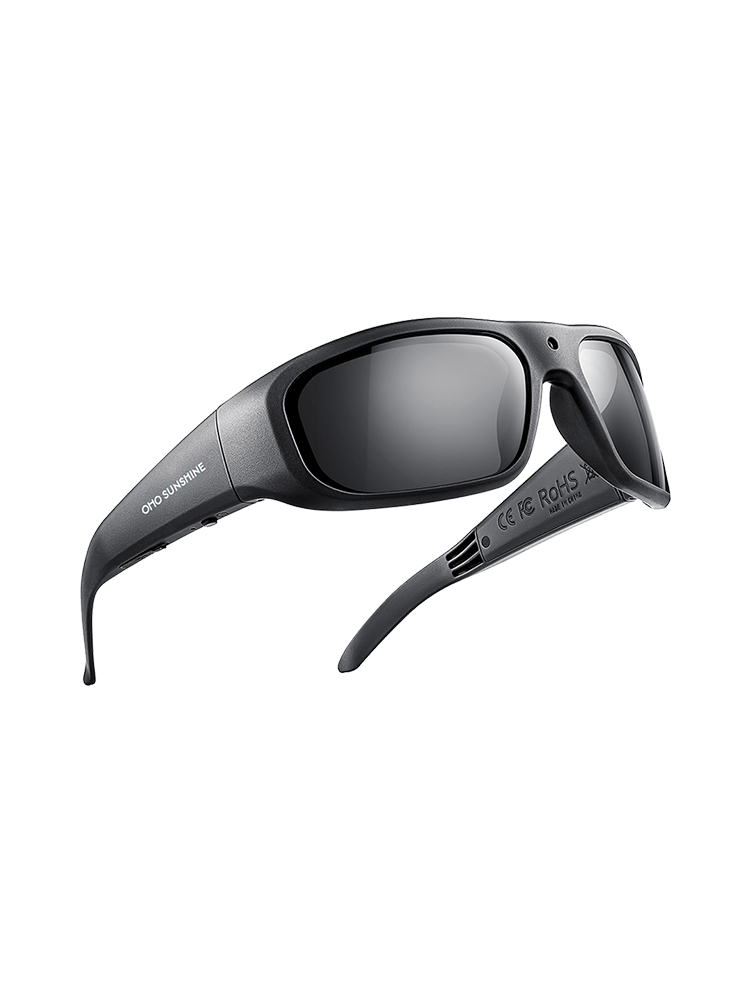
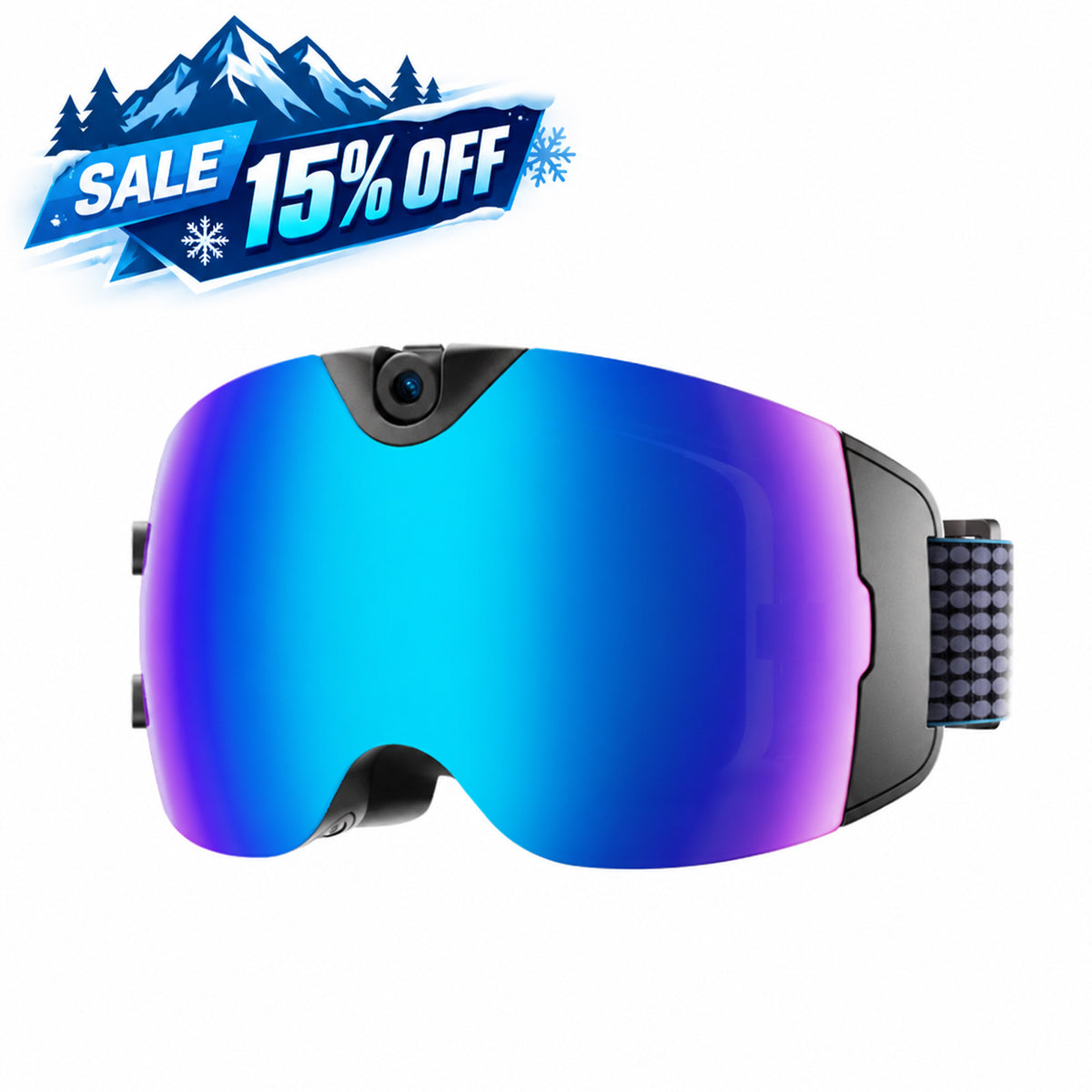
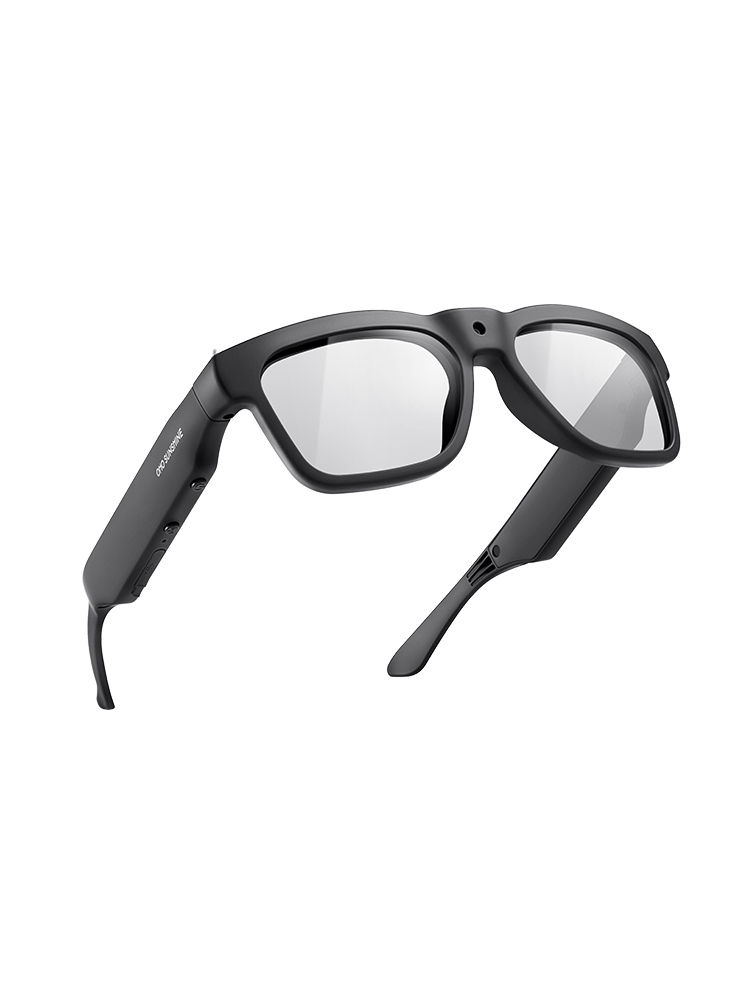
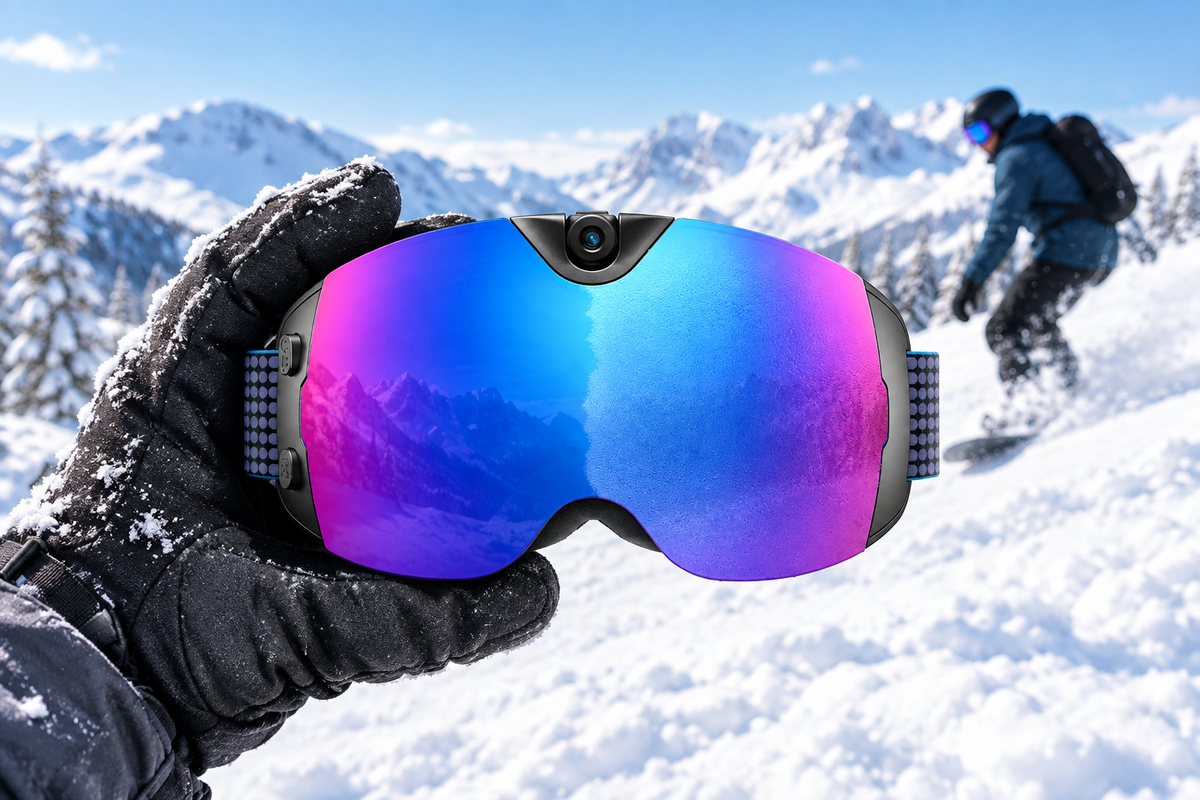
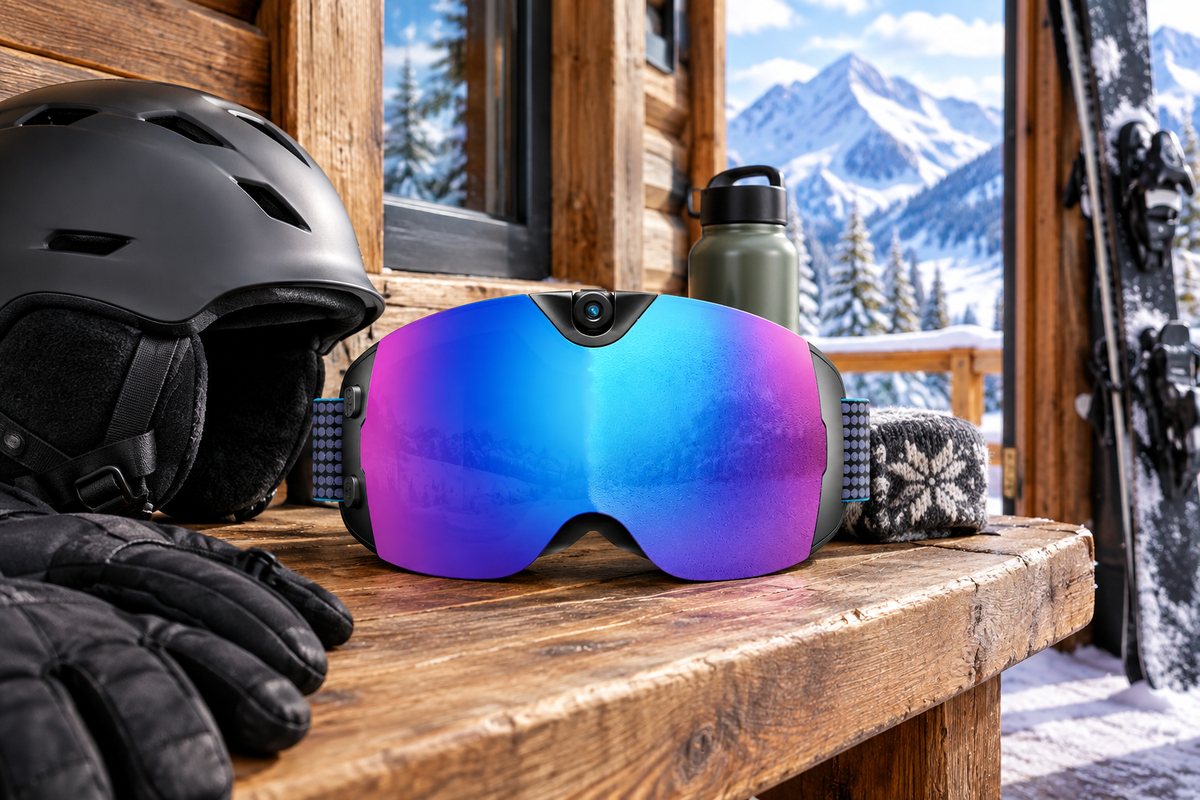
We can apply this same checklist to our own Skyshot camera goggles rather than assume they pass it automatically. Our product record documents a concrete camera package: 4K video at 30 fps, 24-megapixel photos, a 140-degree wide-angle camera, anti-fog and polarized lenses, UV400 protection, Wi-Fi connectivity, USB-C charging, and a stated 90-minute battery life, along with app and button controls. That gives you a real specification set to compare against other camera-goggle listings before you buy.
What our supplied record does not include is equally important to name. It identifies a unisex adult fit and a TPU frame, but it does not state a size range, face-foam material, water-repellency, snow-blocking vent mesh, or any deep-powder performance result. That means the camera and general lens features are documented, while the powder-specific construction details from the earlier sections are not yet confirmed in our listing. If you are ordering for a deep-powder trip, treat that gap as a question to ask us directly rather than an assumption either way. We back the Skyshot with a one-year warranty and a 14-day return window, which gives you a practical safety net while you confirm those remaining fit and construction details. If your priority is recorded mountain footage, review our camera specifications and reach out to our team to verify current batch fit before placing your order.
Conclusion
Order camera-equipped snowboard goggles only when the listing documents a close face and helmet fit, separate foam and vent evidence, and clear lens labeling, not just a camera feature. When those details are missing, as they currently are for foam water-repellency and vent mesh on our own Skyshot listing, pause and ask before checkout. Reach out to our support team to verify unlisted construction details before ordering, or select a model whose powder-blocking features are already fully documented.

FAQs
What should I ask if a goggle listing does not mention vent mesh?
Ask the seller directly what material or barrier sits behind the vent openings. A listing that stays silent on vent construction has not shown that powder is blocked, even if it advertises strong anti-fog performance, so treat that gap as an open question until you get a specific answer or manual reference.
Does a wide-angle camera prove that the footage matches my first-person view?
Not on its own. Field of view describes how much area the lens captures, not necessarily whether the recorded frame lines up with where your eyes are looking. If exact framing matters to you, check the camera's mounting position relative to the lens or look for sample footage before you decide.
Do UV400 or polarized lenses replace a hydrophobic coating?
No. UV400 protection limits ultraviolet exposure, and polarization cuts glare from sunlight on snow, but neither one describes how water behaves on the outer lens surface. If you specifically need hydrophobic performance, look for that word or an equivalent water-shedding claim stated on its own rather than assuming it from UV or polarization labels.



Leave a comment
This site is protected by hCaptcha and the hCaptcha Privacy Policy and Terms of Service apply.