





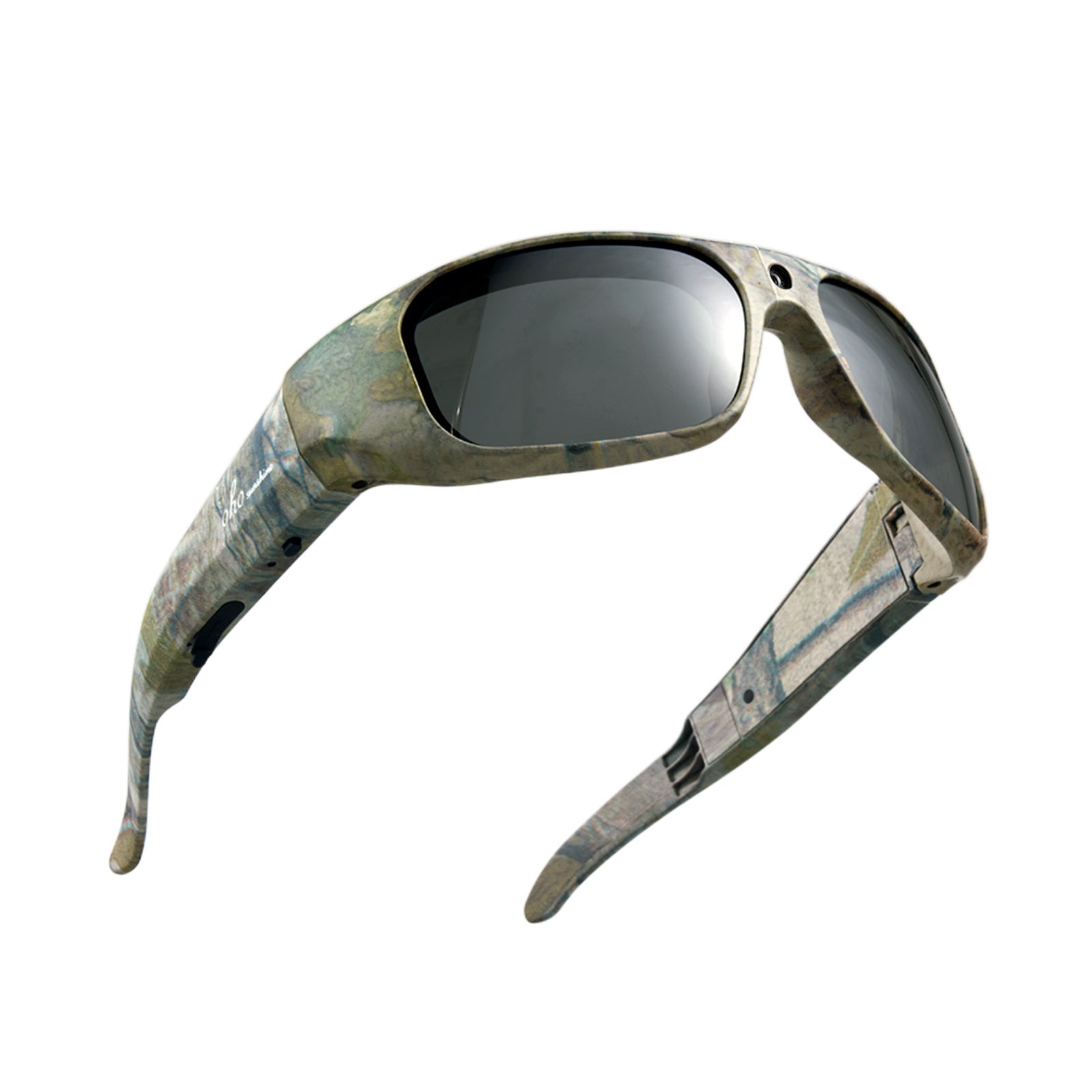


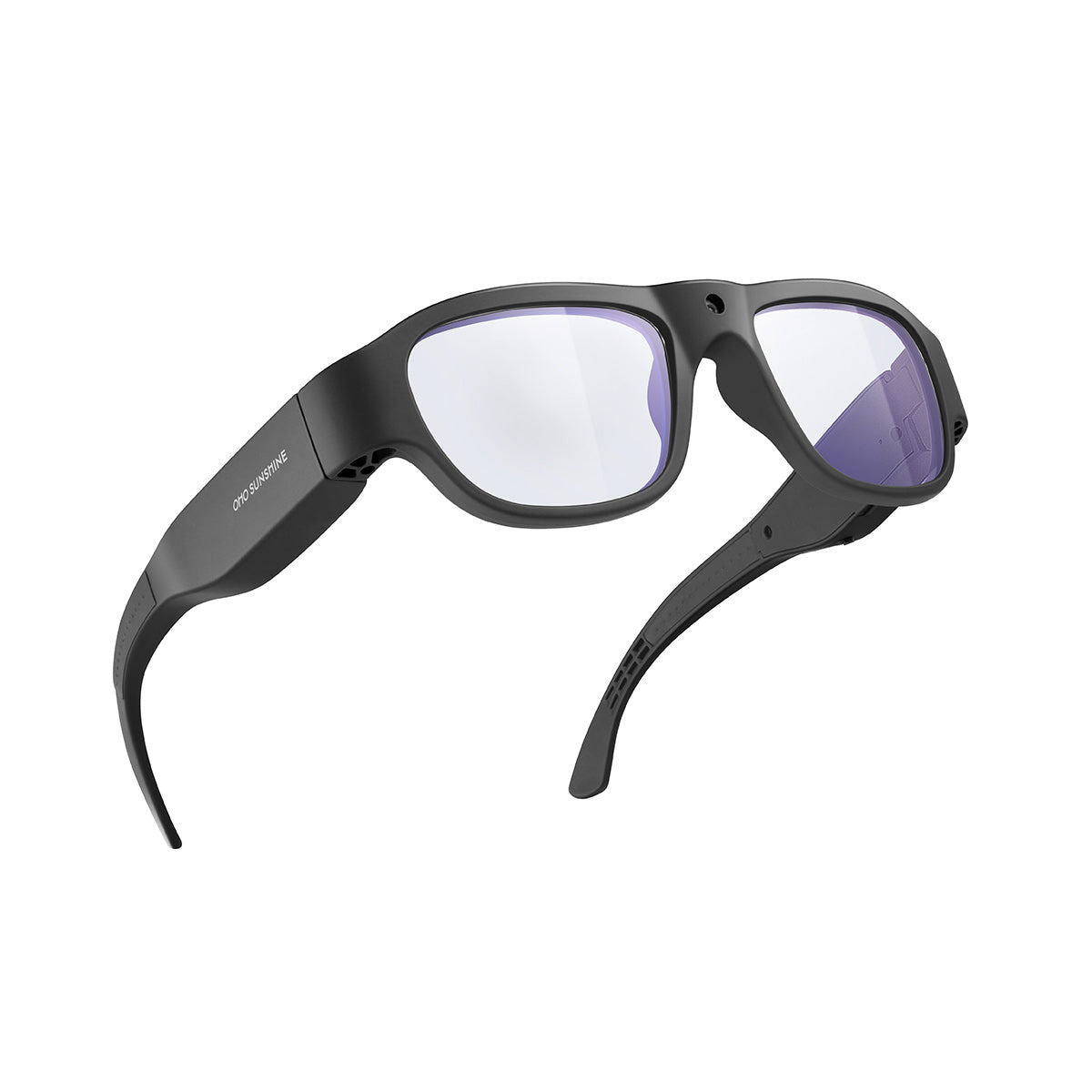
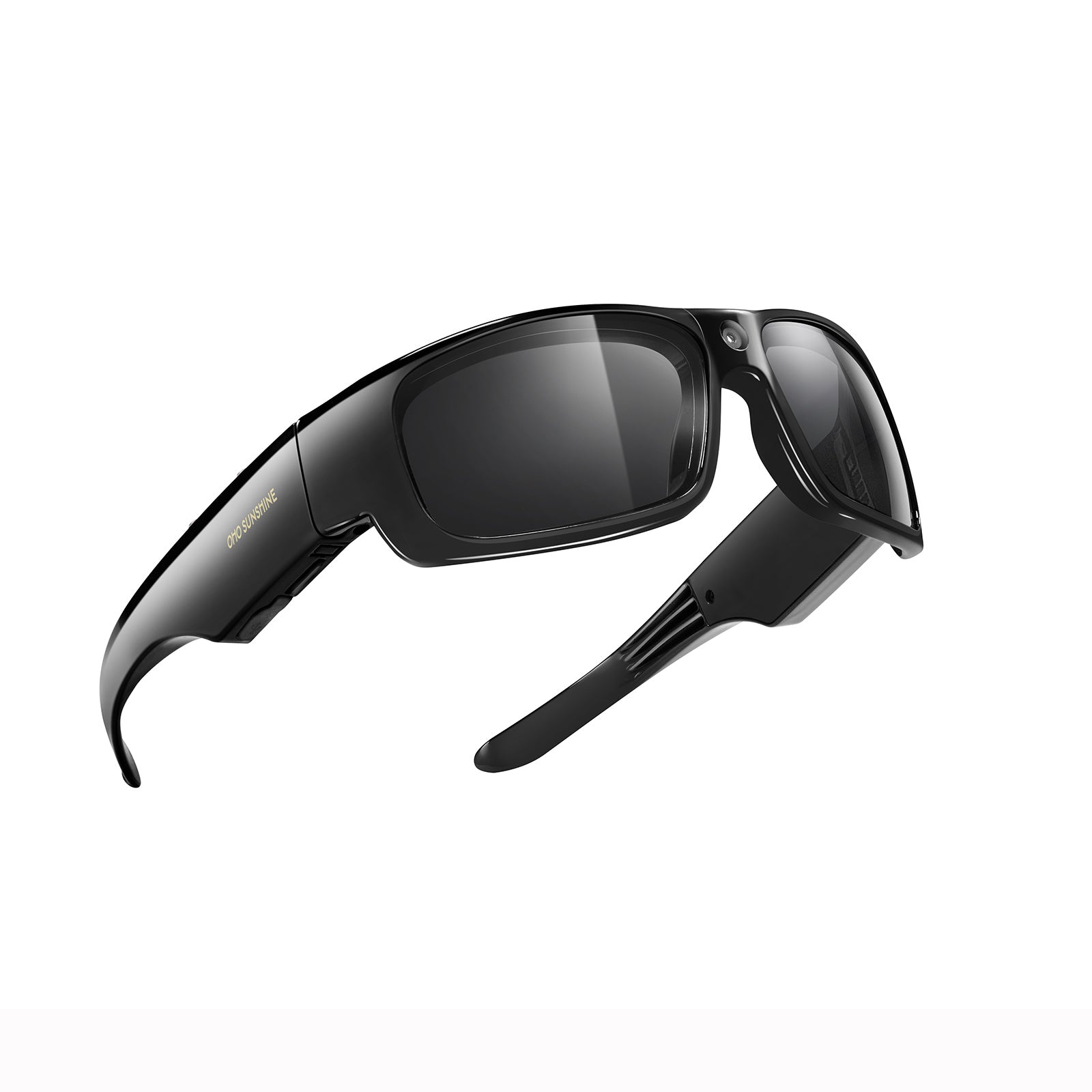


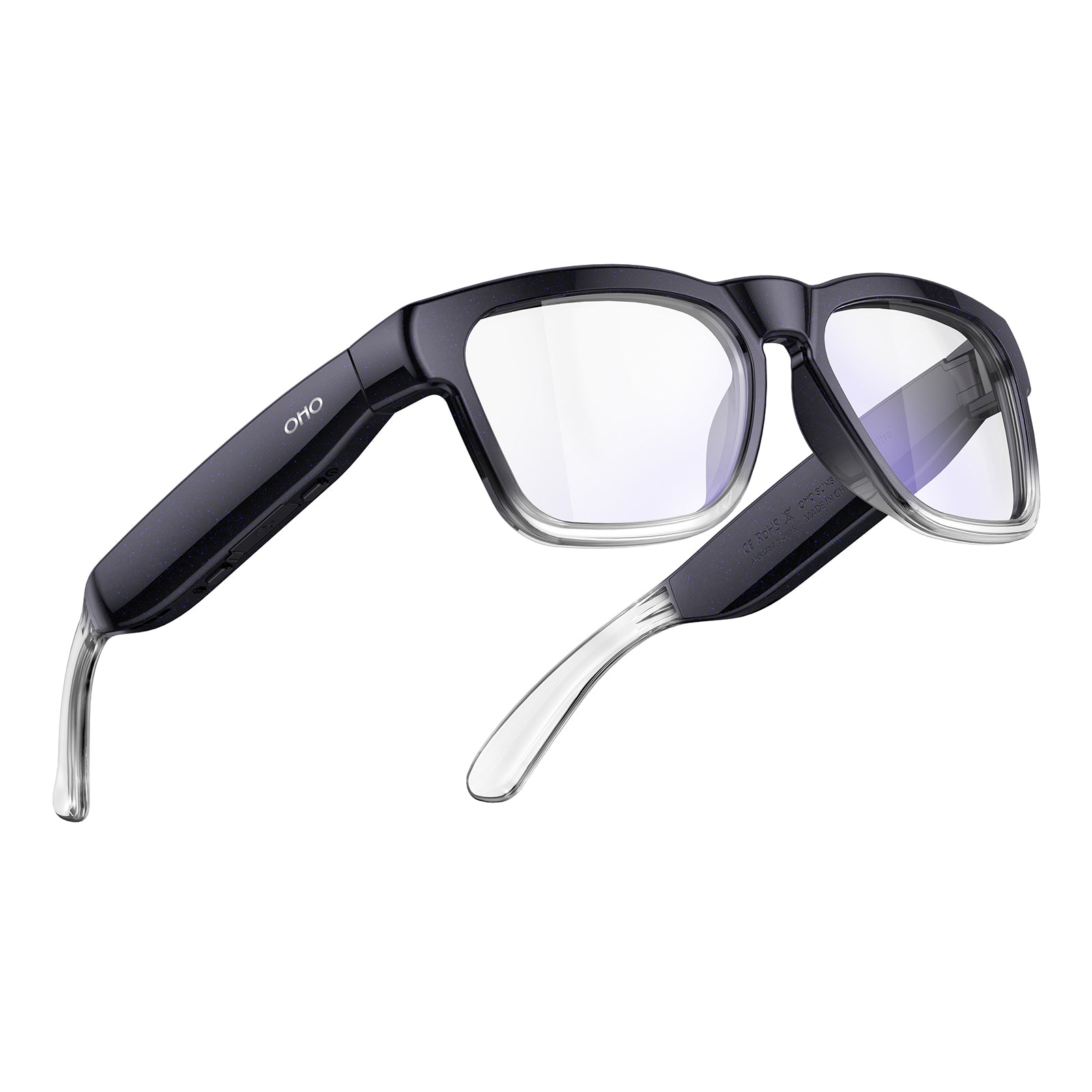







Nordic cross-country skiing generates steady heat and heavy breathing, and that combination fogs goggle lenses faster than a quick downhill run. Choosing ski goggles with camera online requires checking real top-and-bottom airflow and a secure seal before comparing camera specs.
Camera ski goggles only deliver useful footage once vision stays clear through a full workout. Confirming ventilation and layer fit upfront keeps you from buying an unverified setup.
What Matters Most for Aerobic Nordic Skiing?
Sustained aerobic effort changes the goggle-buying priority list compared to casual downhill skiing. Warm, moist breath meets cold air inside the lens constantly during a skate-ski interval or a long classic tour, and that mismatch is what causes inner misting, not a weak camera. The smartest online shopping order is airflow evidence first, fit with your actual hat, helmet, or face covering second, and hands-free recording convenience third.
A camera-equipped goggle is not automatically ready for this use case just because it lists a camera. A 4K sensor and a wide field of view say nothing about how the lens handles moisture during 45 minutes of double-poling. Treat every camera goggle listing as unproven on ventilation until the product page or photos show you otherwise, then judge the recording features on their own merits.
How to Evaluate Ventilation and Anti-Fog Evidence Online
Before adding ski goggles with camera to your cart, confirm the listing actually shows vent placement and lens construction instead of relying on a general "anti-fog" label. REI's goggle-buying guidance explains that condensation forms when warm body air meets cold outside air, and that top, side, and bottom vents work together with lens construction and coatings to control fogging.

Inspect the Top and Bottom Vents
Look for distinct openings at the top and bottom of the frame in the product photos, diagrams, or manual, rather than assuming a small gap near the nose bridge counts as ventilation. A camera housing mounted on the frame does not tell you anything about airflow underneath it. If the seller's page describes the vents as part of a fog-control design, note that as useful evidence; if the listing is silent on port placement, treat it as an open question rather than assuming the goggle is fine. Our own camera goggle collection groups models by these documented features so you can compare listings side by side.
Separate Anti-Fog Treatment From Proof
An anti-fog coating or a stated lens type is a helpful data point, not a guarantee for a hard aerobic session. Check whether the page specifies single- or double-layer lens construction, since REI notes double-layered lenses generally resist fogging longer than single-layer ones. When a listing only offers a marketing phrase like "anti-fog lens" with no construction detail, keep your expectation bounded: it is one supporting fact, not confirmed aerobic performance.
How to Check Camera Utility, Fit, and Layer Compatibility
Once ventilation evidence looks reasonable, weigh the camera against fit and visibility rather than the other way around. A wide field of view or high resolution is a convenience feature, and it should never outrank a secure, clear-vision fit.
Check Hands-Free Recording Utility
Favor goggles whose controls you could operate without much fumbling, since gloved hands and a moving trail don't leave room for fiddly buttons. If a listing specifies video resolution, field of view, wireless transfer, or charging method, treat those as feature facts to compare, not proof of comfort or reliability. Also treat any stated battery duration as a nominal, room-temperature figure; cold weather can change real-world runtime, and no listing should be read as a guaranteed workout-length promise.
Test the Fit With Your Winter Layers
Match the frame size and stated fit notes against the exact hat, helmet, face covering, or prescription glasses you plan to wear on snow. According to REI's fit guidance, goggles should sit snug but comfortable, leave no gap between the goggle and your helmet, and use padding thick enough to cushion your face without crowding the vents or trapping moisture. A goggle with an appealing camera or a large field-of-view number is still the wrong choice if it pinches your helmet or blocks peripheral vision. For more detail on matching camera goggles to a Nordic training routine, our Nordic ventilation guide walks through sweat and fit checks specific to cross-country skiing.
Is Skyshot a Fit for Aerobic Nordic Skiing?
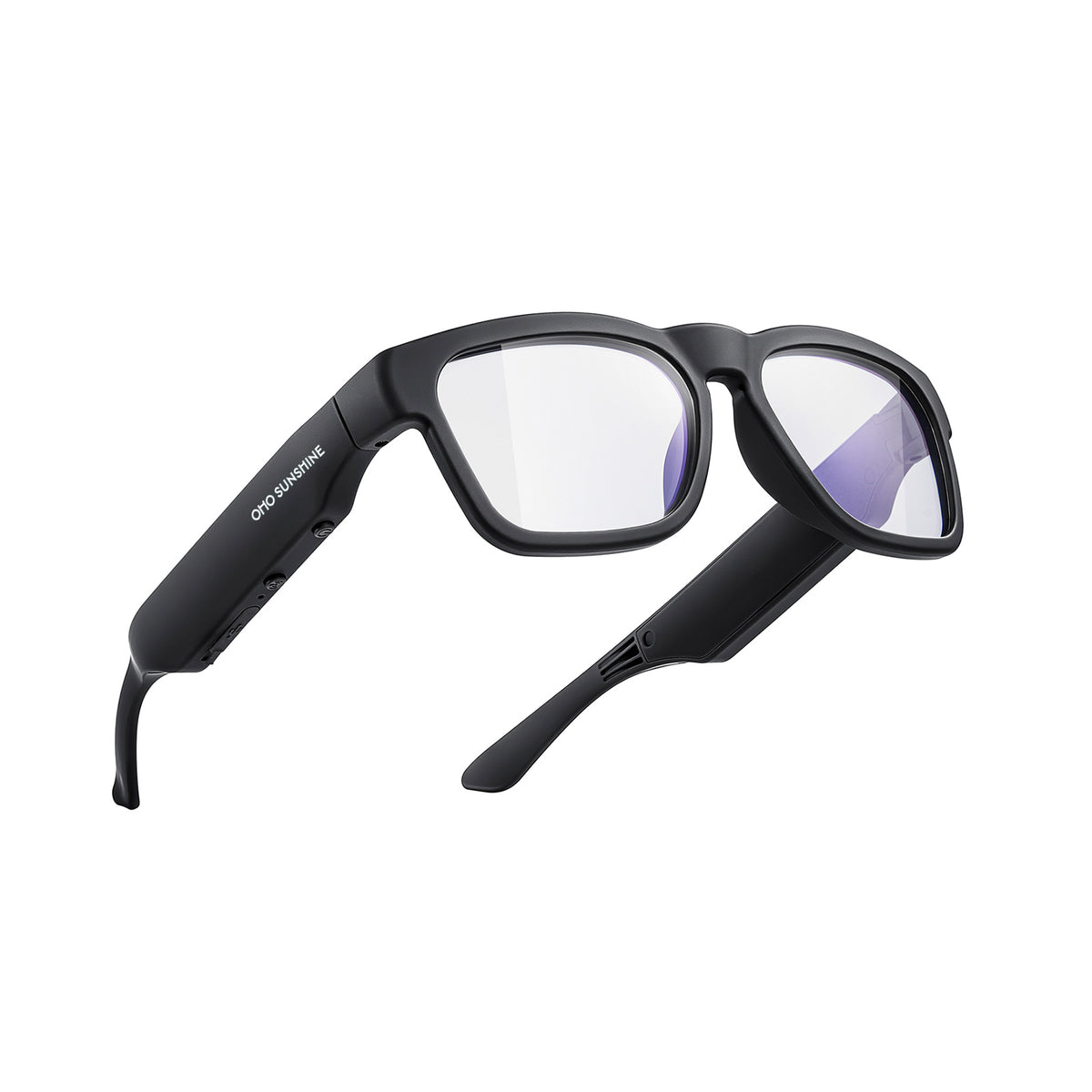
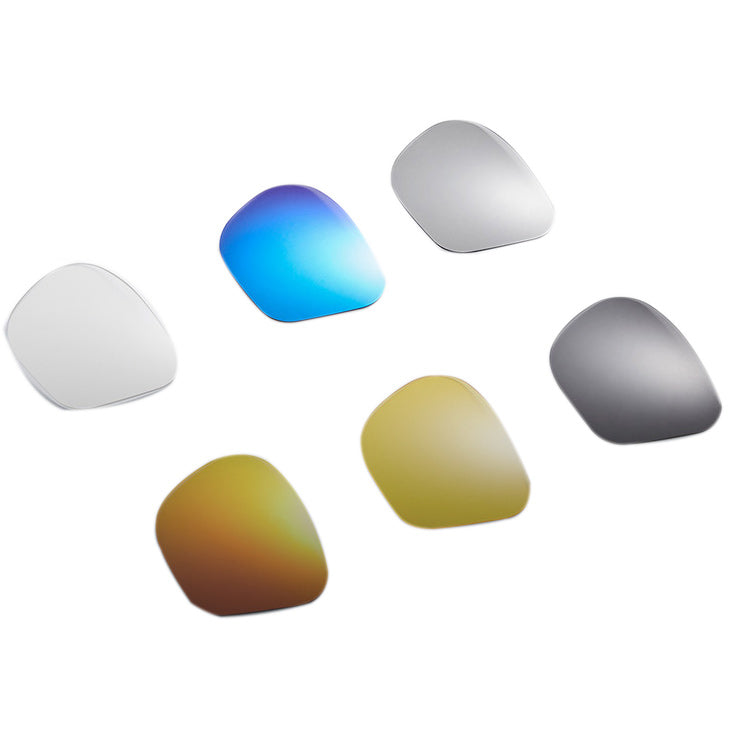
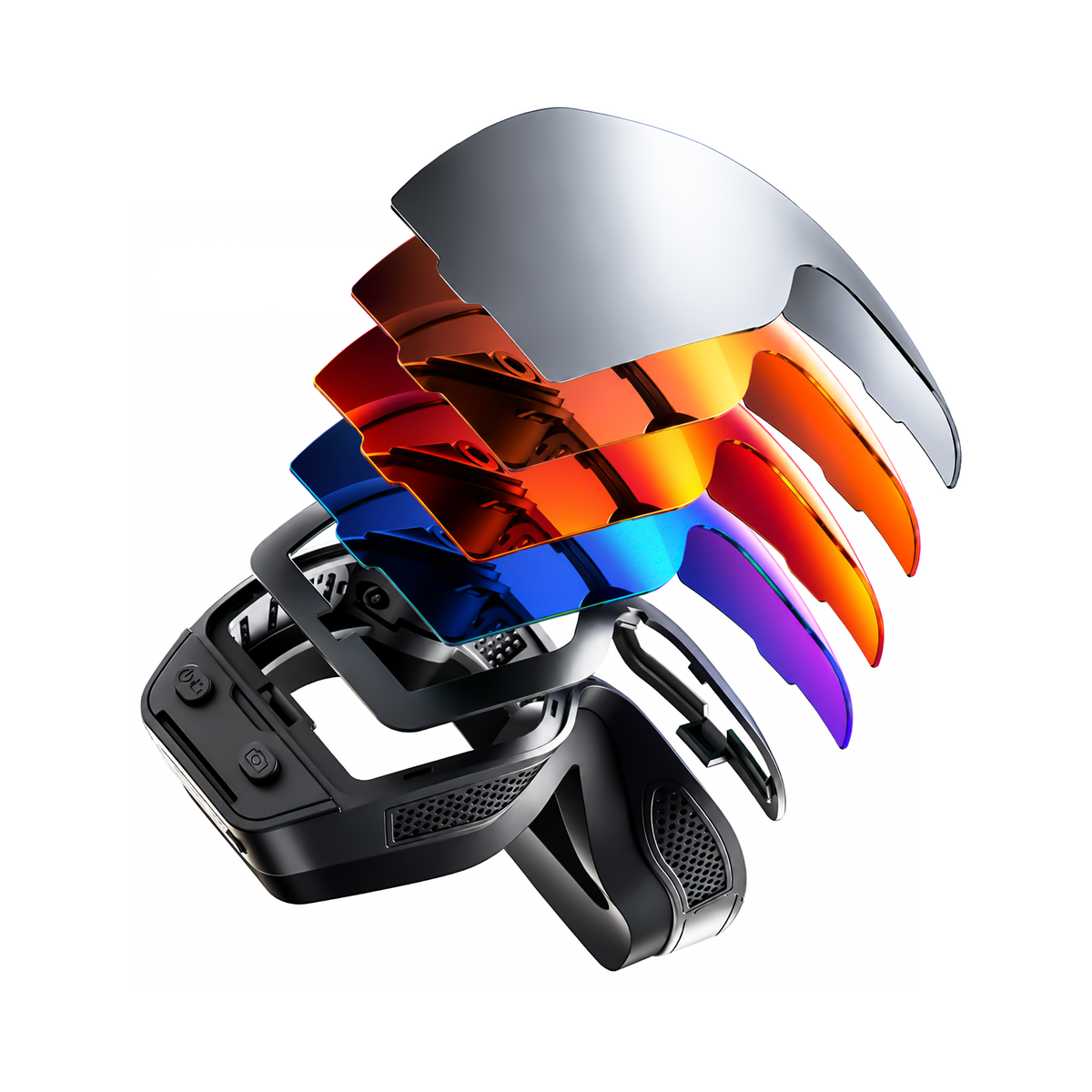
We offer the Skyshot camera goggles as a candidate worth investigating if hands-free recording is your priority, though the aerobic ventilation question stays open until you confirm it directly with us. The listed feature set includes 4K/30 fps video, a 140-degree wide-angle camera, 24-megapixel photos, a polarized anti-fog lens with UV400 protection, Wi-Fi transfer, USB-C charging, and a stated 213-gram weight, backed by a one-year warranty and a 14-day return window.
Before ordering, skiers need direct confirmation of whether Skyshot uses dedicated top-and-bottom vent ports, how its lens construction is configured, whether it fits over specific helmets or prescription frames, and how the listed 90-minute battery specification performs during cold aerobic workouts. These specifications remain unverified in the catalog details, so treat them as items to clarify rather than confirmed training features.
If you mainly want hands-free 4K trail recording and can clarify ventilation details prior to high-output skiing, Skyshot is a viable option to explore. If mist-free optics during intense intervals are your make-or-break requirement, verify these airflow and winter specifications directly before making a purchase.
Make the Purchase-or-Defer Decision
Use this short sequence at checkout instead of re-reading every earlier check.
- Confirm the unresolved evidence: contact the seller or check the listing for explicit top-and-bottom vent photos, lens construction, and cold-weather performance notes.
- Compare that evidence with your actual hat, helmet, face covering, or eyewear, not a generic photo of the goggle alone.
- Proceed to purchase only if both the ventilation and fit questions are answered to your satisfaction; choose a seller with a workable return policy if you are still uncertain.
- Defer the purchase, or defer wearing the goggles on snow, if you cannot confirm secure fit or clear airflow. As CDC/NIOSH eye-protection guidance notes for properly fitted eyewear, protection depends on staying secure and providing good peripheral vision; if fog obscures your view or the goggles stop staying secure during a session, stop skiing, clear or adjust them, and reassess before you continue.
Ready to take the next step? Check the vent layout on the product page, confirm your return window, and request any unverified cold-weather fit details from the seller before submitting your order.

Conclusion
Ventilation and a secure, layer-compatible fit decide whether a camera ski goggle works for aerobic Nordic skiing; camera features only matter once those two conditions are confirmed. Skyshot's listed recording and lens features make it worth a closer look, but hold the purchase until the vent layout, fit, and cold-weather details are verified for your situation.
FAQs
Can I rely on an anti-fog label for a long Nordic workout?
An anti-fog lens is one useful feature, but it does not by itself confirm top-and-bottom airflow or sustained aerobic performance. Treat the label as a starting point and look for explicit vent placement and lens construction details before counting on the goggle for a high-effort session.
What if I wear prescription glasses under camera ski goggles?
Prescription-eyewear compatibility needs an explicit "over the glasses" or OTG statement from the manufacturer; the supplied Skyshot product facts do not confirm this. Check directly with the seller or manufacturer before buying, and favor a purchase path with a workable return window if the fit turns out to be wrong.
What should I do when the product page does not show the vents or cold-weather runtime?
Missing vent-layout or cold-runtime information is a reason to hold the purchase, not a reason to assume the goggle performs fine based on its camera specs alone. Request the missing detail from the seller, or defer the purchase until that evidence is available.


Leave a comment
This site is protected by hCaptcha and the hCaptcha Privacy Policy and Terms of Service apply.