

















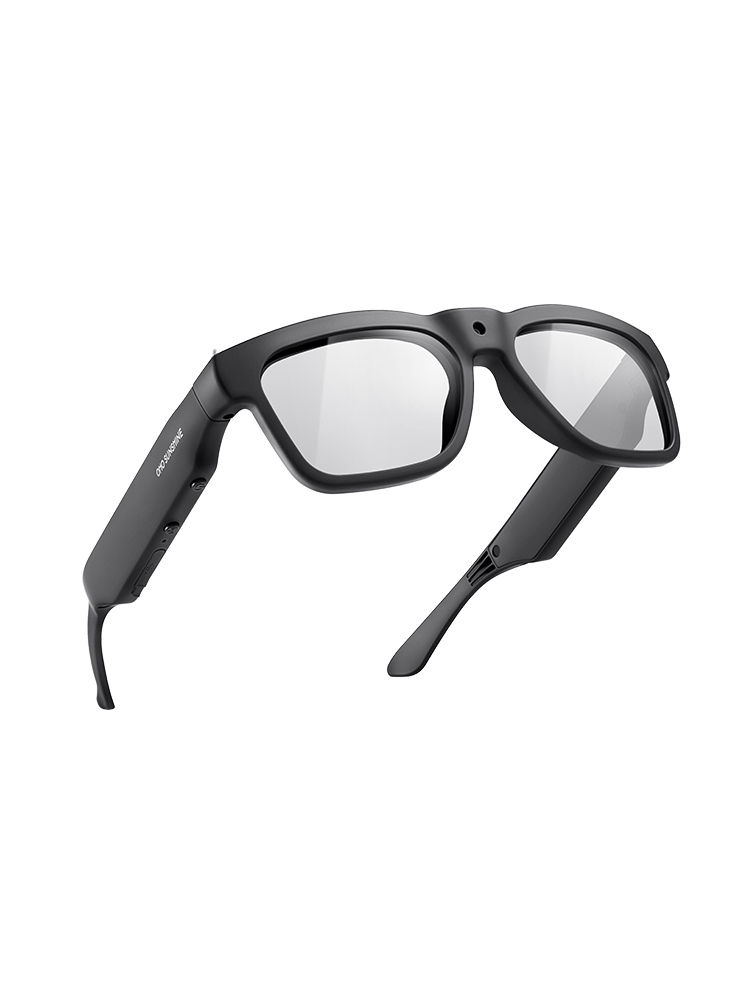


Clean audio smart glasses by treating the lenses and the electronic parts as two separate jobs. Power the glasses off and disconnect any charging cable first, then wipe the lenses with a clean microfiber cloth and clear vents, cameras, and charging contacts with dry tools only. Check your model's manual before using any liquid near a speaker, microphone, or charging area, because exact limits vary by device.
Key Takeaways
- Power off, disconnect from charging, and inspect every opening before you clean anything.
- Wipe lenses with a microfiber cloth and only a lens product your manual approves.
- Keep speaker, microphone, camera, and charging areas dry; use a soft brush only if the manual allows it.
- Wait until every surface is visibly dry, then test audio, a recording, and the controls.
- Stop cleaning and contact support if liquid may have entered an opening or a function changes.
Before Cleaning, Power Down and Check the Manual
Turn the glasses off, unplug them from any charger, and treat the lens surfaces as a separate zone from the speaker, microphone, camera, button, and charging areas. Your exact model's manual decides which cleaner and how much moisture, if any, is safe near those electronic zones.
Power Down and Inspect the Openings
Remove the glasses, set them on a clean, stable surface, and switch them off before you pick up a cloth. Stop any active call, music playback, or charging connection so no port is drawing power while you clean. Then look closely at the frame: find the speaker or open-ear audio vents, the microphone opening, any camera lens, buttons, frame seams, and the charging contacts. Each of these needs its own approach later, so knowing where they are now prevents you from accidentally treating a microphone opening the same way you'd treat a lens.

Confirm Model-Specific Cleaning Limits
Open your model's manual or support page and look for anything it says about approved lens wipes, coating restrictions, vent-cleaning tools, and water exposure. Audio smart glasses, camera glasses, smart sunglasses, and AI or Bluetooth models can use different coatings, seals, and internal layouts even when they look similar from the outside. If your manual does not spell out a cleaning method, treat that gap as a reason to choose the driest option available rather than a reason to try a household cleaner or extra water.
Gather a Clean Cloth and Only Model-Approved Cleaner
Two short lists cover what belongs near your glasses and what should stay away from any opening. Keeping lens materials and vent tools separate stops one damp item from spreading moisture across the whole frame.
Use for the lenses:
- A clean, lint-free microfiber cloth
- A pre-moistened lens wipe or lens spray, only if your model's manual permits it
Keep away from vents, cameras, buttons, and charging contacts:
- Shirt sleeves, tissues, or paper towels
- Household glass cleaner, solvents, or unapproved alcohol
- Any spray bottle aimed directly at the frame
Dedicated microfiber cloths and purpose-made lens products are preferred over clothing or a contaminated cloth because trapped grit or residue can dull or scratch a lens coating. That guidance covers optical lenses specifically; it does not extend to speaker meshes, cameras, or charging contacts, which need their own model-approved approach.
Clean the Optical Lenses Without Scratching Them
Remove loose grit first, then wipe gently with a clean cloth and only a manual-approved product, finishing with a dry pass. This sequence protects the lens coating whether it's a standard lens, a polarized lens, or a blue-light-blocking lens.
- Hold the frame gently instead of pressing down on the lens itself.
- Brush or blow away loose dust and grit before you wipe, so you're not grinding particles into the coating.
- If your manual approves a lens spray, apply it to the cloth rather than directly onto the frame, especially near any gap or seam. Applying spray to the cloth rather than the lens itself is the safer method for coated eyewear.
- Wipe with light, even strokes across the lens.
- Finish with a clean, dry section of the cloth to remove any remaining moisture.
Blue light glasses for men and tinted or polarized coatings still follow this lens-only routine; being marketed for blue-light blocking does not make a pair of glasses waterproof or change how its speakers, microphone, or charging port should be handled. Keep that electronics boundary separate no matter what the lens coating is.
Clean Acoustic Vents and Other Openings With Minimal Moisture
Speaker meshes, microphones, cameras, buttons, and charging contacts each need a dry-first approach instead of the lens routine above. Use only the tool your manual names, and never point liquid at an opening.
Brush Debris From Speaker and Microphone Areas
Start with a clean, dry, soft brush, or whatever tool the manual names for that mesh. Use short, gentle strokes across the surface of the vent instead of pressing or pushing toward the opening, which can drive debris further in rather than out. Don't substitute lens spray, glass cleaner, or running water for this step; a speaker or microphone mesh is designed to let sound and air pass, and liquid can travel through the same path toward internal components.
Treat Cameras, Controls, and Charging Contacts as Separate Zones
A camera lens gets the same gentle, lens-style wipe described above, kept apart from the surrounding vent cleaning. Buttons, frame seams, and charging contacts should only be cleared with a dry cloth or dry tool if your manual allows it; skip spraying or flooding this area even if the rest of the frame just had a lens wipe. Bluetooth and AI-enabled models matter here mainly because they add a microphone, extra buttons, or a charging port that a simpler pair of glasses might not have, so more zones need this dry treatment. If your glasses pick up sweat, dust, or rain regularly, our guide on how to clean camera glasses after rain walks through that specific scenario. For open-ear Bluetooth audio glasses without a camera, such as our Elite Smart Bluetooth Glasses, this section is simpler because there's no camera opening to manage separately, just the speaker vents, microphone, and charging contacts. Anyone shopping for a model with an onboard camera can compare current options in our camera glasses collection before deciding how many opening types they'll need to maintain.
Dry Fully, Then Check Audio, Microphone, and Controls
Confirm every surface looks dry, then run a short function check before you return the glasses to normal use or charging. This step catches a problem early instead of assuming the cleaning went fine.

- Inspect the lenses, frame edges, vents, camera opening, buttons, and charging contacts for any visible moisture, residue, or leftover debris.
- Wait until everything looks and feels dry before charging or resuming normal use; if moisture is still visible or you suspect it reached an opening, don't plug in the glasses yet.
- Once dry, play a short audio clip at a normal volume to confirm the speakers sound clear.
- Make a brief voice recording or test call if your model supports it, to check the microphone.
- Press the buttons, voice controls, or camera trigger you use regularly to confirm they respond normally.
These checks are a practical screening step, not a manufacturer diagnostic. A clean playback and a normal-sounding recording are good signs, but they don't guarantee that no moisture reached an internal component. If anything looks or sounds off, treat it as a signal to stop rather than push through with another cleaning pass.
Know When to Stop and Get Model-Specific Help
Stop cleaning and reach for your model's manual or manufacturer support instead of applying more liquid or pressure. The two strongest signals to stop are suspected liquid entry and any change in how the glasses sound or respond.
- Stop if you used a cloth, spray, or tool that your manual doesn't name as approved for this model.
- Stop if liquid may have reached a vent, microphone, camera, button, seam, or charging contact.
- Stop if residue won't come off without extra pressure or additional liquid.
- Stop and contact support if audio sounds muffled, a recording fails, a control behaves oddly, or the glasses don't work normally after you've confirmed everything is dry.
- A splash-resistance or water-resistance rating on the product spec sheet doesn't change any of the above; it's a product limit, not cleaning permission.
If any of these problems arise, pause use immediately and consult the model user manual instructions or brand support before reconnecting to a charger. Keeping optical cleaning strictly separated from delicate acoustic ports protects your frame from accidental moisture hazards. Check your device documentation now to confirm your model's permitted tools, clean gently with dedicated microfiber, and stop at the first hint of internal dampness to keep your smart eyewear performing at its best.
FAQs
Can I spray lens cleaner directly on audio smart glasses?
Spraying directly onto the frame is easy to overdo, and the extra liquid can travel toward a vent, seam, or charging contact you didn't mean to wet. Apply a model-approved lens product to the cloth first, then wipe the lens, keeping the spray away from the frame, vents, buttons, and contacts.
Can I use alcohol or regular glass cleaner on smart-glasses lenses?
Alcohol and household glass cleaner compatibility depends on the exact lens coating and model, so there's no universal yes here. Check your manual for a named or approved product before using anything beyond a plain microfiber wipe, and skip household cleaners it doesn't mention.
What should I do if moisture gets into a speaker or microphone vent?
Stop cleaning and stop charging right away if you suspect liquid reached a vent or microphone opening. A dry exterior doesn't mean the inside is dry, so follow your model's support instructions for that situation instead of resuming normal use based on how the outside looks.
Does water resistance mean I can rinse my smart glasses?
A water-resistance rating describes a bounded product condition, not a general cleaning method. Unless your product's own care instructions explicitly say rinsing or light exposure to water is fine, avoid rinsing, soaking, or running water over any part of the frame.


Leave a comment
This site is protected by hCaptcha and the hCaptcha Privacy Policy and Terms of Service apply.