














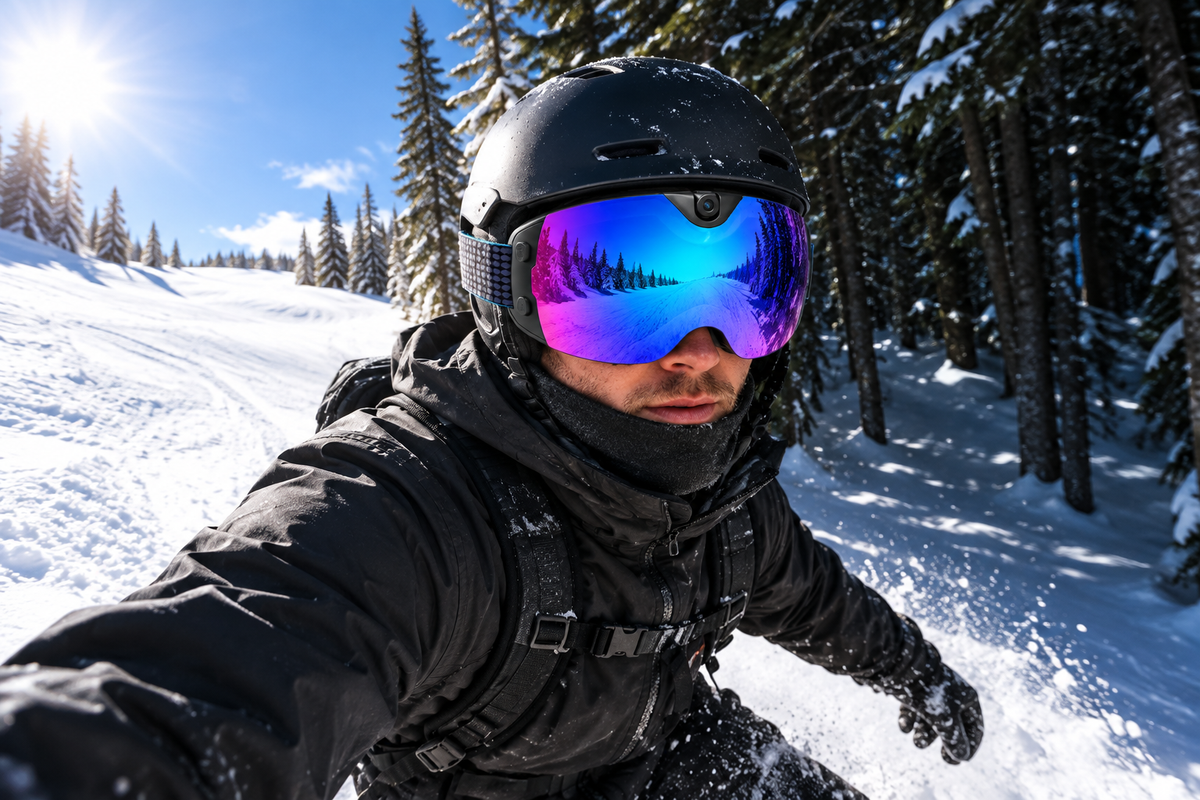
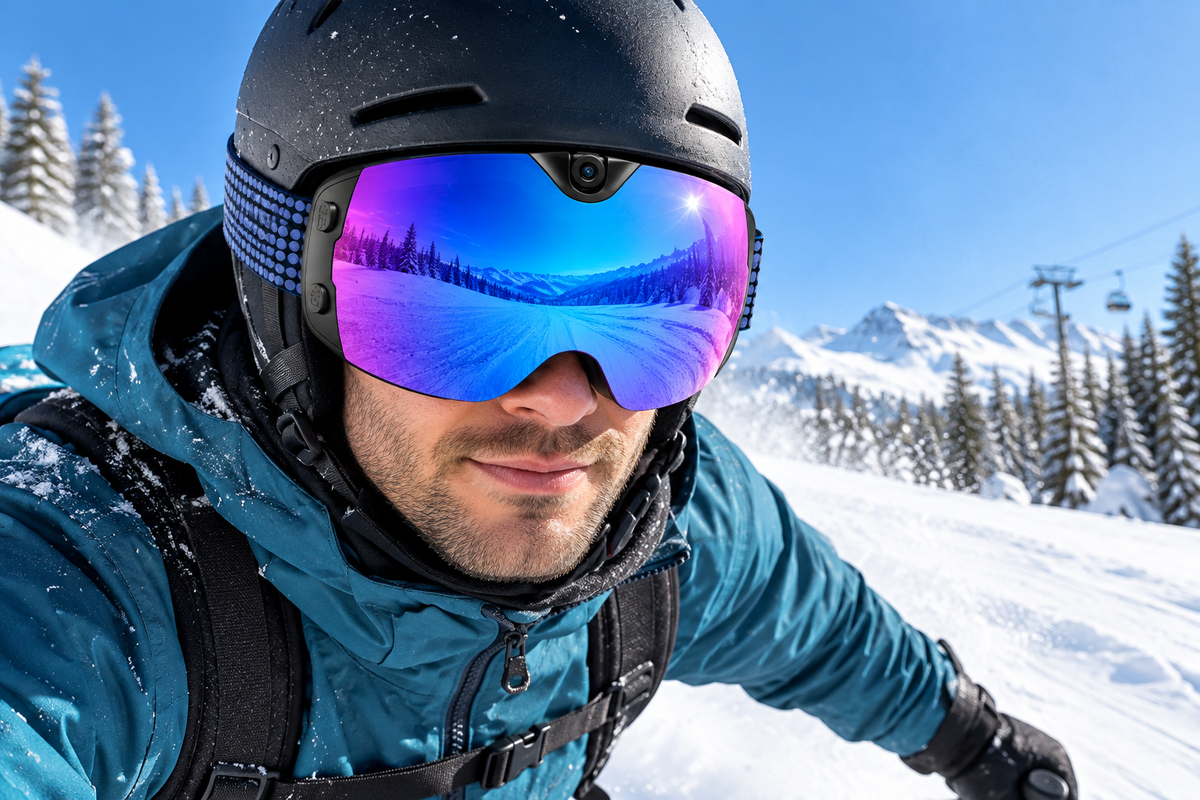
Glade and tree runs swing between blinding open snow and deep shade in seconds. That mix challenges camera goggles in two separate ways: your eyes need a lens that stays readable across the light change, and the camera needs documented behavior for high-contrast scenes. Choose a pair only when both facts are confirmed; if either is missing, treat the goggles as unconfirmed for tree runs rather than assuming they will perform.
What Tree-Run Shadows Demand From Camera Goggles
A glade run is not one lighting condition, it is two. Open snow reflects intense brightness, while the trees a few turns later can drop you into near-dusk shade, and your snowboard goggles have to handle both without a lens swap.
This creates two independent purchase tests. The first is optical: can you, the rider, read terrain detail in the shaded sections without squinting in the open ones? The second is technical: does the onboard camera have documented dynamic-range or exposure behavior that keeps shadow detail visible on video, rather than just a high resolution number? A goggle that passes one test and not the other is only half a solution. Treat a missing answer to either question as a reason to keep looking, not as a detail to assume away.
Choose Lens Transmission and Tint for Bright-to-Shadow Runs
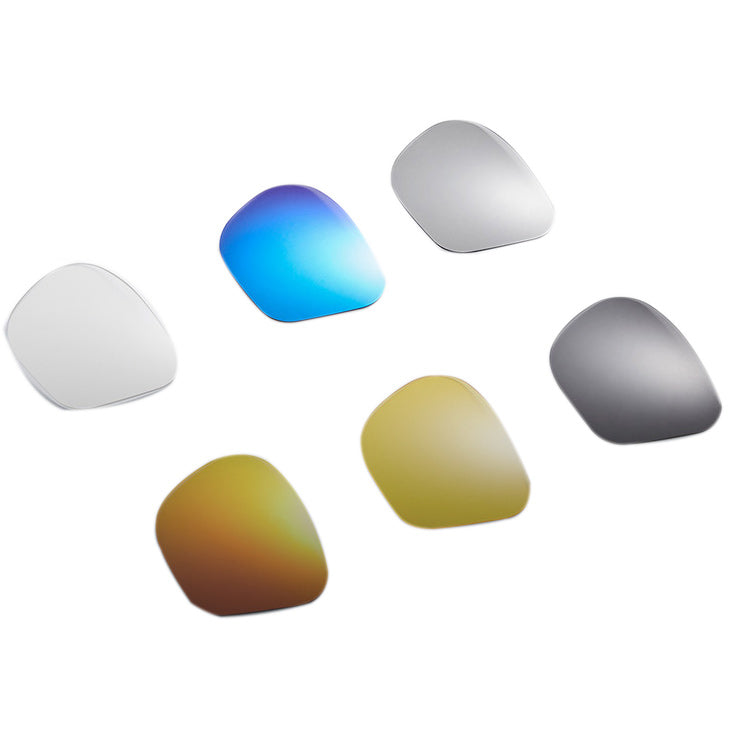
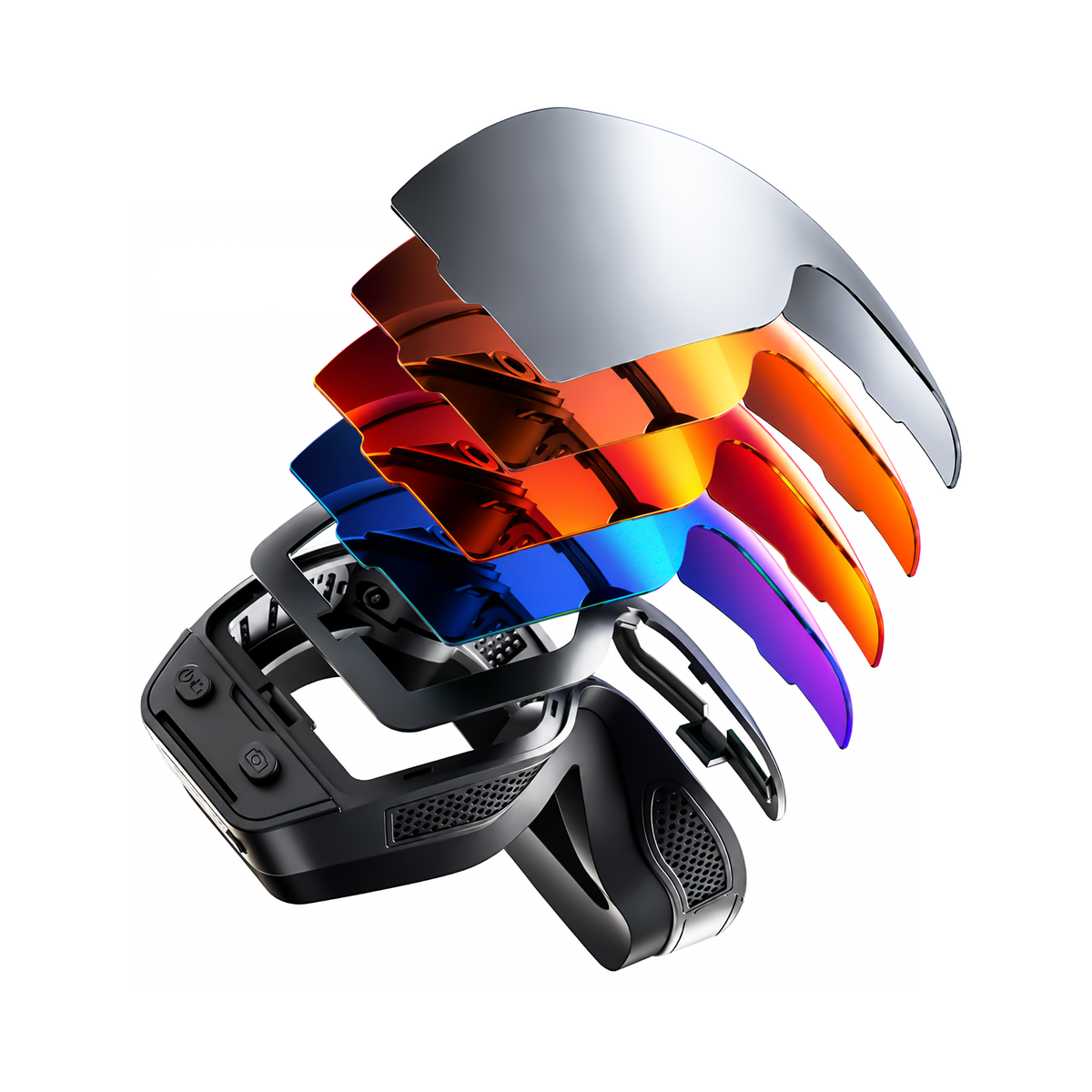
The tint color on a goggle box tells you less than its visible light transmission, or VLT, which measures visible light reaching your eyes. Compare the stated VLT across models before you compare colors, and treat rose or amber as a starting point for shaded sections rather than a fixed rule.
Use VLT to Compare Rose and Amber Lenses
Locate the manufacturer's exact VLT percentage on the product page instead of relying on the lens color alone.

- Rose and amber tints are commonly listed for overcast or low-light riding, and often sit in a higher-transmission range, but color and transmission vary by brand, so check the number, not the name.
- If a listing gives no VLT figure at all, you cannot confirm how the lens performs in shade, and you should not assume it is suited to a shaded glade run.
- Balance both ends of the run: a lens comfortable in open, bright snow should not become unreadable the moment you enter tree shade, and vice versa.
Check Adaptation, Polarization, and Contrast Claims
A photochromic label needs its own evidence, since adaptive lenses do not always change fast enough for a quick shade-to-sun transition.
- If a product claims automatic tint adjustment, look for documented transition speed rather than assuming instant adaptation.
- Polarization cuts glare and contrast wording can describe how a lens renders terrain, but neither substitutes for a stated VLT number.
- When optical evidence stops at "polarized" or "anti-glare" with no tint or VLT disclosed, keep the goggle as unconfirmed for mixed-light glade use until you find that detail, including on options browsable through our smart snow goggles collection.
Evaluate Camera Capture Beyond 4K
A 4K label describes output resolution and frame rate, nothing more. It tells you how sharp and smooth footage will look, but not whether the camera can hold detail in both bright snow and dark trees in the same shot.
Look for Dynamic-Range Evidence
Search the listing for an explicit high dynamic range or wide dynamic range specification, not just the resolution figure.
- A camera with documented HDR or WDR processing is built to hold detail across a bright-to-dark scene; 4K alone says nothing about that capability.
- Sample footage of a genuinely high-contrast scene, like a sunlit clearing next to shaded trees, is stronger evidence than a spec sheet claim with no example.
- When a listing is silent on dynamic range, do not assume the camera handles shadow detail well just because the resolution number is high.
Check Exposure, Stabilization, and Recording Controls
Exposure handling and stabilization are separate specifications from resolution and dynamic range, and both affect usable footage on a tree run.
- Confirm whether the camera adjusts exposure automatically as light changes, since a fixed exposure setting can blow out bright snow or black out shaded trees.
- Check that recording controls work with gloves on and that you can tell recording is active before dropping into a run.
- Match the exact listed battery life and storage method to your planned outing instead of assuming generic specs from a similar-looking product.
Check Fit, Helmet Interface, Fog, and Run-Day Usability
Fit and fog management decide whether you can actually use a goggle's optics and camera on run day. Try the goggles with the helmet you plan to wear and confirm the seal before you buy.
- Test the fit with your own snowboard helmet: the seal should be snug but comfortable, with no gap at the top and no pressure pushing the frame into your face.
- Check the goggle and helmet interface to ensure the frame sits flush without pinching your nose or obstructing vision.
- Prefer documented ventilation and anti-fog construction, since condensation on the lens defeats any lens or camera advantage instantly.
- Verify controls, charging method, runtime, storage, and cold-weather notes as separate run-day requirements; a helmet-comfort check like our camera goggle comfort test covers the fit side, but power and storage still need their own check.
- Remember that a camera's listed field of view describes recorded coverage, not your own peripheral vision through the lens.
Apply the Criteria to Skyshot's Documented Facts
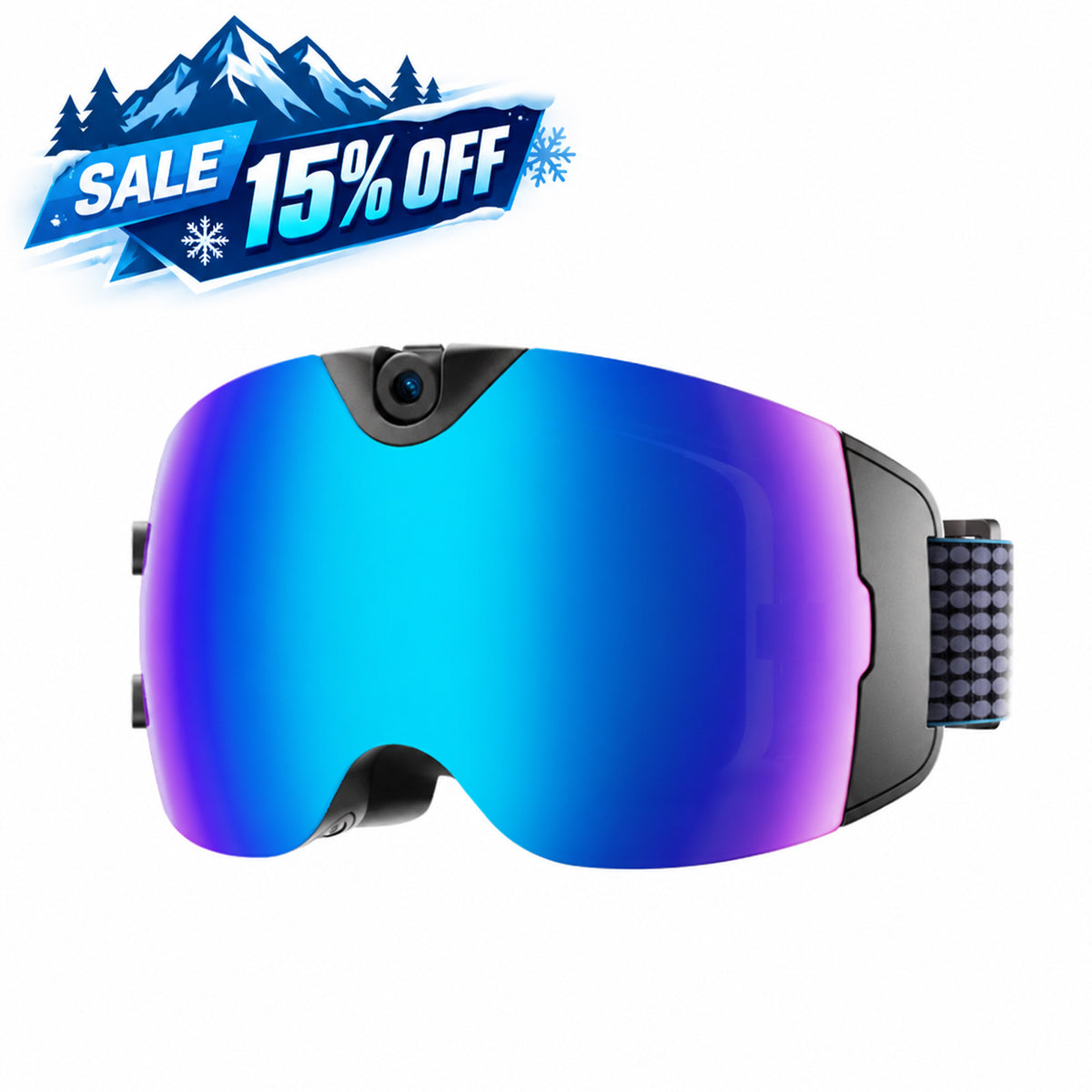
Our Skyshot goggles list several of the features this guide asks you to check, but not every one. The table below maps only what is documented; anything marked "not documented" stays an open question before you buy for tree runs.
| Requirement | Documented Skyshot Fact | Buying Implication |
|---|---|---|
| Lens transmission/tint | Polarized lens, UV400 protection, anti-fog lens | Exact tint and VLT not documented; mixed-light readiness unconfirmed |
| Camera capture | 4K video at 30 fps, 140° camera field of view | Resolution and coverage documented; HDR/WDR or shadow-preserving exposure not documented |
| Fit and rider view | 213 grams, TPU frame | Weight and frame material documented; helmet interface and rider optical FOV not documented |
| Fog and construction | Anti-fog lens listed as a feature | Anti-fog claimed; ventilation design not detailed in the facts we have |
| Controls, power, storage | USB-C charging, Wi-Fi, 90-minute battery life, built-in memory | Use the 90-minute figure for planning; storage capacity not documented |
| Warranty and support | 1-year warranty, 14-day return policy | Documented purchase protection regardless of tree-run fit |
Skyshot is a conditional partial match. Its recording, charging, and warranty details are documented and useful for general ski and snowboard days, but its exact lens tint, VLT, and high-contrast camera evidence are not documented here. Treat it as a candidate worth confirming rather than a settled tree-run answer.
Conclusion
Buy camera-equipped snowboard goggles only when the listing documents both a workable lens VLT for your light conditions and camera evidence for high-contrast scenes, alongside a comfortable helmet fit. If either the optical or camera evidence is missing, including for Skyshot's exact tint and dynamic-range behavior, verify those missing technical specifications directly with customer support before placing your order.

FAQs
Does a 140-degree camera field of view mean I can see 140 degrees through the goggles?
No. A camera's listed field of view describes how much of the scene the lens records, not your own optical peripheral vision as the rider. Check the goggle's optical design and try it with your actual helmet separately from any camera specification.
How should I plan battery and storage for a full snow day?
Compare the exact listed battery runtime against how much you actually plan to record, not an assumed all-day figure. Confirm the exact storage capacity and transfer method in the product's documented facts, and avoid relying on generic or conflicting capacity claims from category pages.
What should I verify when a listing says anti-fog but gives no ventilation details?
An anti-fog label is useful but incomplete without ventilation or lens construction details, since airflow design affects how well fog is actually managed in changing temperatures. Confirm the construction where possible, and keep the return policy in mind if condensation becomes a problem once you are riding.


Leave a comment
This site is protected by hCaptcha and the hCaptcha Privacy Policy and Terms of Service apply.