















Start by naming the job the glasses need to do, not the feature list on the box. If late-night screen time is the problem, blue light-filtering glasses address comfort preferences, not a medical condition. If the real need is hands-free lecture audio, look at Bluetooth speakers and controls instead. Camera, AI, display, and sunglass features only earn their cost when a student has a specific, recurring use for them.
Start With the Student's Main Job
The right starting point is what the student actually does every day: listen, read screens, capture something, or move between bright and dim spaces. Each job points to a different feature set, and only one or two usually matter for a given student.
Choose Audio First for Study Listening
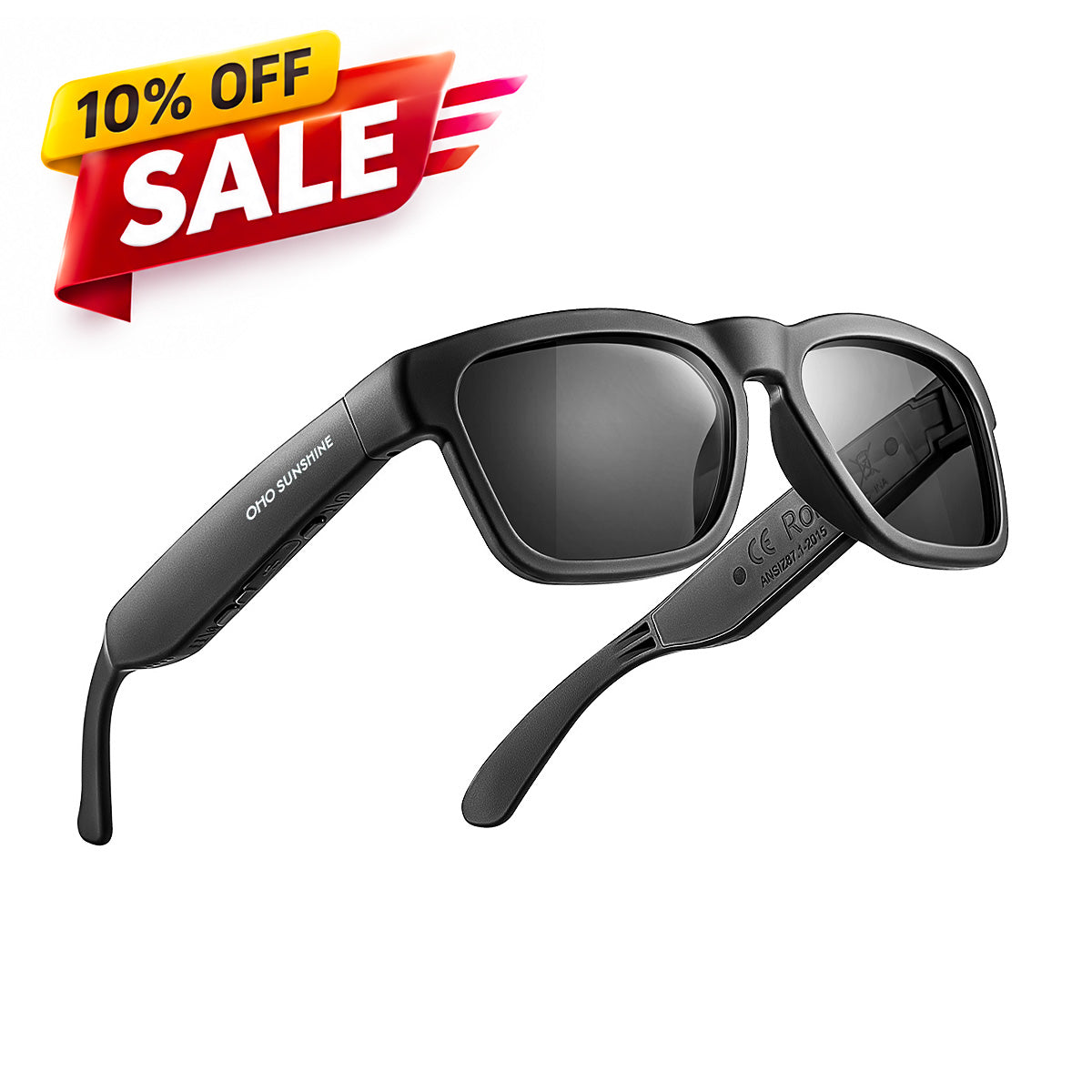
Audio-focused or Bluetooth smart glasses are the closest fit when the recurring job is lectures, podcasts, calls, or study audio without earbuds in your ears all day.

- Confirm the speaker style: open-ear designs sit outside the ear canal, so check how audio behaves around others before relying on them in shared spaces.
- Verify Bluetooth version and phone compatibility before buying, since pairing quirks vary by model and phone.
- Check the controls: button presses versus voice commands change how easy the glasses are to use mid-lecture.
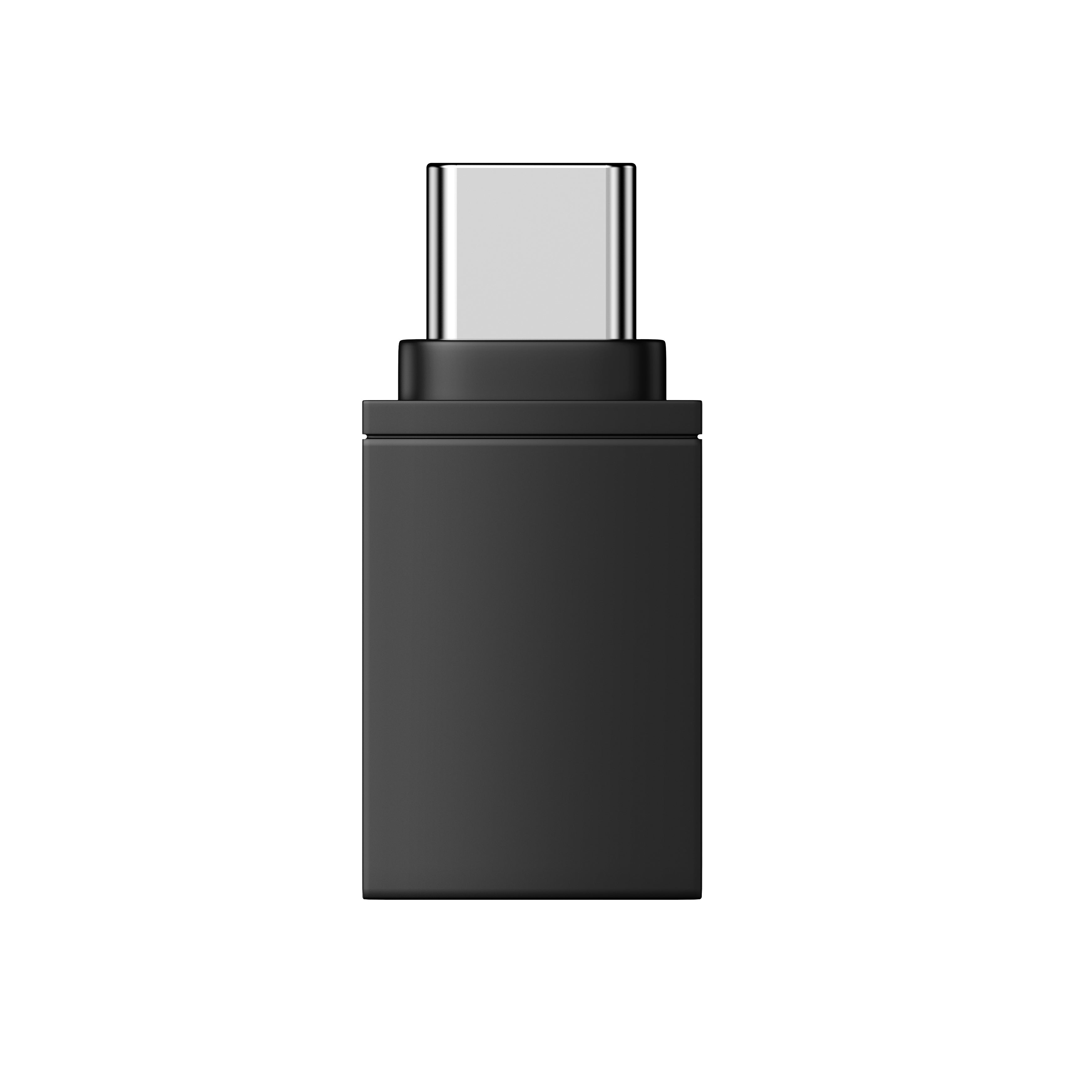
- Note microphone behavior if you plan to take calls, and confirm the charging method and cable type you'll need to carry.
Treat any single product's listed specifications as a conditional example for one use case, not a universal recommendation for every student.
Treat Screen Lenses as a Comfort Preference
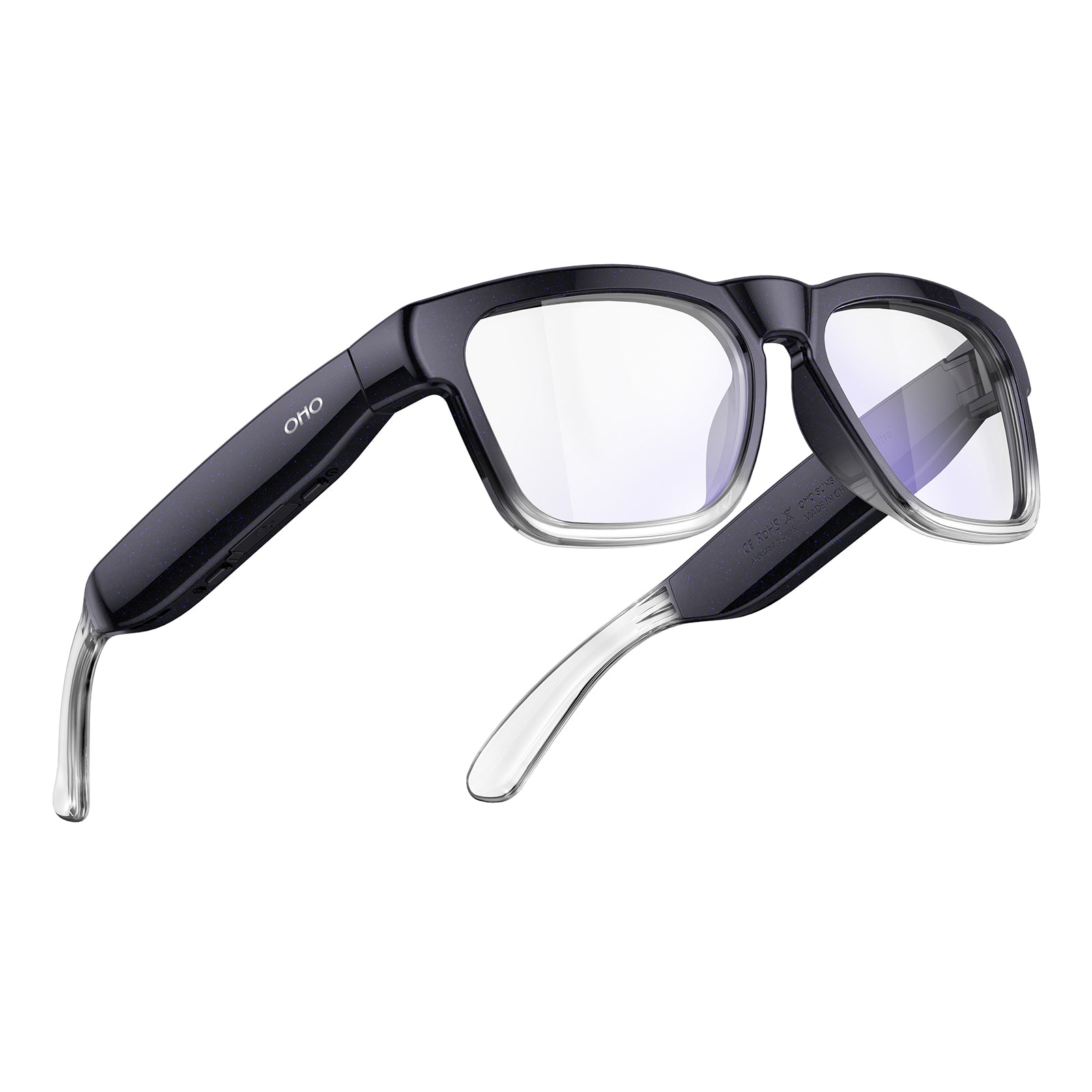
Blue light-filtering glasses are best understood as an optional lens preference, not proven eye protection. The American Academy of Ophthalmology has found no scientific evidence that light from computer screens damages the eyes, and does not recommend special computer eyewear; several studies also suggest that blue light-blocking lenses do not meaningfully improve digital eye-strain symptoms, according to AAO's guidance on blue-light glasses.
What actually helps during long study sessions is habit, not the lens coating. The Academy's AAO college screen-use tips recommend frequent breaks, comfortable screen brightness and contrast, and avoiding glare from overhead lights or sunlight. If a pair of glasses helps you take those steps more consistently, for example by making a late-night session feel more comfortable, that's a reasonable personal preference. Our blue-light evidence breakdown goes deeper into who tends to notice a difference and who likely won't.
Add Camera, AI, Display, or Sunglass Features Only for a Specific Job
Extra hardware should solve a job you already have, not one you might invent after buying it.
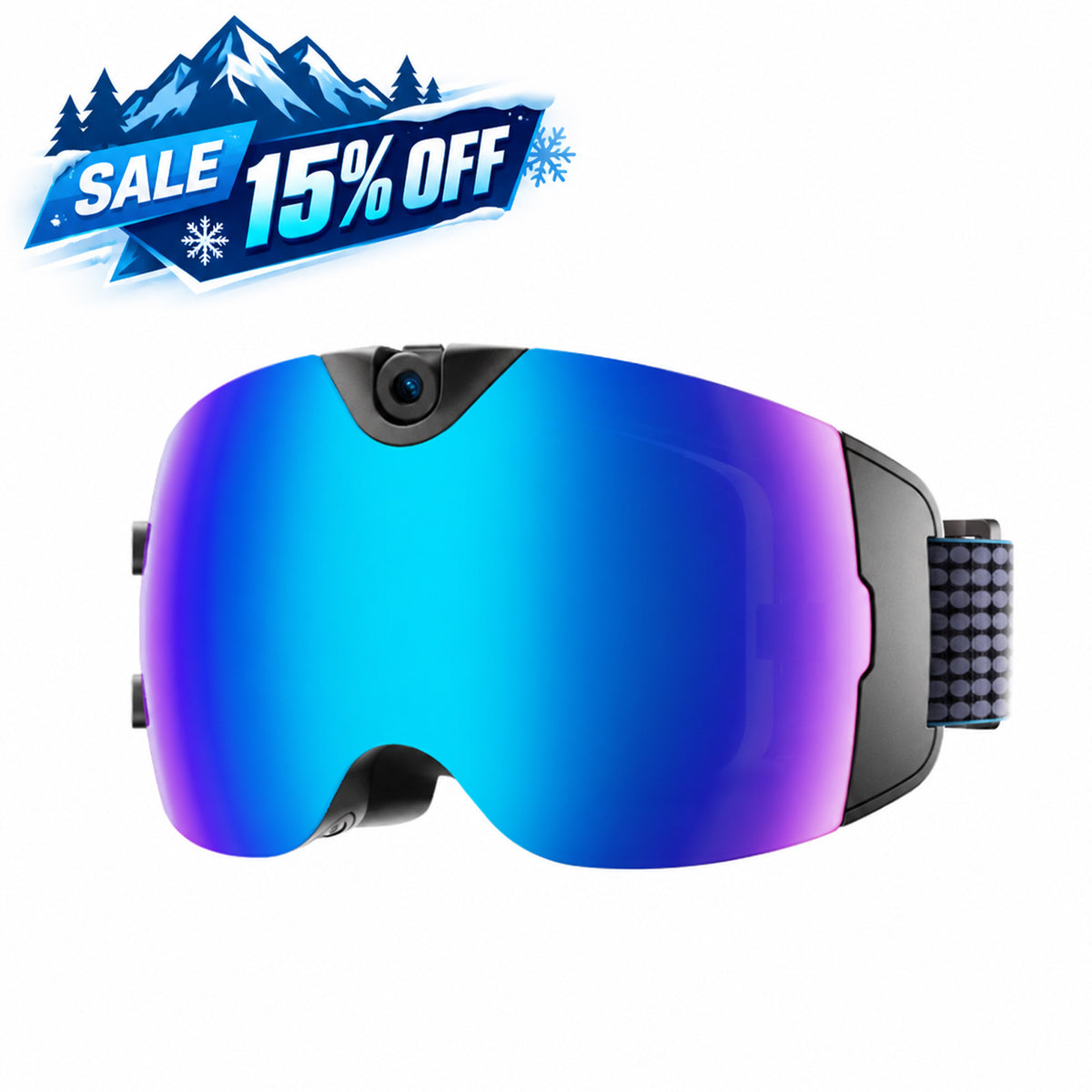
- Camera or AI glasses make sense for a defined hands-free capture, note-taking, or translation task, such as reviewing lecture slides later or getting live translation help; they only work well when you can use them lawfully and within campus rules.
- Display glasses solve a separate problem: visible overlays or media playback. Don't assume you need one just because you want better audio or screen comfort.
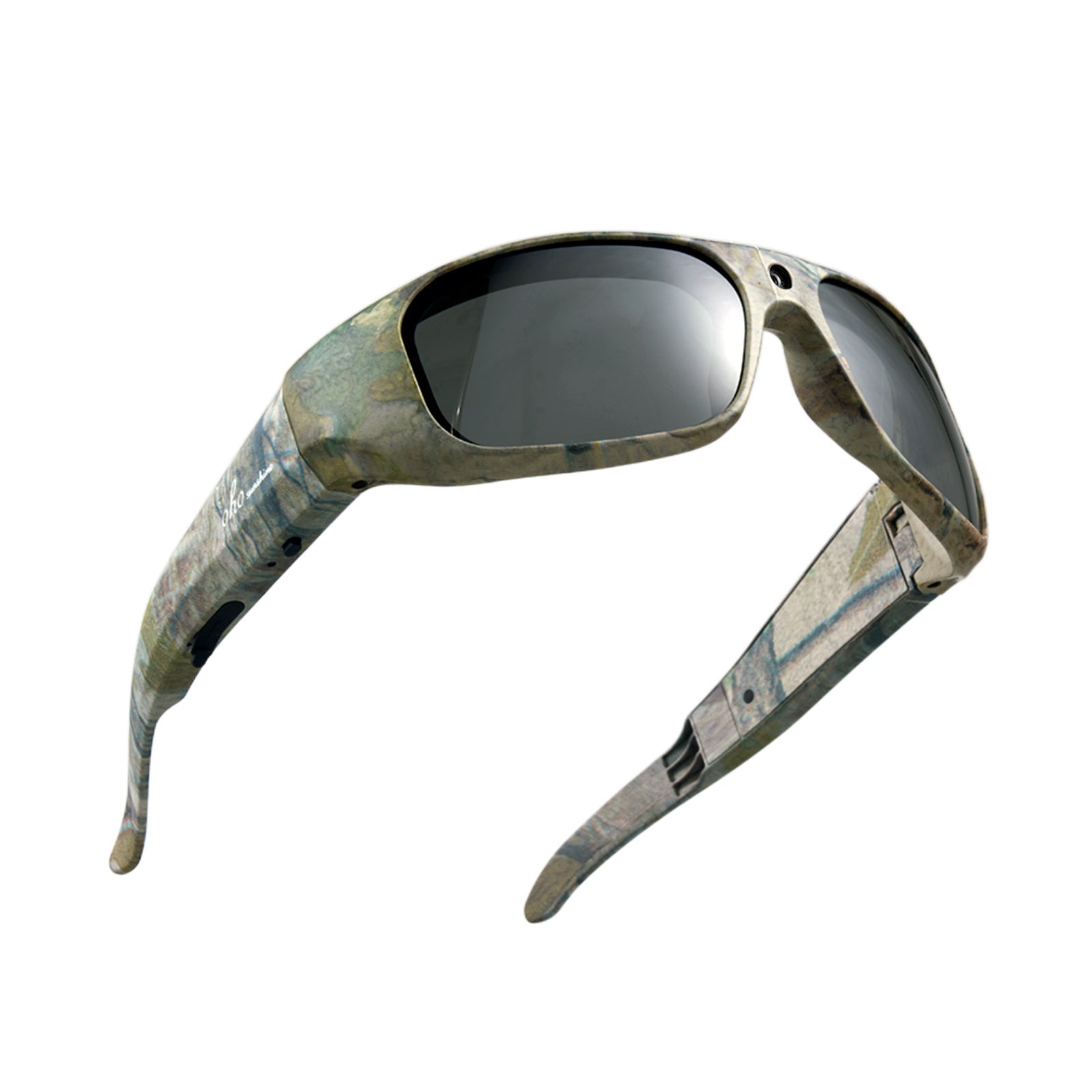
- Smart sunglasses only help outdoors if the tint, indoor usability, and any lens-swap option work across your whole day, not just your walk to class.
- If translation or live-language help is the actual job, our translation options collection is a reasonable starting point for that specific use case.
Test the Fit Across Campus Life
Once you know which feature category fits your main job, test it against where you'll actually wear the glasses. The same pair can work well in a dorm and fall short in a library or classroom.
Check Comfort, Battery, Durability, and Lens Practicality
Compare the glasses' listed weight, frame material, water-resistance rating, charging method, and battery time against your actual daily routine, not just the spec sheet.
- Treat a listed working time, such as up to 10 hours, as a manufacturer figure rather than a guaranteed result for your specific use pattern; heavy calling or constant audio will drain it faster.
- Match the water-resistance rating to your commute: an IPX4 rating tolerates splashes and sweat but isn't built for submersion.
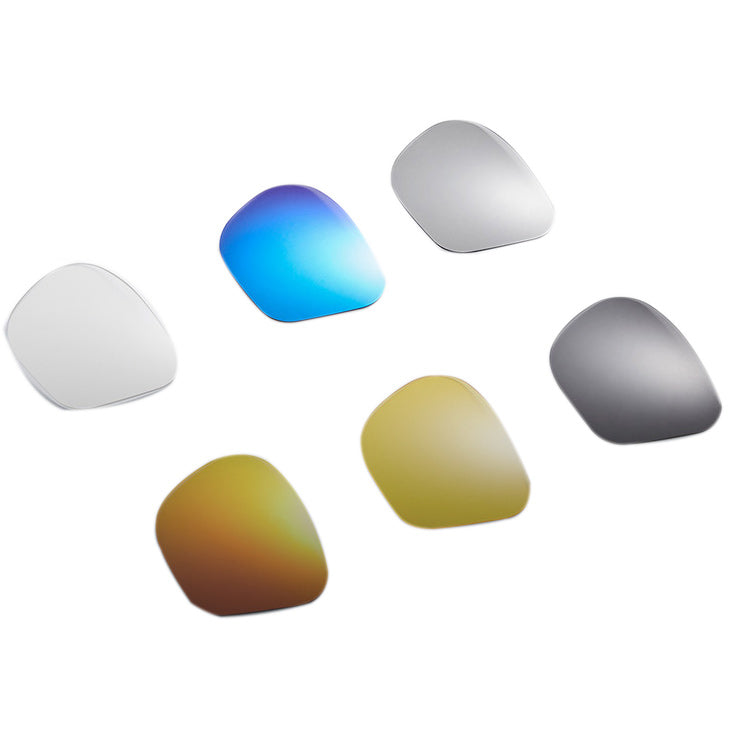
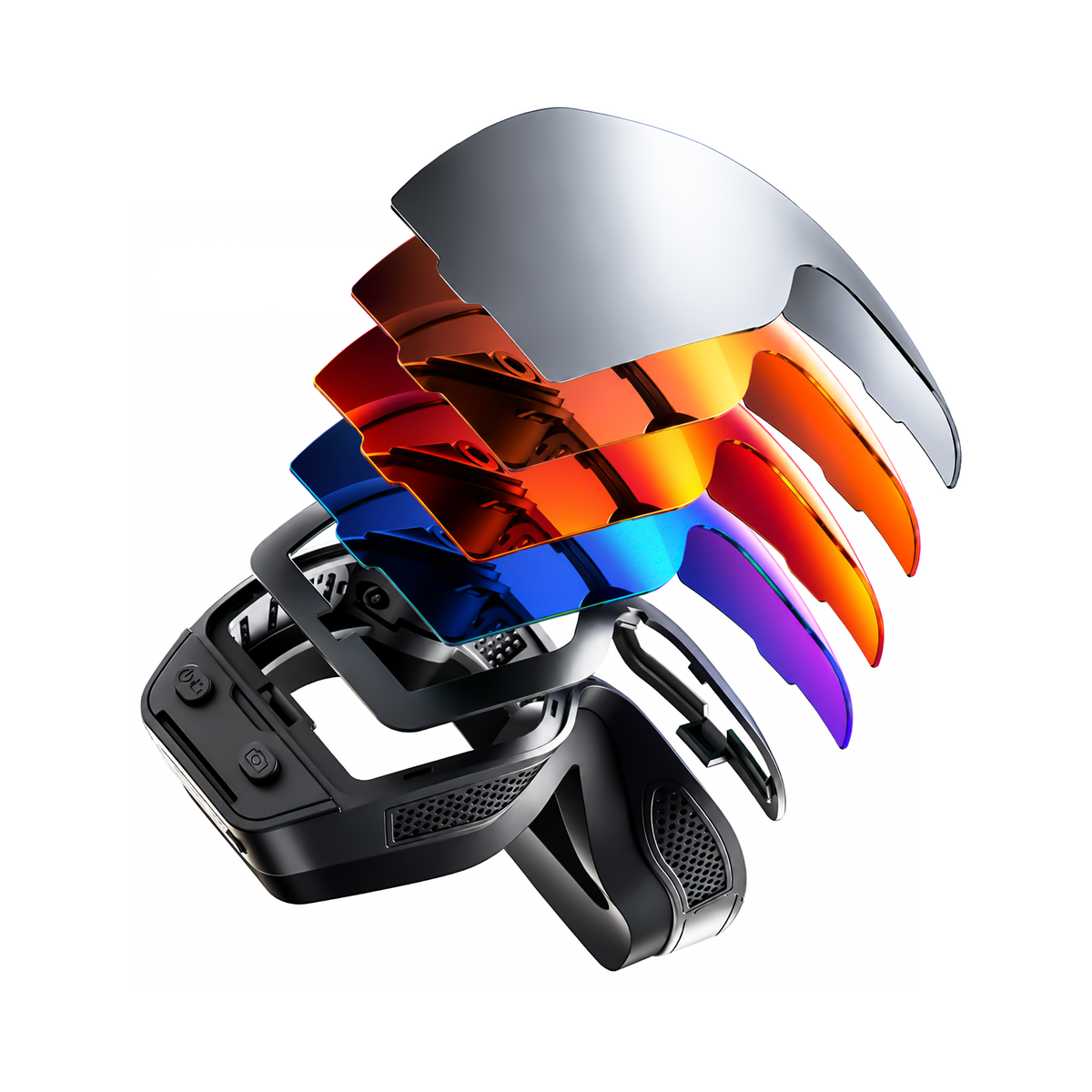
- Check whether lenses are clear, polarized, tinted, or swappable, since one fixed tint may not suit indoor and outdoor transitions.
- Confirm prescription-lens support and the exact fitting limits before you order, especially if you already wear corrective lenses.
Match the Glasses to Campus Settings
Where you're wearing the glasses determines whether a feature helps, annoys the people around you, or breaks a rule.
| Setting | What to verify | Decision consequence |
|---|---|---|
| Dorm or apartment | Charging access, comfort for long wear, roommate-friendly audio | Comfort and battery matter more than camera or display features here |
| Library | Sound leakage from open-ear speakers, quiet-space etiquette | Don't assume open-ear audio is quiet enough; test before relying on it |
| Classroom | Camera and microphone activity, instructor and school policy | Recording features need advance permission, not just technical capability |
| Campus transit | Lens tint, visibility while walking, weather exposure | Choose lenses that stay usable once you're back indoors |
| Outdoor study areas | Glare control, battery drain in heat or cold | Confirm the glasses hold up for extended outdoor sessions |
Use this table to spot where a feature that works well in one setting turns into a problem in another — it's meant to flag settings that shift your decision, not to rank products.
Handle Camera and Recording Features Before Class
Before you use camera glasses or any recording feature in class, check your syllabus and campus policy and get instructor permission where it's required. Syracuse University's policy is one clear example: it prohibits stealth or covert classroom recording by students or instructors and requires students to get advance permission before recording a class, including recordings made through an AI transcription tool, according to the university classroom recording policy. Rules like this vary by school, so treat it as an example to check against your own institution rather than a universal standard.
A visible recording light or indicator on the glasses is not permission on its own. If you can't confirm the rules or get the required consent, camera or AI-recording features are not a fit for that setting, regardless of what the hardware can technically do.
Apply the Budget and Product-Fit Test
Judge affordability by matching verified features and purchase terms to what you'll actually use, not by feature count or marketing labels. Compare price, shipping time, return window, warranty length, support options, phone compatibility, and lens needs against your primary job before buying.
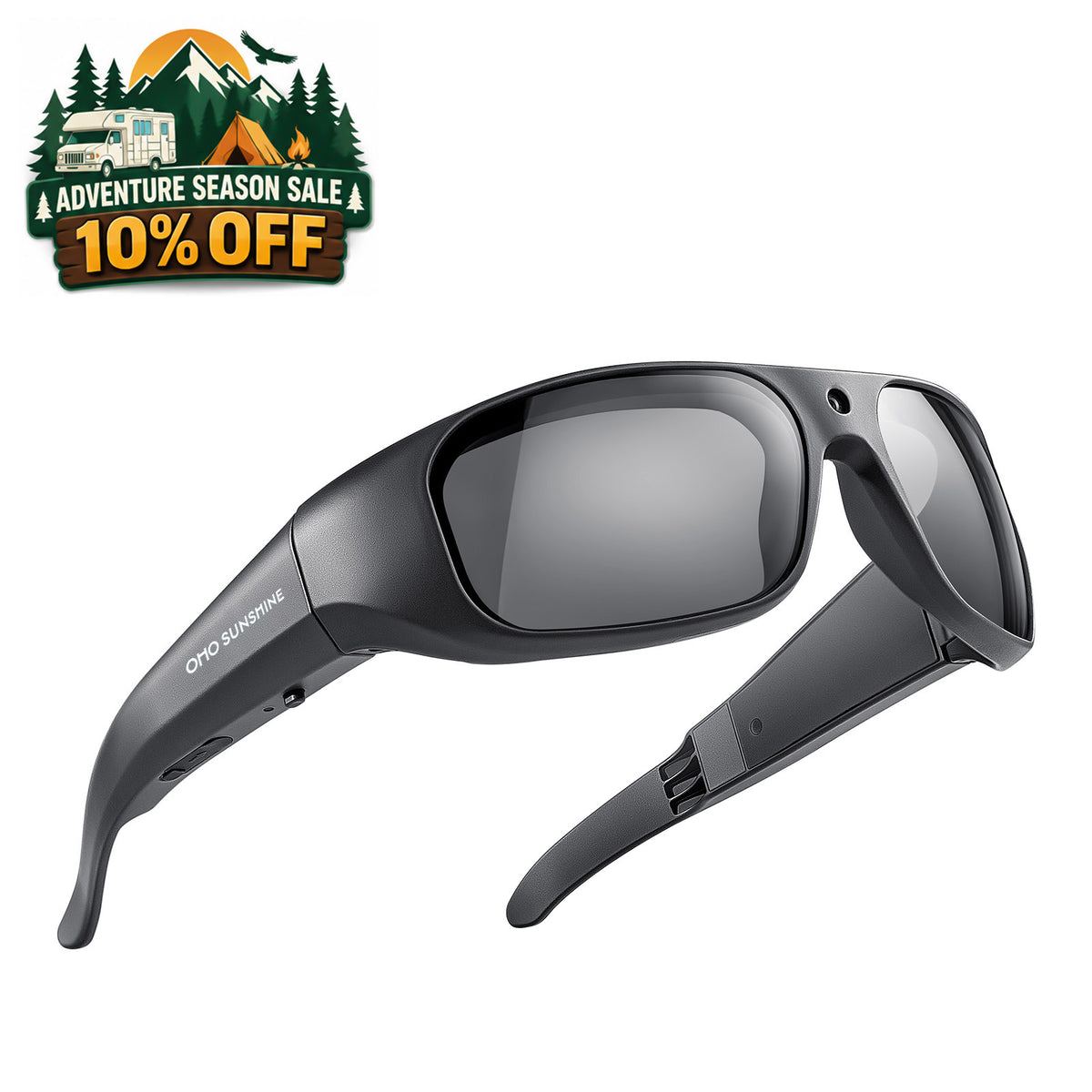
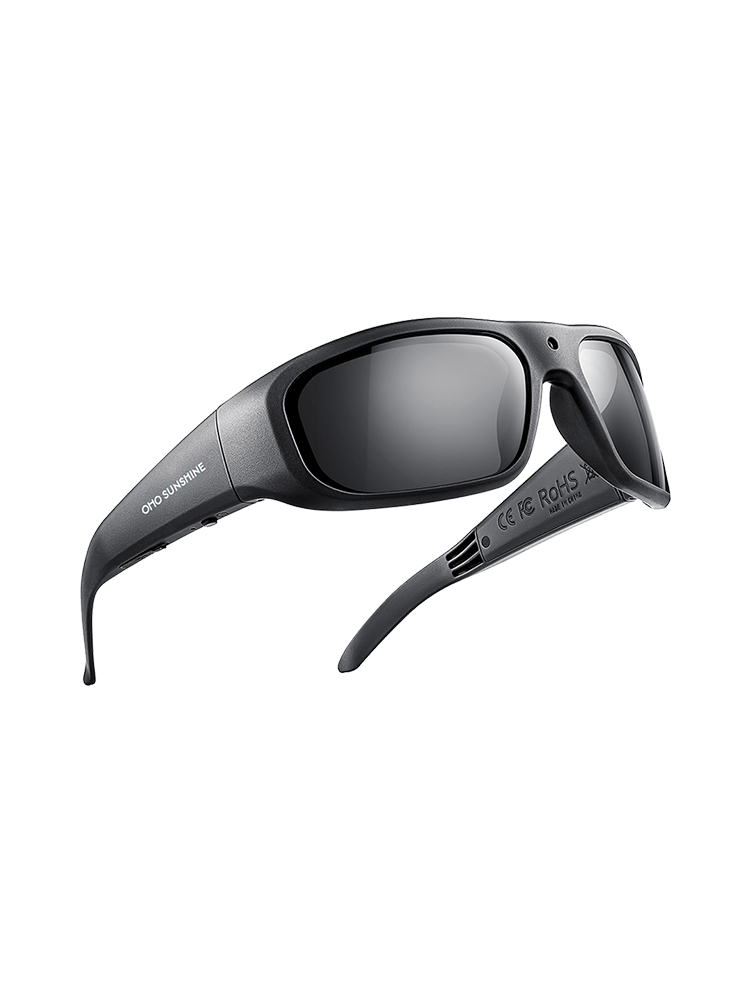
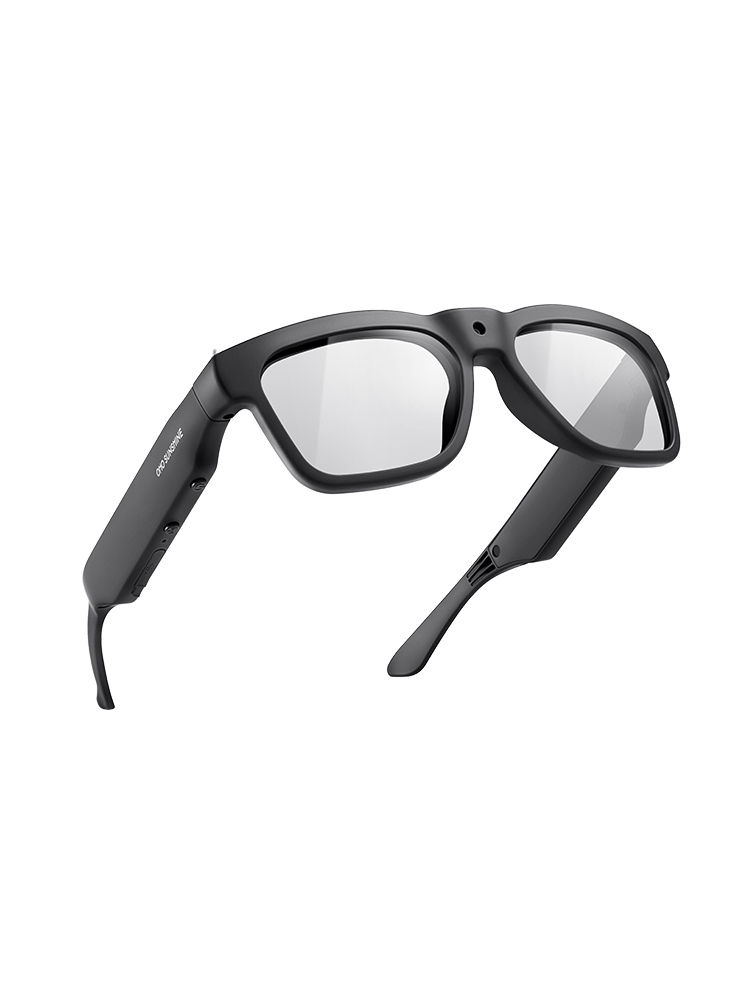
For students whose main job is open-ear study audio and everyday commuting, the supplied record for the audio-first student option lists open-ear Bluetooth 5.2 audio, voice and button controls, up to 10 hours of working time, polarized UV400 lenses, IPX4 water resistance, and a one-year warranty. Those are manufacturer-listed specifications, not independent test results, so they support a conditional fit for audio-first use rather than a universal recommendation. If your main need is classroom recording, verified low sound leakage in libraries, or proven blue-light health benefits, this listed record does not establish that fit, and you should keep comparing against the checklist above.

Matching the feature category to your daily routine, and checking campus rules before you rely on a camera, keeps the decision grounded instead of guesswork. From there, the purchase terms, not the spec count, decide whether a specific pair is worth the money for your semester.
FAQs
Can I wear smart glasses over prescription glasses?
Not with every model. The supplied record for the audio-first option above states the glasses cannot be worn over prescription glasses but do support replacement prescription lenses. Confirm your prescription range and fitting requirements with the seller, and consider having an optician verify the fit, before you order.
Are polarized smart glasses practical for indoor studying?
Not automatically. Polarized lenses cut outdoor glare, but that doesn't establish indoor comfort or classroom suitability. Check whether the tint is light enough for indoor light, whether lenses are swappable, and whether the same pair works across your library, classroom, and outdoor routes before treating one pair as an all-day solution.
Does FERPA by itself allow recording with camera glasses?
No. FERPA's definition of an education record is narrow, covering records that are directly related to a student and maintained by the school, according to the Department of Education's FERPA explanation. It does not grant blanket permission to record classmates or instructors. You still need to follow your course rules, campus policy, and any consent requirements before recording.



Leave a comment
This site is protected by hCaptcha and the hCaptcha Privacy Policy and Terms of Service apply.