





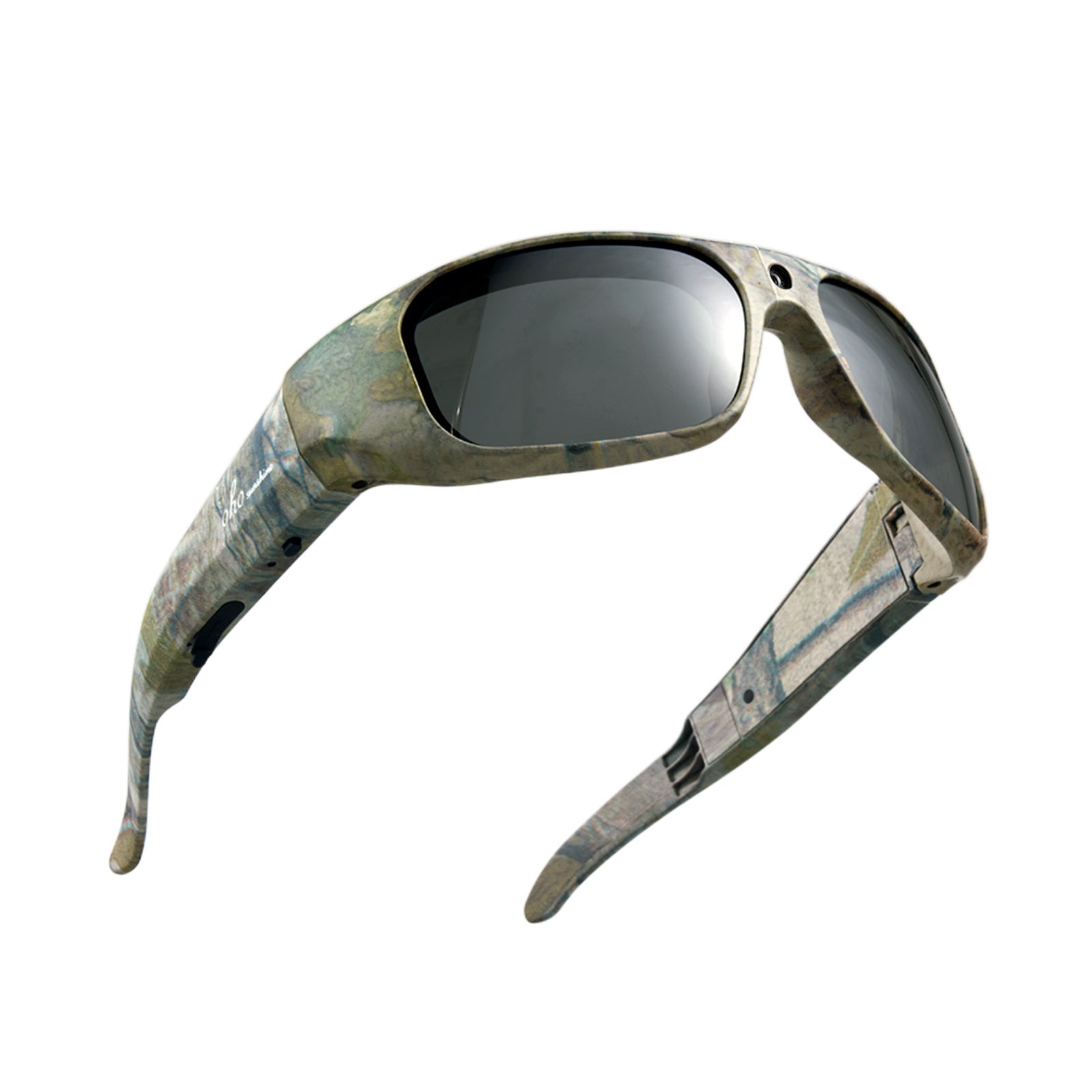


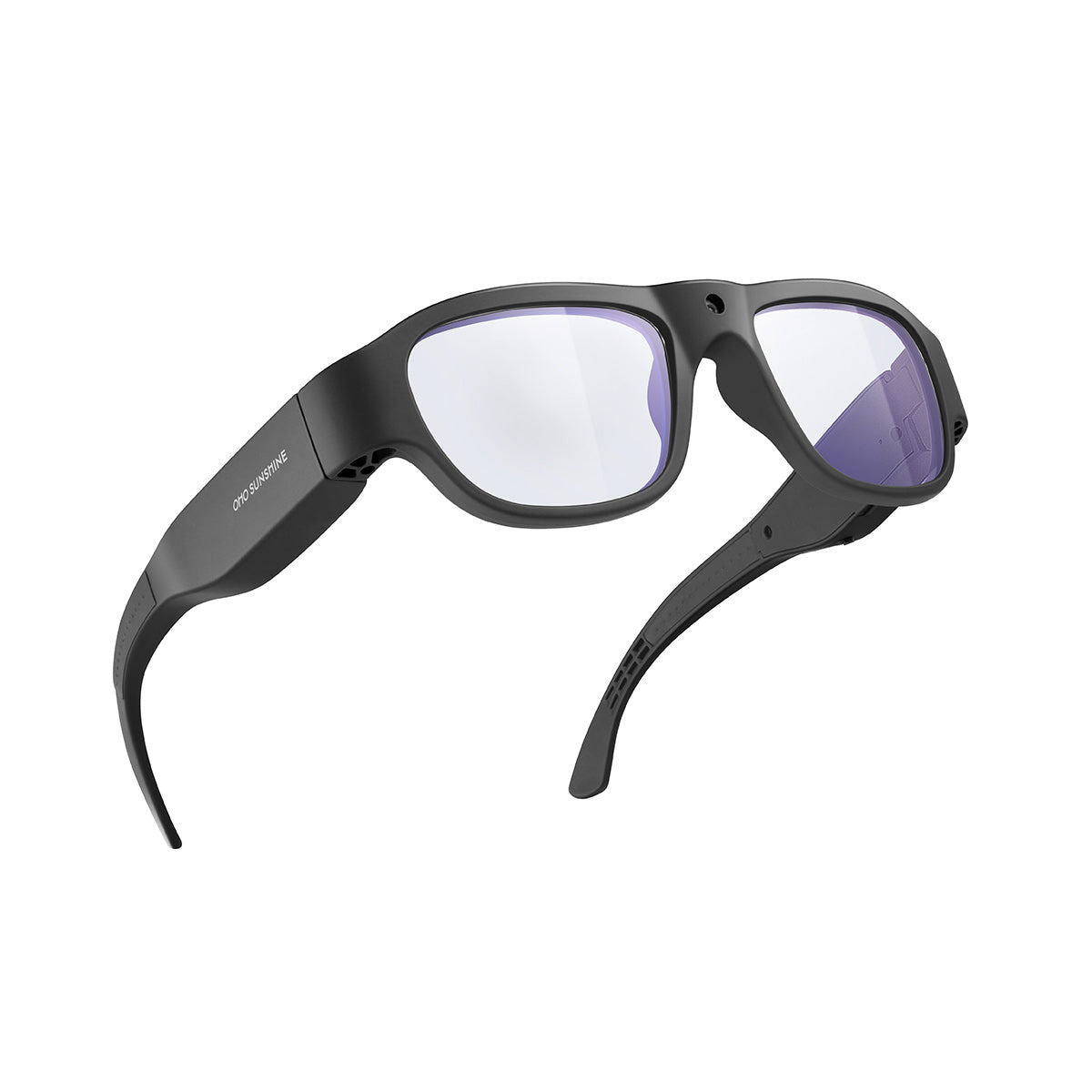
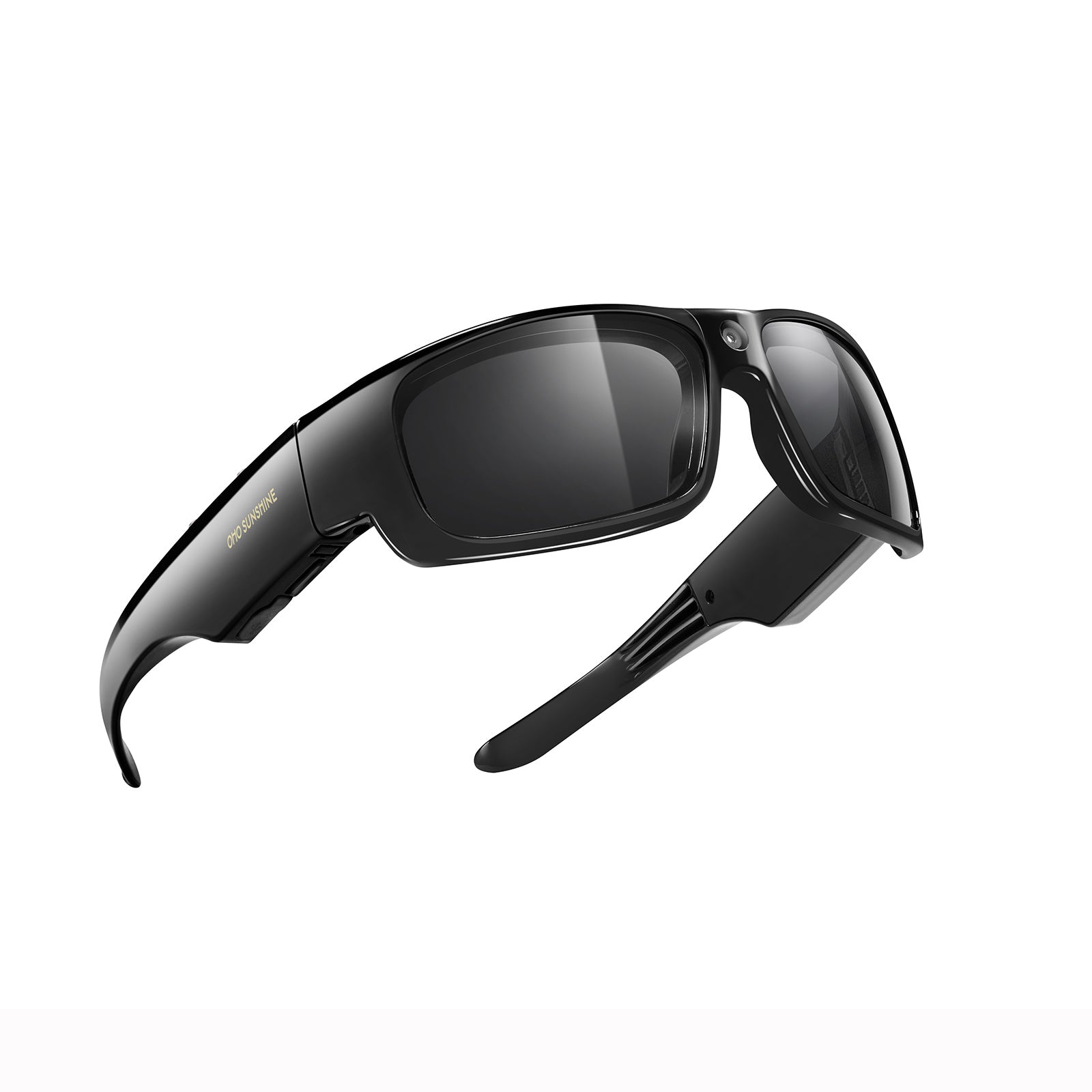


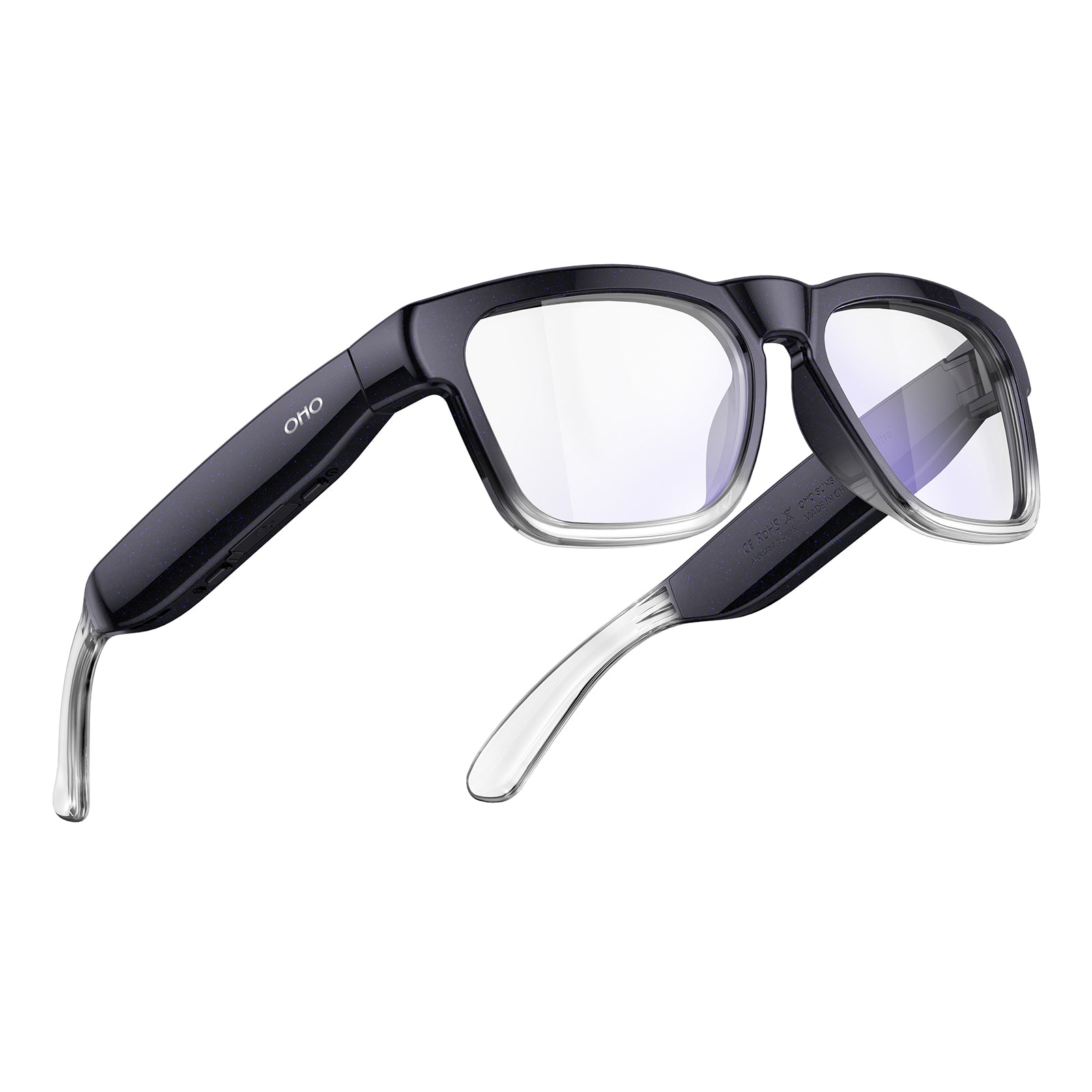


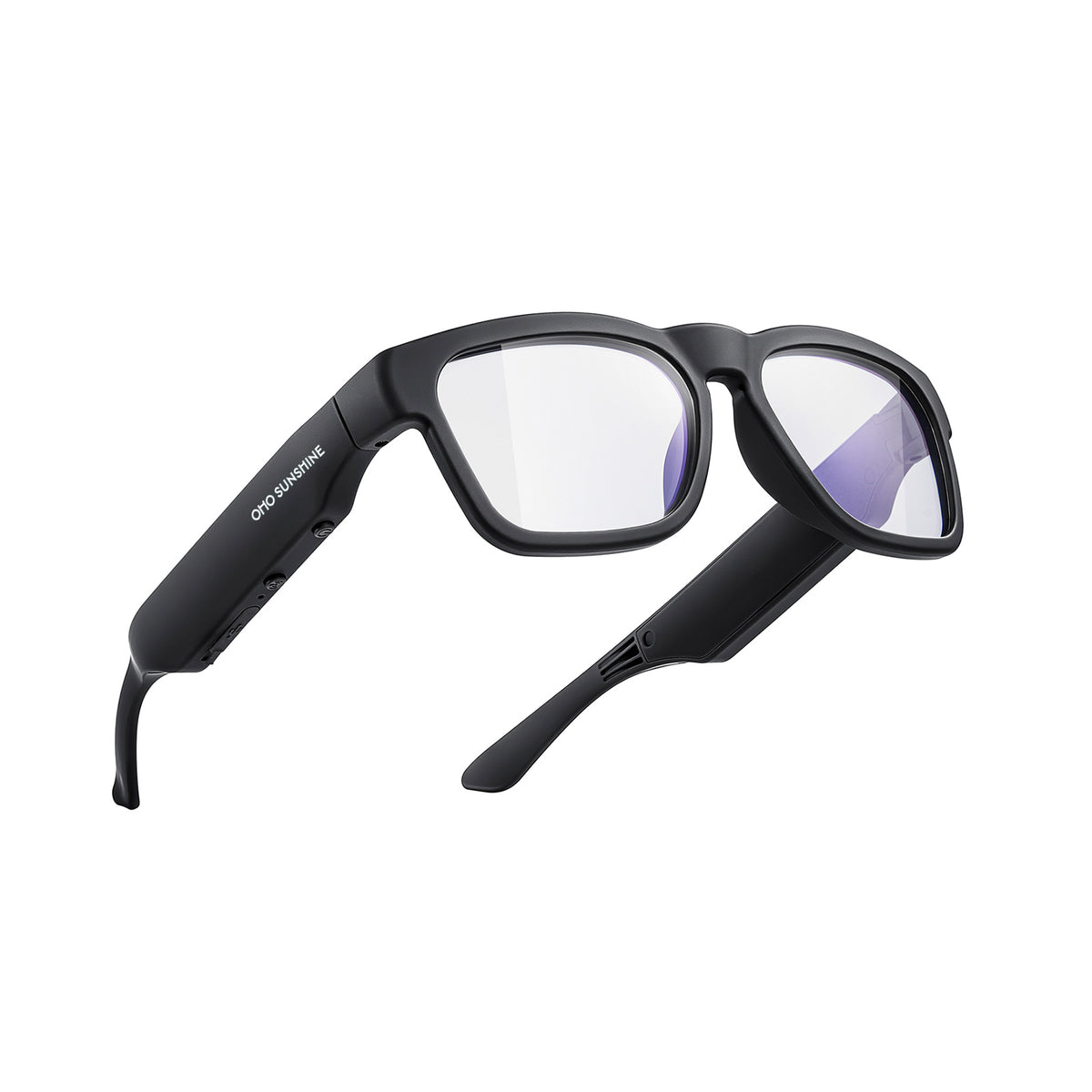





Some camera glasses can give you vertical social video, but only if that exact model saves usable portrait clips or its footage can be cropped to vertical and still keep the shot you need. A 4K label doesn't answer the question, because resolution describes detail, not whether the file is tall or wide. Before you buy, get an original sample from that exact model, check which way it's oriented, and preview a vertical crop.
Does Camera Glasses Footage Work as Vertical Social Video?
It can, in one of two ways: the glasses save portrait video directly, or you crop wider footage into a vertical frame. Neither way works for every pair of camera glasses, so each one needs proof from real files.
Native Portrait Recording
Native portrait means the saved file is taller than it is wide, so it's ready for a vertical feed with no reshaping. The only way to know is to open an original file from the exact model. What one brand or model does tells you nothing about another. Our Brave camera glasses record at 4K / 30 fps, but that spec covers resolution, not the shape of the saved clip. Don't count on native vertical output from Brave until you see an original clip that plays tall.
Cropping Footage for a Vertical Post
If a clip saves wide, cropping is your second option. You keep a narrow vertical slice of each frame and cut away the rest, so the subject and key details have to sit inside the part you keep. Here's an illustrative case. A POV shot of your hands at a workbench might crop well. A wide trail view with a friend walking near the edge of the frame might lose that friend. The same preview test applies to Brave footage and to any other pair before you plan posts around cropping.
Why 4K Doesn't Confirm Video Orientation
Resolution and orientation are two separate properties of a video file. Resolution is how many pixels make up each frame, which affects how much detail you see. Orientation and aspect ratio describe the frame's shape (tall, wide, or square), and that shape decides whether a clip fills a vertical feed.
Shoppers looking for the best 4K camera glasses usually start with the resolution line. Our Brave glasses list 4K / 30 fps, which tells you the video resolution class and frame rate. It doesn't tell you which way the frame is oriented when the file saves. Photo specs are yet another figure: a 24MP rating describes still images, not video frames. Our explainer on what 24MP and 4K mean breaks down that difference. For the vertical question, look for a stated saved-file orientation or aspect ratio. An actual sample file is even better, since the number on the box can't show you the shape of the clip.
How to Check a Model's Output Before Buying
Judge the actual files, not the spec sheet. Start with an original clip from the exact model, then test the crop you would really post.
Compare the Original Recording and Intended Export
The file you post may not be the original recording, so check every version your workflow creates. This matters most when clips pass through a companion app before they reach your phone's gallery.
- Get an original recording from the exact model you plan to buy. A generic camera-glasses sample or a clip from a similar-looking pair doesn't count.
- Open it on your phone or computer. Note whether it plays tall or wide and what aspect ratio your player or editor shows.
- If you'll move clips through a companion app, get that exported version too and compare it with the original. Don't assume the two files match.
- If you can't get a sample from the exact model, mark vertical suitability as unverified, not as a pass.

Phone editing brings its own variables, such as the app you use and how it exports. If you plan to cut clips on a phone, our walkthrough on editing goggle video on a phone shows how to run a test clip through import, a simple edit, and export.
Preview the Crop Against the Intended Framing
A crop passes only when the part you keep still tells the story. Test it on the verified sample, in the editor you'll actually use.
- Set up a vertical frame. In Adobe Premiere, the sequence frame size settings let you type in horizontal and vertical dimensions, and Premiere shows the resulting aspect ratio.
- Place the sample clip in that frame. Premiere's Fill Frame versus Fit to Frame options work differently when aspect ratios don't match. Fill Frame can crop off the image edges, while Fit to Frame keeps the original ratio and may leave black bars.
- Play the whole clip and watch whether the subject and other details you need stay inside the frame from start to finish.
- Call it a fit only if the preview keeps the framing you need. If important parts end up outside the frame, that footage won't work for that kind of post.

The Verdict for Vertical Social Video
A pair fits a vertical workflow when its saved or exported clip plays in portrait, or when a crop preview keeps the framing you need. If you can't get a sample from the exact model, you don't yet know whether it works, however high the resolution is. When you compare pairs in our 4K camera glasses collection, run this output check along with other 4K buying checks like stabilization, battery, and transfer.
FAQs
Does a companion app keep my clip's orientation?
Don't assume it does. An exported file can differ from the original recording, and the only reliable answer is to compare the two. Export one test clip through the app and check its shape against the original before you build a posting routine around it.
What if I can't get a sample before buying?
Then vertical suitability is unverified, not confirmed. Spec sheets, product photos, and resolution labels can't take the place of a real file. If you buy anyway, test a clip right away with the orientation and crop checks, while you still have time to decide on a return.
Does 4K guarantee enough detail after a vertical crop?
No. A crop throws away part of every frame, so your vertical post keeps only some of the original pixels, even if the clip came from the best 4K camera glasses you can find. Only a preview of your own footage can show whether what's left looks sharp enough and still frames your subject.
Does the same check work for smart sunglasses with camera or smart ski goggles?
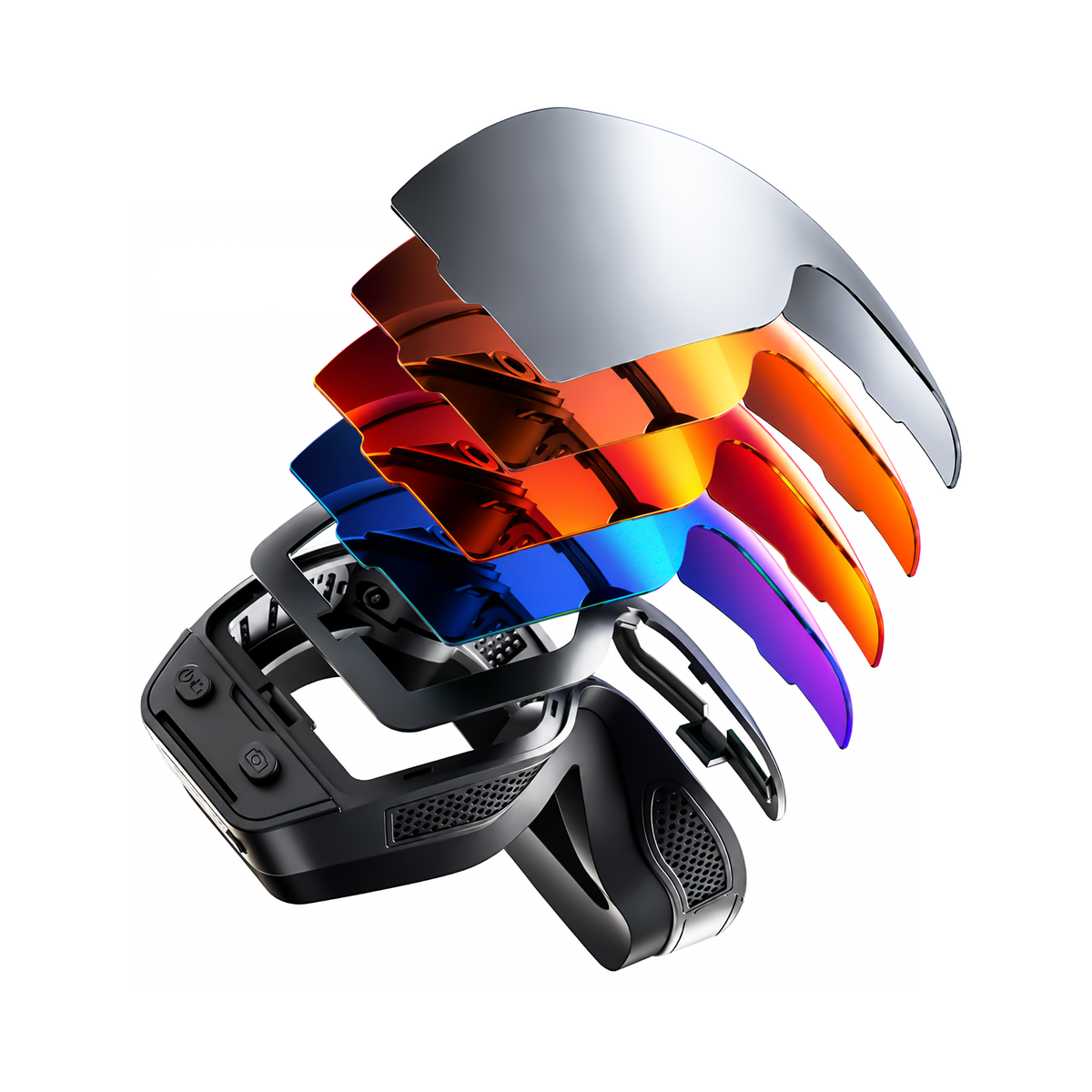
Yes. Lens tint, frame style, and whether the camera sits in glasses or goggles don't tell you which way a file is oriented. Any wearable camera needs the same sample from the exact model and the same crop preview before you rely on it for vertical posts.


Leave a comment
This site is protected by hCaptcha and the hCaptcha Privacy Policy and Terms of Service apply.