



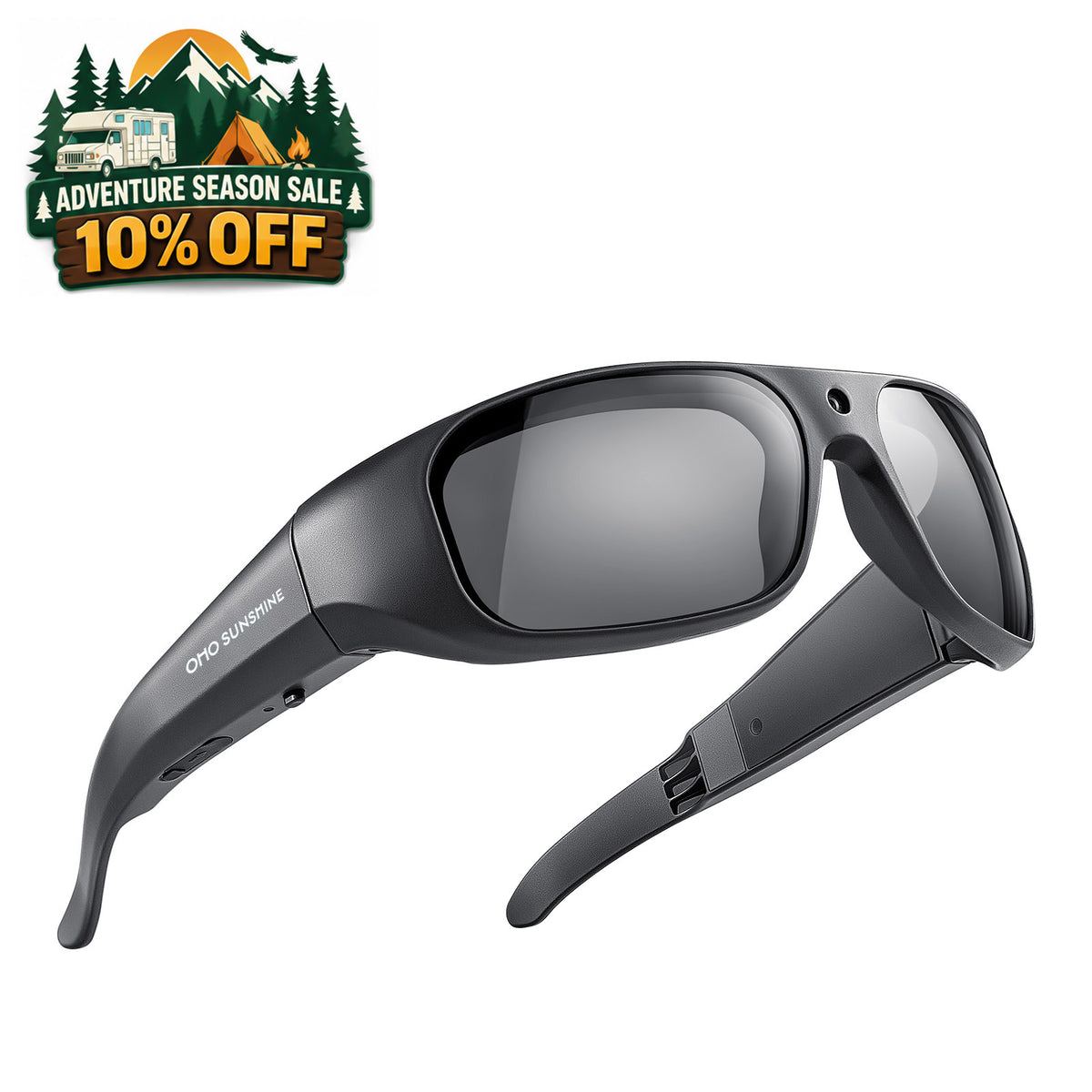


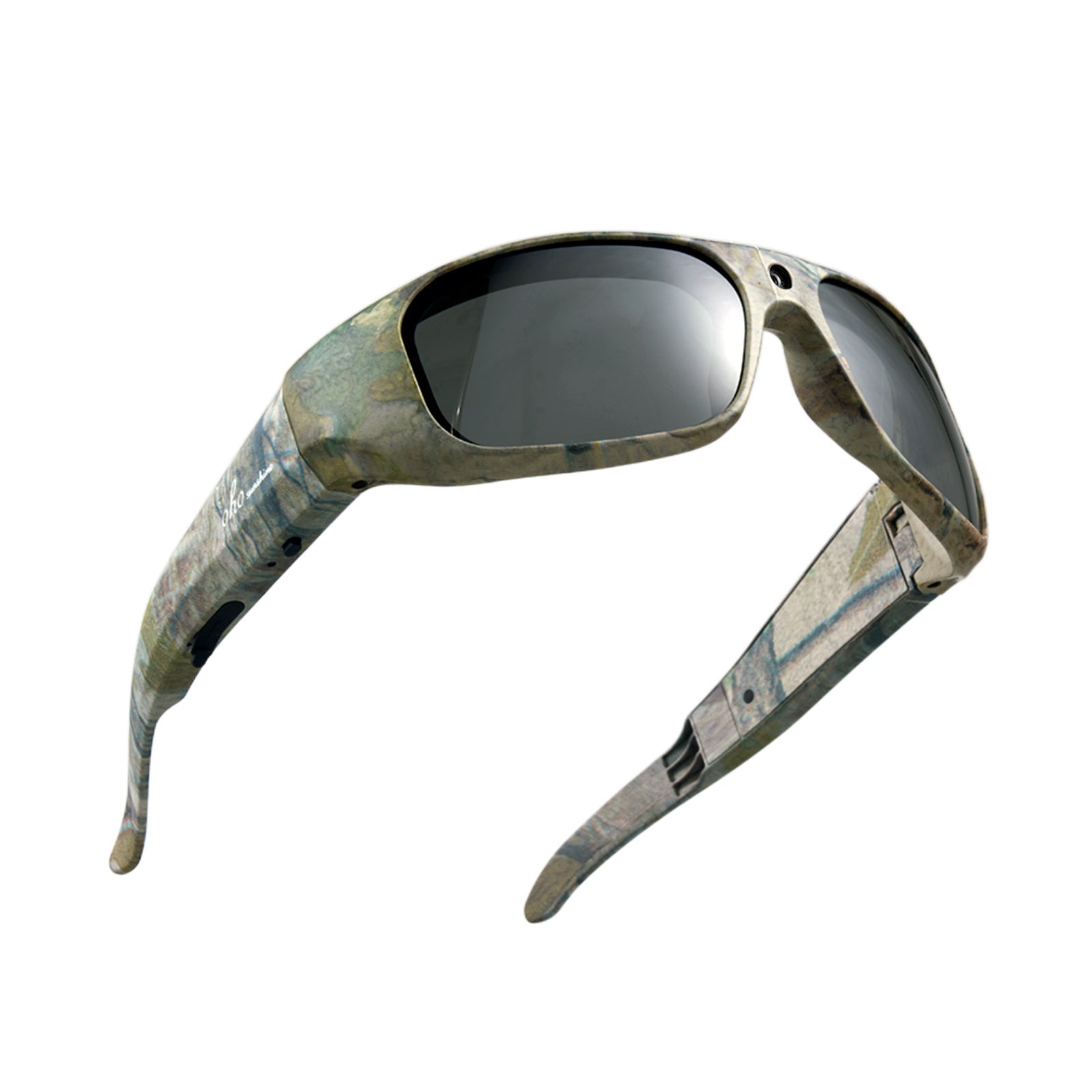


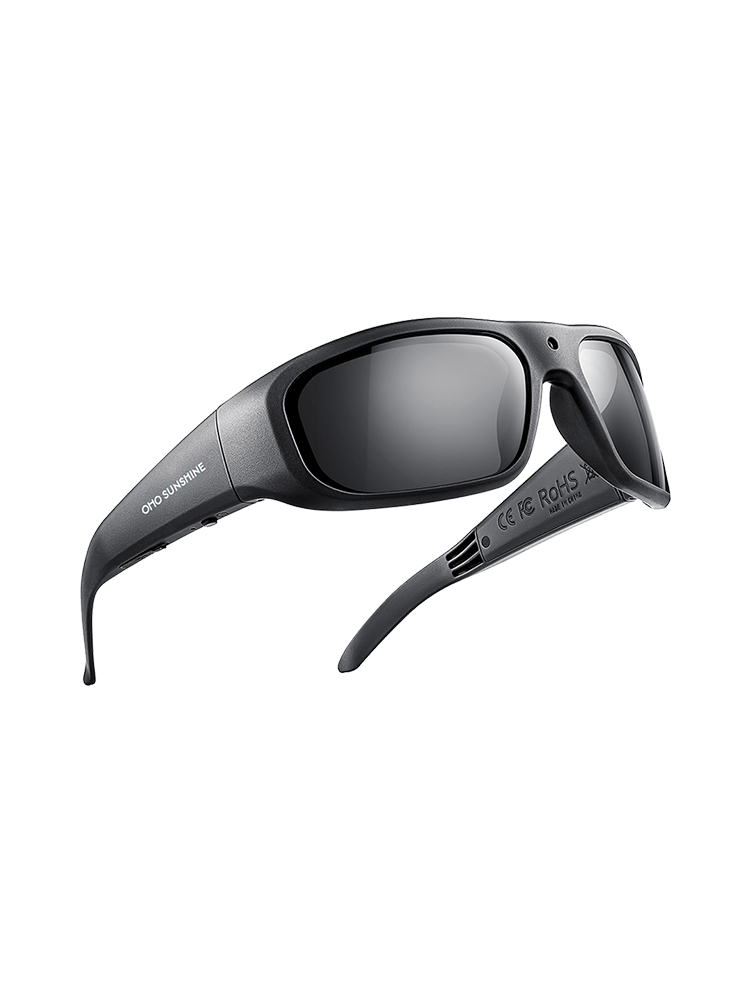


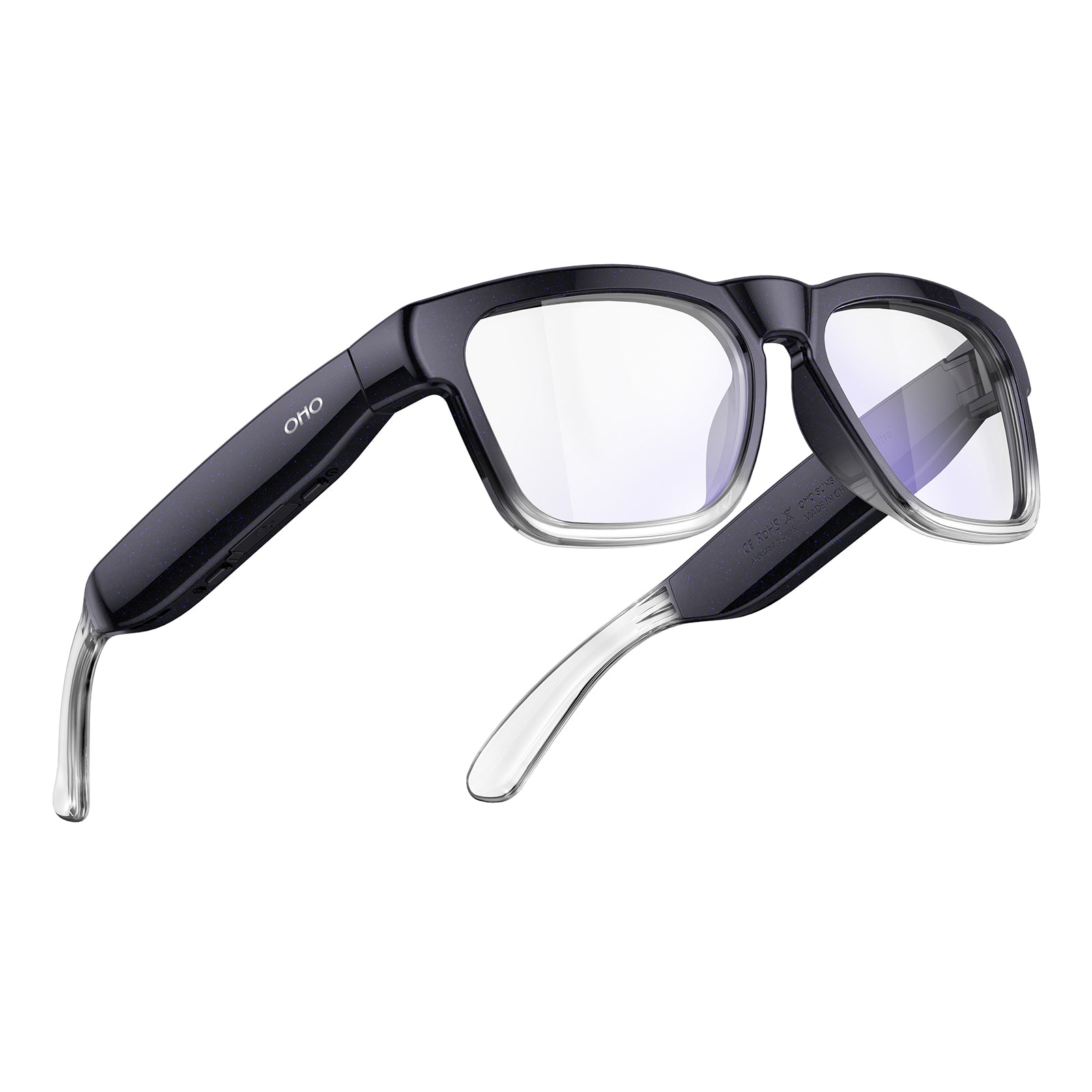








Pack camera ski goggles with a lithium battery in your carry-on whenever you can. A checked ski boot bag only works as a backup if the goggles' installed battery meets the passenger-aircraft watt-hour limit, is fully powered off, and is cushioned against damage. Any spare or removable battery, including a power bank, always stays in the cabin with you.
Can Camera Ski Goggles Go in a Carry-On or Checked Ski Boot Bag?
Carry-on is the default answer for goggles with a built-in lithium battery, and a checked ski boot bag is only a conditional fallback. The FAA guidelines for battery devices recommend keeping camera-like electronics in carry-on baggage, and if that device does end up in a checked bag, it must be completely shut down and protected from bumping on or getting damaged.

| Item | Carry-on | Checked ski boot bag |
|---|---|---|
| Goggles with installed battery | Yes, preferred | Conditional: fully powered off, protected, within Wh limit |
| Spare battery or power bank | Yes, always | Not allowed |
| Battery details unknown | Yes, keep it accessible | Verify first, do not assume it qualifies |
Under TSA lithium battery rules, a device holding a battery of 100 Wh or less is allowed in either bag with special handling for checked luggage, but that allowance does not override a stricter airline rule. If you are not sure which row applies to your goggles, treat the cabin as the safe default until you confirm the battery details in the next section.
How Battery Type and Watt-Hours Change the Answer
The battery's configuration and its watt-hour (Wh) rating, not how many minutes of video it records, decide which bag it can travel in. Sort your battery into one of two categories, then match its Wh number to the correct band before you pack.

Installed Battery Versus Spare Battery
An installed battery and a spare battery are two separate packing decisions. The battery built into your goggles can travel with the device, subject to the Wh limits below, but a spare, removable, or uninstalled lithium battery and any power bank must stay in your carry-on bag every time. If your goggles use a battery that pops out for charging, treat that loose battery the same way you would treat a phone charger battery pack: cabin only, with the terminals protected from touching metal or other batteries.
How to Verify the Watt-Hour Rating
Follow these four steps to confirm your battery is within the passenger limit before you decide where to pack the goggles.
- Find the battery label on the goggles or inside the printed manual.
- If the label lists volts and amp-hours instead of watt-hours, multiply them together, since Wh equals volts times amp-hours.
- Compare the result against FAA passenger battery limits: 0 to 100 Wh is generally allowed, 101 to 160 Wh needs air carrier approval, and anything over 160 Wh cannot fly on a passenger aircraft.
- Check the operating airline's current policy, since carriers can set tighter limits than the federal baseline.
How to Pack the Goggles for Screening and the Flight
Work through this checklist before you close your bag so nothing gets flagged at the counter or the checkpoint. Each step builds on the battery details you already confirmed above.
- Confirm the battery type and Wh rating using the label or manual.
- Decide on carry-on first, and only plan for the checked ski boot bag if the installed battery qualifies.
- Power the goggles completely off, not just to sleep or standby mode, before placing them in any checked bag.
- Wrap the goggles in their case or a padded pouch so nothing can press the power button by accident.
- Keep every spare battery and power bank in your carry-on, with the terminals covered by tape or a battery case.
- Confirm your operating airline's current battery policy, since it can be stricter than the federal minimum.
- Keep the goggles and any documentation easy to reach, since the TSA officer makes the final call at the checkpoint.
Completing this list does not guarantee a specific checkpoint outcome, but it removes the most common reasons a battery-equipped device gets extra scrutiny. If gate agents require you to check your carry-on at the boarding gate, remove any loose batteries and keep them with you in the cabin.
When Skyshot Fits This Travel Scenario
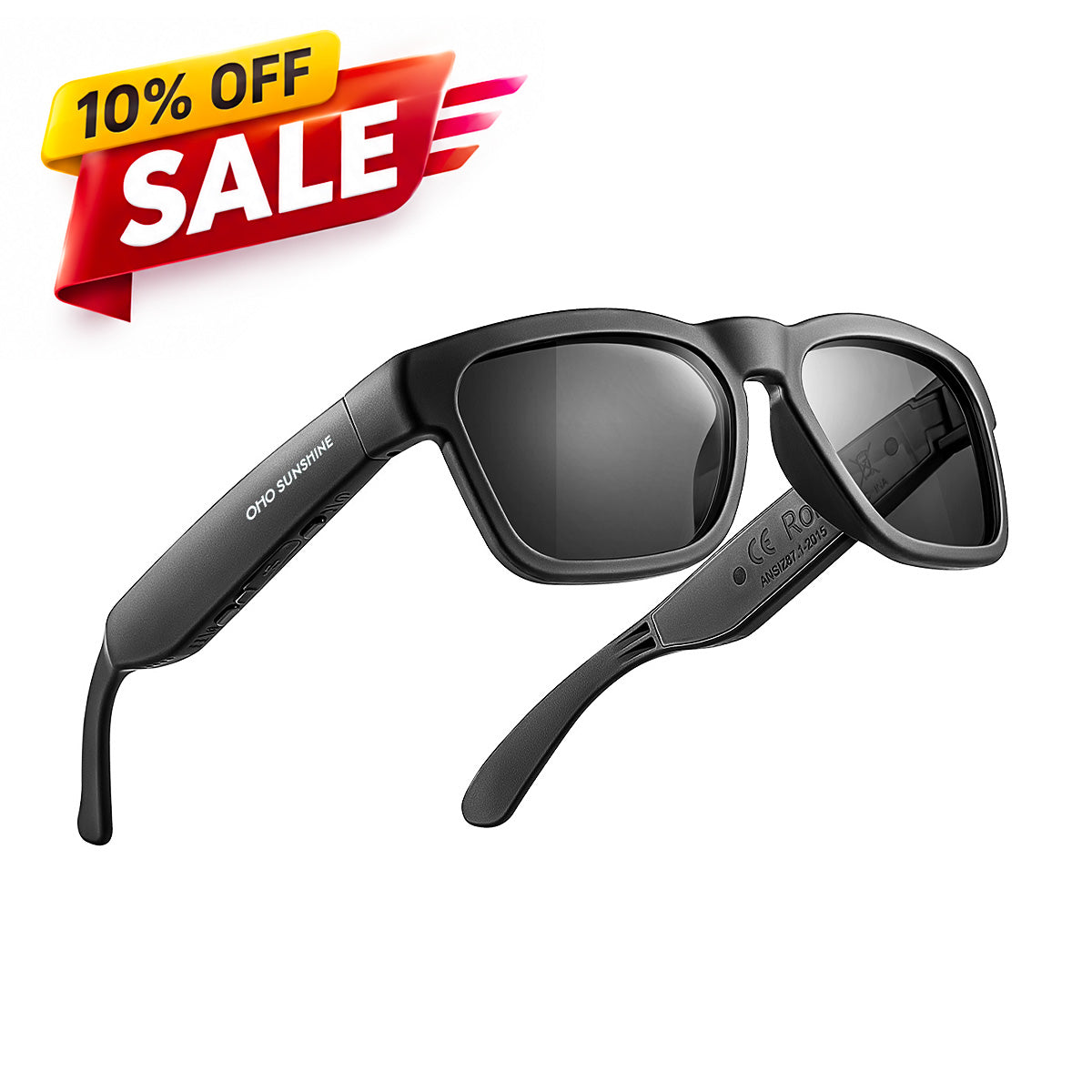
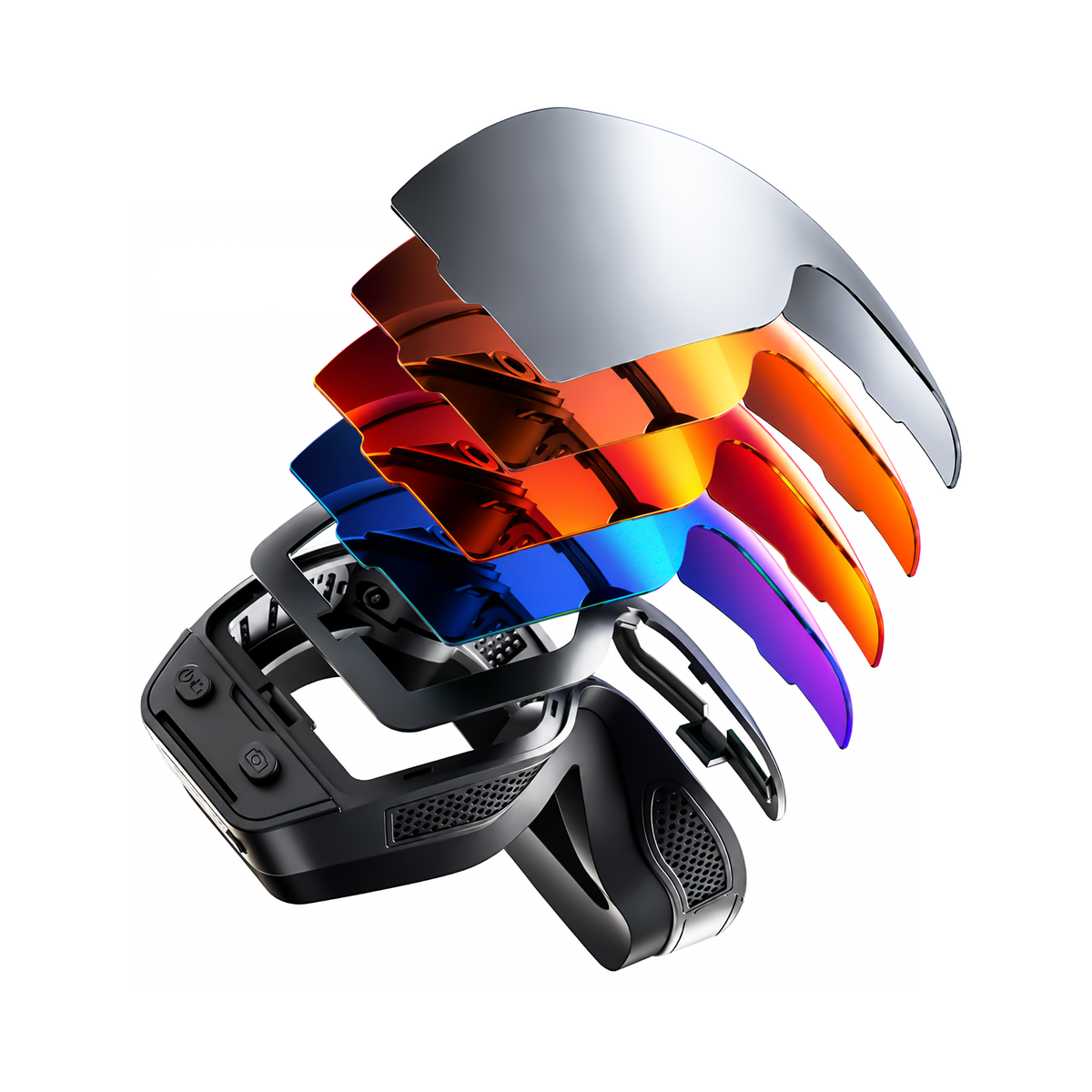
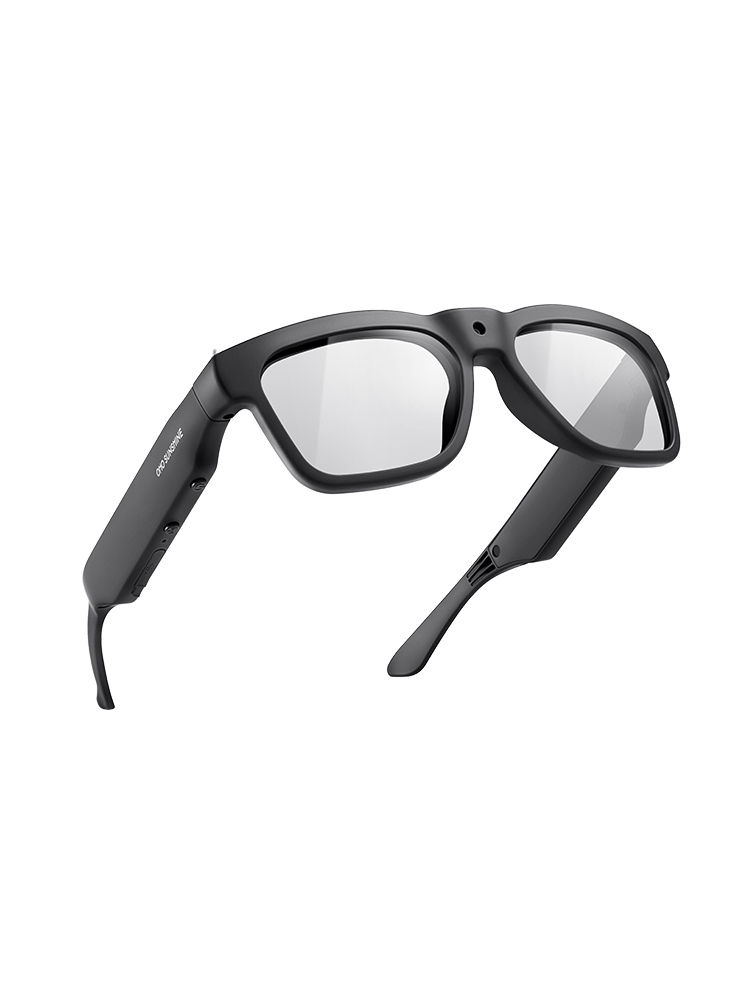
Once you have sorted out where your battery-equipped goggles belong, the next question is which camera-equipped goggles are worth packing at all. OHO SUNSHINE 4K Camera Smart Ski Goggles fits skiers and snowboarders who want to record 4K video and 24-megapixel photos of their runs, with an anti-fog lens for changing snow conditions and USB-C charging for quick top-ups at the lodge. We built it for skiing, snowboarding, and general snow travel, so it suits a trip where recording the day matters as much as staying warm.
That said, choosing Skyshot does not settle the carry-on-versus-checked decision on its own. Before you pack any camera-equipped goggles for a flight, check the battery label or manual for the Wh rating and confirm your airline's current policy, the same way you would for any other lithium-battery device. For a broader look at smart snow goggles and how to prep camera eyewear for a trip in general, our camera travel checklist covers power, privacy, and file backup steps that apply once you land.
Conclusion
Carry your camera ski goggles in the cabin whenever you can, and keep every spare battery there too. Check the goggles only if the installed battery is fully powered off, protected, and within the Wh limit, and only after you confirm your airline's own rules. When the battery details are missing, verify them before you assume the checked bag will work.
FAQs
Does the goggles' battery life in minutes tell me whether it is allowed on a flight?
No. Recording time describes how long the battery lasts, not its capacity in watt-hours. Find the volts and amp-hours printed on the battery label or in the manual and multiply them to get the Wh figure the FAA actually uses.
When do I need airline approval for a lithium battery?
A rechargeable lithium battery rated between 101 and 160 Wh needs approval from the air carrier before it flies. Even below that range, individual airlines can apply tighter quantity or Wh limits than the federal baseline, so check with the carrier directly.
Can a power bank or spare battery go in my checked ski bag?
No. A power bank, portable charger, or any spare or removed lithium battery has to travel in your carry-on bag, with the terminals protected from short circuits. This applies even if the goggles themselves qualify for checked transport.
What should I do if the goggles do not show a watt-hour rating?
Do not assume the checked bag will accept it. Look up the product documentation or contact the manufacturer for the battery's volts and amp-hours, calculate the Wh, and confirm the operating airline's policy before you choose where to pack it.


Leave a comment
This site is protected by hCaptcha and the hCaptcha Privacy Policy and Terms of Service apply.