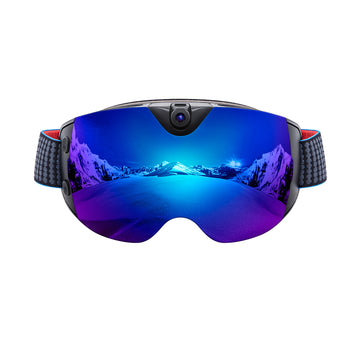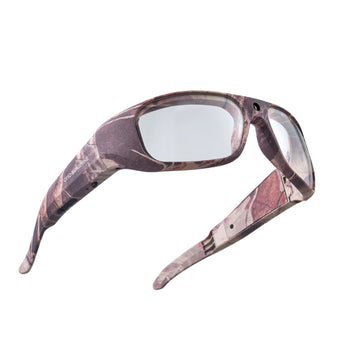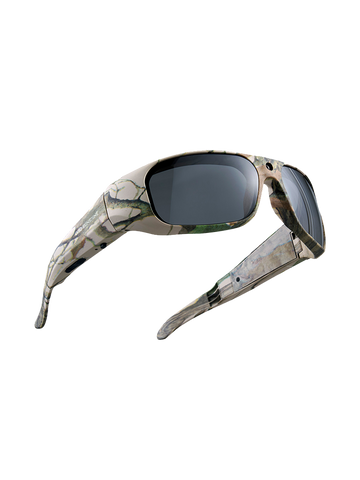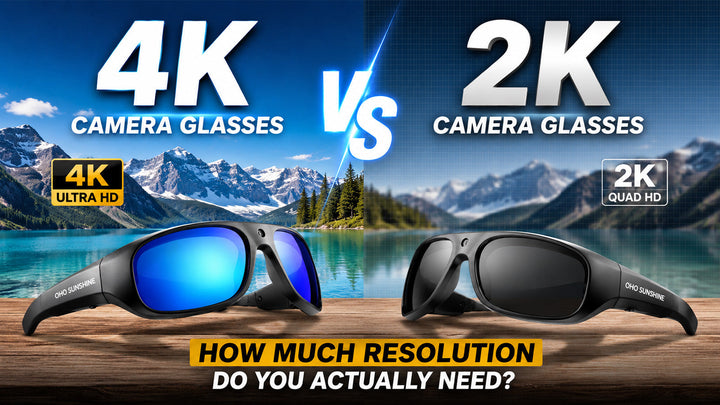

Solo travel is freeing, but it comes with a trade-off: there is no one to hand the camera to. Phones get fumbled, moments get missed, and stopping to record breaks the experience itself. AI-powered smart glasses with camera and audio change that equation entirely. Beyond just capturing what you see in stunning 4K resolution, they act as a hands-free travel assistant, offering real-time intelligence that keeps you connected and informed without ever reaching for your phone.

How Camera Sunglasses Help You Capture Every Moment Hands-Free
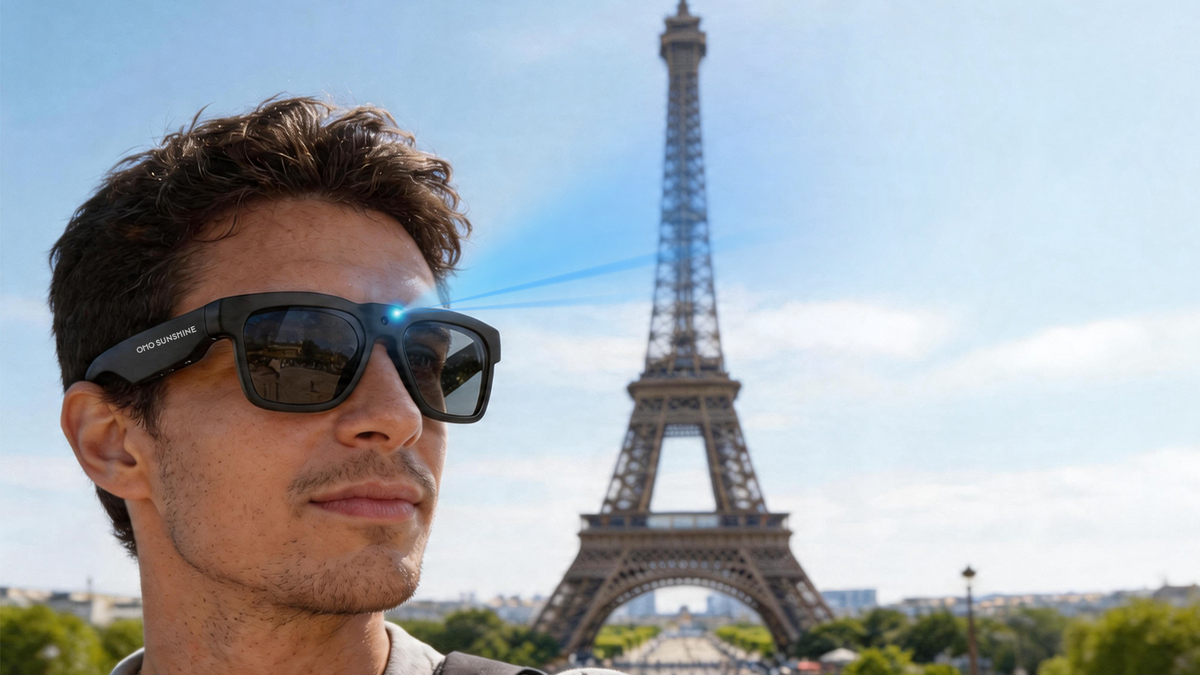
There is a specific kind of frustration that solo travelers know well. You are moving through a crowded market, watching a street performer, or cresting a hill with a view that stretches for miles, and by the time you pull out your phone, the moment is already different. Camera sunglasses solve this at the source. Because recording starts with a single button press at eye level, the gap between "I want to capture this" and "I am capturing this" shrinks to almost nothing.
What hands-free recording changes for solo travelers:
- No need to stop walking, eating, or moving to start recording
- Natural eye-level perspective that phones and chest mounts cannot replicate
- Less visible than a raised phone, which matters in crowded or sensitive locations
- Frees both hands for navigation, bags, or simply enjoying the moment
- First-person footage that reflects what the experience actually felt like
Why Stability Matters More Than You Think
Hands-free recording is only valuable if the footage is watchable. Walking footage without stabilization is often too shaky to review comfortably, which defeats the purpose of capturing the moment in the first place.
EIS, or Electronic Image Stabilization, addresses this directly. It is a software-based system embedded in the camera module that reads motion data in real time and applies digital corrections to the video output as it is being recorded. For solo travel specifically, where the camera moves with you through unpredictable environments, EIS delivers footage that is smooth and usable without requiring any external gimbal or accessory.
EIS makes a practical difference in these common travel scenarios:
- Walking through uneven cobblestone streets or market crowds
- Hiking trails where terrain contact creates constant micro-vibrations
- Transit environments like buses or trains with frequent stops and starts
- Any situation where both hands are occupied and steady framing is impossible
Stay Connected with Audio: Music, Navigation, and Calls on the Go
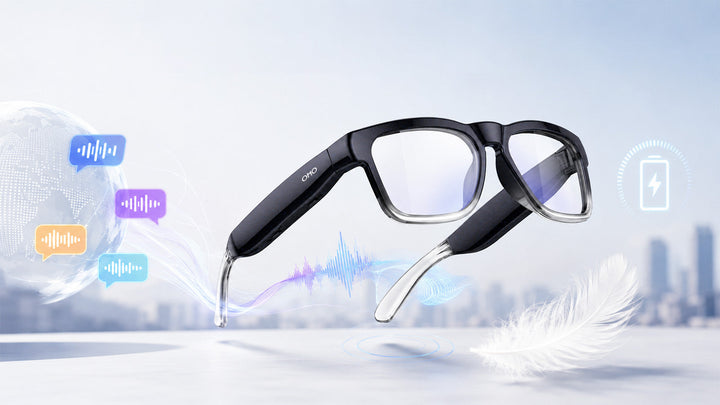
The camera function gets most of the attention, but the audio side of camera glasses with audio is what makes them genuinely useful as a day-to-day travel companion. Built-in speakers and microphone integration handle three things that solo travelers deal with constantly: entertainment, navigation, and communication.
Music and Podcasts for Long Travel Days
Long transit days involve a lot of waiting, and audio helps. Unlike earbuds that block out surroundings entirely, open-ear speakers built into the frame let audio play at a comfortable volume while keeping environmental sound available.

Benefits of open-ear audio during solo travel:
- Hear your podcast without missing station announcements or safety alerts
- Stay aware of your surroundings in unfamiliar or busy environments
- No cables to manage or buds to lose between destinations
- Switch seamlessly between music, podcasts, and navigation prompts
Navigation Without Looking Down
Navigating a new city alone means constant phone-checking, and that cycle is both inefficient and distracting. Audio navigation delivered through glasses speakers breaks that habit entirely.
- Directions come to your ears while your eyes stay on the street
- No need to stop and reorient every few steps
- Significantly safer in busy pedestrian or traffic-heavy environments
- Keeps your phone in your pocket and out of sight in higher-risk areas
Hands-Free Calls That Actually Make Sense
Staying in touch while traveling solo means managing calls in situations where holding a phone is inconvenient or inappropriate. Smart glasses with camera and audio handle this through the built-in microphone and speakers.
- Take calls while carrying bags through a terminal or crossing a busy street
- No need to stop, put bags down, or search for your phone
- Low-profile interaction that does not signal you are distracted or disengaged
| Audio Use Case | Traditional Approach | With Camera Glasses with Audio |
| Music on transit | Earbuds blocking all sound | Open-ear audio, surroundings still audible |
| Navigation | Constant phone screen checking | Audio directions, eyes stay up |
| Phone calls | Hand holding phone to ear | Hands-free, fully mobile |
The table above shows how audio-integrated glasses shift each common travel scenario from reactive to seamless. In all three cases, the glasses keep you moving rather than stopping you to manage a device.
Why Bluetooth Sunglasses with Camera Are Perfect for Solo Travelers
Every piece of gear a solo traveler brings has to earn its place. Bluetooth sunglasses with camera consolidate what would otherwise require multiple devices into one item that does not add meaningful weight to your bag or your day.
Travel Light with One Device
Packing smart is one of the most underrated solo travel skills. Instead of juggling a camera, earbuds, and a phone mount, one pair of glasses handles all of it.
What solo travelers typically carry that camera glasses can replace:
- A dedicated action camera or point-and-shoot
- A separate pair of earbuds or travel headphones
- A phone mount or stabilizer for recording on the move
Additional reasons video camera sunglasses work especially well for solo travel:
- Lighter overall carry without sacrificing recording or audio capability
- One battery to monitor instead of several
- Less gear visible on your person, reducing the appearance of being a tourist target
- Faster setup when a moment worth capturing appears without warning
- Low-profile design that does not signal recording in culturally sensitive destinations
Breaking Language Barriers with Real-Time AI Translation
The true revolution for solo travelers is the integration of AI-powered real-time translation. Navigation and photos are great, but the ability to actually communicate with locals in their native tongue changes the fabric of a trip. AI Smart Glasses like the Edge Pro support multi-language translation that works through your paired device to deliver audio translations directly to your ears. This 'Universal Translator' experience allows you to:
- Order with Confidence: Understand local menus and interact with street food vendors effortlessly.
- Deepen Connections: Engage in meaningful conversations with locals that would have previously been impossible.
- Navigate Emergencies: Get help or ask for specific directions in complex situations without the 'lost in translation' frustration.
Pack Less, Experience More
Solo travel rewards people who stay present. AI-powered smart glasses make that easier by handling 4K Ultra HD recording, navigation, and communication without asking you to stop or fumble. By integrating real-time AI translation for over 160 languages and accents, these glasses become a genuine all-in-one travel companion that breaks down language barriers instantly. For anyone heading out alone and wanting to come home with cinematic memories while staying fully engaged with the world, the case for AI-integrated smart glasses is straightforward.
FAQs about smart glasses
Q1. Can People Hear My Music or Calls from the Glasses?
Open-ear speakers project sound outward rather than into a sealed ear canal, so some audio is audible to people nearby at higher volume levels. At moderate listening volumes in typical environments, audio bleed is minimal and generally not disruptive.
Q2. Is the Audio Quality Good for Listening to Podcasts?
Built-in glasses speakers are optimized for voice clarity and directional audio rather than bass-heavy music reproduction. For podcasts, audiobooks, navigation prompts, and phone calls, the quality is well-suited to the format. For spoken content during travel, the audio performs reliably, and the open-ear format adds the practical benefit of staying aware of your surroundings at the same time.
Q3. Are These Glasses Comfortable for Long Flights?
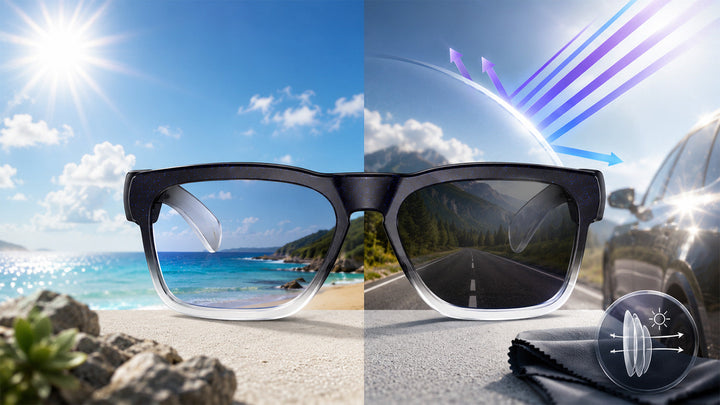
Most camera sunglasses are designed with extended wear in mind, using lightweight frame materials that reduce pressure on the nose and temples over time. For flights specifically, the glasses can be worn during boarding and transit without the bulk of traditional headphones. Photochromic lenses, which automatically adjust tint based on light levels, also help with the transition between bright terminals and dimmer cabin environments.
Q4. How Many Languages Can the AI Translation Handle?
The AI translation feature is designed for comprehensive global exploration. Specifically, the Edge Pro AI Smart Glasses support an impressive 164 languages and accents, covering world's most common languages. Because the system leverages powerful cloud-based AI engines via your smartphone, the translation is constantly updated for superior accuracy and natural phrasing. This makes it an evolving travel companion that ensures you are never "lost in translation," no matter where your solo journey takes you.