














Pushing your ski goggles up onto your forehead or helmet can encourage fogging because it can put a cold lens close to warm, moist air. When that air hits a surface colder than itself, water droplets can form on the lens. Fogging isn't guaranteed, but it's a real risk you can plan around.
The advice about each spot comes from ski-gear guidance, not measured tests. On a chairlift, one practical option is to keep the goggles on your face and lift them slightly for a few seconds instead of parking them up top.
Why Goggles on Your Forehead or Helmet Can Encourage Fogging
Fog is condensation. MIT researchers describe fogging as tiny droplets forming when a cold surface suddenly meets warm, moist air. The lens isn't getting dirty, because water vapor in the air simply turns back into liquid on the glass or plastic.
A goggle lens sets up that situation easily. After a few runs in winter air, the lens is cold. Your head is not. Skiing and snowboarding are physical work, so your skin and hair give off heat and sweat. Put those two things close together and the conditions for condensation can line up.
That's why the resting spot matters. When goggles sit over your eyes, the lens stays in the airflow path the goggle and helmet are built around. Once you move them up, the inside of the cold lens can end up facing warm skin, damp hair, or the warm top of a helmet. If moist air reaches that lens and the lens is colder than the air, droplets can form. When you pull the goggles back down, the fog comes with them.

Keep the conditional part in mind. The physics explains how fog could form. It doesn't tell you how much moisture reaches the lens in a given spot, on a given day, or in a given helmet. Temperature, how hard you've been working, and how damp your gear already is all change the outcome. So treat forehead or helmet parking as a risk factor rather than an automatic cause.
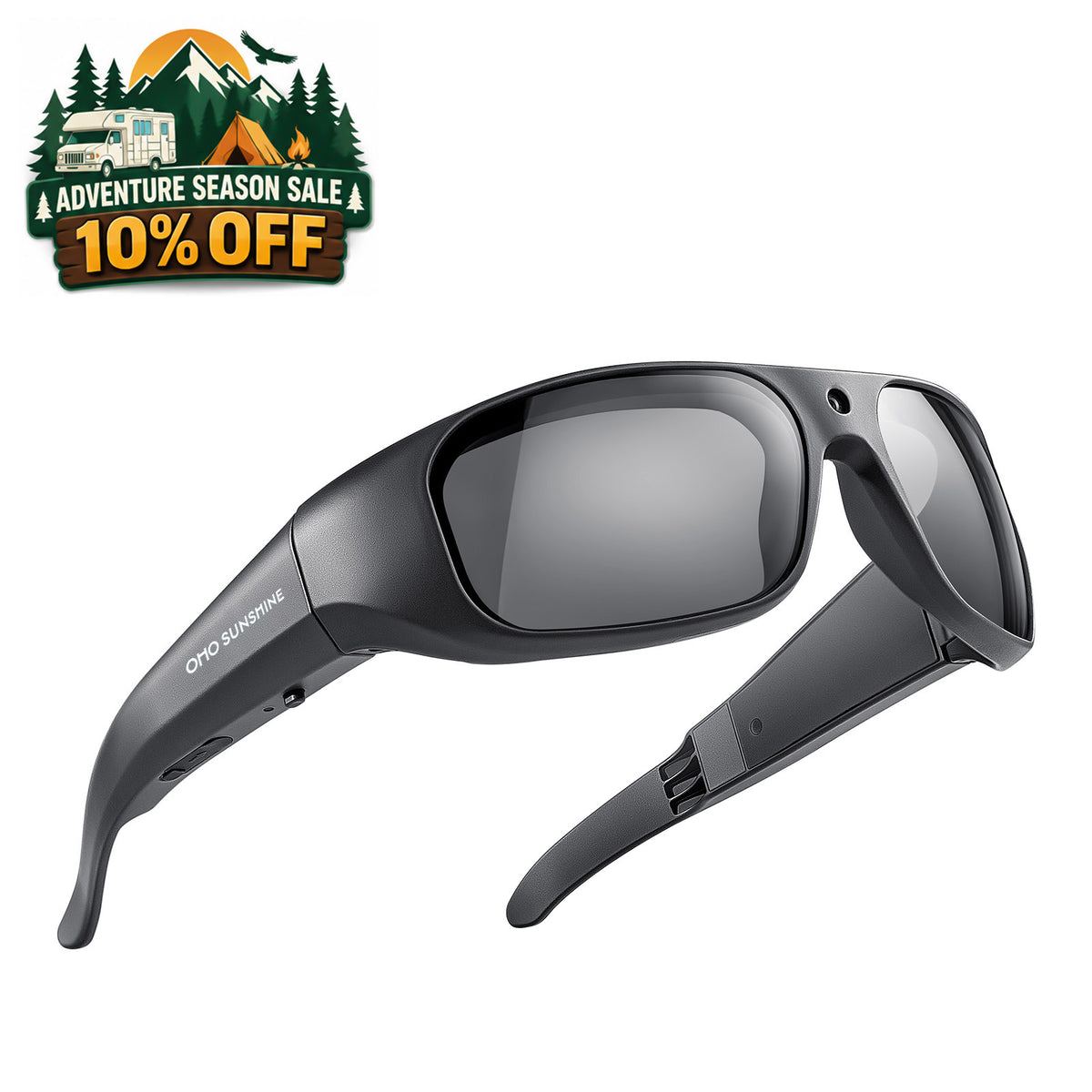
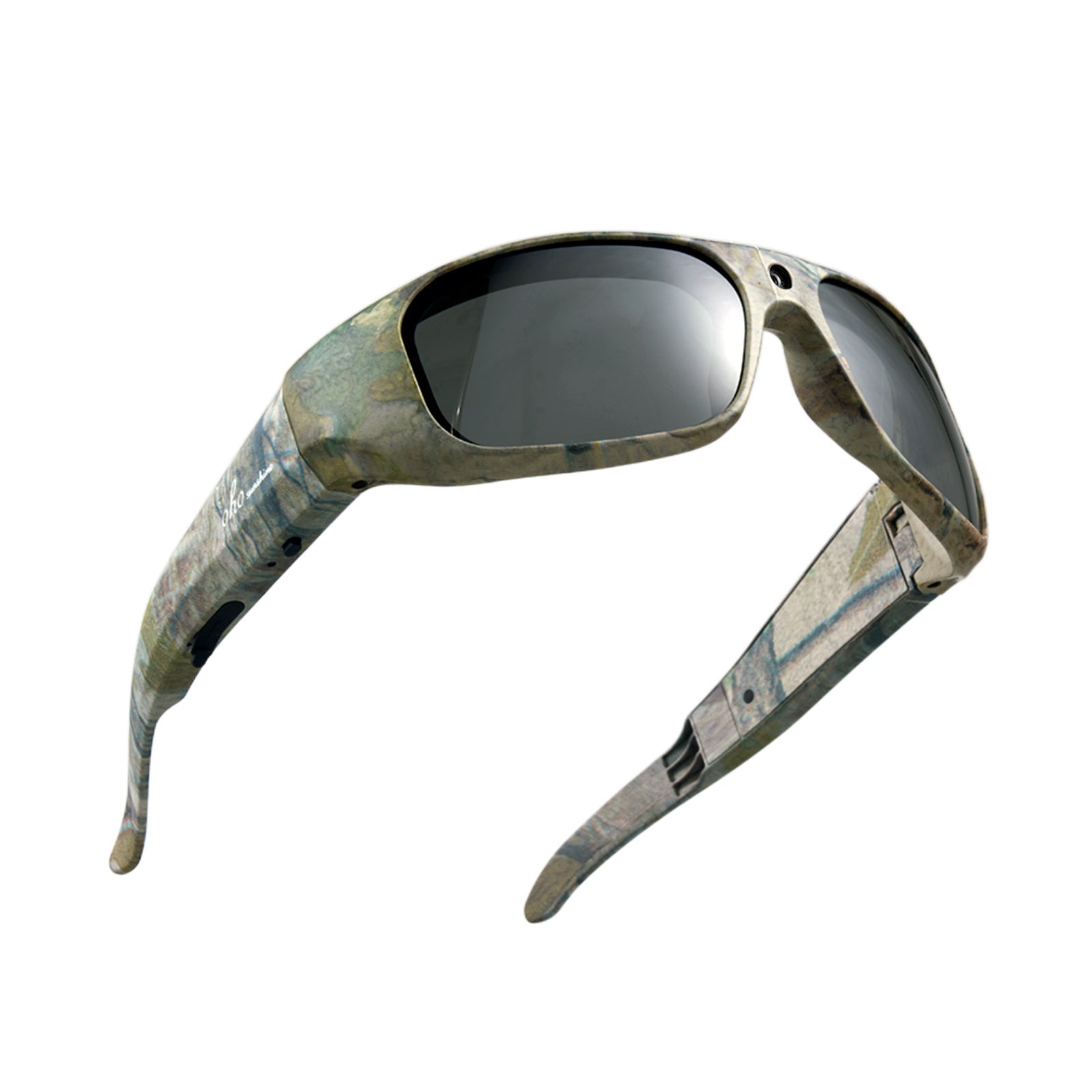
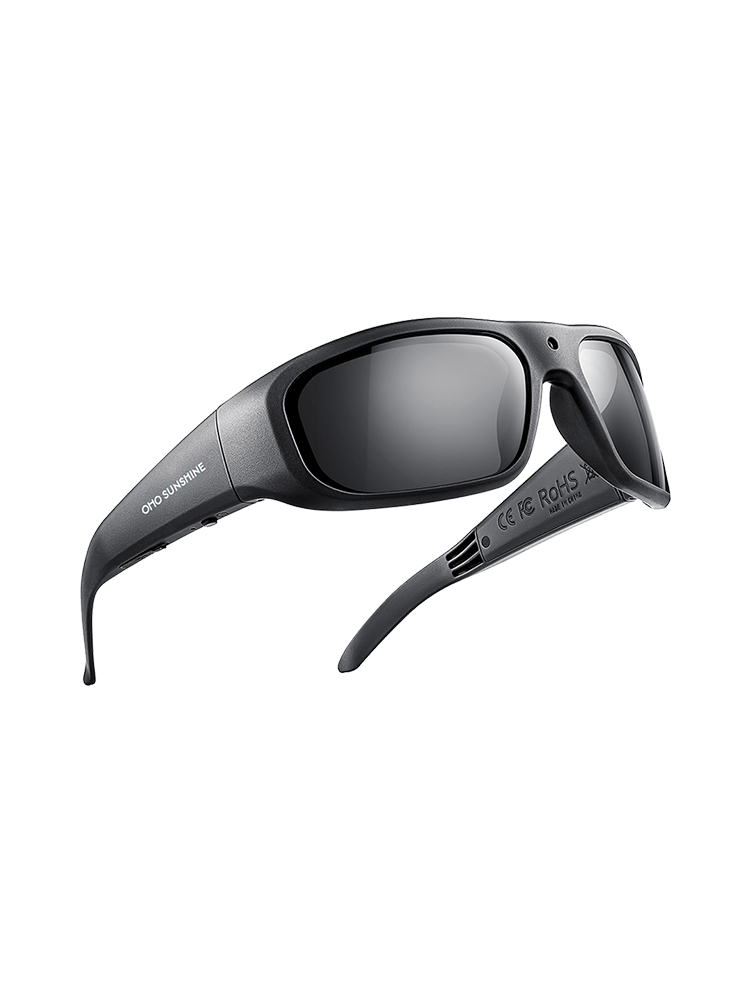
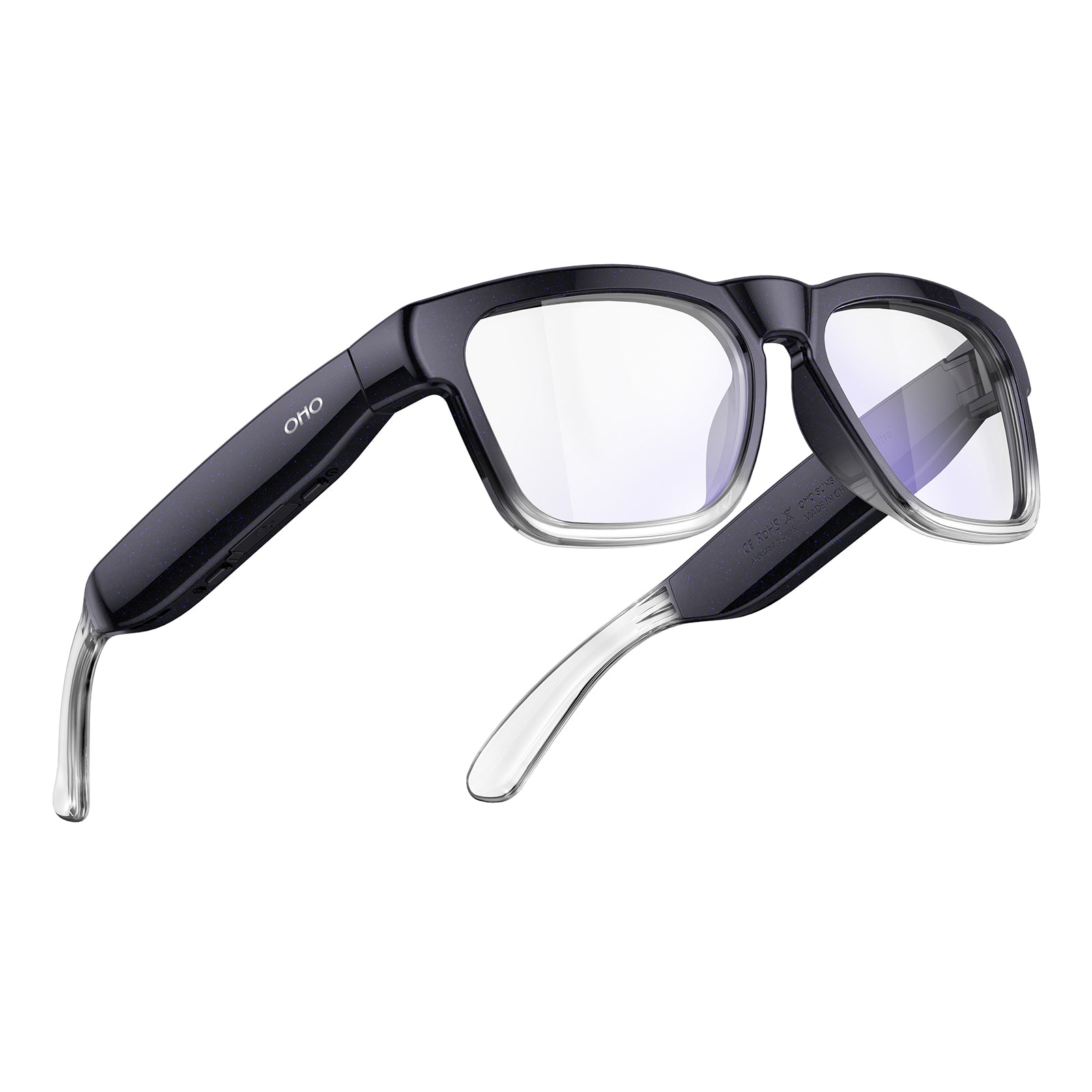
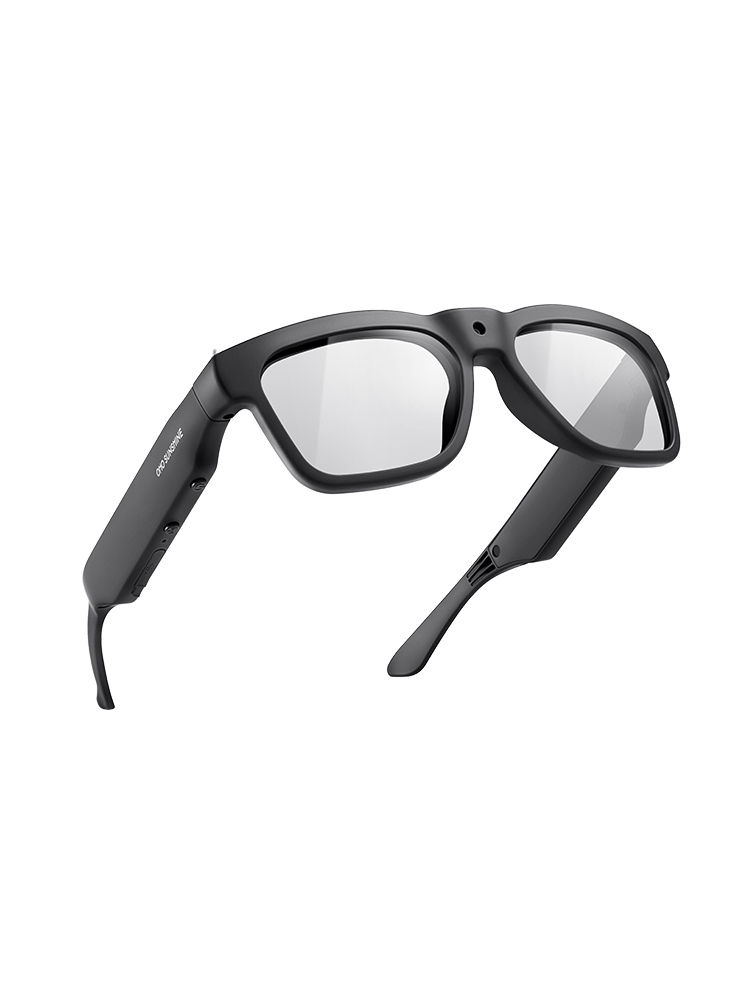
The same physics applies to every lens type. Standard snowboard goggles, smart ski goggles, and snow goggles with camera hardware all have a lens that can collect droplets when it's colder than the moist air around it. If you use electronic goggles, smart glasses cold-weather care covers the battery and moisture routines that sit alongside fog control.
Forehead vs. Helmet: What the Evidence Shows
The two spots come with different explanations, and neither one has been shown to be the safer choice. Here is what each rests on:
- On your forehead: Switchback Travel's guide says moving goggles to your forehead lets heat and moisture from your forehead fog up the lens. This is the most direct explanation available, because it names the moisture source right next to the lens. It is editorial advice based on experience, not a measured result.
- On top of your helmet: The same guide warns against this spot too. Its reasoning is that helmets and goggles work together as one unit that moves air up and away from your face. The guide doesn't measure how a goggle parked on the helmet changes airflow at the lens or how much fog it adds. Read it as a caution, not a proven effect.
Don't treat the helmet as a fix for forehead fogging. No available comparison shows that one position fogs more or less than the other. The practical takeaway is simple: neither spot is a proven fog-free parking place.
What to Do With Goggles on a Chairlift
For a chairlift ride, Switchback Travel suggests carefully lifting the goggles slightly off your face for a few seconds. The guide calls this "a good chairlift activity." It fits the moment because you're sitting still, your hands are free, and you aren't relying on your vision to ride.
Here's how that looks in practice. Picture a snowboarder who's warm after a long run and feels the lens starting to haze on the lift. Instead of pushing the goggles up to the forehead, she tips the frame slightly away from her face for a few seconds, then settles it back into place. The goggles stay close to their normal position, where the goggle and helmet setup is designed to move air.

This is editorial advice. It hasn't been tested as a fog cure, and it isn't a manufacturer instruction. Your goggle maker's care guide still comes first for anything involving the lens or its coating. What the tip gives you is a short, low-effort alternative to the two resting spots the same guide warns against.
If you ride a long lift and the lens keeps fogging even when you leave the goggles in place, moisture may already be trapped inside. That's a sign to dry the goggles fully at the end of the day, which the FAQ below covers.
FAQs
Why does a fogged lens look cloudy instead of just wet?
The droplets are tiny and there are thousands of them. According to MIT, the droplets scatter light in random patterns, so the surface looks translucent or foggy instead of clear. That's why even a thin layer of condensation can blur your view of the snow surface.
How should I dry snow goggles after a wet day?
Start by removing grit from the lens so you don't scratch it. Next, let the inner lens air-dry and check for moisture near the vent ports. Put the goggles away only once they're fully dry. Our step-by-step routine to dry snow goggles walks through each stage.
Do smart ski goggles need extra cold-weather care?
Yes. Electronic goggles add battery and moisture concerns on top of normal lens care. Cold can affect battery life, and moisture near electronics needs attention during storage. The lens-care basics stay the same, but check your model's manual for any electronics-specific steps before drying or storing.
Does fog work differently when hiking or snowshoeing instead of riding lifts?
Uphill travel changes the situation. You're working harder for longer, and you don't get a lift ride to pause. Our guide to snow goggles for winter hiking explains how uphill fog, wind, and glare shape your goggle choice on those routes.


Lämna en kommentar
Denna webbplats är skyddad av hCaptcha och hCaptchas integritetspolicy . Användarvillkor gäller.