



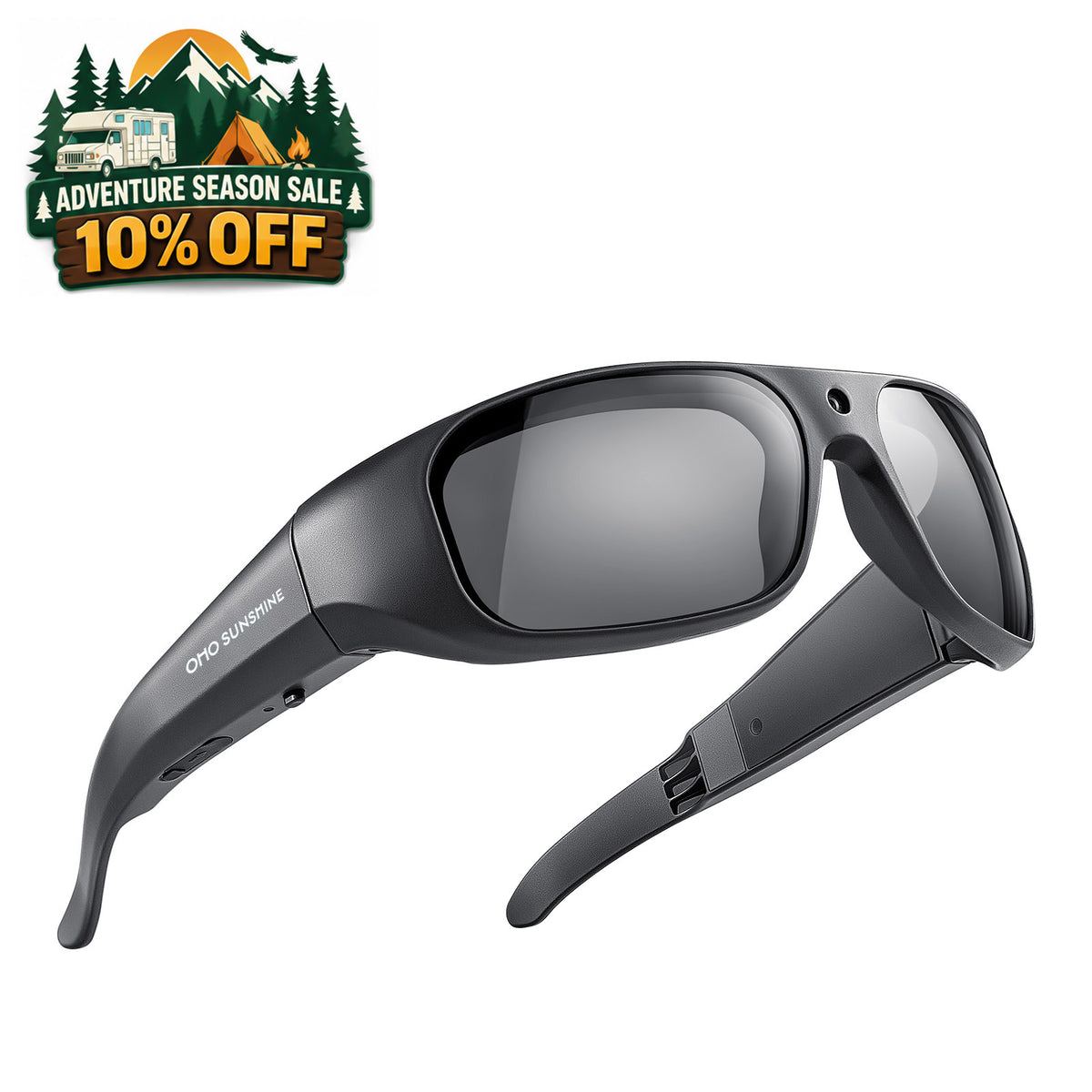


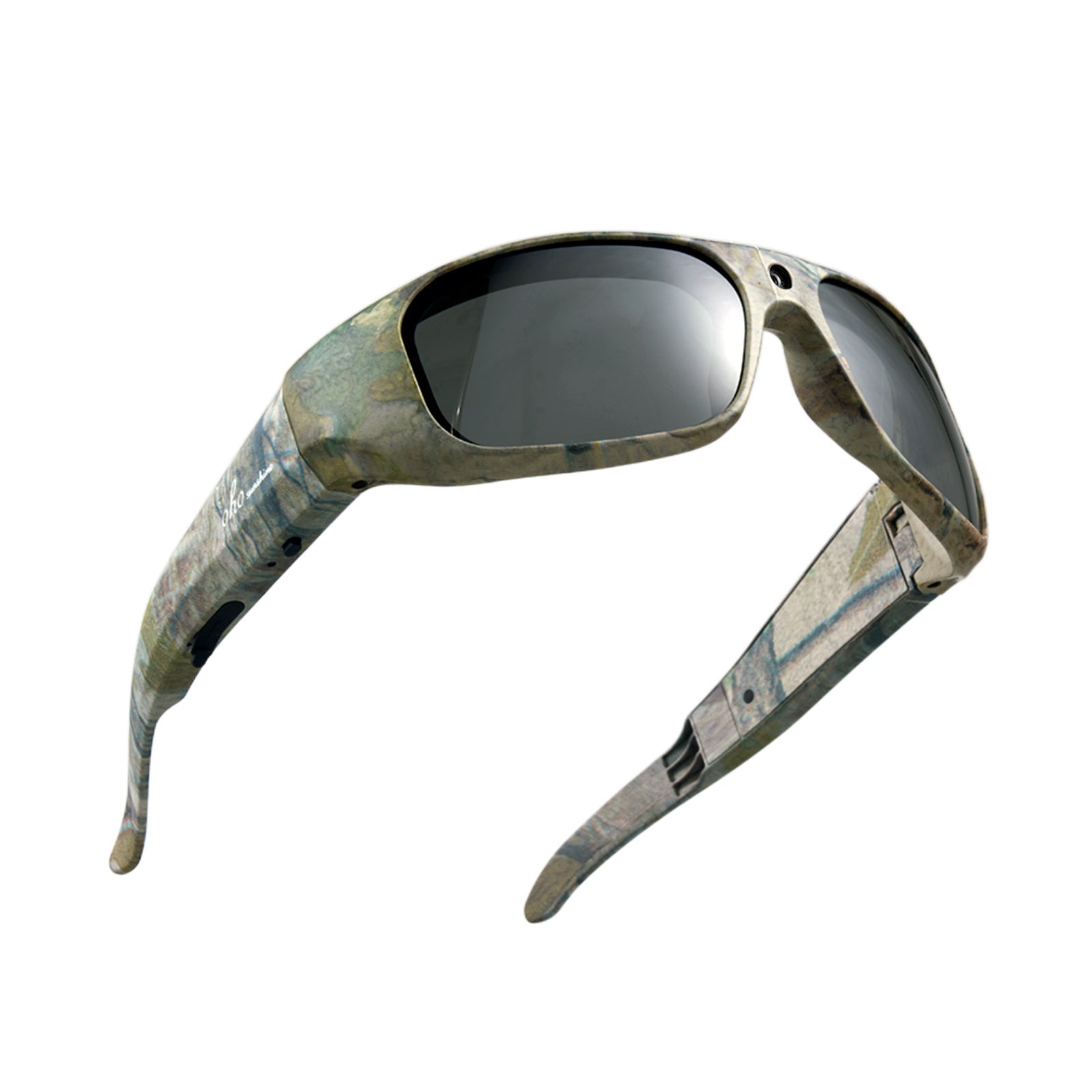


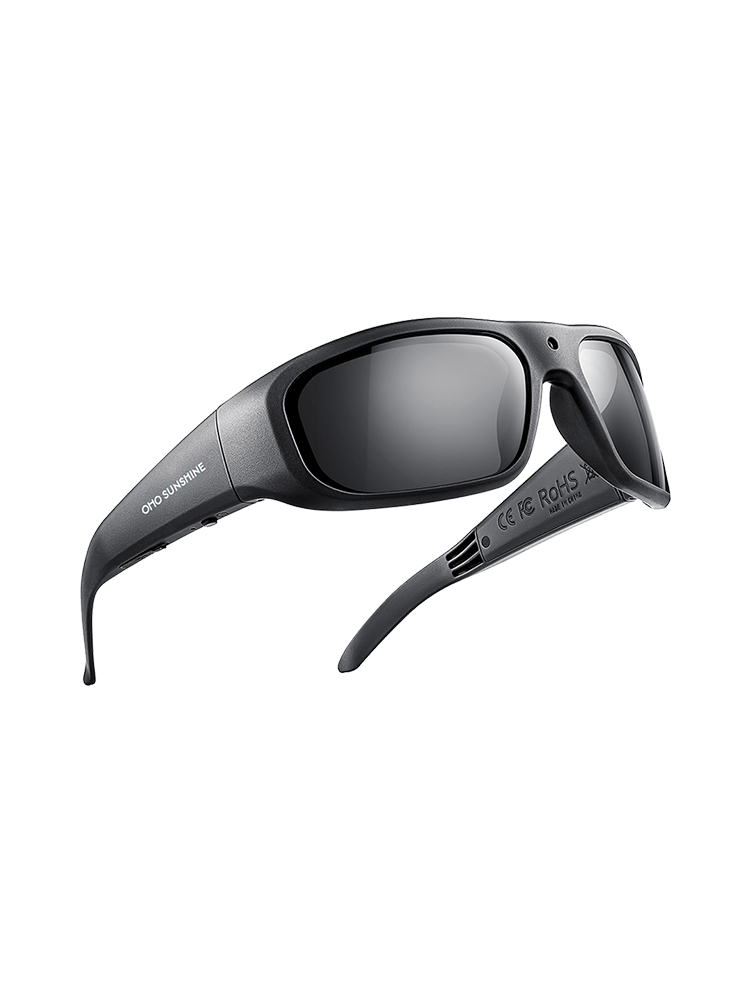


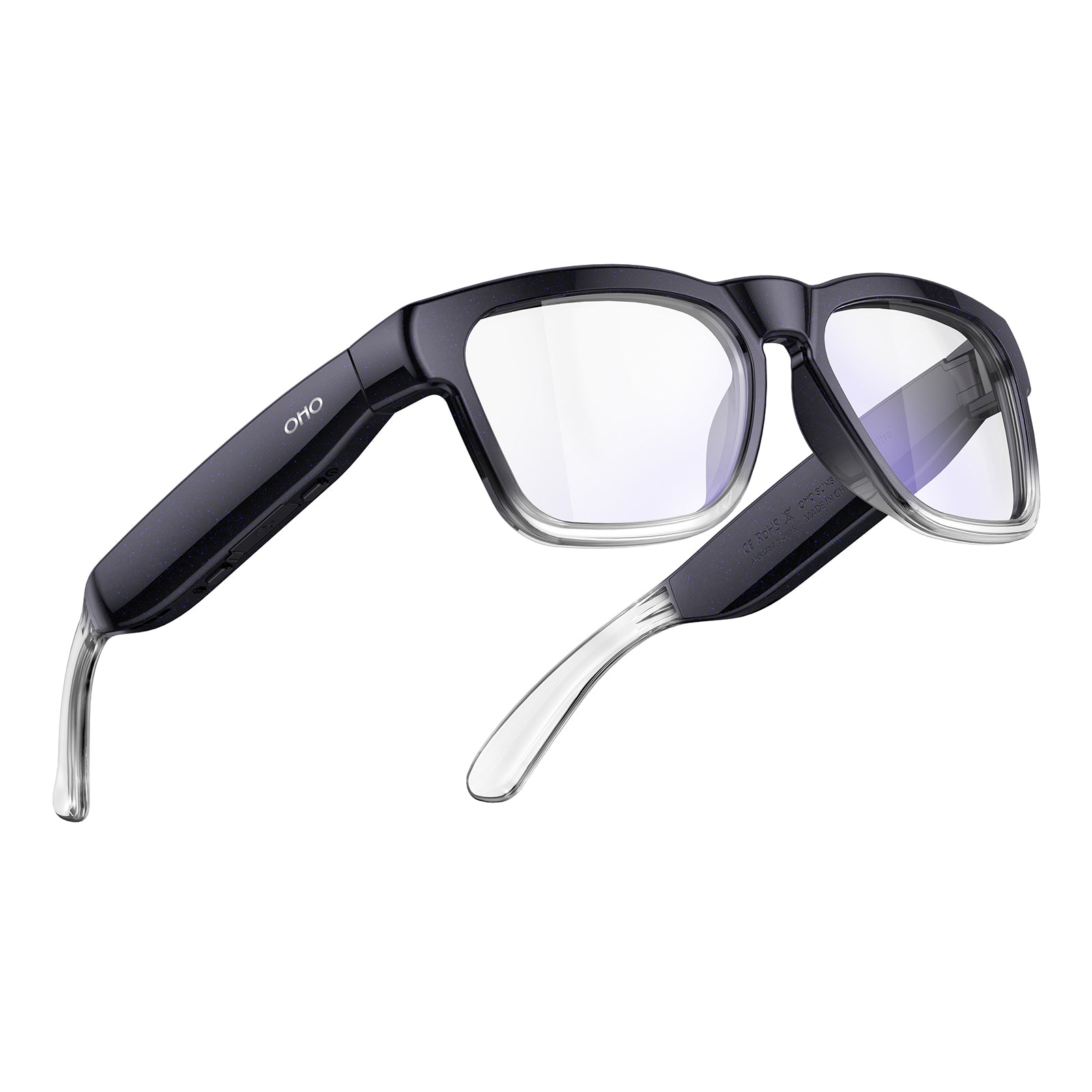

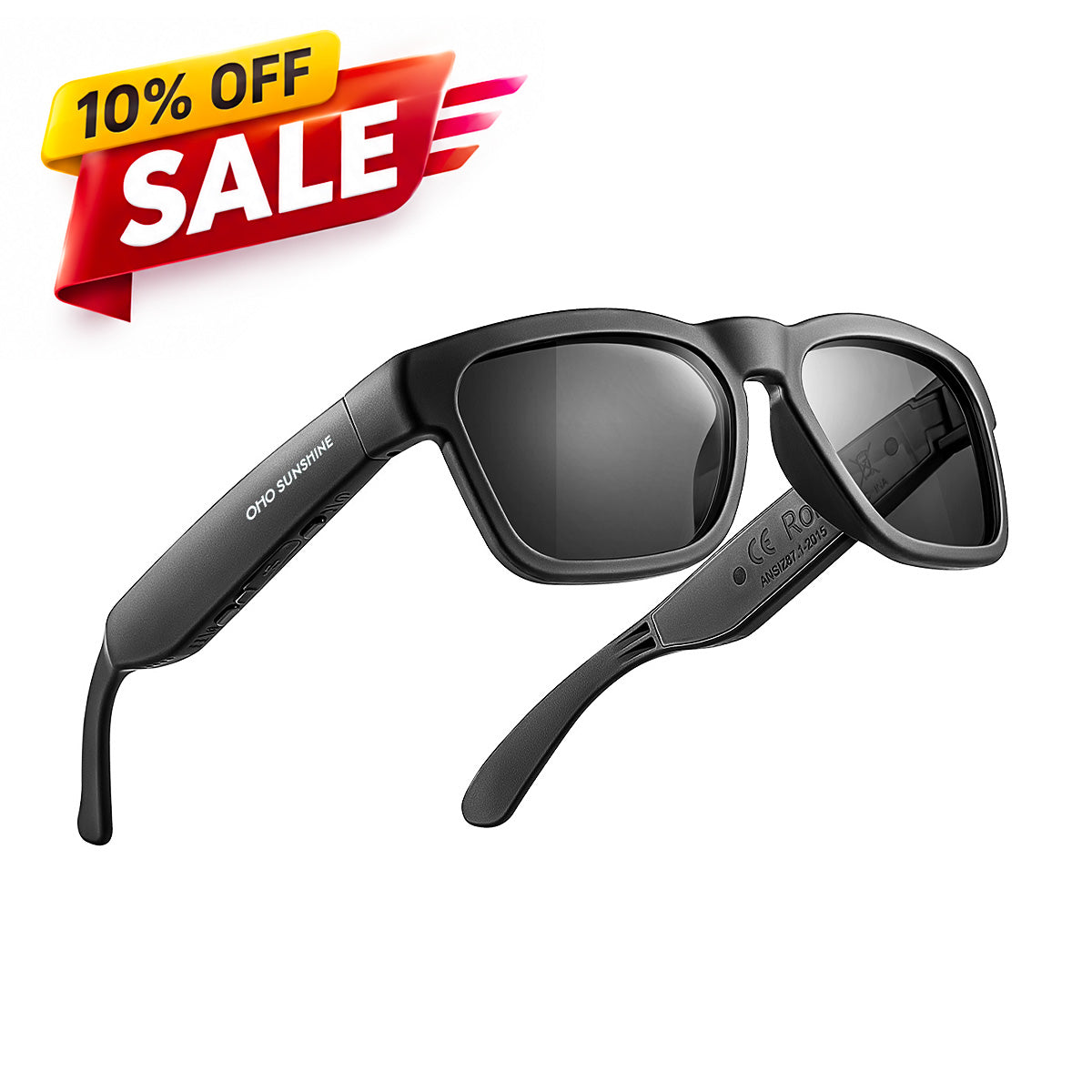


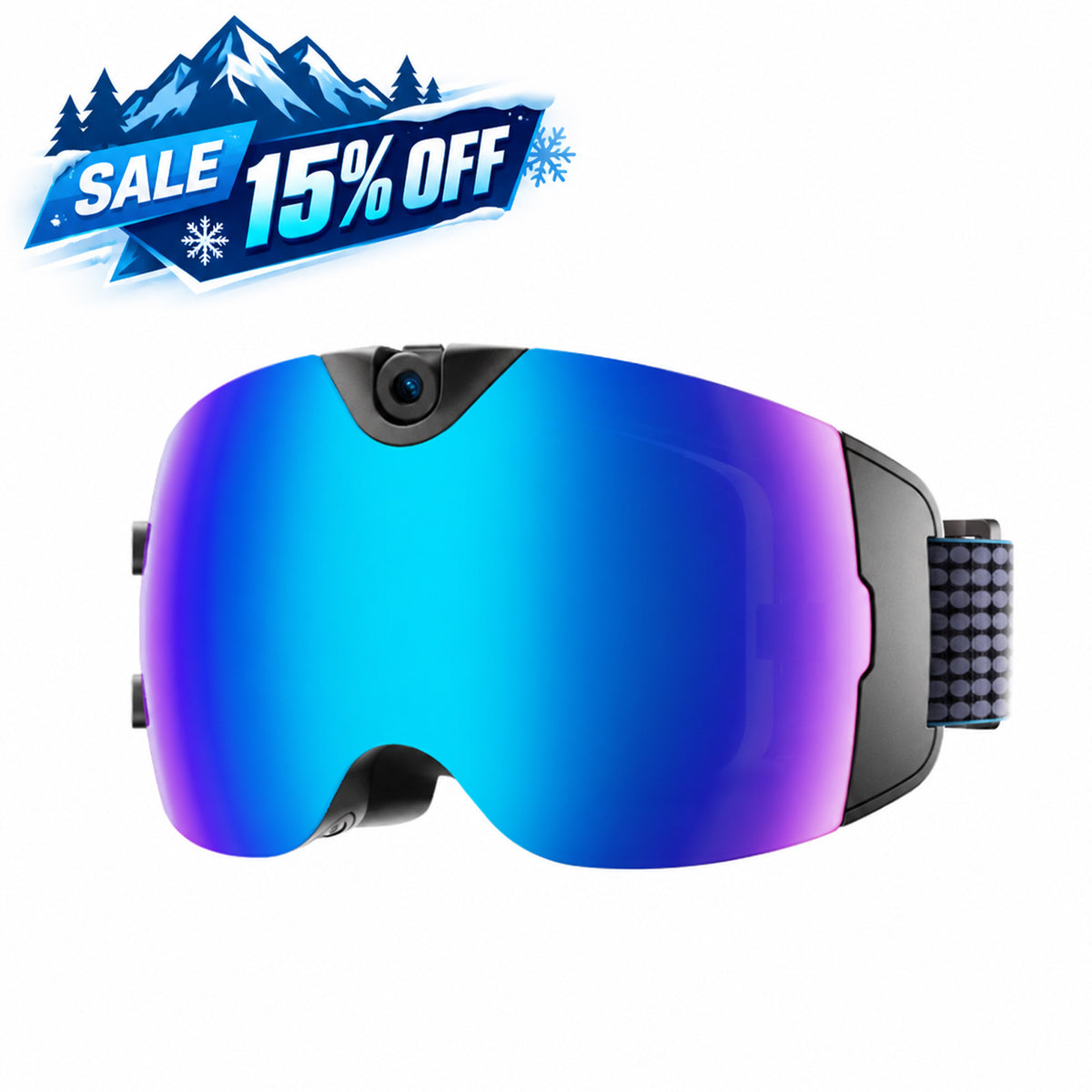
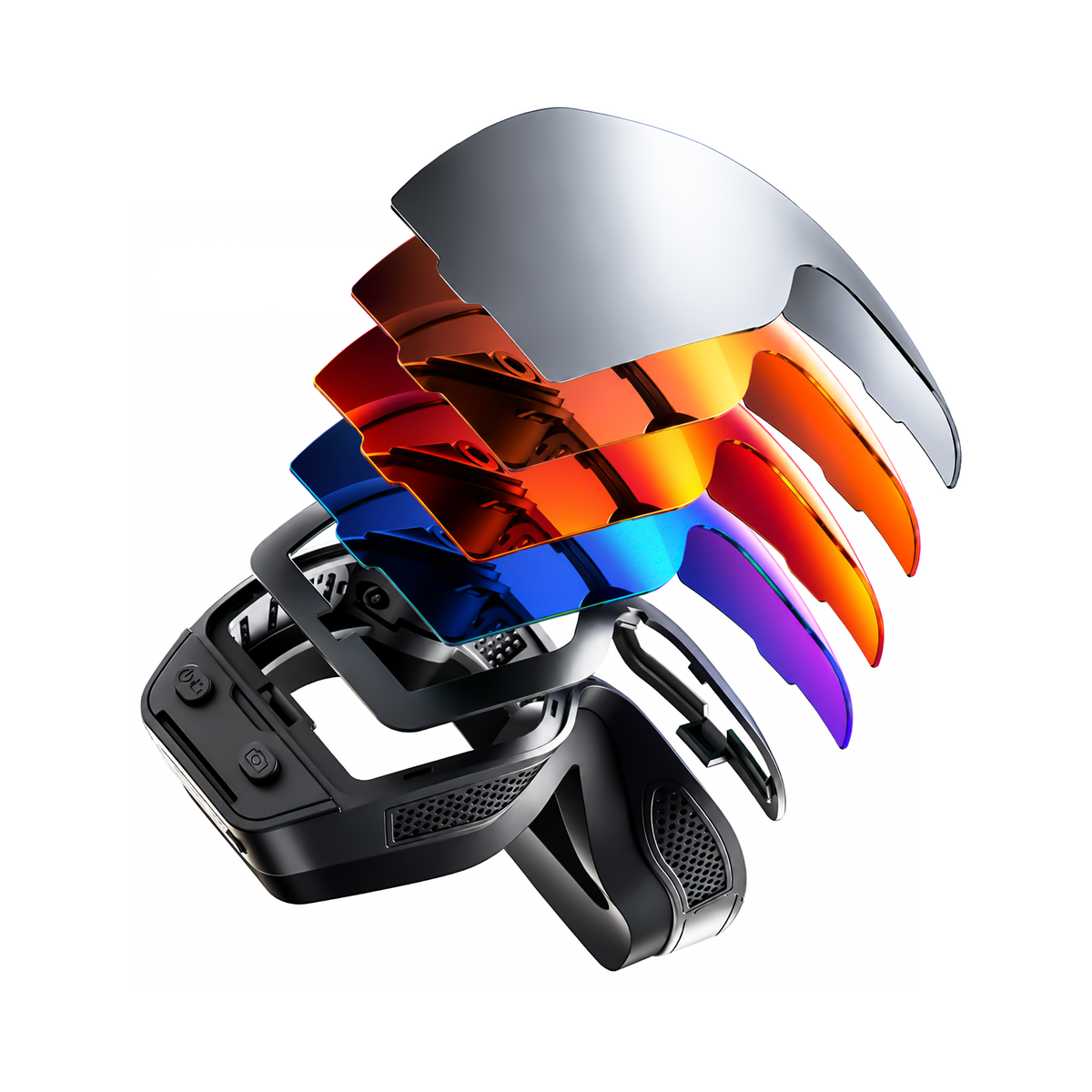

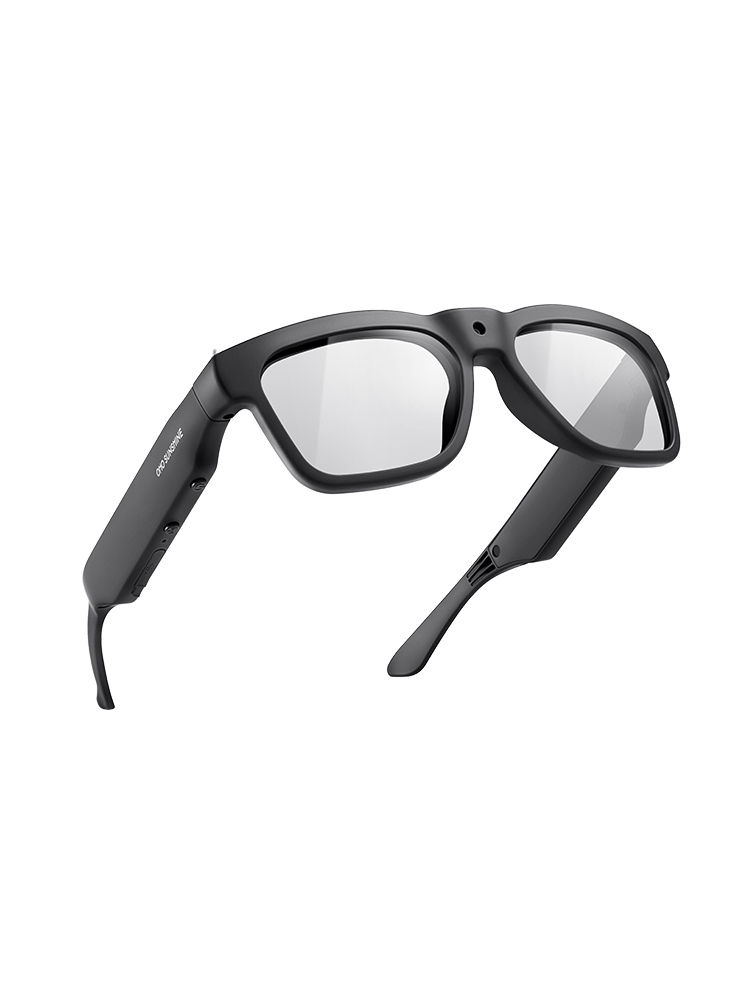


Camera glasses make sense when your hands are busy and you still need eye-level video. That is the whole decision. The resolution printed on the box is not the answer, because stabilization, field of view, and audio decide whether the footage is actually usable. If your workflow depends on long recording sessions, precise framing control, or a fully documented file pipeline, a phone or action camera is usually the better fit. This guide ranks the specs that change usable footage, splits guidance by scenario, and connects two supported OHO SUNSHINE options to specific buyer needs once the neutral criteria are set.
Do Camera Glasses Fit Your Hands-Free Workflow?
Camera glasses solve one problem well: capturing what you see while both hands stay free. They are not a universal replacement for every camera.

Choose Camera Glasses When Eye-Level Capture Is the Bottleneck
Pick camera glasses when the main obstacle is holding a phone or camera steady while doing something else. Walking tours, cycling, fishing, hands-busy repairs, and first-person field notes all fit this pattern. The wearer gets a natural point-of-view angle without juggling a device, which is the category's core advantage over a handheld camera.
Choose Another Device When Control or Runtime Comes First
Pick a conventional camera, action camera, or phone instead when you need deliberate framing, interchangeable lenses, very long continuous recording, or a fully documented transfer workflow. Camera glasses are not built to replace those tools. Before trusting any model for an important shoot, record a short representative clip in the actual scene and check it against your expectations.
Which Video Specs Change Usable Footage Most?
Stabilization, field of view, and audio often decide whether footage is usable more than resolution does. A 4K spec improves detail and cropping room, but it does not prove steady or correctly framed video.
| Spec | What it improves | When it should lead the decision |
|---|---|---|
| Resolution (2K/4K) | Detail and cropping headroom | Leads when you need to crop tightly or view on a large screen |
| Electronic image stabilization | Reduces visible shake from walking or head movement | Leads for walking, cycling, or any moving scene |
| Field of view | Framing width and how much of the scene is captured | Leads when the task area or subject is wide or close |
| Built-in microphone/audio | Speech clarity and ambient sound | Leads for narration, interviews, or vlogging |
Electronic image stabilization is worth comparing against sample footage and the exact recording mode rather than assuming a fixed amount of shake reduction. Our camera-glasses stabilization guide walks through a five-step test for judging stabilization on walking footage. If field of view or audio performance is not stated clearly on a product page, treat it as an open question and confirm it before you rely on the glasses for that scene.

Match the Capability Mix to Your Recording Scenario
Creators, DIY users, and field documenters need different capability mixes, so there is no single "best" spec order.
For Creators: Prioritize Publishable Clips
- Framing and stabilization that hold up while walking and talking
- Clear speech and ambient audio for narration or interviews
- A transfer and phone workflow that fits your editing app
Test with a short walking-and-talking clip before committing to a model.
For DIY: Prioritize Continuity and Close-Range Framing
- A hands-free fit that stays comfortable through a repair or build session
- Recording continuity, including whether the glasses can record while charging
- Enough storage for close-work framing across an interrupted session
Try a short workbench or repair-area test before relying on the glasses for a real project.
For Field Documentation: Add Operational and Privacy Limits
- Battery and storage that match the length of the outing
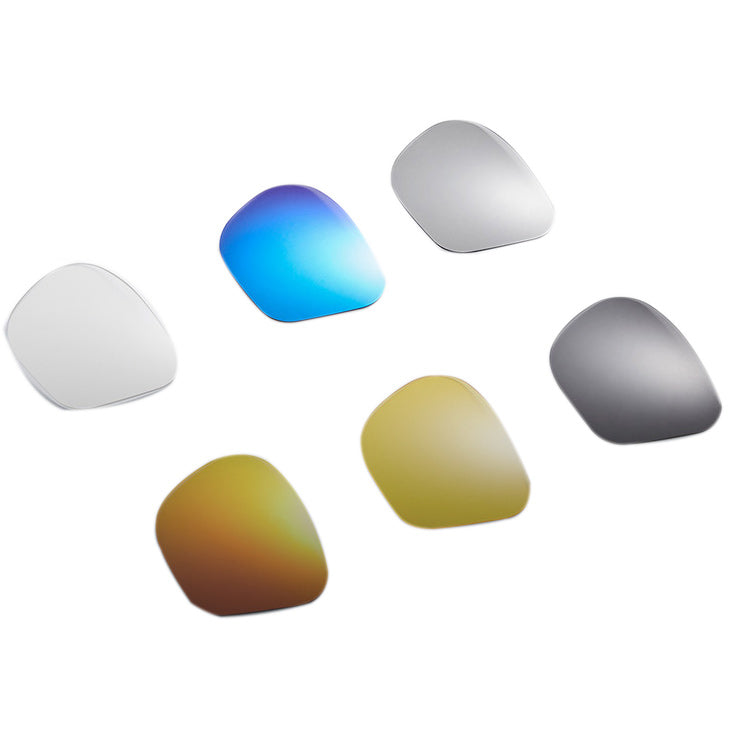
- Lens behavior in changing light, since photochromic and clear lenses respond differently
- Environmental limits and recording permission for the site
Confirm the site's recording policy and run one representative outdoor scene before depending on the glasses in the field.
Check the Workflow Between Recording and Editing
Battery, storage, and transfer are three separate questions, and one specification does not prove the other two.
Separate Runtime, Storage, and Transfer
Battery is a duration question. Storage is a capacity question. Transfer is a workflow question about how footage gets from the glasses to your phone or computer. Check the continuous video runtime in your intended resolution and frame rate, not just a general "working time" figure, since audio-only or standby time can look better than actual recording time.
Confirm What Works Without a Phone
Basic recording and onboard storage may work independently, while translation, voice control, and app-based export can require a connected phone, app, or network. Before you buy, confirm which features need a phone and which operating systems or apps are supported, especially if you plan to record without carrying a phone.
Treat AI and Translation as a Separate Buying Decision
AI translation and connected audio solve a communication need, not a recording-quality need, so evaluate them separately from camera specs. Prioritize them only when hands-free communication is a primary task and you accept possible phone, app, network, and language-coverage requirements. If your only goal is hands-free video, do not treat AI as a substitute for checking stabilization, field of view, audio quality, or active-video runtime.
The supplied store information lists 164 languages in one place and 165 in another. Verify the current language count, app conditions, and coverage for the languages you need before buying.
What to Check Before Buying Camera Glasses
Work through this order before placing an order, since later items depend on the earlier ones.
- Define the scene you will record most often, such as walking, close-range work, or outdoor field visits.
- Confirm the exact video mode, resolution, and frame rate the glasses will use for that scene.
- Check stated stabilization, field of view, and audio behavior, and look for sample footage.
- Verify continuous active-video runtime and charging behavior, not just a general battery figure.
- Confirm storage capacity and the file-transfer method to your phone or computer.
- Check whether any feature you need requires a phone, app, or network connection.
- Check fit, weight, and lens type, including how photochromic or tinted lenses behave in your typical light.
- Confirm current warranty terms, return window, shipping timeline, and included accessories on the live product page, since policies can change.
Complete One Privacy and Venue Check Before Recording
Pause before recording people, private conversations, or restricted spaces. Check the rules that apply where you are, and get clear consent when you are unsure. US recording rules vary by state and context.
The Reporters Committee recording guide explains that consent requirements vary by state and context, and that restrictions can apply to private conversations and hidden-camera use in private places. Check venue, workplace, school, or event policy before recording, too. This is general information, not legal advice for a specific situation.
FAQs
Do Camera Glasses Need a Phone?
Basic recording and onboard storage may work without a phone, but translation, voice control, and app-based export often need one. Check each model's product page for its exact phone, app, and network requirements before you buy.
How Does Stabilization Affect Camera-Glasses Footage?
Stabilization matters most when your head or body is moving, such as walking or cycling. Compare it with field of view and resolution together rather than assuming a higher resolution spec means steadier footage.
What Should I Check for Battery Life?
Look for the continuous active-video runtime in the exact resolution and frame rate you plan to use, not a general working-time figure that may include standby or audio-only use. Also confirm charging behavior and whether the glasses can record while plugged in.
What Should I Check Before Recording Other People?
Before recording another person, a private conversation, or a restricted space, pause. Check the applicable US rules and venue or workplace policy, and get clear consent when you are unsure.


Lämna en kommentar
Denna webbplats är skyddad av hCaptcha och hCaptchas integritetspolicy . Användarvillkor gäller.