


















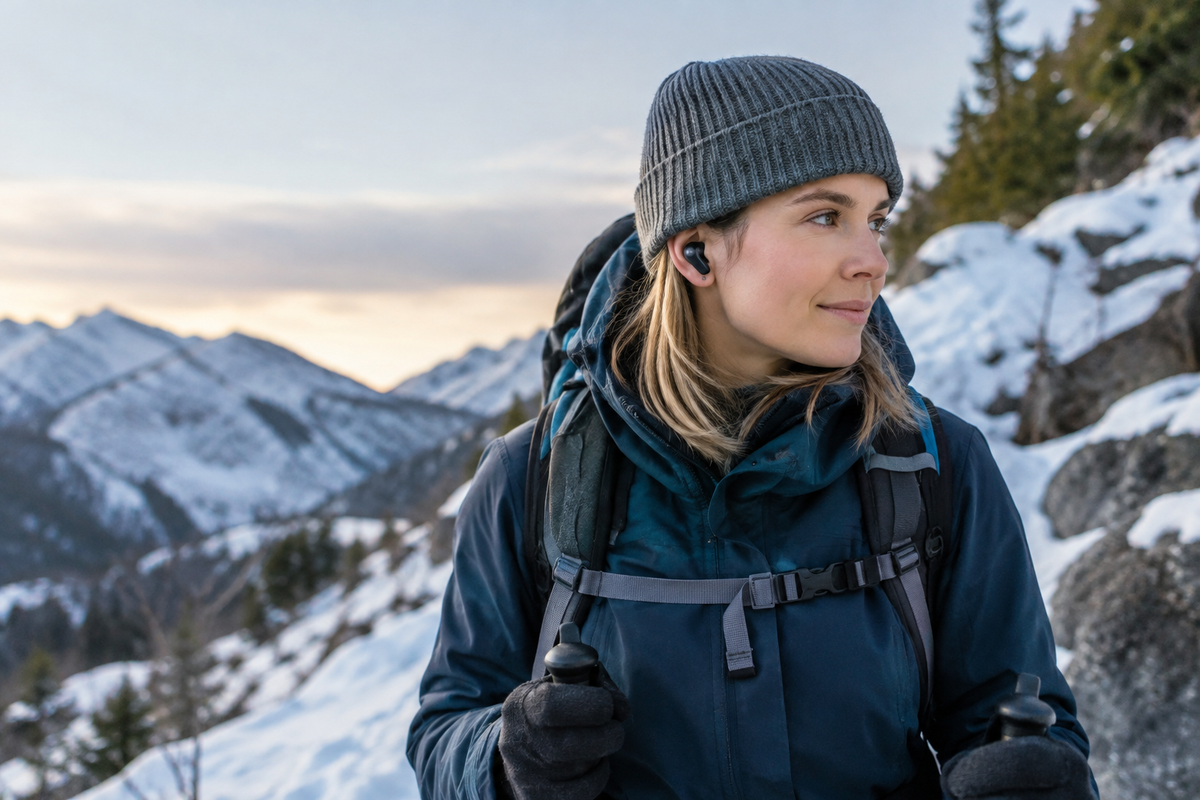
How to Choose Tech Gifts for Outdoor Enthusiasts for Winter 2026
The best tech gifts for outdoor enthusiasts solve a specific problem the recipient already has on the trail, slope, or commute: staying found, staying warm, seeing clearly, or capturing the day without stopping to dig out a phone. Start with how the person actually spends their winter, then narrow down by features.
Match the gift to the recipient’s activity, weather exposure, and need for hands-free use
Choose the gift based on three questions: what activity they do most, how harsh the conditions get, and when their hands are unavailable. A skier wearing thick gloves and a cyclist gripping handlebars both need controls that work without fine finger movements, such as voice commands, large buttons, or motion sensors.
- Backcountry hikers and snowshoers: prioritize navigation, emergency communication, and long battery life over entertainment features.
- Skiers and snowboarders: look for helmet-compatible, glove-friendly gear and anything that records or plays audio without needing a phone in hand.
- Winter runners and cyclists: favor lightweight wearables that keep ears open to traffic and respond to voice or simple taps.
- Travelers and content creators: consider hands-free capture, translation, and portable charging that fits in a daypack.
Also consider exposure time. A two-hour park walk has very different demands from a full day at a ski resort or a multi-day trek. The longer and colder the outing, the more battery capacity, water resistance, and fail-safe backups matter.
Compare battery life, cold-weather performance, comfort, durability, and safety before buying
Cold is the biggest variable in winter tech, because lithium-ion batteries lose usable capacity as temperatures fall. Treat a manufacturer’s stated battery life as a best-case figure and expect noticeably less near or below freezing. Look for devices that publish an operating temperature range and a real-use runtime, not just standby time.
| Factor | What to check | Why it matters |
|---|---|---|
| Battery life | Runtime in cold, charging method | Prevents mid-trip shutdowns |
| Cold performance | Rated temperature range | Avoids sluggish or failing devices |
| Comfort | Weight, fit with hats and helmets | Determines whether it gets worn |
| Durability | IP rating, impact resistance | Handles snow, drops, and moisture |
| Safety | Situational awareness, visibility | Reduces risk outdoors |
Comfort deserves as much attention as specifications. Gear that pinches under a helmet, fogs up, or feels heavy after an hour tends to end up in a drawer. Check sizing, adjustability, and compatibility with the recipient’s existing hats, goggles, and gloves.
Finally, weigh safety. Devices that block ambient sound or distract the eyes can create risk on roads, ski runs, and shared trails. Prefer designs that preserve awareness, and confirm that anything marketed for emergencies works without cell coverage if the recipient travels beyond it.
Which Hands-Free Navigation and Safety Gifts Help Outdoorspeople Stay Found?
The most useful navigation and safety gifts are a GPS smartwatch for everyday route guidance, a satellite messenger for emergencies beyond cell coverage, and a GPS tracker for hikers with dogs. Together, they cover the three questions every winter outing raises: where am I, can I call for help, and is everyone in my group accounted for?
Gift 1: A GPS smartwatch for route guidance, elevation tracking, and quick winter-weather updates
A GPS smartwatch is the best all-round navigation gift because it keeps maps, bearings, and weather data on the wrist, so the wearer never has to pull off gloves to check a phone. Cold temperatures drain phone batteries quickly, while many dedicated outdoor watches are built to run for days in GPS mode.
When comparing models, focus on features that matter in winter conditions:
- Multi-band GNSS, which improves accuracy in forests, canyons, and deep valleys.
- Downloadable topographic maps and breadcrumb trails for following a route without a signal.
- A barometric altimeter that tracks elevation gain and flags pressure drops that often precede storms.
- Physical buttons or a glove-compatible touchscreen, since a touchscreen alone can be frustrating in freezing weather.
- Real battery life in GPS mode, not just the smartwatch-mode figure on the box.
A practical tip for the giver: check which phone the recipient uses, because weather updates and notifications usually sync through a companion app. Add a spare charging cable to the gift, as proprietary chargers are easy to forget on a trip.
Gifts 2 and 3: A satellite messenger for off-grid SOS and a GPS dog tracker for hikes with a canine companion
A satellite messenger is the safest gift for anyone who hikes, skis, or snowshoes beyond cell coverage. These pocket-sized devices connect to satellites to send an SOS to a 24/7 emergency response center, share a live location with family, and exchange short text messages. The gift is only complete with an active service plan, so budget for a monthly or annual subscription, and note that some plans can be paused in the off-season.
To make it useful, clip it to a pack strap where it can be reached quickly, and make sure the recipient tests it outdoors with a clear view of the sky before the first big trip.
For hikers with a four-legged partner, a GPS dog tracker removes the worry of a dog bolting after wildlife or getting lost in snowy terrain, where tracks and scents are quickly covered. Look for:
- Cellular or radio-based tracking, depending on whether the usual trails have mobile coverage.
- A waterproof, durable housing and a secure collar fit for thick winter coats.
- Battery life that outlasts a full day outdoors, plus a geofence or live-map alert.
Measure the dog's neck and weight before buying, and remember that most trackers also require a subscription for tracking data.
Gift tip: a satellite messenger and a GPS watch work well as a pair, since the watch handles routine navigation and the messenger serves as the backup when something goes wrong.
Which Wearable Tech Gifts Improve Visibility, Awareness, and Warmth?
The best wearable tech gifts for winter are a rechargeable headlamp, open-ear bone-conduction headphones, and heated gloves. Each one solves a specific cold-season problem: short daylight, reduced awareness of surroundings, and numb hands. Navigation and safety gear keeps someone found, and these three make every hour outside more comfortable and controlled.
Gift 4: A rechargeable, helmet-compatible headlamp with a glove-friendly control or motion sensor
A rechargeable headlamp with a glove-friendly switch or wave sensor is a top pick among tech gifts for outdoor enthusiasts, because winter hikes, ski tours, and dog walks often start or end in the dark. Fumbling with tiny buttons in thick mittens is a common frustration, so look for a large side button or a motion sensor that switches modes with a hand wave.
- Choose a USB-C rechargeable model with a battery level indicator and a lock mode to prevent accidental activation in a pack.
- Check for an IPX4 or higher water-resistance rating to handle snow and sleet.
- Look for a flat, adjustable strap or helmet clips that sit securely over a ski, climbing, or cycling helmet.
- Prefer a red-light mode, which preserves night vision and is less glaring when sharing a trail or camp.
Lithium batteries lose capacity in freezing temperatures, so a headlamp with a regulated output and a spare charged cell or power bank is more dependable than a bright but short-lived one.
Gifts 5 and 6: Open-ear bone-conduction headphones for situational awareness and rechargeable heated gloves for cold-weather comfort
Open-ear bone-conduction headphones let a listener enjoy music, podcasts, or calls while still hearing wind, traffic, other skiers, or a barking dog. The sound travels through the cheekbones or from small speakers positioned near the ear canal, so nothing blocks outside noise. This makes them well suited to winter running, cycling, and commuting, though listeners should still keep the volume moderate and follow local rules on headphone use while riding.
- Pick an IP55 or higher rating for sweat, snow, and light rain.
- Make sure the frame fits comfortably under a beanie, hood, or helmet strap.
- Look for multipoint Bluetooth and a built-in microphone for hands-free calls.
Rechargeable heated gloves add warmth where it matters most. Models with carbon-fiber or wire heating elements typically offer three heat settings and run for roughly two to six hours depending on the level, so check the stated runtime at the highest setting, not only the lowest.
- Measure the recipient's hand size and consult the brand's sizing chart, since a snug fit improves heat transfer.
- Confirm the gloves have a waterproof outer shell and touchscreen-compatible fingertips.
- Consider removable batteries, which allow a quick swap mid-day.
Gift tip: pair heated gloves with a spare battery, and give the headlamp and headphones together with a short USB-C cable so everything charges from one power bank.
Together, these three gifts keep an outdoor lover seeing, hearing, and comfortable from the first dark morning start to the last cold evening finish.
Which Hands-Free Gifts Help Capture Adventures and Keep Gear Powered?
The best hands-free capture and power gifts are a chest-mounted action camera, voice-controlled smart glasses, and a backpack-mounted solar panel. Together, they let someone record a winter outing and keep devices running without stopping to fumble with a phone or hunt for an outlet.
Gift 7: A chest-mounted action camera with image stabilization for hands-free winter footage
A chest-mounted action camera with electronic or gimbal-style stabilization is a strong gift for skiers, snowshoers, and winter cyclists. A chest harness keeps the lens low and steady, so it records the trail, slope, or handlebars while both hands stay on poles or grips. Stabilization smooths the bumps and vibration that make handheld footage hard to watch.
Check these details before buying:
- Stabilization quality at 4K and at 1080p, since some cameras limit it at the highest resolution.
- Rated operating temperature, as many cameras lose runtime quickly below freezing.
- Waterproofing without a case, which helps with snow, sleet, and quick lens wipes.
- Voice control or a simple remote so recording can start with gloves on.
Add a spare battery and a small insulated pouch. Keeping the spare close to the body helps it hold charge until it is needed.
Gifts 8 and 9: Voice-controlled smart glasses for quick photos and a backpack-mounted solar panel for charging on the move
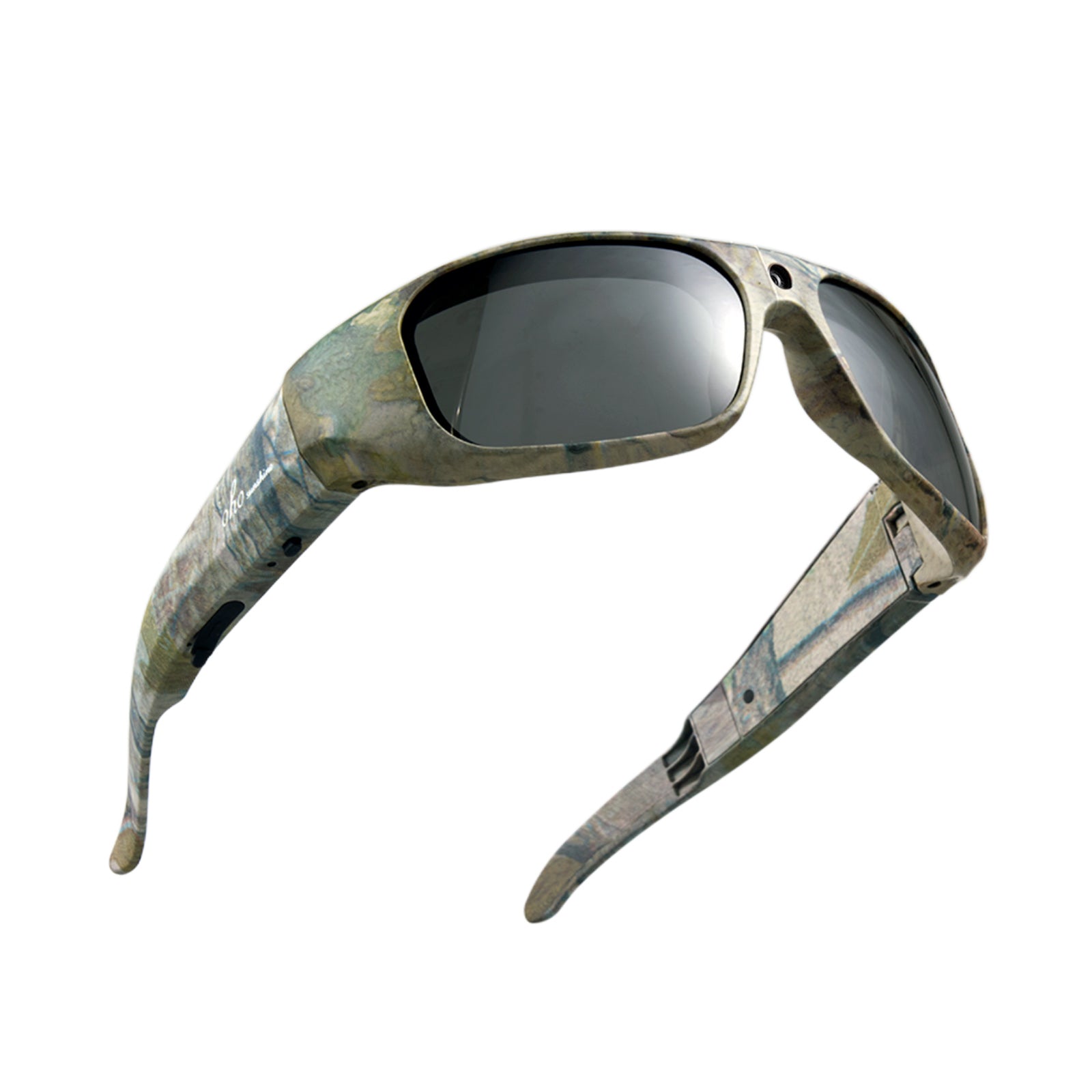
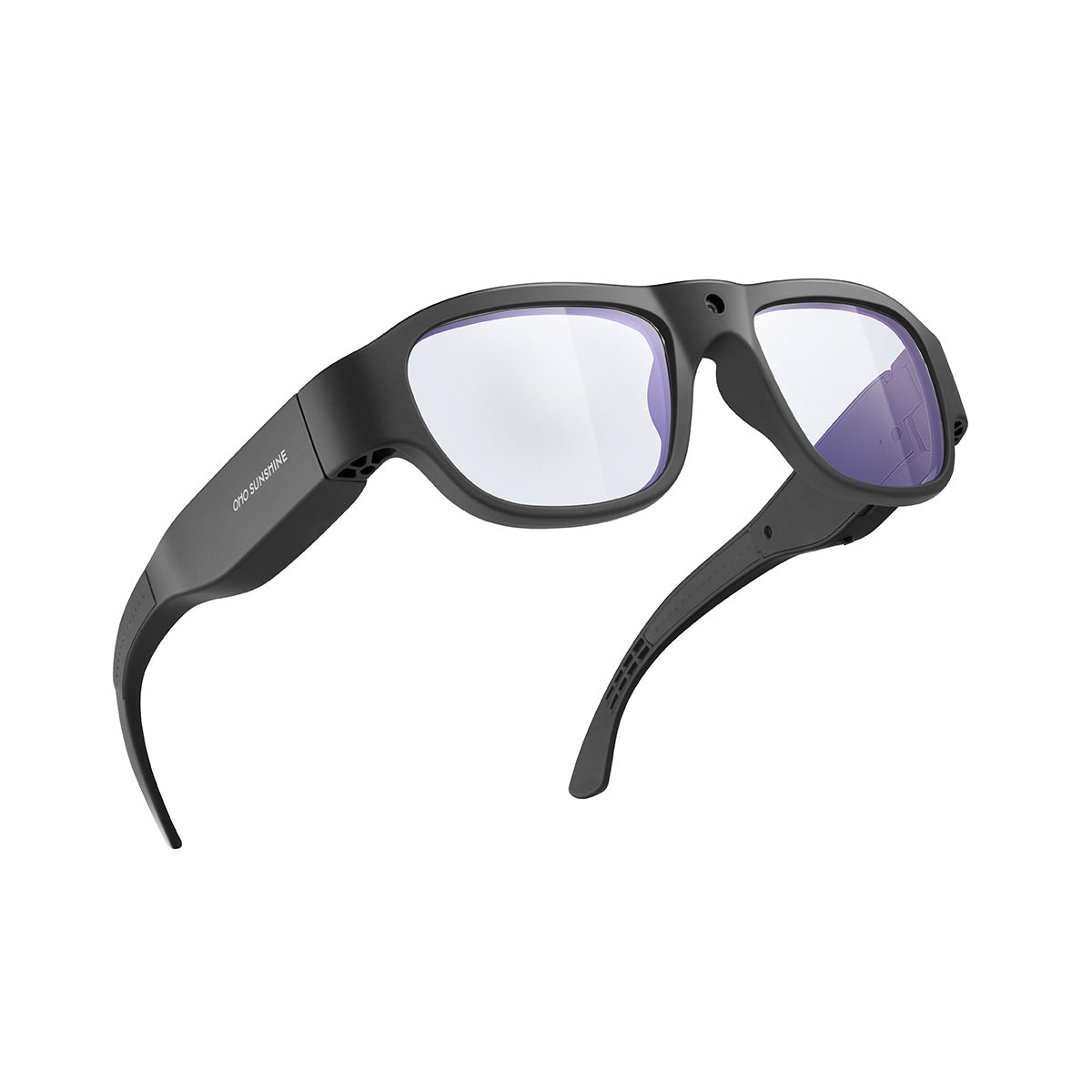
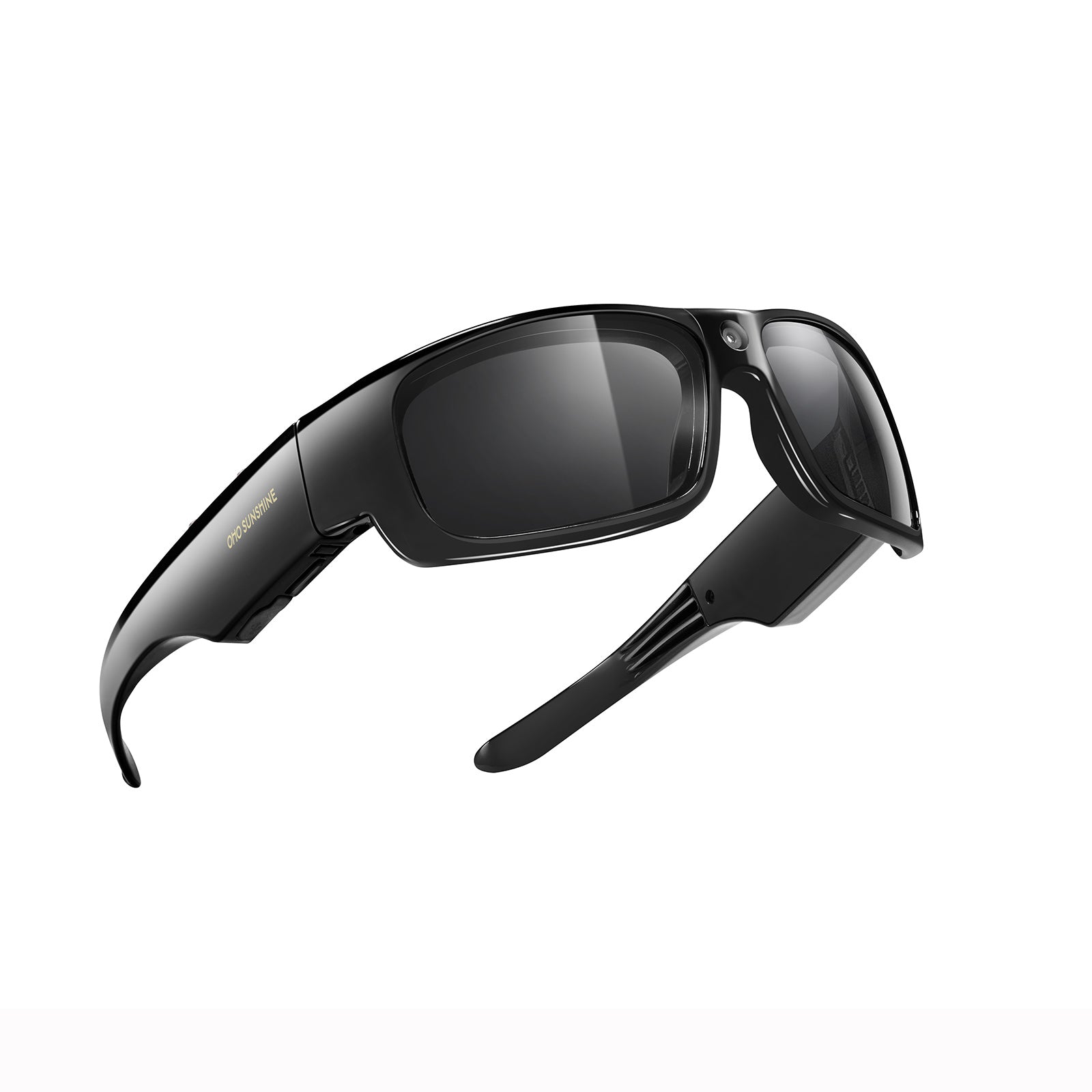
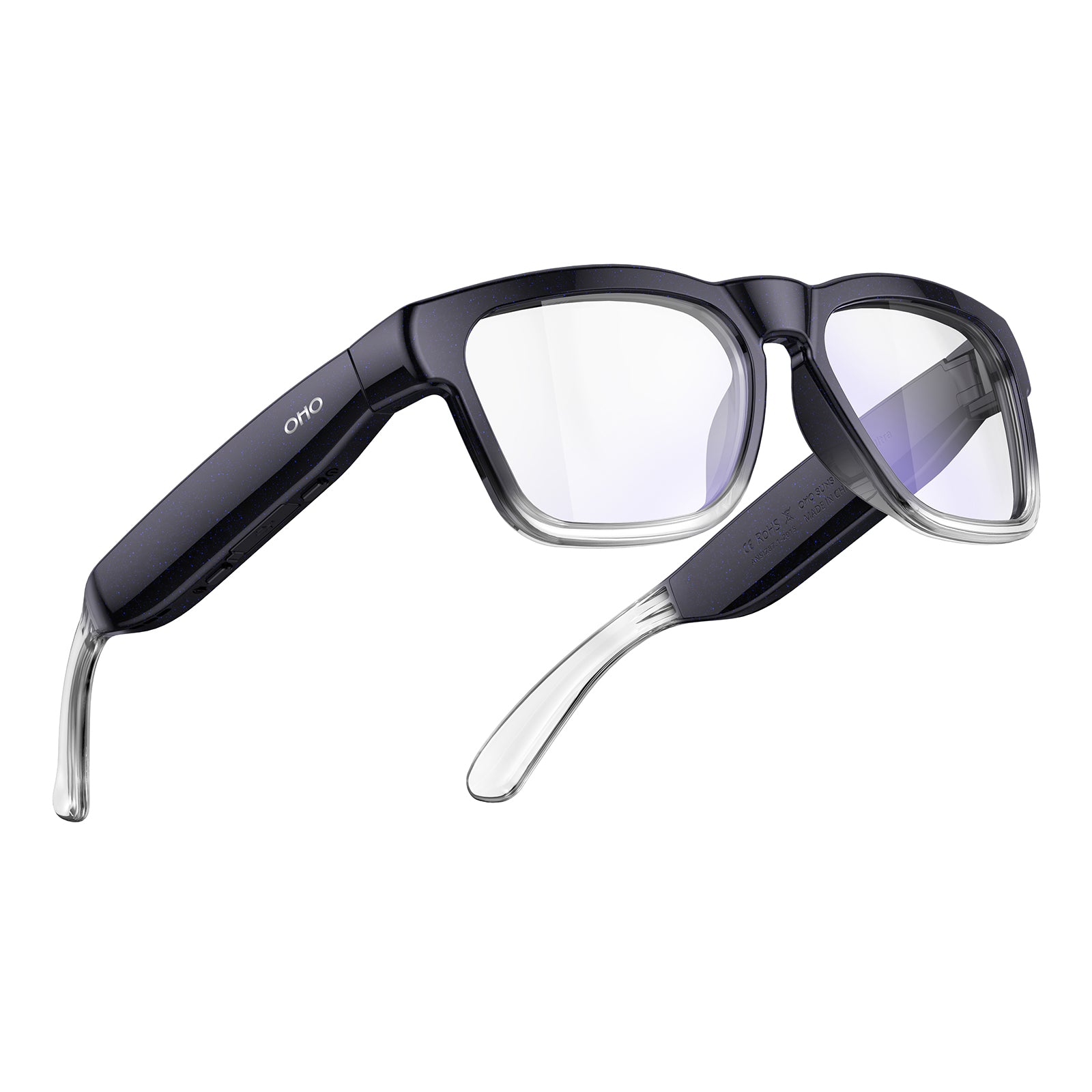
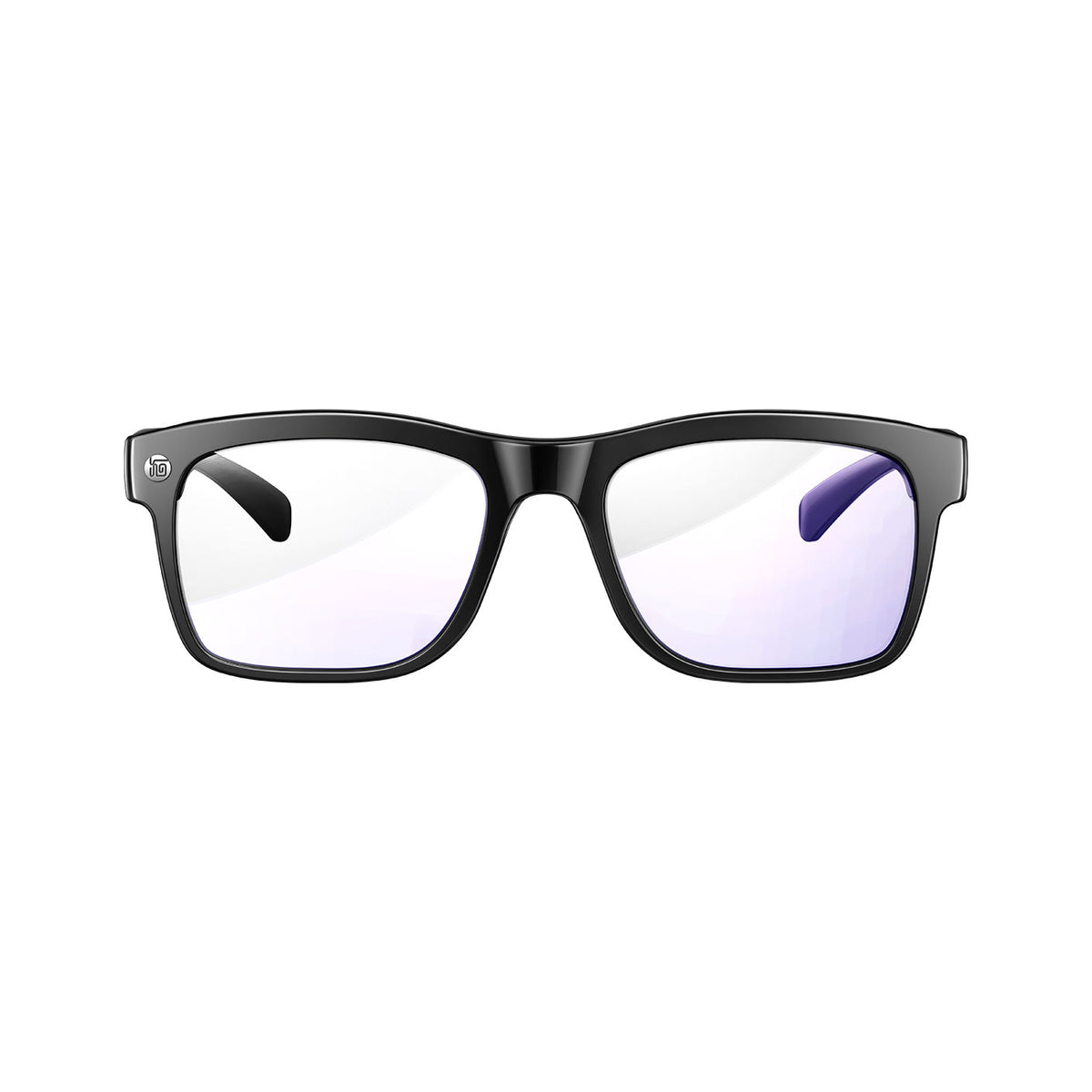
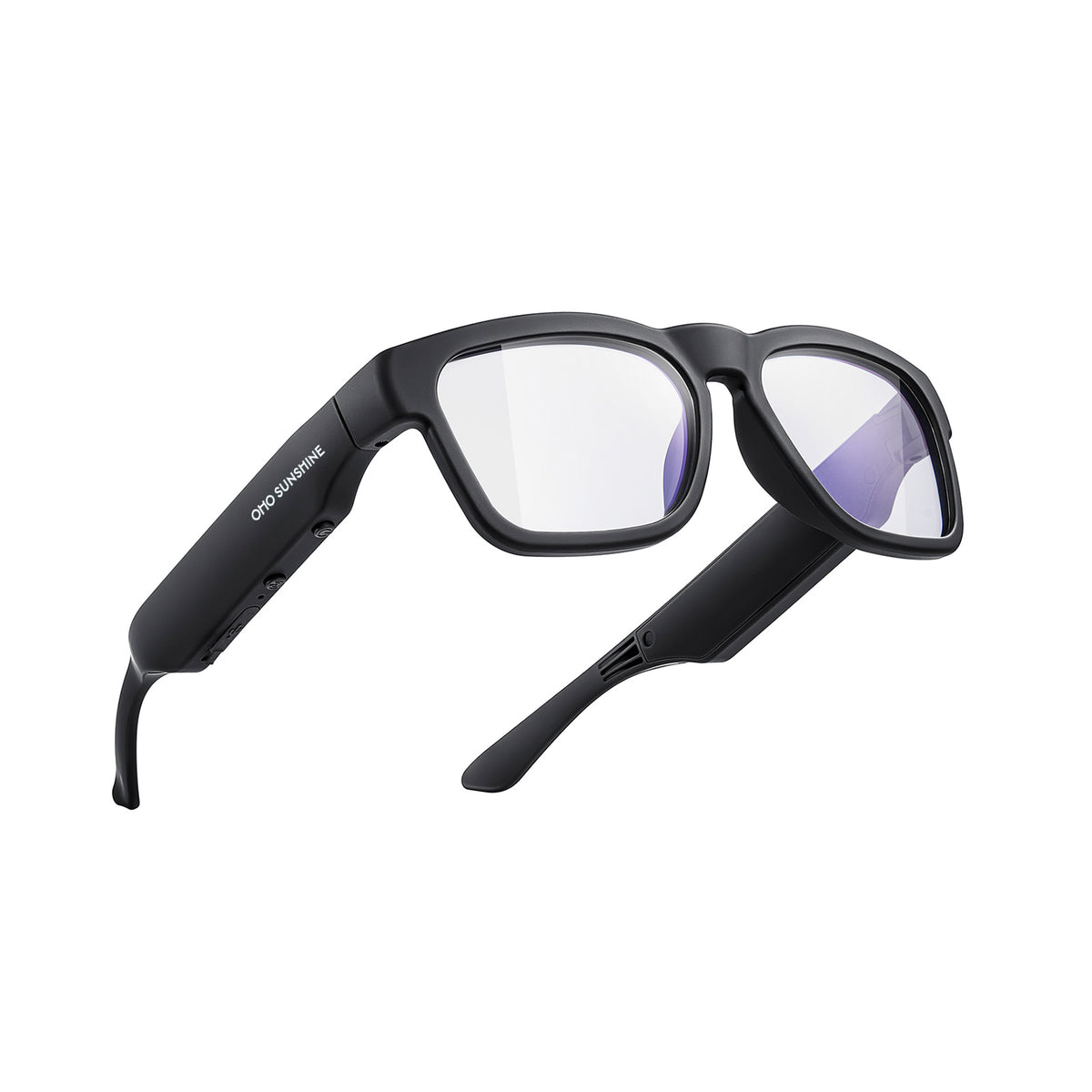
Voice-controlled smart glasses capture first-person photos and short clips with a spoken command or a touch on the frame. That suits moments when pulling out a phone or camera is impractical, such as a summit view, a lift ride, or a snowy street while traveling. Many models also add open-ear audio for calls and music, plus voice recording and translation, so one wearable covers several needs.
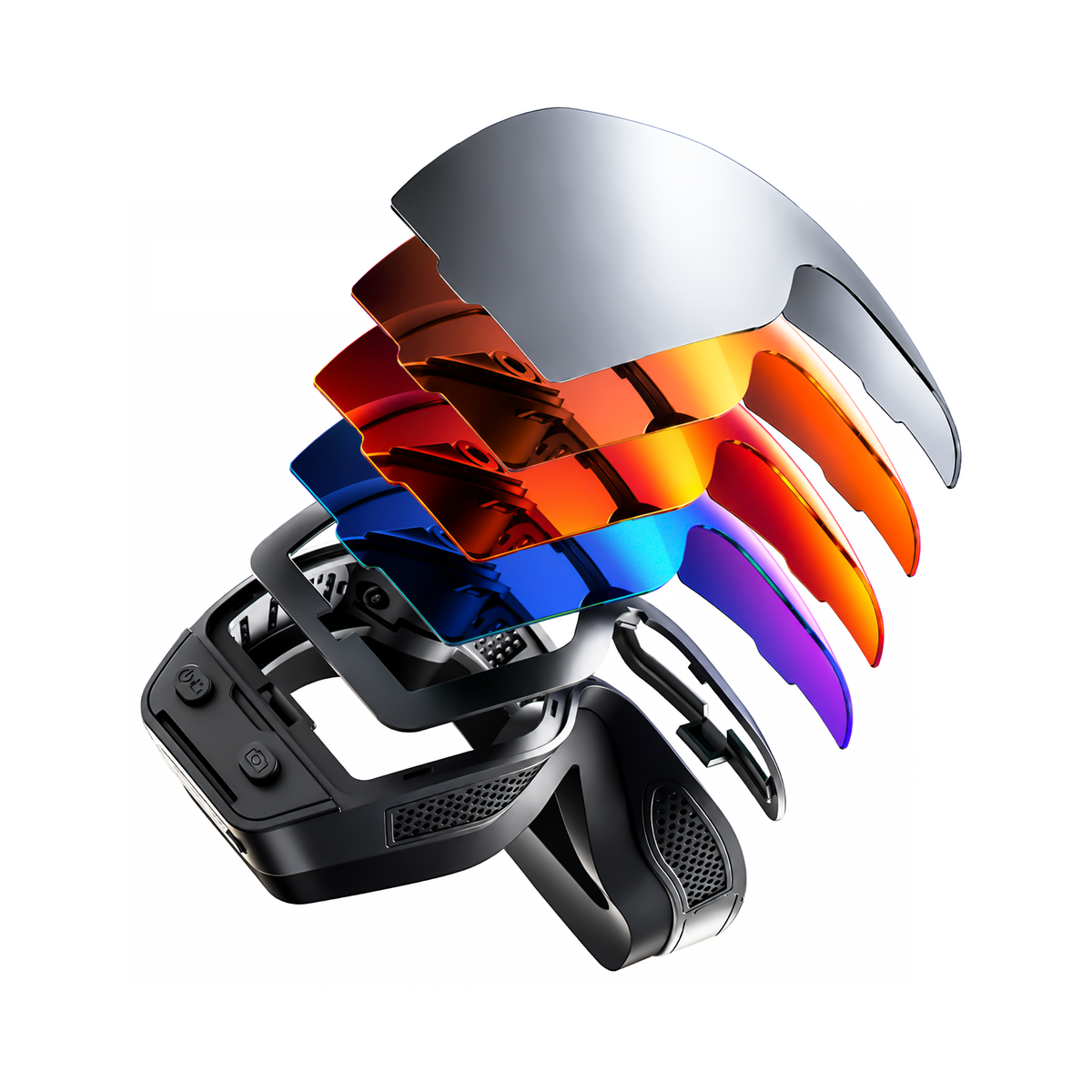
For skiers and snowboarders, camera ski goggles such as those from OHO SUNSHINE combine goggle protection with video and photo capture. Look for prescription-compatible options if the recipient wears corrective lenses, and confirm that the frames fit comfortably under a helmet or hat.
A backpack-mounted solar panel is the practical companion gift. It trickles power into a power bank while the wearer walks, which helps on multi-day trips. Winter has shorter days and weaker sun, so treat it as a top-up rather than a full charger.
- Choose a foldable panel with a USB-A or USB-C output that suits the recipient's devices.
- Pair it with a power bank, because charging a phone or camera directly from a panel in changing light can be unreliable.
- Look for a rugged, water-resistant build with loops or eyelets for strapping to a pack.
Tip: Wrap the gift with a short USB cable and a small pouch so the recipient can test the setup before the first trip.
How to Compare, Buy, and Prepare Winter Outdoor Tech Gifts
Once you have narrowed down the gift, a few practical checks separate a gift that gets used all winter from one that sits in a drawer. Compare each option on fit, compatibility, ongoing costs, and real cold-weather performance before you buy.
Use a practical checklist for sizing, device compatibility, subscriptions, return policies, and cold-weather battery limits
The best tech gifts for outdoor enthusiasts pass five checks: they fit over winter layers, work with the recipient's phone, carry no surprise fees, can be returned, and run reliably in the cold. Run through this list before checkout:
- Sizing: Heated gloves, helmet-compatible headlamps, and smart glasses need the right size. Check the glove sizing chart against the recipient's hand measurement, and confirm that glasses or goggles fit over or under a helmet and a beanie.
- Device compatibility: Confirm that the gift pairs with their phone's operating system (iOS or Android) and any app they already use. Satellite messengers and GPS watches often rely on a companion app.
- Subscriptions: Satellite messengers usually require a monthly or annual plan, and some GPS dog trackers charge for cellular service. Note the cost, whether you can pause the plan, and whether you will cover it or the recipient will.
- Return policies: Look for a return window of at least 30 days, and check whether opened or activated devices qualify. A gift bought in November should still be returnable after the holidays.
- Cold-weather battery limits: Lithium-ion batteries lose capacity in freezing temperatures. Check the manufacturer's stated operating range, and favor devices rated well below the temperatures the recipient will face.
Tip: Include a gift receipt and a note listing any plan or app the recipient needs to activate. It avoids frustration on the first day.
Set up, test, and pack each gift safely before the first winter outing
Every device should be fully set up and tested at home before it goes on a trail. Charge it completely, update the firmware, pair it with the phone, and activate any subscription plan while you still have Wi-Fi and cell service.
Then test it in realistic conditions. Wear heated gloves while operating a phone, send a test message from a satellite messenger outdoors with a clear view of the sky, and walk the dog tracker's geofence around the yard. Leave one device in the freezer-door area of a cold garage or on a porch for an hour to see how the battery and screen respond.
Pack with the cold in mind:
- Keep spare batteries, power banks, and charging cables in an inside jacket pocket, close to body heat.
- Store cameras and smart glasses in a padded case, and let them warm up gradually to prevent condensation when coming indoors.
- Carry a paper map and a backup light, since no device is a replacement for basic navigation and safety gear.
- Share the plan with someone, including the route and expected return time, before heading out.
A few minutes of preparation turns a thoughtful gift into a dependable piece of winter gear.
Winter 2026 Tech Gifts for Outdoor Enthusiasts: Frequently Asked Questions
A satellite messenger is the best choice for hikers who go beyond cell coverage, because it can send an SOS and text messages from almost anywhere with a clear view of the sky. Unlike a phone, it does not depend on local towers, and most models clip to a pack strap so they stay within reach without being held. Check the subscription plan before buying, since SOS monitoring and messaging usually require a paid service tier.
For the strongest setup, pair the messenger with a GPS smartwatch. The watch handles route guidance, elevation, and weather alerts at a glance, while the messenger covers emergencies. Before the first trip, the recipient should test the device outdoors, share a tracking link with a trusted contact, and confirm the SOS contact details are correct.
The best wearables for winter conditions are those with a clear water-resistance rating (IPX4 or higher for splashes and snow, IPX7 for brief submersion), glove-friendly controls, and a stated operating temperature range. Rechargeable heated gloves, GPS smartwatches with physical buttons, and helmet-compatible headlamps with a motion sensor all handle cold, wet use well.
- Choose physical buttons or voice control over touchscreens, which often fail with gloves on or wet fingertips.
- Look for sealed charging ports or protective covers to keep snow and moisture out.
- Check the manufacturer's listed operating temperature, not only the water rating.
- For eyewear, prefer anti-fog, impact-resistant lenses designed for sport use.
Open-ear headphones are generally safer for winter hiking and cycling because they leave the ear canal uncovered, so you can still hear traffic, other skiers, avalanche-control warnings, or a hiking partner's voice. Earbuds, especially those with noise cancellation, can mask exactly the sounds that signal danger.
Open-ear designs are not risk-free. Keep the volume low enough to hold a conversation, and remember that wind noise can drown out audio in cold, exposed areas. Many cyclists and some local regulations discourage any headphone use on busy roads, so check the rules where you ride. Make sure the frame fits comfortably under a helmet, hat, or beanie before choosing a pair.
Keep rechargeable devices warm, because lithium-ion batteries lose capacity quickly in freezing temperatures. Store them in an inner jacket pocket close to your body, and take them out only when needed. Most devices recover much of their charge once they warm up again.
- Start every outing with a full charge, and avoid charging a device that is very cold.
- Carry a small power bank in an insulated pouch, along with a short charging cable.
- Turn off unused features such as constant GPS tracking, screen-always-on modes, or Bluetooth.
- Pack spare batteries for headlamps and cameras if the model allows swapping.
- Use a backpack-mounted solar panel only as a top-up, since winter daylight is short and weak.
Plan on getting less runtime than the rated figure, and treat any gadget as a backup to a paper map, extra layers, and a clear route plan.



Lasă un comentariu
Toate comentariile sunt moderate înainte de a fi publicate.
Acest site este protejat de hCaptcha și hCaptcha. Se aplică Politica de confidențialitate și Condițiile de furnizare a serviciului.