



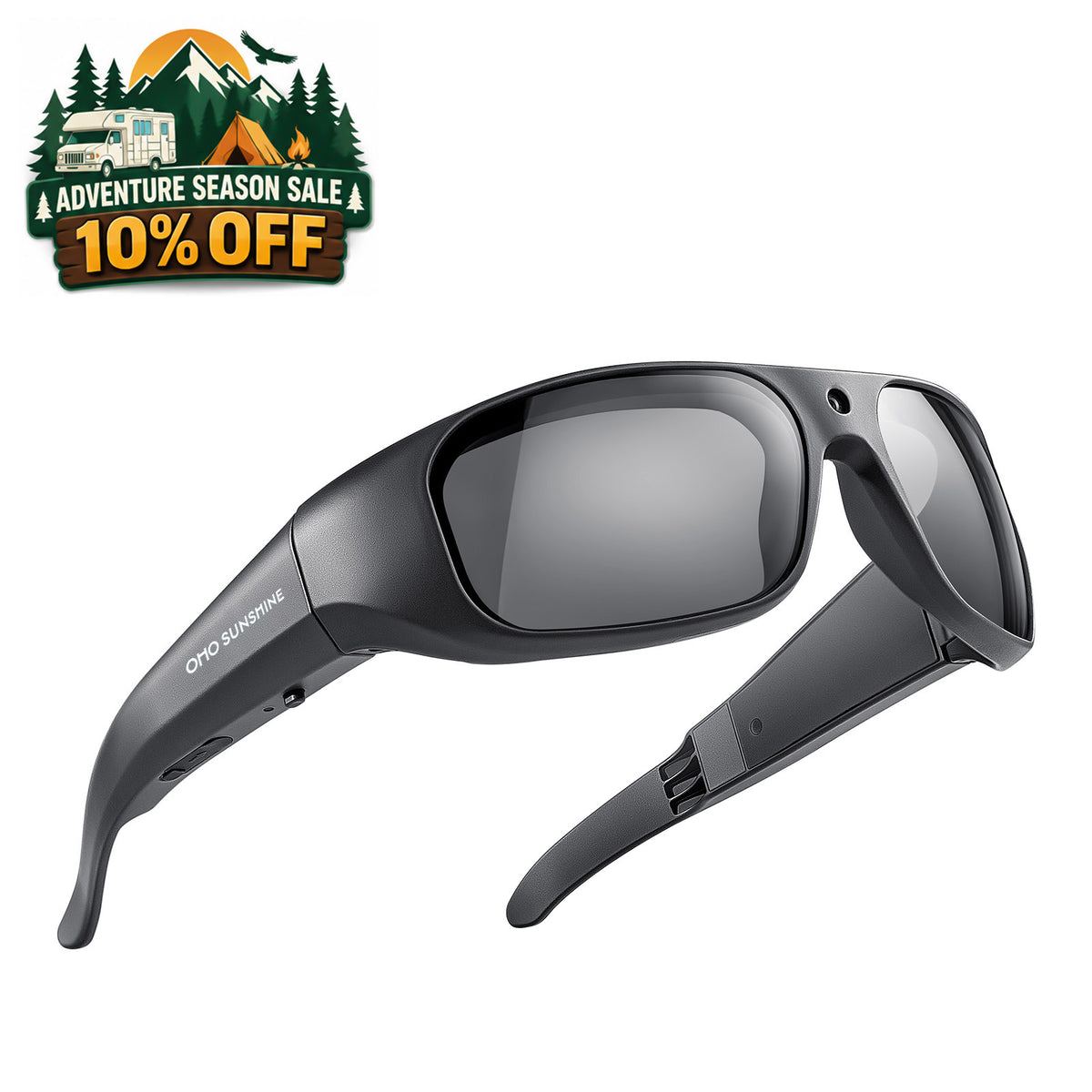


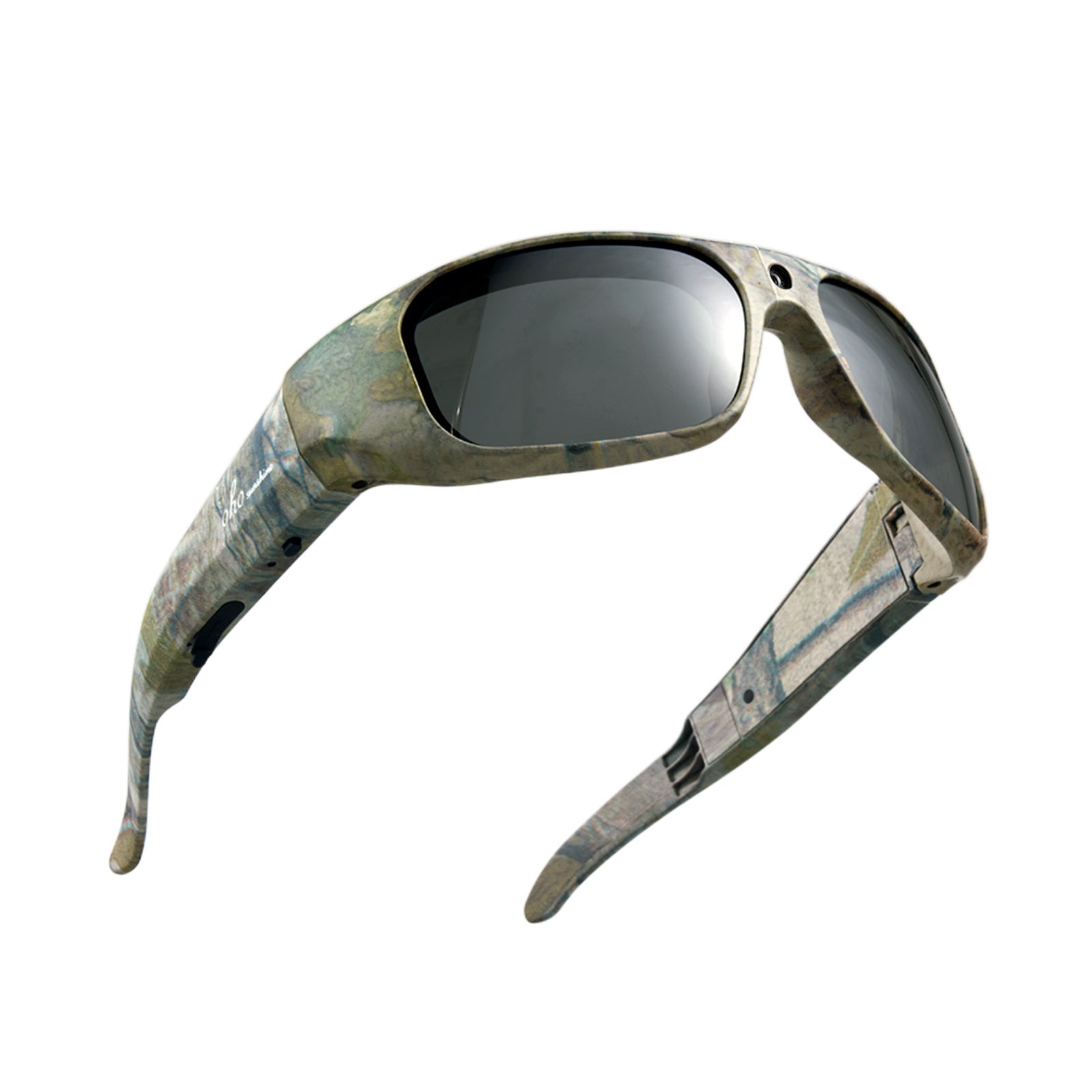


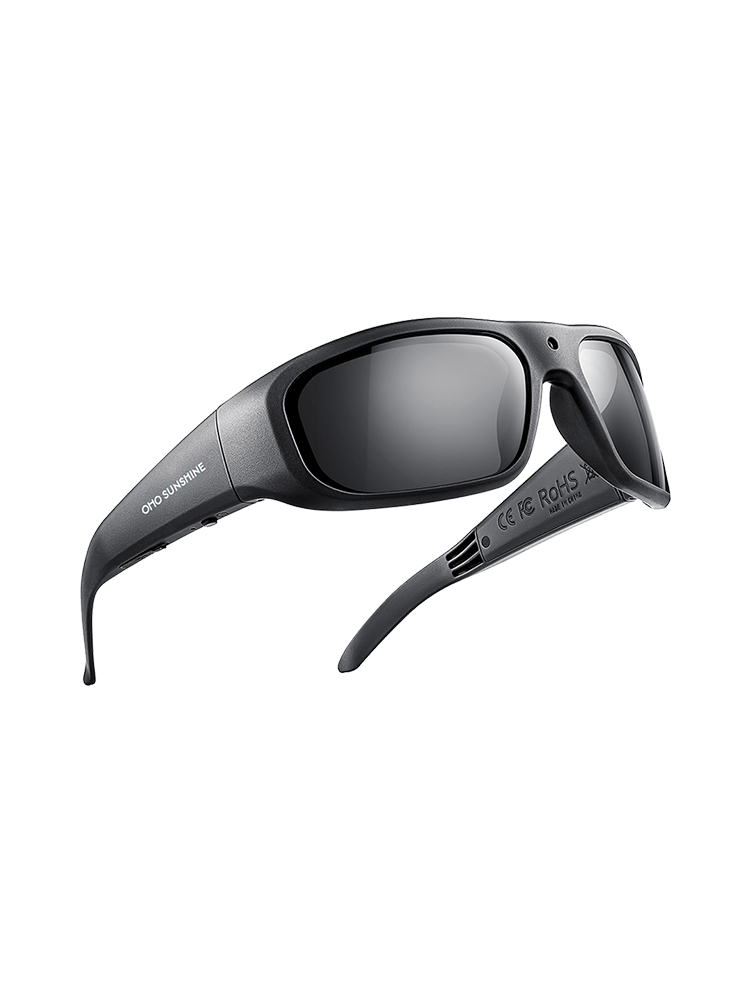


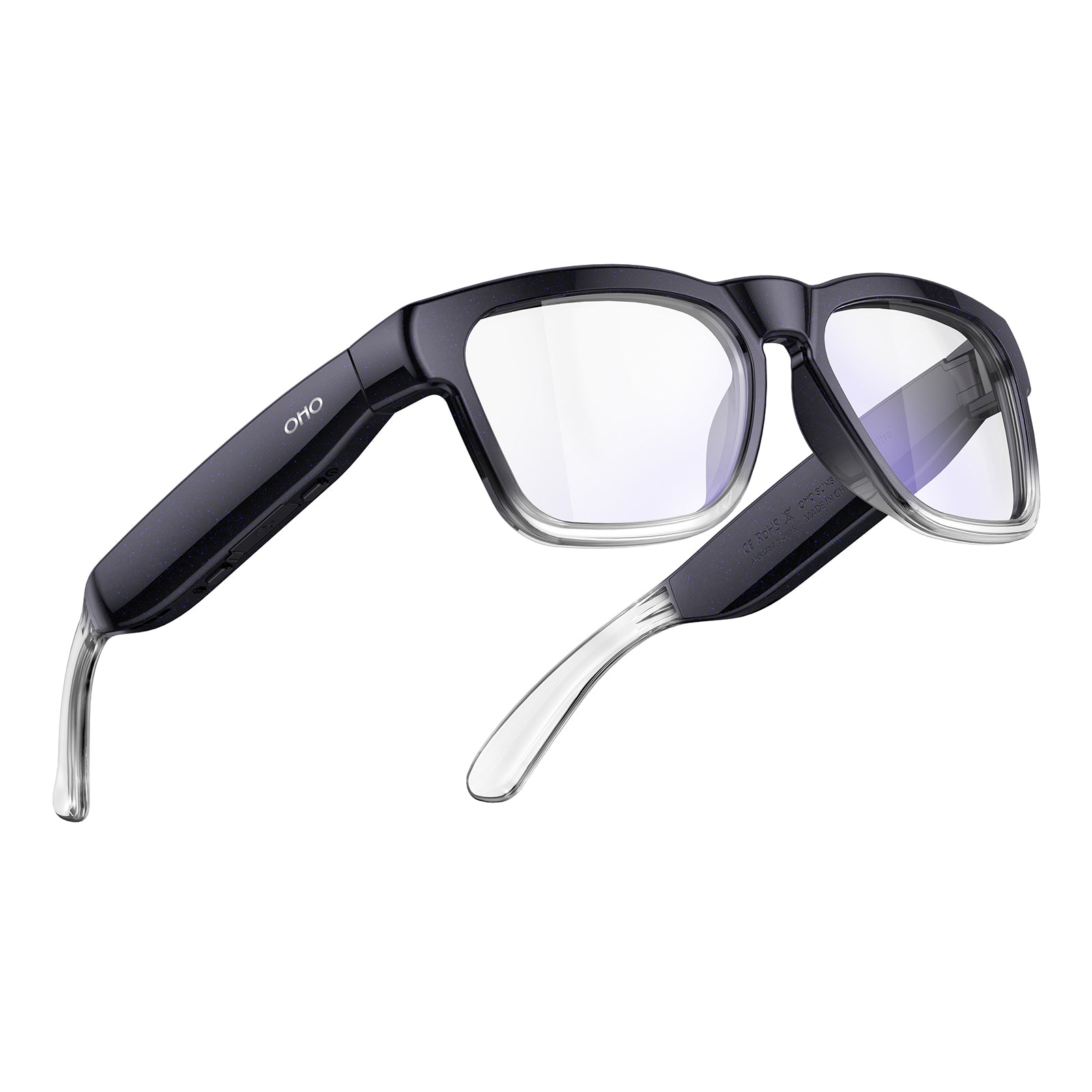

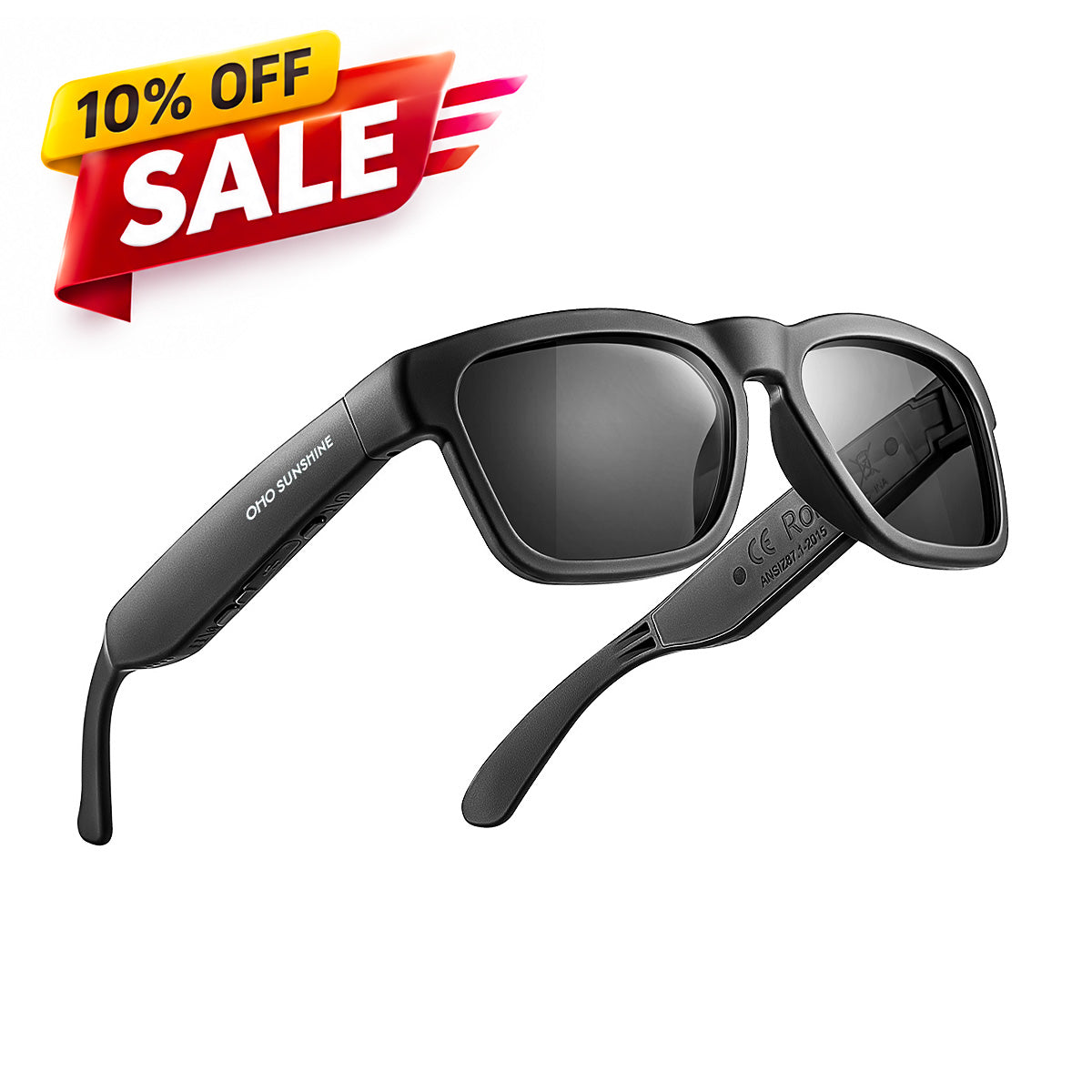


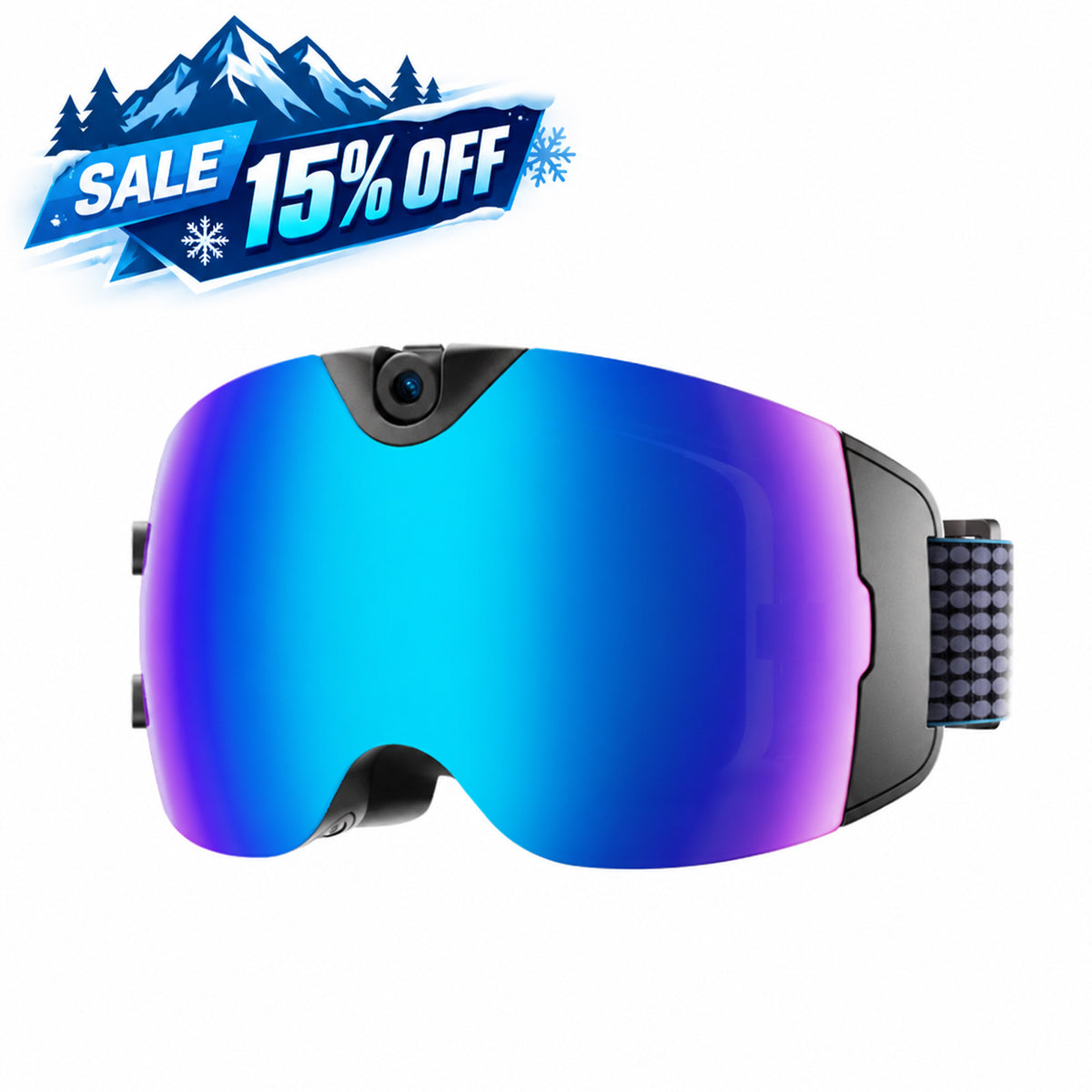
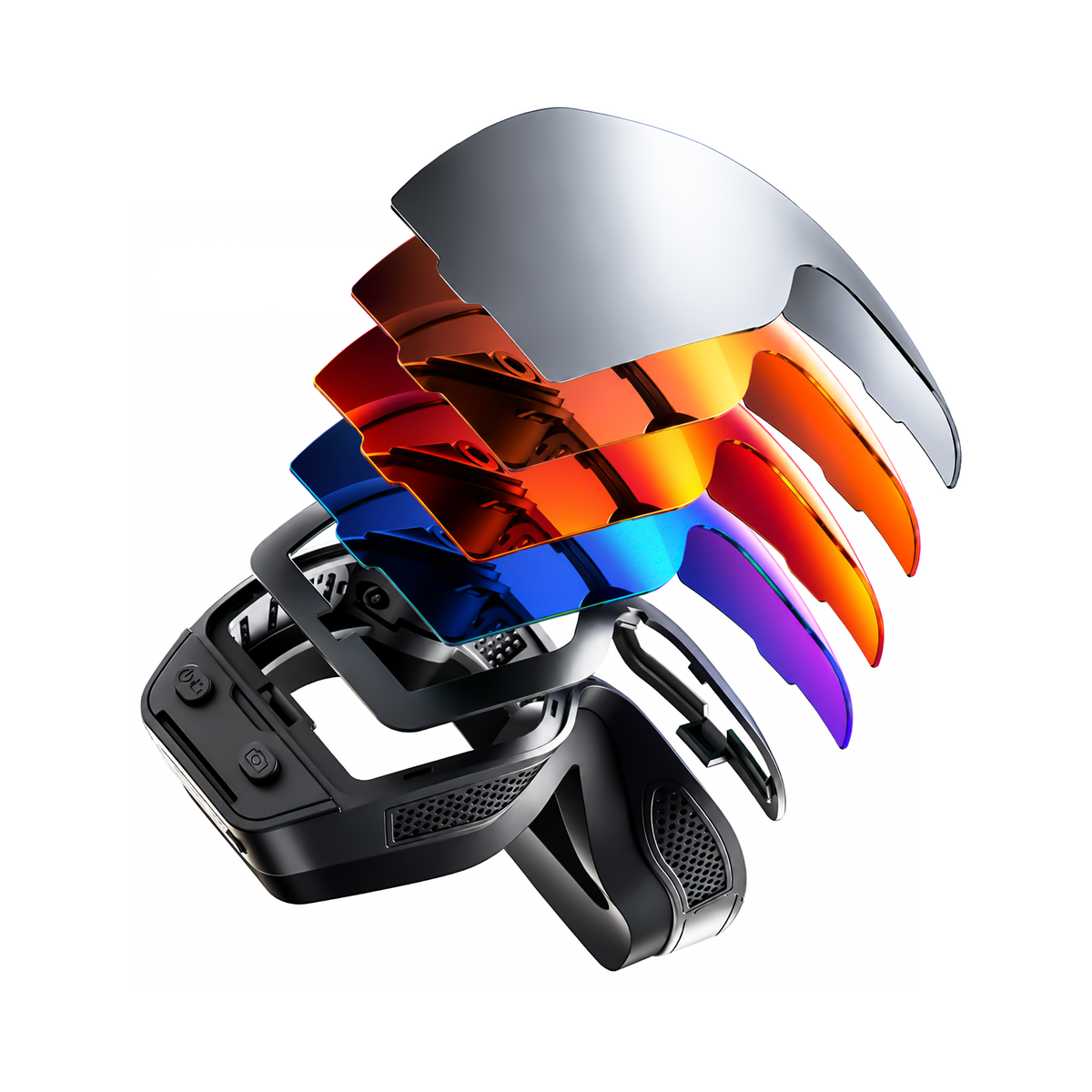

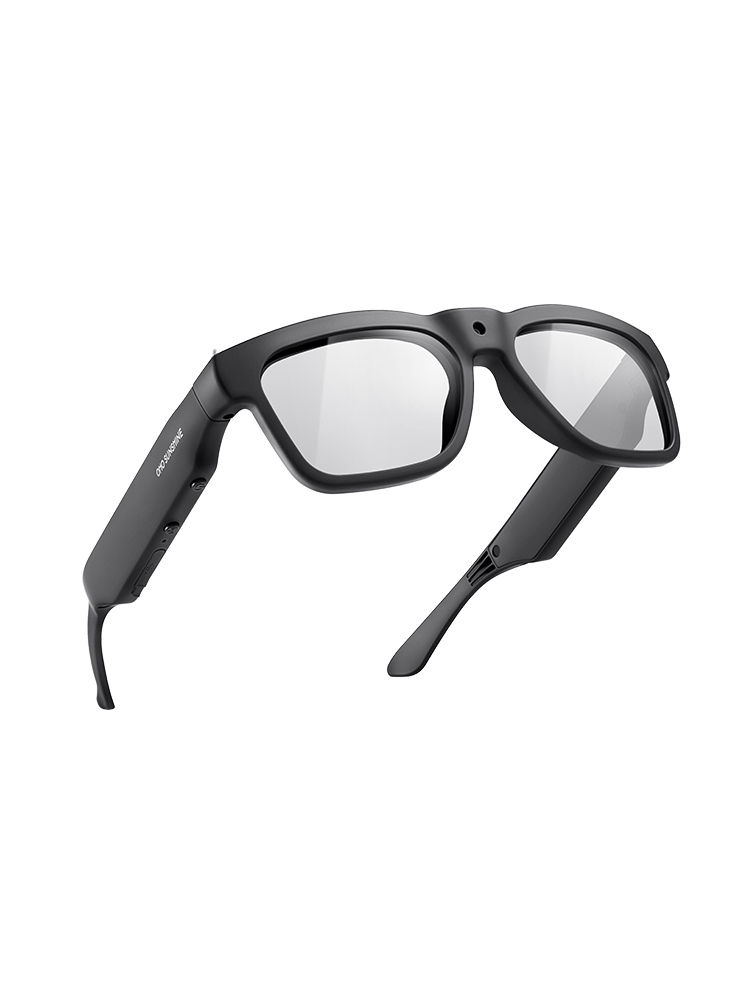

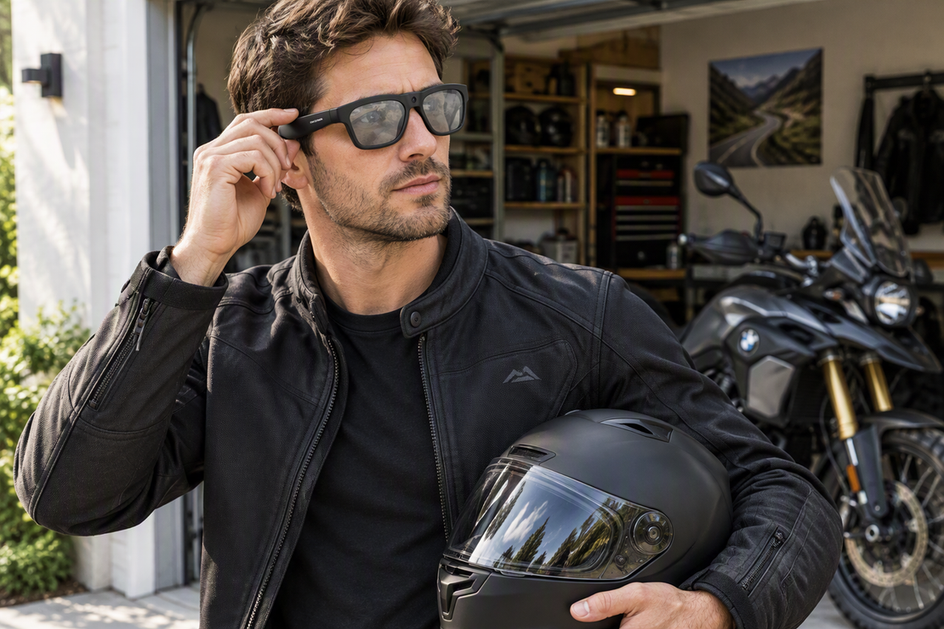
Smart glasses with a camera can feel comfortable under a motorcycle helmet, but only when your specific glasses-and-helmet combination keeps the helmet's original fit, gives you clear vision, and does not press painfully behind your ears or against your cheeks. That is a per-combination answer, not a universal one.
This guide walks you through a stationary fit test you can run before any highway ride, then helps you decide when to keep the camera in your glasses versus when an external mount makes more sense. Use the checks below before you trust any combination on the road.
Can Smart Glasses With a Camera Fit Under a Motorcycle Helmet?
Smart glasses with a camera can fit under a motorcycle helmet, but only when the frame and camera housing do not disturb the helmet's original seating, pressure, or your view through the eye port. The three checks below tell you whether that is true for your setup.
How Temple Thickness and Cheek Pads Create Pressure
Thick temples and hinges create the most common pinch point, because that is exactly where a helmet's cheek pads press against your skull. A frame that feels fine on its own can still push painfully into your skin once a snug helmet closes around it. Our smart glasses fit guide walks through the same bridge, temple, and pressure checks for everyday wear, and the same logic applies once a helmet goes on top.

Check for these signs before you trust the fit:
- Temple arms or hinges that feel thicker than the helmet's cheek-pad channel
- New pressure or a hot spot behind either ear once the glasses go on
- Cheek pads compressing unevenly around the temple instead of sitting flat
- The frame shifting position when you turn or tilt your head
- Any change in how snugly the helmet seats compared with wearing it bare-faced
Do not solve a pressure problem by loosening the helmet or cutting into the liner to make room for the glasses. A correctly sized helmet should give even pressure around your head and should not move when you shake it, and any interior alteration beyond a manufacturer-approved swap risks the helmet's structural integrity and can void its warranty, so keep stable helmet seating intact instead of modifying the fit around the eyewear.
How to Check Optical Alignment and Visor Clearance
Your eyes should sit in the same centered spot inside the helmet as they do without the glasses, with both lenses level and steady. Helmet-fit guidance built around centered eye position and cheek-pad fit treats that alignment, along with snug cheek-pad contact, as a sign that the helmet's intended fit has not shifted, though it is a general fit indicator rather than a certification for any specific camera-glasses model.
Confirm each of these while the helmet is fully seated:
- Your eyes line up with the helmet's eye port the same way they do bare-faced
- Peripheral vision is not blocked by thick frames or a raised camera housing
- The lenses do not touch or drag the visor when you open, close, or turn your head
- The frame does not slide down your nose or tilt once the helmet closes around it
- The camera's actual recorded view matches what you expect, checked while stationary rather than assumed from a product listing
If any of these checks fail, stop and do not ride with that combination. Glasses that obstruct your vision, interfere with visor operation, or move your eyes away from the helmet's intended eye-port position are a safety stop, not a comfort inconvenience to work around.
Run the Stationary 30- to 45-Minute Fit Test
A stationary test before any ride is the most reliable way to catch problems that only show up after sustained contact. NHTSA recommends a 30- to 45-minute wear test for any new helmet, and the same window works well for checking a camera-glasses combination, since some hot spots only surface after they have pressed on your skin for a while.
- Put on the glasses the way you actually plan to wear them, then seat the helmet normally and fasten the chin strap.
- Sit or stand still and wear the combination for 30 to 45 minutes without riding.
- At intervals, check for pressure behind your ears, at the bridge of your nose, and along the cheek pads.
- Shake your head gently and rotate it side to side to confirm the helmet does not shift or loosen.
- Open and close the visor, then check that your vision stays clear and centered throughout.
- Treat a clean result as a pass for this specific combination, not as proof of comfort over a full tank of highway miles or of crash performance.
When Should You Choose Smart Glasses or an External Camera Mount?
Once your combination passes the stationary test, the next question is how it holds up on the ride you actually plan to take. Helmet type, ride length, and how much you rely on wind and audio all change that answer.
Match the Setup to Helmet Type and Ride Length
Full-face and closed modular helmets deserve the closest scrutiny, because they hold the glasses against your head for the entire highway ride, and small pressure points get more noticeable as minutes turn into hours. If your stationary test passed in a full-face or modular helmet, that result carries real weight for a sustained highway trip.
Open-face and half-helmets change the calculation in a different way. NHTSA notes that these designs offer less coverage and open-face and half-helmet wind noise compared with full-face shells, so a comfortable glasses fit in an open helmet does not mean the whole setup is equally practical or protective at highway speed. A short stationary pass in any helmet type also does not prove the same comfort over a longer ride, so treat it as a screening step rather than a final guarantee.
Treat Wind Noise and Audio as Practical Limits
Built-in speakers do not reduce wind noise, and open-face or half-helmet designs already expose you to more of it than a full-face shell does. Judge the audio feature on whether it actually works for your ride, not on what the product description promises.
Weigh these points before relying on the audio at highway speed:
- Whether wind noise at your typical highway speed drowns out calls, music, or voice prompts
- Whether reaching for controls or replaying missed audio pulls your attention off the road
- Whether the helmet type and conditions you actually ride in make the audio a nice extra rather than something to depend on
Choose Glasses or an External Camera Mount
Keep the camera in your glasses when the stationary test passed, the helmet still seats the way it did before you added them, and your vision and peripheral view stay clear for the ride you're planning. That combination has already cleared the checks that matter most.

Look into an external helmet or handlebar camera mount when frame bulk, cheek-pad pressure, or visor contact is the specific thing holding your glasses back, since moving the camera outside the helmet removes that pressure point. An external mount still needs its own check: confirm its mounting hardware, weight, and installation instructions against your specific helmet before you trust it on the highway, because nothing here shows one option is inherently safer or more stable than the other.
Reject both options for a given ride if the setup you're testing changes helmet retention, blocks or distorts your vision, interferes with the visor, or would only work after cutting or reshaping the liner. In those cases, testing further is not worth it. Go back to your everyday riding glasses or a bare helmet until you find a combination that actually passes.
FAQs
Can I cut or remove helmet padding to make room for smart glasses?
No. Cutting or reshaping a helmet's liner to fit glasses can compromise the helmet's structural integrity and typically voids its warranty. Some helmet makers sell replaceable cheek pads or liners as an approved way to adjust interior fit, so check with the helmet manufacturer before swapping any component. If even an approved swap does not resolve the pressure or interference, choose different glasses or a different helmet instead of forcing the fit.
Do open-face or half helmets make camera glasses a better choice?
Not automatically. An open-face or half-helmet gives your glasses more room, but these designs offer less coverage and more wind noise than full-face helmets. Comfort for the glasses is not the same as equivalent protection or a quieter highway ride, so judge the helmet choice on its own coverage and noise trade-offs before assuming it solves your eyewear fit problem.
Can built-in audio make smart camera glasses safer for highway riding?
No evidence supports that. Open-ear speakers built into smart camera glasses are not proven to improve awareness or safety at highway speed, and wind noise can mask them just as easily as it masks any other audio source. If you cannot hear calls or prompts clearly, or the audio distracts you from riding, treat that as a reason not to rely on it rather than a safety feature to trust.


コメントを書く
このサイトはhCaptchaによって保護されており、hCaptchaプライバシーポリシーおよび利用規約が適用されます。