














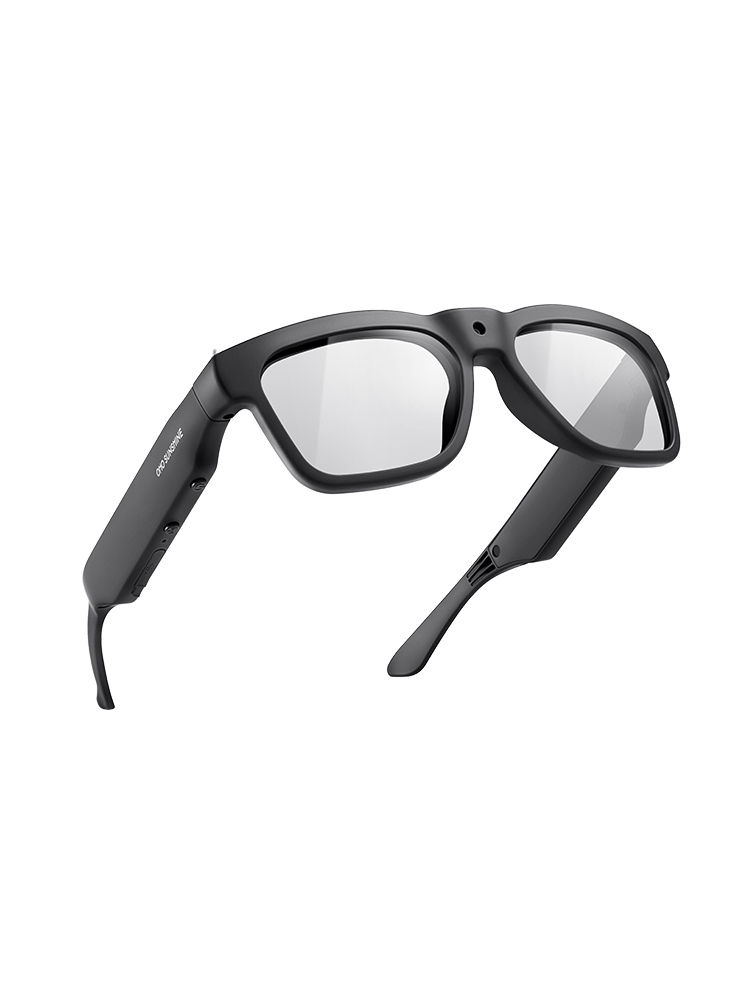


Start by naming the job the glasses need to do, not the brand you want to wear. A recording task calls for a camera. A listening or calling task calls for Bluetooth audio. A conversation across languages calls for AI translation. Some days need more than one of these at once. Once you know the job, you can check whether your phone, lenses, charging routine, privacy comfort, and budget actually support that path before you add anything to your cart.
Start With the Job: Choose the Minimum Feature Set
Smart glasses are not one product category. As PCMag's roundup of smart glasses notes, the category spans camera capture, audio, AI assistants, and even display overlays, so the right pair depends entirely on which of those experiences you actually want. Match your main job to the smallest feature set that gets it done, then confirm it against the checks below.

| Primary job | Minimum feature set | Verify before buying | Not-fit signal |
|---|---|---|---|
| Recording | Camera | Storage, transfer, controls | You rarely capture photo or video |
| Music, calls, notifications | Bluetooth audio | Pairing, mic quality, comfort | You need hands-free video, not audio |
| Travel or language support | AI translation | App, languages, connectivity | Conversations are rare or low-stakes |
| Mixed use | Combined path | All of the above, plus battery and cost | Only one job is truly recurring |
Smart glasses are worth buying when the eyewear form factor solves a task you do often. If the job is occasional, a simple Bluetooth earpiece or your phone's camera may do the same work with fewer dependencies to manage.
Camera Smart Glasses: Verify the Recording Workflow
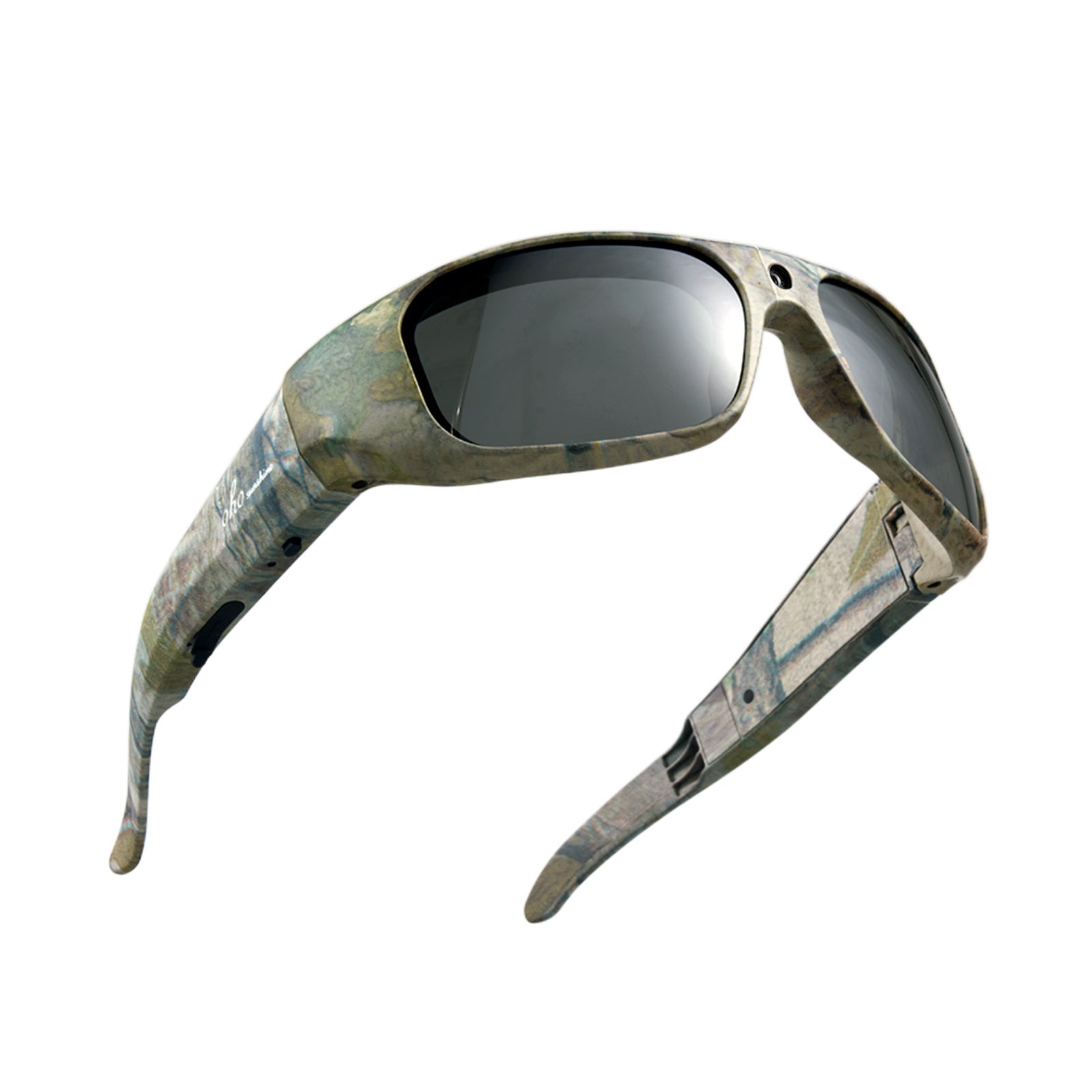
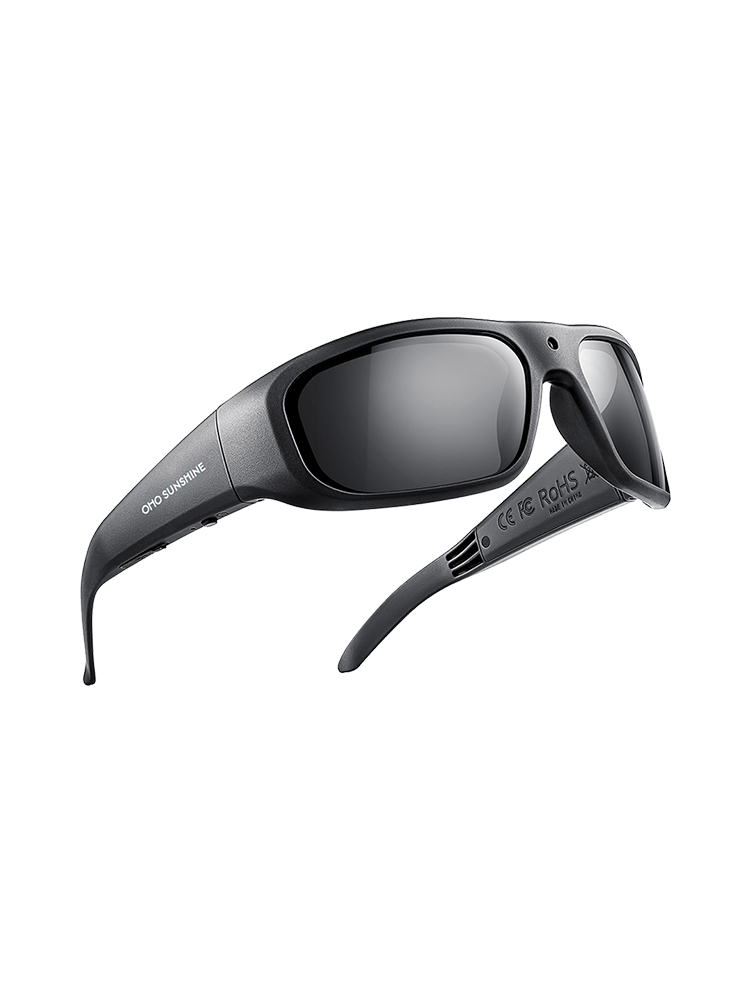
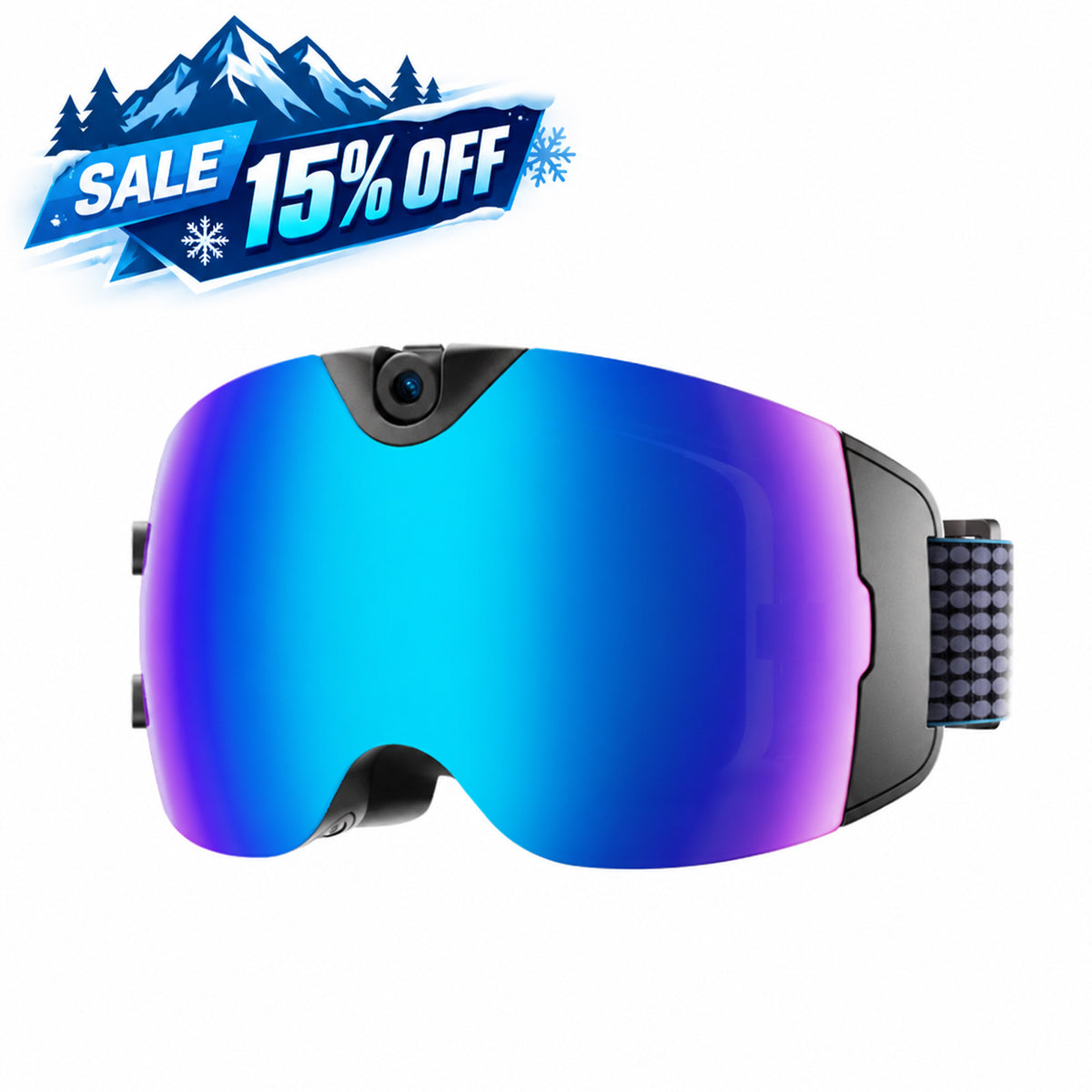
Choose camera smart glasses when hands-free photos or video are the main job. Before buying, verify capture controls, recording status, storage, transfer, and the companion-app workflow for the exact model.

Choose Camera Glasses for Hands-Free Capture
Camera glasses make sense when first-person photos or video are the reason you want to wear them at all, not a bonus feature. The main benefit is keeping your phone in your pocket while you shoot. The trade-off is that you now manage clips, charging, storage, and how the moment looks to bystanders.
Verify the Recording and Transfer Workflow
Before you choose a camera pair, check these points:
- Video resolution and frame rate for the motion you actually shoot
- Photo resolution for still images
- Storage type and capacity, and how close you are to filling it on a normal outing
- Onboard controls for starting, stopping, and switching modes
- A visible recording indicator so others know when you're capturing
- How clips move to your phone or computer
- Whether a companion app is required for any of the above
For compatible OHO Sunshine camera models, the ohao app supports connecting, capturing, and controlling the wearable camera from a phone. That workflow is specific to supported models, so confirm it applies to the exact pair you're considering. Confirm how recording starts and stops and how footage transfers before you trust the glasses with an important outing.
Bluetooth Audio Glasses: Check Calls, Controls, and Comfort
Choose Bluetooth audio glasses when listening and calls matter more than recording or AI. Check open-ear sound, microphones, controls, pairing, comfort, and nearby-audio leakage before buying.
Choose Bluetooth Audio When Listening Comes First
If music, podcasts, calls, and notifications are the job, you don't need camera or translation hardware weighing down the frame. Open-ear audio also changes what people around you can hear, so think about where you'll actually use them, from a quiet office to a noisy commute.
Check Calls, Controls, and Phone Pairing
Run through this list before buying an audio-first pair:
- Speaker placement and how open-ear sound compares with earbuds for your ears
- Microphone behavior on calls
- Onboard controls for volume, calls, and track skipping
- Voice-assistant support, if you use one
- Pairing steps and any app permissions the setup requires
- Frame comfort and whether audio might leak in quiet settings
Skipping camera and AI hardware you won't use keeps the frame lighter and the setup simpler, which matters more for daily wear than a longer spec sheet.
AI Translation Glasses: Confirm the Conversation Workflow
Choose AI translation glasses only when the exact language pair and translation direction fit your conversations. Verify the phone, app, connectivity, account, offline behavior, and service terms before relying on the feature.
Match Translation to the Conversation
If you travel or talk across languages often, verify the exact languages supported and whether the feature works one-way or two-way. A large language-count headline doesn't tell you how the glasses behave in an actual back-and-forth conversation.
Confirm App, Network, and Service Requirements
Check each of these before relying on translation glasses:
- The companion app and whether it supports your phone and operating system
- Whether translation runs on-device or depends on a network connection
- Account setup requirements
- Offline availability, if that matters for your travel plans
- Any recurring service fee tied to the translation feature
- How the feature handles background noise or fast speech
- Whether the direction is one-way playback or live two-way conversation
- What happens when connectivity drops mid-conversation
Treat any of these as unresolved until the current app or product documentation confirms it, and choose a simpler translation app or phrasebook for anything you can't verify. Don't rely on translation glasses for an important conversation until you've confirmed the language pair, direction, connectivity, and app workflow.
Check Phone, App, and Connectivity Before You Buy
A successful Bluetooth connection does not prove that camera, translation, downloads, settings, or updates will work. Match your exact phone, operating system, app, permissions, account, and connection method to the features you need.
Match the Phone and Operating System
- Write down the exact phone model and operating system version you'll use with the glasses.
- Look up the companion app's listing and required permissions; on Apple devices, an app may ask for Bluetooth permission even for features beyond basic audio pairing.
Map What the App Actually Controls
Basic Bluetooth pairing is not the same as full app support. Separate these functions and confirm each one:
- Pairing for audio only
- Live preview from the glasses
- Media downloads and transfer
- Settings changes
- Firmware updates
- Translation features
- Account or login requirements
Note whether each function uses Bluetooth, Wi-Fi, or mobile data, since a weak connection type can quietly block a feature you assumed would work. Confirm the exact app, phone support, permissions, and connection method before buying when any advanced feature is essential to your plan.
Match Lens Options and Frame Fit to Daily Wear
Keep a model in consideration only if its exact frame supports your prescription or lens needs and remains comfortable for the longest wear period. Confirm lens replacement, light behavior, dimensions, weight, bridge, and temple fit before buying.
Check Prescription and Replacement Options
Before comparing camera, audio, or AI features, confirm three things about the frame itself: does it accept prescription lenses, does fitting require an optician, and are replacement lenses available. A frame that supports lens replacement doesn't automatically support every prescription strength or lens type, so check the exact configuration you need.
Match Light Behavior and Fit to Wear Time
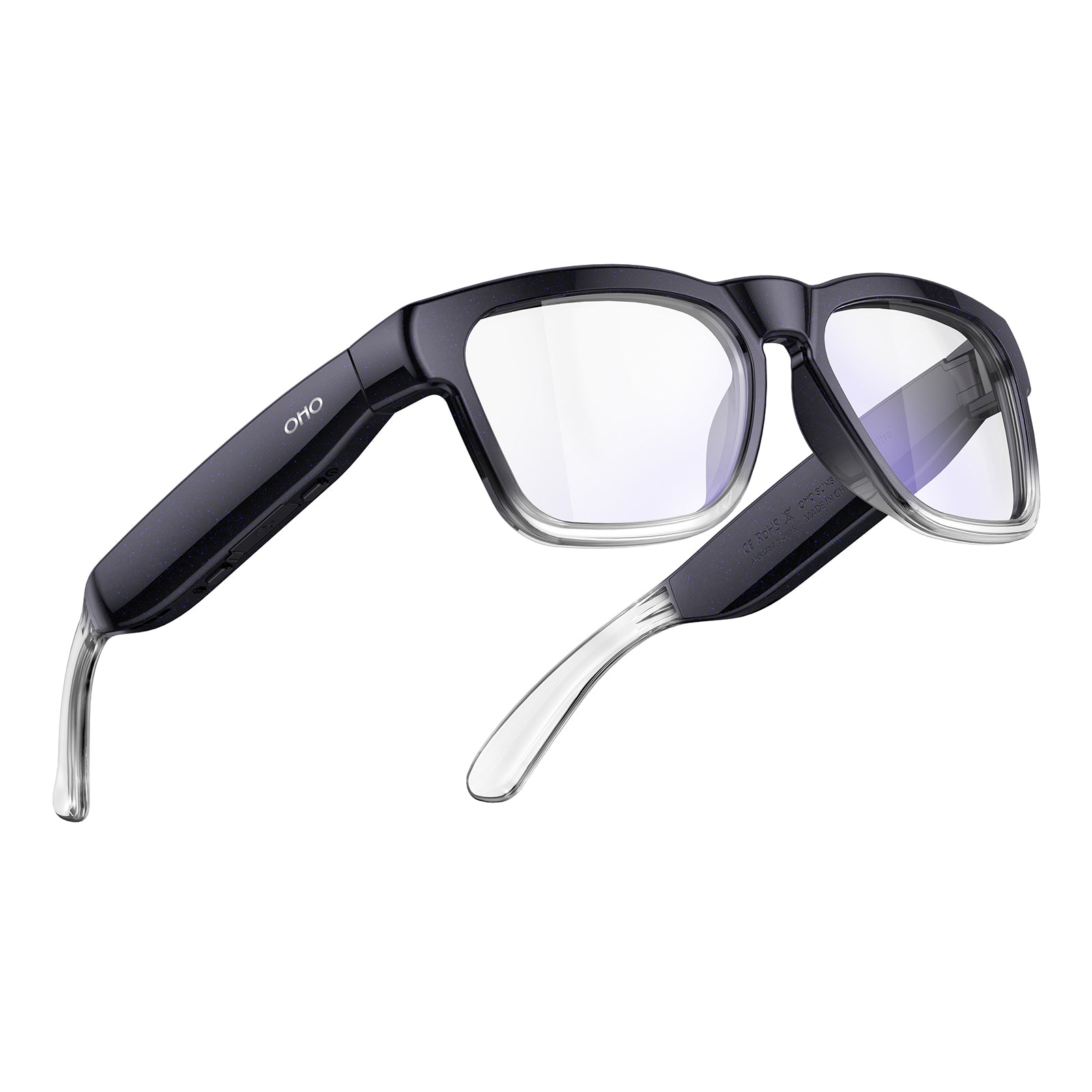
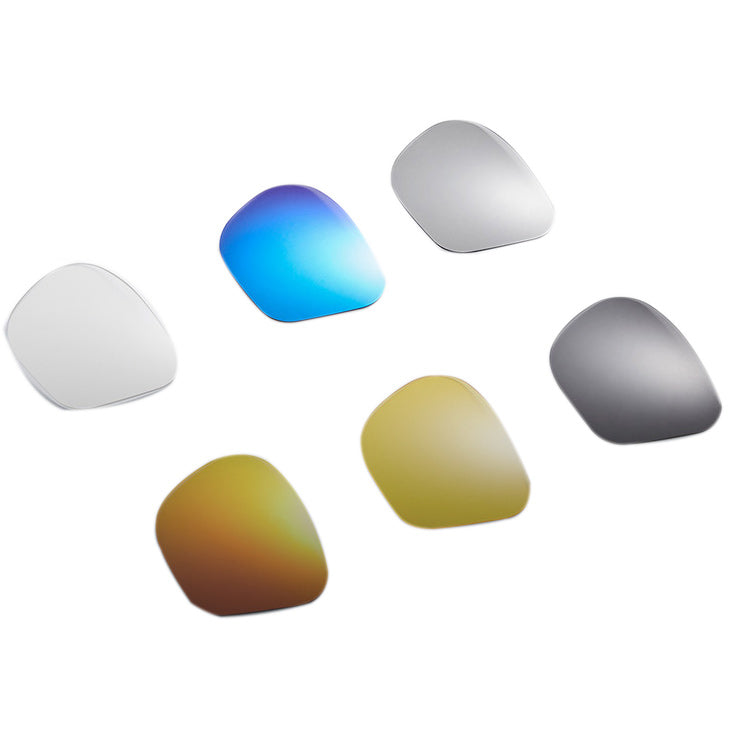
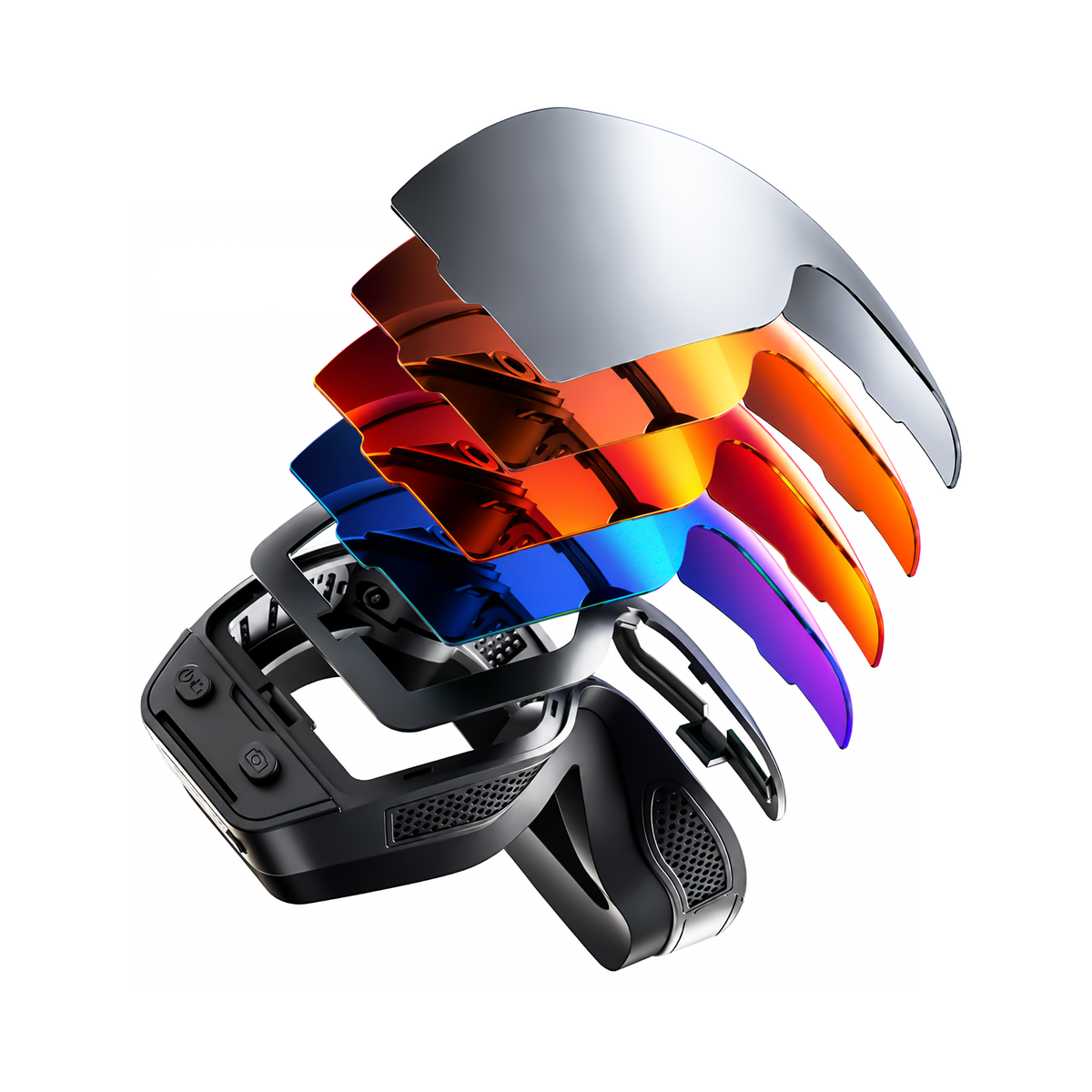
Compare photochromic, polarized, blue-light, or clear-lens options against how you'll actually use the glasses: indoors, driving, traveling, or outdoors most of the day. Then check frame weight, dimensions, bridge fit, and temple pressure against the longest stretch you expect to wear them. A pair that fits well for an hour can feel very different after a full workday. Confirm prescription compatibility and replacement-lens availability for the exact frame before buying if you need corrective lenses.
Plan Battery, Storage, and Charging for the Actual Routine
Plan battery and storage around your busiest real use, not a headline runtime. Confirm how the figure was measured, pair camera use with storage and transfer, and make sure the charging method fits your routine.
Compare Runtime by Use Mode
Continuous recording, streaming translation, calls, and loud audio all draw power differently. A maximum working-time figure on a spec sheet is not the same as what you'll get during an afternoon of steady recording or a long translated conversation, so treat it as a ceiling, not an expectation.
Pair Battery With Storage and Charging
- Match storage capacity and transfer method to how much camera footage you expect to shoot per outing.
- Confirm the charging port, how often you'll need to recharge, and whether the glasses support charging while in use.
- Plan a power bank or spare charging option only if the product documentation confirms that workflow is supported.
Budget the Full Cost of Ownership, Not Just the Cart Price
Calculate one-time purchase and lens costs separately from charging accessories, app or AI fees, replacements, warranty, returns, and support. If a cost is not documented for the exact model or service, leave it unresolved rather than assuming it is included.
List the One-Time Costs
- Frame and required lens configuration
- Replacement lenses
- Case, charging cable, and any transfer adapter
- A power accessory, if your routine needs one
Use the everyday price rather than a temporary sale price when judging long-term value.
Check Recurring Costs and Policies
- Any app or AI service fee tied to translation or advanced features
- Storage or transfer costs, if applicable
- Warranty duration and what it covers
- Return window and replacement process
- Support access if something goes wrong
Treat undocumented monthly-fee terms as unresolved, especially for translation features, until the exact product's current terms confirm them.
Set Privacy Expectations for Camera and AI Features
Treat privacy as a purchase condition, not an afterthought. Separate what people can see, such as a recording indicator, from how the platform handles voice and AI data.
Set Recording Expectations in Public
Check how the glasses show recording status to people around you, and follow the same courtesy you'd use with a phone camera: ask before recording in private settings and respect local norms about being filmed.
Review Voice and AI Data Controls
Camera etiquette is separate from how voice and AI data get handled. The FTC's guidance on securing voice-enabled devices points to a useful checklist for connected voice features:
- Is there a clear listening or recording indicator?
- Where are recordings or transcripts stored?
- How long is data retained?
- Can you delete recordings or transcripts yourself?
- Does anyone review recordings, and under what policy?
- What account security options are available?
Don't assume local-only processing, no retention, or no human review without documentation from the platform. If a product doesn't clearly explain recording status or voice-data handling, don't rely on it in a setting where privacy matters.
Run the Pre-Cart Checklist and Choose Your Next Path
Buy only after the feature path and its phone, lens, battery, cost, and privacy checks pass. Then use the five-step sequence to choose the matching collection or stop.
Run the Five-Step Pre-Cart Check
- Name the recurring job the glasses need to do.
- Pick the minimum feature family that completes it: camera, Bluetooth audio, AI translation, or a combined path.
- Confirm your phone, app, connectivity, and lens fit pass.
- Confirm battery, storage, ownership cost, and privacy expectations are acceptable.
- Move to the matching collection only if every check above passed.
Choose the Next Product Path
If your job is hands-free recording, we invite you to browse Camera Glasses. If listening and calls are the priority, shop Bluetooth Glasses. For confirmed travel or language-support needs, our GlobeEar glasses combine open-ear Bluetooth audio with AI translation and photochromic lenses, so if that mix of calling and conversational support fits your routine, you can view AI Translation Glasses. If your outings call for camera capture, audio, and translation together, our Edge Pro pairs a 4K camera with real-time translation, but confirm its battery, storage, and app requirements against your routine first. Skip any of these paths if a required check above didn't pass.
FAQs
What features should I look for in smart glasses?
Start with the job: hands-free recording points to a camera, listening and calls point to Bluetooth audio, and language support points to AI translation. Then verify the phone, app, lens, battery, privacy, and cost requirements tied to whichever path you choose.
Are smart glasses worth buying?
They're worth it when the eyewear form factor solves a task you do regularly, like frequent recording, daily calls, or repeated cross-language conversations. If the need is occasional, a simpler Bluetooth earpiece or your phone's own camera may cover the same job with less setup and fewer things to charge or manage.
Do AI smart glasses have a monthly fee?
That depends on the exact model and app, so it can't be answered for the category as a whole. Check the current service terms for the specific translation or AI app before you buy, and don't assume a feature is fee-free without confirming it.
How should battery life affect my smart-glasses choice?
Compare the stated runtime with your actual use mode, not just the headline number. Continuous recording, streaming translation, and calls all drain the battery faster than standby, so plan your charging routine around your busiest day, not the best case.
Can I use prescription or photochromic lenses with smart glasses?
Confirm prescription fitting, replacement-lens availability, and photochromic or polarized behavior for the exact frame you're considering. Support for one lens type doesn't guarantee support for every prescription strength or coating.
What privacy checks matter before buying camera or AI glasses?
Look for a visible recording indicator, a clear privacy policy, and documented controls for storage, deletion, and account security. If a product doesn't explain how it handles recordings or voice data, hold off on using it anywhere privacy matters.


コメントを書く
このサイトはhCaptchaによって保護されており、hCaptchaプライバシーポリシーおよび利用規約が適用されます。