










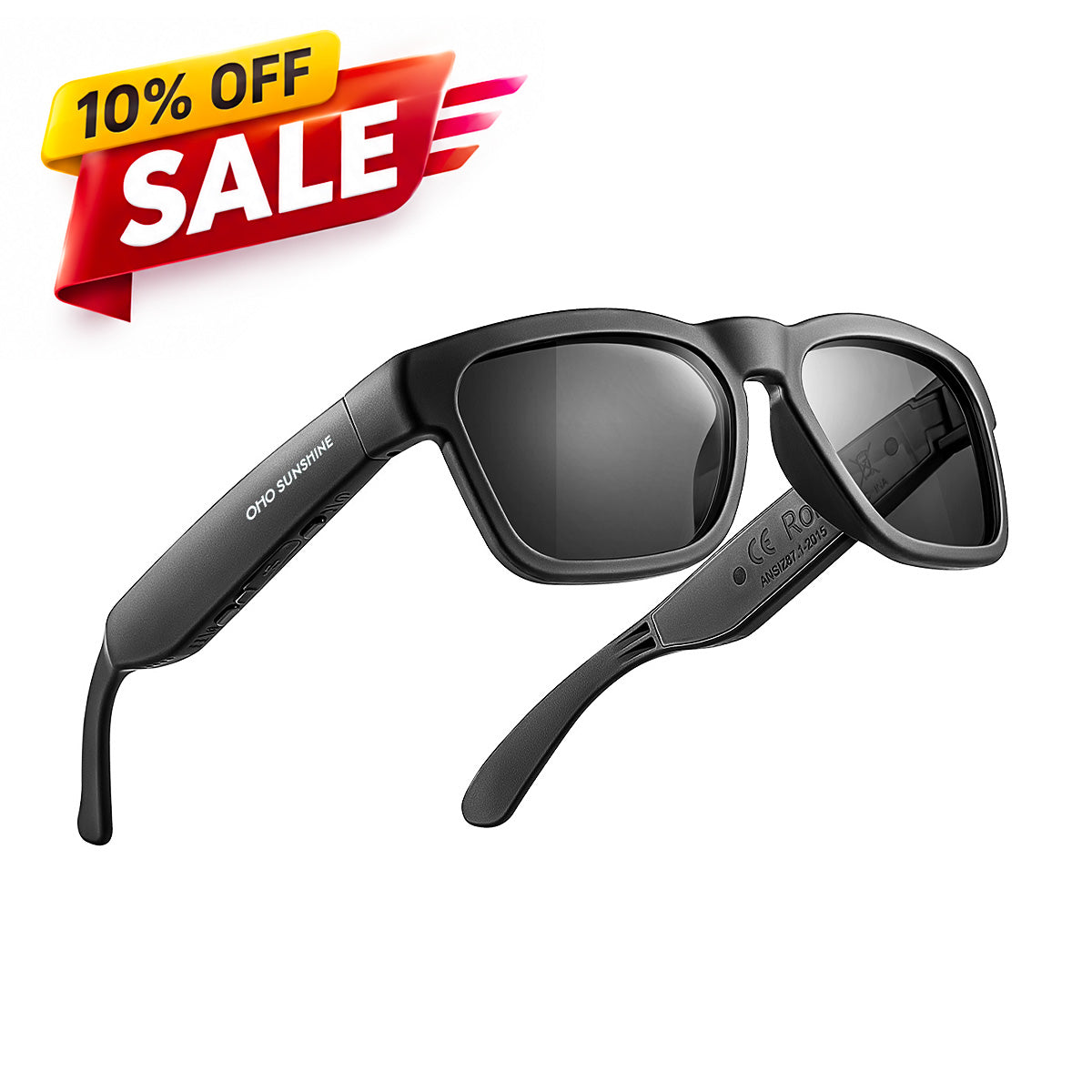


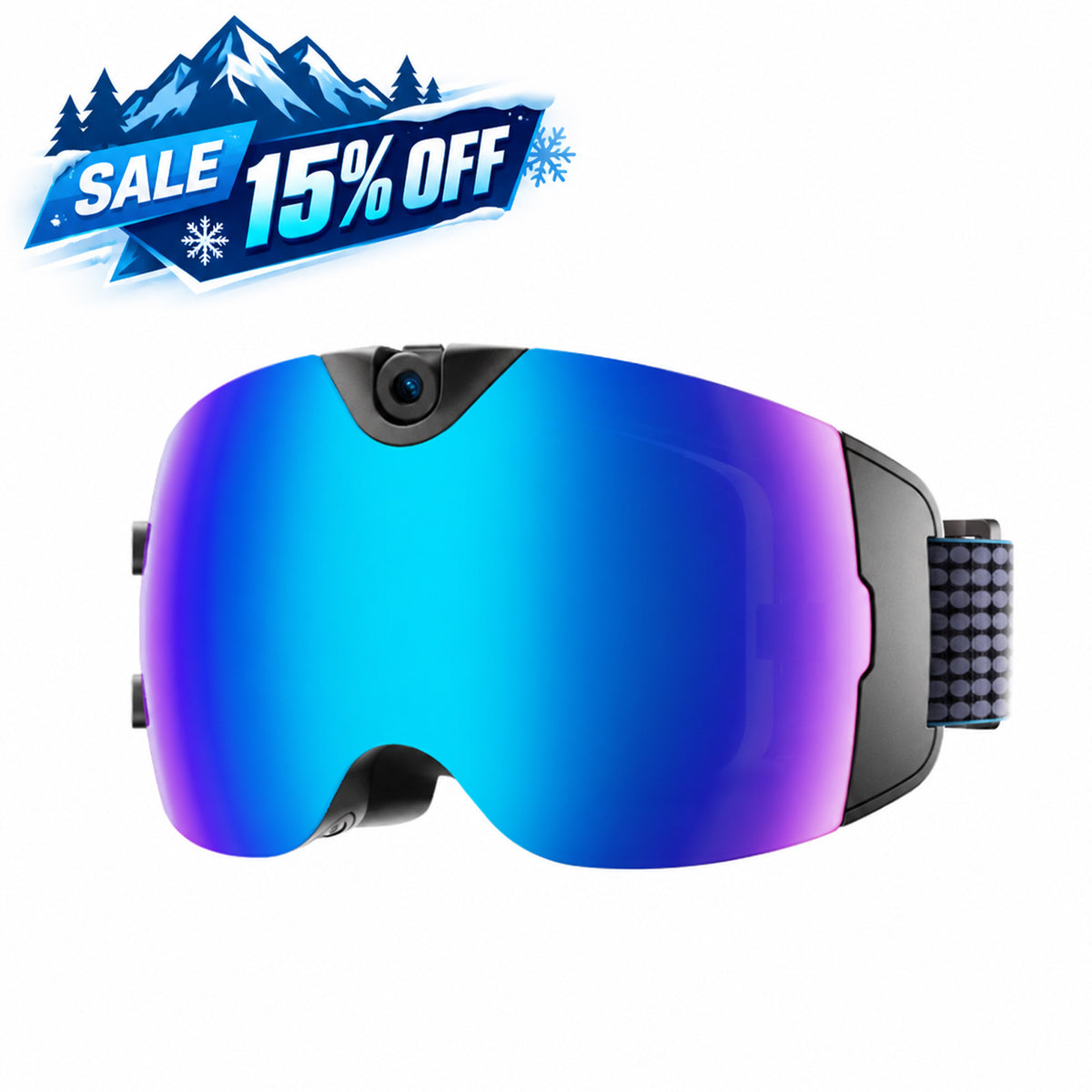


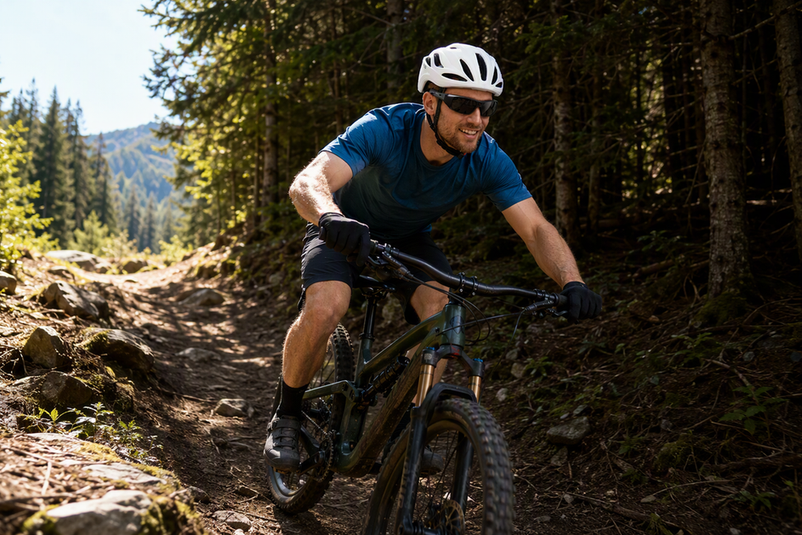
Polarized camera sunglasses can work well on a mountain bike trail, but only in the right light. They tend to help on bright, open sections and can hurt visibility the moment the trail drops into dense canopy shade. For dusty, fast, or aggressive descents, a goggle is usually the safer starting point unless you have actually verified the sunglasses' lens behavior and fit.
The reason comes down to two separate decisions: how a lens handles changing light, and how much physical coverage and retention your ride needs. Treating polarization or camera resolution as the whole answer skips both.
Are Polarized Camera Sunglasses Good for Dark Tree Canopies?
The honest answer is conditional. Polarized camera sunglasses can suit bright, lower-dust trail sections when the lens stays usable once the trail dips into shade, but they are not automatically the right call for a route that swings between sun and dense tree cover.
Where Polarization Helps
Polarization cuts reflected glare, the kind that bounces off wet rock, packed dirt, or a lake alongside the trail. That makes open, sunlit singletrack more comfortable to ride and can reduce eye fatigue on long climbs or fire-road sections. This benefit is about glare, not about seeing more trail detail in every condition. A polarized lens does not automatically improve depth perception or contrast once the light source changes from direct sun to filtered shade, so treat the glare reduction as useful in the open and separate from what happens under trees.
Why Canopy Shade Changes the Decision
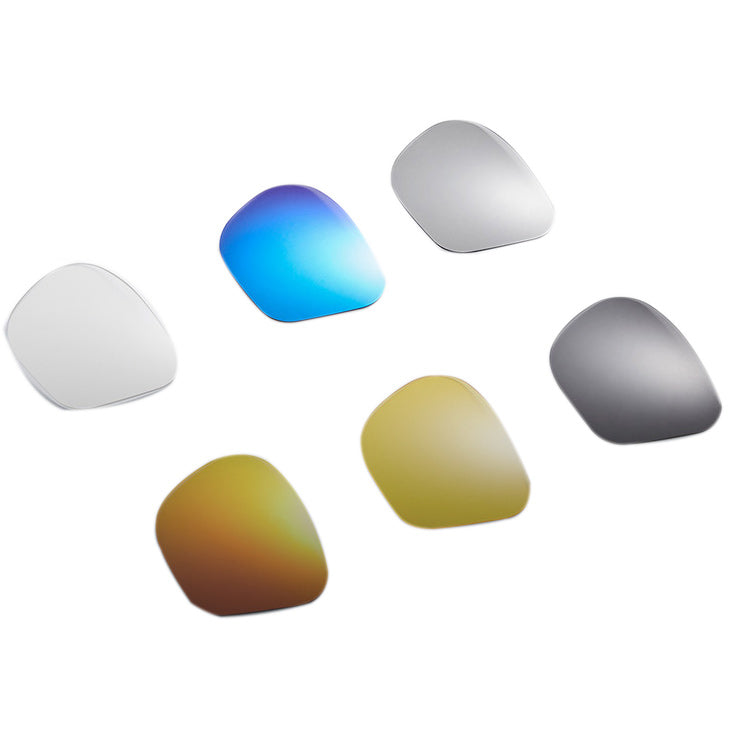
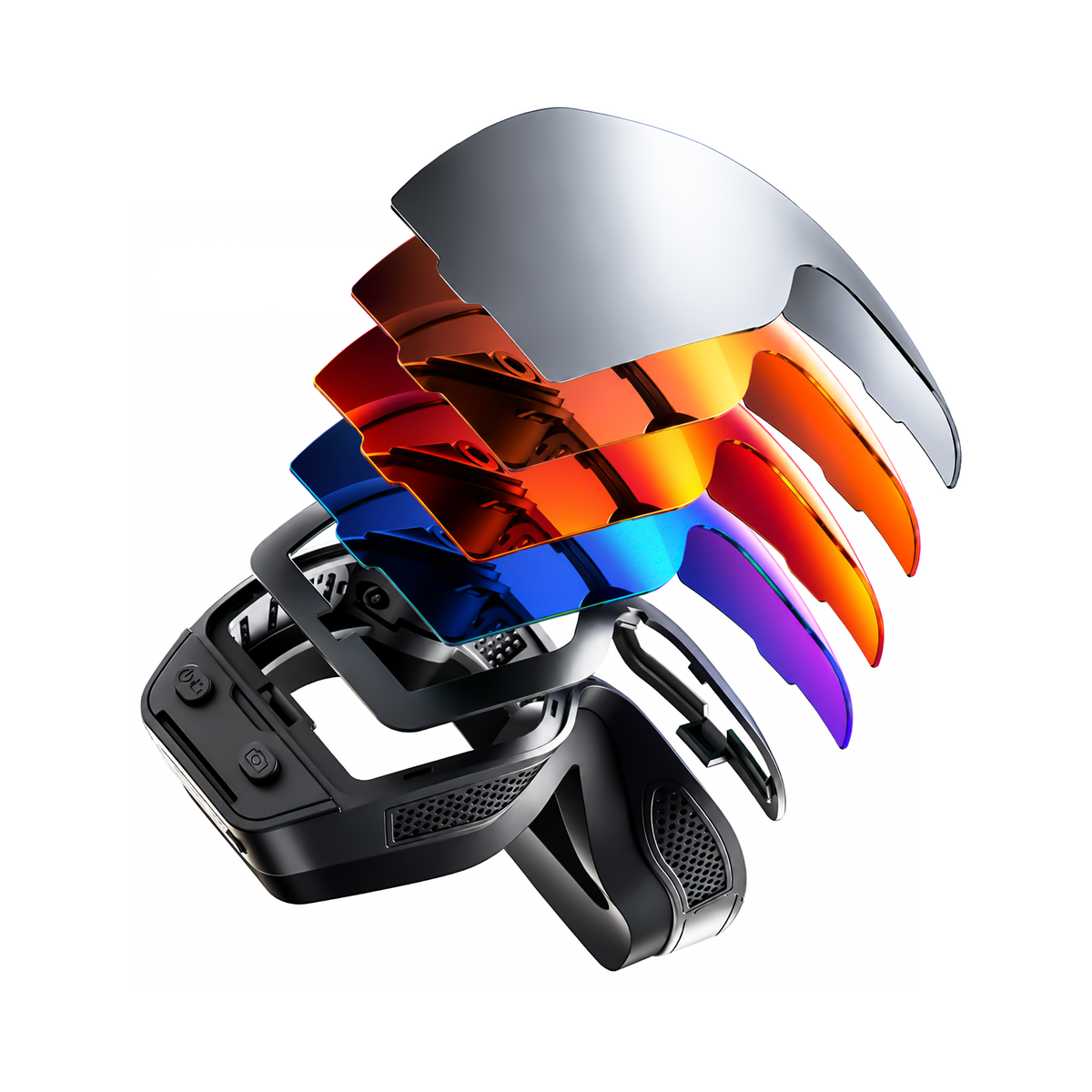
A dark polarized lens built for bright glare can become a liability the moment the trail cuts into dense shade, because tint density and light transmission are a different property than polarization itself. Riders shopping for video camera sunglasses often assume the polarized label covers both jobs, and it does not. Cycling-specific eyewear brands address this by offering clear, mirrored, or photochromic lens options for different lens tint options rather than a single tint for every light condition. Before a fast forest ride, put the actual lens on and walk from a bright opening into the darkest shaded section on your route. If the trail becomes hard to read, that lens is the wrong choice for this ride, regardless of its camera specs. Our polarized lens tradeoffs guide walks through when a photochromic or interchangeable option is worth considering instead.
Sunglasses vs Goggles for Dust, Coverage, and Retention
Once you add dust, speed, and vibration to the picture, the decision shifts from lens tint to physical format. Even the best camera glasses protect your eyes differently than goggles, and that difference matters more as the trail gets rougher.

Dust, Debris, and Eye Coverage
Open-frame sunglasses let air move around the lens, which helps with fogging but leaves gaps where dust, grit, and insects can reach your eyes. Cycling-specific glasses are built to protect against wind, dust, debris, and insects during normal riding, but that is not the same as sealing out fine dust kicked up by a rider ahead of you on a dry trail. Goggles wrap further around the eye socket and are the more enclosing format for genuinely dusty or roost-heavy riding. If you are following other riders on dry singletrack or riding fast enough to kick up your own dust, start your search with goggles rather than open sunglasses.
Ventilation and Changing Light
More coverage always trades against airflow. A goggle's foam and strap seal out more dust but can trap heat and fog on a slow climb, while open sunglasses breathe better but give up that seal. Neither format fixes the canopy-shade problem on its own; the practical response is still the lens itself, so look for a changing-light lens option in whichever format you choose rather than assuming a single tint will handle both a sunny fire road and a shaded singletrack. We have not seen anti-fog or light-transmission specifications documented for the OHO SUNSHINE models discussed below, so treat that part as something to verify before you buy.
Retention Under Trail Vibration
A frame or strap that shifts during a rough descent is both a vision problem and a camera problem, because a camera mounted on eyewear that moves will not stay pointed where you are looking. Test this with the same helmet you plan to ride in, moving your head through braking and cornering positions, not just standing still indoors. None of the three OHO SUNSHINE models discussed in this article has published vibration or retention testing for mountain bike use, so this check is on you before an aggressive descent.
Choose by Trail Scenario
The format that works best changes with the actual trail in front of you, not with a single universal recommendation. Match your choice to the specific mix of light, dust, and speed you expect.
On a bright, open trail with lower dust, polarized camera sunglasses can be a reasonable starting point once you confirm the frame stays secure and the lens is still usable at shaded trail edges. On dense forest canopy, favor a lighter or photochromic lens over a dark polarized tint, since preserving usable light matters more than cutting glare here. For a dusty, aggressive descent, start with goggles instead, because their enclosed coverage and strap retention matter more than shaving a few grams or maximizing airflow. On a mixed-light route that alternates between both conditions, choose whichever format has an actual tested lens range and a fit that stays stable under your helmet, rather than picking based on camera specs alone. Our camera glasses collection groups polarized, photochromic, and Bluetooth camera options if you want to compare lens types side by side before deciding.
What the Selected OHO SUNSHINE Products Actually Document
If you're comparing the best smart glasses with camera for trail use against what's actually documented, only one of our three models has a polarized lens option to begin with. The other two have real strengths, just not for this specific job.
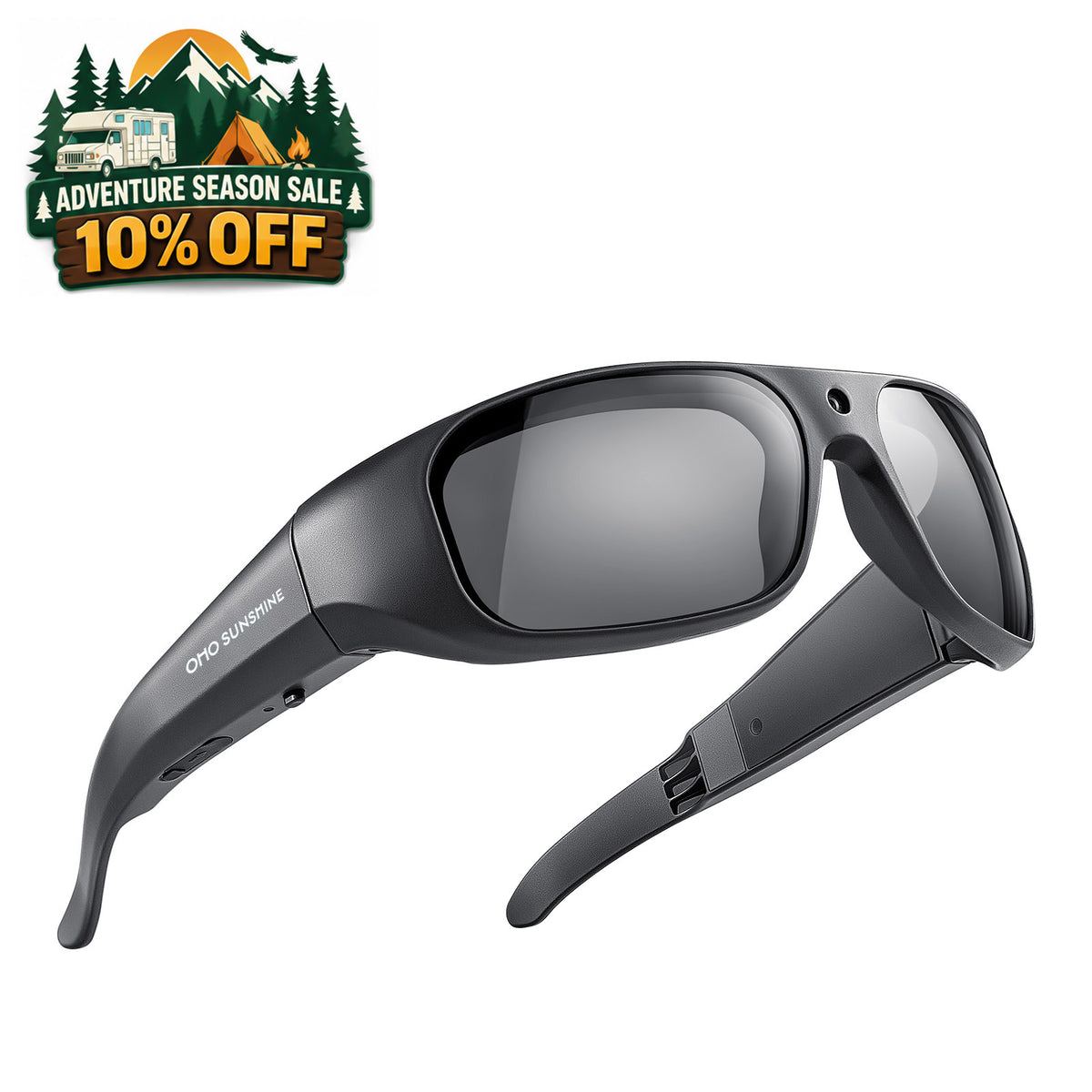
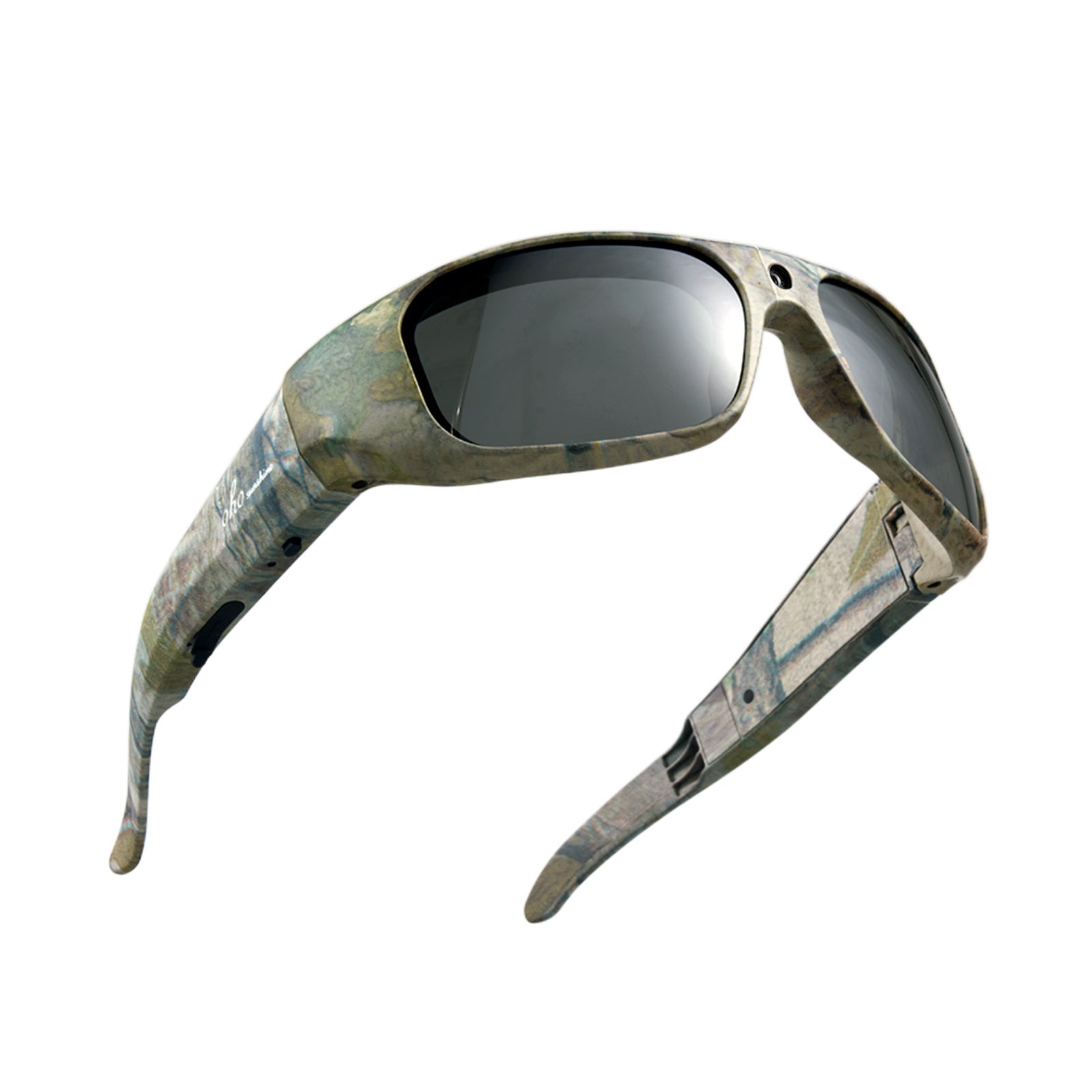
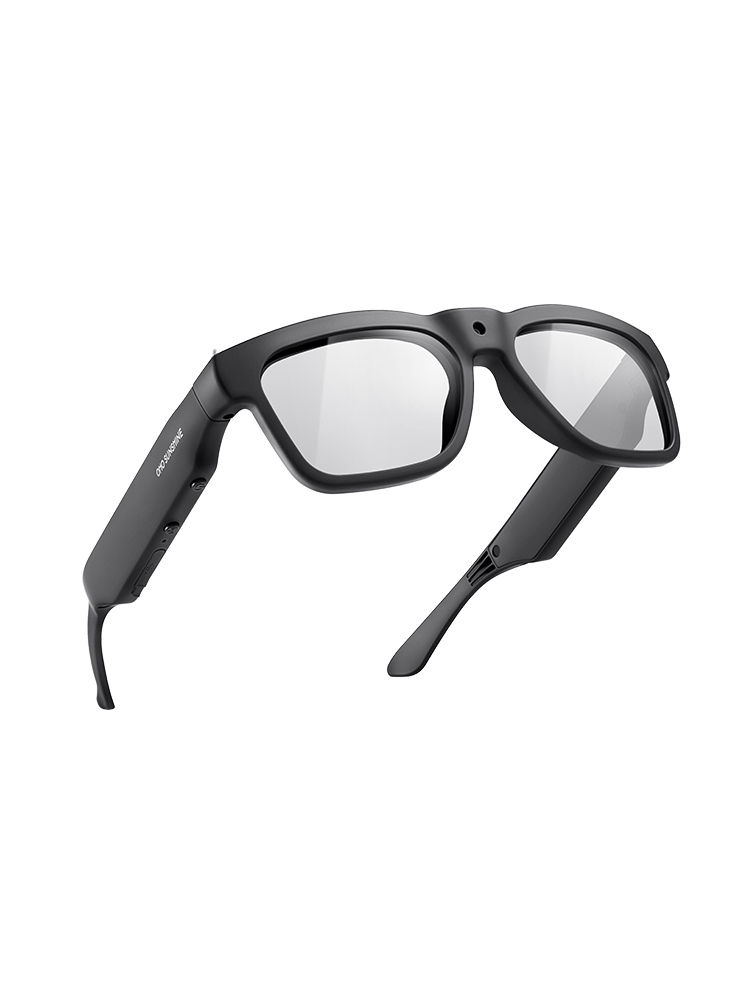
Our Brave camera glasses are documented with a polarized UV400 lens option, a photochromic alternative, changeable lenses, a flexible TR90 frame, and 4K/30 fps video with 24-megapixel photos, and cycling is listed among their intended scenarios. That combination makes Brave the only candidate here worth investigating for the polarized-sunglasses use case, but the documentation stops at the lens and frame materials; it does not cover canopy-shade performance, dust sealing, or vibration stability, so the pre-ride checks above still apply before a fast descent.
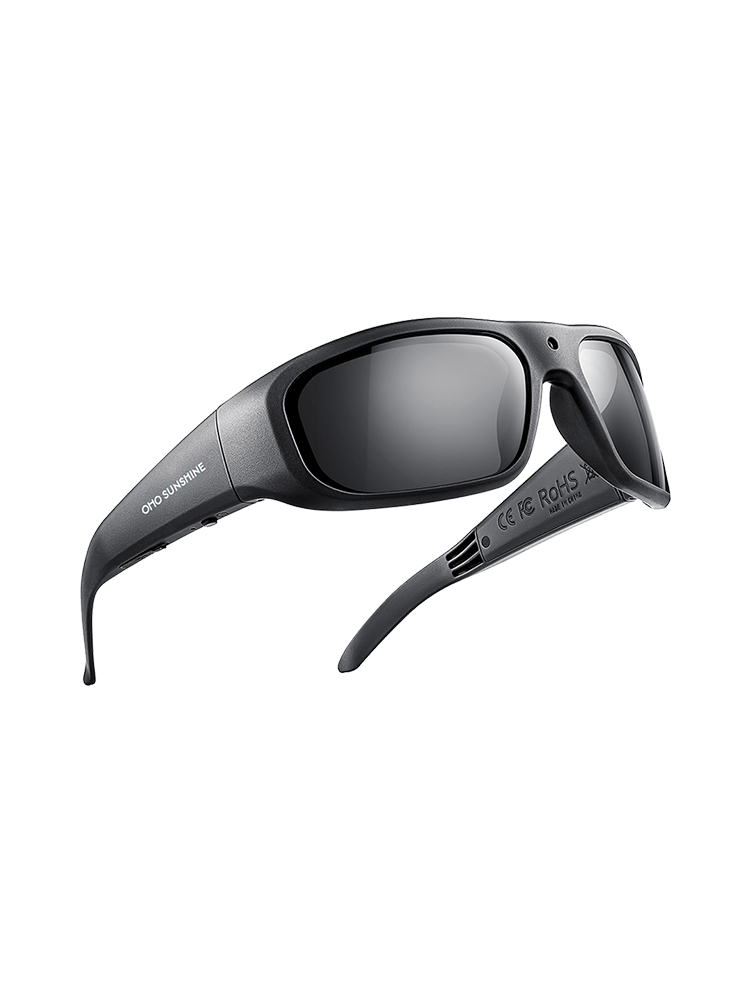
The Edge Pro is documented with a photochromic lens, 4K/30 fps video, UV400 protection, ANSI Z87.1 impact rating, and water resistance for sweat, rain, and splashes, with cycling listed as an intended use. It's worth a look if you want a changing-light lens without committing to polarization, but nothing in its documentation supports dusty, aggressive mountain bike riding specifically, so treat it as unproven for that harder use case.
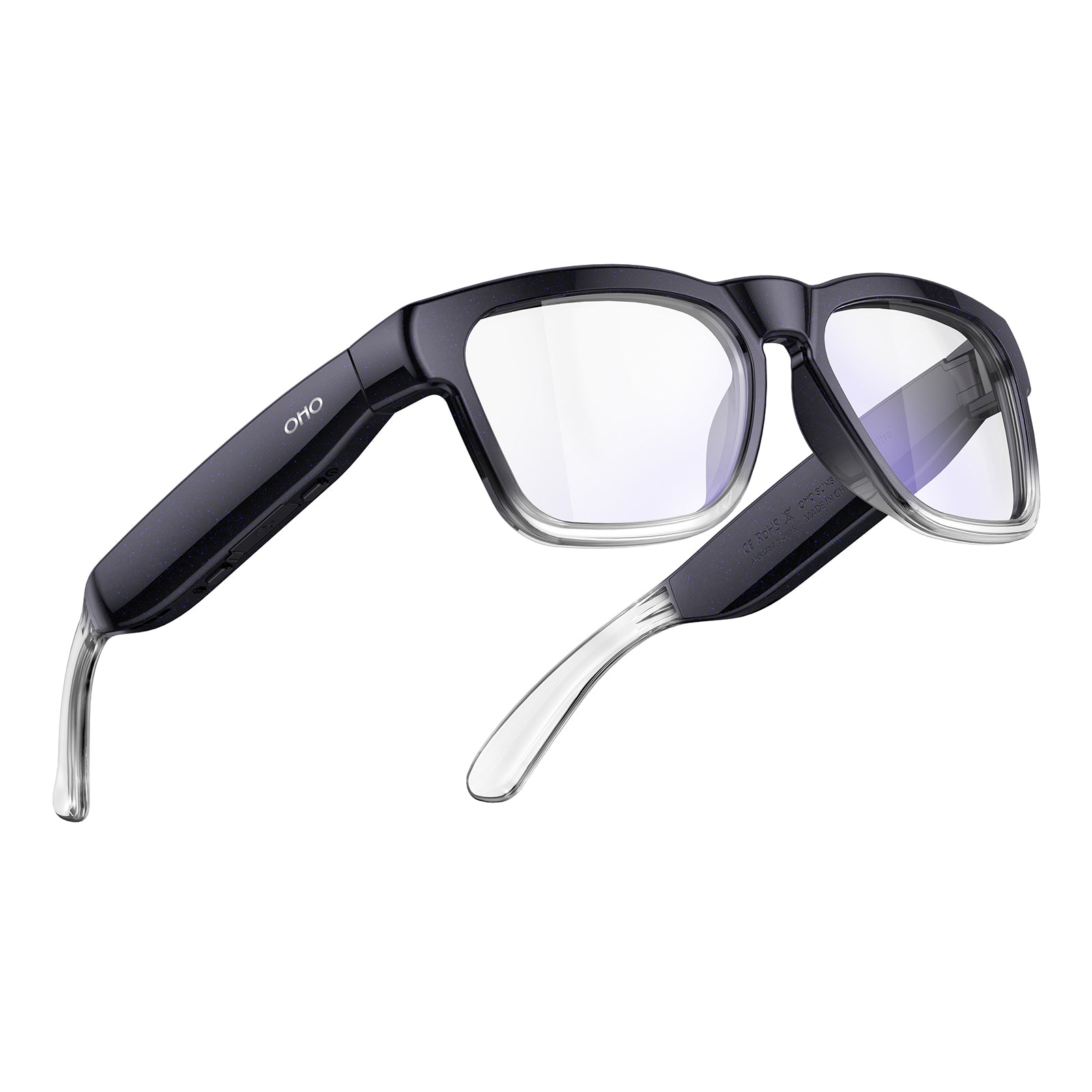
The GlobeEar is built as AI translation glasses with Bluetooth audio, photochromic PC lenses, and UV400 protection, and cycling appears among its listed scenarios too. It has no documented camera specification at all, so it is not a fit for first-person trail video; if hands-free audio and translation matter more to you than recording, it may still be worth a look, just not for the camera decision this article covers.
Pre-Ride Camera and Fit Verification
Before trusting any camera eyewear on a dusty, aggressive descent, run a short check with the actual gear you plan to ride in. This takes a few minutes and tells you more than any spec sheet.
Start by walking or riding slowly from a bright opening into the darkest shaded section on your usual route, watching whether the trail surface stays readable through the lens. Next, put on your riding helmet and move your head through braking, cornering, and descending positions to see whether the frame or strap shifts, gaps, or presses uncomfortably. Check whether dust or debris can reach your eyes at the level of exposure you expect on that trail, and confirm the camera is actually pointed where you look before you start. Finally, record a short clip on a controlled section of trail and review the framing and stability before committing to a fast, technical descent. Our stable POV video guide covers practical framing habits if you want steadier footage once fit is confirmed. If the eyewear shifts, leaves your eyes exposed, or makes the trail hard to read in actual shade during this check, do not use it for an aggressive descent; choose eyewear with confirmed fit and lens behavior instead.
Conclusion
Choose polarized camera sunglasses for bright, lower-dust trails once you verify the lens stays readable in shaded sections. When facing heavy dust, roost, or rough descents, choose goggles for secure eye coverage and strap stability. If you want to ride with our Brave camera glasses, test the frame fit with your helmet and confirm trail clarity on a slow test roll before hitting top speed.
FAQs
Is a photochromic or interchangeable lens worth it for a mixed-light trail?
If your route regularly swings between open sun and dense shade, a photochromic or interchangeable lens is generally more useful than a single dark polarized tint, because it can adjust to changing light instead of locking you into one setting. Confirm the actual transition speed and clarity with the lens you're considering rather than assuming any photochromic option behaves the same way.
How do I test camera framing and recording before a fast descent?
Put the glasses on with your riding helmet, record a short clip on a familiar, controlled section of trail, and then review the footage for framing, exposure changes between sun and shade, and any noticeable shake. Doing this before an aggressive or unfamiliar descent lets you catch fit or framing problems while the stakes are still low.
Can the GlobeEar work as camera eyewear for trail videos?
No. The GlobeEar's documented features cover Bluetooth audio, translation, and photochromic lenses, but no camera specification is listed, so it is not built for first-person trail video. If recording footage is your goal, look at a model with a documented camera feature instead.
Do goggles always beat sunglasses for mountain biking?
Not always. Goggles make more sense once dust, roost, or aggressive vibration become the main concern, but on bright, lower-dust trails, well-fitted sunglasses with a verified lens can be lighter and cooler to wear. The right choice depends on your specific trail conditions, not a fixed rule for the sport.


コメントを書く
このサイトはhCaptchaによって保護されており、hCaptchaプライバシーポリシーおよび利用規約が適用されます。