











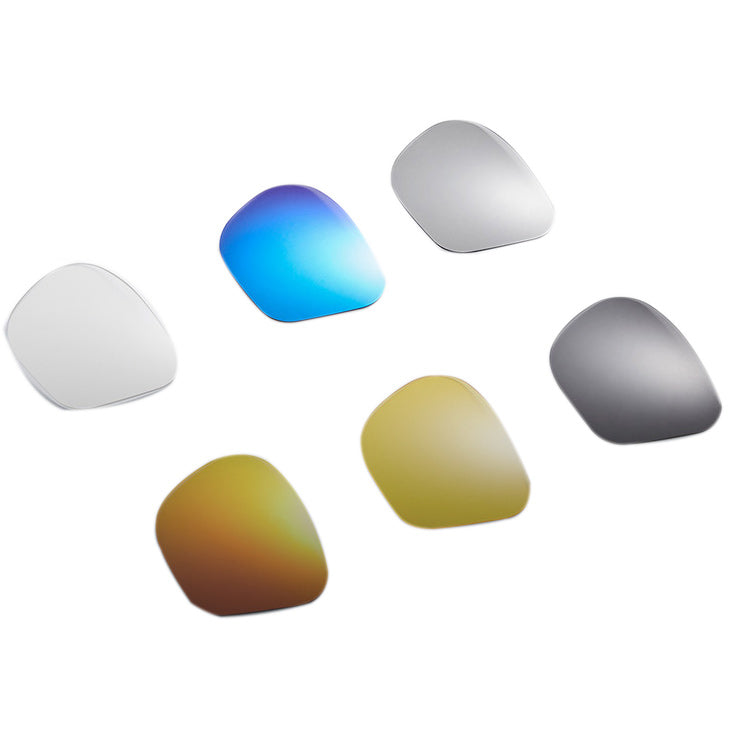
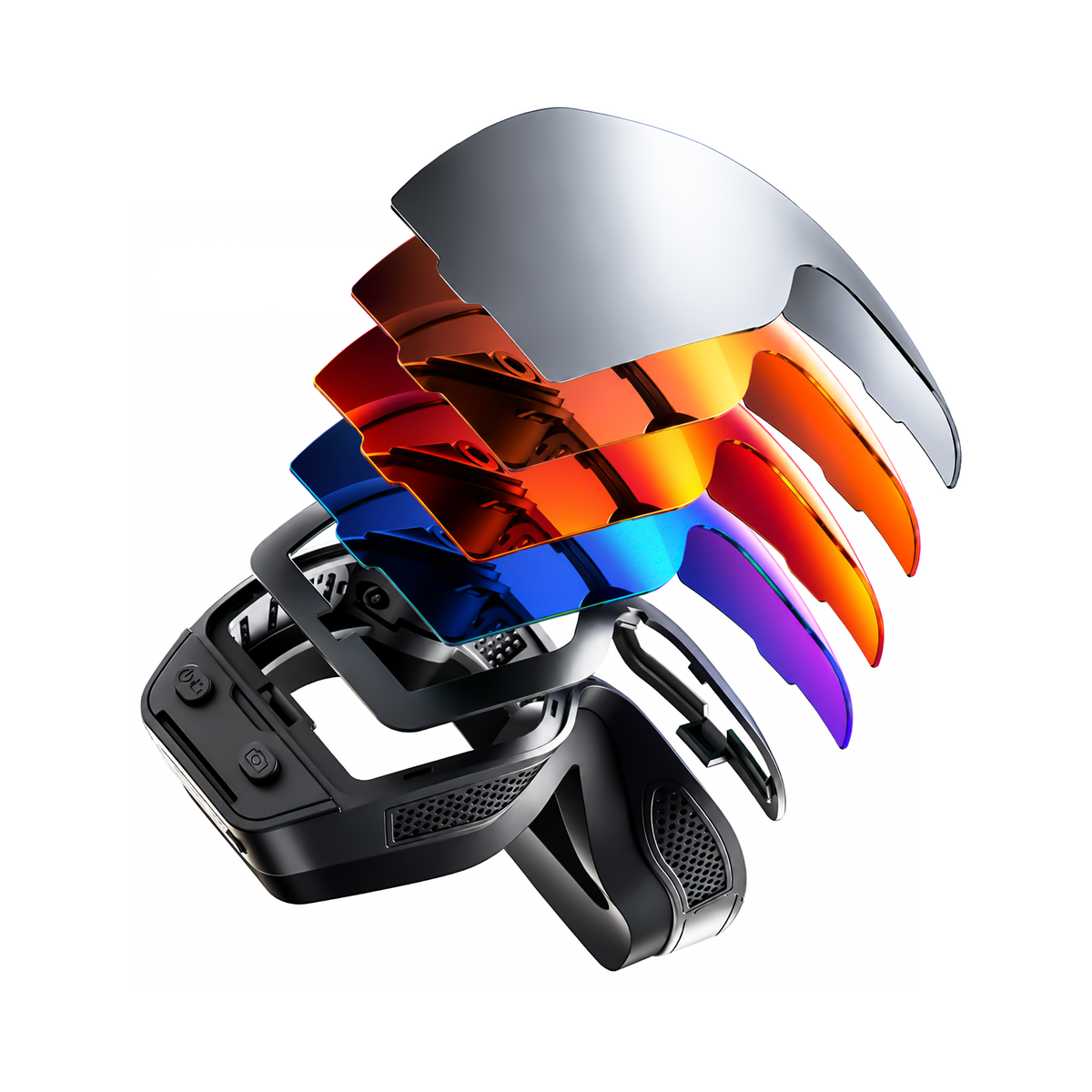

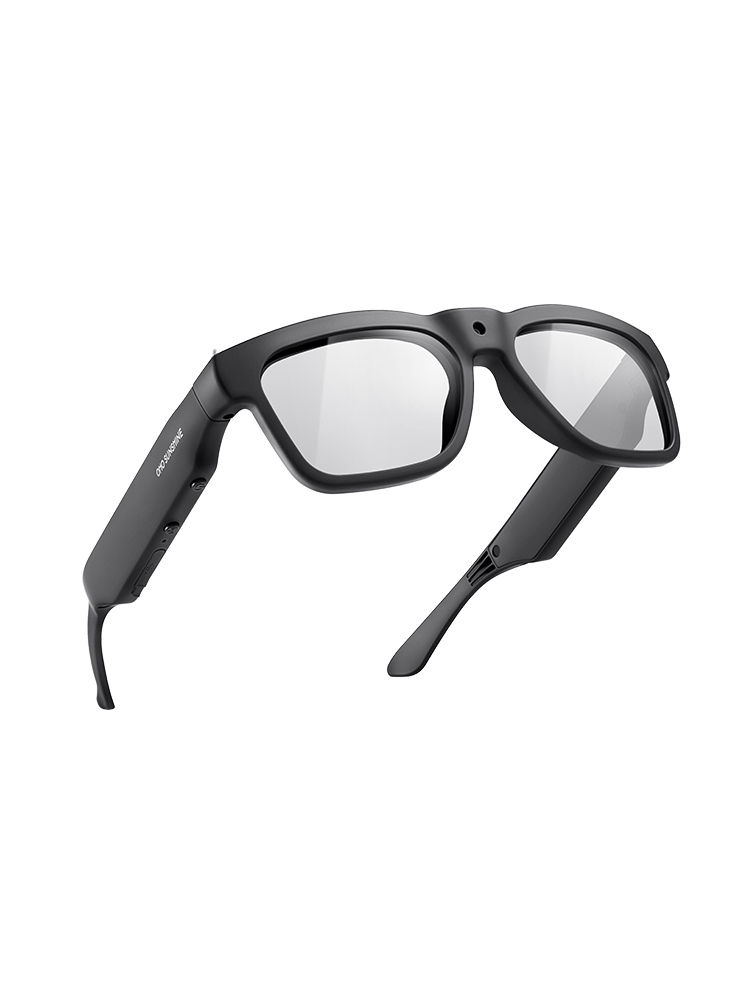


Choosing ski goggles comes down to three checks, made in order. First, think about the light you expect to ski in. Next, see how the exact frame fits your face and the helmet you already own, and last, check that the listing documents the claims you care about.
A replacement buyer can use what worked or failed with an old pair. A first-time buyer has to confirm more of the basics. No single lens or frame suits every skier, so treat each pair as a candidate until it passes those checks.
Start With Your Light and Equipment
Your first comparison list should only include goggles you can actually judge against your conditions and your gear. Keep a pair on the list if its lens information lines up with the light you expect and you can check its fit against your own face and helmet. Drop it if you can't.
- Expected light: Decide whether your days are mostly steady (reliably sunny or reliably flat and gray) or tend to change during a trip. Then look for lens information you can compare. VLT, or visible light transmission, is the percentage of visible light that passes through the lens. As an example, one tested photochromic lens adjusts from 17% VLT for bright, sunny days up to 75% for dark, cloudy days. That range belongs to that one lens. It shows what useful lens data looks like, but it won't tell you what another lens does.
- Your face and current helmet: Picture the goggles on the person who will wear them, with the helmet they already own. A size label or the name of a product category tells you where to start, but it doesn't tell you whether the pair fits.
- Your current pair (replacements only): Write down what you liked and what bothered you, such as fogging on cloudy days, a lens that felt too dark, or a frame that clashed with your helmet. This turns into a list of wants. It still can't prove that a different frame will fit the same way.
The goggles left on your list are candidates, not confirmed choices. The fit and lens steps below will narrow it further.
Check Face and Helmet Fit Before Ordering
Fit is a question about this exact pair of goggles with this exact helmet, and you can only confirm it by wearing them together. A buying guide from OutdoorGearLab advises weighing face size and helmet compatibility. It also notes that goggles too small for your face can leave air gaps and may block part of your view.

- Wear your real helmet. Try the goggles with the helmet you plan to ski in, not a store demo or a different model. A fit you find without your own helmet doesn't count for this pair.
- Look for gaps along your face. Check where the frame meets your face, especially around the nose and cheeks. If you see air gaps or your view seems narrowed, the frame may be too small for you, so move on to a different size or model.
- Check the spot where goggle and helmet meet. Look at how the frame sits against the helmet's edge and whether the strap stays in place on the helmet. If the helmet pushes the goggles out of position, this pair doesn't fit your setup yet. For a longer list of things to check (strap, frame, housing, vents, gap, and movement), our checklist on camera-goggle helmet fit covers each one.
- Know what an online listing can tell you. A listing can give you frame size and say which helmets the maker designed the goggles for. It can't show you how the pair fits your face with your helmet. If you're ordering online, check the return policy first so you can do steps 1 through 3 at home before the tags come off.

Choose a Lens Setup for Expected Conditions
Pick a lens setup that matches how much your light changes. Steady conditions favor one well-matched lens, and changing conditions raise the question of a second lens or a photochromic lens.
If Your Usual Light Is Consistent
One lens can work well when you mostly ski in the same kind of light. Choose a lens whose listed VLT or stated use conditions match those days. Don't judge by a color name like "rose" or "smoke," because the same tint name can mean different things from one brand to the next. If a listing gives only a color and no VLT or conditions, you can't compare it with your usual light. Look for another lens option on that model, or leave it off your list.
If Conditions Often Change
When the weather swings between bright sun and flat light, you have two main options: carry a second lens or choose a photochromic lens that adjusts by itself. OutdoorGearLab reports that photochromic lenses can largely remove the need for a spare. The same review says they aren't quite as good as low-light lenses on stormy or cloudy days, and they aren't as good as the darkest lenses on the brightest days. If you regularly ski at either extreme, a dedicated lens for those days may still be worth carrying. If you'd rather not swap lenses on the lift, a photochromic lens trades a little performance at the extremes for convenience. Our guide on whether you need a second lens for changing weather goes through that choice for snow goggles in more detail.
Treat a Built-In Camera as an Optional Requirement
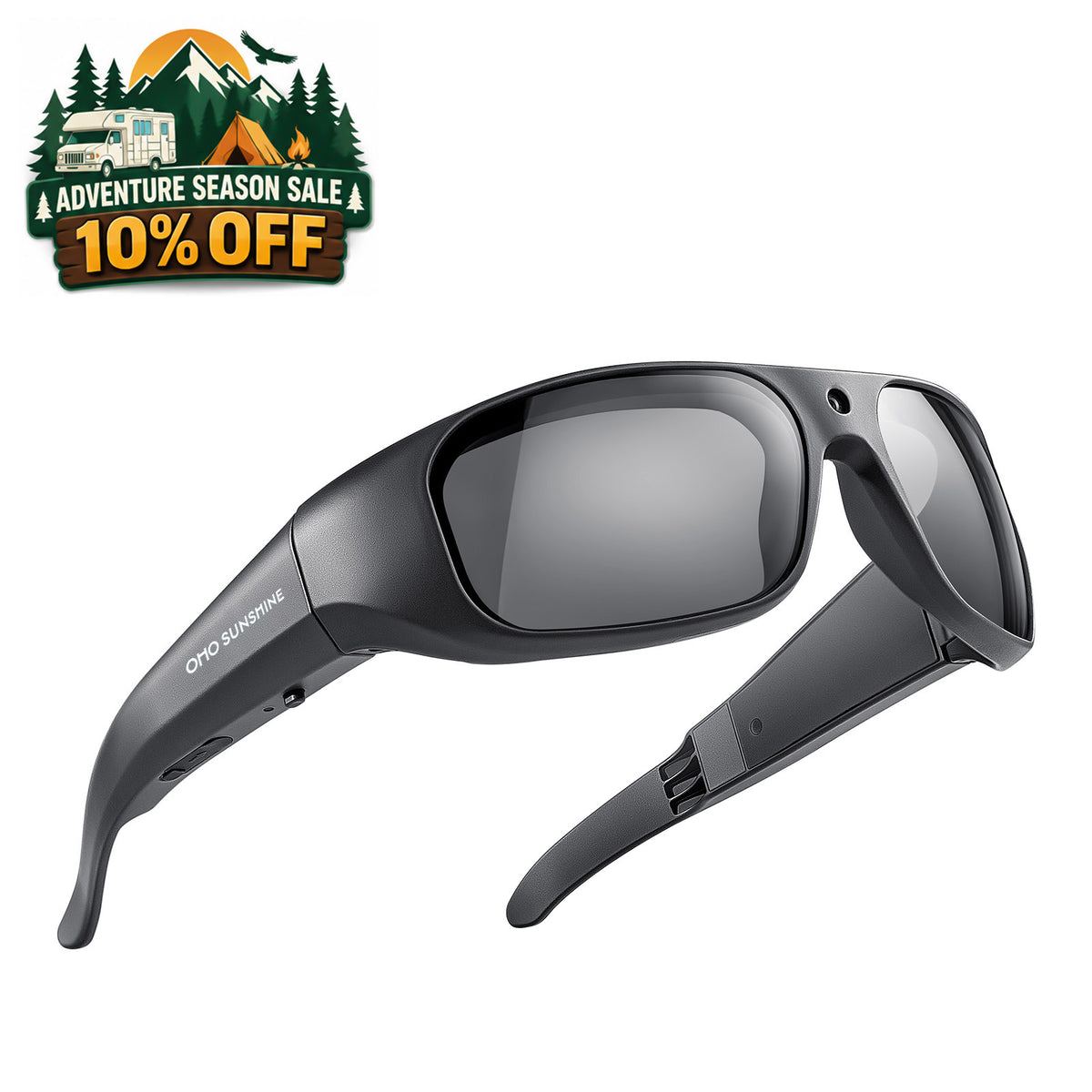
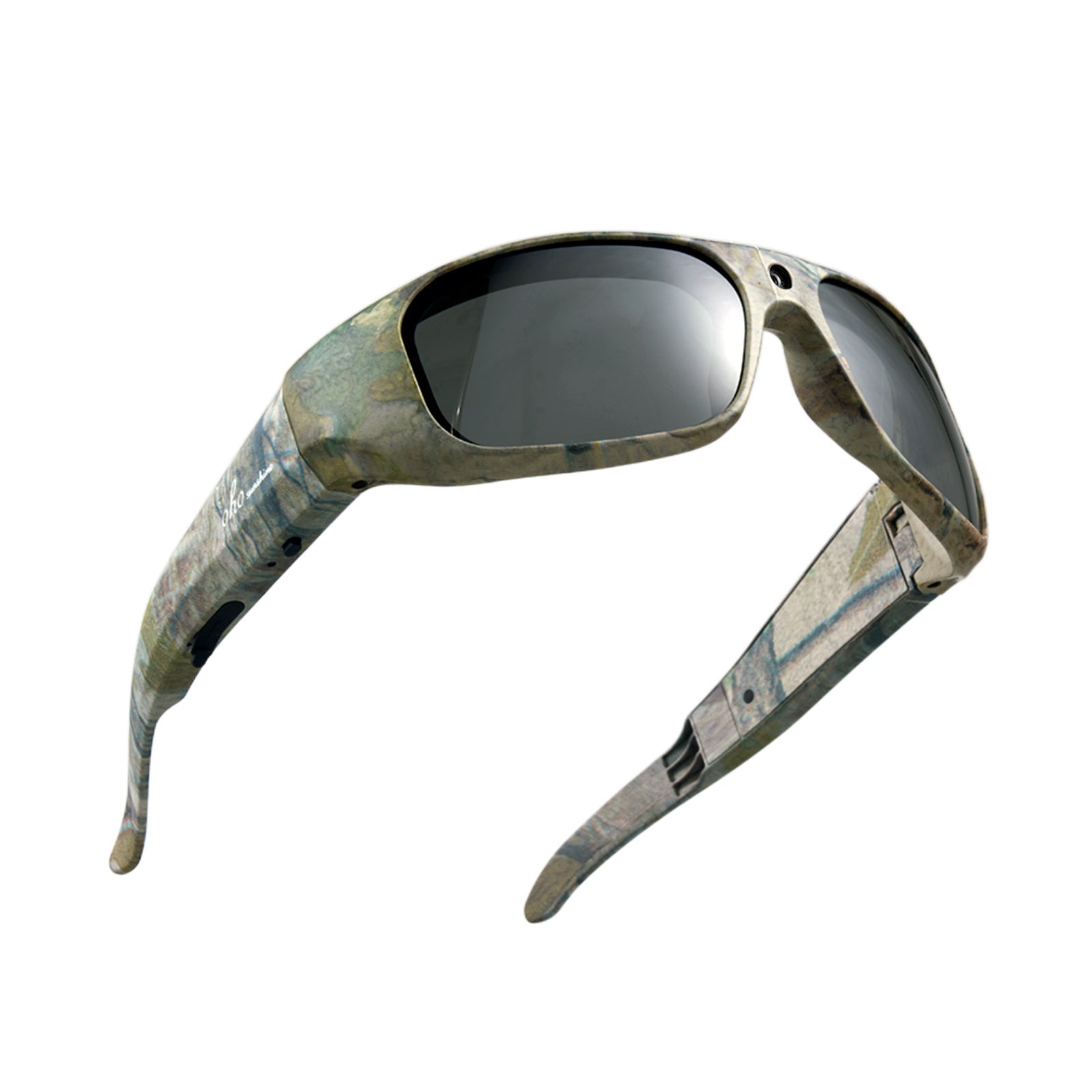
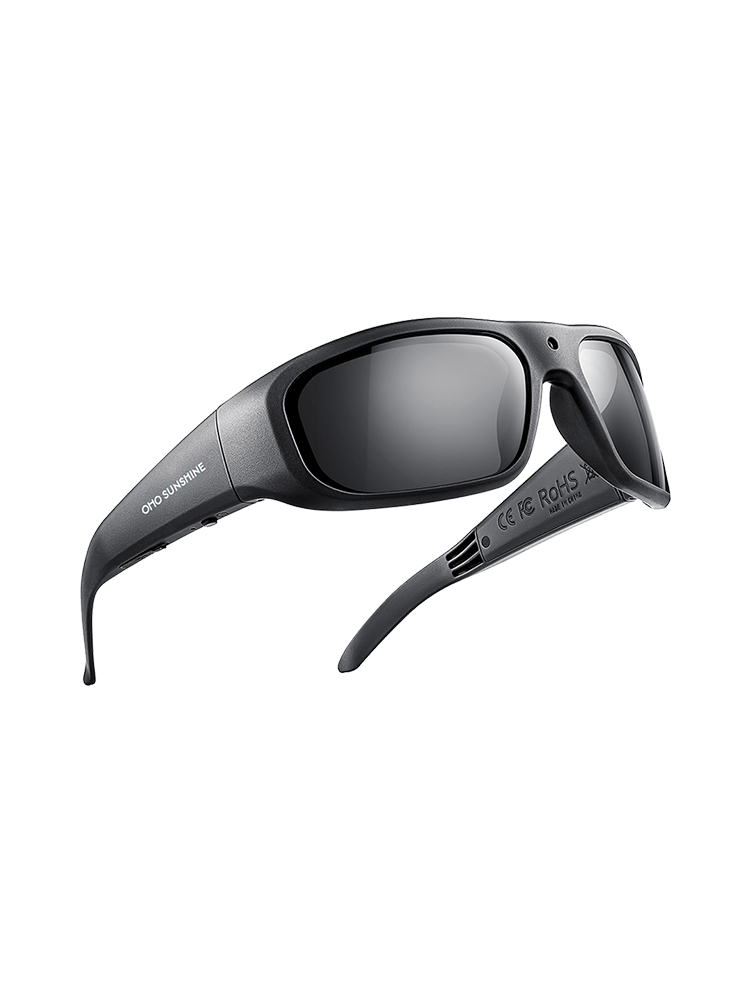
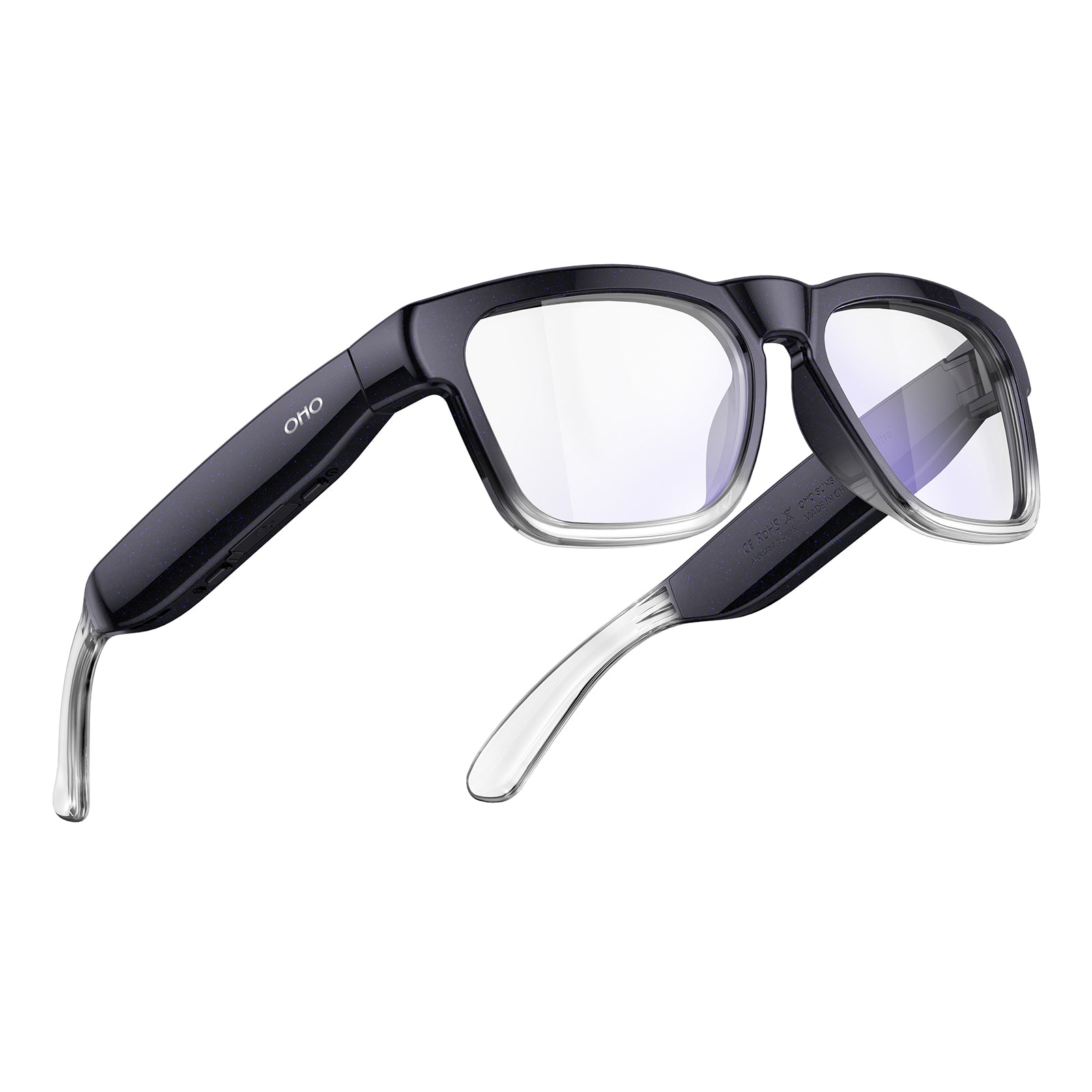
A built-in camera should only change your list if you actually want to record from your goggles. If you do, ski goggles with a camera become their own category to compare, though video features never replace the basic fit and lens checks above.
A pair that records well but leaves gaps against your face or clashes with your helmet is still the wrong pair. If recording is on your list, you can compare camera ski goggles and run the same fit and lens checks on any model you like. Some skiers prefer a separate action camera, and our camera goggle decision guide compares the two setups by fit, visibility, workflow, privacy, and maintenance.

Verify the Claims in the Listing
Before you order, compare what the listing for the exact model states with what you've confirmed yourself. A claim on a product page is the seller's statement. Treat it as something to check, not proof of performance.
- Lens information: Confirm which lens or lenses come in the box and whether each one has a listed VLT or stated use conditions. If a spare or photochromic lens is part of why you're buying, make sure it's included and not sold separately.
- Fit and compatibility statements: Note any helmet compatibility or frame-size information. A statement is a starting point. Your own try-on with your own helmet settles it.
- UV protection: Look for a UV protection claim documented for this specific goggle model. The American Academy of Ophthalmology notes that sunlight is stronger at higher altitudes and when it reflects off snow, so this matters on the mountain. Lens color or darkness doesn't prove UV protection. If the model's documentation doesn't back up the claim, treat UV protection as unresolved and get an answer before you buy. Our walkthrough on how to verify ski-goggle UV claims explains what to look for.
- Optional features: For cameras, anti-fog treatments, or charging, check the specs listed for the exact model. Don't rely on a product title or a marketing phrase.
Your next step is simple. Open the listing for each pair still on your list and compare it with the light you expect and the helmet you actually wear. Only order when the lens data, fit plan, and documented claims all hold up.
FAQs
Are snowboard goggles chosen differently from ski goggles?
The same checks apply to snowboard goggles and ski goggles. Match the lens to the light you expect, try the frame with your own face and helmet, and confirm the listing's claims for that exact model. Whether you ski or ride doesn't replace any of those checks.
Can I order a replacement pair in the same size as my old goggles?
Your old pair is a useful reference for what you liked and what bothered you. A different frame can still fit differently, even with a similar size label. Plan to try the new pair with your helmet when it arrives, and check the return policy before you order.
What does a lower VLT number mean on a goggle listing?
VLT is the percentage of visible light that passes through the lens, so a lower number lets less light through. In one tested photochromic lens, the range ran from 17% for bright sun up to 75% for dark, cloudy days. Compare VLT numbers for the exact lens you're considering, not across tint names.
Do ski goggles with a camera need extra helmet checks?
They need the same exact-pair fit check as any goggle. The camera housing adds one more part to inspect where the frame meets your helmet. Wear both together and confirm the goggles stay in position and the strap sits securely before you decide.


コメントを書く
このサイトはhCaptchaによって保護されており、hCaptchaプライバシーポリシーおよび利用規約が適用されます。