













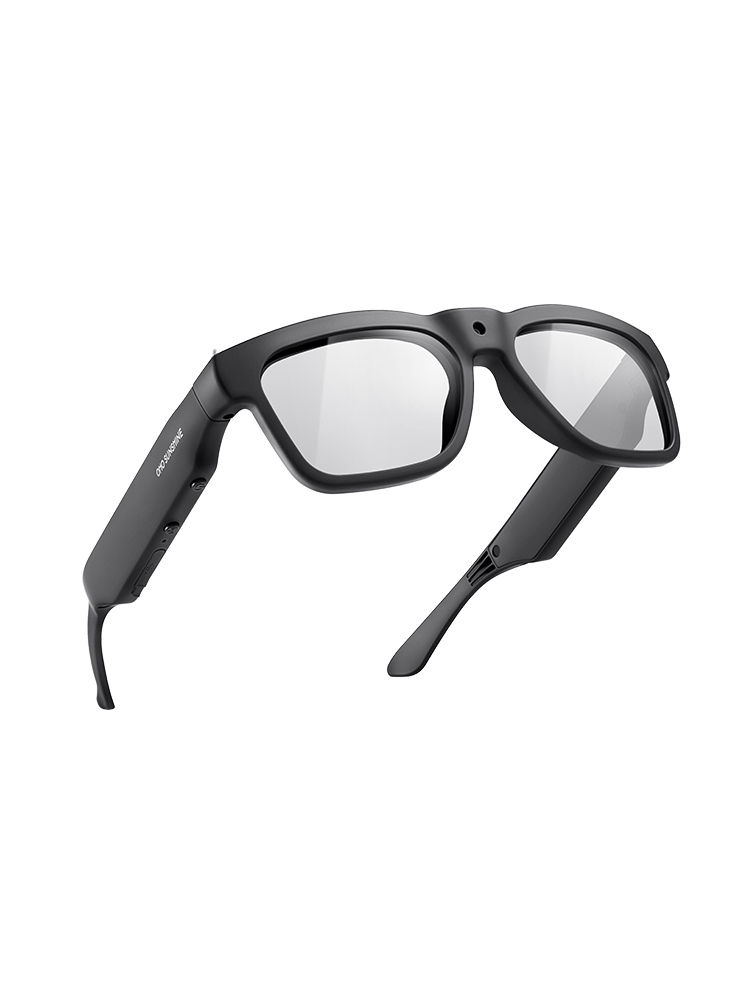


Vintage watchmakers can use smart camera glasses to document micro-repairs online, but only when the actual footage proves sharp detail at 4 to 6 inches and clears a head-mounted loupe. The 1080P label tells you the recorded frame size, not whether the lens can resolve a hairline pivot or gear tooth at bench distance. Before trusting a clip for a client update, run a focus-and-loupe test on your exact setup, because if that test fails, a fixed macro camera or microscope will document the repair more reliably.
Can 1080P Camera Glasses Capture Watch Repairs at 4–6 Inches?
The honest answer is: only if you test it on your bench. A 1080P sensor sets the output resolution, but sharp macro detail at 10 to 15 cm depends on the lens's minimum focus distance, a spec that most camera glasses listings never publish.

Verify Sharp Detail at 10–15 cm (4–6 Inches)
Set up a simple pass/fail check before you ever point the glasses at a client's watch. Use a real movement, not a blank test card, because fine components fail differently than flat text.

- Place a ruler or printed test target at 4, 5, and 6 inches from the lens and record each distance separately.
- Confirm the relevant screw, pivot, gear tooth, or defect is sharp in the recorded file itself, not just visible when you look through the loupe.
- Confirm the frame covers the full working zone once your hands and tools enter the shot.
- Treat any missing minimum-focus specification as unresolved until this recorded test actually passes.
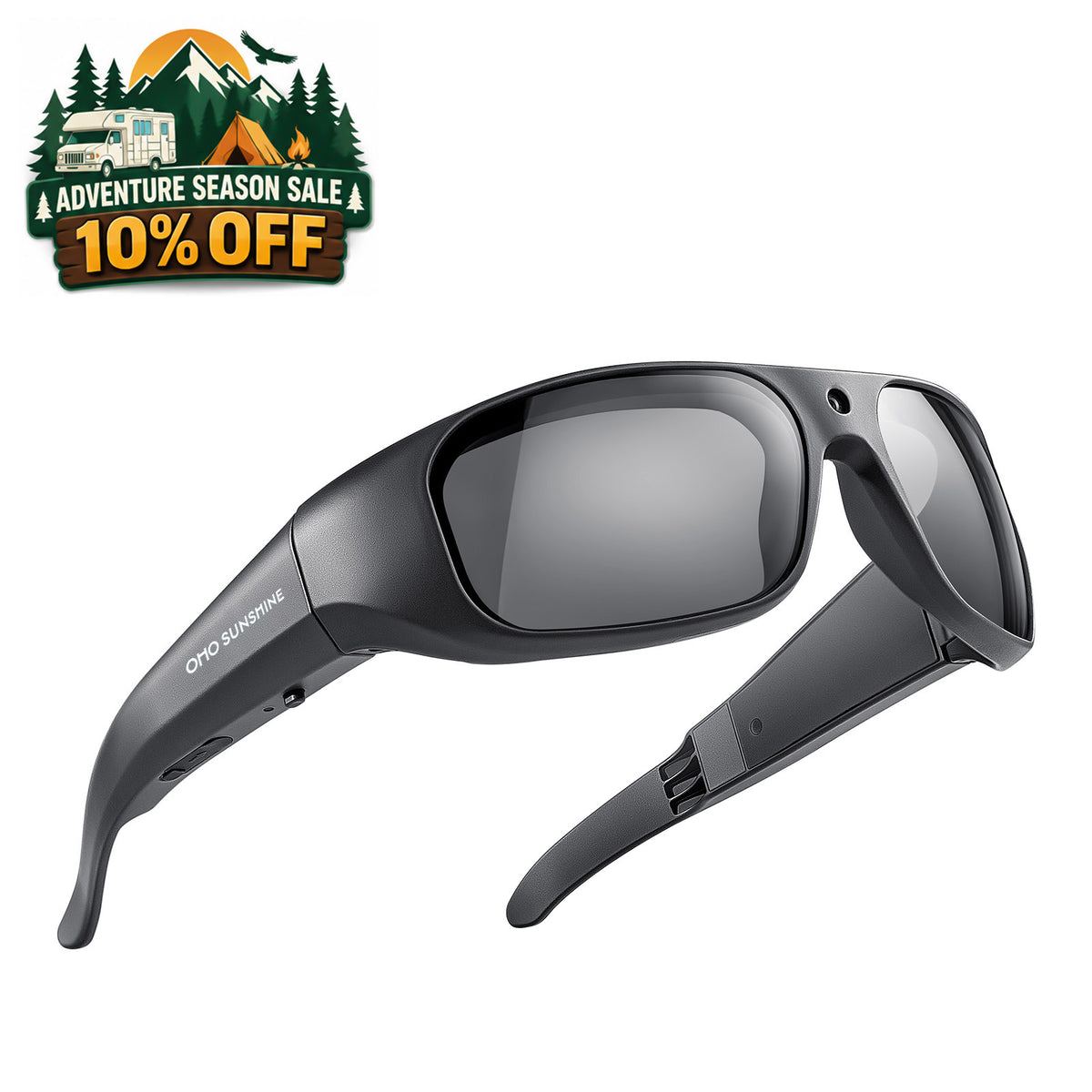
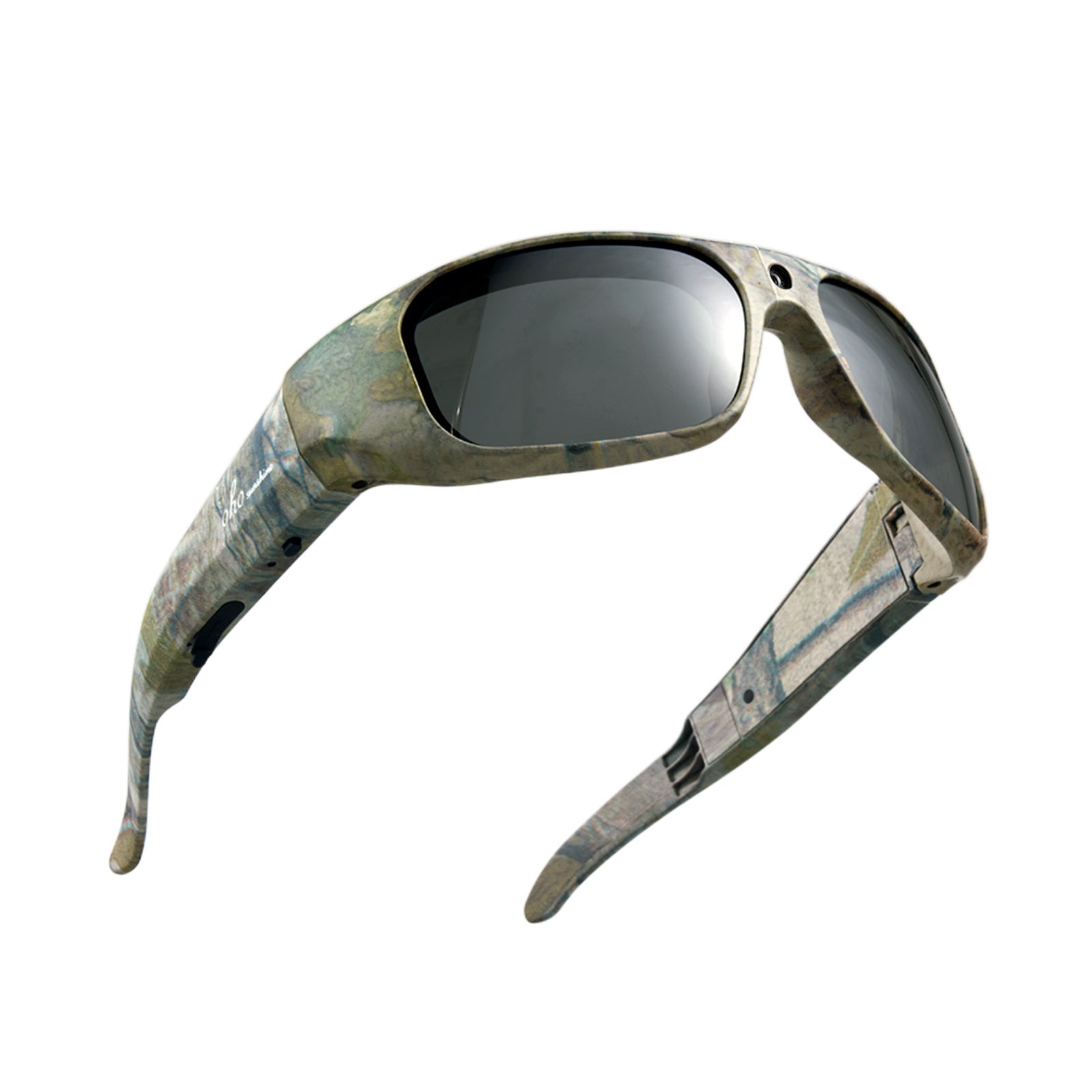
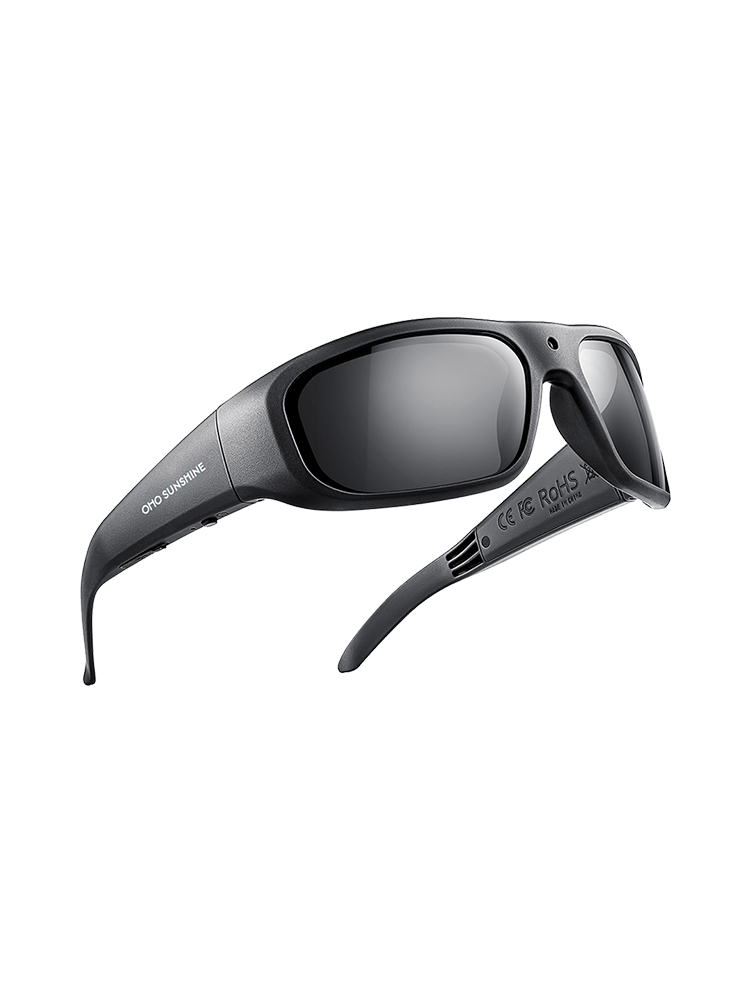
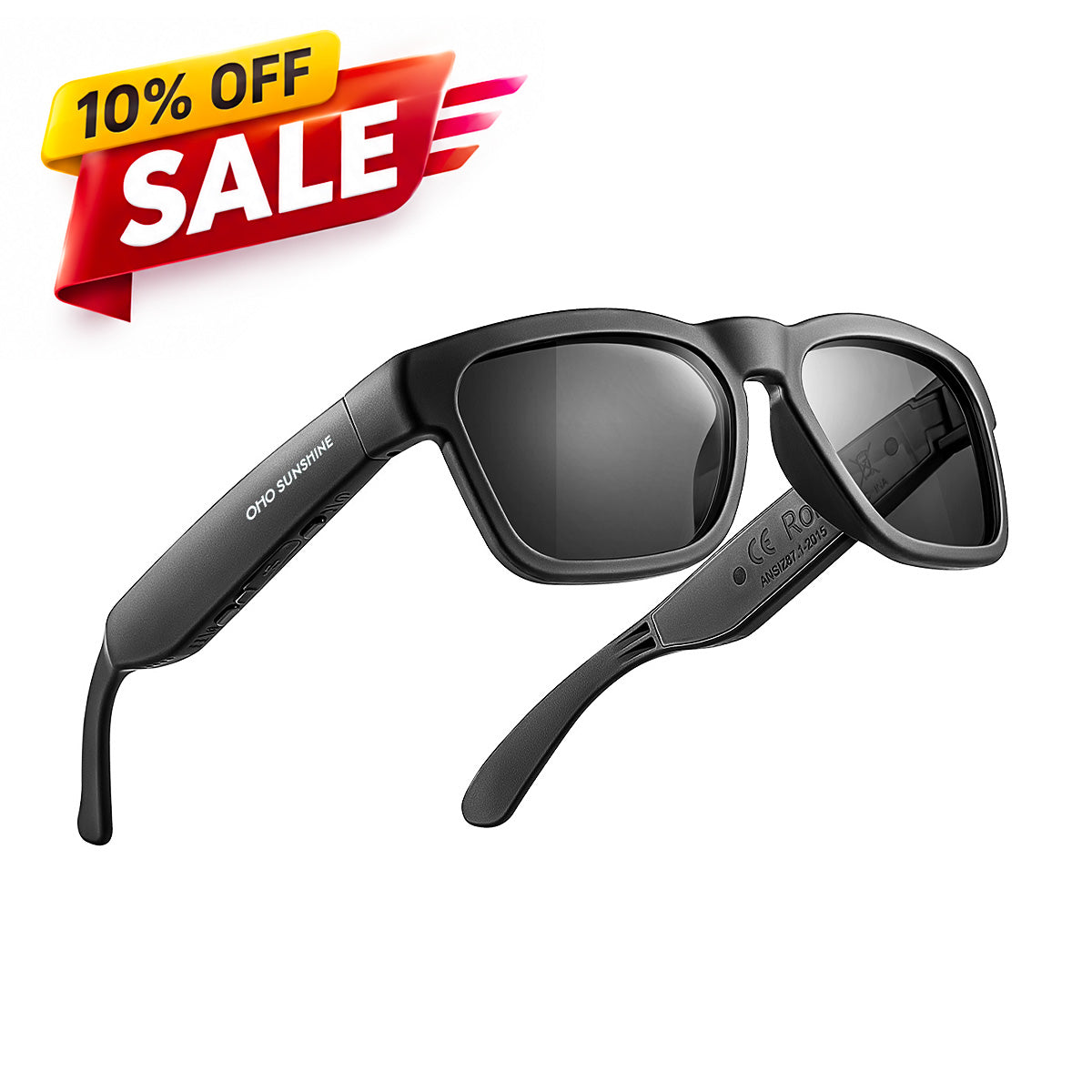
A recent buying-guide review of a 1080P OhO camera glasses model found the footage watchable, comparable to a basic dash cam, but noted the still images and on-glasses controls were limited, which is a reminder to judge macro sharpness from your own recorded clip rather than the resolution number alone, according to a camera glasses buying guide.
Check the Loupe-Camera Relationship Before Recording
A head-mounted loupe shares the same space as the camera, so it can block the shot even when your own vision through the loupe looks fine. Confirm the physical fit before you rely on it for client footage.
- Wear the exact loupe you use at the bench and confirm its housing does not cover the lens or cut a dark edge into the frame.
- Compare what the camera actually records at center frame against what you see through the loupe while looking at the movement.
- Turn your head naturally and confirm the recorded view does not drift away from the work zone.
- Check that tweezers, screwdrivers, and oilers still have clearance without you changing posture just to protect the camera's angle.
Run a Repeatable Bench Test With Real Repair Stages
A single clip is not enough evidence. Run the same short sequence across the stages you actually document for clients, then review the file that leaves your bench, not just the one on the device.
- Mark the 4-, 5-, and 6-inch distances on your bench so you can repeat the same setup later.
- Set the lighting you normally use for repair work, since glare and shadow change readability more than focus alone.
- Record a representative inspection stage, a manipulation stage, and a final-condition stage separately, because each places different demands on framing.
- Repeat the recording with the loupe worn and with the small head turns that happen during real work.
- Transfer the file through your usual workflow and review the delivered version, not only the original, before it goes to a client.
Choose Camera Glasses Only When the Footage Passes
Camera glasses fit best as a hands-free way to narrate progress, not as a substitute for controlled inspection footage. When your bench test holds up, they let you talk through a repair while your hands stay free for the movement.
If the test fails at any distance, or the loupe blocks the shot, a fixed macro camera or microscope will give you repeatable framing that does not depend on head position. For crafters facing a similar close-focus and hand-positioning challenge, the setup adjustments in close-up hand positioning translate directly to a watchmaker's bench.
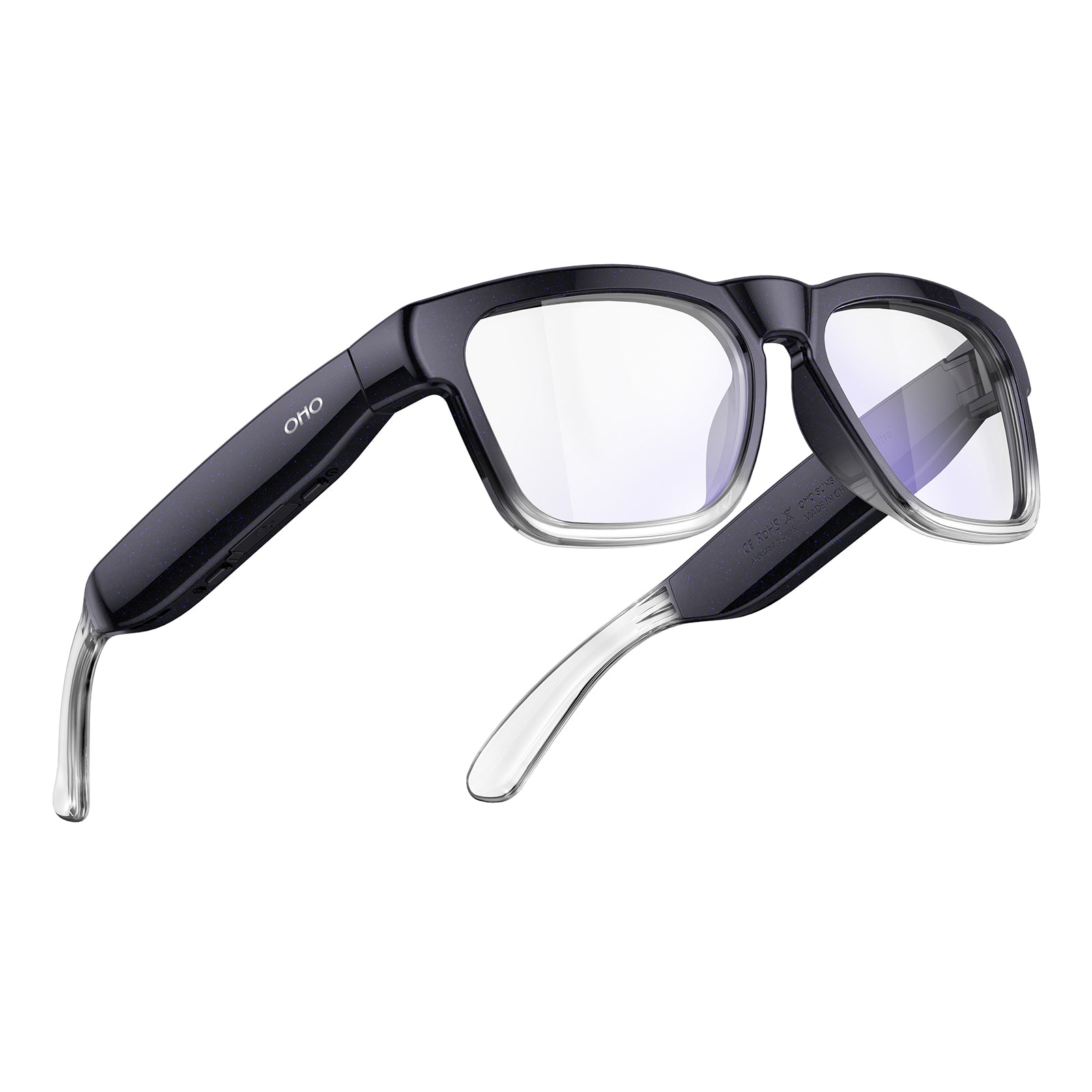
A POV clip only documents what entered the camera's frame at that moment, so it supports a repair log rather than standing in as complete proof of every action taken. Our Livi Wi-Fi camera glasses illustrate the workflow side of this decision: they record 1080p at 30 fps, work hands-free, transfer over Wi-Fi, and share files through an app, which covers capture and delivery but says nothing about macro focus or loupe clearance on their own. Those two questions still need your own bench test. Browsing the full camera-glasses collection is useful once you know which distance and loupe fit you're testing for, since models differ on lens focus behavior even at the same 1080P resolution.
FAQs
What does a 1080P repair video prove—and what does it not prove?
A 1080P clip is a record of what the camera saw at that moment, at that resolution. It does not by itself prove every step taken, any condition outside the frame, or a complete chain of events. Pair the file with a short note on the repair stage shown so a client can interpret it correctly.
Can online compression make a useful close-up look worse?
Yes. A clip that looks sharp on your device can lose detail after export, cropping, or platform recompression, especially at small screen sizes. Check the file after it travels through your actual transfer and playback path, not just the original recording, before you send it to a client.
What context should accompany a video in an online repair log?
Note which movement or stage the clip covers, and whether it shows inspection, manipulation, or final condition. Adding a before-and-after reference improves how a client reads the footage. Keep the labeling factual rather than implying that context alone turns the clip into indisputable proof.
Run the 4-to-6-inch focus test with your own loupe before relying on camera glasses for a client log; if sharpness or loupe clearance fails, a fixed macro camera or microscope remains the more dependable choice for that specific repair.


コメントを書く
このサイトはhCaptchaによって保護されており、hCaptchaプライバシーポリシーおよび利用規約が適用されます。