














A second lens is useful, not universal. If you regularly ride between bright sun and flat, stormy, or shaded light on the same day, a spare lens or a photochromic lens solves a real problem. If your days are mostly predictable, one well-chosen lens is enough. The right call comes down to three paths: one fixed lens for consistent conditions, two interchangeable lenses when you'll actually swap them, or one photochromic lens when automatic adjustment matters more than squeezing the best performance out of both extremes. Night riding follows a separate low-light rule covered below.
The Case for Carrying a Spare Lens
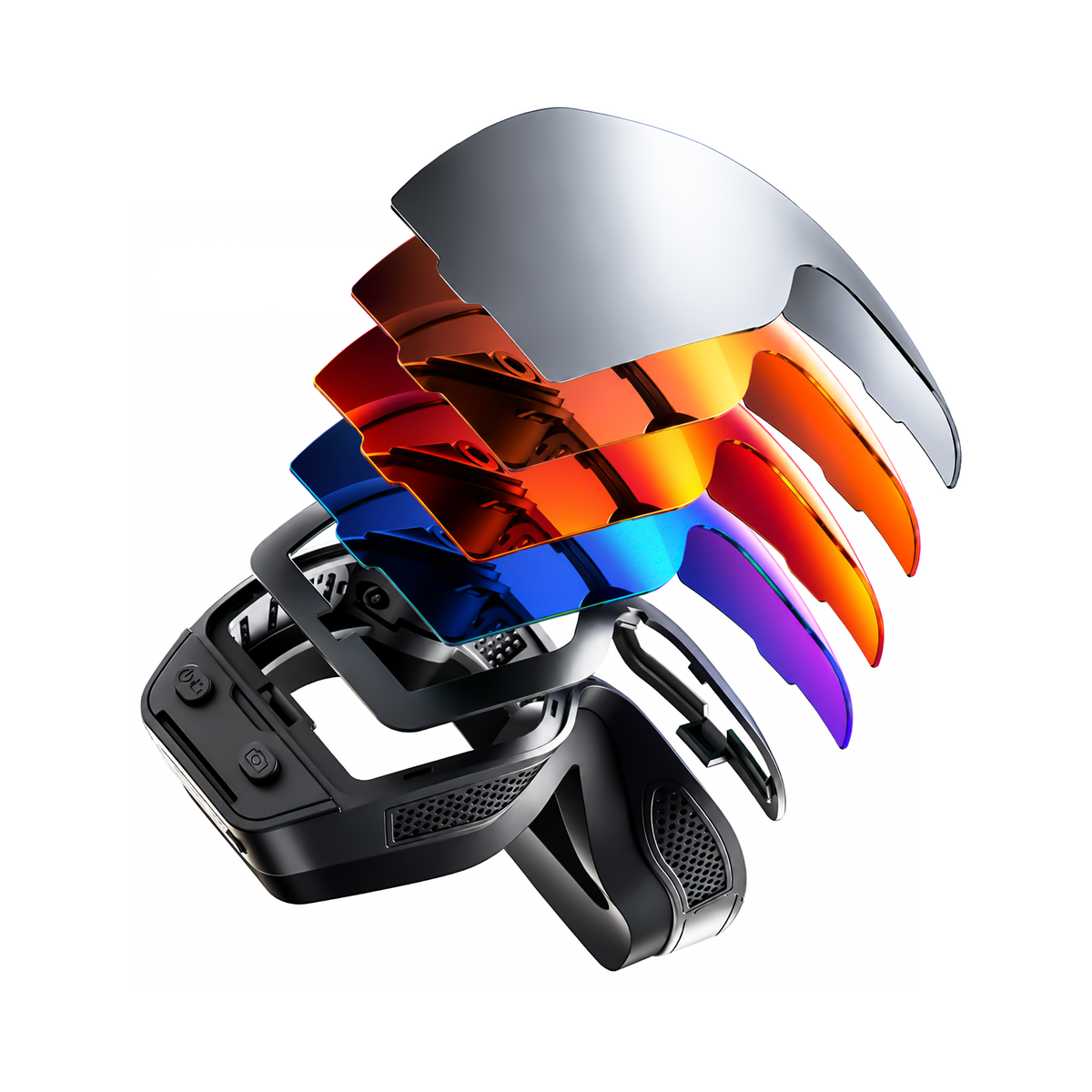
A spare lens only pays for itself when your riding pattern actually needs it and you're willing to carry and swap it. The checklist below and the cost breakdown that follows show when that trade makes sense.
When Carrying a Spare Lens Earns Its Space
- The same outing mixes bright open slopes with clouds, snowfall, or tree shade. A second lens lets you match tint to light instead of squinting through a lens built for the opposite condition.
- Storm, flat-light, dusk, or night sessions happen often enough to matter. A dedicated low-light lens keeps terrain features visible instead of forcing a dark, bright-day tint to do a job it wasn't built for.
- You're willing to carry a protected spare and actually change it between runs. A spare that stays in your bag all season is wasted cost, no matter how good it is on paper.
- Your exact frame has a confirmed compatible replacement or interchangeable lens. Check this before you buy; not every frame accepts a second lens.
- You'd rather replace one damaged lens than the whole goggle. This only holds up if a compatible replacement lens is actually available for your model.
What the Second Lens Costs in Practice
A one-lens setup is the simplest and cheapest way to own snow goggles: no case to manage, no lens to lose, and no swap to remember mid-run. An interchangeable system costs more up front, needs its own protective case or pouch, and only earns that extra cost back if you use the second lens regularly. The upside is lifecycle value: when a compatible replacement lens is confirmed available, you can often replace just the optic instead of the whole frame after a scratch. Skip the second lens if your riding is mostly predictable, and reconsider it once storms, shaded runs, or low-light sessions become a regular part of your season rather than an occasional exception.
Alternatives to Swapping Lenses (Photochromic, Camera Goggles)
Photochromic lenses and camera-integrated goggles solve different problems than a manual spare, and neither one replaces the underlying light-coverage decision. The table below compares the three core lens ownership paths before we look at recording-focused goggles and what to do about a damaged lens.

Fixed, Interchangeable, and Photochromic Lens Setups
| Setup | Daylight flexibility | Handling and swap effort | Low-light and replacement notes |
|---|---|---|---|
| Fixed-tint | One light-transmission level; fits consistent conditions best | Lowest: nothing to carry or change | Works only if its published transmission fits the light; check replacement options before relying on it long-term |
| Interchangeable | Highest, since you choose the lens for the moment | Moderate to high: needs a case and a willingness to actually swap | Best path for a dedicated low-light lens if the frame supports a compatible option |
| Photochromic | Adjusts automatically through much of the day | Low day-to-day, since there's nothing to change | Adjustment isn't instant, and extreme low-light performance varies by model; confirm replacement availability before buying |
Fixed-tint goggles keep things simple for riders whose light stays consistent, but a single dark tint is a poor fit for storms or night sessions. Interchangeable systems give you the most direct control, provided you'll actually change lenses. Photochromic lenses trade some certainty at the extremes for fewer manual swaps during the day.
When Camera Goggles Are a Separate Decision
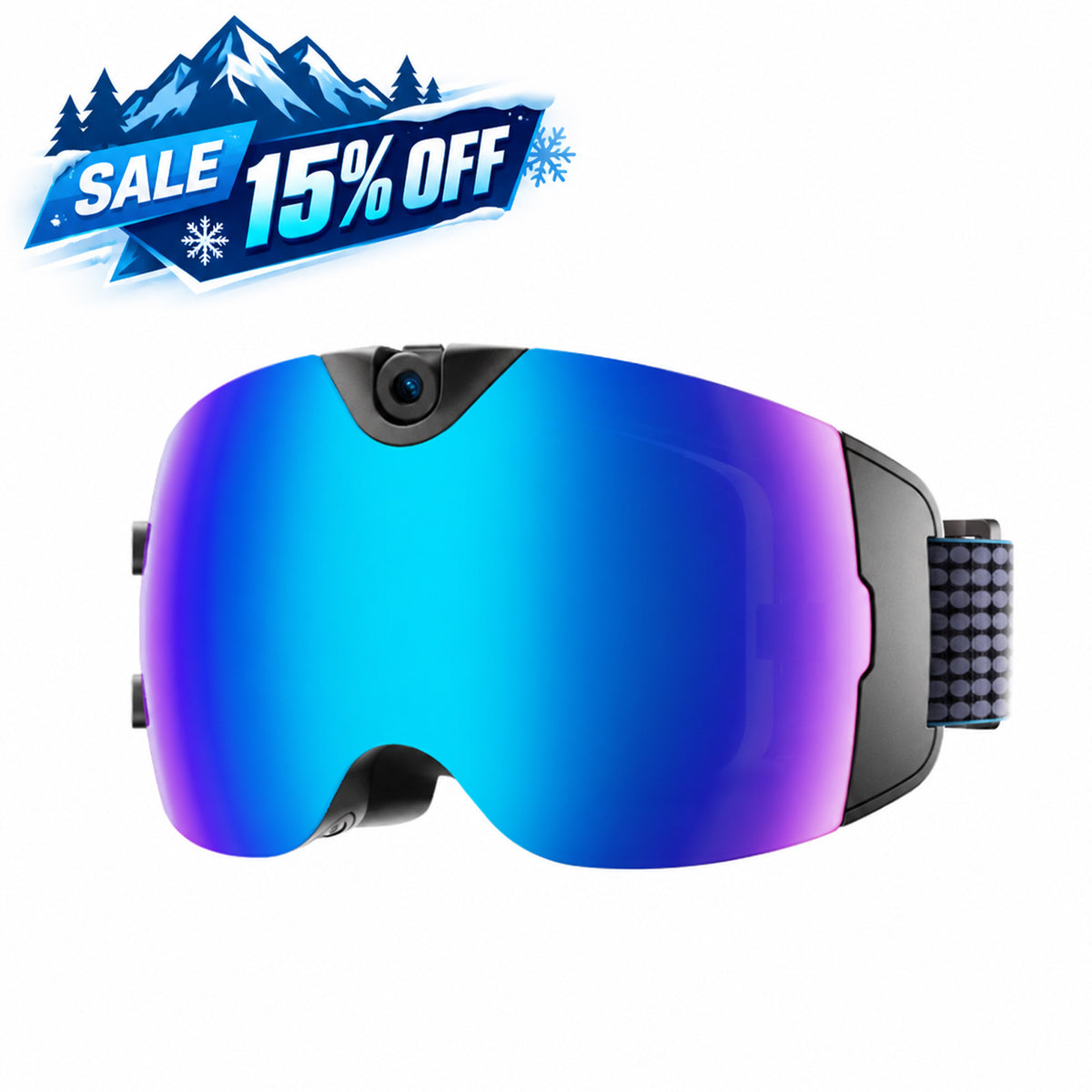
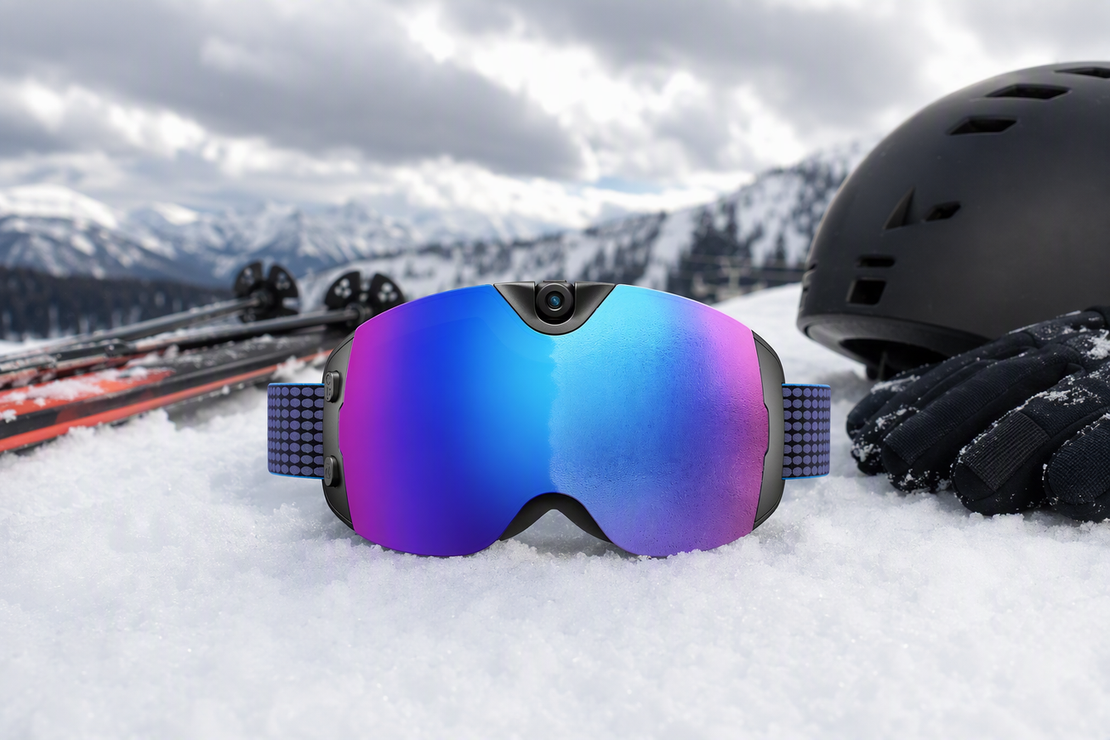
Camera integration answers a recording question, not a light-coverage question. Our Skyshot 4K camera ski goggles record 4K video at 30 fps, capture 24-megapixel photos through a 140-degree wide-angle lens, and connect over Wi-Fi with USB-C charging, which fits riders whose top priority is hands-free footage of their runs. The product listing describes the Skyshot lens as polarized and anti-fog. If recording is your main reason to buy, choose Skyshot for that job and assess its listed lens type separately when deciding whether it fits your planned light. Riders comparing recording setups more broadly can also look at how camera goggles stack up against helmet-mounted options in this camera setup comparison.
If the Lens Is Scratched or Damaged
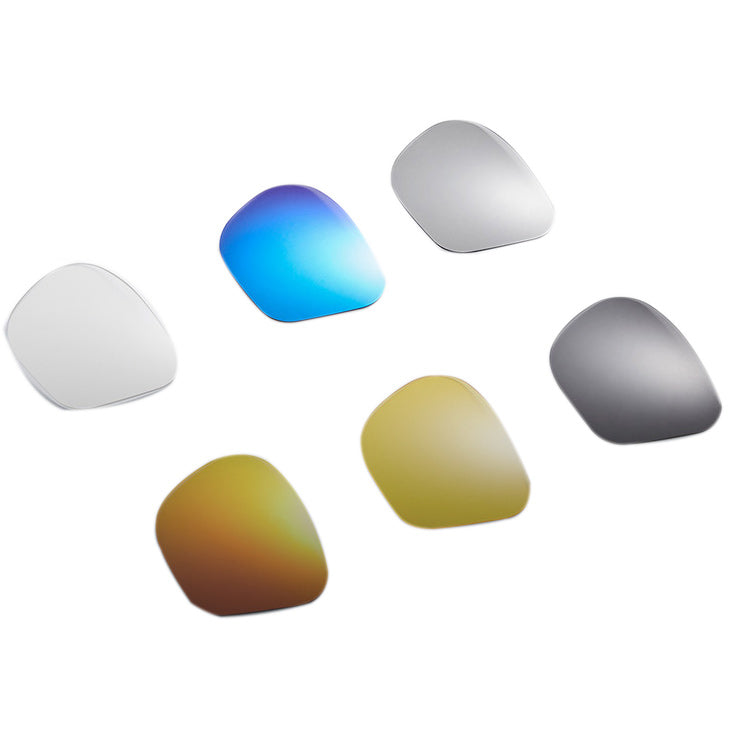
Stop relying on a scratched lens for the conditions it affects, especially low light or night riding, since scratches scatter light and reduce clarity right when you need it most. Identify your exact goggle model and lens type before ordering anything. For our Skyshot camera ski goggles, we offer Skyshot replacement lens options in Red Mirror, Blue Mirror, Silver Mirror, and Orange Transparent, sold as a pair. Confirm the listing matches your exact frame before you order, since a compatible replacement lens for snow goggles is not automatically interchangeable across every model.
Decision Framework: Which Setup Fits Your Riding Style?
Match your setup to the light pattern you actually ride in, not to a worst-case forecast. The four scenes below cover the situations most riders face across a season.
Sunny Mornings with Predictable Daylight
One fixed lens is the right call when your planned daylight stays in one range and you'd rather carry less gear. A second lens only earns its keep here if your route or forecast routinely shifts into cloud, snowfall, or shade later in the day. A sunny start doesn't guarantee a sunny afternoon, so check the forecast before assuming one lens covers the whole session.
Storm Cycles and Changing Open-Slope Light
Two interchangeable lenses fit best when bright and low-light conditions recur in the same outing and you're willing to stop and swap. Photochromic goggles can work too if you'd rather avoid stopping at all and accept some adjustment lag and model-dependent performance at the extremes. Base this choice on how you actually ride storms, not on a hypothetical worst day.
Tree Runs and Fast Shade-to-Sun Changes
Photochromic lenses are the convenience path when repeated shade-to-sun transitions make manual swaps annoying. Interchangeable lenses are the more deliberate path if you want a dedicated tint for shade and are fine changing lenses between runs. Either way, remember that automatic adjustment isn't instant, so expect a brief lag right after you cross from open slope into trees.
Night Riding or Consistently Low Light
Choose a lens documented for low light, such as a clear or high-VLT option, rather than assuming a dark, polarized, or partially clearing lens will work. A second lens is useful here only when your main lens is built for daylight and your frame supports a compatible low-light option.
| Scenario | Light pattern | Recommended setup | Key caveat |
|---|---|---|---|
| Sunny morning | Steady, predictable daylight | One fixed lens | Reconsider if the forecast shifts to cloud or shade |
| Storm cycle | Frequent bright-to-flat shifts | Two interchangeable lenses (or photochromic) | Only works if you'll actually swap |
| Tree shade | Fast shade-to-sun transitions | Photochromic for convenience, interchangeable for dedicated tint | Adjustment lag is normal, not a defect |
| Night or low light | Consistently dim or dark | Documented high-VLT or clear lens | Use only a lens documented for the planned light |
Before you buy or pack for a trip, ask four quick questions: how often does your light actually change, will you realistically carry and swap a spare, how much storage space and cost can you accept, and can you confirm a compatible replacement lens for your exact frame. Those answers point directly to a one-lens, two-lens, or photochromic setup.
FAQs
Do I Need a Spare Lens for My Snow Goggles?
A spare is worth it if you regularly ride through both bright and low-light conditions and you'll actually carry and swap a compatible lens. If your sessions are mostly predictable, one well-matched lens is usually enough.
Are Photochromic Snow-Goggle Lenses Worth It?
Photochromic lenses cut down on manual lens changes during the day, which is convenient for mixed sun-and-shade riding. The trade-off is that adjustment isn't instant, and performance at the darkest or brightest extremes varies by model, so they may not match a dedicated lens built for those conditions.
What Should I Do If My Snow-Goggle Lens Gets Scratched?
Stop using it for the conditions it affects, especially low light, since scratches scatter light. Identify your exact goggle model and lens type, then confirm a compatible replacement is actually listed before ordering. If no compatible lens exists, a new goggle may be the more practical option.
Do Camera Snow Goggles Solve Changing-Light Problems?
No. Camera integration is built for recording your runs, not for adapting to changing light. If hands-free footage is your priority, a camera goggle like Skyshot can fit that need, but you still have to check its lens independently for the light you plan to ride in.



Hinterlasse einen Kommentar
Diese Website ist durch hCaptcha geschützt und es gelten die allgemeinen Geschäftsbedingungen und Datenschutzbestimmungen von hCaptcha.