





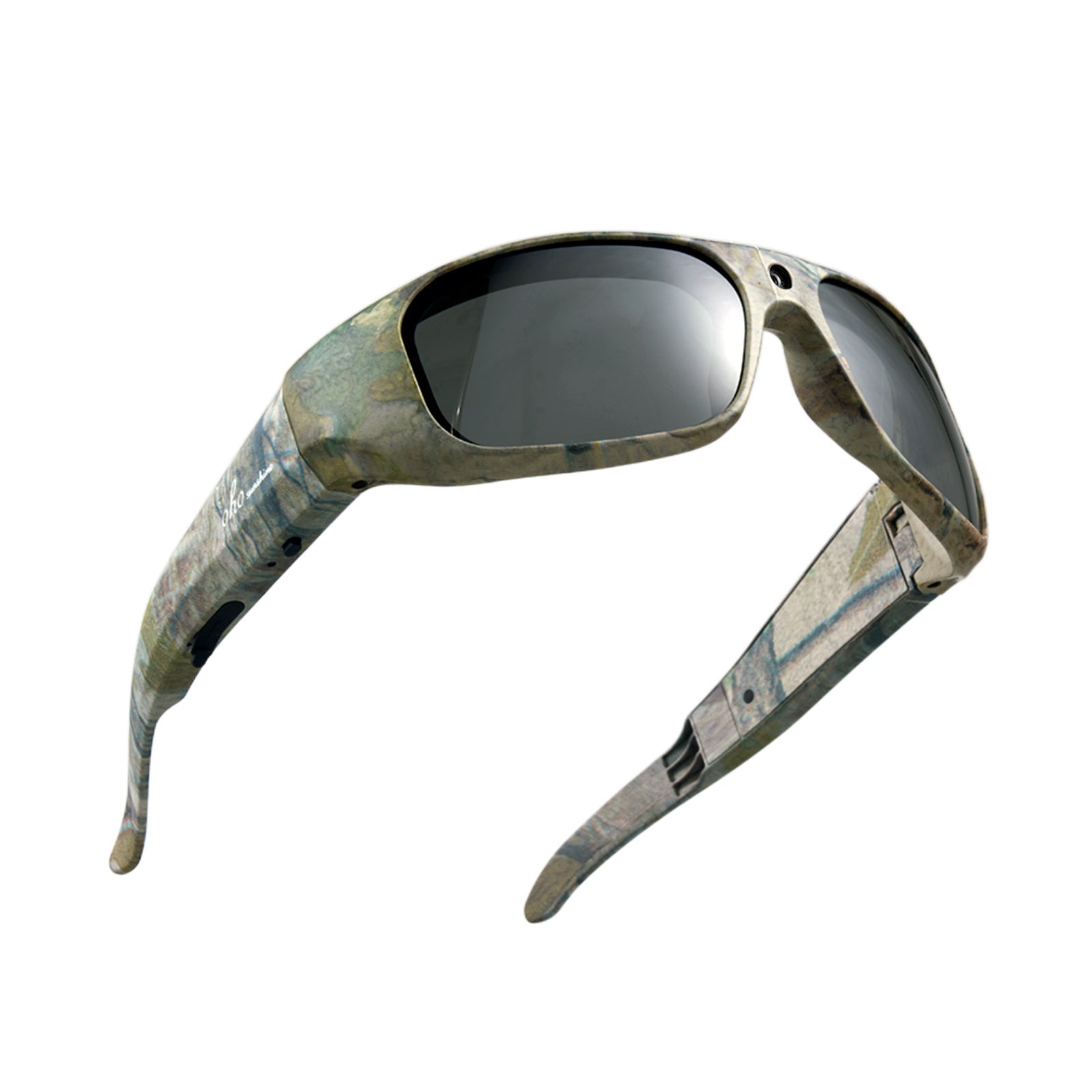


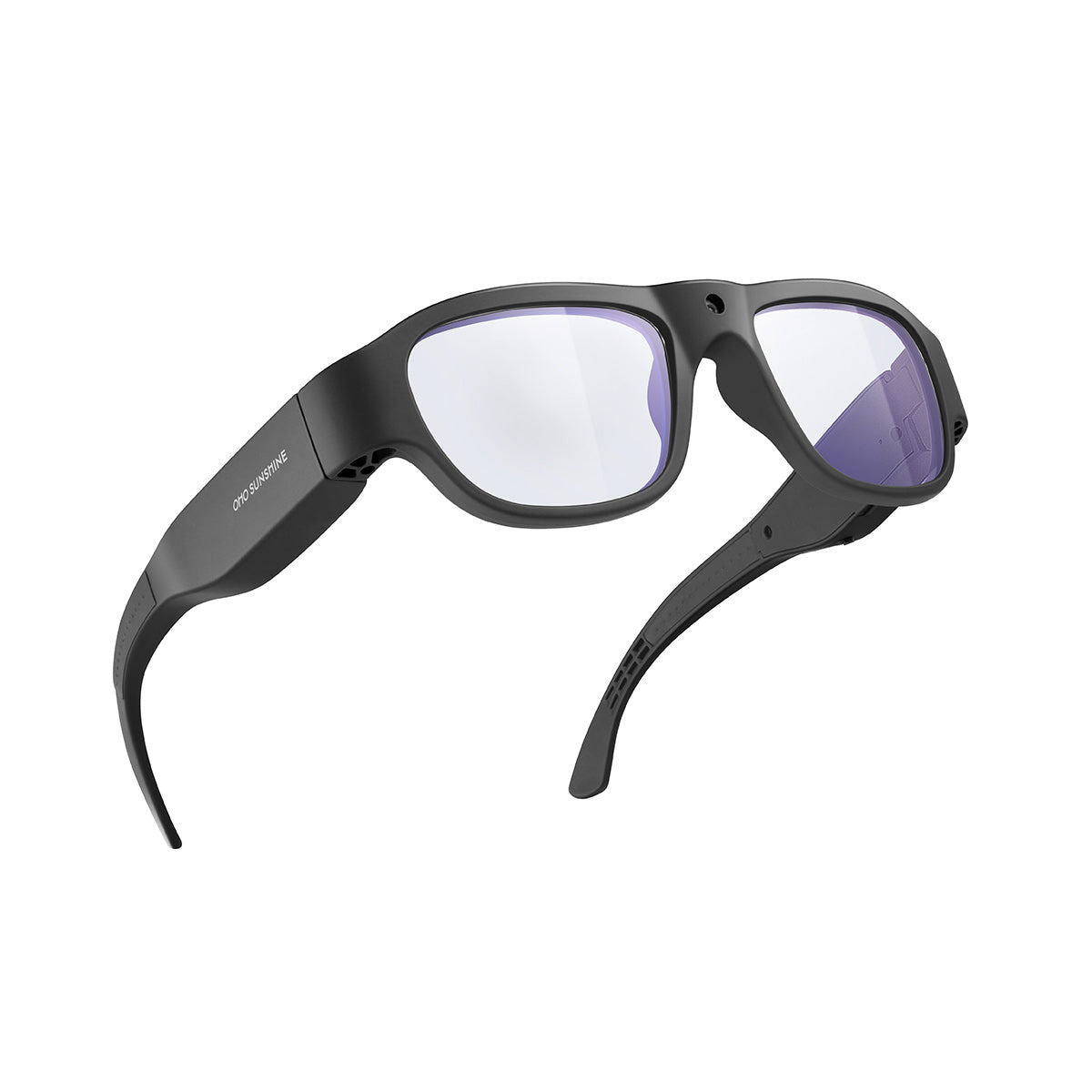
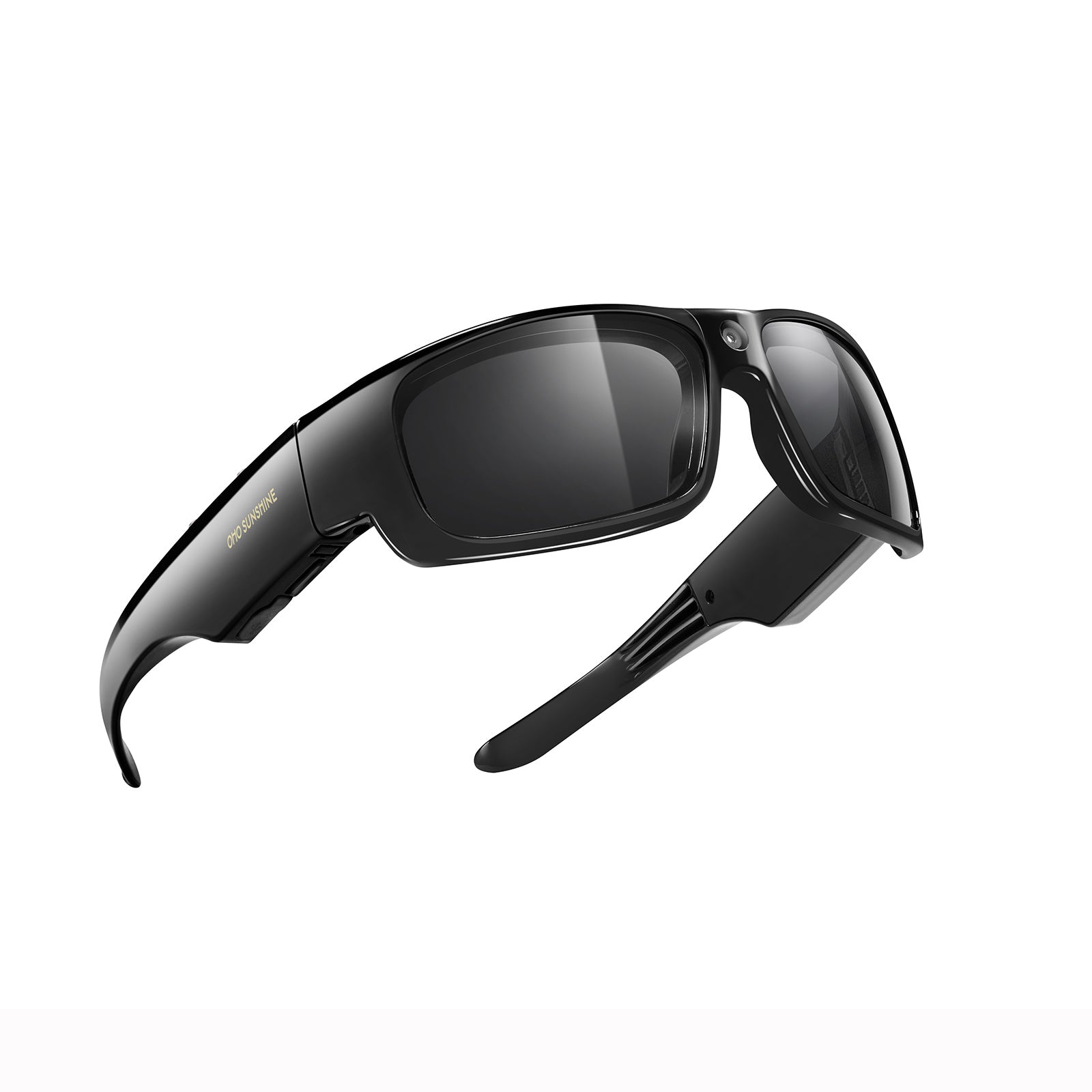


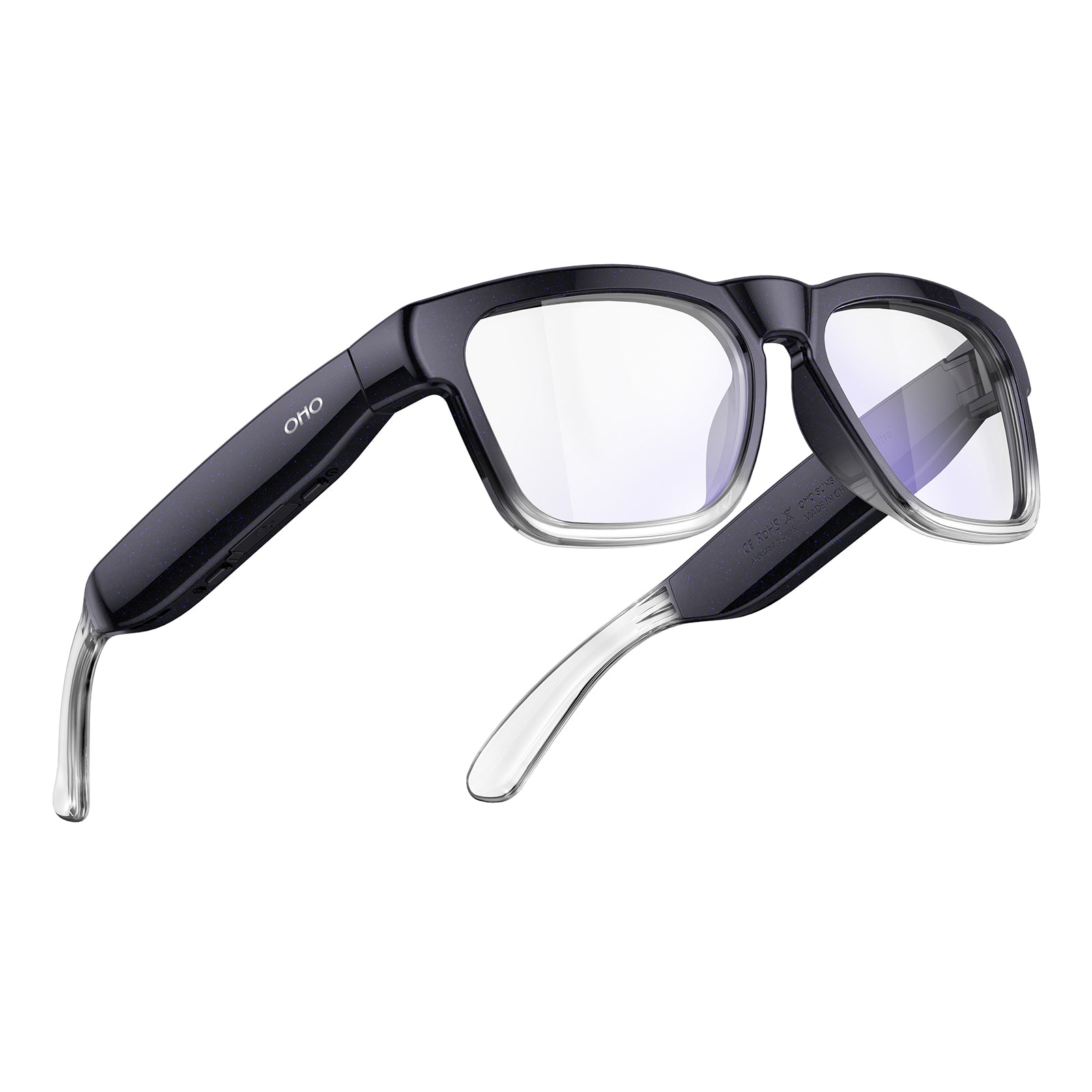


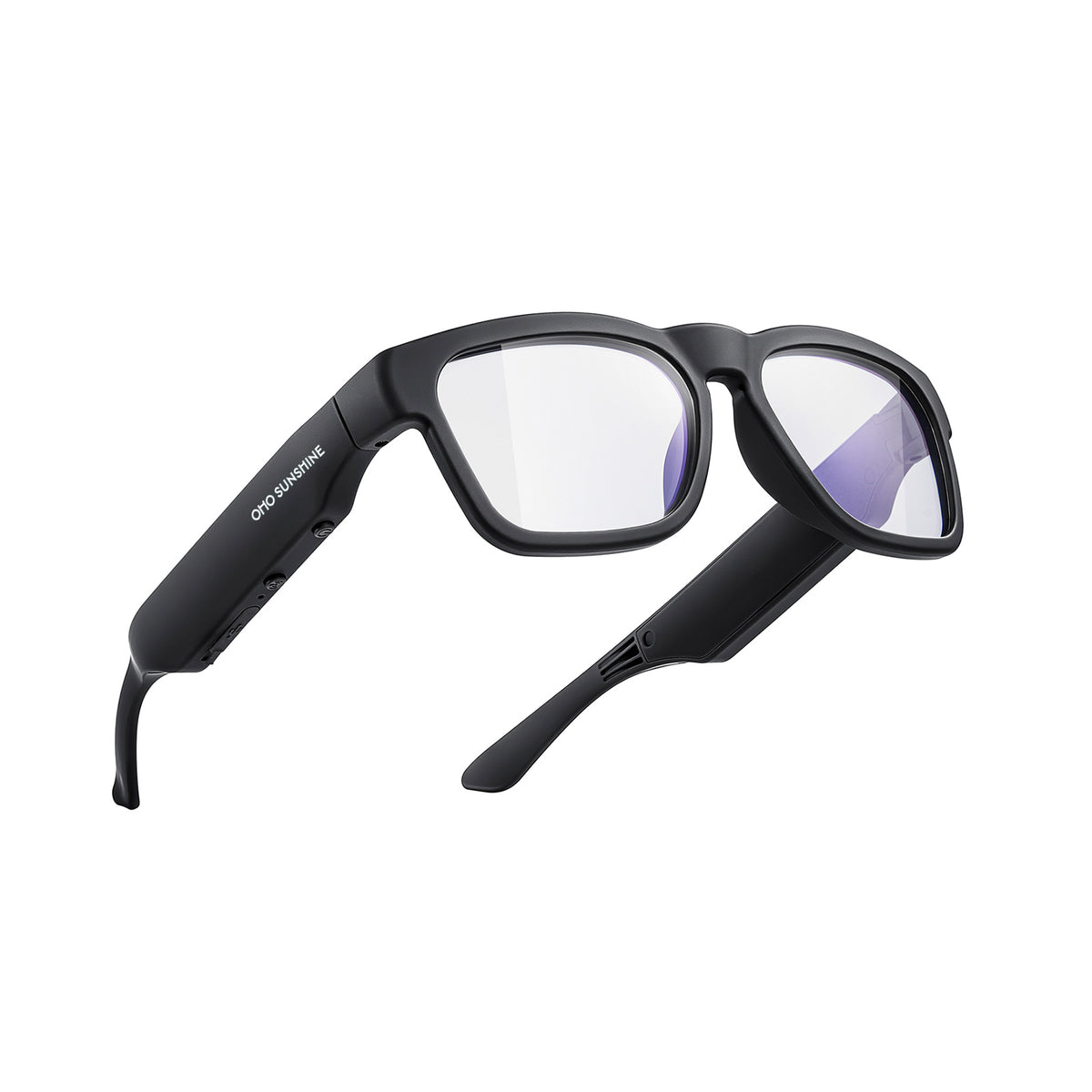


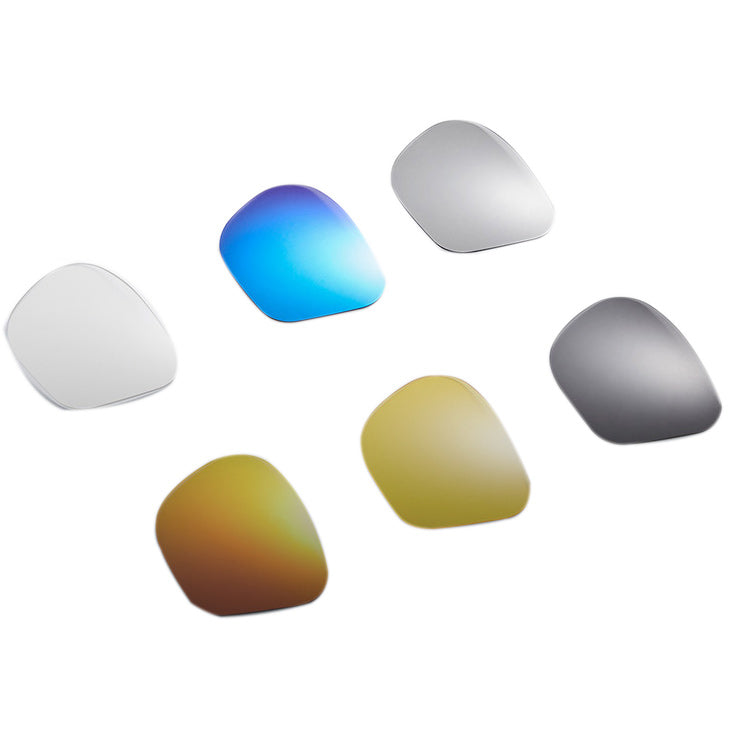
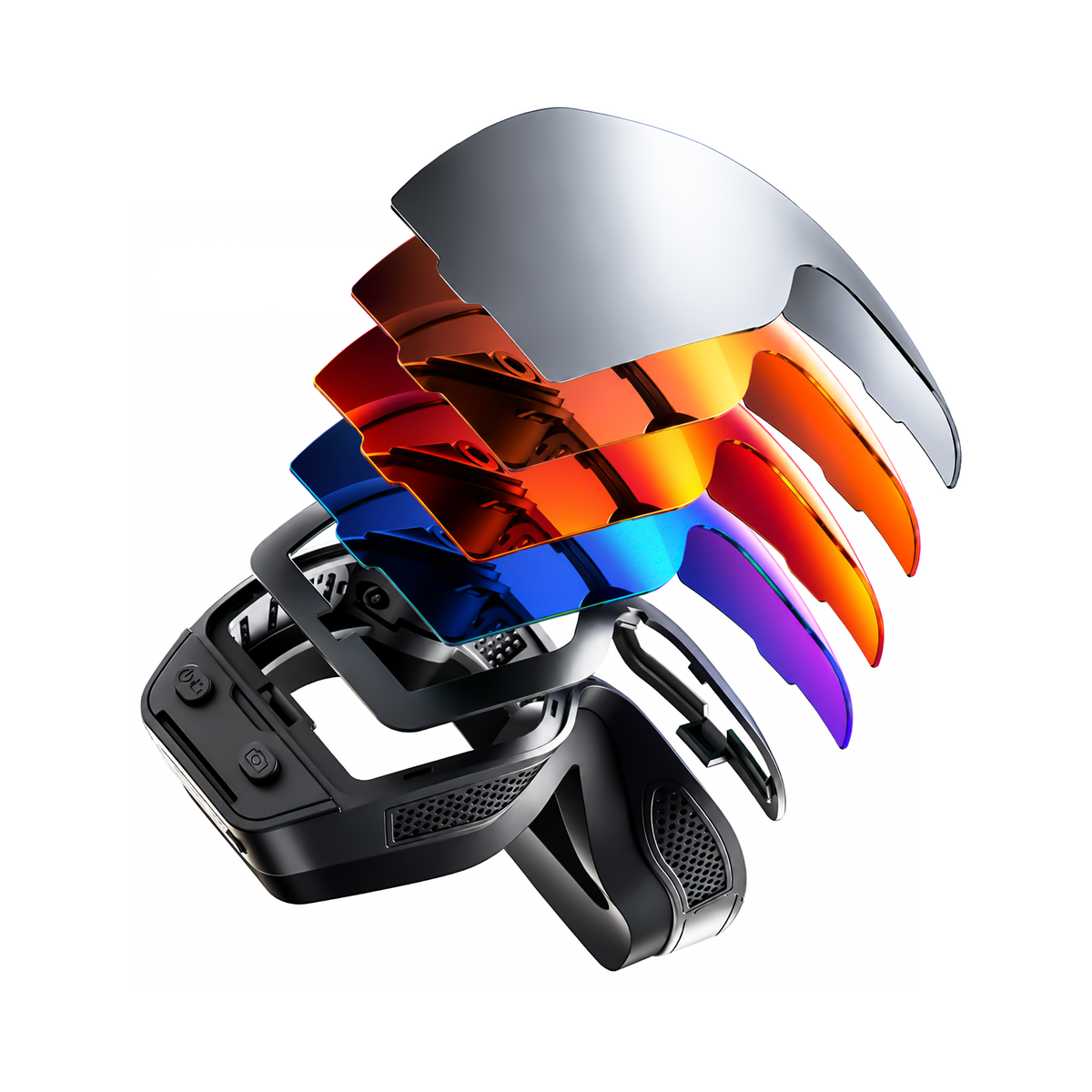




Smartbrillen zum Laufen sind sinnvoll, wenn Sie Audio und freihändige Funktionen nutzen möchten, ohne Ihre Ohren abzuschotten. Der Nachteil ist, dass Passform, Verrutschen, Windgeräusche und Schweiß eine größere Rolle spielen als im Alltag. Die richtige Brille hängt weniger vom Stil ab als davon, wie Sie laufen, wo Sie laufen und ob Sie nur Audio oder zusätzlich Aufnahmefunktionen möchten.

Warum das Laufen die Entscheidung für eine Smartbrille verändert
Laufen verändert die Kaufentscheidung, weil Bewegung neue Prüfpunkte mit sich bringt: Stabilität, Wahrnehmung der Umgebungsgeräusche und langfristiger Komfort. Bei organisierten Laufveranstaltungen zeigt die Leitlinie für Kopfhörer bei Laufveranstaltungen, warum offenes Hören anders bewertet wird als abgeschottetes Hören. Das bedeutet nicht, dass Audio mit offenem Ohr automatisch sicherer ist. Es bedeutet, dass Läufer in der Regel auf den Lärm entlang der Strecke, den Verkehr und darauf achten müssen, wie viel Aufmerksamkeit die Brille weiterhin erfordert.
Bei einem gleichmäßigen Jogginglauf kann eine einfache, auf Audio ausgelegte Brille ausreichen. Beim Laufen auf der Straße, beim Training auf dem Laufband oder bei einem schweißtreibenden Sommertraining kann sich dieselbe Brille anders anfühlen, sobald Wind, Kopfbewegungen und Hitze zusammenkommen. Wenn Sie einen breiteren Ausgangspunkt suchen, sehen Sie sich die Kollektion Laufbrillen an und entscheiden Sie dann, ob Sie einfaches Audio, Aufnahmen oder beides möchten.

Eine nützliche Faustregel lautet: Wenn Ihre Strecke vorhersehbar ist und Sie in lockerem Tempo laufen, können Sie Komfort und praktischen Audiokomfort priorisieren. Wenn sich Ihre Strecke häufig ändert oder Sie im Straßenverkehr laufen, rücken Stabilität und Aufmerksamkeit weiter nach oben auf die Liste.
Passform und Stabilität bei Bewegung
Die beste Passform beim Laufen ist die, die Sie nach den ersten Minuten nicht mehr wahrnehmen. In der Praxis bedeutet das, dass die Brille zentriert bleibt, nicht drückt und nicht wiederholt angepasst werden muss, sobald sich Ihr Schritt eingependelt hat. Das Gewicht spielt eine Rolle, aber auch die Balance. Ein Rahmen, der sich in der Hand leicht anfühlt, kann dennoch störend sein, wenn die Vorderseite nach unten zieht oder die Bügel bei Kopfbewegungen wackeln.
Rahmengewicht und Balance
Ein leichterer Rahmen lässt sich beim Laufen meist angenehmer tragen, insbesondere wenn Sie die Brille für längere Einheiten verwenden. Die Balance kann ebenso wichtig sein wie das reine Gewicht, denn ein frontlastiger Rahmen fällt beim Schwitzen und Drehen des Kopfes tendenziell stärker auf. Beim Laufen geht es nicht nur um ein geringes Gewicht. Die Brille sollte so stabil sitzen, dass Sie nicht mehr über sie nachdenken.
Nasenpads, Bügel und Halt
Nasenauflage und Halt an den Bügeln sind die Kontaktpunkte, die entscheiden, ob der Rahmen bei Schritten, Kurven und schnellen Tempoänderungen an seinem Platz bleibt. Ein sicherer Sitz ist besser als ein enger Sitz, der Druckstellen verursacht, denn Druck führt meist noch vor dem Ende des Trainings zu Reizungen. Wenn ein Produkt ein leichtes Rahmenmaterial erwähnt, kann das ein nützlicher Hinweis sein, ersetzt aber dennoch keine tatsächliche Anprobe.
Schweiß, Verrutschen und Beschlagen
Schweiß ist der häufigste Grund dafür, dass sich ein Paar nach zehn oder fünfzehn Minuten anders anfühlt als beim Test vor dem Spiegel. Sobald der Rahmen feucht wird, kann sich der Halt verändern, und an schwülen Morgen, bei Intervalltrainings oder Läufen mit häufigem Anhalten und Anlaufen kann die Brille beschlagen. Deshalb ist der praktische Test einfach: Setze die Brille auf, bewege den Kopf und prüfe, ob sie bequem bleibt, während dein Gesicht wärmer wird. Wenn du sie ständig zurechtrücken musst, sitzt sie nicht gut zum Laufen.
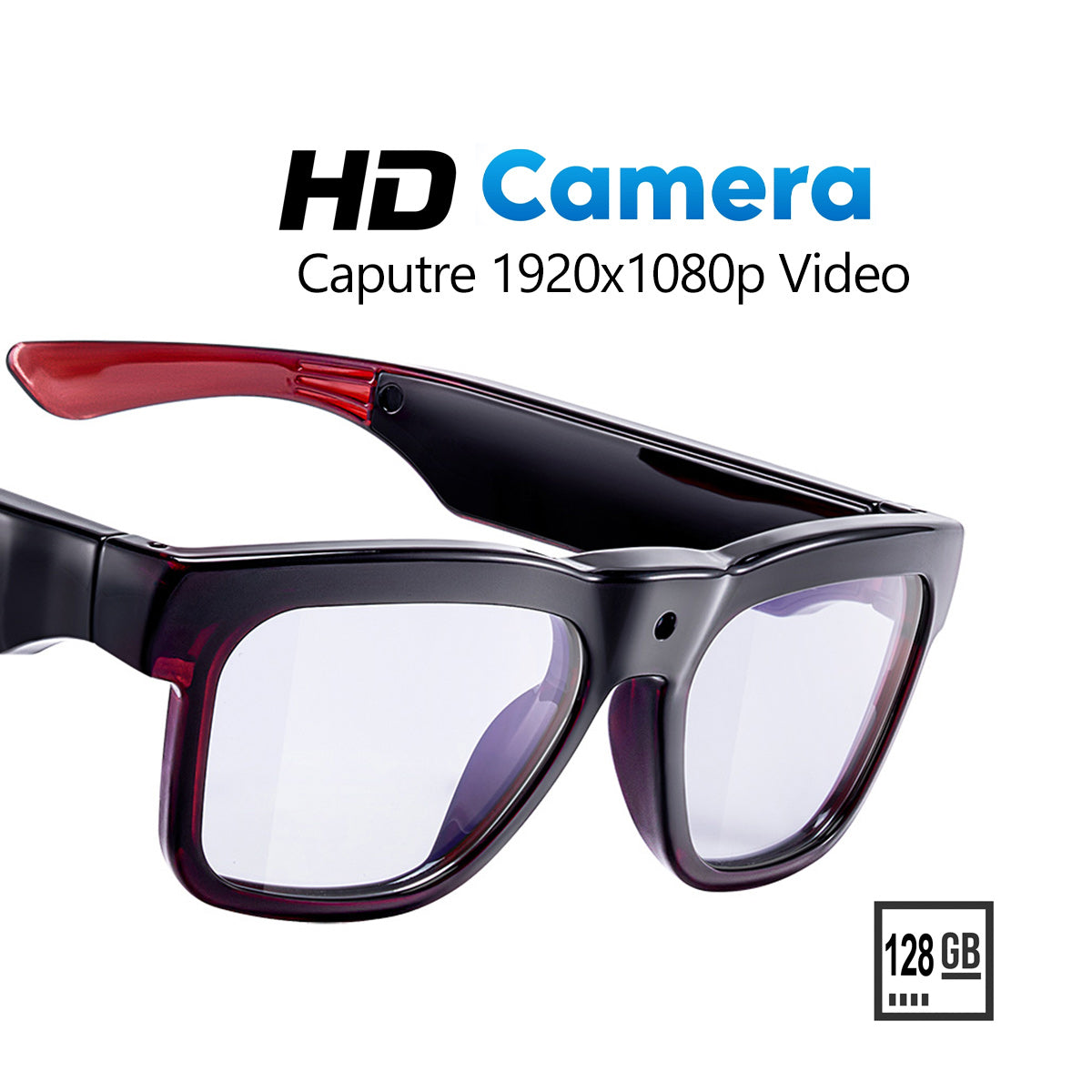
Auch die Kamerahardware kann das Tragegefühl verändern. Ein Modell, das hauptsächlich für Aufnahmen entwickelt wurde, kann für den gelegentlichen Einsatz geeignet sein, aber zusätzliches Gewicht oder ein voluminöserer vorderer Bereich können Bewegungen weniger natürlich wirken lassen. Wenn du reine Audiomodelle mit Kameramodellen vergleichst, achte zuerst auf Sitz und Balance, bevor du die Aufnahmefunktion bewertest.
Was Open-Ear-Audio kann und nicht kann
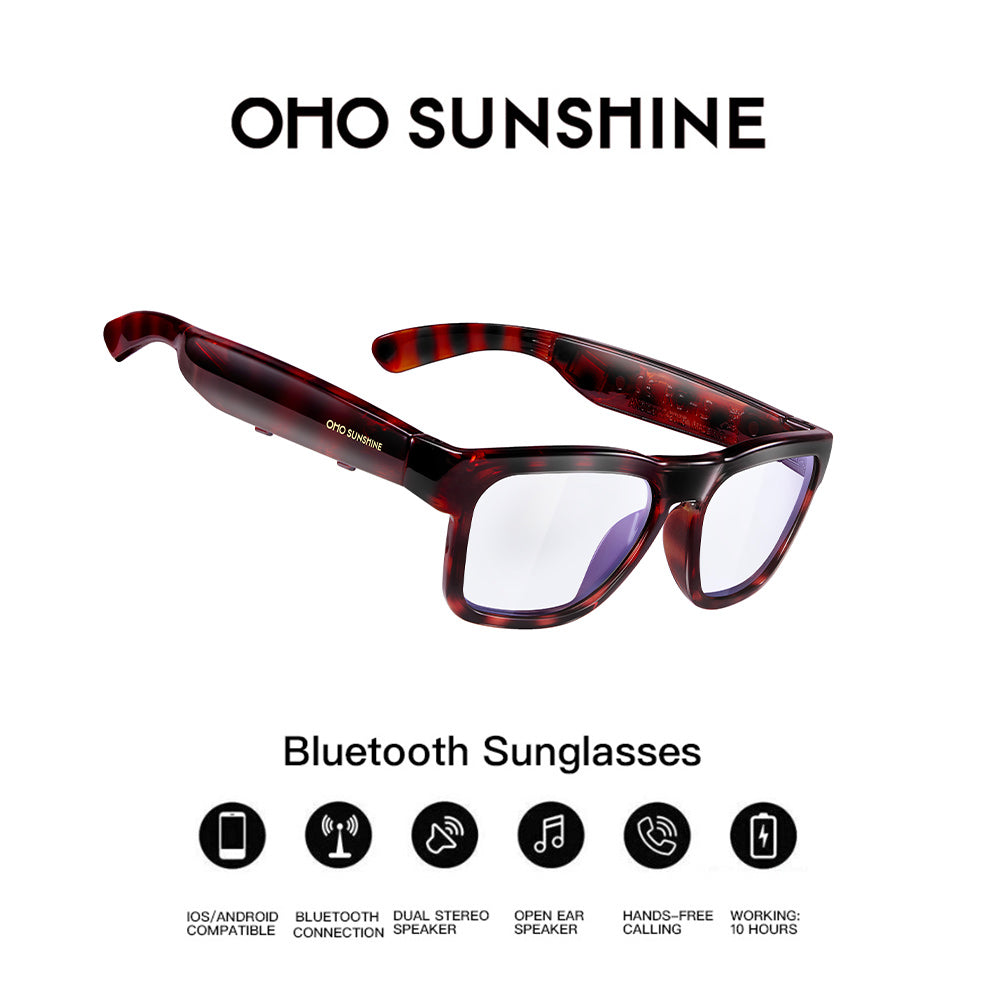
Open-Ear-Audio ermöglicht es dir, Musik, Podcasts oder Anrufe zu hören, ohne den Gehörgang vollständig abzudichten. Deshalb bevorzugen viele Läufer diese Lösung für den Einsatz im Freien. Der Vorteil ist einfach: Du hörst mit größerer Wahrscheinlichkeit den Verkehr in deiner Nähe, Radfahrer oder andere Geräusche in deiner Umgebung. Die Einschränkung ist ebenso wichtig: Aufmerksamkeit ist hilfreich, aber kein Garant für sichereres Laufen in jeder Umgebung.
Schallübertragung ist der wichtigste Kompromiss. An ruhigen Orten oder wenn du die Lautstärke erhöhst, um Wind- und Verkehrslärm zu übertönen, können andere Menschen mehr hören, als dir lieb ist. Das ist auf gemeinsam genutzten Wegen, im Fitnessstudio, in öffentlichen Verkehrsmitteln oder überall dort wichtig, wo Privatsphäre bei der Entscheidung eine Rolle spielt. Die Kompromisse bei Open-Ear-Kopfhörern zum Laufen fallen besonders auf, wenn deine Strecke laut ist, du schnell läufst oder die Lautstärke erhöhst, damit der Ton klar bleibt.
Umgebungswahrnehmung unter realen Laufbedingungen
Open-Ear-Audio funktioniert meist am besten, wenn Ihre Strecke von einer gewissen natürlichen Geräuschkulisse geprägt ist und Sie vor allem Motivation statt völliger Abschottung suchen. Bei Läufen im Freien kann sich das besser anfühlen als geschlossene Ohrhörer, da Sie weiterhin mitbekommen, was um Sie herum geschieht. Beim Training auf dem Laufband ist dieser Vorteil der Umgebungswahrnehmung weniger wichtig. Daher kommt es eher auf den Tragekomfort und darauf an, wie stark die Brille während der Bewegung verrutscht.
Schallabstrahlung und Privatsphäre
Schallabstrahlung fällt in ruhigen Umgebungen oder bei höherer Lautstärke stärker auf. Wenn Sie früh morgens laufen, den Raum mit anderen Menschen teilen oder häufig an Ampeln und Übergängen anhalten, sollten Sie diesen Kompromiss vor dem Kauf prüfen. Eine gute Frage ist, ob Sie die Brille auch bei der Lautstärke bequem tragen würden, die Sie tatsächlich benötigen, und nicht nur bei der Lautstärke, die Sie bevorzugen würden.
Lautstärke, Wind und Streckengeräusche
Wind- und Verkehrslärm können das Hören mit Open-Ear-Audio im Freien erschweren, sodass Sie möglicherweise lauter abspielen. In diesem Moment werden Schallabstrahlung und Tragekomfort oft deutlicher spürbar. Auf dem Laufband oder in einem ruhigeren Fitnessstudio kann die Verständlichkeit leichter zu kontrollieren sein. Trotzdem sollten Sie prüfen, ob sich die Bedienelemente während des Trainings einfach genug nutzen lassen.
Anrufe, Musik und Training
Musik kommt oft mit mehr Hintergrundgeräuschen zurecht als gesprochene Inhalte. Bei Anrufen und Podcasts ist meist ein klareres Signal nötig, und Wind oder Streckengeräusche beeinträchtigen sie eher. Wenn Ihr Hauptziel Motivation im Hintergrund ist, könnte eine Open-Ear-Brille gut geeignet sein. Wenn Sie bei jedem Lauf lange und konzentriert zuhören möchten, vergleichen Sie sie mit einer weniger offenen Lösung.
Schweiß, Wetter und Haltbarkeit bei langen Läufen
- Schweiß ist die erste Belastung, die Sie berücksichtigen sollten, da er den Halt und den Tragekomfort beeinflusst und bestimmt, wie oft Sie das Gestell abwischen müssen.
- Luftfeuchtigkeit und Hitze sind als Nächstes wichtig, insbesondere bei Läufen im Sommer, bei denen Beschlagen und Verrutschen schneller auftreten als in Innenräumen.
- Leichter Regen ist eine Überlegung wert, aber Sie sollten sich nur dann auf eine konkrete Angabe zur Wasserbeständigkeit verlassen, wenn sie für dieses Modell eindeutig genannt wird.
- Sonnencreme und Hautfett können sich an den Kontaktstellen ansammeln. Daher ist die Reinigungsfreundlichkeit fast ebenso wichtig wie das Gestell selbst.
- Wischen Sie die Brille nach dem Lauf trocken und lassen Sie sie vor der Aufbewahrung an der Luft trocknen.
- Gehen Sie nicht davon aus, dass eine stilvolle Lifestyle-Fassung für den regelmäßigen Einsatz im Freien geeignet ist. Beim Laufen zeigt sich die Alltagstauglichkeit daran, wie sie sich nach Schweiß, Hitze und Bewegung verhält, nicht nur daran, wie sie in einer Produktbeschreibung aussieht.
Als technische Grundlage dient die IP-Code-Referenz als allgemeiner Standard für den Schutz von Gehäusen. Die genaue Schutzart muss jedoch weiterhin für das Produkt überprüft werden, das Sie kaufen. Wenn ein Händler die Schutzart nicht eindeutig angibt, betrachten Sie die Haltbarkeitsaussage als Punkt, den Sie vor dem Kauf prüfen sollten, und nicht als Versprechen.
So stimmen Sie die Funktionen auf Ihre Laufroutine ab
| Läufertyp | Worauf es am meisten ankommt | Am besten geeignet für | Wichtigster Kompromiss |
|---|---|---|---|
| Lockere Läufe auf der Straße | Einfaches Audio, Komfort und genügend Umgebungswahrnehmung zur Orientierung | Nur freihändiges Audio | Weniger Privatsphäre bei hoher Lautstärke |
| Tempo- oder Intervalltrainings | Sicherer Sitz, wenig Verrutschen und einfache Bedienung | Audio + Echtzeitstatistiken | Mehr Funktionen können für zusätzliche Ablenkung sorgen |
| Lange Läufe | Lang anhaltender Komfort, Orientierung auf der Strecke und Unterstützung bei der Navigation | Audio + Navigation oder Audio + Statistiken + Navigation | Mehr Komplexität als bei einem einfachen Paar |
| Traillaufen | Wahrnehmung der Umgebung, Navigation und sicherer Sitz | Audio + Statistiken + Navigation | Nicht jede Funktion ist für jeden Läufer notwendig |
| Pendeln oder Läufe mit gemischter Nutzung | Komfort und vielseitige Einsatzmöglichkeiten | Nur freihändiges Audio oder Audio + Statistiken | Displaylastige Ausführungen sind möglicherweise mehr, als Sie benötigen |
Diese Tabelle hilft dabei, den Läufertyp dem passenden Funktionsumfang einer Smart-Brille zuzuordnen: Routineläufer benötigen in der Regel die geringste Komplexität, während Langstrecken- und Trailläufer stärker von freihändigen Statistiken und Navigation profitieren. Displaylastige Ausführungen sind nur für speziellere Fälle mit gemischter Nutzung sinnvoll.
Wenn Sie den einfachsten Weg bevorzugen, beginnen Sie mit dem Funktionsumfang, der zu Ihrer Strecke passt, und ignorieren Sie den Rest. Wenn Sie übersichtlicher stöbern möchten, sehen Sie sich die Bluetooth-Brillenkollektion an und grenzen Sie die Auswahl danach ein, ob Sie nur Audio oder auch Kamerafunktionen benötigen.
Letzte Prüfungen, bevor Sie damit laufen
Probieren Sie die Brille zuerst zu Hause und anschließend auf einer einfachen Strecke aus, bevor Sie sie bei einem langen Training verwenden. Achten Sie darauf, ob die Fassung beim Schwitzen an ihrem Platz bleibt, nicht nur beim ersten Aufsetzen. Stellen Sie die Lautstärke auf die niedrigste Stufe ein, die für Ihre Strecke und Ihr Tempo noch ausreicht. Entscheiden Sie, ob Sie Aufnahmefunktionen wirklich benötigen oder ob eine reine Audiolösung besser zum Laufen geeignet ist.
Wenn Sie noch unschlüssig sind, wählen Sie den Funktionsumfang mit der geringsten Komplexität, der zu Ihrer Laufstrecke und Ihrem Trainingsstil passt. Für Läufer, die vor allem Komfort und ein gutes Bewusstsein für ihre Umgebung wünschen, bedeutet das häufig eine Audio-Brille. Für Läufer, die zusätzlich Aufnahmen machen möchten, ist die Kollektion der Kamera-Brillen der richtige Ort, um Optionen zu vergleichen, bevor Sie sich entscheiden.
Häufig gestellte Fragen
Wie unterscheiden sich Smart Glasses beim Laufen von Ohrhörern?
Smart Glasses vermitteln in der Regel ein offeneres Tragegefühl, wodurch Sie Ihre Umgebung besser wahrnehmen können, während Ohrhörer Audio meist stärker abschirmen. Entscheidend ist, ob Ihnen die Wahrnehmung von Umgebungsgeräuschen oder ein privateres Hörerlebnis wichtiger ist. Wenn Ihre Laufstrecke laut oder stark frequentiert ist, vergleichen Sie vor der Auswahl, wie viel Lautstärke Sie benötigen.
Kann man Smart Glasses für das Training auf dem Laufband verwenden?
Ja, die Nutzung auf dem Laufband ist oft einfacher als das Laufen im Freien, da Wind und Verkehrslärm nicht gegen Ihre Audioinhalte ankämpfen. Entscheidend sind Komfort, Schweiß und die Frage, ob das Gestell bei Intervallen stabil bleibt. Wenn Sie ausschließlich drinnen laufen, benötigen Sie möglicherweise keine Lösung, bei der die Wahrnehmung der Umgebung im Vordergrund steht.
Warum lässt Open-Ear-Audio beim Laufen Geräusche nach außen dringen?
Open-Ear-Audio kann Geräusche nach außen dringen lassen, da es dafür ausgelegt ist, die Umgebung wahrzunehmen, anstatt den Klang abzuschirmen. Das Durchsickern von Ton wird meist bei höherer Lautstärke deutlicher, besonders an ruhigen Orten. Wenn Ihnen Privatsphäre wichtig ist, testen Sie die Brille bei der Lautstärke, die Sie beim Laufen tatsächlich verwenden würden, nicht bei der niedrigsten Einstellung.
Welche Eigenschaften sind für einen stabilen Sitz beim Laufen am wichtigsten?
Achten Sie zuerst auf die Balance, die Nasenauflage und den Halt an den Bügeln. Eine Laufbrille sollte auch nach einigen Minuten Bewegung bequem sitzen - nicht nur beim Test vor dem Spiegel. Wenn ein Kameramodul die Vorderseite schwerer macht, ist das ein Zeichen dafür, Audio-Modelle und Aufnahmemodelle separat zu vergleichen.
Wie pflegt man Smart Glasses nach schweißtreibenden Läufen?
Wischen Sie das Gestell trocken, lassen Sie es an der Luft trocknen und reinigen Sie die Kontaktstellen, bevor Sie es verstauen. So können Sie erkennen, ob Schweiß den Sitz im Laufe der Zeit verändert. Wenn die Brille trotz normaler Reinigung weiterhin verrutscht oder beschlägt, ist sie wahrscheinlich nicht die beste Wahl für regelmäßiges Laufen.


Kommentar hinterlassen
Diese Website ist durch hCaptcha geschützt und es gelten die allgemeinen Geschäftsbedingungen und Datenschutzbestimmungen von hCaptcha.