



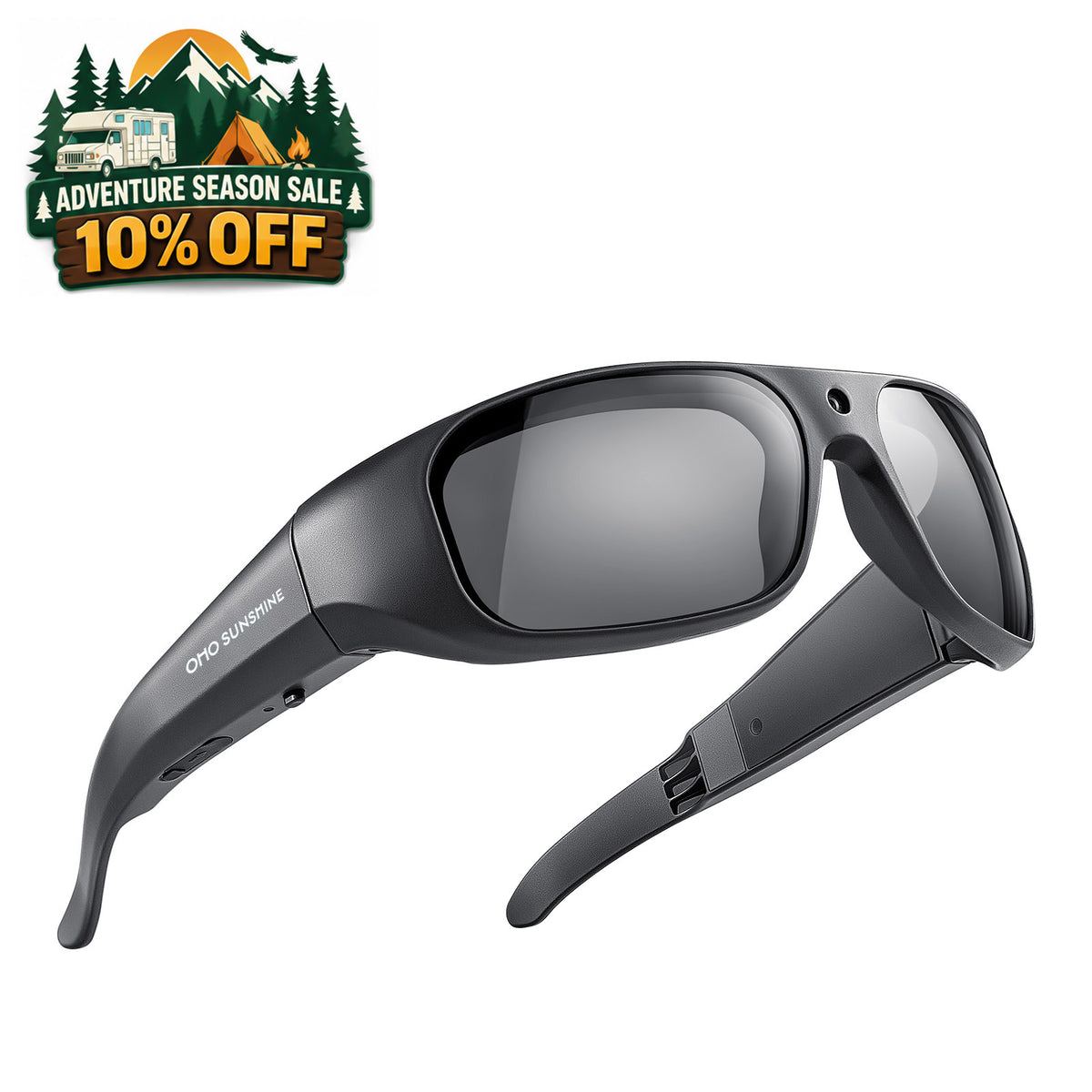


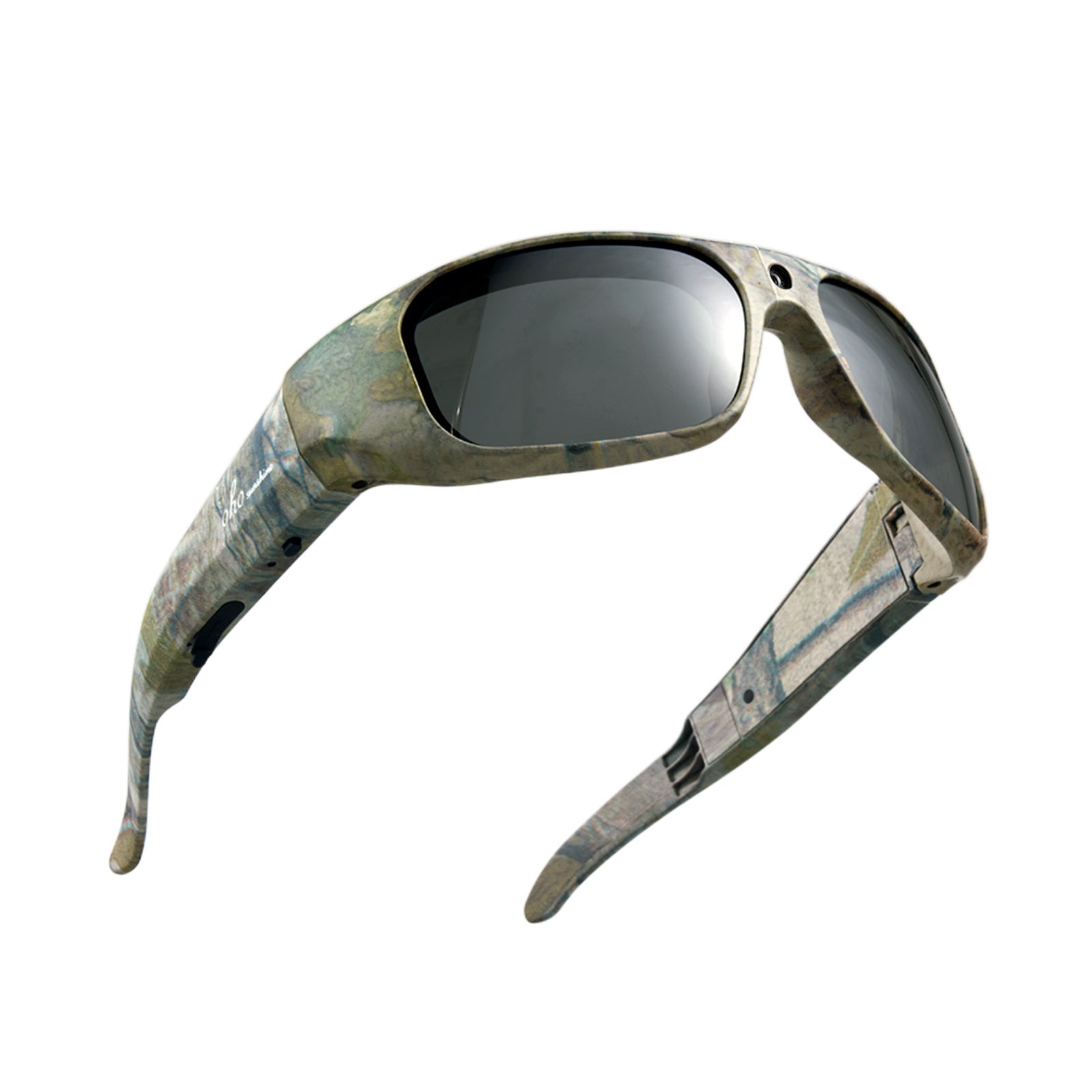


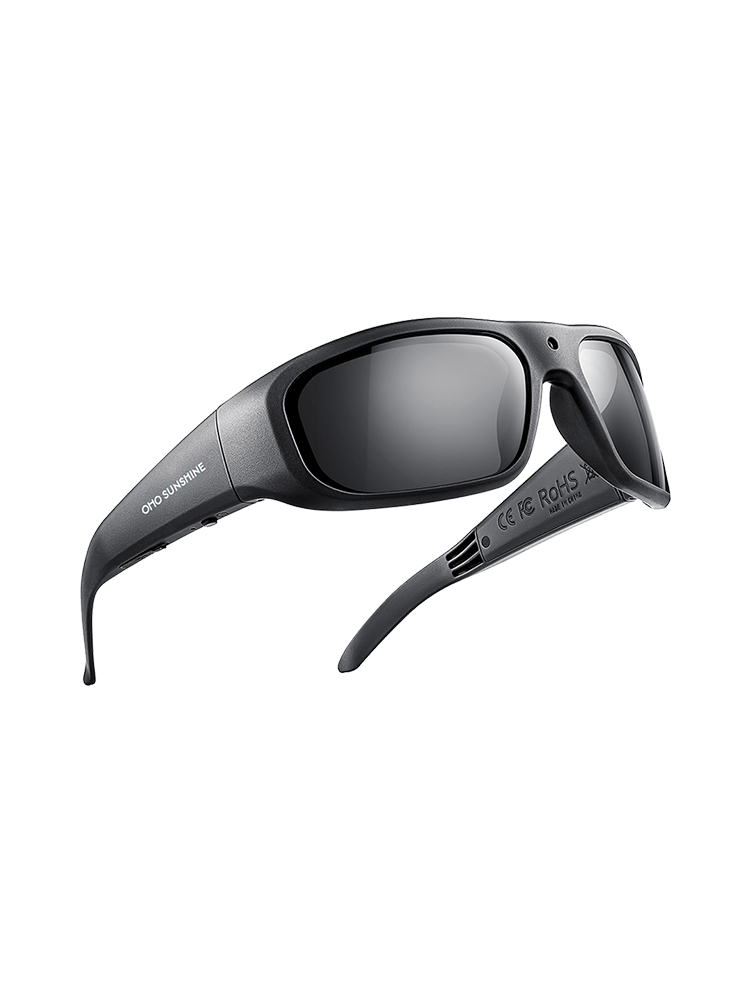


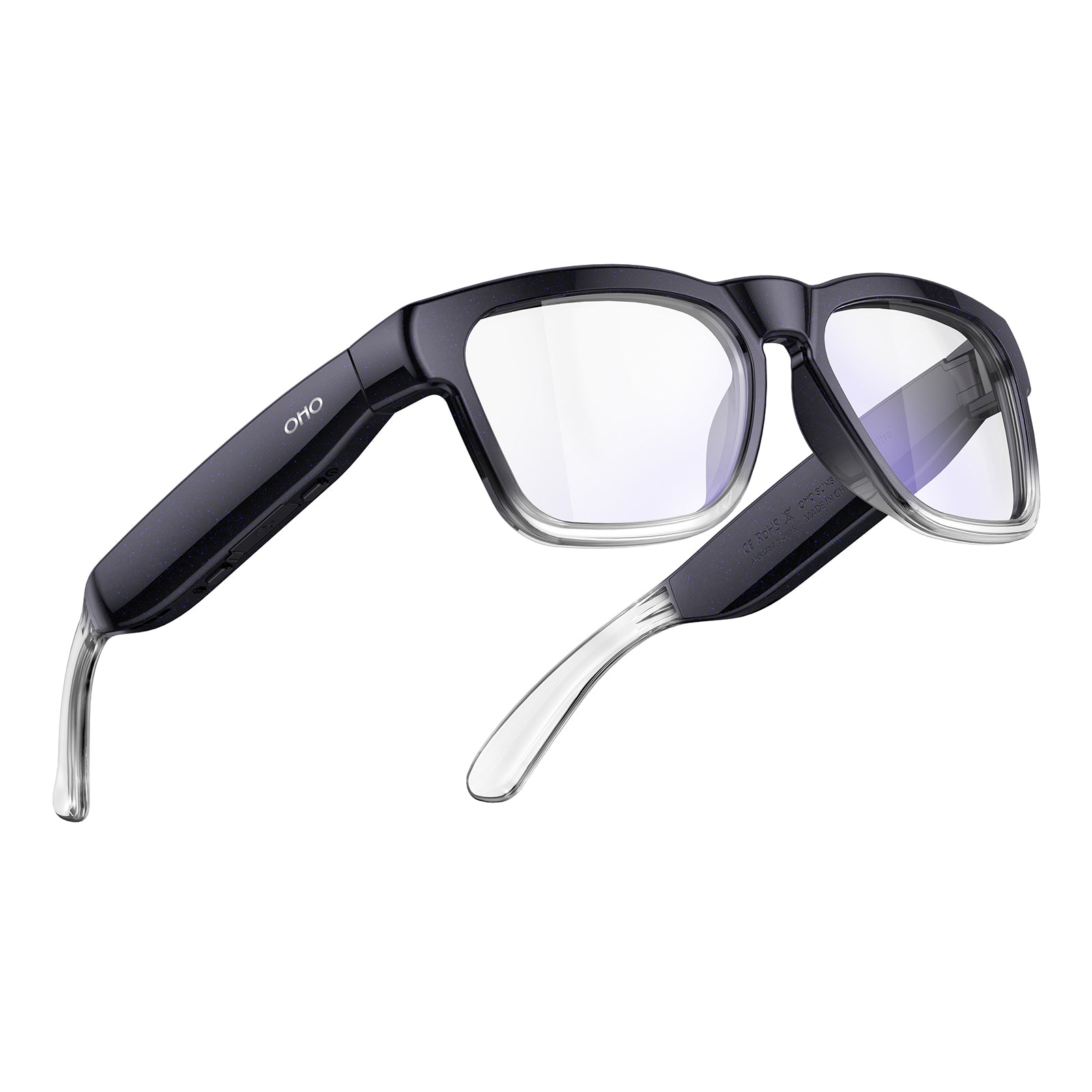


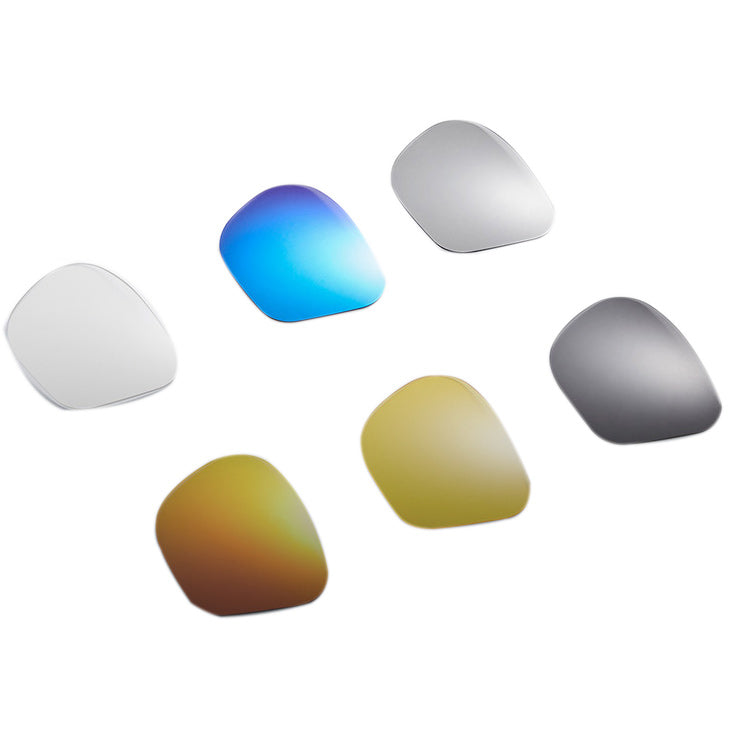
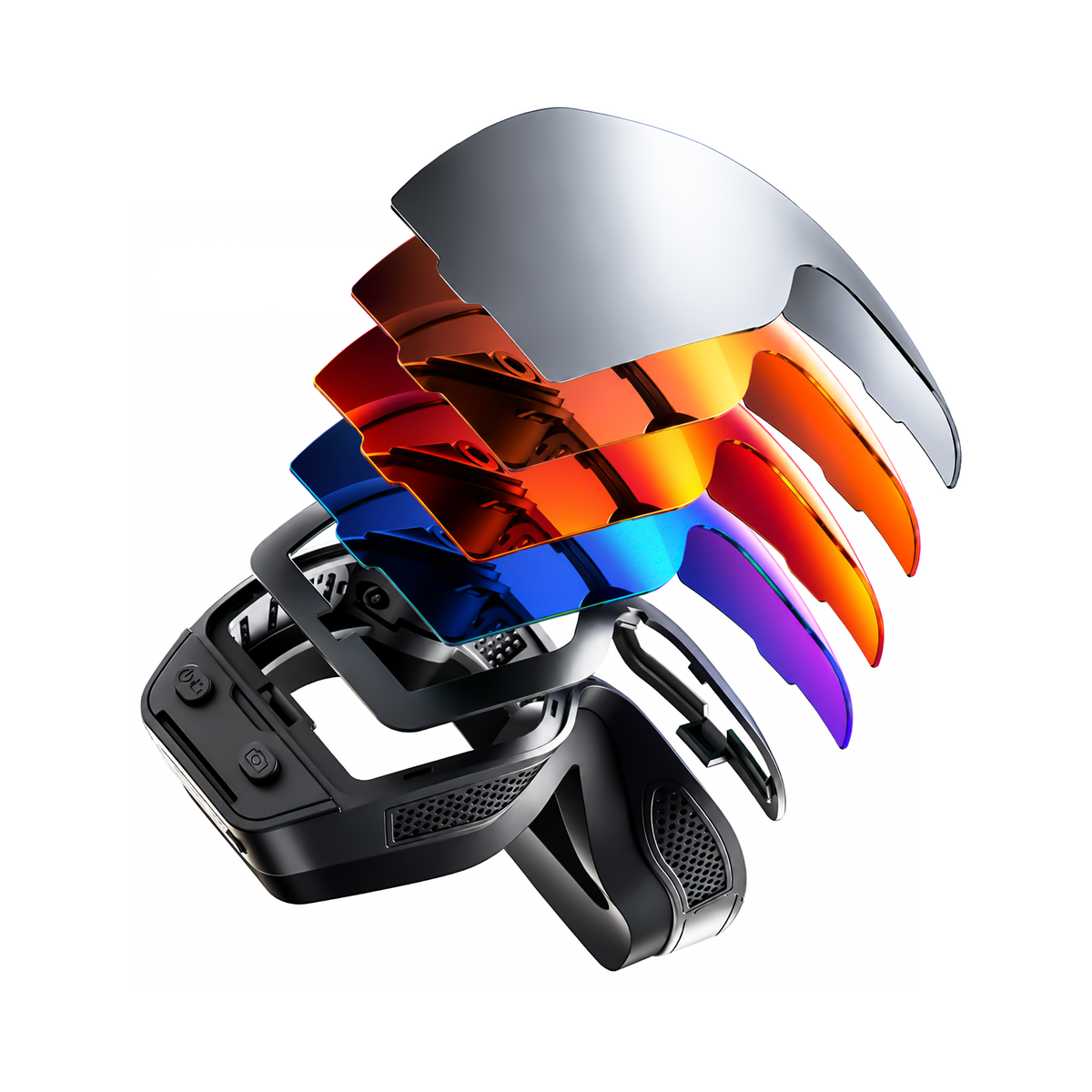

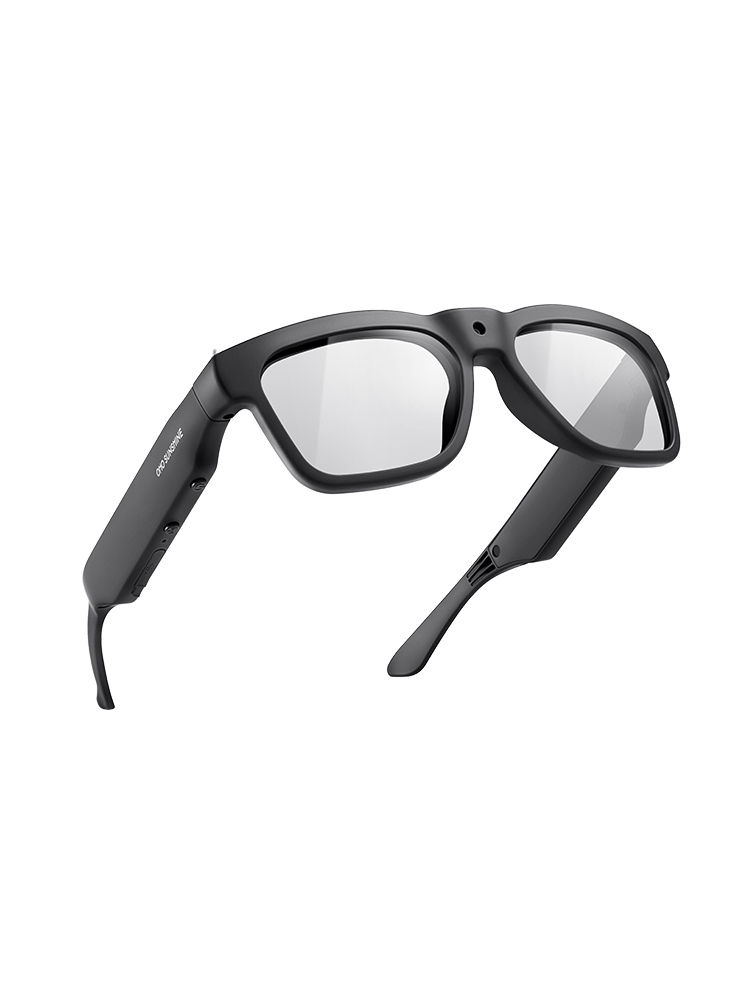


For skiing and snowboarding, wear goggles instead of everyday sunglasses. Goggles cover your eyes against wind, snow, and glare, and they are made to fit with a helmet. Other snow activities are less clear-cut, so calm weather alone is no reason to switch to sunglasses, and for any lens, trust the UV label rather than how dark or mirrored it looks.
For Skiing and Snowboarding, Choose Goggles
If you're heading downhill on skis or a board, ski goggles or snowboard goggles are the better pick. REI's advice on what to wear skiing and snowboarding says goggles protect your eyes from wind, snow, and glare, while lifestyle sunglasses offer less protection. It also warns that if you fall and your glasses shatter, the cracked lenses can hurt you.
That warning is about lifestyle sunglasses, the everyday pairs you'd wear around town. It doesn't compare goggles with every sport or glacier-style design. For a day of lift rides and runs, though, the ski goggles or sunglasses question has a clear answer: browse dedicated smart snow goggles or reliable resort eyewear for your time on the slopes.
Why Coverage and Helmet Fit Matter on the Mountain
The mountain adds eye hazards that a normal sunny day doesn't, and goggles only cover you well when they fit. REI's guide to choosing ski and snowboard goggles lists these on-mountain hazards:
- High altitude: Thinner air filters out less ultraviolet (UV) light.
- Snow reflection: Sunlight bouncing off snow is brighter and stronger.
- Wind: It can make your eyes water and blur your vision.
- Ice particles: They can blow into your eyes.
- Twigs and branches: They become a risk when you ski or ride through the trees.

REI says goggles can help protect your eyes from these hazards, but fit decides how well that works. Goggles should feel snug, not tight, and stay comfortable. Put your helmet on and check the top edge in a mirror or ask a friend to look. There should be no space between the top of the goggles and the helmet. If you see a gap, try a different frame size or shape before your trip.

Extra features don't change this test. It works the same for basic snow goggles and for ski goggles with camera hardware built in. For a longer try-on, check for nose, cheek, and helmet pressure before you commit to a pair you'll wear all day.
What About Other Snow Activities?
The goggles advice above is for active skiing and snowboarding, so don't stretch it to cover everything. For snowshoeing, a winter walk, or sledding, this guidance doesn't say when sunglasses are enough. A calm, windless day doesn't prove they are.
There is one firm limit. The American Academy of Ophthalmology says normal sunglasses won't protect your eyes from snowfields and that special lens filters are needed for these extreme situations. So if your plans put you on open snowfields, rule out everyday sunglasses. That warning doesn't say which specialized pair or goggle suits your activity, though, so look for advice written for that activity before you pick an alternative.
How to Check UV Protection
Snow raises the stakes, because the National Eye Institute notes that snow and other reflective surfaces increase UV exposure by reflecting light. What you can learn from a UV label is different for sunglasses and for goggles.
For Sunglasses, Read the UV Label
AAO advises looking for a sticker or tag that promises 100% UV protection or UV absorption up to 400 nm. The National Eye Institute gives similar advice: look for lenses with 99 to 100 percent UVA and UVB protection or a UV400 rating. If a pair has no clear UV statement, treat its protection as unknown.
Don't judge by looks. According to AAO, darker lenses aren't always better, and colored or mirrored lenses don't add UV protection. Polarization cuts glare but doesn't block UV rays by itself. If a pair is sold as polarized, look for a separate UV statement, because UV400 and polarization do different jobs.
For Snow Goggles, Keep the Claim in Scope
Goggles need a different approach. REI's goggle guide states that virtually all goggles sold today offer 100% UV protection from UVA, UVB, and UVC rays. That's a general statement about goggles on the market, not a way to confirm one specific pair. The AAO label advice above was written for sunglasses, so it doesn't confirm a goggle's claim either.
For a specific pair, start with the manufacturer's stated UV rating and product records, and make sure that claim matches the exact model you're buying. Our walkthrough of ski goggle UV checks shows how to read those records before a trip.
The Bottom Line
For skiing and snowboarding, choose goggles that fit your face and meet your helmet with no gap, and keep lifestyle sunglasses off the slopes. Outside those sports, normal sunglasses aren't a safe stand-in on bright snowfields, and the right alternative depends on advice written for your activity. For any sunglasses you do wear on snow, trust a clear UV label over lens color or polarization.
FAQs
Do I still need goggles on a cloudy or calm ski day?
Yes, for skiing and snowboarding. Several hazards REI lists don't depend on sunshine. Wind can make your eyes water and blur your vision, and ice particles and branches can still reach your eyes. Goggles protect against wind and snow as well as glare, so a gray day doesn't change the choice.
Are polarized sunglasses a good substitute for goggles on snow?
Not for active skiing or snowboarding, where goggles are the better choice. Polarization reduces glare, but AAO says it doesn't provide UV protection by itself. Any polarized pair you wear on snow still needs its own clear UV label.
What makes a sunglass fit better for bright snow days?
The National Eye Institute says a good fit keeps out light that comes in around the top, bottom, and sides of the lenses. Pair that fit with a lens labeled for 99 to 100 percent UVA and UVB protection or UV400. Even a well-fitting pair of normal sunglasses doesn't protect you on snowfields, where AAO says special lens filters are needed.


Hinterlasse einen Kommentar
Diese Website ist durch hCaptcha geschützt und es gelten die allgemeinen Geschäftsbedingungen und Datenschutzbestimmungen von hCaptcha.