





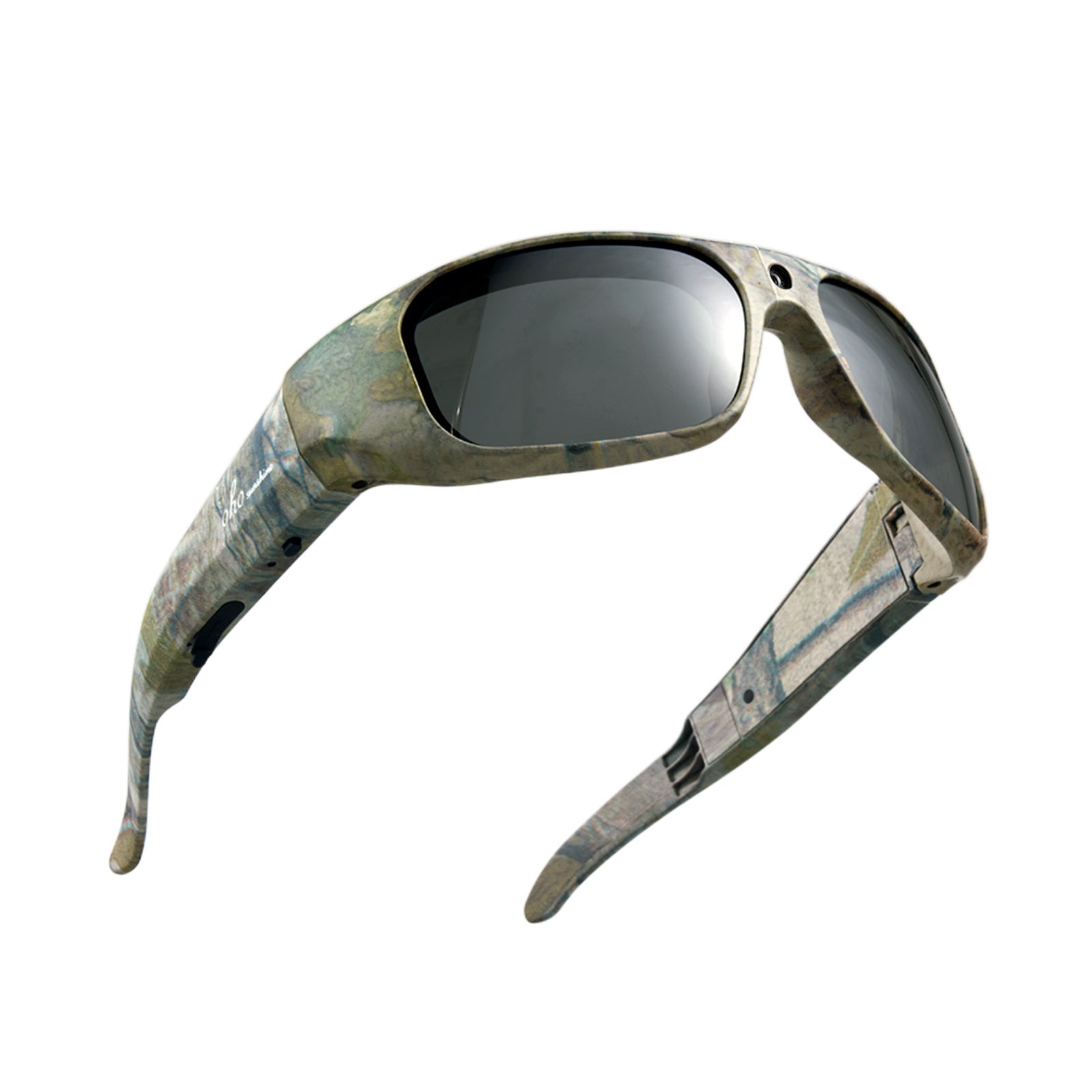


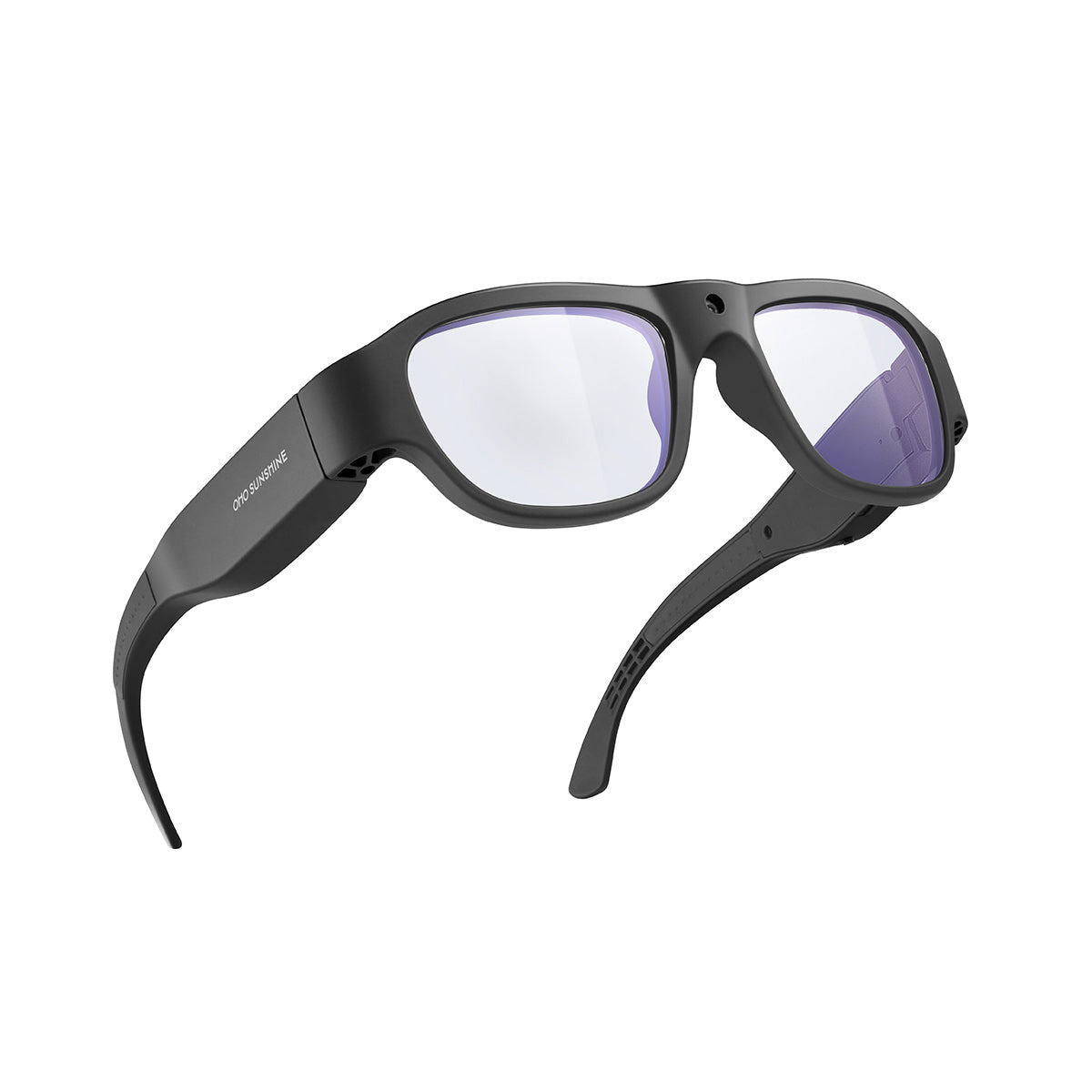
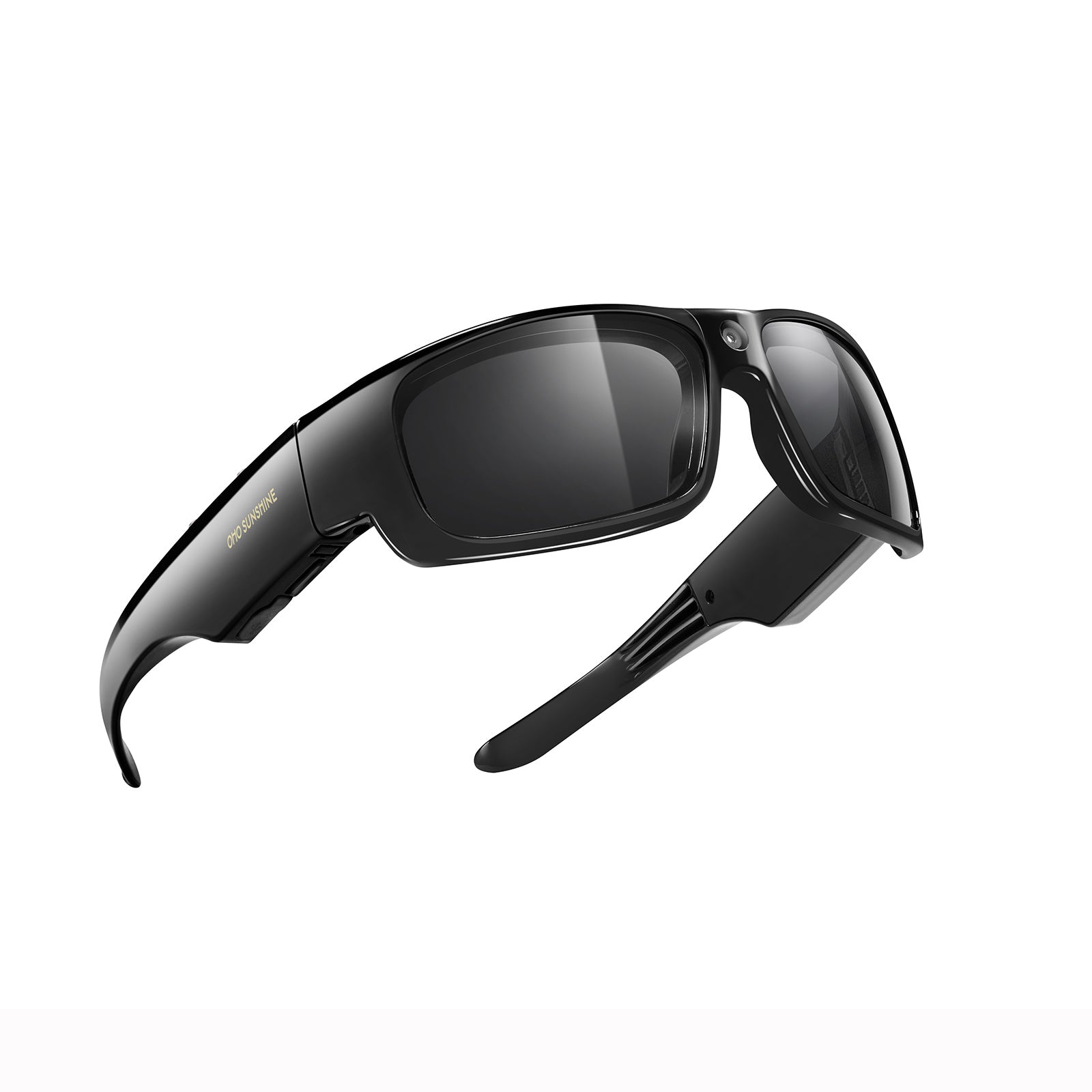


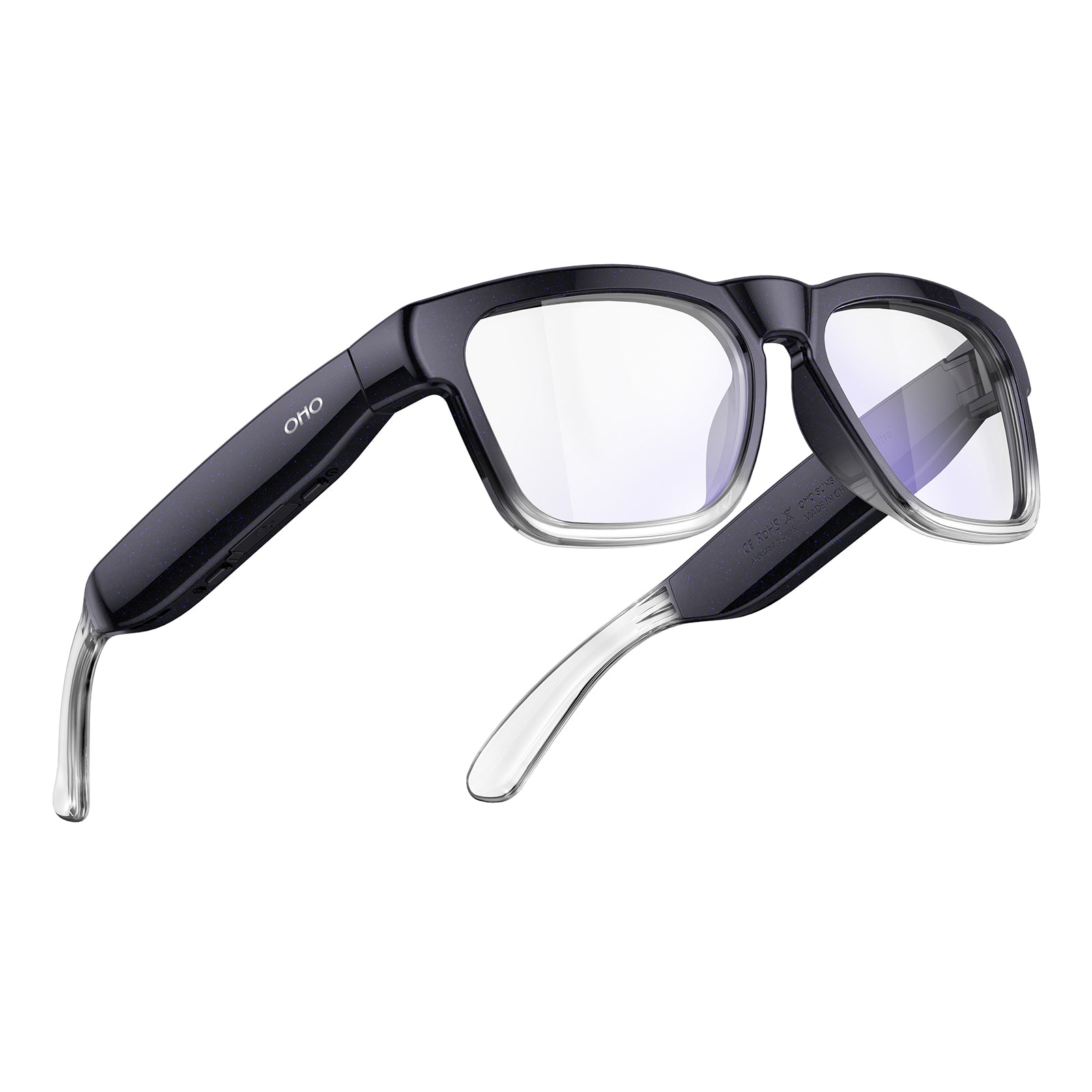


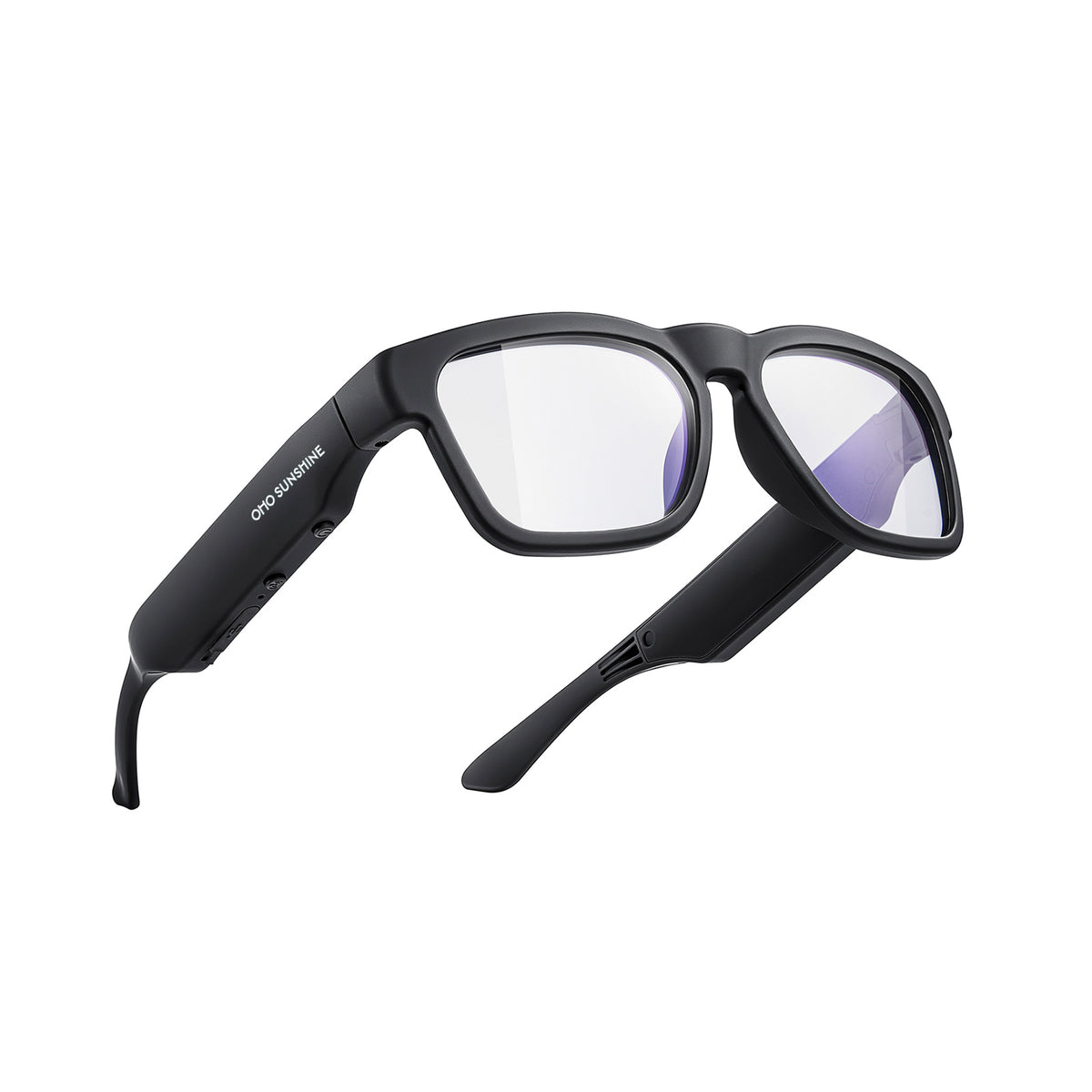


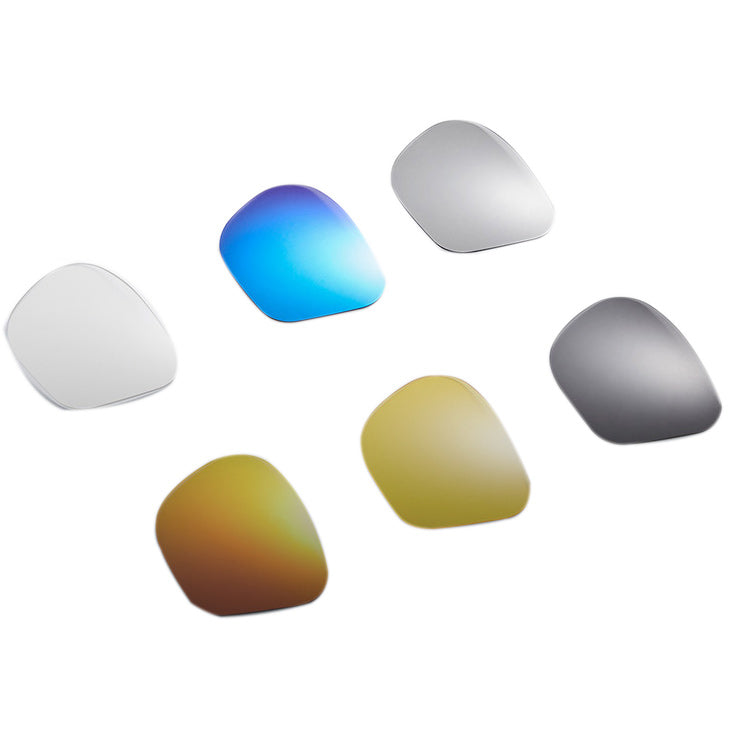
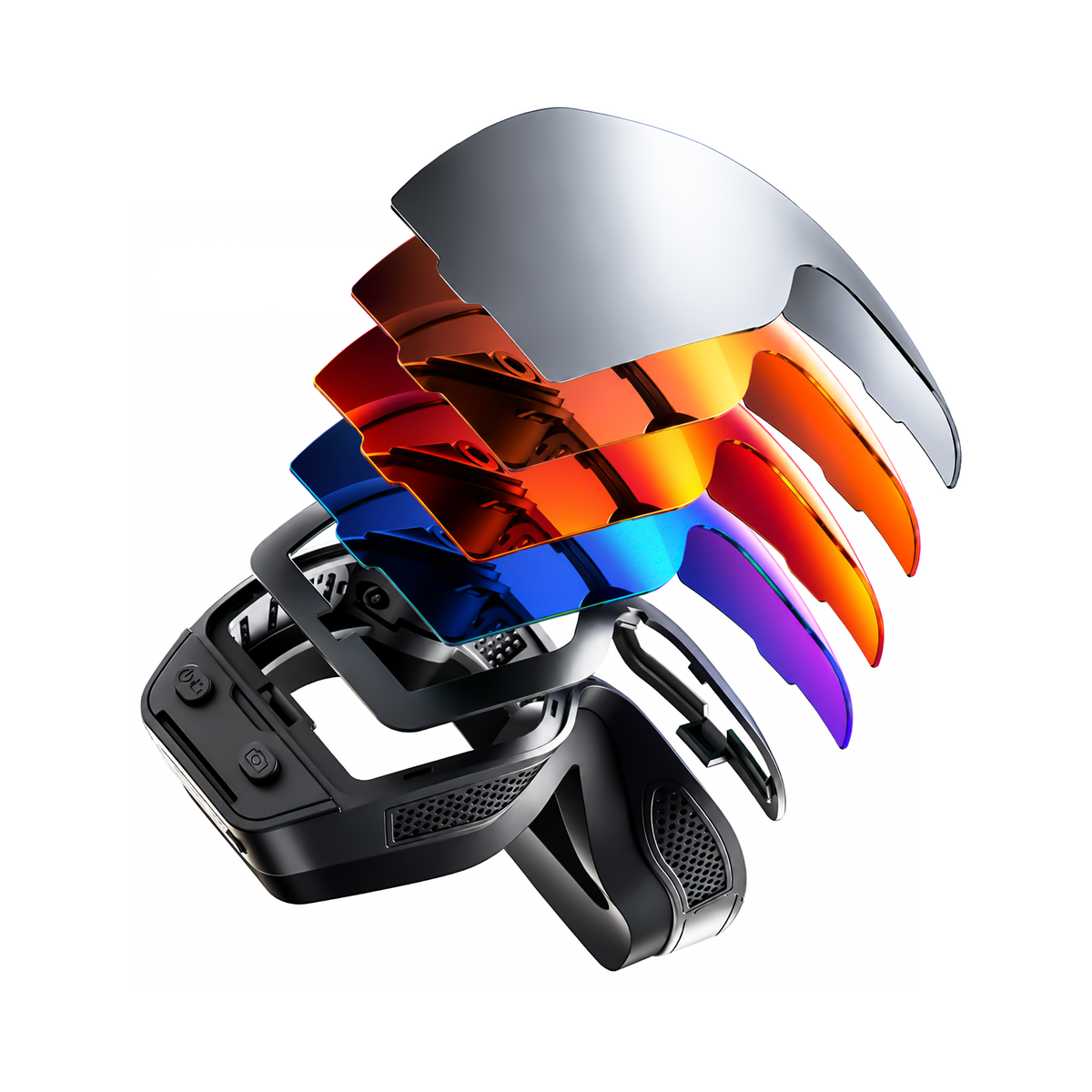



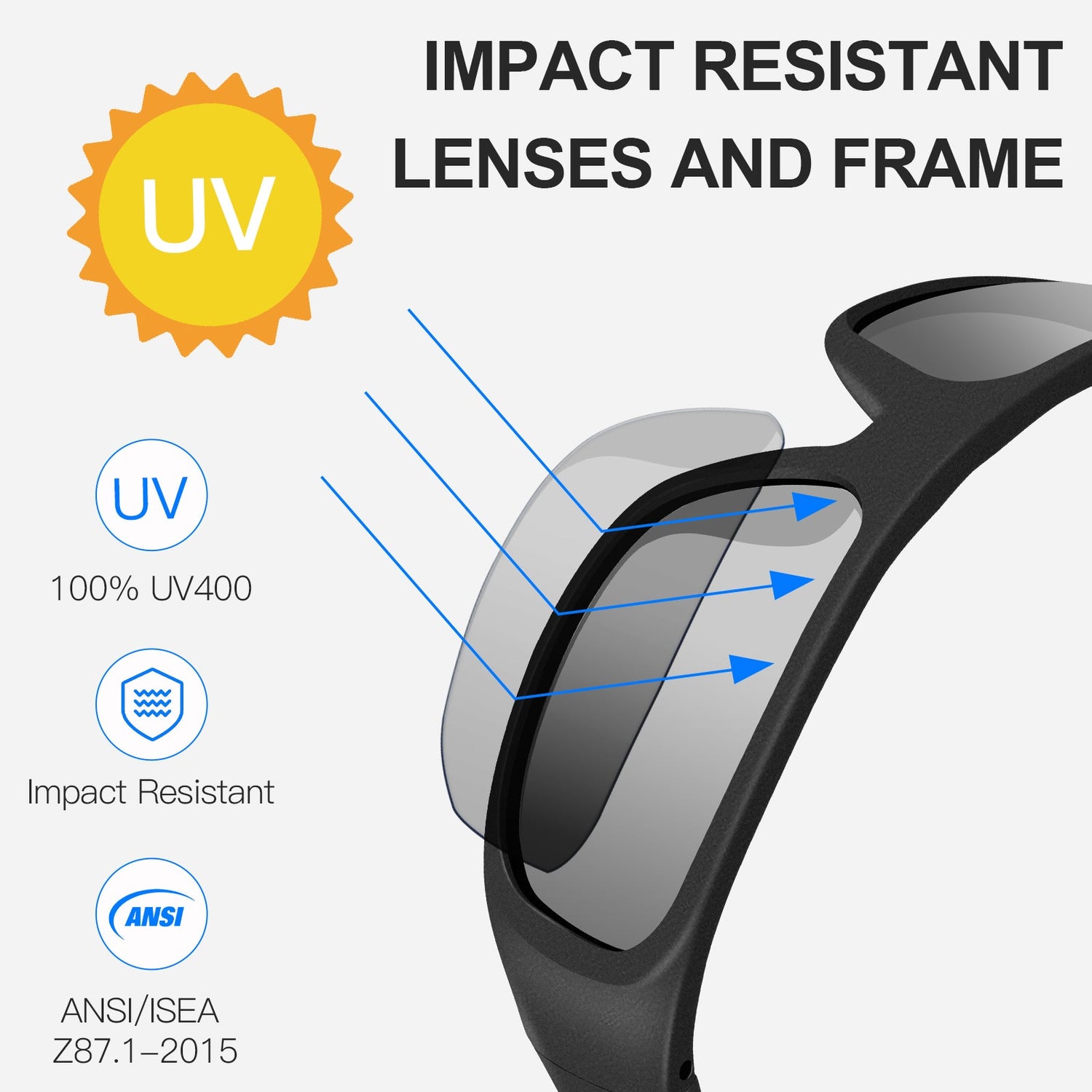
Photochrome Smart Glasses eignen sich meist am besten, wenn dein Alltag zwischen Innenräumen und Sonnenlicht wechselt, aber sie reagieren nicht sofort. Bei photochromen Brillen verändert sich die Tönung der Linse allmählich, und smarte Funktionen beschleunigen diesen Vorgang nicht. Beim Autofahren können sie an ihre Grenzen stoßen, da Windschutzscheiben das UV-Signal häufig blockieren.

Was photochrome Smart Glasses tatsächlich leisten
Wie photochrome Linsen auf Licht reagieren
Photochrome Linsen verdunkeln sich, wenn sie UV-Licht ausgesetzt sind, und hellen sich wieder auf, wenn der UV-Auslöser nachlässt. Einfach ausgedrückt sind sie dafür ausgelegt, sich an wechselnde Lichtverhältnisse anzupassen, anstatt eine dauerhaft feste Tönung beizubehalten. Dadurch sind photochrome Brillen praktisch, wenn du dich in die Sonne hinein- und wieder aus ihr herausbewegst. Gleichzeitig bedeutet das, dass der Wechsel allmählich erfolgt und nicht wie ein Umschalten.
Eine hilfreiche Sichtweise auf photochrome Smart Glasses ist, sie als zwei Systeme in einer Fassung zu betrachten. Die Linse übernimmt den Farbwechsel, während der smarte Teil Audio-, Kamera- oder Sprachfunktionen steuert. Die Frage nach den Grundlagen von Smart Glasses und die Frage nach der Linse hängen zusammen, sind aber nicht dieselbe Entscheidung.
Was Käufer normalerweise zuerst bemerken
Die meisten Käufer bemerken zuerst die Veränderung des Tragekomforts. Die Linse wirkt in direkter Sonne weniger belastend, besonders wenn du aus einem Geschäft, Büro oder Flur ins Tageslicht trittst. Beim Zurückkehren in Innenräume kann es sich langsamer anfühlen, weil die Aufhellungsphase in der Regel hinter der Verdunkelungsphase zurückbleibt.
Deshalb beurteilt man photochrome Smart Glasses am besten anhand des Alltags und nicht anhand eines einzigen Moments im Freien. Wenn dir nur die Blendung bei voller Sonne wichtig ist, ist eine Linse mit fester Tönung möglicherweise leichter einzuschätzen. Wenn du den ganzen Tag zwischen Innen- und Außenbereichen wechselst, ist das adaptive Verhalten wichtiger.
Wie sich smarte Funktionen auf die Linsenwahl beziehen
Smarte Funktionen können den Tragekomfort beeinflussen, ändern aber nicht, wie schnell sich die Linse verdunkelt. Audio-, Kamera- oder Sprachsteuerungsfunktionen können zusätzlichen Komfort bieten, aber auch mehr Gewicht oder eine Planung der Akkulaufzeit erfordern. Die Chemie der Linse verhält sich jedoch weiterhin gleich.
Diese Unterscheidung ist beim Vergleich von Angeboten wichtig. Eine Fassung kann gut als Smart-Glasses-Modell passen und dennoch die falsche Linsenwahl für deinen Alltag sein. Wenn du eine ausführlichere produktspezifische Orientierung möchtest, hilft dir unser Ratgeber zu lohnenswerten Smart Glasses dabei, nützliche Funktionen von Extras, die man haben kann, zu unterscheiden.
Wie schnell sie sich im Alltag anpassen
Was die Geschwindigkeit des Farbwechsels beeinflusst
Im Alltag hängt die Geschwindigkeit der photochromen Verdunkelung von der Lichtintensität, der UV-Strahlung, der Temperatur und der Linsenformulierung selbst ab. Der Schritt aus dem Freien in die direkte Sonne fühlt sich in der Regel schneller an als ein bewölkter Tag oder ein schattiger Gehweg. Zwei photochrome Linsen können beide „gut“ sein und sich im täglichen Gebrauch dennoch unterschiedlich anfühlen.
Der nützlichste Richtwert aus Quellen zur Linseninformation ist, dass moderne photochrome Linsen unter UV-Einwirkung typischerweise innerhalb von Sekunden beginnen, dunkler zu werden, und in etwa 30 bis 90 Sekunden ihre vollständige Tönung erreichen.Abdunkeln in 30 bis 90 Sekunden Das ist für viele Erledigungen und Pendelwege schnell genug, wirkt sich aber nicht sofort aus.
Das Aufhellen dauert normalerweise länger. Häufig wird erwartet, dass die Linsen in Innenräumen innerhalb mehrerer Minuten wieder klar werden. Wenn Sie sich den ganzen Tag zwischen hellen Außenbereichen und Innenräumen bewegen, fällt Ihnen die Verzögerung möglicherweise stärker auf als das Abdunkeln selbst. Kaltes Wetter kann dazu führen, dass das Aufhellen noch langsamer wirkt, sodass sich die Nutzung im Winter etwas anders darstellen kann als im Sommer.
Warum sich der Wechsel zwischen Innen- und Außenbereichen anders anfühlt
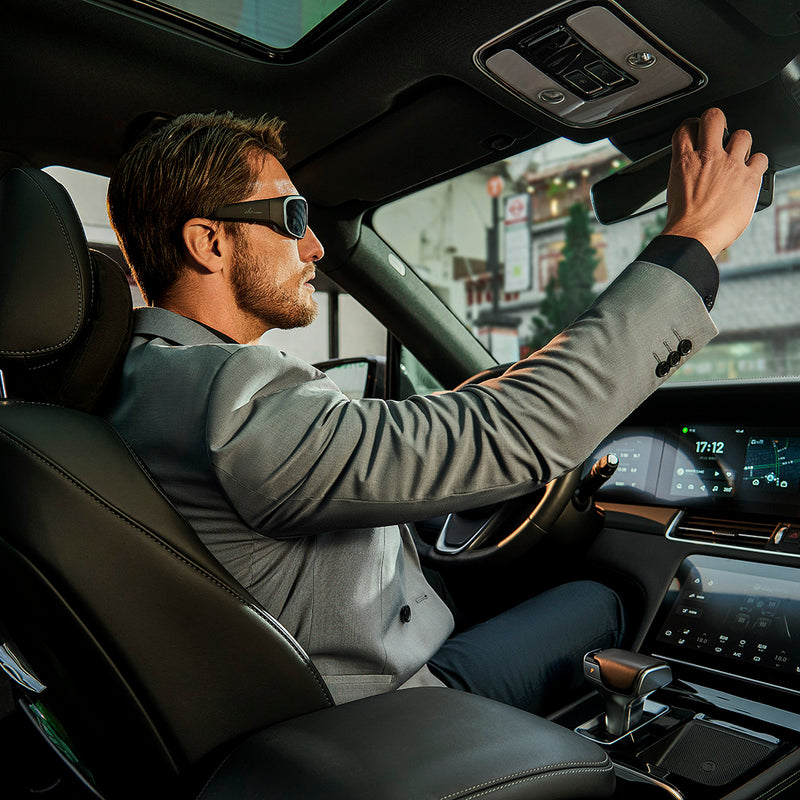
Die größte Abweichung zeigt sich beim Wechsel durch UV-filterndes Glas. Standardmäßige photochrome Linsen bleiben im Auto oft klar, weil Windschutzscheiben den UV-Auslöser blockieren. Das ist der Hauptgrund, warum photochrome Smart Glasses für Autofahrer nicht automatisch die beste Lösung sind.
Für Pendler ist das Erlebnis zu Fuß meist besser als hinter einer Windschutzscheibe. Wenn Sie aus einem Büro ins Tageslicht oder aus einem Café auf den Gehweg treten, erhält die Linse genügend UV-Strahlung, um zu reagieren. Im Stau reicht das nicht immer aus, sodass die Linse genau in dem Moment enttäuschend wirken kann, in dem Sie sich mehr Tönung erhofft haben.
So beurteilen Sie die Geschwindigkeit für Ihren Alltag
Nehmen Sie Ihren eigenen Tagesablauf als Maßstab. Wenn Ihr typischer Ablauf aus Büro, Parkplatz, Gehweg und Erledigungen besteht, können sich photochrome Smart Glasses effizient anfühlen, weil sich die Linse an die Wechsel anpasst, die Sie tatsächlich erleben. Wenn Sie den Großteil des Tages in einem Auto verbringen, ist die Anpassungsgeschwindigkeit weniger wichtig, da die Linse möglicherweise kaum dunkler wird.
Eine einfache Faustregel lautet: Je häufiger Sie ins freie Tageslicht wechseln, desto nützlicher wird die photochrome Funktion. Je mehr Zeit Sie hinter Glas oder bei gleichbleibender Innenbeleuchtung verbringen, desto weniger Nutzen ziehen Sie aus dem Farbwechsel.
UV-Schutz und Kompatibilität mit smarten Funktionen
| Entscheidungsfaktor | Warum das wichtig ist | Was Sie prüfen sollten | Häufiger Fehler |
|---|---|---|---|
| UV-Schutz | Verhindert, dass die Wahl der Linse nur nach der Geschwindigkeit der Tönung beurteilt wird | Achten Sie auf ausdrückliche Angaben zum UV-Schutz, idealerweise mit UVA- und UVB-Abdeckung | Anzunehmen, dass jede dunkle Linse UV-Strahlung gleichermaßen blockiert |
| Geschwindigkeit des Farbwechsels | Bestimmt, wie reaktionsschnell sich die Linse in Ihrem Alltag anfühlt | Prüfen Sie, ob das Produkt photochrom ist und ob der Anbieter Angaben zur Dauer macht | Zu erwarten, dass sie bei jedem Aufenthalt im Freien sofort dunkler werden |
| Kompatibilität mit smarten Funktionen | Beeinflusst den Komfort und die Alltagstauglichkeit | Bestätigen Sie Audio-, Kamera- oder Sprachfunktionen, ohne anzunehmen, dass sie die Tönung beeinflussen | Smarte Funktionen so zu behandeln, als würden sie die Linsenchemie verbessern |
| Komfort und Gewicht | Wichtig für ganztägiges Tragen | Achten Sie auf den Sitz am Rahmen, die Platzierung des Akkus und darauf, wie oft Sie sie tragen werden | Kauf nach Ausstattung statt nach Komfort |
| Nutzung beim Autofahren | Verändert die Nützlichkeit der adaptiven Tönung | Prüfen Sie, ob Sie größtenteils hinter UV-blockierendem Glas fahren | Photochromatische Gläser hauptsächlich wegen der Verdunkelung im Auto kaufen |
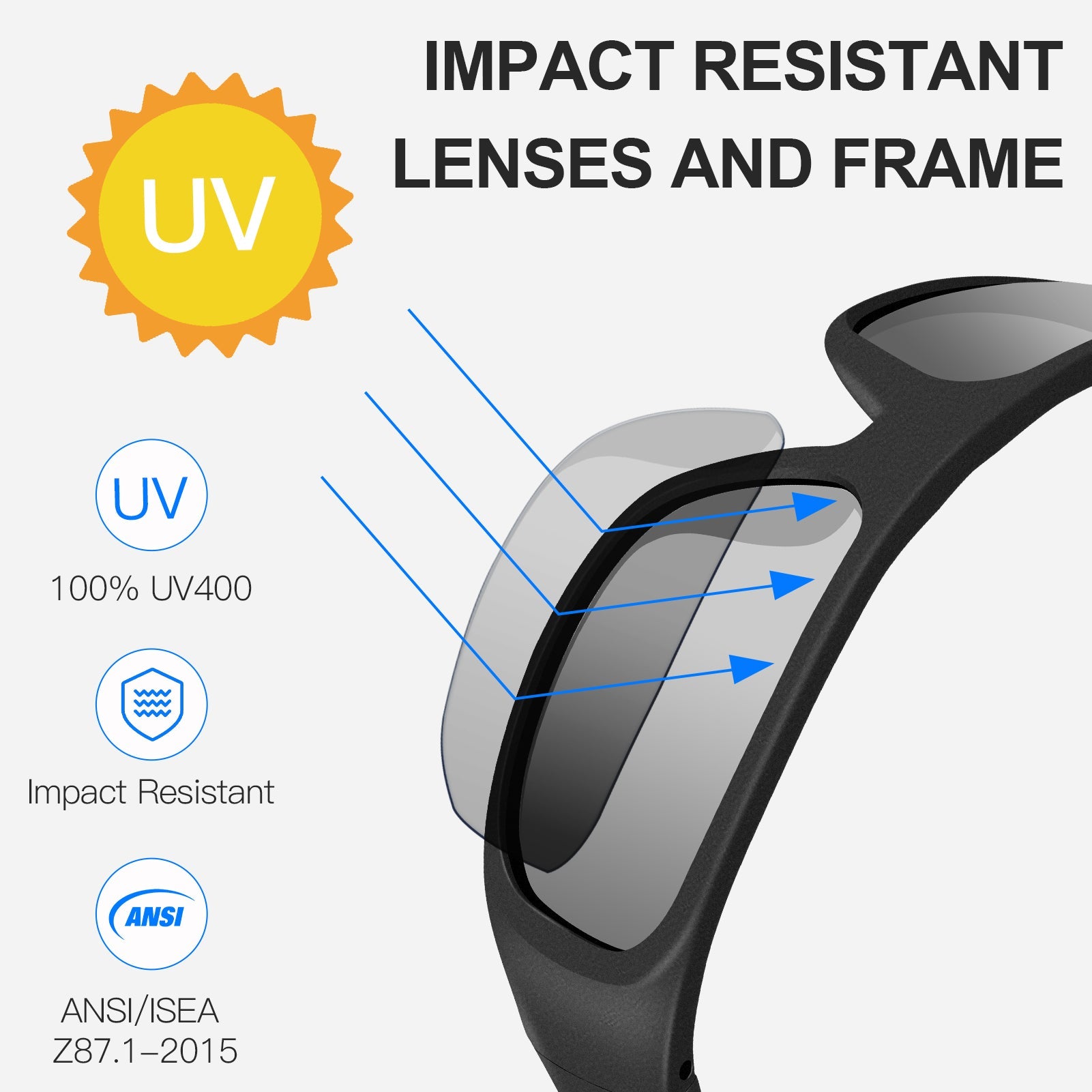
Die wichtigste Erkenntnis beim Kauf ist, dass UV-Schutz, Tönungsverhalten und Smart-Funktionen getrennt geprüft werden sollten. Ein Produkt kann nützlich sein, ohne für jeden Anwendungsfall die richtige Wahl zu sein. Die sicherste Angabe, die Sie überprüfen sollten, ist die Formulierung zum UVA- und UVB-Schutz, denn sie sagt mehr über die Abdeckung aus als allein die Geschwindigkeit der Tönung.
Wenn Sie Angebote vergleichen, prüfen Sie die genaue Beschreibung der Gläser, statt sich auf die Bezeichnung der Fassungkategorie zu verlassen. Auch eine Kategorieseite wie Bluetooth-Brillen kann Ihnen helfen, zunächst nach der Ausstattung zu suchen und anschließend nach dem Glastyp einzugrenzen.
Photochromatische vs. polarisierte Smart-Brillen
Photochromatische und polarisierte Gläser lösen unterschiedliche Probleme. Photochromatische Gläser passen sich wechselnden Lichtverhältnissen an, während polarisierte Gläser darauf ausgelegt sind, Blendung durch reflektierende Oberflächen zu reduzieren. Dieser Unterschied erklärt, warum die eine Option besser für wechselnde Routinen zwischen Innen- und Außenbereichen geeignet sein kann, während die andere bei gleichmäßiger Blendung die bessere Wahl sein kann.
Wenn Ihr Tag viele schnelle Wechsel umfasst, sind photochromatische Gläser meist sinnvoller. Wenn Sie sich vor allem an reflektiertem Licht von Straßen, Wasser oder hellen Oberflächen stören, wirken polarisierte Gläser oft direkter. Kein Glastyp ersetzt den anderen; es handelt sich um unterschiedliche Hilfsmittel.
Beim Autofahren wird die Wahl persönlicher. Wenn Sie hauptsächlich mit dem Auto pendeln und weniger Blendung wünschen, sind polarisierte Gläser möglicherweise die passendere Wahl. Wenn Sie zu Fuß unterwegs sind, Besorgungen machen und häufig nach draußen gehen, können photochromatische Gläser nützlicher wirken, weil sie sich an die Umgebung anpassen, statt unverändert zu bleiben.
Deshalb ist es hilfreich, zuerst nach dem Lichtmuster und erst danach nach der Ausstattung auszuwählen. Eine Brillenkollektion wie Alltagsbrillen eignet sich besser zum Stöbern, wenn Sie entscheiden möchten, wie die Gläser zu Ihrem Alltag passen sollen - und nicht nur, wie die Fassung aussieht.
Welche Alltagsroutinen am besten geeignet sind
- Am besten geeignet für: Pendeln mit echten Lichtwechseln. Wenn Sie zwischen Büro, Gehweg und Aufenthalten im Freien wechseln, können photochromatische Smart-Brillen Ihnen den Wechsel zwischen verschiedenen Brillen ersparen. Die Gläser erhalten ausreichend UV-Licht, um einen Unterschied zu machen, und die adaptive Tönung trägt zum Komfort bei.
- Ideal für: Erledigungen und Tage mit wechselnden Innen- und Außenbereichen. Kurze Besorgungen im Laden, das Abholen von Kindern von der Schule und Mittagspausen sind Situationen, in denen sich die photochromatische Funktion besonders natürlich anfühlt. Die Gläser werden zwar nicht jedes Mal vollständig dunkel, aber die Veränderung ist nützlich genug, um den Komfort zu erhöhen.
- Nicht geeignet: Autofahren als Hauptanwendung. Wenn Sie die meiste Zeit in einem Fahrzeug verbringen, bleiben herkömmliche selbsttönende Linsen oft hinter den Erwartungen zurück, weil die Windschutzscheibe den Auslöser abschwächt. In diesem Fall sind polarisierte Linsen möglicherweise die praktischere Lösung gegen Blendungen.
- Eingeschränkt geeignet: dauerhaftes Tragen in Innenräumen. Wenn Sie nur selten in direktes Sonnenlicht treten, ist der adaptive Vorteil begrenzt. Dann sind die smarten Funktionen möglicherweise wichtiger als die selbsttönende Linse selbst.
Wenn Ihr Alltag häufige Wechsel zwischen Innen- und Außenbereichen umfasst, sind selbsttönende Smart-Brillen einen näheren Blick wert. Wenn Ihr Hauptproblem reflektierte Blendungen oder die Nutzung im Auto ist, sollten Sie stattdessen mit polarisierten Optionen beginnen. Wenn Sie nach Alltagssituation und nicht nach einer einzelnen Funktion suchen möchten, sind unsere selbsttönenden Brillen der richtige Ausgangspunkt, um Ihre nächsten Optionen zu vergleichen.
Häufig gestellte Fragen
Wie schnell passen sich selbsttönende Smart-Brillen normalerweise an?
Die meisten modernen Linsen beginnen innerhalb von Sekunden nach der UV-Einstrahlung dunkler zu werden und erreichen ihre vollständige Tönung nach etwa 30 bis 90 Sekunden. Die Rückkehr zur klaren Tönung dauert in der Regel länger, oft einige Minuten. Wenn Sie häufig zwischen Sonne und Schatten wechseln, ist dieser Zeitunterschied wichtiger als die reine Verdunkelungsgeschwindigkeit.
Sind selbsttönende Smart-Brillen zum Autofahren geeignet?
Für bestimmte Fahrgewohnheiten können sie nützlich sein, aber sie sind nicht für jeden Fahrer die sicherste Standardwahl. Herkömmliche selbsttönende Linsen bleiben im Auto oft klar, weil die Windschutzscheibe den UV-Auslöser blockiert. Wenn Sie die meiste Zeit hinter Glas verbringen, können polarisierte Linsen Blendungen möglicherweise besser reduzieren.
Was ist der Unterschied zwischen selbsttönenden und polarisierten Smart-Brillen?
Selbsttönende Linsen ändern ihre Tönung je nach Lichteinfall, während polarisierte Linsen Blendungen durch reflektierende Oberflächen reduzieren. Daher eignen sich selbsttönende Linsen in der Regel besser für wechselnde Innen- und Außenbereiche, während polarisierte Linsen meist die bessere Wahl sind, wenn Blendungen das Hauptproblem darstellen. Die bessere Wahl ist diejenige, die zu Ihren täglichen Lichtverhältnissen passt.
Können smarte Funktionen den Komfort oder die Alltagstauglichkeit der Linse beeinflussen?
Ja. Smarte Funktionen können zusätzlichen Akkuverbrauch, ein höheres Brillengewicht oder Kompromisse bei der Passform mit sich bringen, verändern jedoch nicht die Art und Weise, wie sich die Linse selbst tönt. Wenn der Komfort ausschlaggebend ist, sollten Sie prüfen, wie oft Sie das Gestell tragen werden, und nicht nur, ob es über Audio- oder Kamerafunktionen verfügt.
Was sollte ich vor dem Kauf selbsttönender Smart-Brillen prüfen?
Prüfen Sie vier Dinge: ob die Linse tatsächlich selbsttönend ist, ob in der Produktbeschreibung der UV-Schutz eindeutig angegeben wird, ob die smarten Funktionen Ihren Komfortanforderungen entsprechen und ob Ihr Alltag genügend direktes Tageslicht umfasst, damit die Tönungsänderung sinnvoll ist. Wenn die meisten dieser Punkte nicht erfüllt sind, passt ein anderer Linsentyp möglicherweise besser.


Kommentar hinterlassen
Diese Website ist durch hCaptcha geschützt und es gelten die allgemeinen Geschäftsbedingungen und Datenschutzbestimmungen von hCaptcha.