













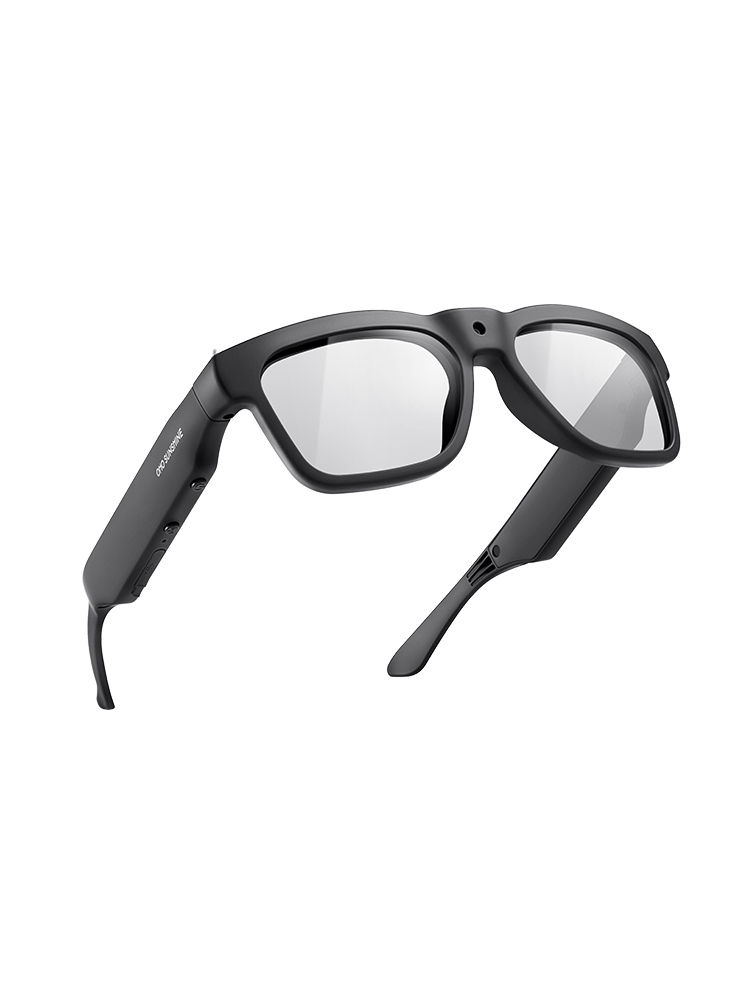


Polarized lenses and photochromic lens glasses solve different driving problems. If reflected daytime glare off pavement, hoods, or windshields is your main issue, polarized lenses are the more direct fix. If you move constantly between the car, sidewalks, and stores, photochromic lens glasses offer one-pair convenience, but a windshield can limit how dark they get.
Photochromic or Polarized Camera Glasses for Driving? Start With the Choice
Choose polarized lenses when recurring bright-daytime glare from roads, hoods, or water is your main complaint, as long as the exact pair stays readable against your dashboard. Choose photochromic lens glasses when you value one pair that adjusts automatically between indoor and outdoor light, and you can accept that in-car darkening may be partial or slow.

Both paths need one more check before they're settled. Polarized lenses reduce glare but are not automatically UV-rated, so confirm UV protection separately. Photochromic lenses depend on UV exposure, and a windshield can block enough of it to blunt the effect.
How Photochromic Lenses Behave Behind a Windshield
Photochromic lenses may not reach their usual outdoor darkness while you're behind the wheel, because the dye that darkens them needs UV light that windshields partly filter out.

Why the Windshield Changes the Light Reaching the Lens
Photochromic lenses contain dyes that react to UV light: they darken in bright UV conditions and clear up when UV drops. Car windows can block UV light, which can keep the lenses from darkening fully behind glass, according to the American Academy of Ophthalmology. This isn't a defect in every lens; it's simply a limit of how the dye is triggered. Some photochromic lenses are formulated to respond better in cars, but darkness and adjustment speed still vary by brand, so don't assume a single pair will behave like it does outdoors.
What Happens When You Park and Step Outside
The real strength of photochromic lens glasses shows up once you leave the vehicle. Stepping into full sun after parking exposes the lenses to direct UV, and they begin darkening again, though transition speed still depends on the specific lens. This makes them convenient for a routine built around windshield glare with photochromic lenses, walking, and quick errands, since you're not swapping glasses each time. A driver who needs dependable glare filtering the moment they start the engine, rather than after stepping outside, may still prefer a fixed polarized setup for the actual drive.
What Polarization Changes on the Road and on Your Dashboard
Polarized lenses filter out the horizontally reflected light that causes glare off wet pavement, hoods, and other vehicles, which is a different function from blocking UV rays.
Why Polarization Helps With Reflected Road Glare
Reflected glare from smooth, bright surfaces, such as wet roads, chrome trim, or standing water, is exactly what polarized lenses are built to cut down, since the filter blocks the horizontally oriented light waves that create that glare. That's a genuine driving advantage over an unpolarized tint. But polarization and UV protection are separate lens properties: polarization does not itself establish UV protection, so check the lens's UV claim separately.
The Dashboard and Infotainment Test
Some polarized lenses make LCD or LED screens, including dashboard gauges, infotainment touchscreens, and phone displays, difficult to read, according to the American Academy of Ophthalmology. Whether this affects your setup varies by vehicle and pair. Before you rely on polarized camera glasses for driving, sit in your normal driving position, look at your dashboard and infotainment screen, and tilt your head the way you naturally do while checking mirrors or gauges. If a screen goes dark or unreadable, that's a real fit problem worth solving before you buy.
Why Lens Tint Does Not Predict Camera Exposure
Neither photochromic nor polarized lenses tell you how well a built-in camera will expose its footage. Tint changes what your eyes see, not how the camera's sensor and metering handle light.
A bright windshield-lit scene, a shaded side street, and a sudden move from sun to shade each place different demands on the camera, regardless of the lens in front of your eyes. The camera's own exposure system, not the lens, decides how highlights and shadows come out. Before trusting camera glasses for driving and outdoor stops, record a few short clips in strong sun, shade, and while facing a bright windshield, then judge whether the footage keeps usable detail. Treat this as a separate check from your lens decision: pick the lens for how you need to see, then confirm the camera separately for how it needs to record.
Photochromic vs. Polarized: Driving Comparison Matrix
The table below turns the driving trade-offs into a single reference so you can match your routine to a lens type without re-reading each section.
| Driving consideration | Photochromic | Polarized | Driver takeaway |
|---|---|---|---|
| Activation behind windshield | Partial, UV-dependent | Not applicable, tint is fixed | Photochromic: test in your car; Polarized: no wait needed |
| Reflected road glare | Not the primary function | Glare-first | Choose polarized if glare is the main complaint |
| Indoor/outdoor versatility | Versatility-first | Fixed tint, less flexible indoors | Photochromic suits frequent stops |
| Dashboard/display readability | No polarization-specific finding; test required | Test required | Check the exact pair against your dashboard |
| Camera exposure | Not established by lens type | Not established by lens type | Test sample footage separately from lens choice |
| Night/low-light suitability | Clarity-first, verify individually | Clarity-first, verify individually | Neither wins by default; visibility rules |
OHO SUNSHINE Options by Lens Need
Once you know whether glare reduction or tint versatility matters more, our lineup offers clear matches, with no need to guess based on camera specs.
For the Supported Polarized Daytime-Driving Need
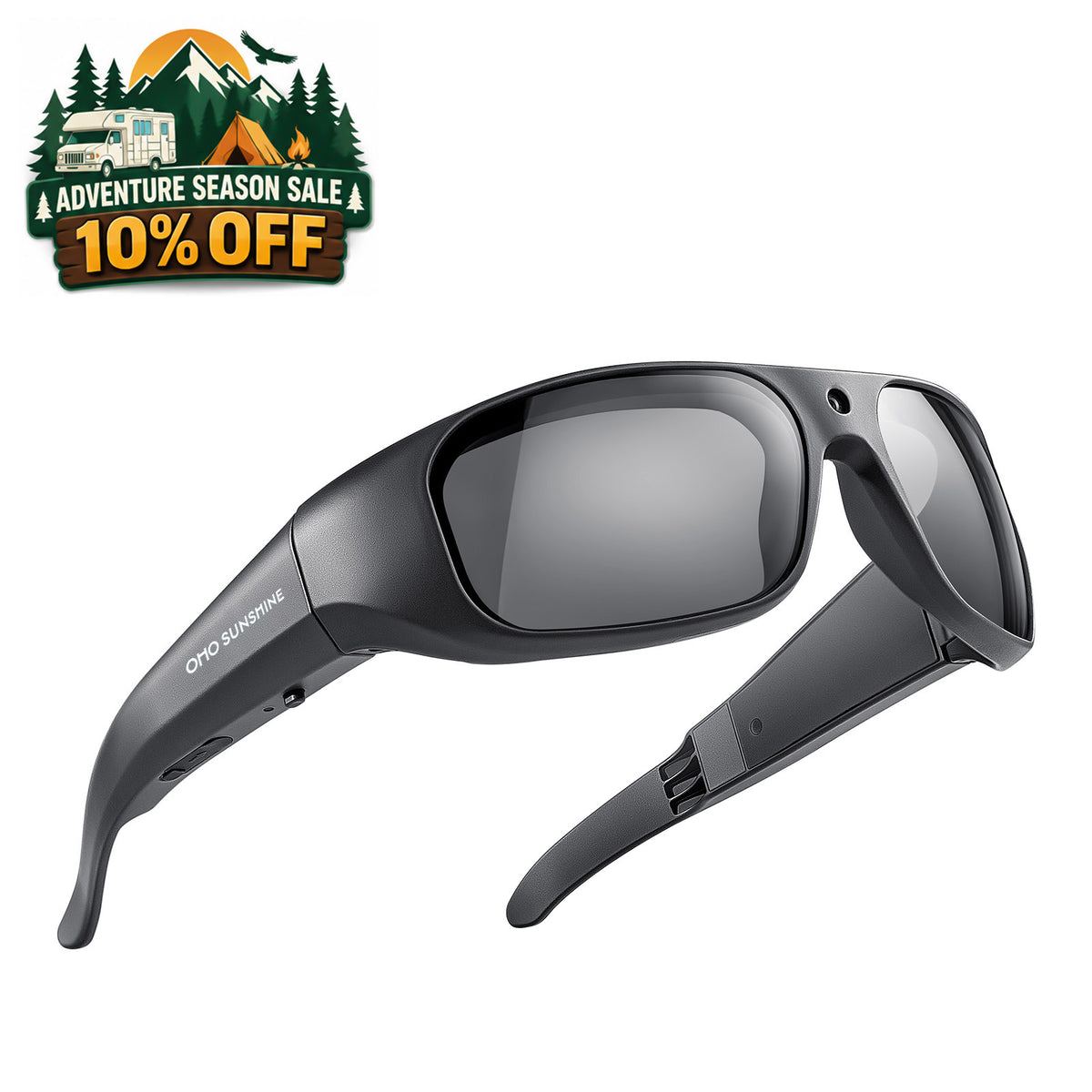
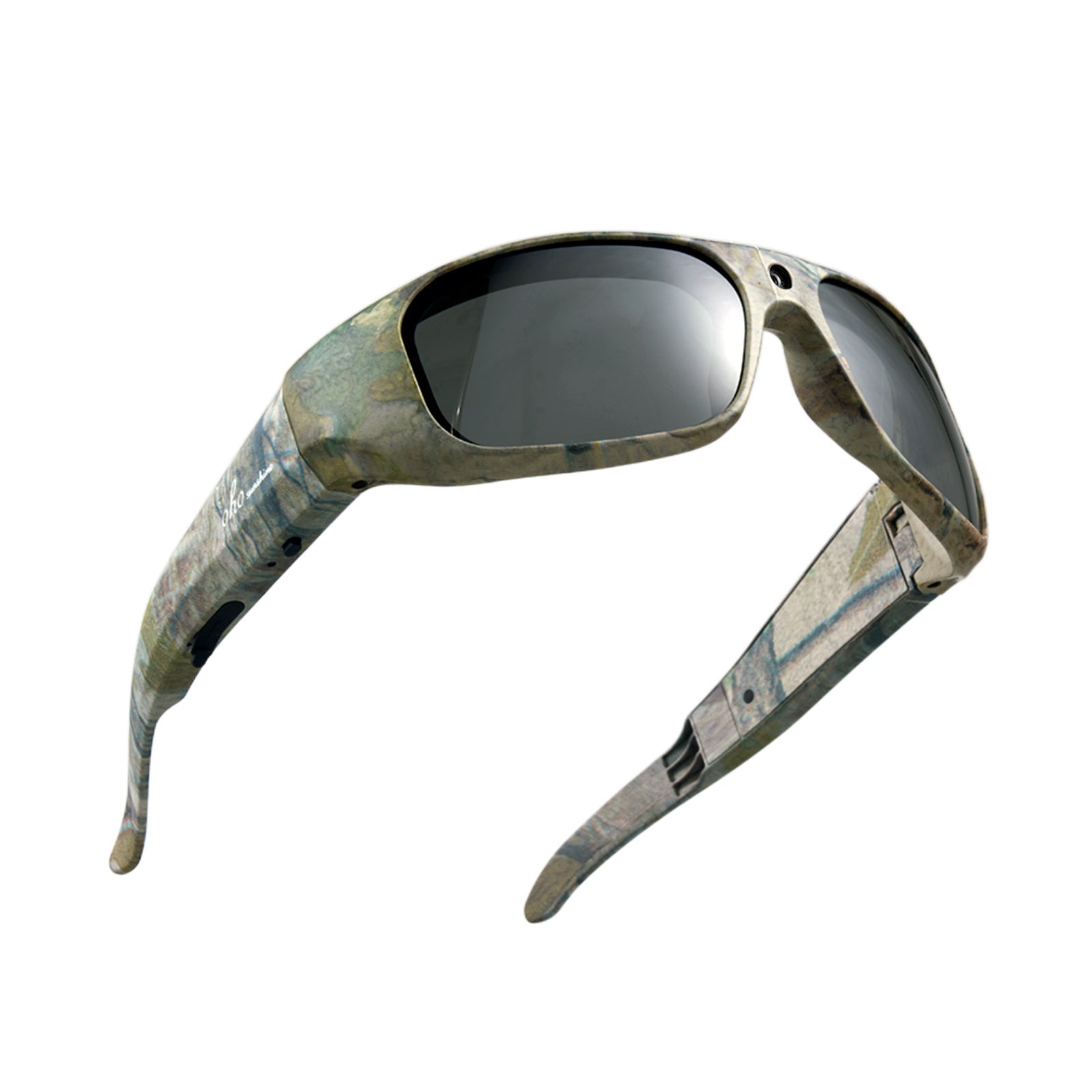
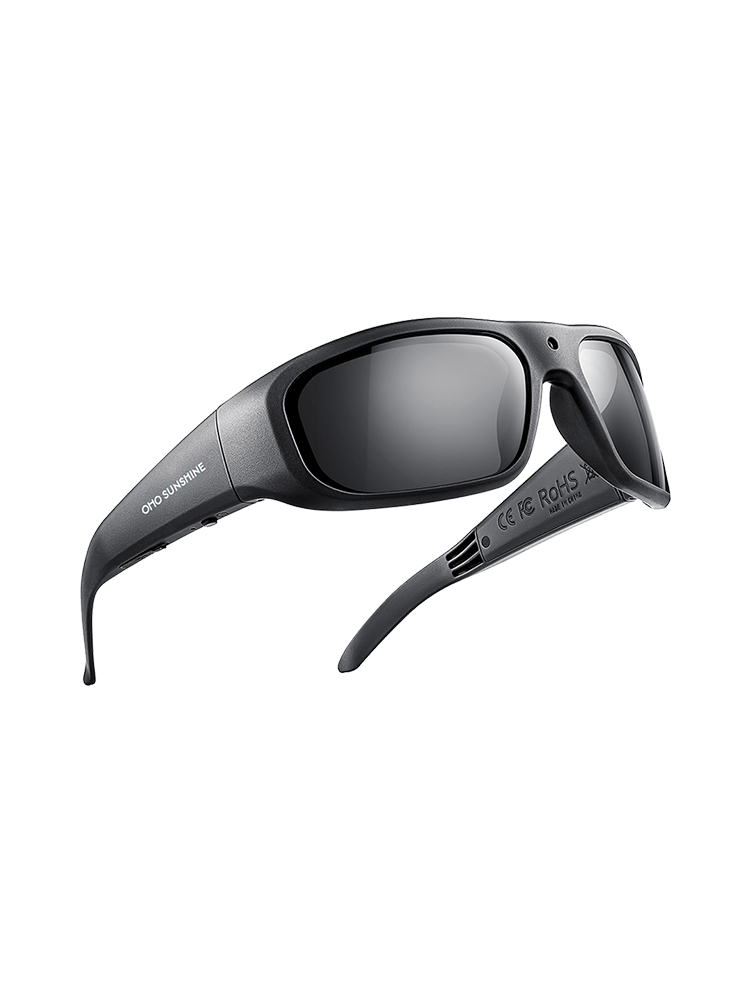
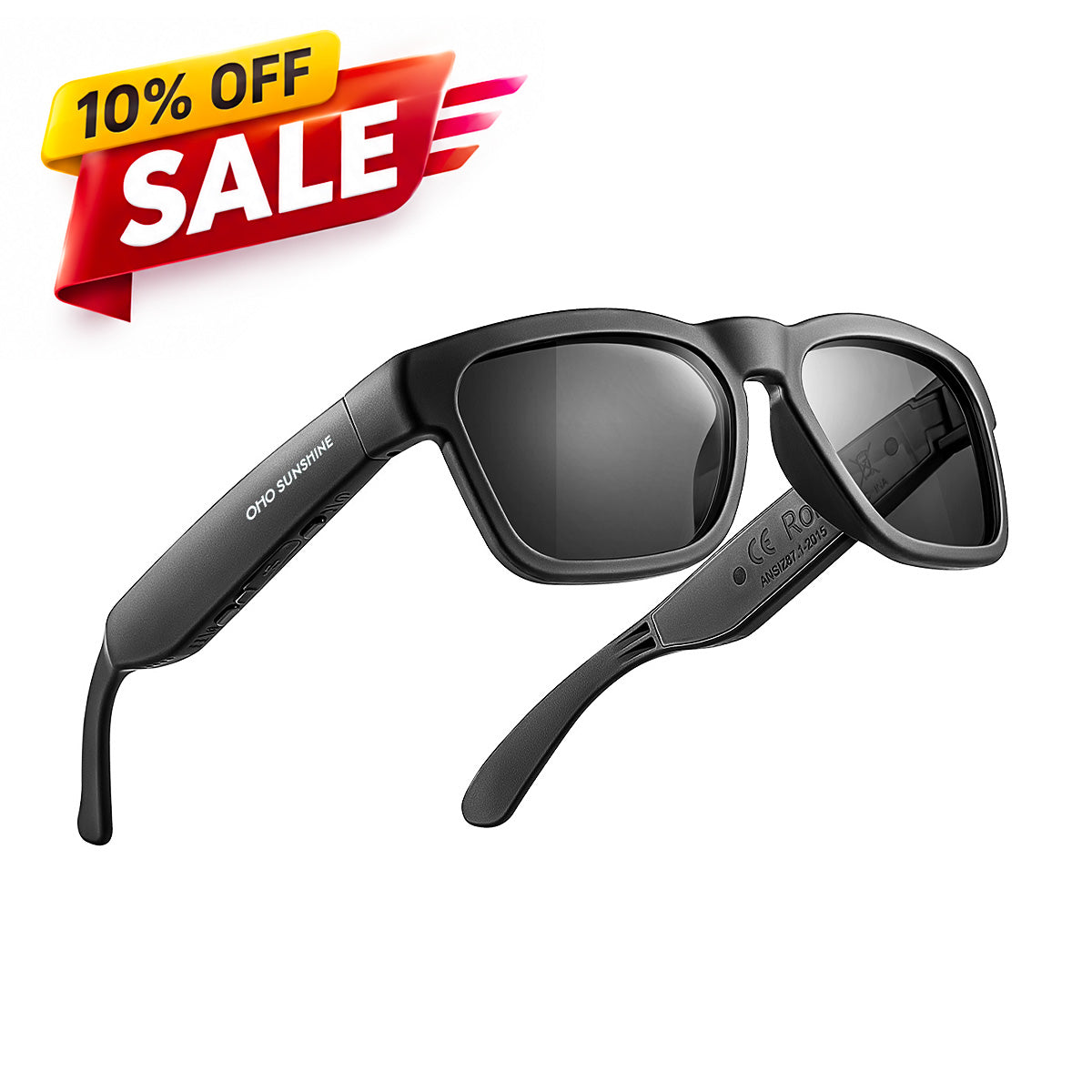
If reflected daytime glare is your main problem and your dashboard passed the readability test, our polarized camera glasses pair, Vidsoul, lists polarized lenses with UV400 protection alongside 1080p video and 24MP photo capture. We built it for drivers who want a fixed glare-reducing tint rather than an adjusting one.
For the Supported Photochromic Mixed-Light Need
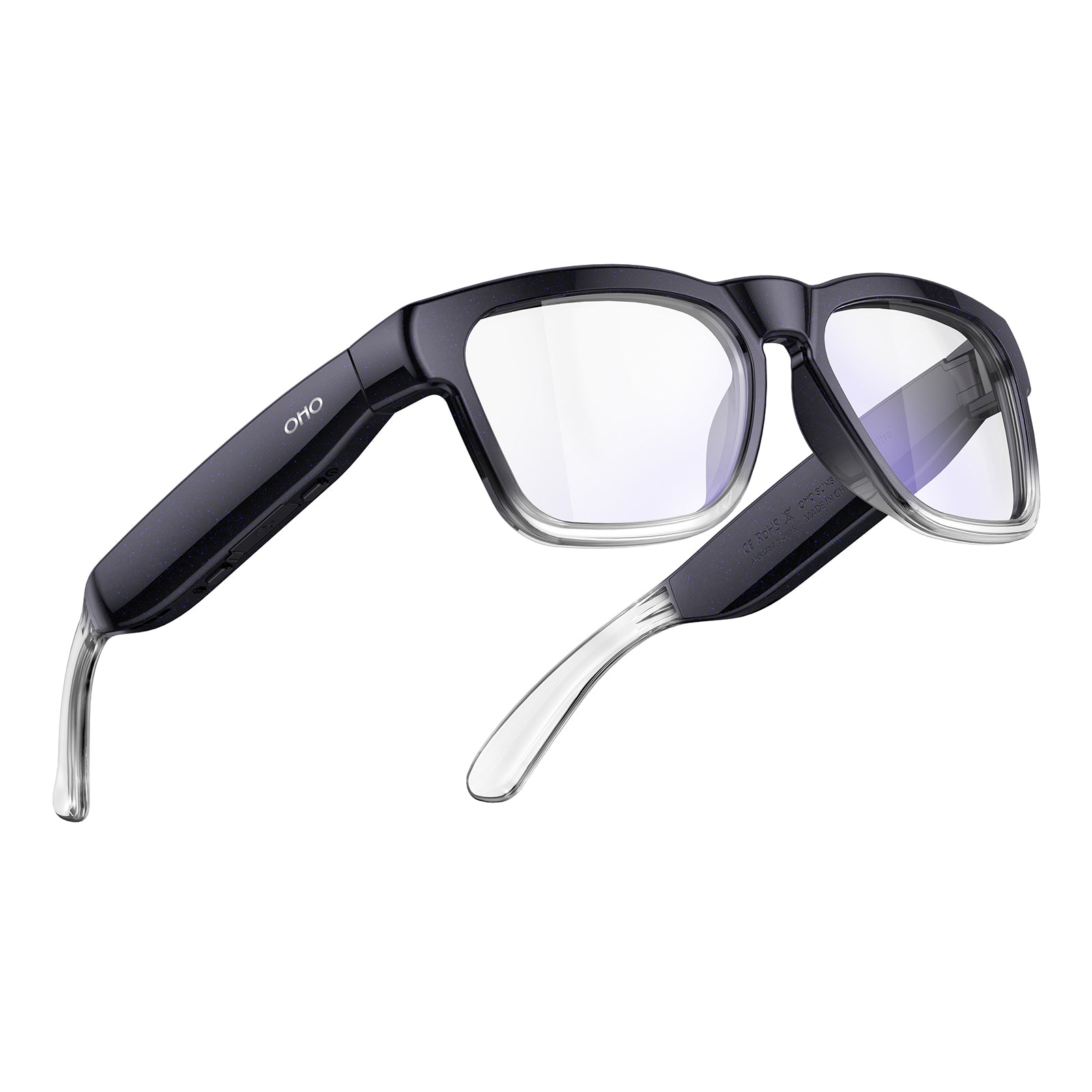
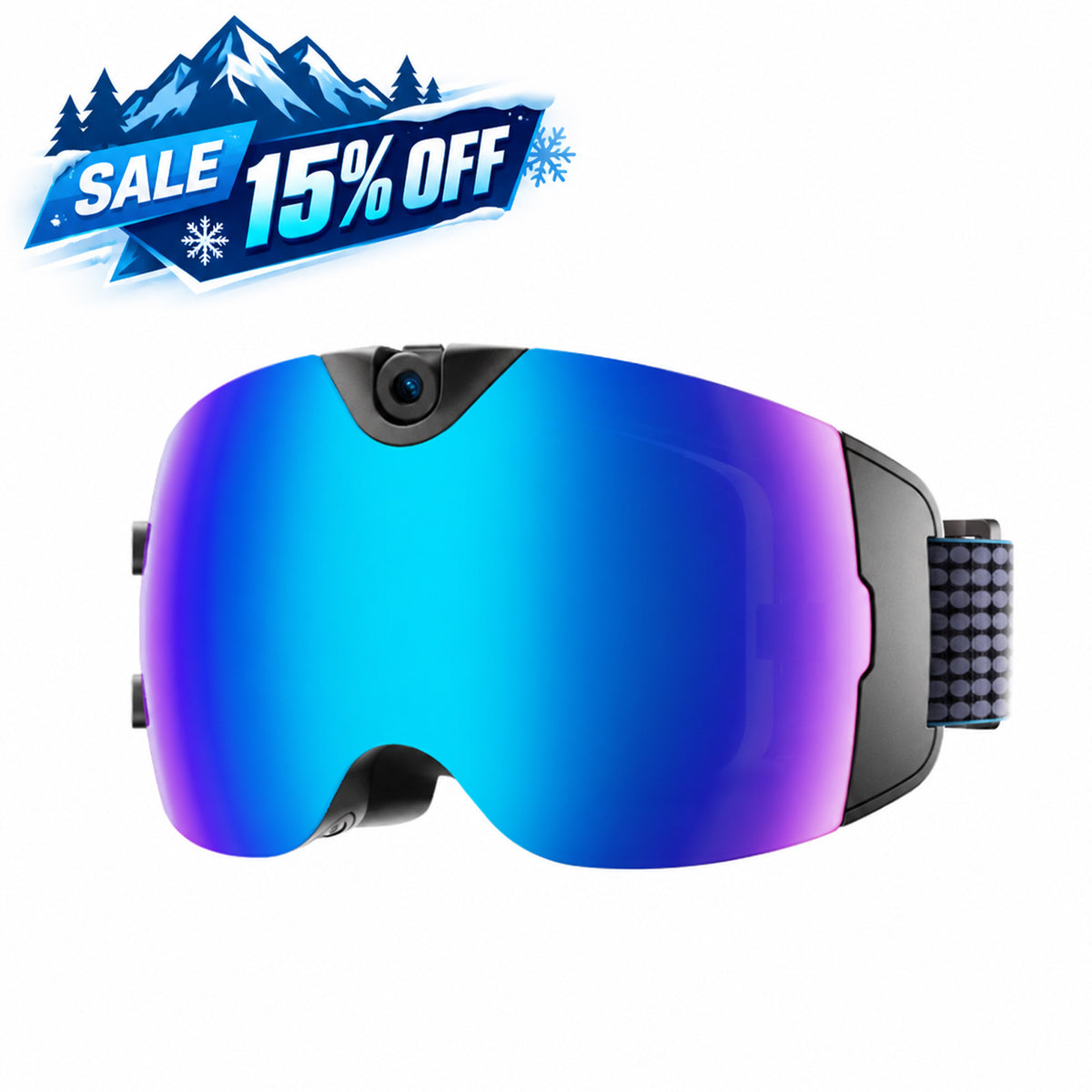
If your routine bounces between the car, sidewalks, and stores, our photochromic EIS camera glasses, Primex EIS, list photochromic lenses with UV400 protection plus image stabilization for smoother 2K video. For readers who also want built-in translation and 4K video alongside photochromic lenses, our photochromic AI glasses, Edge Pro, list the same lens type with those added features. For night driving, use a clear or separately verified setup if either lens makes needed visibility harder.
Driving-Condition Decision Guide
Match your actual routine to one of these five branches, then apply the matching lens choice.
- Bright daytime glare from roads or hoods: Start with polarized lenses, provided your dashboard and infotainment screen stayed readable in your seated-position test. If a display goes dark, that's your decisive check.
- Regular vehicle-to-outdoor transitions: Consider photochromic lens glasses for one-pair convenience, accepting that in-car darkening will likely be partial rather than full sunglasses-dark.
- Frequent indoor stops during the day: Weigh photochromic convenience against carrying a separate clear or polarized pair; the deciding factor is how often you actually swap environments.
- Parking and short outdoor errands: A photochromic pair saves you from switching glasses at every stop, but a dedicated polarized pair still filters glare better once you're back on the road.
- Night or low-light driving: Don't default to either category. Follow the clarity rule in the next section instead of picking based on lens label.
Night Driving and Low Light: When Clear or Separate Eyewear Is More Practical
At night or in low light, prioritize visibility over any tint or polarization label. If your glasses make the road, hazards, or dashboard harder to see, stop using them for that drive and switch to clear or separately verified eyewear.
This isn't a case where photochromic automatically beats polarized or vice versa. Some polarized glasses are marketed for night driving, but the American Academy of Ophthalmology notes they can do more harm than good in low light. The practical stop condition is simple: before you drive at night, confirm the exact glasses don't dim your view of the road or dashboard, and if they do, use a clear pair instead.
We built our lineup around daytime and mixed-light routines, so match your lens choice to your actual drive and verify the dashboard fit for polarized options.
Bottom Line
Choose polarized glasses for recurring reflected daytime glare when your exact dashboard remains readable and UV protection is separately verified. Choose photochromic lens glasses when one-pair indoor/outdoor convenience matters more and variable in-car darkening is acceptable. For low-light driving, use clear or separately verified eyewear if tint or polarization makes needed visibility harder.
FAQs
Do Photochromic Glasses Work Inside a Car?
Photochromic lenses react to UV light, and car windows can block UV light, so the lenses may not darken fully while you're driving. Exact behavior depends on the lens and the vehicle, so don't expect sunglasses-level tint every time.
Can Polarized Lenses Make Digital Dashboards Hard to Read?
Yes, some polarized lenses can make LCD or LED displays, including dashboard gauges and infotainment screens, hard to read. Test the exact glasses from your normal driving position before relying on them.
Which Lens Is Safer for Night Driving?
Neither category is universally safer. What matters is whether your specific glasses keep the road, hazards, and dashboard clearly visible; if a tinted or polarized pair reduces that visibility, switch to a clear or separately verified setup for that drive.


Hinterlasse einen Kommentar
Diese Website ist durch hCaptcha geschützt und es gelten die allgemeinen Geschäftsbedingungen und Datenschutzbestimmungen von hCaptcha.