














Proceed with a listing for ski goggles with camera features for snowmobile trail riding only when it documents a stable face seal, real foam coverage, helmet compatibility, and traceable lens or impact evidence. A camera feature alone does not prove any of that. If those details are missing, hold the listing and ask the seller for them before you check out.
Start With the Trail-Riding Fit and Wind Seal
At highway-adjacent trail speeds, the goggle-to-face interface matters more than any camera spec. A listing is worth continuing to evaluate only when it shows how the frame and foam actually contact your face and helmet.
Look for Face Contact, Not a Magic Foam Thickness
There is no single foam-thickness number that proves a goggle will block wind on a snowmobile trail, so do not let a listing's marketing language substitute for real evidence. Instead, look at close-up product photos and construction descriptions for continuous contact around the brow, cheeks, nose bridge, and temples. Gaps in any of those spots let cold air and blowing snow reach your eyes at speed. If a listing does not show foam material, coverage, or how the frame seats against the face, treat that as an unresolved fit question rather than an assumed pass.

Check Helmet Interface and Field of View
Use this short inspection list before you add a pair to your cart:
- Look at strap placement and frame depth against the helmet you already own or plan to use.
- Check whether the camera housing sits clear of the helmet shell instead of pressing into it.
- Scan for pressure points around the temples that would force overtightening.
- Confirm the listing shows usable peripheral vision, not just a straight-on photo.
- Ask the seller directly for exact-model helmet compatibility when the page does not state it.
Verify Lens, Visibility, and Impact Evidence
A lens description can sound protective without actually proving protection. Treat visibility features and impact evidence as two separate questions, and only move forward when both are answered.
Separate Visibility Claims From Protection Claims
Check these items independently instead of assuming one implies the other:
- Lens material, tint, and field-of-view figures for changing daylight and snowfall.
- Anti-fog wording, since fogging is a distinct issue from impact strength.
- Polarization and UV400 protection, which affect glare and eye comfort but not impact resistance.
- Whether the listing references a recognized winter-goggle testing framework. The ASTM F659 goggle standard covers optical properties, lens strength and retention, visibility, and testing meant to help goggles block cold, wind, and moisture, so it is a useful checklist for what a strong listing should mention, not proof that any specific pair passed it.
Treat Impact Marks as Evidence to Verify
An unqualified "impact resistant" phrase is weaker than a traceable, model-specific test or marking. When a seller cites an impact standard, check that the marking actually appears on that exact model rather than in general marketing copy. The ANSI/ISEA Z87.1 eyewear standard sets marking and testing criteria for impact and anti-fog performance, but it is an occupational eyewear standard, and a Z87.1 reference alone does not certify a goggle for motorized snowmobile use. If a listing gives only generic impact wording with no traceable test or marking, keep that pair in the unverified column until the seller can document it.
Audit the Camera and Cold-Weather Listing Details
A camera only helps if its placement, controls, and battery actually work for a cold trail ride. Run through this seven-point audit before you rely on any listing's recording claims.
- Camera placement and field of view: confirm the angle matches a first-person trail view without blocking your line of sight.
- Recording controls: check whether you can start and stop recording with gloves on, ideally with a single button.
- Status feedback: look for a light, sound, or app indicator that confirms recording is active, since you won't be able to check a screen mid-ride.
- Resolution and frame rate: match these to how you plan to use the footage, not just to the highest number listed.
- Audio: note whether the listing mentions a built-in microphone if trail sound matters to you.
- Battery and charging: check the listed runtime and charging method, and treat a nominal figure as a starting point rather than a cold-weather guarantee, a point covered in more detail in our article on camera snow goggles for snowmobiling.
- Storage and weather use: confirm where footage is saved and whether the listing addresses cold or wet-weather electronics operation.
Browsing a full category of smart snow goggles side by side makes it easier to compare these seven points across listings before you commit to one.
Apply the Checks to OHO SUNSHINE Skyshot
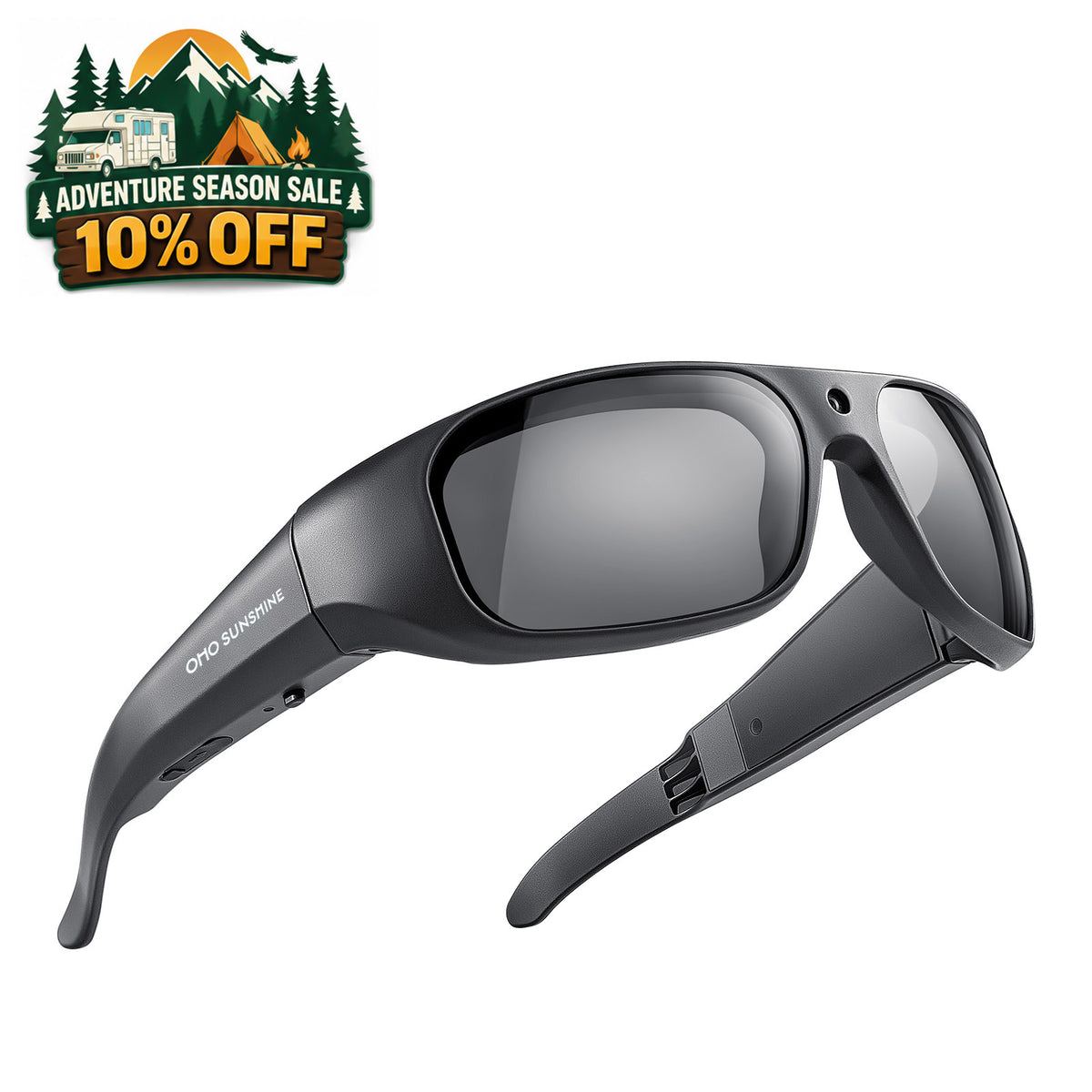
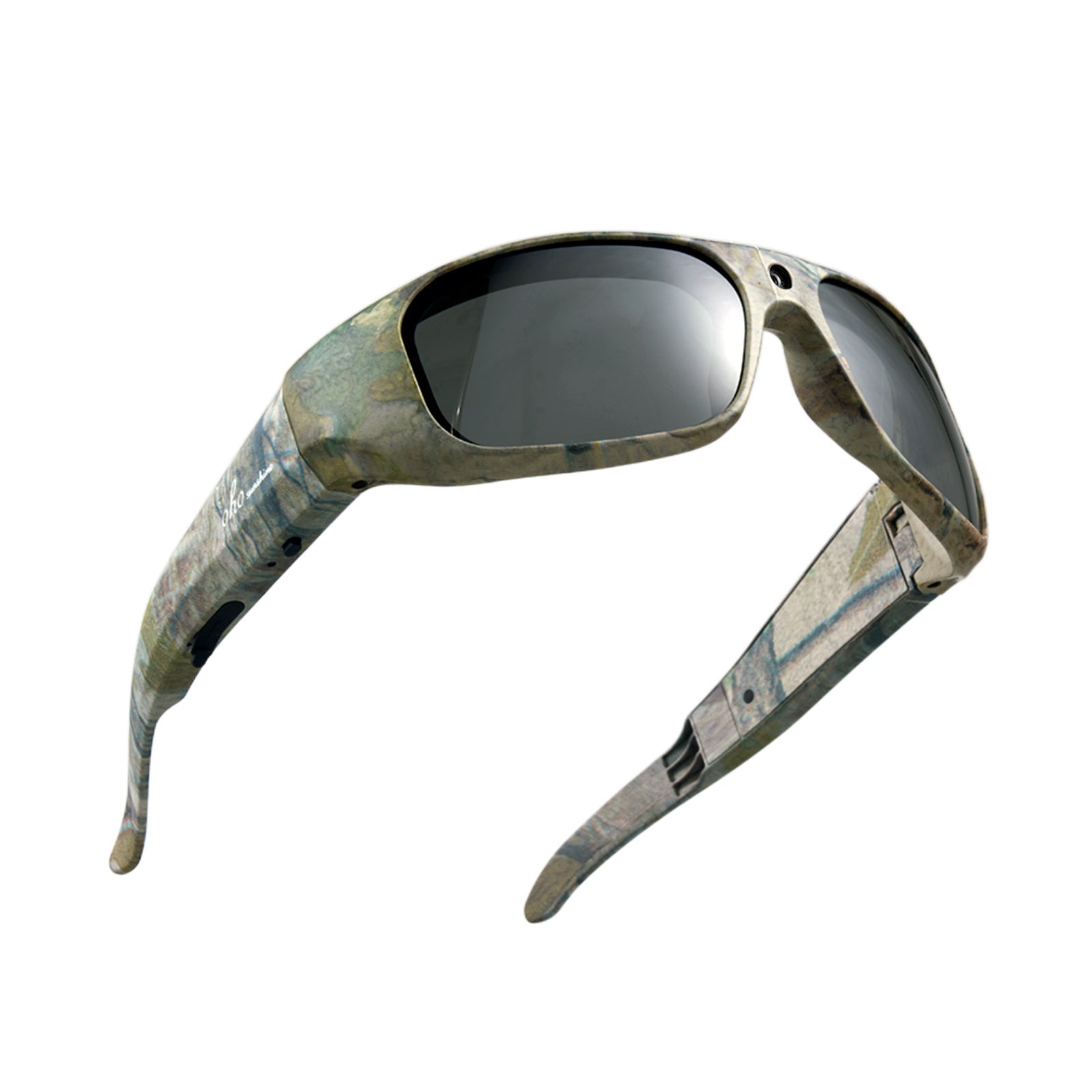
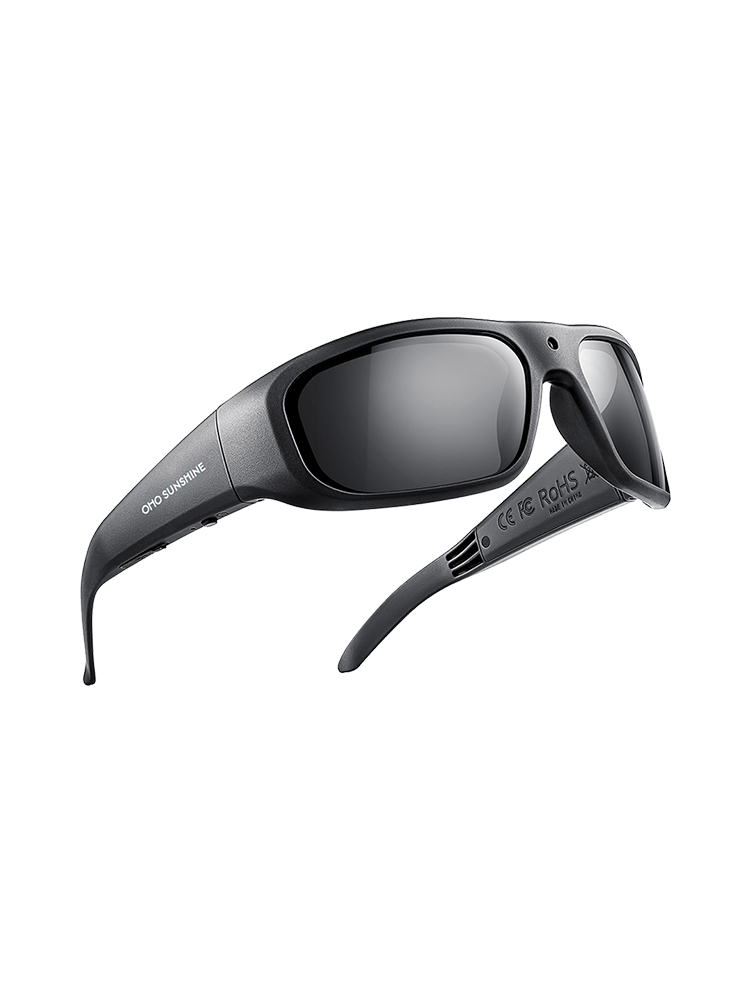
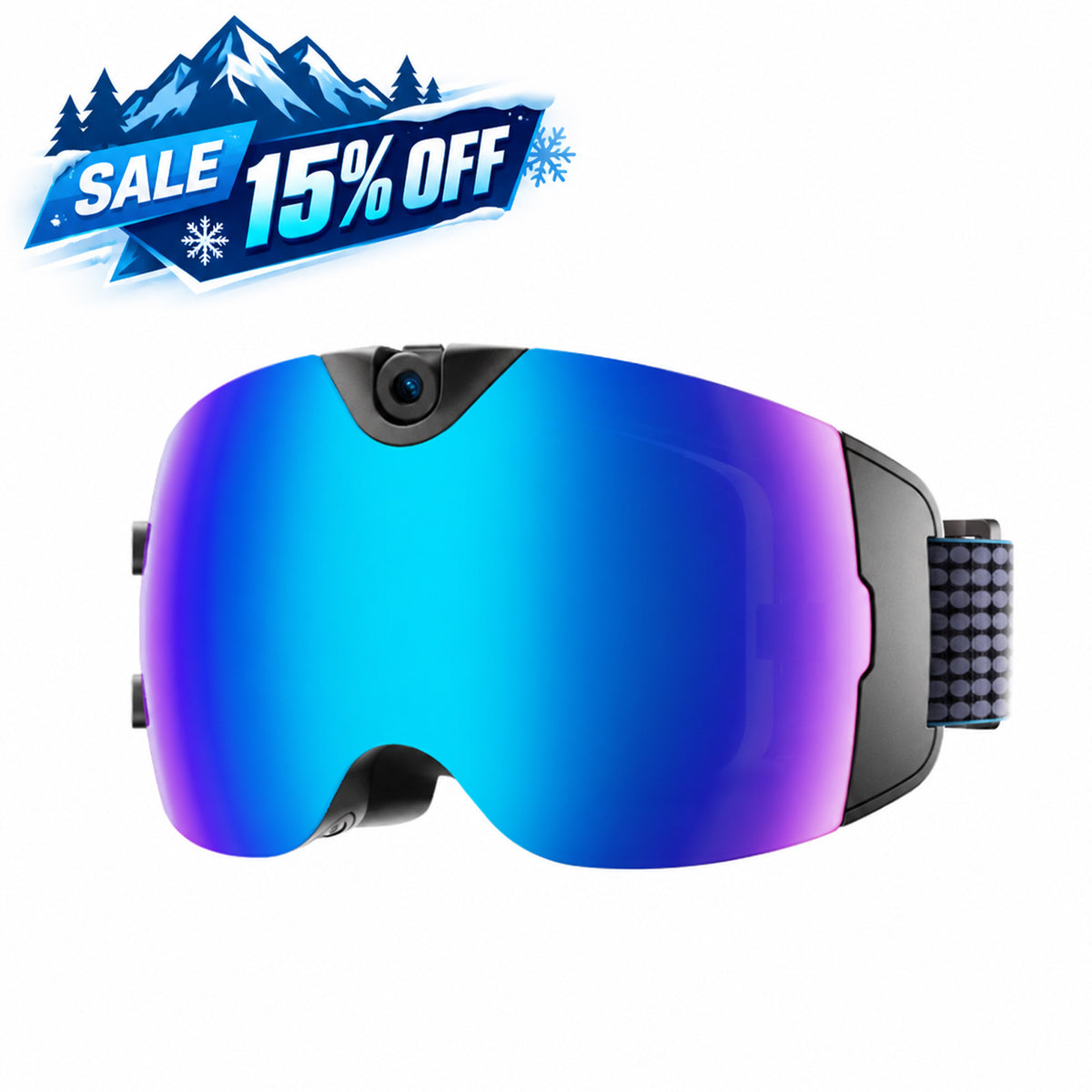
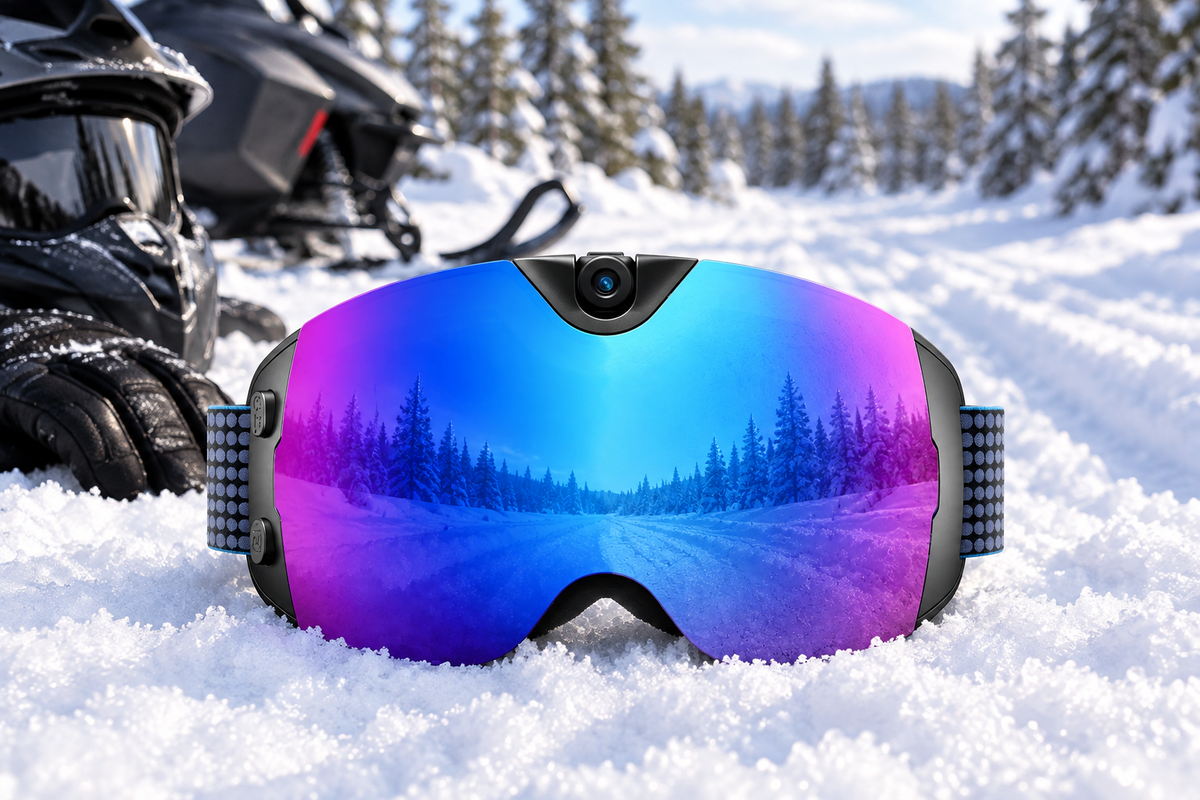
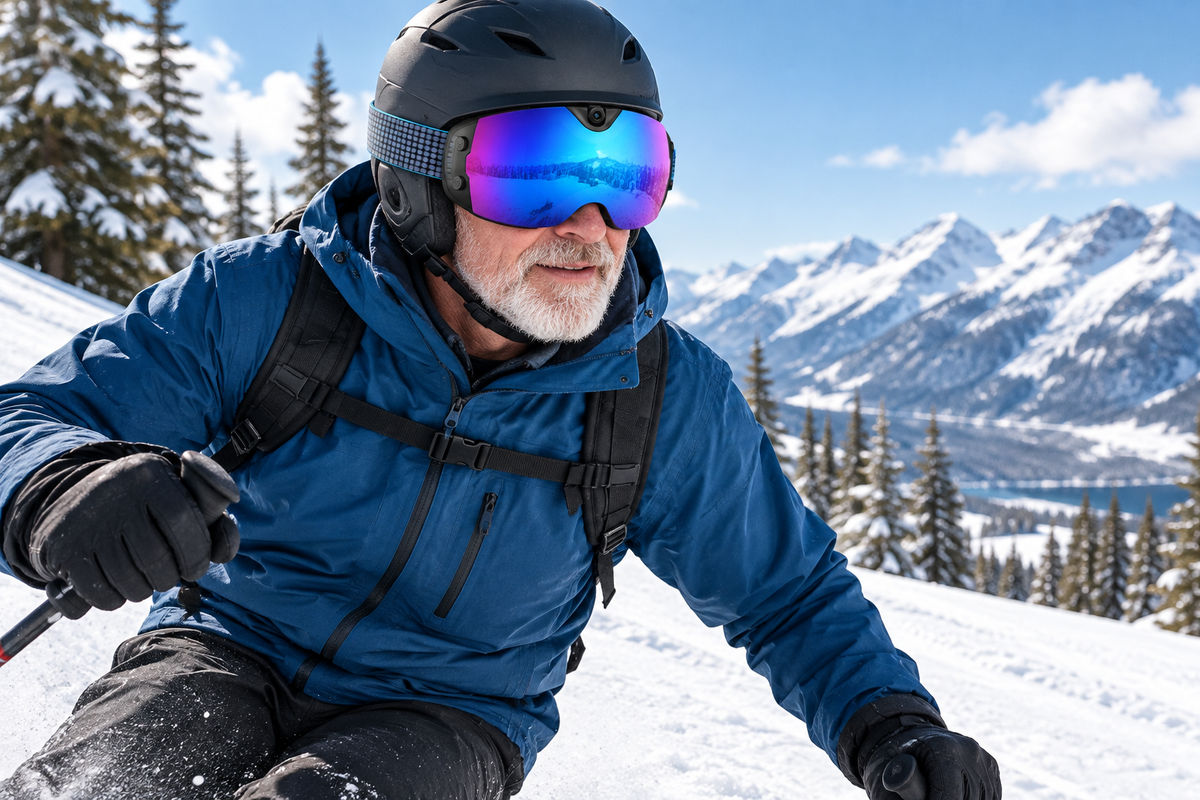
Our Skyshot camera ski goggles listing answers the recording and lens-feature portion of this checklist, but it does not yet resolve the physical-fit and protective questions above for high-speed trail riding. Here is how the supported and unresolved parts break down.
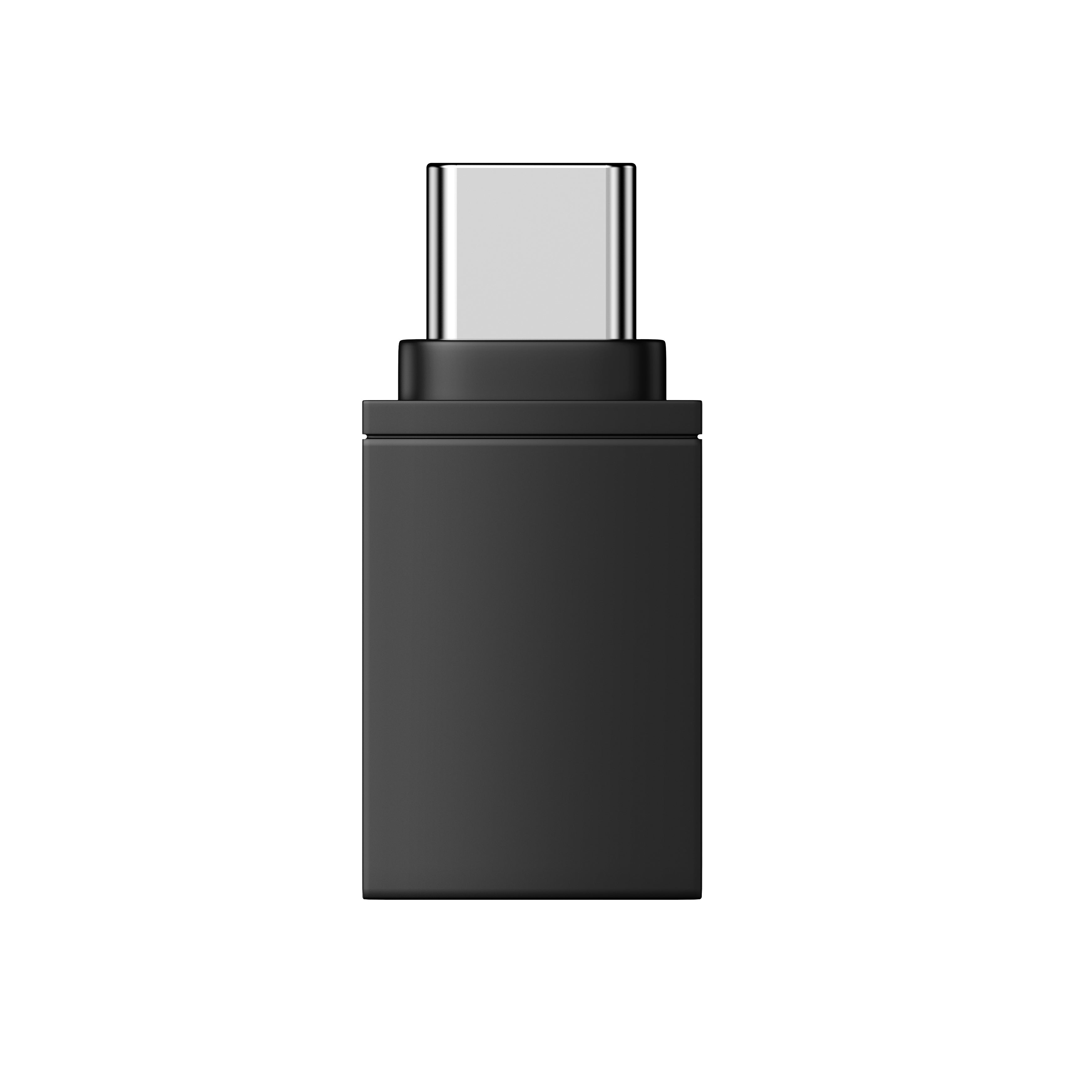
The Skyshot page states 4K video at 30 fps, 24-megapixel photos, a 140-degree wide-angle camera, an anti-fog polarized lens with UV400 protection, Wi-Fi connectivity, button and app controls, USB-C charging, and a listed 90-minute battery life. Those are the manufacturer's stated features, and we stand behind them as accurate descriptions of what the product offers. What the listing does not include is model-specific documentation of face-seal thickness, foam coverage, helmet-fit testing, cold or wet electronics weather rating, or a traceable impact-testing standard or marking.
That gap does not mean the goggles are unsafe. It means we cannot verify, from the information supplied here, that this exact pair meets the fit and protective bar this guide sets for motorized trail riding. If face seal, helmet compatibility, and impact documentation matter to your ride, contact us for the specific answers before you buy, and treat the recording features as a secondary reason to choose a pair, not the deciding one.
Use This Online Selection Checklist Before Checkout
Work through this list in order, and stop at the first item you cannot confirm.
- Confirm the listing shows continuous face contact at the brow, cheeks, nose, and temples.
- Confirm foam material and coverage are described, not just implied by photos.
- Confirm helmet clearance and strap fit match your specific helmet.
- Confirm lens tint, anti-fog wording, and field of view suit changing trail light and snowfall.
- Confirm any impact-resistance claim points to a traceable test or marking for that exact model.
- Confirm camera controls and recording-status feedback are usable with gloves on.
- Confirm battery, storage, charging, and cold-weather operation details are stated, not assumed.
- Confirm the return window and support contact before you plan to test fit at home.
If every item is answered, proceed to compare price and shipping. If any item is missing, request the answer from the seller and hold the order until you get it.
Conclusion
The shortest path forward is to request the missing seal, helmet-fit, weather, and impact answers before you check out. Camera resolution and lens marketing cannot substitute for that evidence on a high-speed snowmobile trail. If a seller cannot document the physical fit and protective details for the exact model you are considering, treat that listing as unverified for this use until they can.
FAQs
Are polarized ski goggles automatically the best choice for snowmobile trails?
Polarized lenses can cut glare off snow in some lighting, but polarization alone does not confirm the right tint, contrast, or anti-fog performance for every trail and light condition you'll ride in. Check the listing's specific lens-use information for daylight, overcast, and snowfall conditions before assuming polarization settles the choice.

Can I rely on the listed battery time in freezing weather?
A listed runtime, such as the 90 minutes shown on some camera-goggle pages, is a nominal figure measured under standard conditions, not a guaranteed freezing-weather recording time. Cold temperatures typically shorten battery performance in small electronics, so check the manual or ask support for cold-operation guidance before planning a full ride around that number.
What should I do if a camera goggle listing only says "impact resistant"?
Generic impact-resistant wording without a traceable test or marking does not prove the product is unsafe, but it also means you cannot treat that claim as verified for snowmobile use. Ask the seller for the exact-model test standard, marking, or compliance statement, and hold your purchase decision until you get a documented answer.
Do I need a specific helmet to use camera ski goggles on a snowmobile?
There is no universal helmet requirement, but the goggle frame, strap, and camera housing need to fit your particular helmet without gaps or pressure points. Since online photos rarely confirm this for every helmet shape, request exact-model helmet-compatibility information from the seller if the listing does not already include it.
Is a higher megapixel or video resolution number the most important camera spec for trail footage?
Resolution and photo megapixels matter for footage quality, but they don't address whether you can start recording, confirm it's running, or keep the camera powered for your ride length. Weigh recording controls, status feedback, and battery and storage details alongside resolution before deciding a listing meets your needs.


Hinterlasse einen Kommentar
Diese Website ist durch hCaptcha geschützt und es gelten die allgemeinen Geschäftsbedingungen und Datenschutzbestimmungen von hCaptcha.