














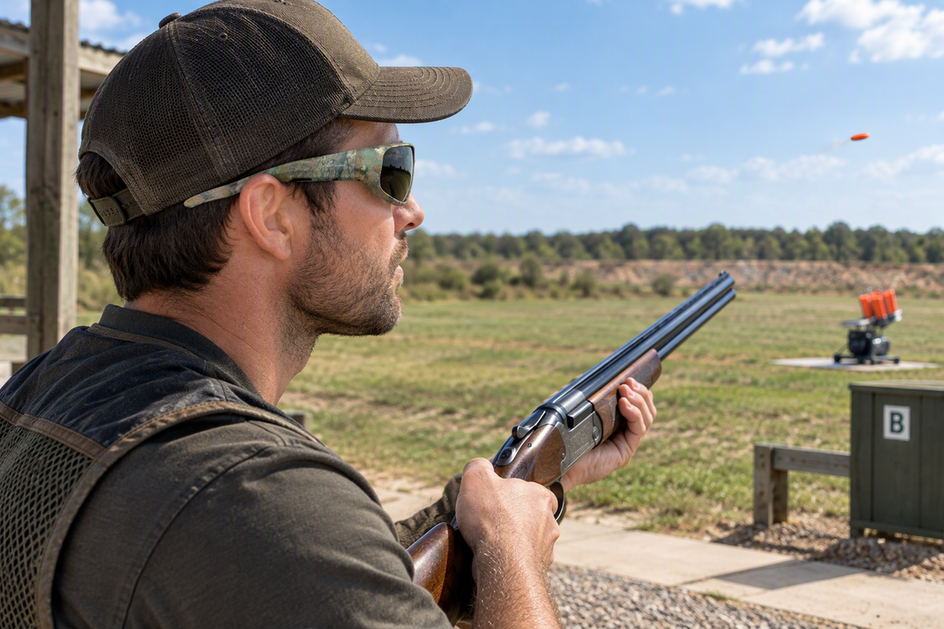
Choosing camera glasses for clay shooting starts with a footage goal, not a feature list. Pick a setup only after you confirm its exact protective status and range acceptance, test whether the recorded view actually shows your barrel and target relationship, and check that the frame does not break your earmuff seal. If any of those checks fail, use the camera glasses for recording only and pair them with separately verified protective eyewear, or wait until you can confirm the missing fact.
Define the Footage Your Training Session Needs
Before comparing any smart glasses, camera glasses, or AI-branded features, decide what the clip needs to show. For clay work, a useful recording preserves the relationship between your mount, the barrel's direction, the target's flight path, and your lead angle well enough to review after the round.
Labels like smart sunglasses or Bluetooth smart glasses describe connectivity, not recording usefulness. Treat the camera glasses as one possible recording tool and treat their status as protective eyewear as a completely separate question. Only choose an all-in-one setup, where the same glasses record and protect your eyes, if the protection check, the footage test, and the earmuff-fit test in the sections below all pass. Otherwise, plan for two pieces of gear: a verified recording device and a verified pair of protective glasses.
Verify Eye Protection Before Comparing Camera Features
Camera glasses cannot be assumed to protect your eyes just because they carry a camera, a UV rating, or a sunglass-style lens. You need to confirm the exact protective marking on the specific model and match it to your range's rules before relying on it during live fire.
Read the Protection Claim Precisely
Check these details on the exact product, not the general category:
- The permanent marking or documentation stating a protective standard, not just a marketing phrase like "safety-rated."
- Whether the listed standard mentions side protection and recognized protective-device criteria, which matters for flying-object hazards. OSHA's eye-protection rule requires side protection for these hazards in covered workplaces and lists the recognized consensus standards eye protection must meet.
- Whether the intended use statement covers shooting sports at all, separate from camera, UV, or polarization descriptions, which are optical and recording details, not ballistic evidence.
Match the Evidence to the Range
Confirm the range you train at actually accepts the exact eyewear model and its marking; a listed standard does not guarantee admission. The ANSI/ISEA Z87.1 standard record covers testing, marking, selection, care, and use of eye protection, but its scope notes exclude certain hazardous exposures, including sports and recreation, from coverage. That gap means a Z87.1 mention on a product page is a fact to verify, not proof that a model is approved for clay shooting or accepted at every range.
If the documentation is incomplete, or your range does not accept the exact model, stop treating the camera glasses as your sole eye protection. Use separately verified protective eyewear instead, and keep the camera glasses for recording only.
Evaluate the Camera and Lens for Barrel-Lead Footage
Once protection is settled, judge the camera and lens on whether the footage is actually useful for reviewing your shot. Resolution numbers alone do not tell you whether the recorded view matches what you see through your sights.
Check the Sightline Before the Resolution
Confirm the camera's placement captures your barrel reference and the target area in your normal mount, since an offset lens can produce a view that looks different from your real sight picture. Our sightline alignment guide walks through checking parallax offset and clearance against a shooting or aiming reference before you rely on any clip. Watch a saved recording, not just the live preview, for horizon stability, head-movement artifacts, and whether the target stays visible through your swing.

Match Optics and Endurance to the Session
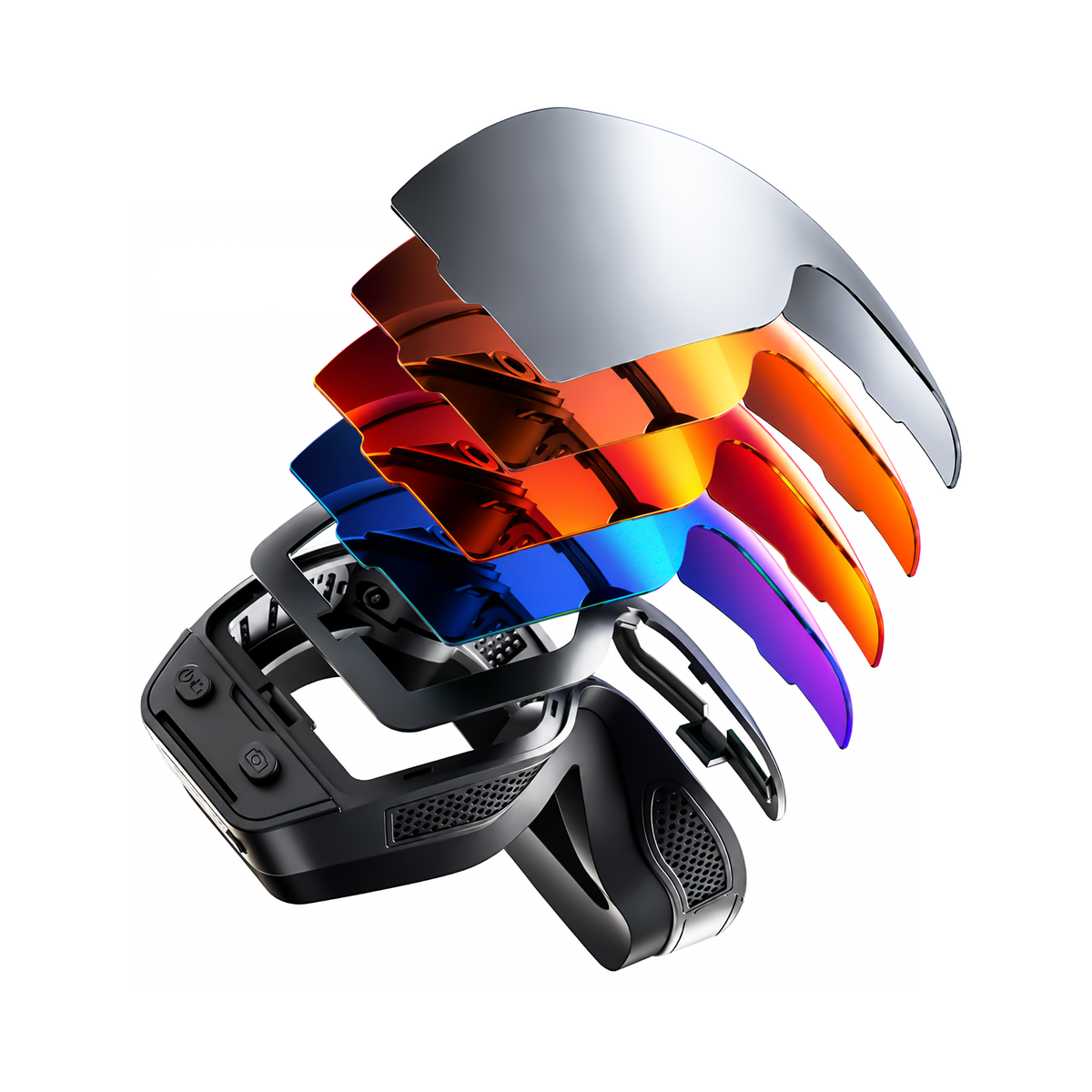
Judge lens clarity, tint, and polarization behavior in the changing outdoor light you expect at the range, since glare and contrast shift through the day. Confirm the controls, storage capacity, and file transfer work the way you need, and compare the documented continuous runtime with your planned recording blocks rather than with your total time at the range. A listed 4K/30fps spec or a stated battery figure describes the hardware; it does not by itself prove the footage will be analyzable, so treat it as an input to your own test clip rather than a finished answer.
Test Frame Fit With Over-Ear Hearing Protection
A frame that feels fine at a desk can still break your earmuff seal once you're standing, mounting, and tracking a target. Hearing protection has to be compatible with the rest of your gear, and eyewear is a common interference point.
According to CDC/NIOSH guidance on hearing protection, earmuffs and canal caps can interfere with the fit of other protective equipment worn on the head, including eyewear, and fit testing helps confirm a hearing protector is actually sealing correctly. Put the camera glasses on with your actual earmuffs, then move through your real shooting positions: mount, cheek weld, head turn, and follow-through. Watch for the cushion lifting off your ear, a visible gap forming, or the frame shifting into your eye line. If you have access to the hearing-protection maker's fitting or fit-testing process, use it instead of relying only on how the setup feels standing still.
If the housing or temple arms lift the cushion or change the seal in any of those positions, stop using that exact combination for live shooting. Change the eyewear, the earmuffs, or both, and repeat the check before you go back to the line.
Compare Camera Glasses by the Training Job
With protection, footage, and fit criteria in hand, match the setup type to your actual training job instead of choosing by feature label.
| Setup type | Best fit | Verify before purchase | Not-fit signal |
|---|---|---|---|
| Recording-only camera glasses | Buyers who already have separately verified protective eyewear | Camera placement, storage, and documented runtime | Frame conflicts with your existing eye protection |
| Smart, Bluetooth, or AI camera glasses | Buyers whose workflow needs voice control, transfer, or connected features | Whether the connected feature solves a real task, not just a spec sheet | Feature adds no workflow value for range use |
| Camera glasses paired with separate protective eyewear | Buyers whose camera glasses have unverified protective status | Combined fit under earmuffs and glasses layering | Two frames create pressure points or block your sightline |
The table sorts setups by what you still need to confirm, not by which one wins. Connected features like Bluetooth pairing or an AI-branded assistant only matter if they solve a specific workflow problem, such as quicker file transfer between drills; they say nothing about protective status or footage quality.
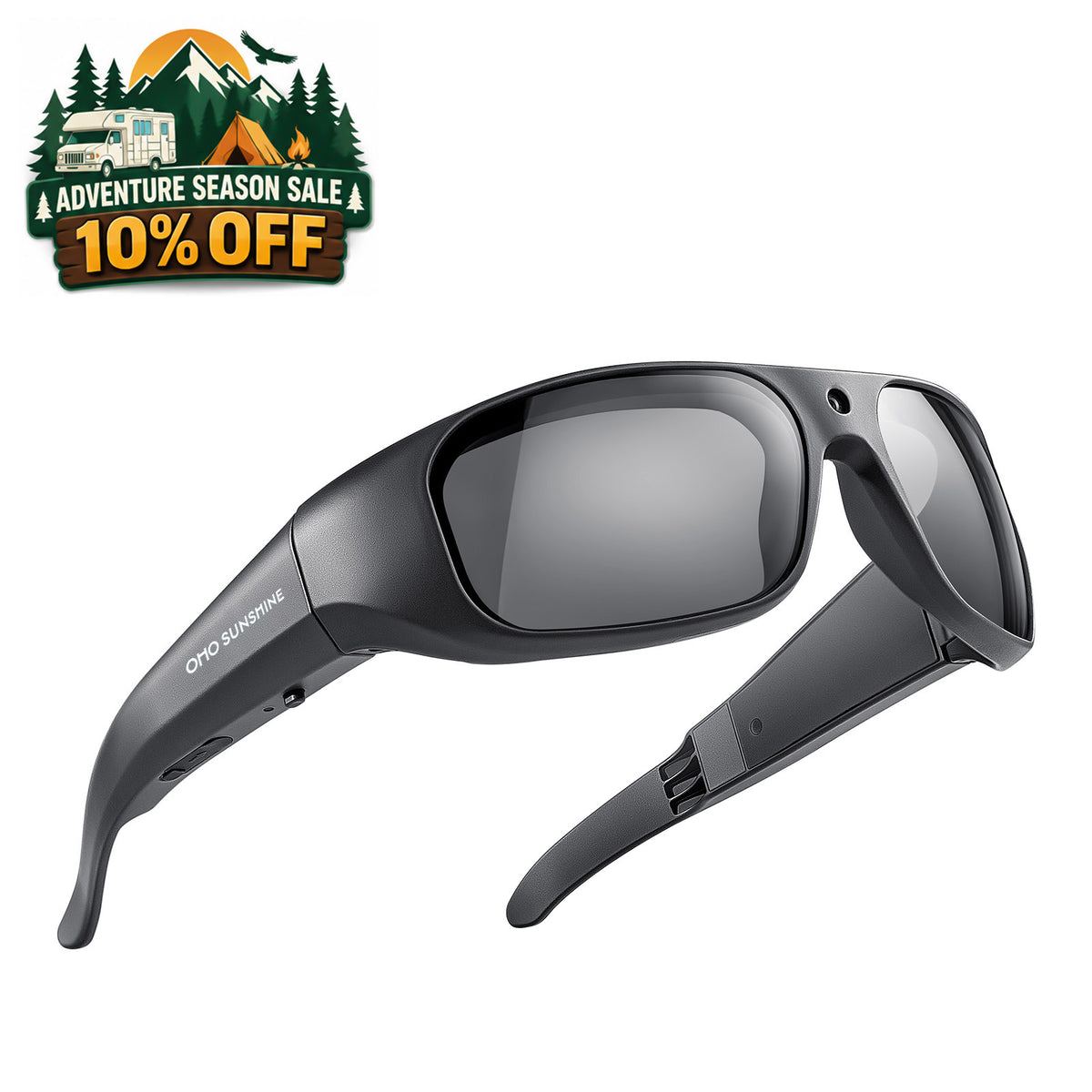
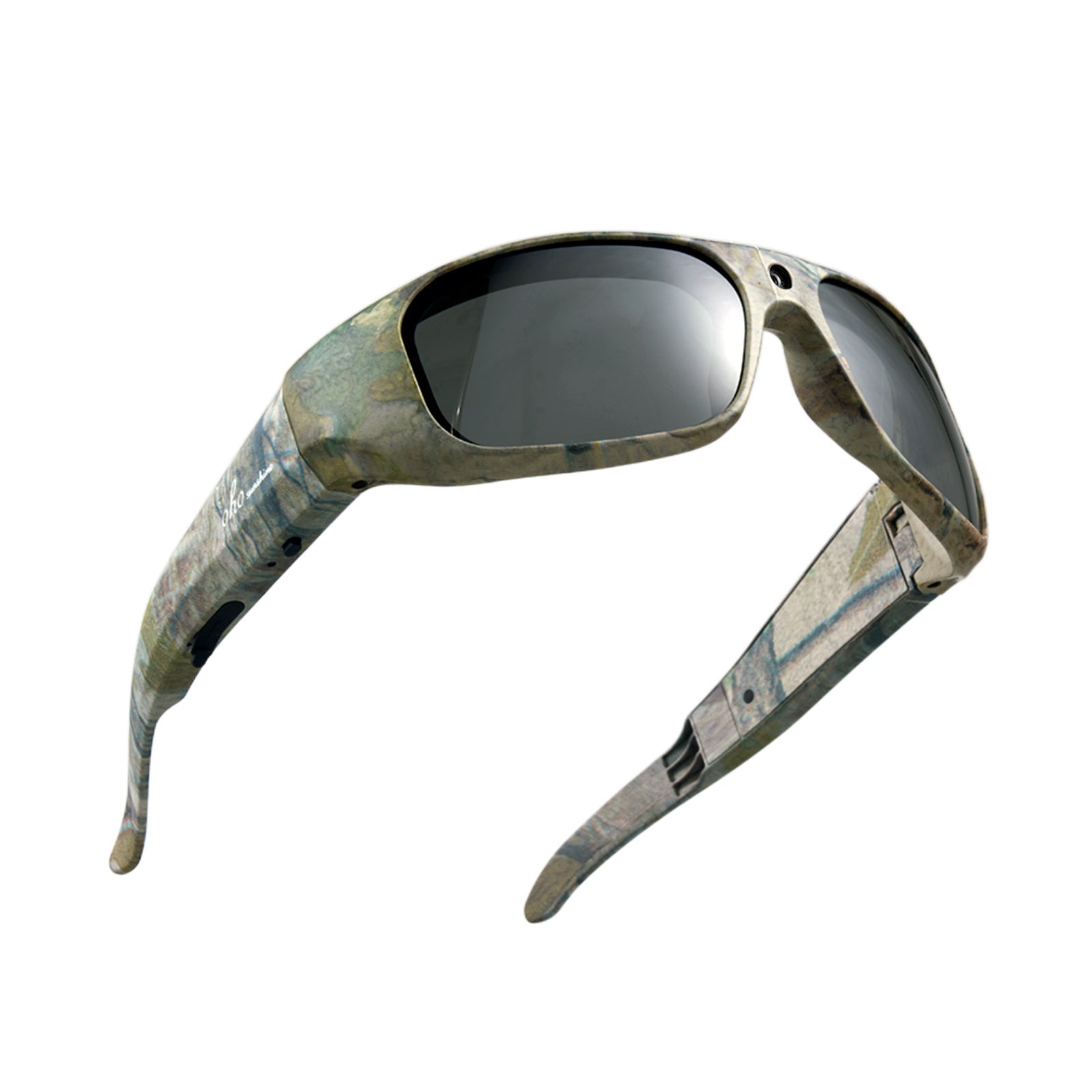
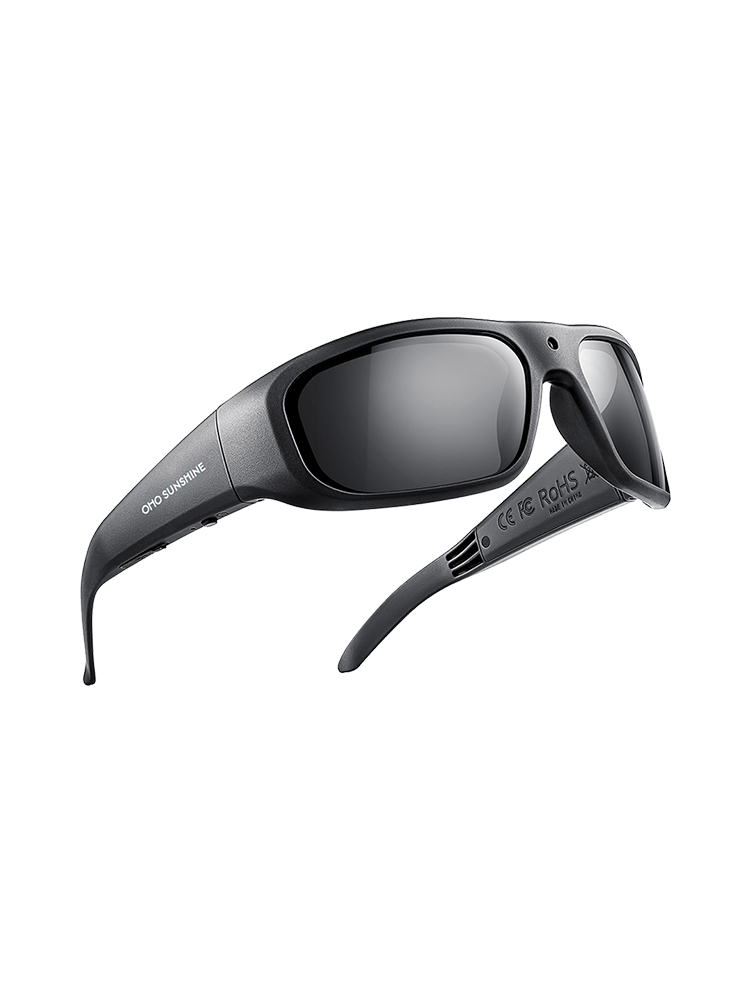
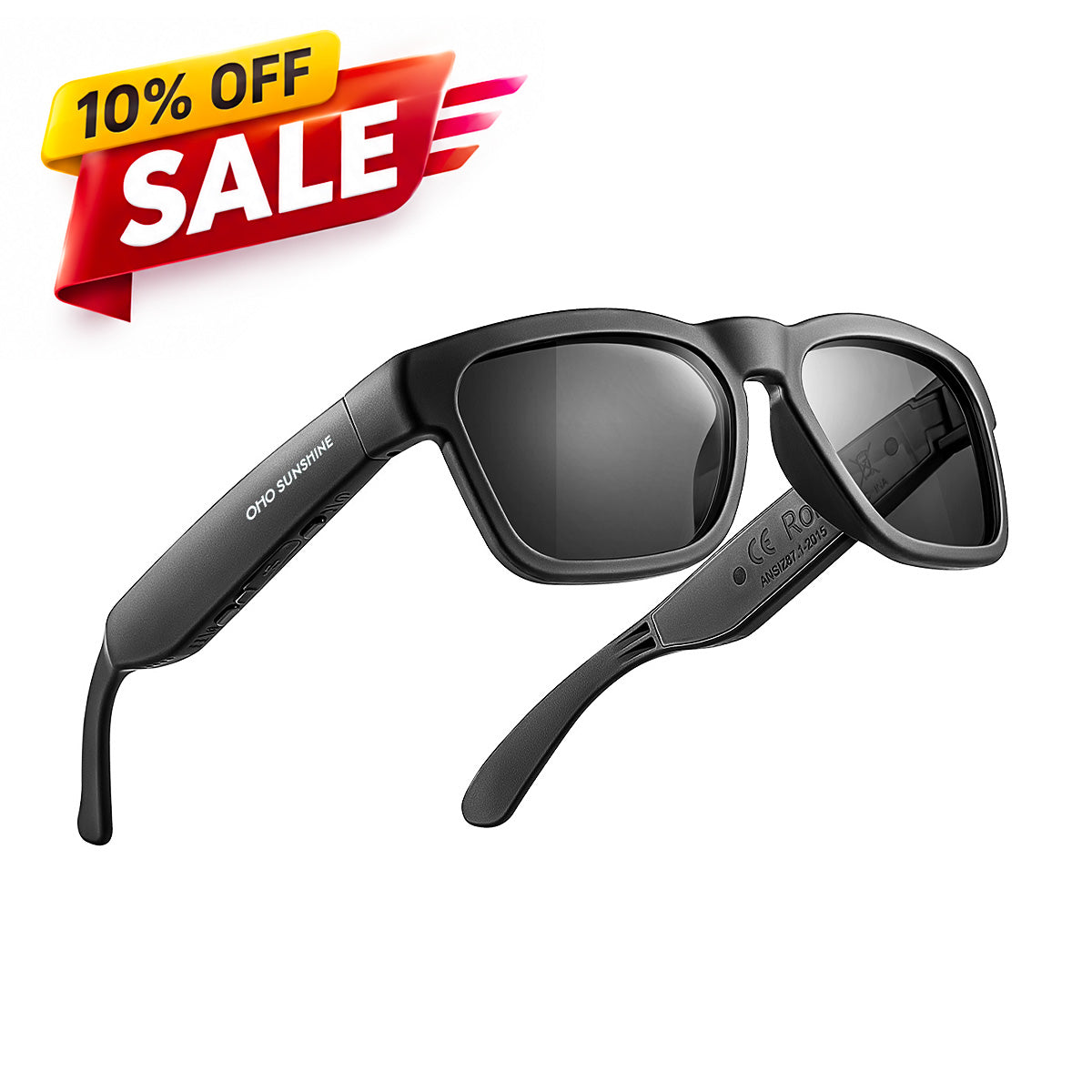
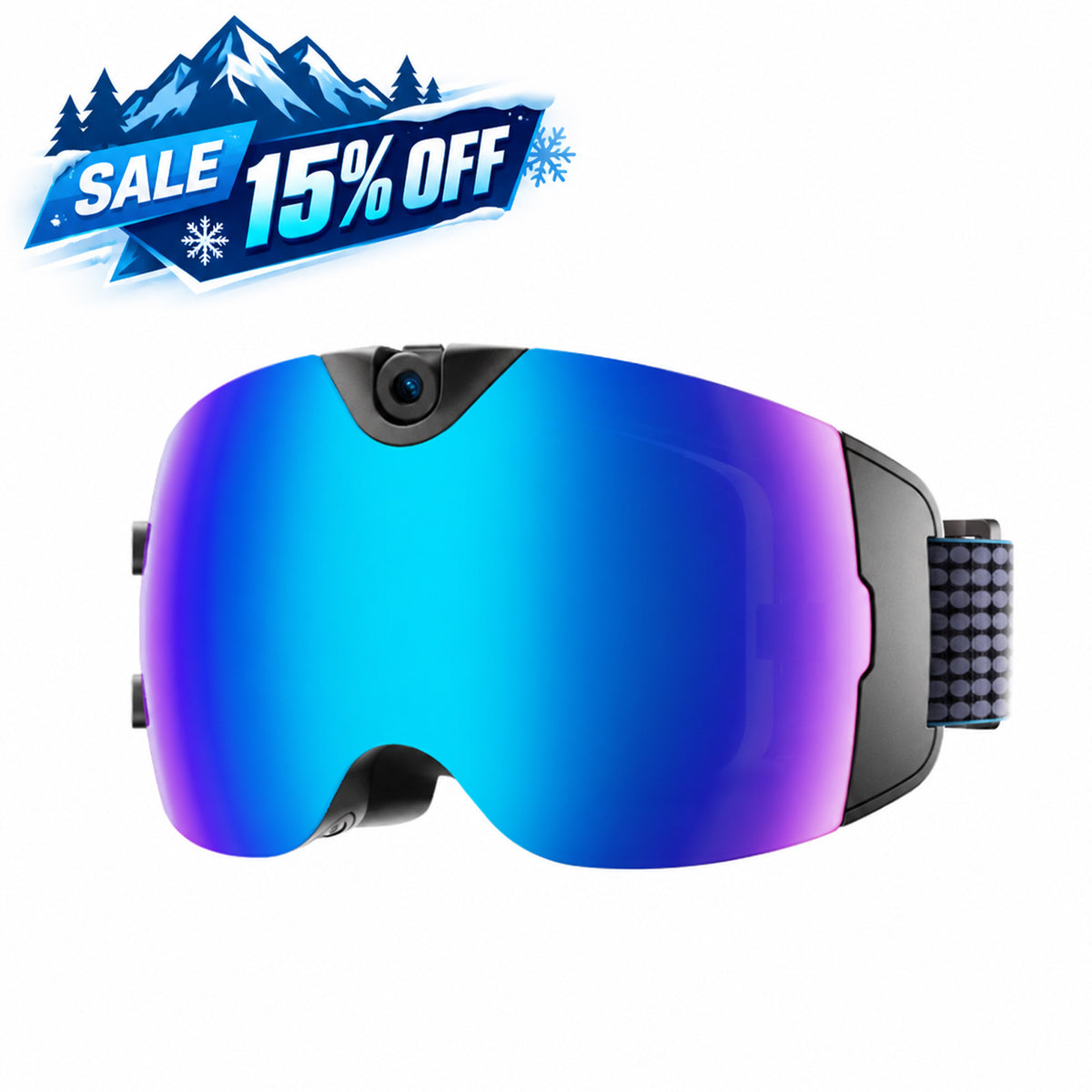
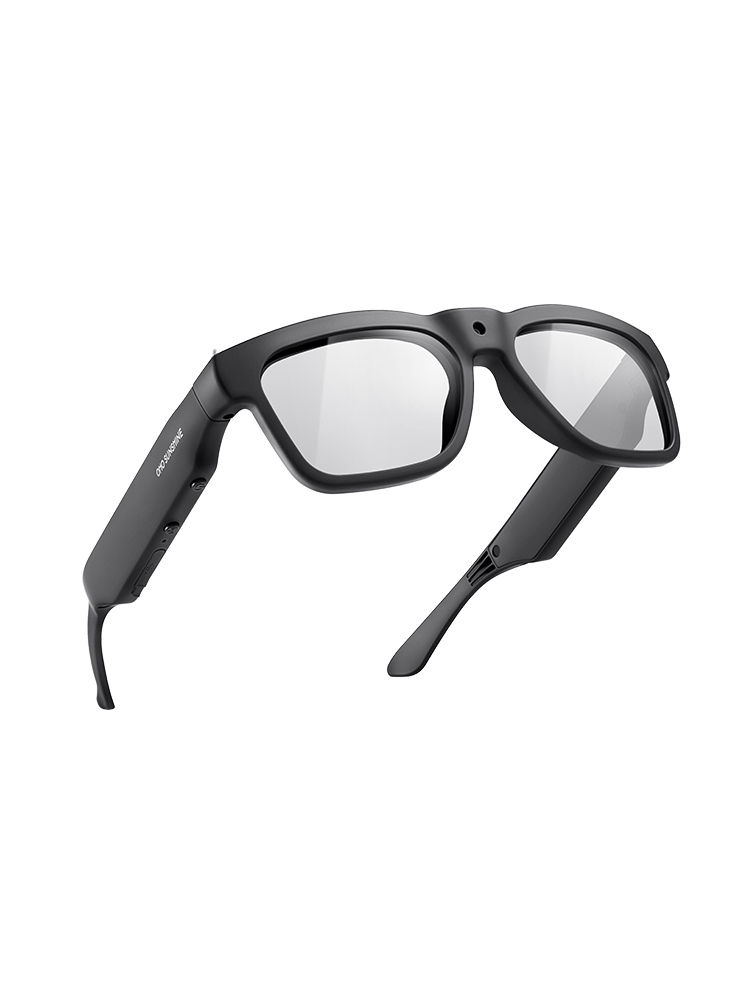
If you're evaluating a recording-first option, our Brave 4K model is documented with 4K/30fps video, 24MP photos, a built-in microphone, polarized UV400 lenses, a TR90 frame, and a listed 30-minute battery life. Those are manufacturer-listed recording and lens specs, not a ballistic rating or a range-compliance claim; run it through the sightline, light, and earmuff checks above like any other candidate. You can browse the broader camera glasses collection if you want to compare additional recording-focused options against the same checklist.
Make the Final Choice From Verified Results
Proceed with a single all-in-one setup only if the protective marking and range acceptance are documented, a test clip shows the barrel-and-target relationship you need, the earmuff seal holds through your shooting positions, and the runtime covers your planned recording blocks. If the glasses record well but their protective status is not established, use them for recording only alongside separately verified protective eyewear. If a material fact is still missing, postpone the purchase until you can confirm it.
To make your final decision, run a dry-mount check with your earmuffs and review a sample target clip; order the model only when both pass, or pair a recording-only frame with certified shooting eyewear before your next range trip.
FAQs
What should a first test clip show before a full training session?
Before a live session, record a short non-live clip and check three things: the camera view includes your barrel reference and the target area in your normal mount, the controls work without disturbing that mount, and the saved file plays back clearly. If any of these fail, adjust the setup and retest before relying on it for a full round.
Is a short battery rating enough for a clay-shooting session?
Compare the documented continuous runtime to your planned recording blocks, not to your total time at the range. For example, a listed 30-minute runtime split into planned 5-minute clips per drill supports roughly six recorded drills on one charge; if your session needs more, pick a documented model with longer runtime or shorten your recording plan instead of assuming an unverified way to recharge mid-session.
What if the glasses pass the camera test but fail the earmuff-seal check?
Do not use that glasses-and-earmuff combination for live shooting. Change the frame, switch to different hearing protection, or rearrange how the two sit together, then repeat the fit check in your actual shooting position before returning to the line.


Hinterlasse einen Kommentar
Diese Website ist durch hCaptcha geschützt und es gelten die allgemeinen Geschäftsbedingungen und Datenschutzbestimmungen von hCaptcha.